
Michelin Bib Gourmand
Our verdict
Oryori Menami brings Kyoto's obanzai tradition to a ground-floor address on Sanjo Kiyamachi, earning a Michelin Bib Gourmand in 2024 for cooking that holds the line on seasonal, ingredient-led restraint without the price point of the city's kaiseki circuit.

Pearl is the En Primeur Club membership app, where members save venues, book tables and use the concierge.
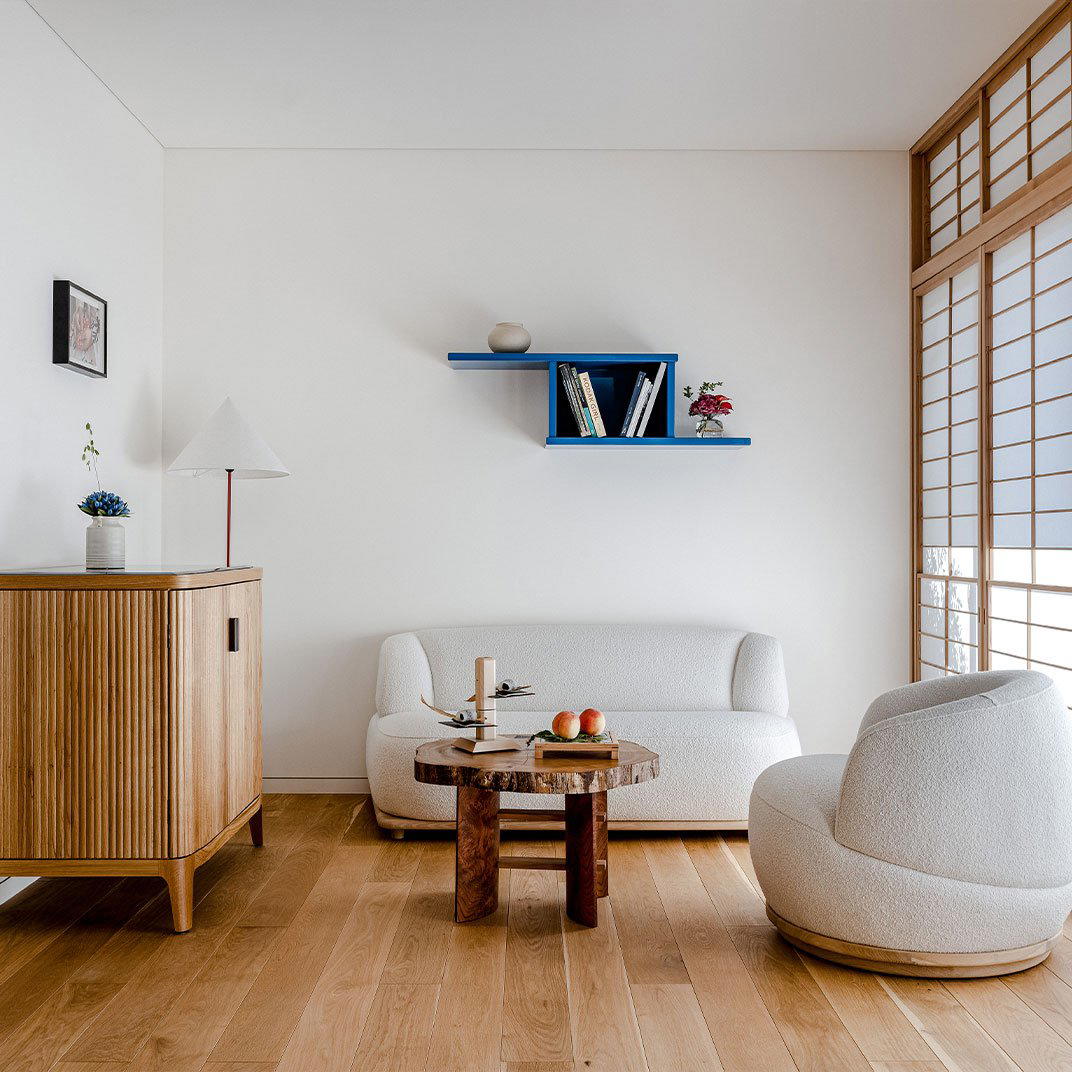
Where Kiyamachi Meets the Kitchen Garden Calendar
Step onto the Sanjo Kiyamachi strip on a cool autumn evening and you will pass the kind of Kyoto block that resists easy categorisation: canal-side lanterns, a convenience store, an old kappo counter with its noren half-drawn. Oryori Menami sits in this stretch, at ground level inside the SANJOKIYAMACHI Building II, and its presence here is less about destination dining than about the logic of neighbourhood eating. The approach is quiet. There is no theatre of arrival, no choreographed welcome sequence. What draws people back is what happens at the table, a disciplined rotation of obanzai dishes calibrated to whatever the season has delivered that week.
Obanzai and the Ethics of the Everyday Table
Obanzai is the closest thing Kyoto has to a civic food philosophy. The term describes the small, shared vegetable and tofu dishes that have governed the city's home kitchen for centuries, built around the logic of using everything, wasting nothing, and letting the season set the menu rather than the other way around. It is an inherently sustainable cooking tradition, not because it has been repositioned as one by contemporary dining trends, but because its foundational logic was always about resourcefulness: fermenting the surplus, pickling the glut, stretching protein with soy and sesame, building depth through technique rather than volume of ingredient.
That philosophy puts obanzai on a different moral axis from the haute end of Kyoto dining. At the kaiseki tables of Gion Sasaki, Hyotei, or Kikunoi Honten, seasonal discipline is expressed through a highly codified, multi-course format where waste is minimised through precision and cost is absorbed by the price point. Obanzai achieves the same seasonal fidelity without the formality or the expenditure, and it does so through a pantry logic that would be recognisable to any serious cook: preserved vegetables, dashi made from kombu and bonito, small-batch ferments that carry the flavour of a previous season into the present one.
Oryori Menami operates within that tradition and holds to it honestly. The ¥¥ price range, positioned a full bracket below kaiseki restaurants in the same city, signals not a compromise on quality but a different relationship with scale and ceremony. The 2024 Michelin Bib Gourmand, which specifically recognises good food at moderate prices, confirms that the kitchen is meeting a standard the city's most credentialled inspectors consider worth recording.
Seasonal Cooking as a Conservation Act
The environmental argument for seasonal, produce-led cooking rarely needs to be made explicit when the cooking is good enough. In a city like Kyoto, where the culinary calendar has been shaped by Buddhist dietary tradition, imperial court cuisine, and the geography of a landlocked basin surrounded by mountains, eating with the season is less a choice than a condition of the cuisine itself. Spring brings bamboo shoots and young greens from the hillside farms above the city. Summer calls for cold tofu and pickled plum. Autumn turns to root vegetables, mushrooms from the Tanba highlands, and the first of the preserved preparations that will carry the kitchen through winter.
Obanzai kitchens like Menami are part of a food system that has been reducing waste by structural design for generations. The same daikon appears in multiple forms across a week's menu. Kombu used for dashi is not discarded but returned to the prep kitchen for simmered dishes. Pickles are made in-house from seasonal surplus, a process that extends the useful life of an ingredient by months. This is not a contemporary ethical stance grafted onto a restaurant concept; it is the original logic of Kyoto cooking, and the restaurants that maintain it most faithfully tend to be the quieter, less publicised ones like this.
The contrast with the city's highest-end dining is instructive. Restaurants operating at the ¥¥¥¥ tier, from the kaiseki counters above to destination omakase venues like Isshisoden Nakamura, achieve seasonal precision through different means: the sourcing is often direct and exclusive, the waste minimised through precise mise en place, and the format structured to use every component of a premium ingredient across multiple courses. The obanzai approach achieves something different, a deeper integration with the lower rungs of the food chain, where the most humble vegetables get the most careful treatment. Both approaches are serious. They are simply working at different price points and with different hierarchies of ingredient.
For a wider read on how Kyoto's dining scene distributes itself across price tiers and formats, the full Kyoto restaurants guide covers the range from standing soba to multi-star kaiseki. Elsewhere in Japan, the tension between accessibility and seasonal rigour plays out differently: Goh in Fukuoka approaches it through a modernist lens, while akordu in Nara routes similar questions through a European framework just forty minutes from Kyoto. Internationally, the conversation about ingredient ethics and seasonal discipline shows up in very different forms at Le Bernardin in New York City and in the Korean-American context at Atomix, also in New York.
Where Menami Sits in the Neighbourhood
Kiyamachi is a canal-side street that runs parallel to the Kamo River, and the Sanjo end of it occupies a middle register of Kyoto's going-out geography. It is not as refined as Gion, not as deliberately old-fashioned as Fushimi, and not as self-consciously cutting-edge as the Nakagyo pockets around Nijo. What it is, reliably, is active: a working neighbourhood with izakaya, small restaurants, and the kind of bars that close late without making a virtue of it. Pontocho Masuda is close enough to suggest a pre- or post-dinner walk along the alley. The canal path is worth doing in either direction.
For planning the wider Kyoto visit, the Kyoto hotels guide, bars guide, wineries guide, and experiences guide all cover the city's other registers. Further afield, HAJIME in Osaka, Harutaka in Tokyo, and 1000 in Yokohama represent points of comparison for how Japan's most serious kitchens handle seasonal produce and ingredient ethics at higher price points. 6 in Okinawa is worth noting for how far the country's regional cooking traditions diverge from the Kyoto model.
Planning Your Visit
Oryori Menami is located at 96 SANJOKIYAMACHI BUILDING II, 1F, Nakajimacho, Nakagyo Ward, Kyoto. The ¥¥ price positioning makes it one of the more accessible addresses in a city where the kaiseki tier starts at ¥¥¥ and often extends considerably beyond. The 2024 Michelin Bib Gourmand is the relevant trust signal: Kyoto's Bib Gourmand list is short and consistently maintained, and inclusion signals a kitchen operating at a standard the Guide considers worth repeating.
Quick reference: Oryori Menami, Nakagyo Ward, Kyoto | Obanzai | ¥¥ | Michelin Bib Gourmand 2024 | Google: 4.0 (393 reviews)
Frequently asked questions
Is Oryori Menami reservation-only?
Contacting the restaurant directly before visiting is the practical approach, particularly on weekends or during Kyoto's spring and autumn peak periods.
Peers Worth Knowing
Comparable venues nearby, for context on price, style, and recognition.
| Venue | Cuisine | Price | Awards | Notes |
|---|---|---|---|---|
| Oryori MenamiThis venue (the venue you are viewing) | Kyoto Obanzai | $50–100 | Michelin Bib Gourmand | Not listed |
| Miyoshi | Wagyu Kaiseki | $300–500 | Tabelog Silver #82 | Nishikyō |
| Tsuroku | Kyoto Kappo | $150–200 | Michelin Plate | Nakagyō |
| Kappo Shinatomi | Kappo | $150–200 | Michelin Plate | Kamigyō |
| Jikon Hiratate | Modern Japanese Fine Dining | $150–200 | Michelin Plate | Nakagyō |
| Isoyama | Kaiseki Japanese | $100–150 | Michelin Plate | Nakagyō |
Recognition history
Dated appearances from independent guides and award organizations, with the underlying list record or original source where available.
Michelin Bib Gourmand
Michelin
Continue exploring
More in Kyoto
Restaurants in Kyoto
All restaurants in Kyoto →
Bars in Kyoto
All bars in Kyoto →
Hotels in Kyoto
All hotels in Kyoto →

Wineries in Kyoto
Browse all →
Details
- Cozy
- Elegant
- Intimate
- Quiet
- Sophisticated
- Business Dinner
- Special Occasion
- Family
- Sake Program
- Local Sourcing
- Small Plates
- Counter Dining
- Sake Program
- Vegetarian Friendly
Current opening hours
- Monday
- 3–10 PM
- Tuesday
- 3–10 PM
- Wednesday
- Closed
- Thursday
- 3–10 PM
- Friday
- 3–10 PM
- Saturday
- 3–10 PM
- Sunday
- 3–10 PM
Hours can change for holidays and private events. Hours as of .
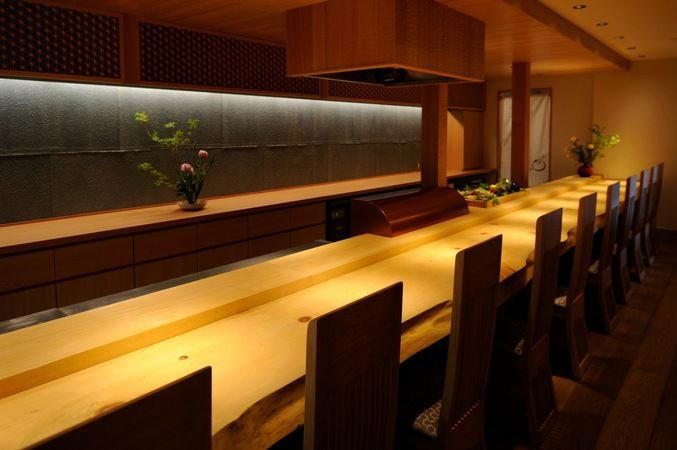
Soft lighting, natural materials, hushed room allowing conversation and flavors to shine.