
Ranma belongs to Tokyo’s compact teppanyaki tier, where the room matters as much as the grill. Its Higashiazabu setting, 21-seat layout, counter-led format, and Tabelog 100 Steak / Teppanyaki EAST 2025 selection place it in a small-format category built around proximity, heat, and timing rather than spectacle.
Pearl is the En Primeur Club membership app — saves, bookings, and concierge access live there. Same editors, same standards.
- Address
- Japan, 〒106-0044 Tokyo, Minato City, Higashiazabu, 1 Chome−18−5 大塚ビル
- Phone
- +81 3-6230-3636
- Website
- t-ranma.com
 Saves & bookings on Pearl
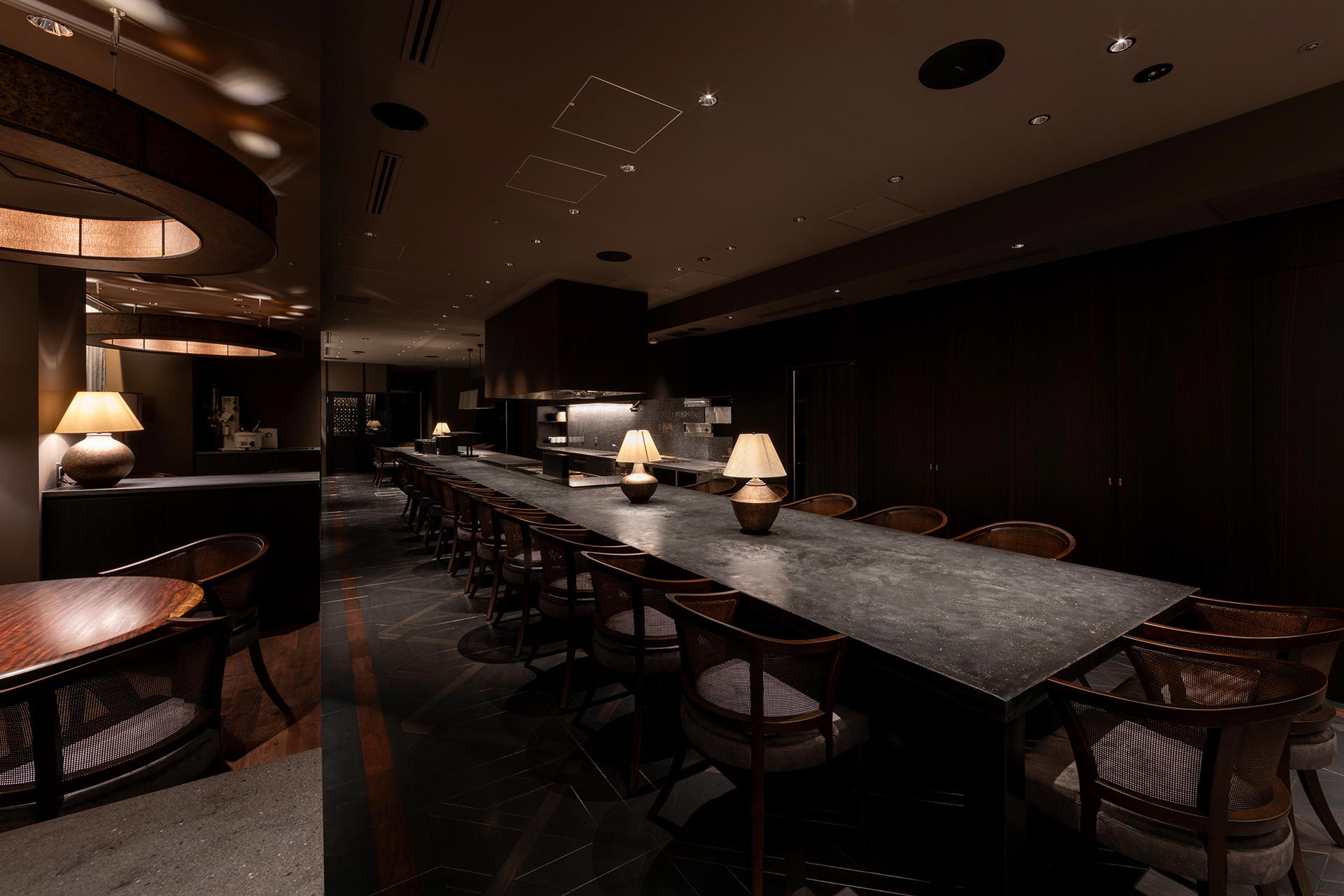
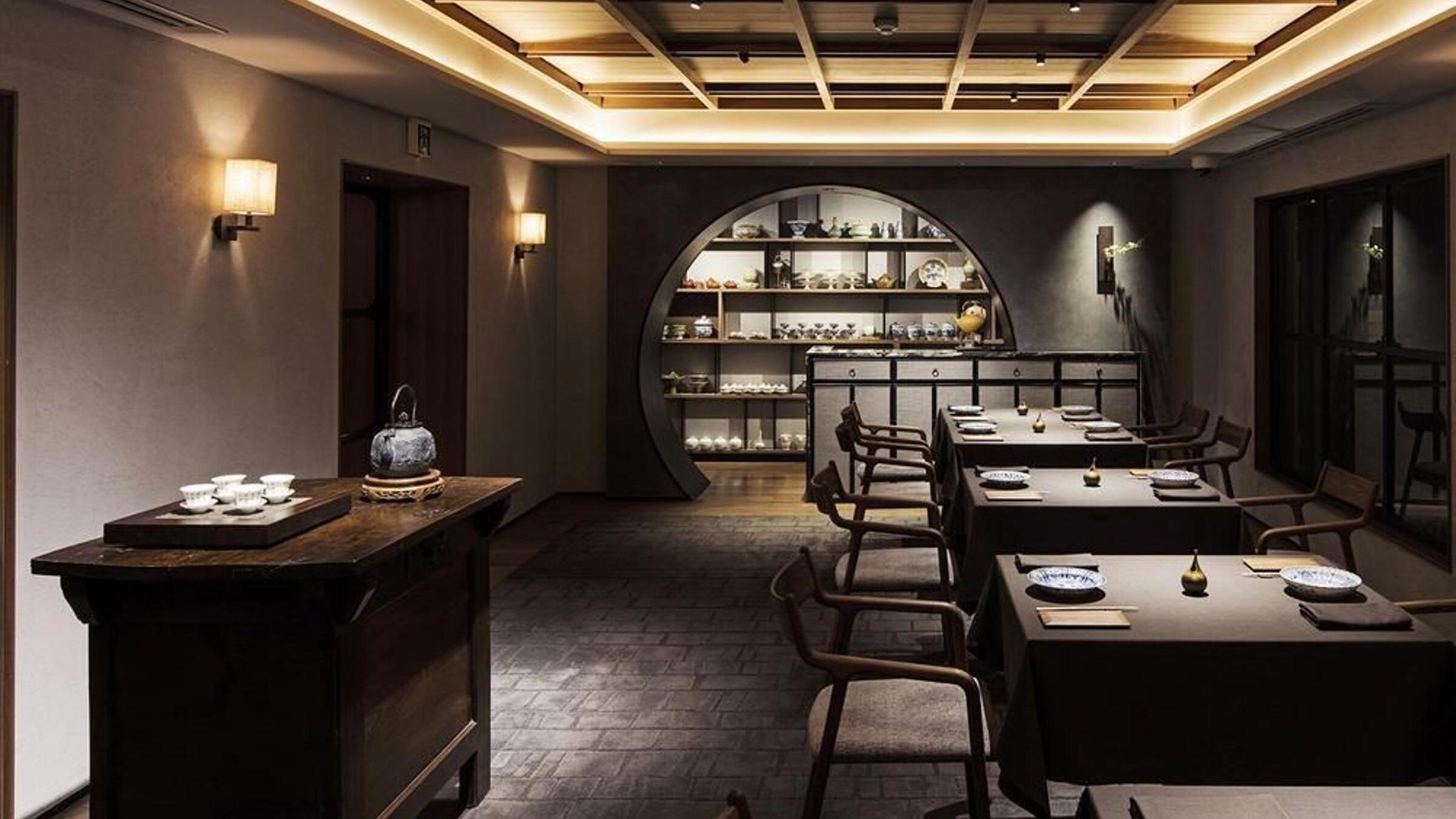
Teppanyaki in Tokyo is a spatial art before it is a menu category. The counter sets the distance, the hot plate fixes the tempo, and the room decides whether the cooking feels theatrical or controlled. In Higashiazabu, the appeal is not a grand hotel dining room or a glassy tower restaurant, but a tighter urban container: counter seats close to the grill, tables for a little distance, and a format that makes fire, knife work, and pacing part of the evening’s architecture.
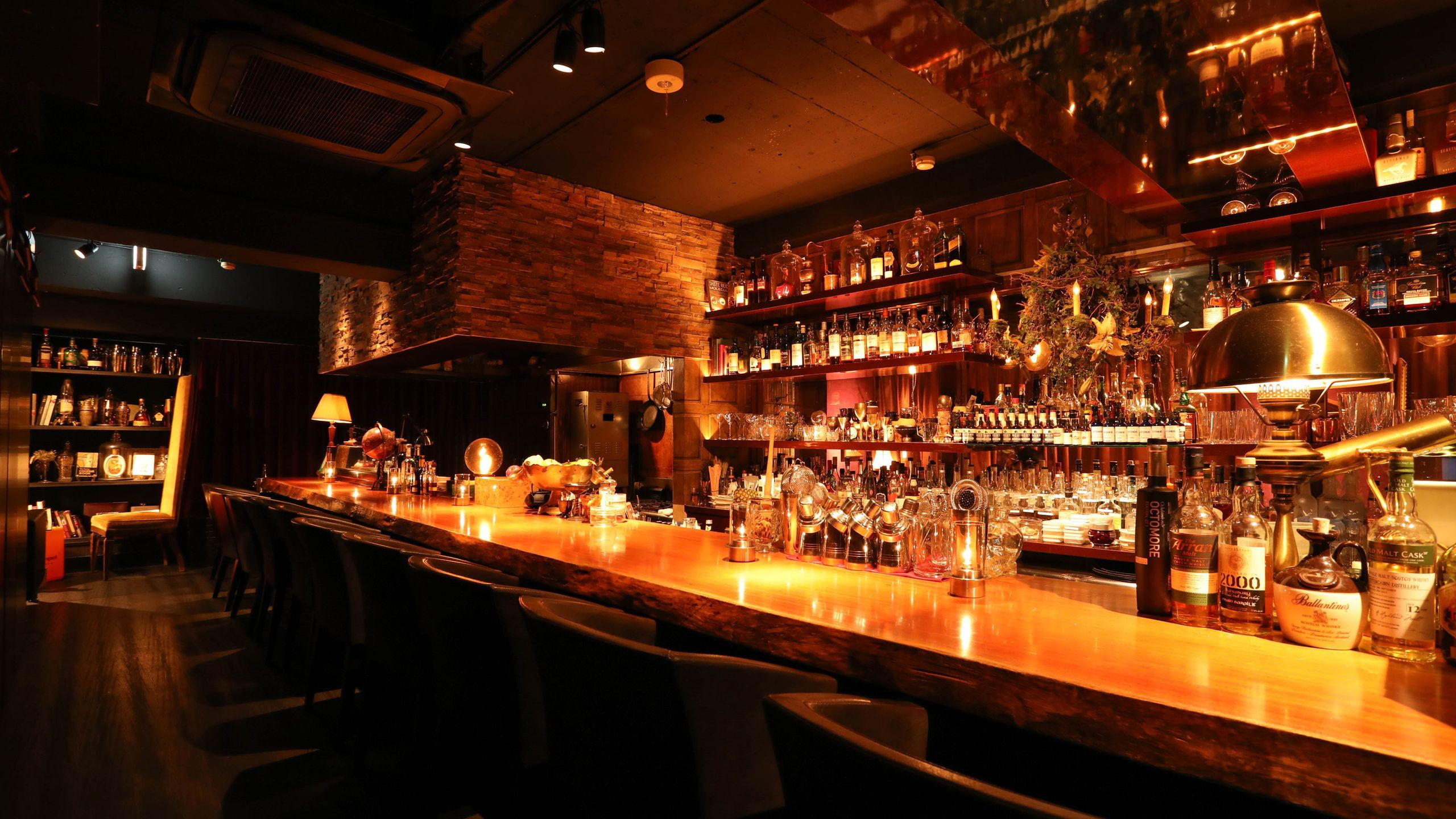
That matters because steak and teppanyaki occupy a particular lane in Tokyo dining. Sushi counters have trained international diners to read silence and sequence; kappo rooms have trained them to watch hands and seasonality. Teppanyaki asks for a different kind of attention. The luxury is not only the ingredient, but the management of heat in full view. Ranma sits in that tradition with 21 seats, including 13 at the counter and 8 at tables, a scale that keeps the room closer to a specialist restaurant than a hotel showpiece.
A counter-led room built around heat, timing, and proximity
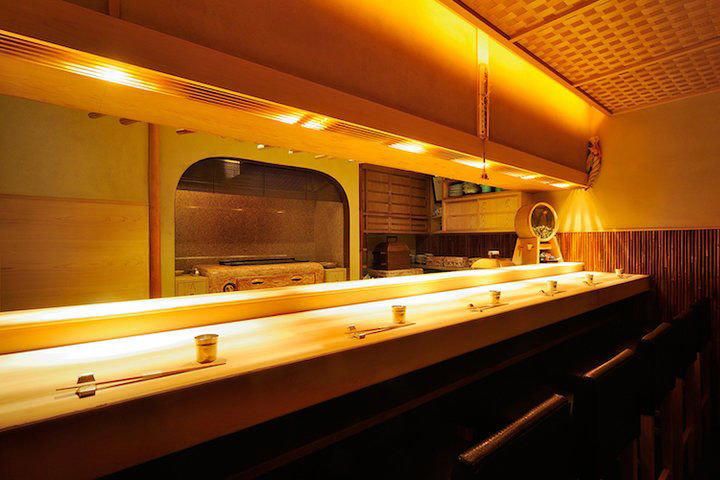
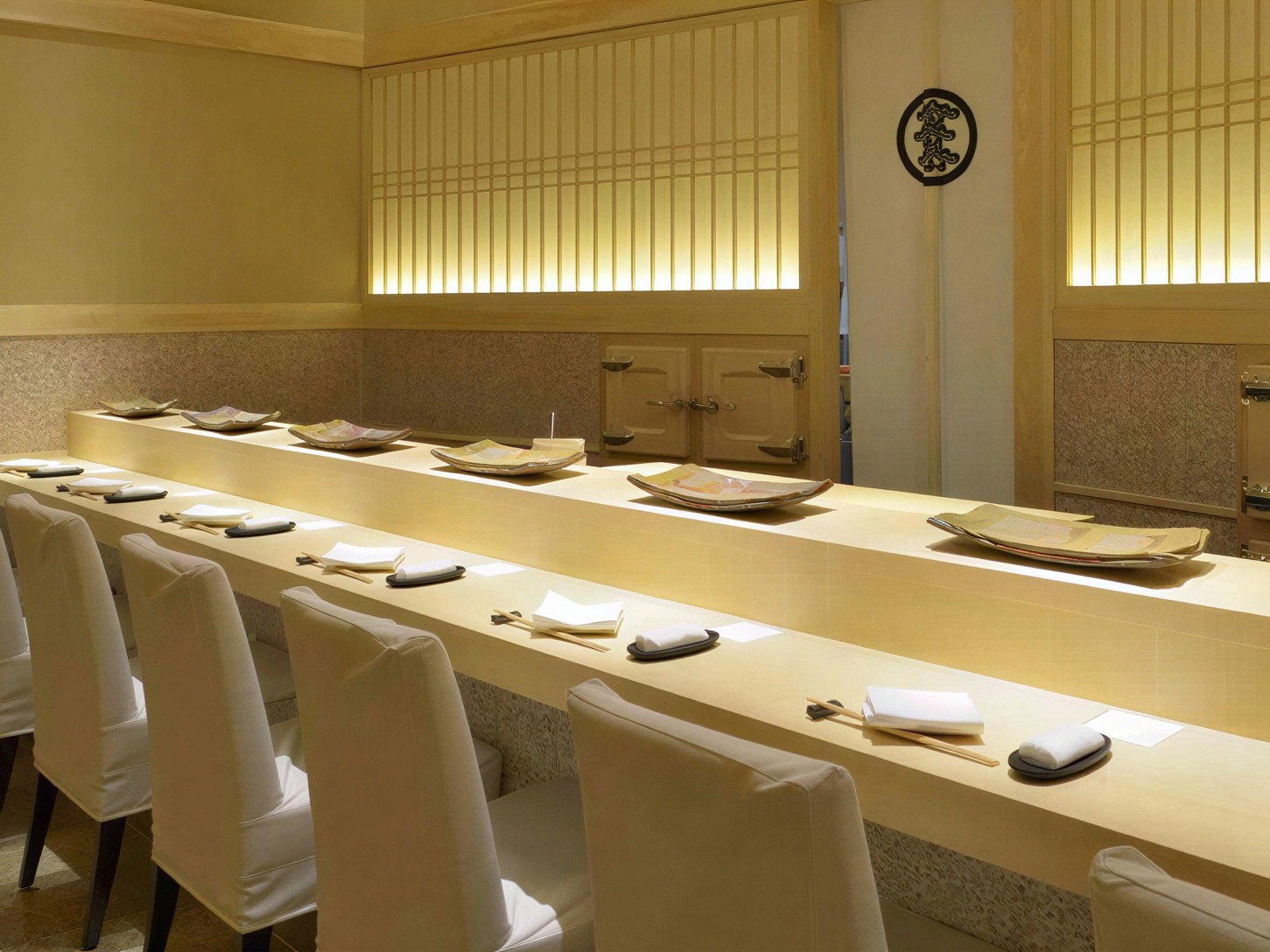
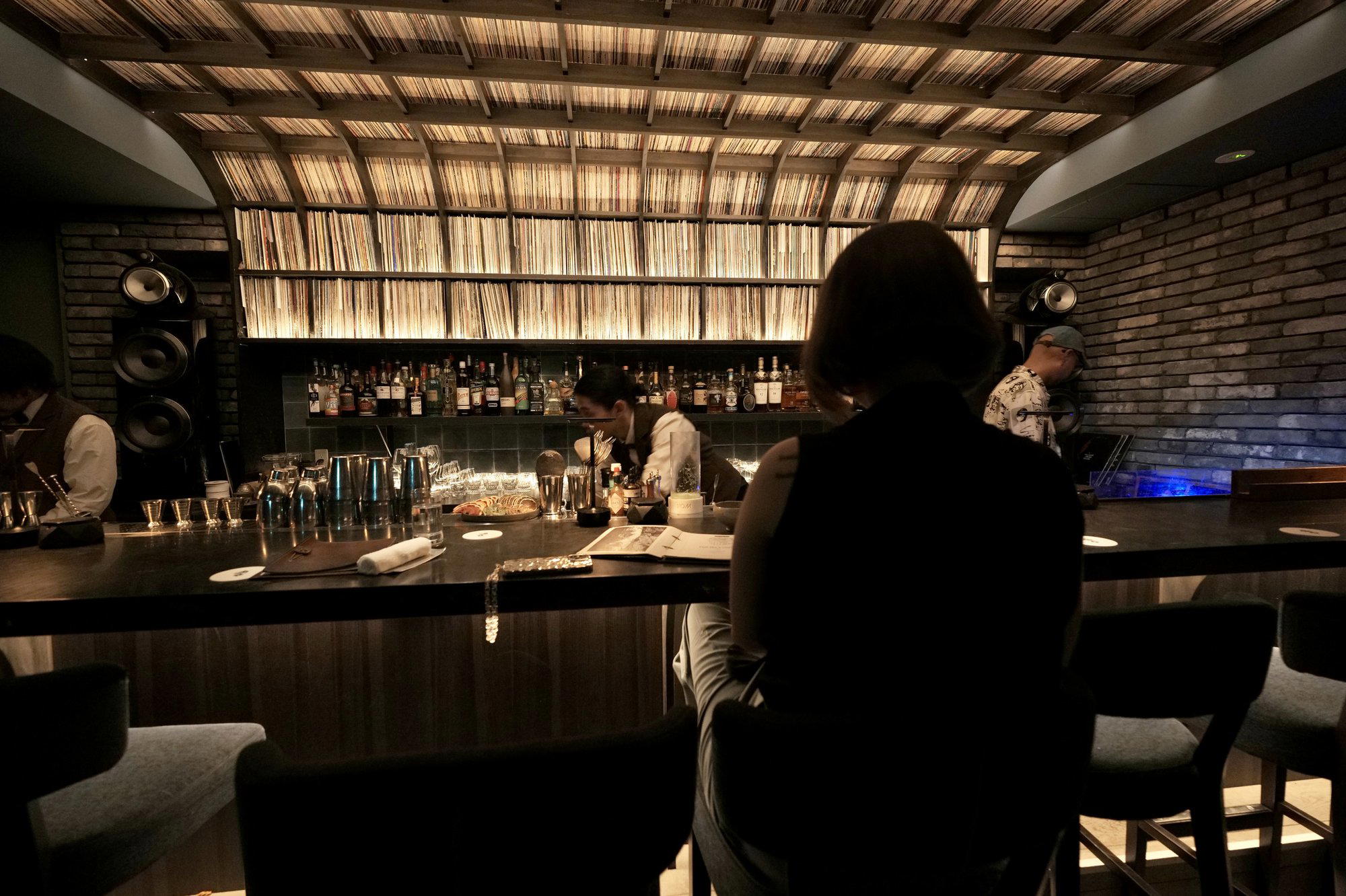
The physical setup explains the restaurant’s appeal more clearly than a long chef biography would. Counter seating turns teppanyaki into a performance of restraint: the cooking surface is visible, the margin for error is narrow, and the meal depends on a sequence of small decisions rather than a single plated reveal. Tables change the rhythm, but the room’s centre of gravity remains the grill.
This is where Tokyo’s steak culture separates itself from Western steakhouse habits. The city’s serious beef rooms tend to favour portion control, staged cooking, and a closer relationship between chef and diner. The donburi listing alongside teppanyaki and steak also signals a Japanese grammar around beef: rice, sauce, and grilled protein can sit in the same house as course-based dining without feeling like a separate concept. The format is less about abundance than calibration.
Ranma’s selection for Tabelog 100 Steak / Teppanyaki EAST 2025 gives the restaurant a useful external marker in a category where international awards are less dominant than in sushi or French-influenced tasting menus. It was also selected in the Steak / Teppanyaki EAST list in 2024 and the Steak list in 2021, which points to continuity rather than a single-cycle spike. A Tabelog score of 3.60 places it in a Japanese review culture where small numerical differences can carry weight, especially in specialist categories.
Higashiazabu gives the meal a quieter Tokyo frame
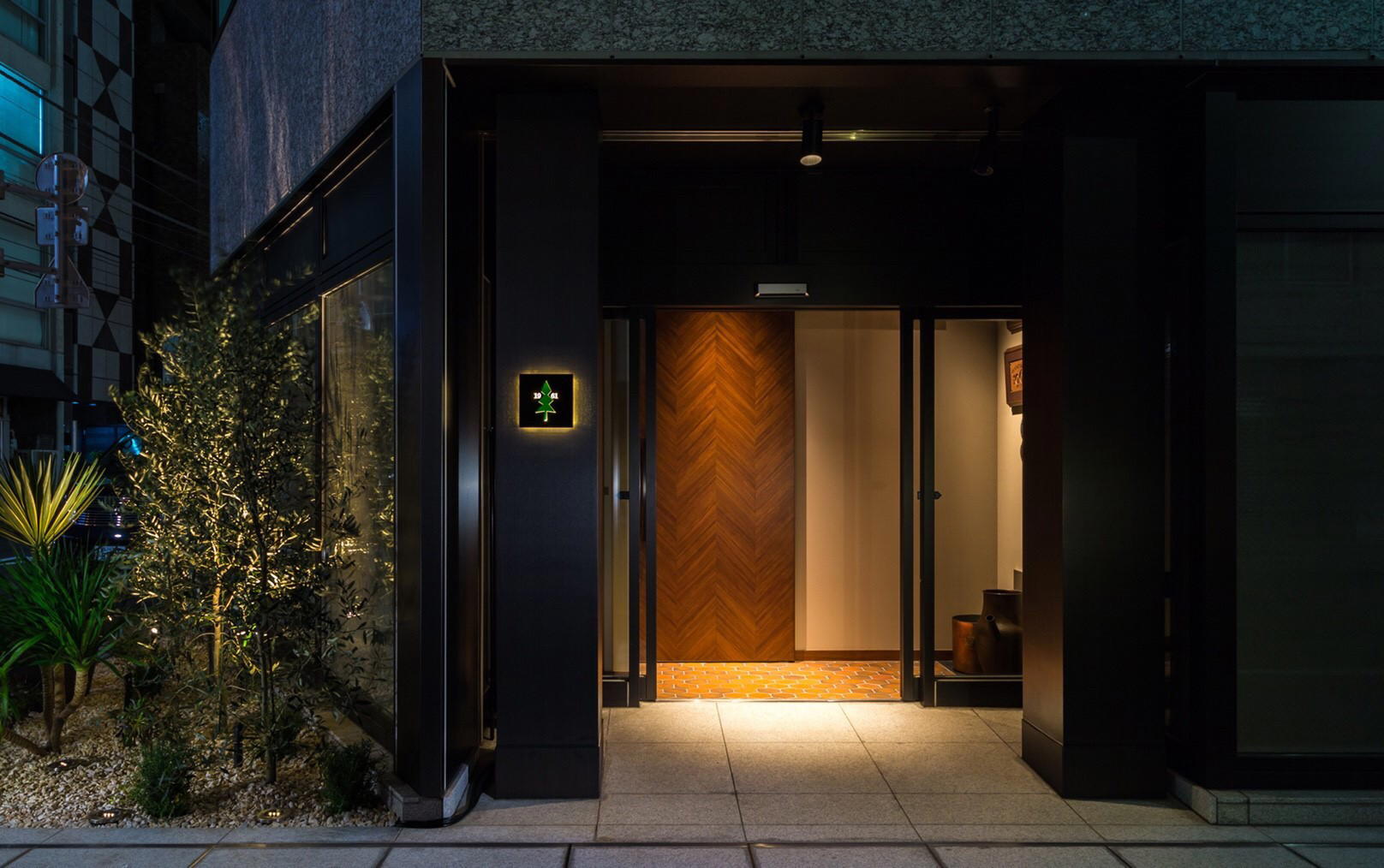
Higashiazabu is not the Tokyo of department-store dining floors or nightlife-first restaurant streets. Its position between Akabanebashi, Azabu-Juban, and the Tokyo Tower orbit gives it a more residential, diplomatic, and office-adjacent character. That location suits a teppanyaki room built around measured service rather than high-volume glamour. The neighbourhood lets a compact grill counter feel intentional, not cramped.
For travellers comparing Tokyo reservations, the distinction is useful. Crony operates in the city’s French-influenced innovative dining lane, while Sushi Sugaya and すが弥 belong to a counter tradition where sushi technique and sourcing define the value equation. Kanshin sits in a Japanese dining register, and UNE PINCÉE offers a smaller French reference point. Ranma belongs to a different decision tree: choose it when the meal should revolve around beef, the hot plate, and counter proximity rather than a long-form tasting menu or sushi progression.
The drink range also speaks to Tokyo’s hybrid steak culture. Sake, shochu, wine, and cocktails are all listed, which is a broader spread than a wine-only steakhouse model. That flexibility suits teppanyaki because the meal can move between grilled beef, rice-based elements, seafood or vegetable courses, and richer sauces without requiring one pairing logic for the whole table.
How to place it in a Tokyo dining itinerary
The sharper way to use this restaurant is not as a generic luxury dinner, but as a counterpoint to Tokyo’s other precision-led formats. After sushi, yakitori, tempura, or kappo, teppanyaki can read as the city’s most direct conversation with heat and beef. The room’s scale matters here: with 13 counter seats, the better experience is likely the one that treats the grill as the focal point rather than background equipment.
Ranma also fits a broader Tokyo pattern: serious restaurants with modest footprints, specific formats, and recognition from domestic platforms rather than international guidebook machinery. That pattern can be harder for visitors to decode, because the signal is less about global fame and more about category credibility. Tabelog’s Steak / Teppanyaki EAST selection is therefore not decoration; it is the relevant trust marker for a diner sorting through Tokyo’s large field of beef restaurants.
Planning a wider Tokyo food map benefits from contrast. For seafood and charcoal cooking, see . 鮪と炭火焼き うお炭 秋葉原店; for Shinjuku dining, 12/10 Shinjuku ten; for skewers, 124. KAGURAZAKA (Yakitori); and for lighter city stops, 2D Cafe and 3 Chome no Curry Ya San. Broader planning sits in Our full Tokyo restaurants guide, with companion city coverage through Our full Tokyo hotels guide, Our full Tokyo bars guide, Our full Tokyo wineries guide, and Our full Tokyo experiences guide.
For readers extending the same beef-and-rice thread beyond Tokyo, -Grilled beef Sukiyaki- KAMAKURA TANUKIAN 鎌倉 たぬき庵 in Kamakura offers another Japanese beef reference point. Other city notes include.cafe in Osaka.know in Kumamoto, (Shoku) Vietnam in Kawasaki, [Curry Senmon Ten] Maruyama Kyoju. in Sapporo, [ki:] in Kyoto, Jōdo Saké Bar in Los Angeles, and Onigiri Time in Pasadena.
Comparison Snapshot
Comparable options at the same price tier.
| Venue | Cuisine | Price | Notes |
|---|---|---|---|
| RanmaThis venue — the venue you are viewing | Teppanyaki Japanese | $$$ | Not listed |
| Kuriya Kashi Kurogi | Artisanal Japanese Wagashi & Kakigori | $$$ | Hongo, Bunkyo-ku |
| Torisho Ishii Hina | Modern Yakitori Omakase | $$$ | Minato |
| Komiyama | Yakiniku (Japanese BBQ) | $$$ | Minato |
| 寿司 健 | Michelin Three-Star Omakase Sushi | $$$ | Chūō |
| Unagi Akimoto | Traditional Japanese Unagi | $$$ | Chiyoda |
Recognition history
Dated appearances from independent guides and award organizations, with the underlying list record or original source where available.
Tabelog 100 #93 · No. 93
Tabelog · Tabelog 100 - Steak / Teppanyaki - EAST - 2025





At a Glance
- Intimate
- Cozy
- Classic
- Elegant
- Date Night
- Business Dinner
- Special Occasion
- Celebration
- Group Dining
- Solo
- Chefs Counter
- Open Kitchen
- Standalone
- Sake Program
- Extensive Wine List
Current opening hours
- Monday
- 6–9 PM
- Tuesday
- Closed
- Wednesday
- 11:30 AM–2 PM, 6–9 PM
- Thursday
- 11:30 AM–2 PM, 6–9 PM
- Friday
- 11:30 AM–2 PM, 6–9 PM
- Saturday
- 11:30 AM–2 PM, 6–9 PM
- Sunday
- 11:30 AM–2 PM, 6–9 PM
Hours can change for holidays and private events. Last verified .
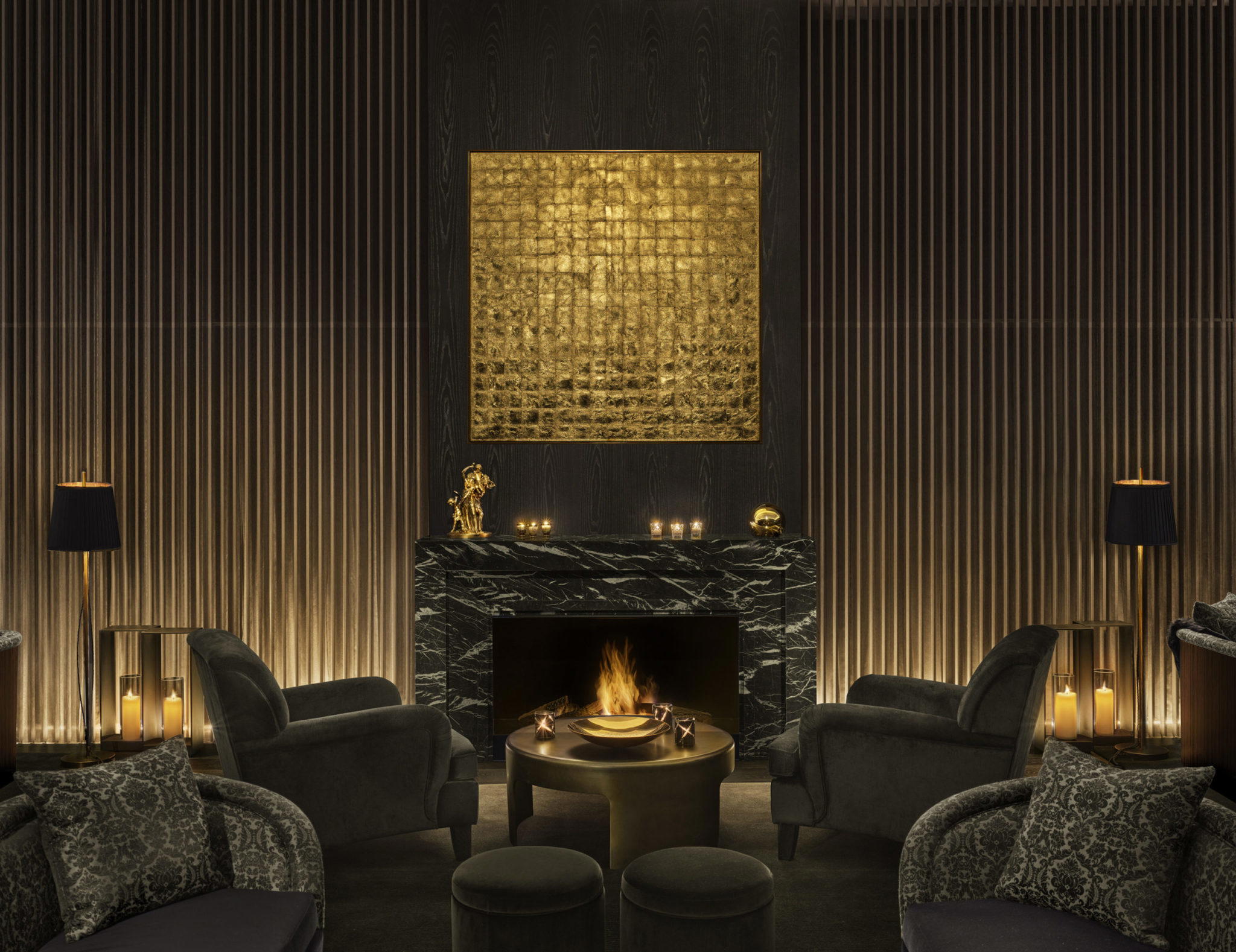
Warm, low‑key and quietly elegant, with chefs cooking on a gleaming teppan in front of guests; it feels like an adults’ hideaway rather than a flashy hotel teppanyaki, emphasizing calm conversation and classic Japanese hospitality.