
Ginza’s yoshoku tradition is the point here: Western-derived Japanese cooking handled with the polish expected in a district better known for sushi counters, kaiseki rooms, and tempura specialists. Nanban Ginen Tei carries Tabelog 100 Yoshoku EAST 2025 recognition, earlier Tabelog Award Bronze wins, wine service, counter seating, and a 50-seat room that puts it in a different rhythm from the city’s tiny chef-counter restaurants.
Pearl is the En Primeur Club membership app — saves, bookings, and concierge access live there. Same editors, same standards.
- Address
- Japan, 〒104-0061 Tokyo, Chuo City, Ginza, 5 Chome−4−4-8 Carioca
- Phone
- +81 3-3573-1991
- Website
- nambanginentei.com
 Saves & bookings on Pearl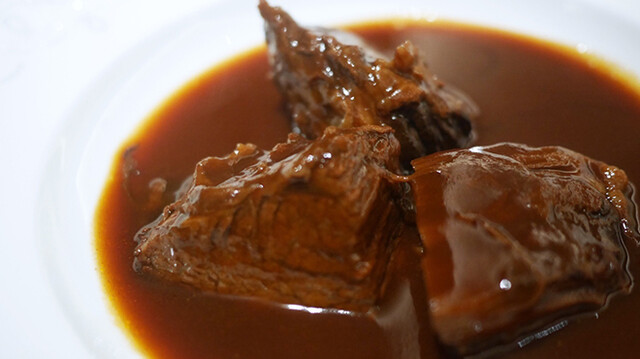
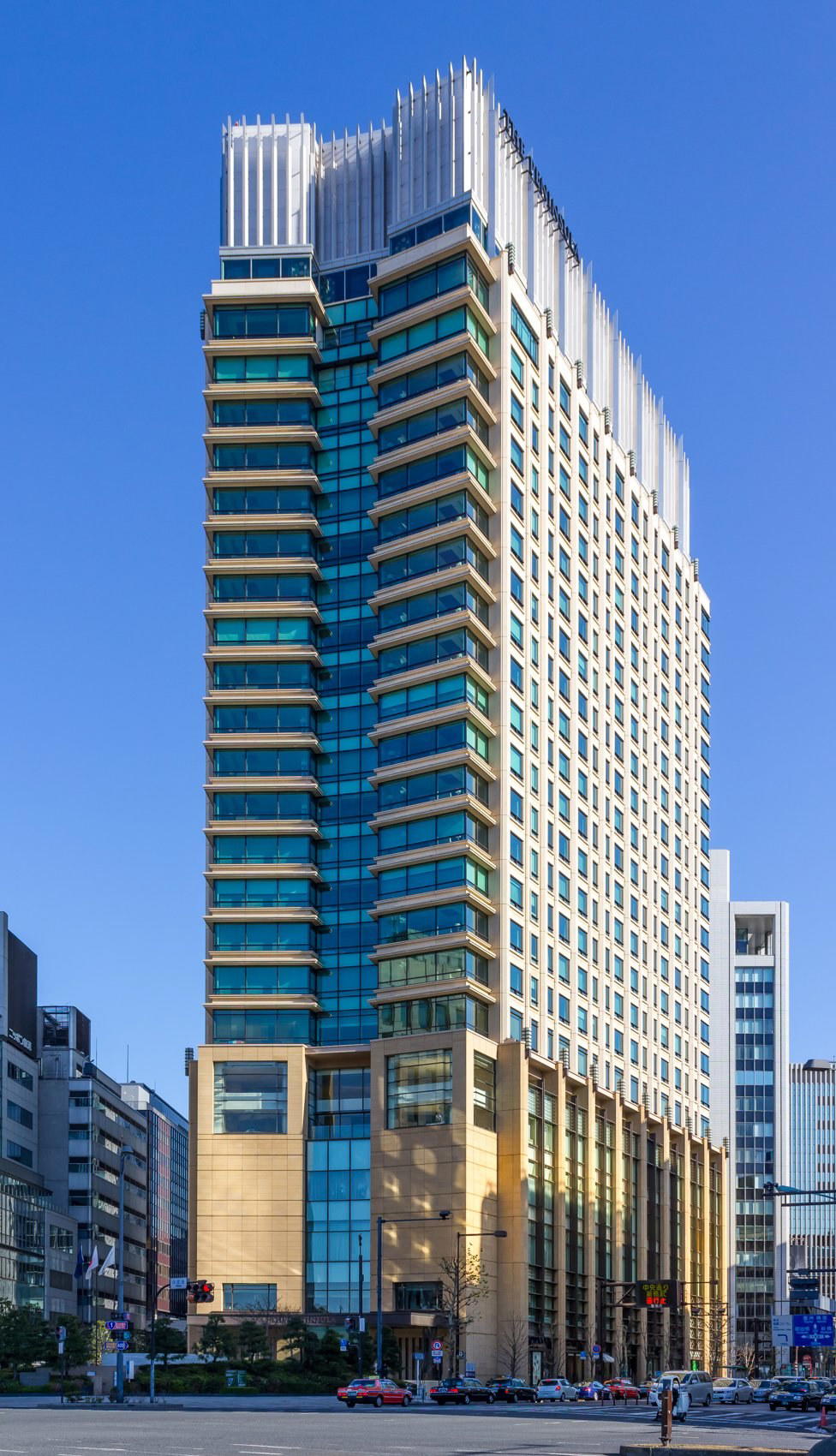
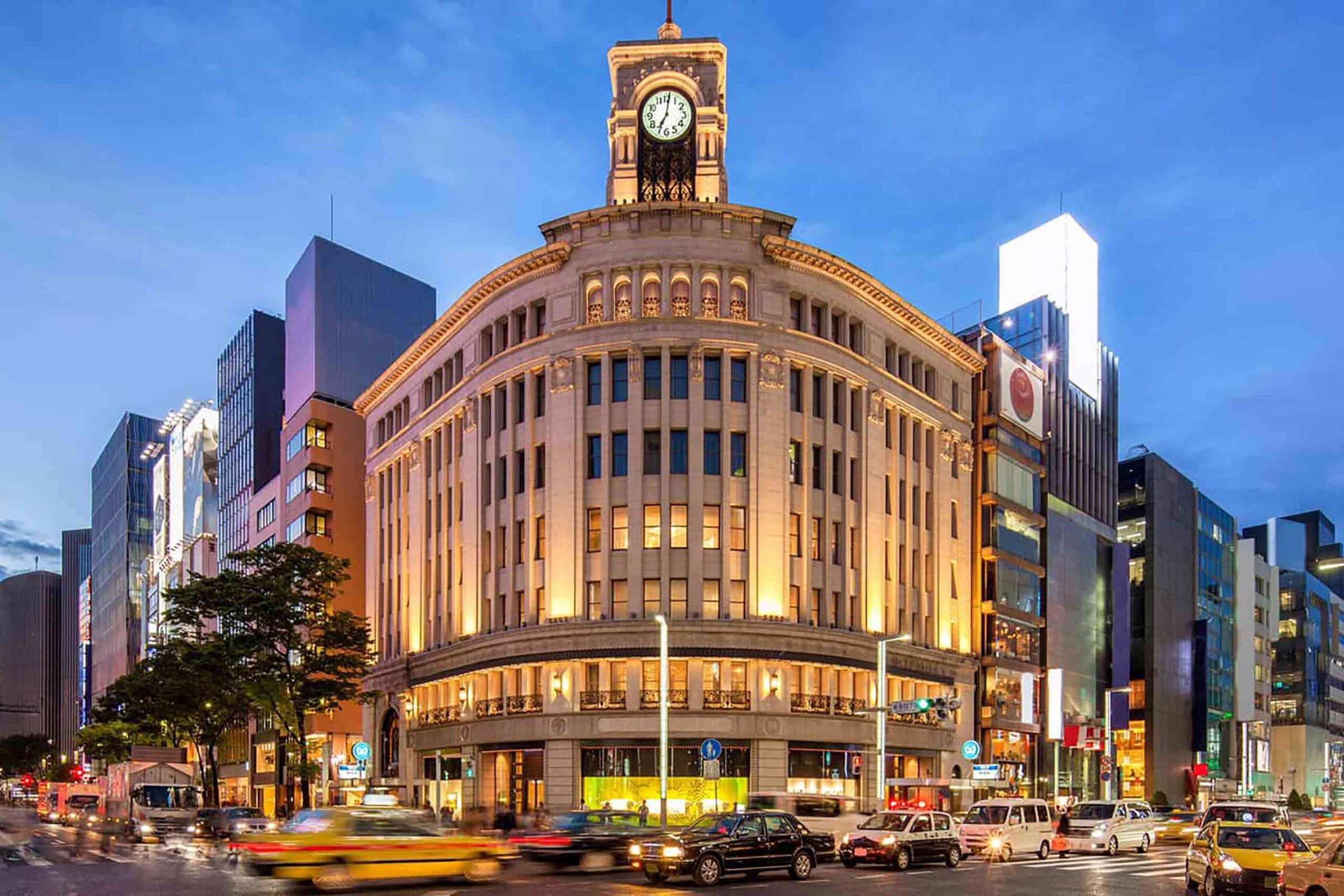
Arriving in Ginza for yoshoku changes the neighbourhood’s register. The district usually sells precision through sushi, kaiseki, tempura, and cocktail bars; yoshoku asks for another discipline, built around Japanese interpretations of Western forms rather than imported ceremony. Nanban Ginen Tei sits on the seventh floor of the Carioca Building, a vertical-Ginza setting that suits the category: less street theatre, more controlled room, table service, wine, and a kitchen-front rhythm for diners who understand how serious this cooking can be.
Yoshoku is often misread as retro comfort food. In Tokyo, the stronger houses are closer to preservation projects with professional service structures. Sauces, frying, grilling, and rice-based plates carry decades of adaptation, and the better rooms give the genre the same attention Ginza applies to more formally Japanese cuisines. Selection for Tabelog 100 Yoshoku EAST 2025 matters because it places the restaurant in a category-specific conversation rather than a generic Ginza luxury list. Tabelog Award Bronze recognition in 2017 and 2018 adds that this is not a passing neighbourhood favourite.
Ginza yoshoku with a room built for service, not spectacle
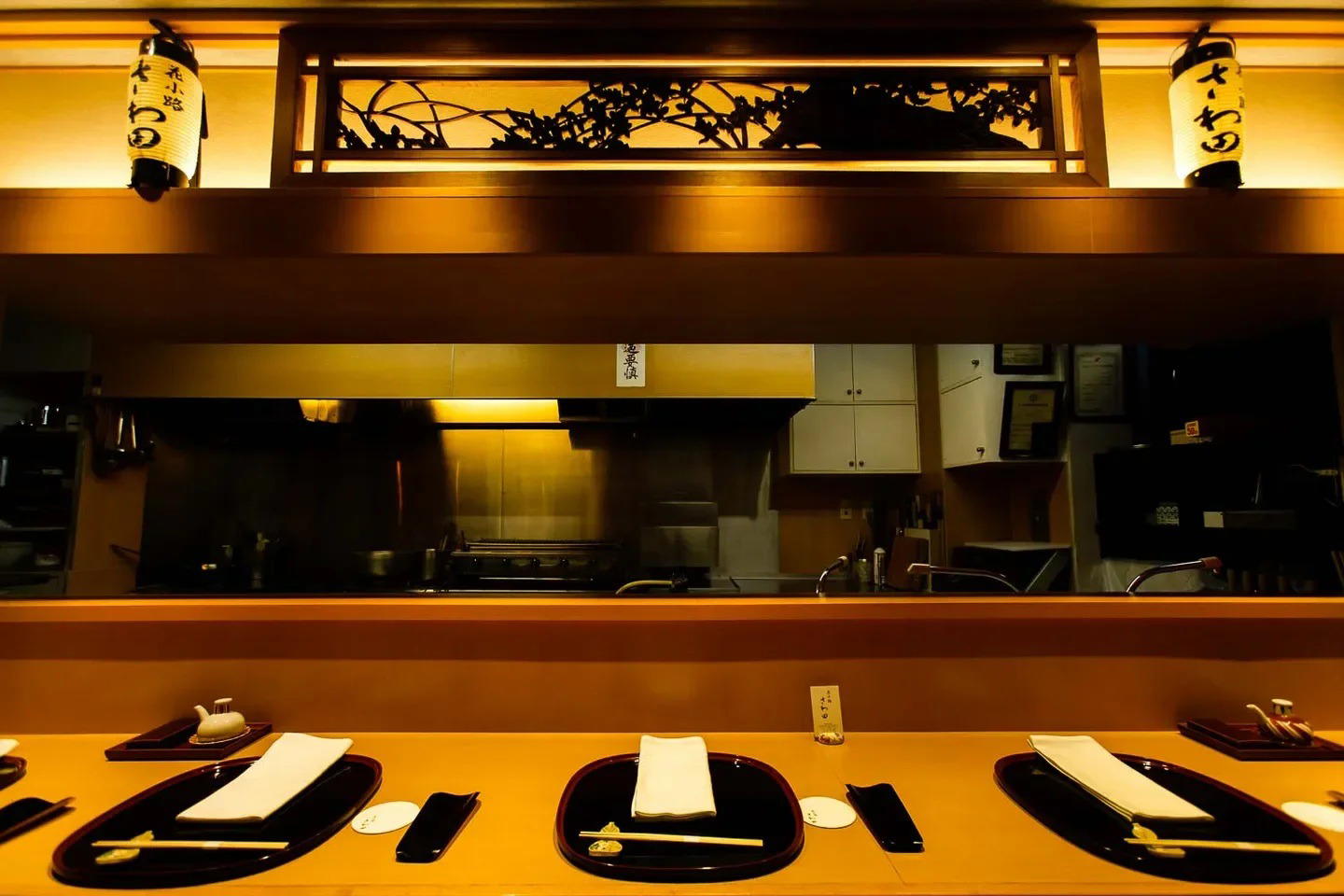
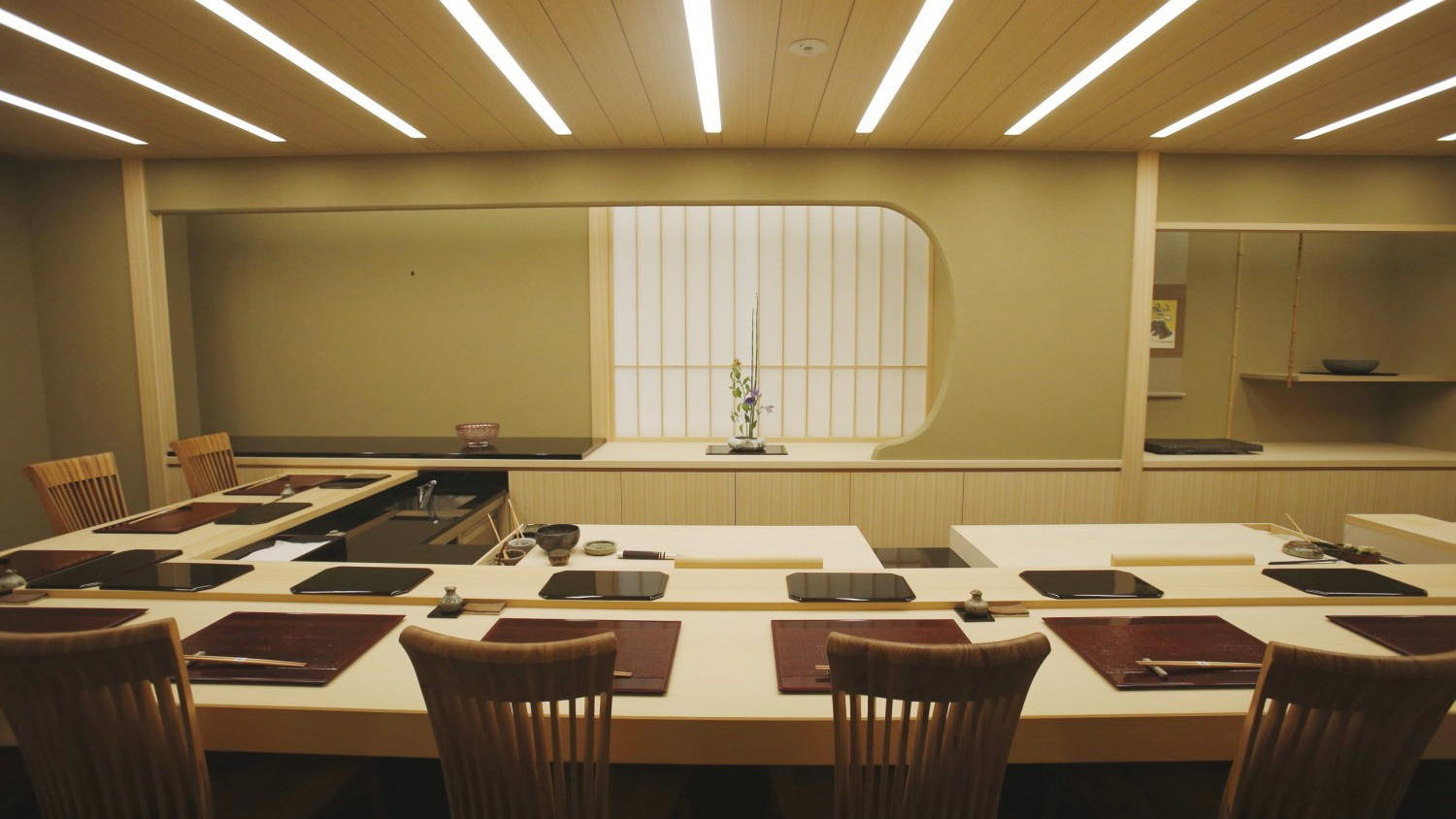
The format is the clue. A 50-seat dining room with counter seating places the experience between intimate chef-counter dining and conventional restaurant service. That middle ground matters in Ginza, where many premium meals are defined by eight to twelve seats, fixed pacing, and a single culinary narrator. Here, the team dynamic carries more weight: kitchen timing, wine service, and front-of-house pacing must work across a larger room.
That structure makes Nanban Ginen Tei a sharper choice for diners who want Ginza polish without omakase theatre or kaiseki formality. Nearby reference points clarify the distinction. GINZA OKUDA belongs to the district’s kaiseki grammar, while Tempura Kondo represents specialist tempura’s ingredient-and-frying discipline. Yoshoku occupies another lane: Western technique filtered through Japanese expectations for balance, portion, service, and rice-table logic.
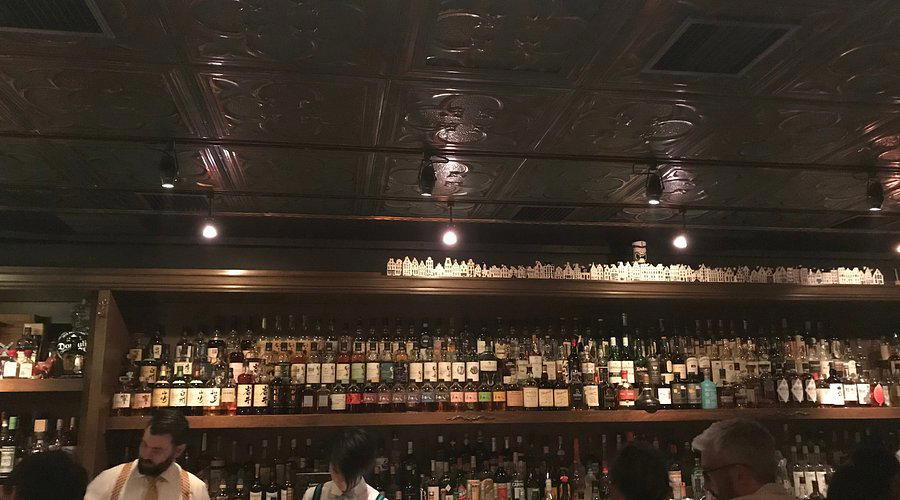
The wine listing is significant. Yoshoku has long suited beer and casual drinking, but in Ginza it can carry a more composed beverage program. Wine service changes how the meal reads: dishes associated with everyday Japan become a proper dining-room sequence. The result is not fusion for novelty’s sake, but a mature Tokyo category given the staffing and pacing expected in this postcode.
The point is yoshoku as a serious Tokyo category
Nanban Ginen Tei’s history tracks how long-running Tokyo restaurants move without losing identity. The lineage runs through Koshotei at the current-location era from 1972, Ginen Tei’s move to Miyuki Street in 1995, and the current the restaurant name at this location from 2006. In a city where leases, redevelopment, and station-area churn regularly remake dining maps, continuity gives a yoshoku room cultural weight.
The restaurant’s 2025 Tabelog 100 Yoshoku EAST selection aligns it with a defined field rather than Ginza’s broader prestige economy. That helps travellers decide well. A diner seeking knife-stage sushi should not expect that tempo here. A diner curious about why Japanese Western cuisine has its own canon will find the relevant argument: service formal enough for Ginza, a category specific enough to avoid generic international dining, and an award trail showing durability across multiple selection cycles, including 2020, 2022, 2023, and 2025.
Tokyo often rewards specialization, and yoshoku is strongest when treated as a specialism rather than nostalgia. The kitchen does not need a named celebrity chef to prove it. The useful reading is operational: a recognized yoshoku house with counter seating, wine, take-out service, no private rooms, and a non-smoking policy reflects the city’s practical, adult version of the genre. It is not competing with sushi counters on scarcity or kaiseki rooms on season-scripted ritual, but by making a Japanese-Western dining tradition feel legitimate in a district unforgiving about seriousness.
How to place it in a Tokyo dining itinerary
For travellers building a Ginza day, this is a lunch or dinner choice for diners who want context, not another trophy format. Reported budget bands put lunch below dinner, making midday the strategic entry point for anyone comparing several premium meals across Tokyo. Dinner suits a slower read of the room, especially with wine and a party that wants conversation rather than counter silence.
The location near Ginza Station makes it easy to pair with a broader central-Tokyo plan. For a restaurant-heavy itinerary, use Our full Tokyo restaurants guide to compare it with other Tokyo formats, from 3 Chome no Curry Ya San to 124. KAGURAZAKA (Yakitori), 12/10 Shinjuku ten. 鮪と炭火焼き うお炭 秋葉原店, and 2D Cafe. Ginza can also support a broader night out, with Our full Tokyo bars guide useful after dinner and Our full Tokyo hotels guide for staying close to the Chuo and Marunouchi corridor.
Travellers extending the food map beyond Tokyo can compare Japanese category dining across the country through -Grilled beef Sukiyaki- KAMAKURA TANUKIAN 鎌倉 たぬき庵 in Kamakura.cafe in Osaka.know in Kumamoto, (Shoku) Vietnam in Kawasaki, [Curry Senmon Ten] Maruyama Kyoju. in Sapporo, and [ki:] in Kyoto. For a wider trip frame, Our full Tokyo experiences guide and Our full Tokyo wineries guide sit alongside restaurant planning, while overseas readers may recognize the Japanese-drinks and casual-Japanese continuum in Jōdo Saké Bar in Los Angeles and Onigiri Time in Pasadena.
Know Before You Go
- Category: Yoshoku, Japanese-style Western cuisine.
- Recognition: Tabelog 100 Yoshoku EAST 2025; Tabelog Award Bronze in 2017 and 2018.
- Setting: 50 seats, including counter seating, in Ginza’s Carioca Building.
- Budget signal: Lunch is listed at JPY 5,000 to JPY 5,999; dinner at JPY 10,000 to JPY 14,999.
- Service notes: Wine is listed; take-out service is available; private rooms are unavailable.
- Good fit: Diners who want Ginza formality applied to a Japanese-Western tradition rather than another sushi, tempura, or kaiseki booking.
In Context: Similar Options
Comparable venues by price and recognition.
| Venue | Cuisine | Price | Notes |
|---|---|---|---|
| Nanban Ginen TeiThis venue — the venue you are viewing | Ginza yoshoku (Japanese-style Western) restaurant | $$$ | Not listed |
| 楽亭 | Handmade Soba | $$$ | Kagurazaka |
| Unitora (うに虎) | Sea Urchin Specialty Sushi | $$$ | Tsukiji |
| Soba Sasuga | Traditional Ginza soba with 100% buckwheat noodles | $$$ | Chūō |
| Tori Tsune Shizen Do | Traditional Japanese chicken & oyakodon specialist | $$$ | Chiyoda |
| BLESS | Yakitori | $$$ | Kōtō |
Recognition history
Dated appearances from independent guides and award organizations, with the underlying list record or original source where available.
Tabelog 100 #20 · No. 20
Tabelog · Tabelog 100 - Yoshoku - EAST - 2025





At a Glance
- Classic
- Cozy
- Date Night
- Business Dinner
- Group Dining
- Family
- Casual Hangout
- Special Occasion
- Standalone
Current opening hours
- Monday
- 11:30 AM–2:30 PM, 5:30–9:30 PM
- Tuesday
- 11:30 AM–2:30 PM, 5:30–9:30 PM
- Wednesday
- 11:30 AM–2:30 PM, 5:30–9:30 PM
- Thursday
- 11:30 AM–2:30 PM, 5:30–9:30 PM
- Friday
- 11:30 AM–2:30 PM, 5:30–9:30 PM
- Saturday
- 11:30 AM–2:30 PM, 5:30–9:30 PM
- Sunday
- Closed
Hours can change for holidays and private events. Last verified .