
Tori Ki belongs to Tokyo’s serious yakitori tier, where counter format, pacing, and grill discipline matter more than decorative luxury. In Kinshicho, an area better known for accessible eating than trophy dining, its Tabelog 100 Yakitori EAST 2025 selection and long run of Tabelog Award Bronze recognition place it in a narrower evening category than the neighbourhood’s daytime restaurants.
Pearl is the En Primeur Club membership app — saves, bookings, and concierge access live there. Same editors, same standards.
- Address
- 東京都墨田区錦糸1-8-13 小坂ビル1階
- Phone
- +81336226202
- Website
- tabelog.com
 Saves & bookings on Pearl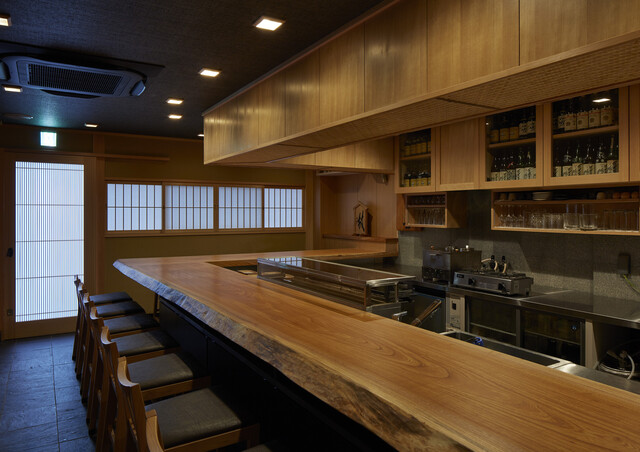
Kinshicho does not announce itself with the polish of Ginza or the late-night glamour of Roppongi. Its restaurant life is more mixed: commuter ramen, coffee counters, udon shops, South Indian dining, old-school sweets, and, in smaller pockets, serious evening rooms built around a single craft. The draw at Tori Ki is that narrower register. Yakitori here sits closer to a course-led counter tradition than to casual skewers after work, with the room’s 18 counter seats shaping the meal as much as the grill.
That distinction matters in Tokyo, where yakitori covers a wide band. At one end are affordable smoke-and-beer houses; at the other are reservation-led counters where the sequence, timing, and sake or wine choices carry the weight of a tasting menu. Tori Ki belongs to the latter group. Its selection for Tabelog 100 Yakitori EAST 2025, alongside Tabelog Award Bronze recognition from 2017 through 2024, gives it a public track record in a category where consistency is judged over many years rather than one fashionable season.
Kinshicho's evening counter culture, not its daytime value circuit
The lunch-versus-dinner divide is sharp in this part of eastern Tokyo. Daytime Kinshicho is built for speed and price sensitivity: coffee at Coffee Senmon Ten Tomii, udon at Jun Teuchi Sanuki Udon Goro, sweets at Hokusai Sabo, and the lower-priced lunch band at Venu's South Indian Dining Kinshichou ten all point to a district where midday eating often rewards efficiency. Dinner changes the calculus. The neighbourhood becomes a place for longer meals, drinking formats, and restaurants that ask diners to surrender more time to the counter.
Tori Ki sits firmly on the evening side of that divide. The meal format is not positioned as a quick stop between trains; it is structured around a full yakitori experience, with counter seating that keeps attention on sequence and fire. That places it closer to Tokyo’s specialist dinner rooms than to the area’s casual lunch economy. In a city where diners often chase prestige westward, Kinshicho’s appeal is precisely this contrast: the district keeps its everyday texture while housing a small number of serious addresses.
The price band reinforces the point. In Tokyo, yakitori can still be an accessible category, but the upper tier has moved into a different conversation, especially when course pacing and drink pairing become part of the decision. The restaurant’s dinner range of JPY 10,000 to JPY 14,999 puts it above the neighbourhood’s value lunch circuit and below the city’s luxury sushi and kaiseki ceilings. For travellers comparing categories, that makes the argument plain: this is a focused evening spend, not a broad luxury splurge.
Why the counter format carries the meal
Yakitori is often misread from outside Japan as a list of skewers. At serious counters, the craft is closer to controlled repetition: chicken cuts, heat management, salt or tare decisions, and pacing between grill and guest. Counter-only rooms make those choices visible. They also remove the anonymity of a large dining room. Diners are not simply ordering poultry; they are watching a kitchen manage temperature and timing in real time.
The format also affects mood. A counter of 18 seats creates a compact social register, especially for a category that pairs naturally with nihonshu, shochu, wine, and other drinks. The experience is better suited to adults who want a measured dinner than to groups expecting a loose izakaya rhythm. Private rooms are not part of the equation, and the absence of parking keeps the visit tied to rail-and-walk Tokyo rather than destination dining by car.
For non-Japanese speakers, the practical signal is useful: an English multilingual menu is listed. That does not turn a specialist counter into a tourist restaurant, but it lowers friction in a genre where cut names and ordering rhythms can otherwise be opaque. The stronger play is to treat the meal as a sequence rather than as a checklist. Tokyo rewards diners who understand that yakitori’s prestige is not built from expensive ingredients alone; it comes from the accumulation of small, controlled decisions across the grill.
How it fits a Tokyo dining itinerary
The restaurant works well as an east-side dinner anchor rather than as an isolated trophy booking. Visitors building a broader Tokyo plan can place it against the city’s other restaurant types through Our full Tokyo restaurants guide, then balance the evening with stays from Our full Tokyo hotels guide, drinking rooms from Our full Tokyo bars guide, producer-led references in Our full Tokyo wineries guide, and cultural planning from Our full Tokyo experiences guide.
Within Tokyo’s restaurant spread, the contrast is instructive. 124. KAGURAZAKA (Yakitori) points to a different yakitori neighbourhood context, while 12/10 Shinjuku ten. 鮪と炭火焼き うお炭 秋葉原店, 2D Cafe, and 3 Chome no Curry Ya San show how quickly the city shifts between specialist counters, graphic cafés, curry shops, and charcoal-led casual dining. For readers extending the Japan itinerary, the contrast continues through -Grilled beef Sukiyaki- KAMAKURA TANUKIAN 鎌倉 たぬき庵 in Kamakura.cafe in Osaka.know in Kumamoto, (Shoku) Vietnam in Kawasaki, [Curry Senmon Ten] Maruyama Kyoju. in Sapporo, and [ki:] in Kyoto. Even outside Japan, sake and Japanese casual formats travel differently, as seen at Jōdo Saké Bar in Los Angeles and Onigiri Time in Pasadena.
The editorial case is not that every Tokyo visitor needs the same yakitori dinner. It is that restaurant represents a specific Tokyo pleasure: a compact counter, a serious grill tradition, and a neighbourhood that refuses to feel curated for visitors. For diners deciding between lunch value and evening craft, this is where the decision becomes clear. Kinshicho by day feeds the city efficiently; at night, in the right room, it slows the meal down.
Nearby-ish Comparables
Comparable venues at the same tier for side-by-side context.
| Venue | Cuisine | Price | Notes |
|---|---|---|---|
| Tori Ki | Yakitori Omakase Counter | $$$ | Sumida |
| Namaiki | Premium Wagyu Yakiniku & Raw Beef | $$$ | Chiyoda |
| Yakiniku Yazawa Toukyou | Yakiniku (Japanese BBQ) | $$$ | Chūō |
| o/sio | Yoshoku-Italian Fusion | $$$ | Chiyoda |
| Shōtai-en | Japanese Yakiniku | $$$ | Arakawa |
| 魚治 はら田 | Edomae Sushi Omakase | $$$ | Chūō |
Recognition history
Dated appearances from independent guides and award organizations, with the underlying list record or original source where available.
Tabelog 100 #7 · No. 7
Tabelog · Tabelog 100 - Yakitori - EAST - 2025







At a Glance
- Intimate
- Lively
- Cozy
- Classic
- Date Night
- Special Occasion
- Solo
- After Work
- Celebration
- Chefs Counter
- Open Kitchen
- Standalone
- Sake Program
- Beer Program
- Local Sourcing
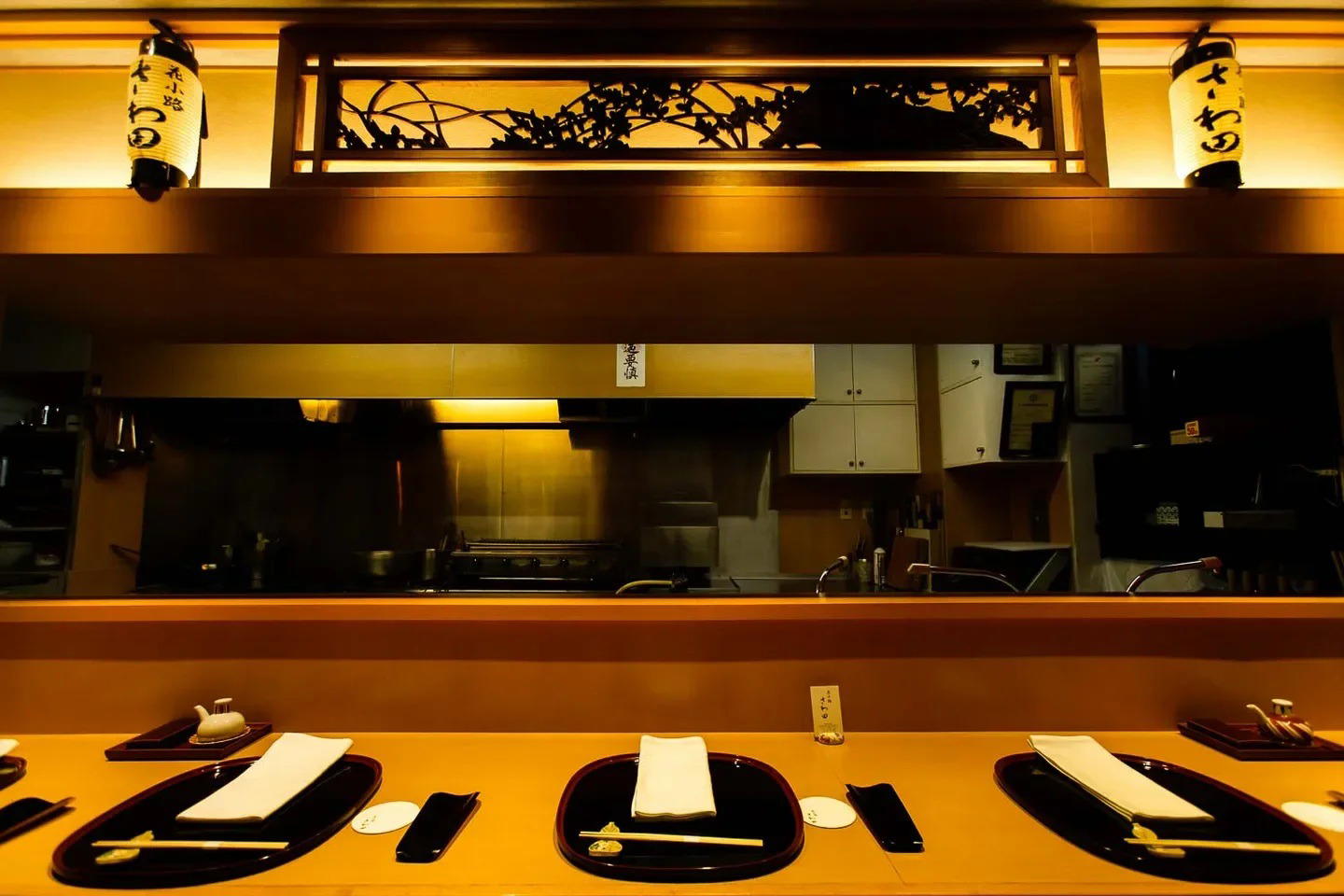
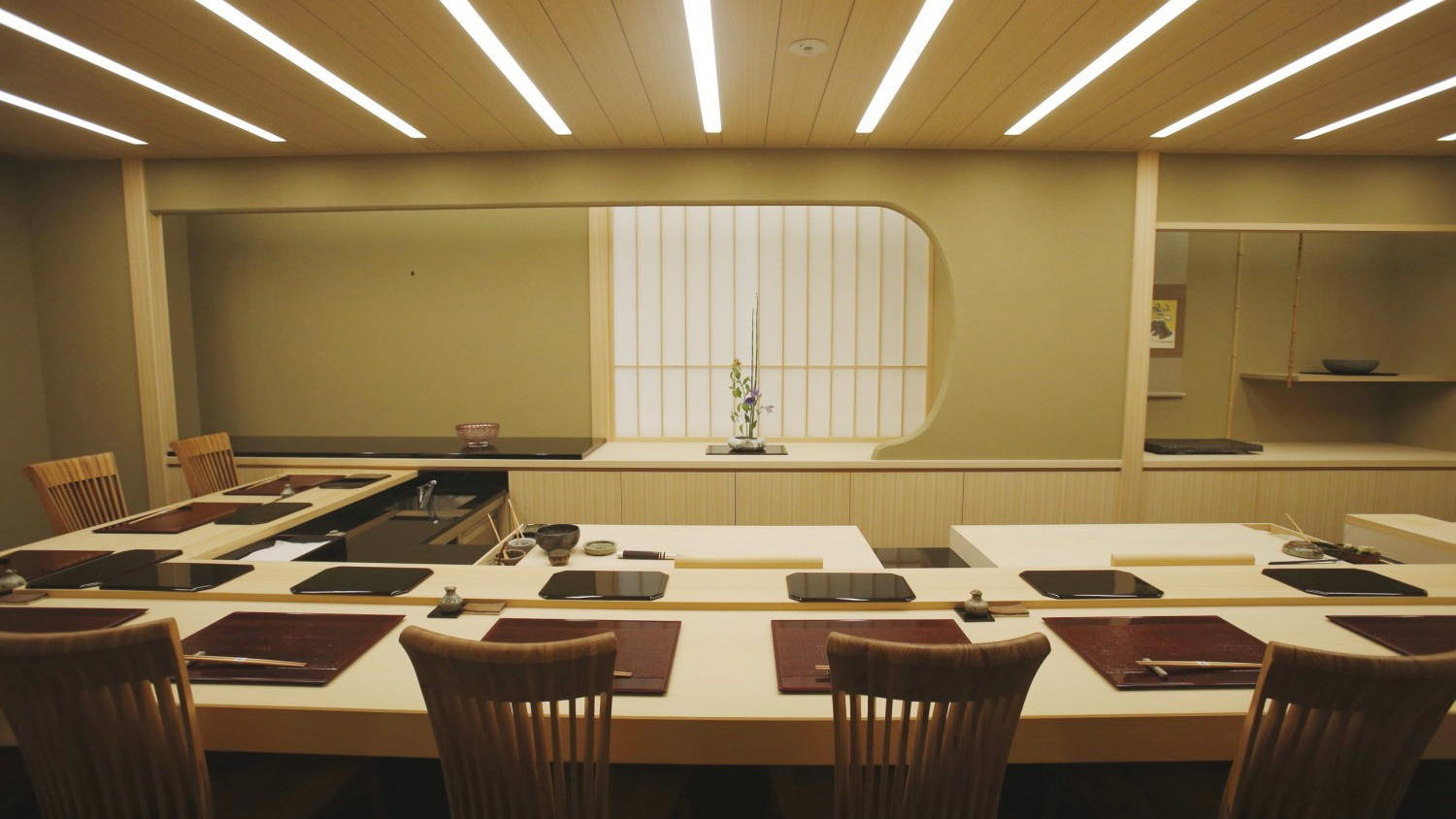
An intimate 18-seat counter in a small Kinshicho residential building, centered on an open yakitori grill; guests sit close to the chef and binchotan fire, with a warm, energetic yet unpretentious atmosphere focused on the live cooking performance rather than decor.