1 Michelin Star · Tabelog 100 #73
Our verdict
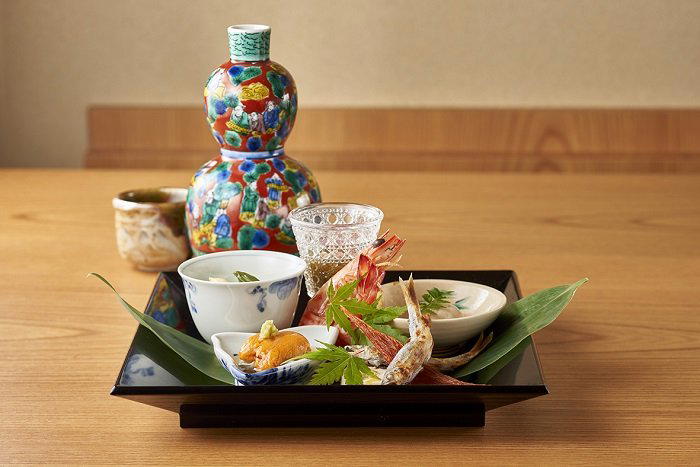
At DODICI, Italian culinary artistry finds a refined counterpart in Kyoto’s singular terroir and traditions. The chef composes prix fixe menus that shimmer with restraint—risotto made with Japanese rice, the silk of raw tofu lees, and the whispering umami of Daitokuji natto—elevated through a deftly light palate that prizes nuance over bravado. Salt-pickled vegetables become graceful, modern sauces; fermentation lends brightness and depth, evoking Japanese cuisine while honoring Italian technique. An open kitchen radiates quiet confidence, while a spacious, blue-walled dining room feels luminous and serene—an elegant stage for an experience designed for unhurried pleasure and polished discretion. For travelers who seek culinary refinement without ostentation, DODICI offers a rare, eloquent harmony of place, craft, and taste.

Pearl is the En Primeur Club membership app, where members save venues, book tables and use the concierge.
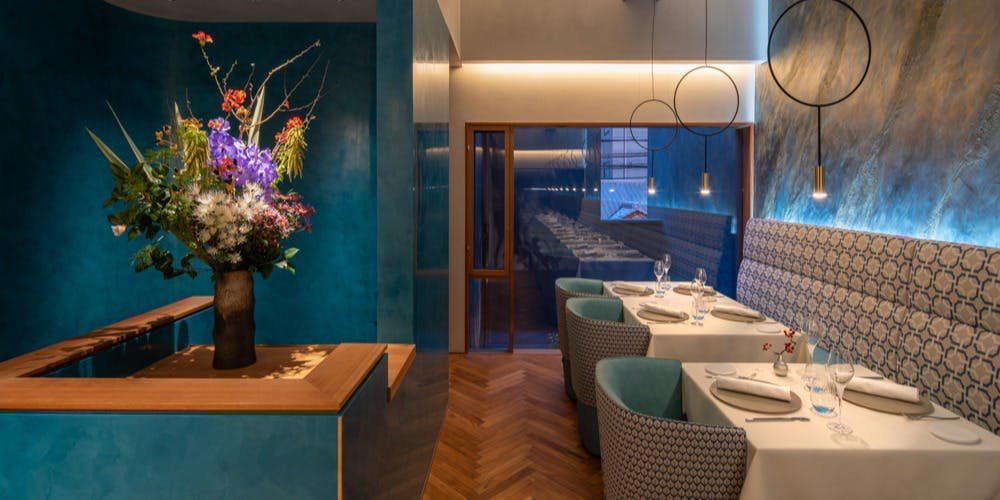
A Blue Room in Nakagyo Ward
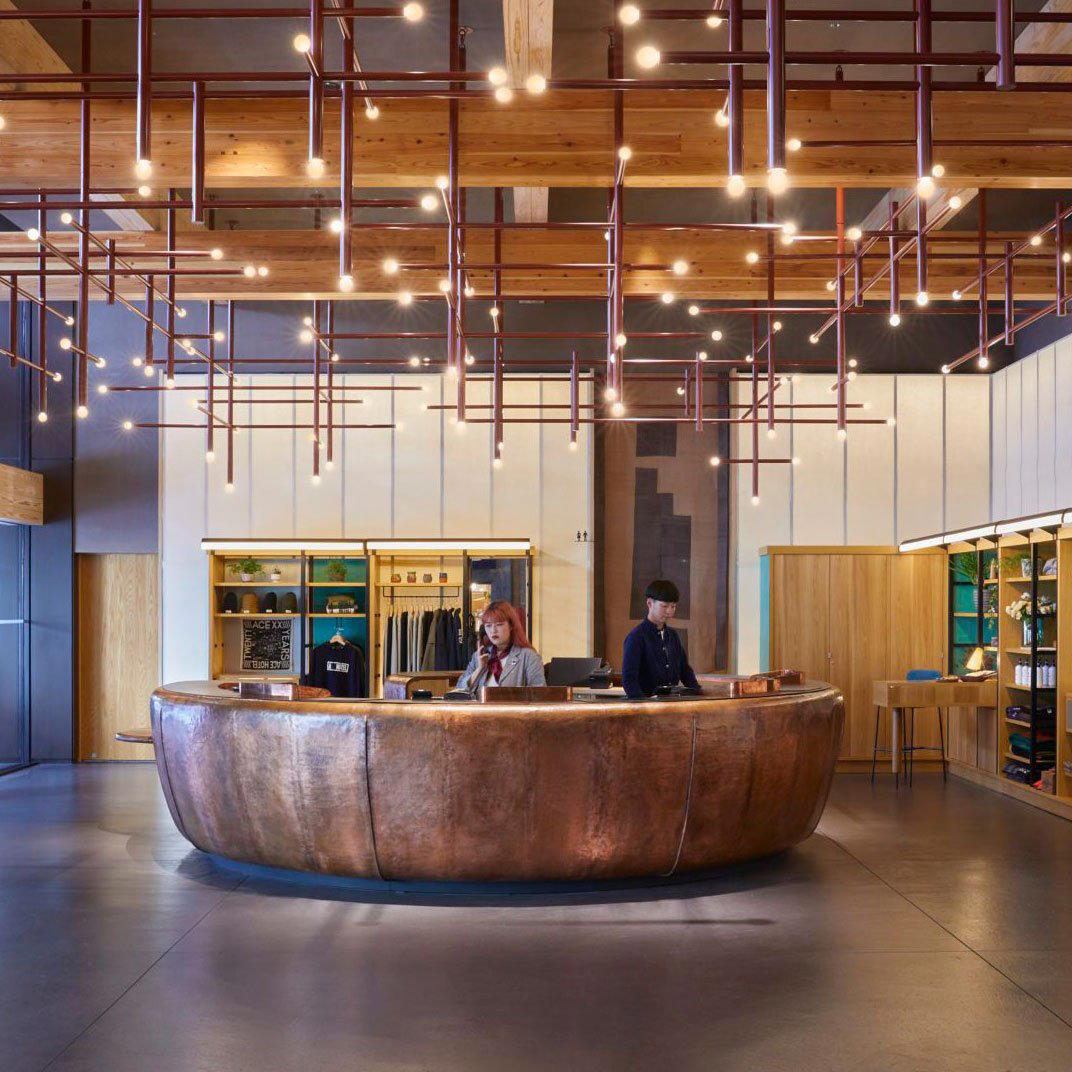
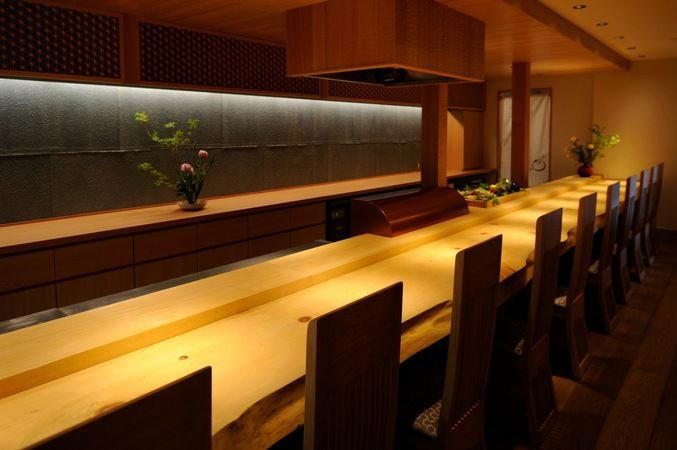
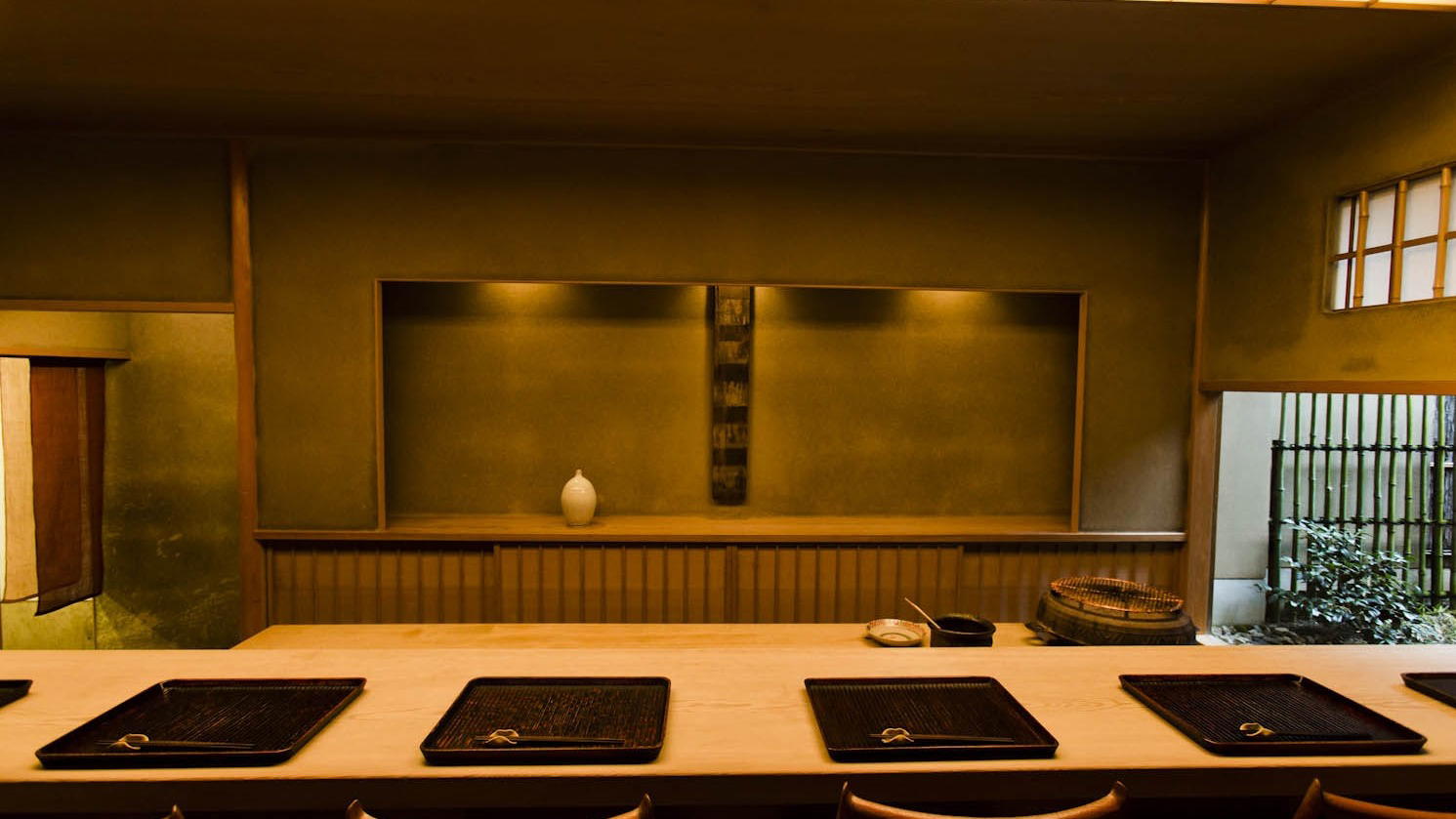
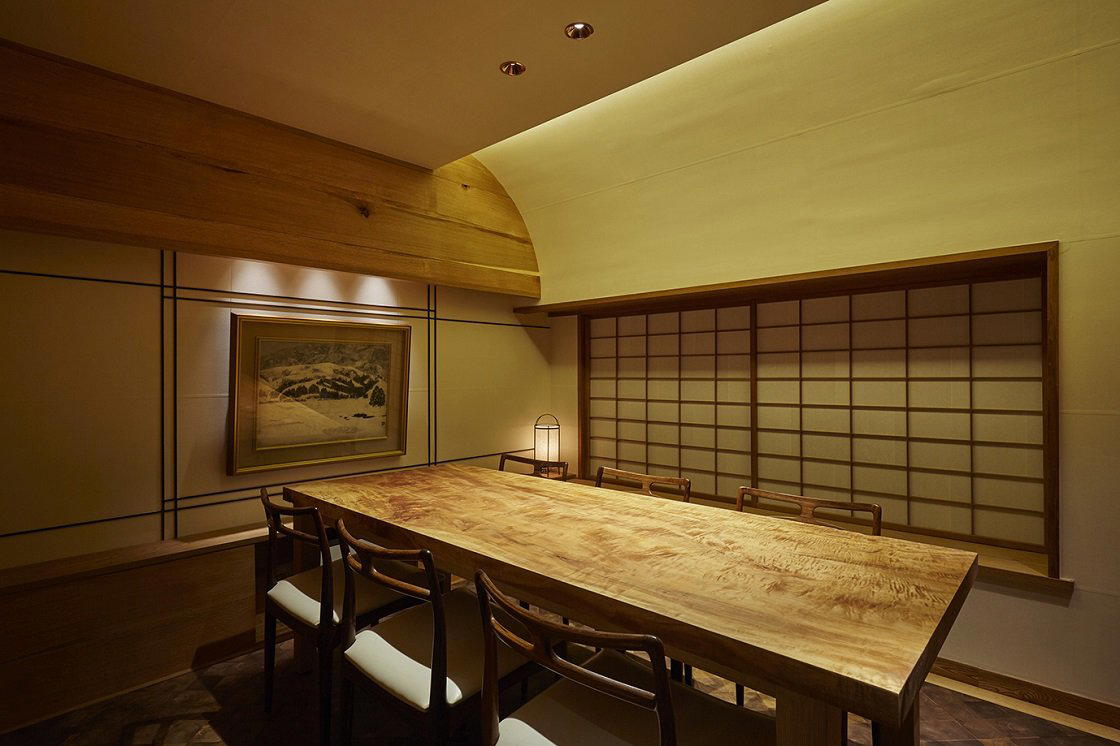
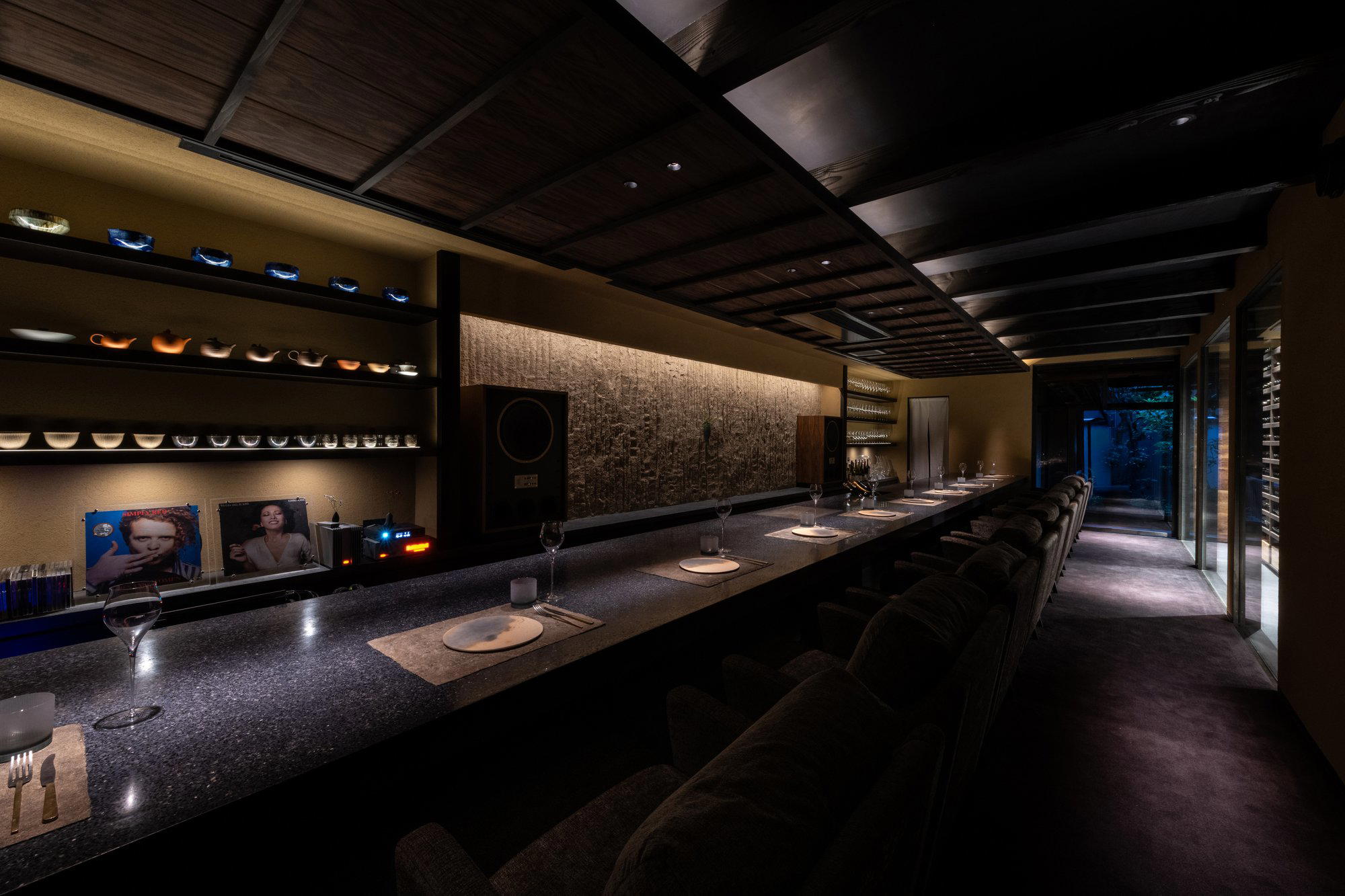
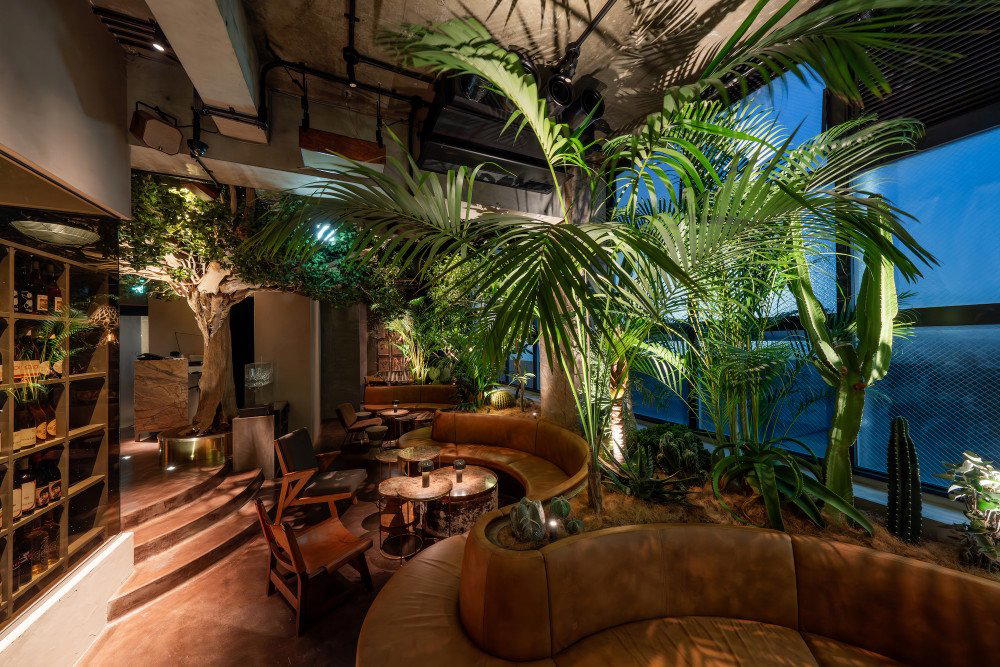
The dining room at DODICI reads as a deliberate departure from Kyoto's prevailing aesthetic vocabulary. Where most of the city's mid-to-high-price restaurants reach for dark timber, muted lacquer, and the visual restraint of the machiya interior, this Nakagyo Ward address answers with blue walls, an open kitchen, and a spatial brightness that signals a different set of intentions before a single dish arrives. The room feels more like a well-lit Milan trattoria transplanted into a Kyoto side street than any attempt to merge East and West through decor. The cuisine is where that conversation actually happens.
What Italian Cooking Looks Like With Kyoto Ingredients
In the past decade, Japanese cities have produced a specific and increasingly confident sub-genre of Italian restaurant: not fusion, not theme-driven, but Italian in method and structure, Japanese in ingredient logic and seasonal thinking. Kyoto is arguably better positioned than Tokyo or Osaka to take that conversation seriously, because its artisan food culture, from Nishiki Market producers to the temple precincts of Daitokuji, gives a working kitchen access to preserved, fermented, and regionally specific ingredients that most cities in Japan cannot replicate.
DODICI operates inside that sub-genre. The prix fixe format, standard for this price tier across Kyoto's serious restaurants, runs Italian gastronomic structure while sourcing from a distinctly Kyoto pantry. The risotto built on Japanese rice is the clearest statement of that approach: the grain behaves differently from Italian Carnaroli or Vialone Nano, with a different starch release and a more pronounced sweetness, which demands a recalibrated technique. Using it anyway, rather than importing European rice, is a decision that tells you something about how the kitchen thinks about ingredient provenance.
Fermentation as an Editorial Stance
The ingredient choices at DODICI are not arbitrary local colour. Raw tofu lees (okara) and Daitokuji natto, both listed as ingredients the kitchen draws on, sit at the more assertive end of Kyoto's preserved and fermented pantry. Daitokuji natto in particular, produced by the temple complex in the city's north, is a small-batch, long-aged variant that has almost nothing in common with the commercially produced natto most visitors associate with Japanese breakfasts. Its flavour is concentrated, complex, and far less pungent than its industrial counterpart, closer to a dry, aged cheese in its umami density than to anything typically labelled fermented soy.
Using salt-pickled vegetables as sauces, and building flavour through the tartness of fermentation, connects the kitchen to kaiseki logic without borrowing kaiseki aesthetics. The analogy to Italian cooking is closer than it first appears: preserved anchovies, aged Parmigiano, fermented capers, and slow-braised garum-based sauces are all Italian applications of the same principle. A kitchen that thinks through fermentation in both culinary traditions can work at the intersection without the result feeling like a comparison exercise. What emerges, at least according to the kitchen's stated direction, is a deliberately light palate, acidity and umami doing the work that fat and richness typically handle in classical Italian cooking.
This approach places DODICI in an interesting position relative to its Kyoto peers. cenci, the Michelin-starred Italian address in the city, works with similar Italian-Japanese crossover logic but occupies a slightly different price point (also ¥¥¥) and has accumulated formal recognition. Bini and Vena represent other threads of European cooking in the city, while BOCCA del VINO focuses more squarely on Italian wine culture.
Further afield, the Italian-Japanese conversation is being held at different registers. HAJIME in Osaka approaches French-Japanese fine dining at a three-Michelin-star level; akordu in Nara applies Spanish technique to Nara's seasonal ingredients. For a broader view of how Japanese cities are processing European culinary traditions, our guides to Harutaka in Tokyo, Goh in Fukuoka, and 1000 in Yokohama offer useful points of comparison. Outside Japan, 8 1/2 Otto e Mezzo Bombana in Hong Kong and Frasca Food & Wine in Boulder show what Italian fine dining looks like when it engages seriously with a non-Italian sourcing context, for reference across different disciplines.
The Kyoto Italian Tier
Kyoto's Italian restaurant scene occupies a narrower and more considered space than Tokyo's. The city's food culture is rooted in precision and seasonal discipline, which tends to attract chefs working in European traditions who are genuinely interested in ingredient logic rather than atmosphere-led concept restaurants. The ¥¥¥ price tier in Kyoto is a meaningful filter: it is occupied by restaurants such as TAKAYAMA and positions like DODICI and cenci that are serious about their sourcing and format, rather than the tourist-facing mid-market. At this level, the prix fixe structure is the norm, booking ahead is standard practice, and the room count tends to be small enough that the kitchen can maintain consistency across a service.
For context, TAKAYAMA's kaiseki counter operates at the very best of the Kyoto Japanese-dining tier with a ¥¥¥¥ price point, while the Michelin-decorated addresses in the city, including two-star Ifuki and three-star Gion Sasaki, sit well above DODICI in price and formality. DODICI's ¥¥¥ positioning occupies the space where serious cooking meets accessible-by-comparison pricing.
Planning a Visit
DODICI is located at 239 Kamihakusancho in Nakagyo Ward, a central Kyoto district within reasonable distance of the main transport spine along Karasuma and Oike. Nakagyo is not a restaurant-district address in the way that Gion or Pontocho are, which partly explains why the room can read as a neighbourhood discovery rather than a stop on a tourist circuit. Prix fixe format means the kitchen sets the structure; arriving with dietary considerations to communicate in advance is advisable rather than assumed. Booking should be treated as mandatory at this price tier in Kyoto: small rooms fill on a weekly cycle, not a walk-in basis.
For broader planning across the city, our full Kyoto restaurants guide covers the range from kaiseki to European, while our Kyoto hotels guide, bars guide, wineries guide, and experiences guide cover the rest of a considered stay. 6 in Okinawa is worth noting for travellers extending south, as another example of European method applied to hyper-local Japanese ingredients in a similarly small-format setting.
Frequently asked questions
How much does it cost to eat at DODICI?
Pricing at DODICI is listed as ¥¥¥.
What part of town is DODICI in?
DODICI is located at 239 Kamihakusancho, Nakagyo Ward, Kyoto, 604-0943, Japan, Kyoto.
Has DODICI won any awards?
DODICI has received recognition including: Prix fixe menus combine Italian gastronomic experience with Japanese ingredients, as showcased by the risotto of Japanese rice. Raw tofu lees and Daitokuji natto are uniquely Kyoto. The chef strives for a light palate, making eating a relax….
What's the signature dish at DODICI?
The risotto made with Japanese rice is the clearest expression of DODICI's approach: Italian technique applied to a locally sourced staple. The kitchen also draws on raw tofu lees (okara) and Daitokuji natto, both ingredients specific to Kyoto's food culture, which appear across the prix fixe menu. Salt-pickled vegetables are processed into sauces, where their fermented tartness functions as an acidic counterpoint in a way that recalls Japanese cooking logic rather than Italian convention.
The Essentials
A quick peer list to put this venue’s basics in context.
| Venue | Cuisine | Price | Awards | Notes |
|---|---|---|---|---|
| DODICIThis venue (the venue you are viewing) | Modern Italian with Kyoto Influences | $200–300 | 1 Michelin Star · Tabelog 100 #73 | Not listed |
| Gion Sasaki | Modern Kaiseki | $300–500 | 3 Michelin Stars · La Liste Top Restaurants | Kaiseki, Japanese |
| cenci | Innovative Italian-Japanese Fusion | $100–150 | 1 Michelin Star · World's 50 Best #76 | Italian |
| Ifuki | Sumibi Kappo Kaiseki | $200–300 | 2 Michelin Stars · La Liste Top Restaurants | Kaiseki |
| Kyokaiseki Kichisen | Kyoto Kaiseki | $200–300 | 2 Michelin Stars · La Liste Top Restaurants | Japanese |
| Kyo Seika | Modern Chinese Fine Dining | $150–200 | 1 Michelin Star · Tabelog Bronze #216 | Chinese |
Recognition history
Dated appearances from independent guides and award organizations, with the underlying list record or original source where available.
Michelin 1 Star
Michelin
Tabelog 100 #73 · No. 73
Tabelog · Tabelog 100 - Italian - WEST - 2025
Full recognition history (3 entries)
Michelin 1 Star
Michelin