
A Michelin Plate-recognised French bistro in Shibuya's Higashi district, Bistro YEBISU operates on a blackboard menu that shifts with the market and the season. Run by a couple with a plainly stated purpose, the room trades in warmth rather than formality. Among Tokyo's French dining tier, it occupies the casual end without sacrificing culinary seriousness.
Pearl is the En Primeur Club membership app — saves, bookings, and concierge access live there. Same editors, same standards.
- Address
- 3 Chome-15-8 Higashi, Shibuya, Tokyo 150-0011, Japan
- Phone
- +81 80-3500-3789
- Website
- bistroyebisu.com
- Directions
- Get directions
 Saves & bookings on Pearl
A Blackboard in Shibuya: How Casual French Took Root in Tokyo
The chalk-on-slate format has long been a shorthand for a certain kind of French bistro confidence: the kitchen commits to what arrived that morning, writes it up, and asks you to trust the edit. In Tokyo's Higashi district, that tradition sits at an interesting intersection. Shibuya's French dining tier runs from three-Michelin-star institutions like L'Effervescence and Sézanne down through tasting-menu progressions at ESqUISSE and Florilège, before arriving at the neighbourhood bistro register. Bistro YEBISU occupies that lower rung without apology, and the Michelin Guide has noticed: Michelin Plate recognition in 2024 and 2025 confirms it belongs in the conversation even if it is not playing the same game as Château Restaurant Joël Robuchon.
The Blackboard as Editorial Statement
In a city where tasting menus are often fixed months in advance and the printer is as curated as the plating, the handwritten daily board is a deliberate refusal. At Bistro YEBISU, what appears on the chalk listing changes according to what the kitchen finds worth writing. Sea urchin with new onions, whitebait quiche, veal cutlets: these are the kinds of entries that surface on the board, anchored in classical French preparation but responsive to Japanese seasonal supply. The choice to communicate via blackboard rather than printed card is not nostalgic posturing. It is a practical philosophy about freshness and flexibility that the original French bistro tradition was built on, and one that Tokyo's more formal French establishments largely left behind as they climbed toward starred territory.
The approach also changes the room's social register. When the chef explains what is on the board, conversation about food begins before the first course arrives. This dynamic is part of what the format produces: anticipation built through dialogue rather than through a designed menu reveal. In Tokyo's French dining scene, that kind of informality is rarer than the price point alone would suggest.
Where This Fits in Tokyo's French Dining Evolution
Tokyo's relationship with French cuisine has undergone several distinct phases. The post-war decades brought aspirational grande cuisine; the 1980s and 1990s saw a proliferation of serious French kitchens as Japan's economic confidence peaked; and the 2000s onward brought Michelin's arrival and a hardening of the tier structure. What the guide's presence did, among other things, was push ambitious French kitchens toward formality, tasting formats, and the particular theatrical language of fine dining. The casual bistro format, meanwhile, was not awarded stars but continued to earn recognition at the Plate level, which signals cooking worth a visit without the trappings of an occasion restaurant.
Bistro YEBISU belongs to a cohort of Tokyo French restaurants that maintained the bistro register while starred peers moved in a different direction. Its Michelin Plate recognition in 2024 and 2025 reflects stability rather than reinvention, a kitchen that has refined a consistent position rather than chasing category drift. Among Tokyo's French addresses, that is its own kind of evolution: staying purposefully still while the tier above it has moved considerably.
The Couple-Run Model and What It Produces
Restaurants run by couples occupy a specific position in the bistro tradition, particularly in France, where the model has deep roots in the auberge and the small-town relais. The front-of-house and kitchen division, when run by two people with shared stakes, tends to produce a particular atmosphere: attentive without being regimented, personal without being precious. At Bistro YEBISU, the couple's stated aim is simply to make people happy in a warm, comfortable setting. That framing is worth taking seriously rather than dismissing as marketing language. It describes a set of choices, about seating comfort, about how food is described, about the pace of service, that distinguish the bistro from restaurants where the chef's personal vision is the primary product being sold.
The result is a room that earns consistent approval: a 4.6 rating from 66 reviews places it in solidly appreciated territory for a small Shibuya neighbourhood restaurant. That composition of the review base matters. A high score built on local repeat custom is a different signal from one driven by one-time visitors. It suggests the room functions as a neighbourhood anchor, not just a destination.
The Shibuya Higashi Address
Shibuya's Higashi district sits east of the main Shibuya scramble, in a pocket that mixes residential streets with quieter dining addresses. It is not the neighbourhood people picture when they think of Shibuya's sensory overload, which is precisely why it accommodates a bistro with this kind of register. The casual French model requires a certain street-level ordinariness to function: a room that feels like it has always been there, in a block that does not demand spectacle. The ¥¥¥ price positioning, mid-range by Tokyo's French standards, is appropriate to the location. It places the restaurant within reach of regular visits rather than reserving it for occasions.
For planning purposes, Shibuya station is the natural access point, with the Higashi exit directing toward the restaurant's address on 3 Chome-15-8 Higashi. Given the size and neighbourhood character, booking ahead is advisable, particularly for weekend evenings when the room's limited capacity will fill earlier than a walk-in visitor might expect.
Where Bistro YEBISU Sits in a Broader Japan French Dining Map
Tokyo's French scene is dense enough that it is worth understanding what you are choosing when you book a bistro rather than a tasting-menu counter. At the high end, restaurants like L'Effervescence operate at a register where the meal is itself the event. The restaurant is not competing with that tier, and it does not need to. What it offers is closer to what French cities produce at the neighbourhood level: a kitchen with genuine competence, a daily market edit, and a room designed for regular use rather than milestone dining.
That position has value in a city where the spectrum from casual to ceremonial is unusually compressed. Across Japan, the French influence appears in different configurations: HAJIME in Osaka operates at a far more demanding level of formality, while regional addresses like akordu in Nara and Goh in Fukuoka show how French technique migrates and adapts across the country. Internationally, the bistro tradition itself can be mapped through references like Hotel de Ville Crissier in Crissier and Les Amis in Singapore, where French dining has also taken deep root outside its origin country.
Further afield, 1000 in Yokohama and 6 in Okinawa represent the range of what Japan's dining scene produces beyond the capital, while Gion Sasaki in Kyoto anchors the traditional end of the spectrum.
Cuisine and Recognition
Comparable venues nearby, for context on price, style, and recognition.
| Venue | Cuisine | Price | Awards | Notes |
|---|---|---|---|---|
| Bistro YEBISUThis venue — the venue you are viewing | French-Japanese Fusion Bistro | $$$ | Michelin Plate | Not listed |
| Chez Olivier | Modern French Bistro | $$$ | Michelin Plate | Chiyoda |
| La Lune | Modern French with Japanese Influences | $$$ | Michelin Plate | Minato |
| le bistrot des bleus | Traditional French Bistro | $$$ | Bib Gourmand | Shibuya |
| ABBESSES | Parisian Bistro | $$$ | Michelin Plate | Shibuya |
| Clos Des Gourmets | Modern French Fine Dining | $$$$ | Michelin Plate | Minato |
Recognition history
Dated appearances from independent guides and award organizations, with the underlying list record or original source where available.
Michelin Plate
Michelin
Michelin Plate
Michelin
Michelin Plate
Michelin












At a Glance
- Cozy
- Intimate
- Relaxed
- Elegant
- Date Night
- Special Occasion
- Open Kitchen
Current opening hours
- Monday
- 5–11 PM
- Tuesday
- 5–11 PM
- Wednesday
- 5–11 PM
- Thursday
- 5–11 PM
- Friday
- 5–11 PM
- Saturday
- 5–11 PM
- Sunday
- Closed
Hours can change for holidays and private events. Last verified .
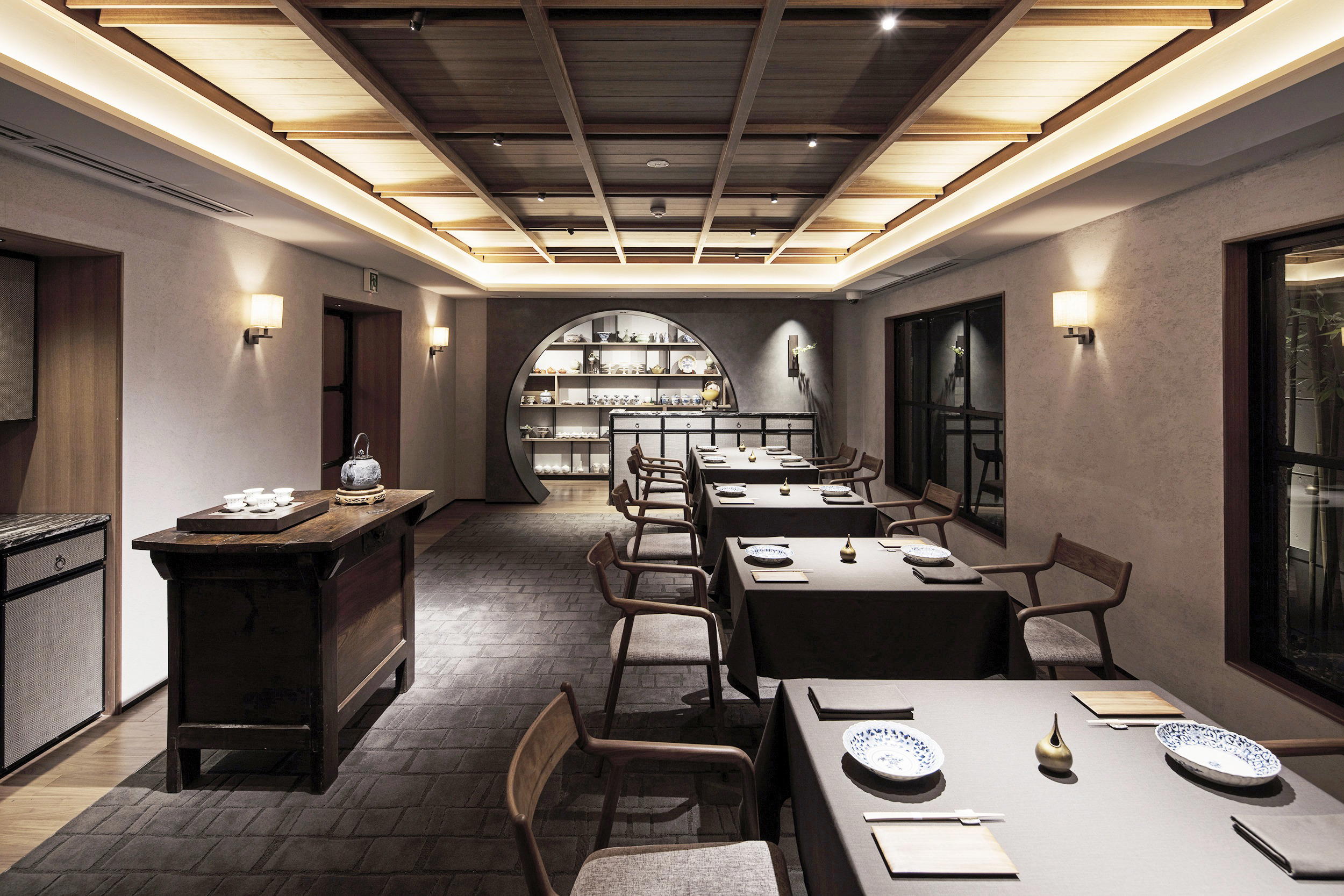
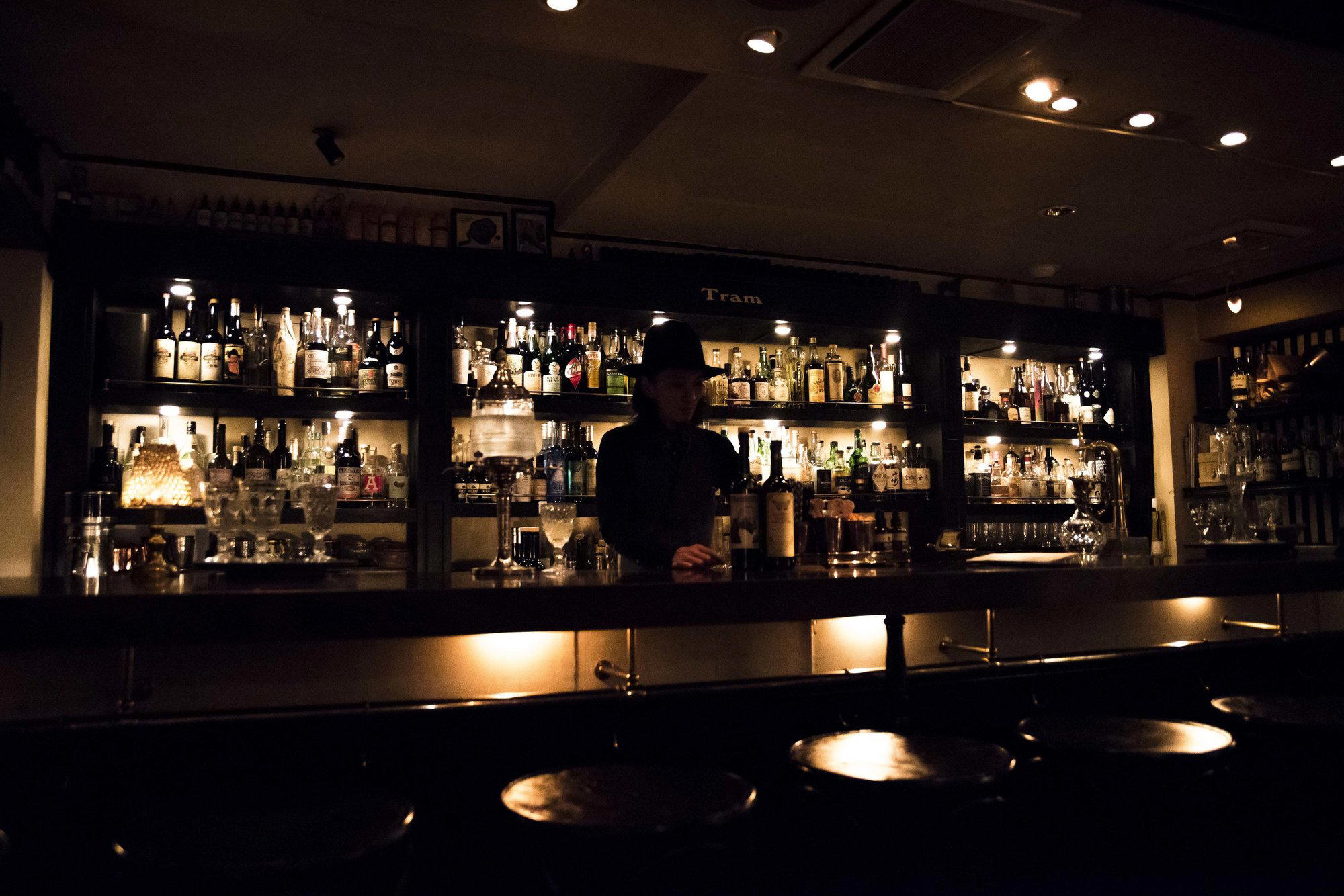
Warm, nostalgic atmosphere with wooden interiors, calm and comfortable like visiting a friend's home, featuring counter seating for watching chefs.