

Michelin Plate · Tabelog 100 #87
Our verdict
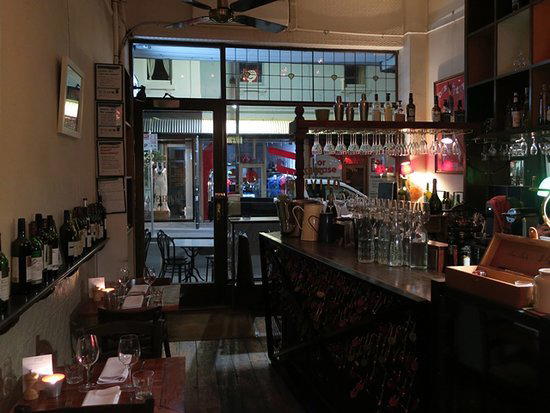
A Michelin Plate-recognised French restaurant in Chiyoda, Chez Olivier operates at the quieter, more personal end of Tokyo's French dining scene. The French-born chef selects wines personally and brings dishes to the table himself, framing the room as a private dining house rather than a formal restaurant. Autumn menus draw on both French and Japanese sourcing, with dishes that cross between the two traditions at the ingredient level.

Pearl is the En Primeur Club membership app, where members save venues, book tables and use the concierge.
The menu
What to order
- Sea trout appetizer
- Cod with spelt risotto
- Mont Blanc dessert
A Private House Logic in a City of Formal French Rooms
Tokyo's French dining scene has long operated on a spectrum that runs from white-tablecloth grandeur to intimate neighbourhood formats. At the formal end sit multi-Michelin-starred institutions like L'Effervescence and Sézanne, where the architecture of service is part of the proposition. Further down that scale, a smaller category of French rooms in Tokyo has taken the opposite position: fewer covers, lower ceremony, and a format that reads more like a dinner hosted by a knowledgeable friend than a performance staged for strangers. Chez Olivier, in Kudanminami, Chiyoda, sits firmly in that second group.
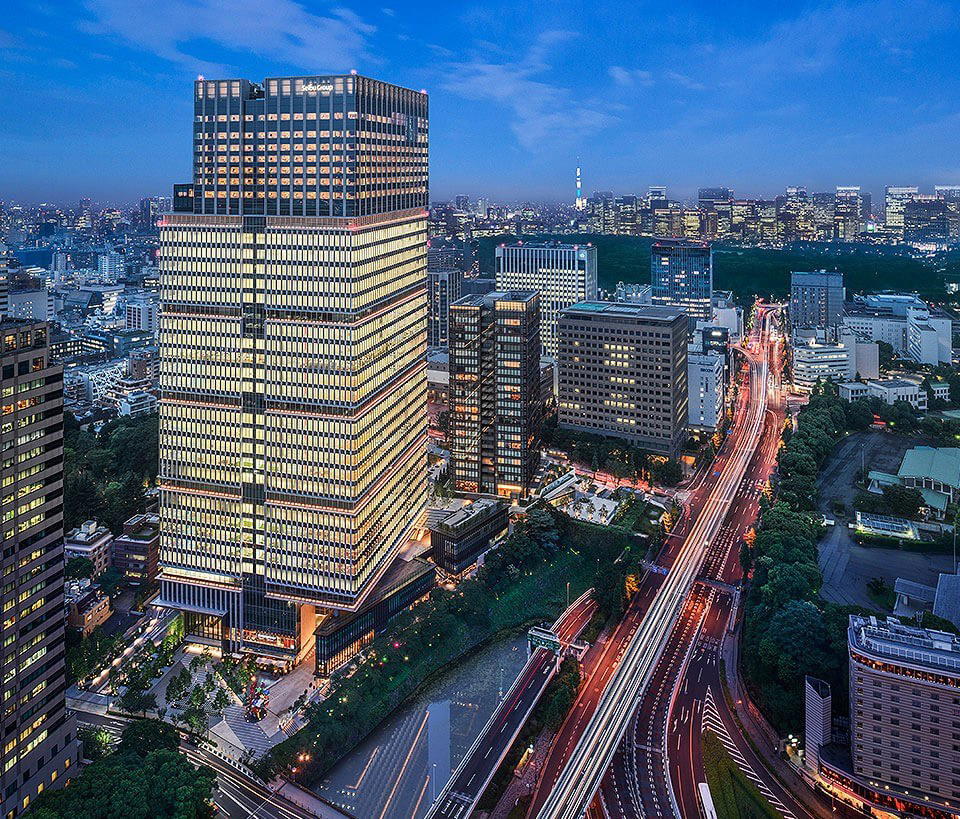
The address itself sets a tone. Kudanminami is not a dining district in the way that Ginza or Minami-Aoyama are. The area around Kudanshita station mixes government offices, residential blocks, and the occasional low-key neighbourhood restaurant. A French room here is not competing for attention on a restaurant row; it is asking diners to seek it out deliberately, which tends to self-select for a particular kind of guest.
The French-Japanese Continuum
French cooking in Japan has gone through several distinct phases since the postwar years when classical technique first took hold in Tokyo kitchens. The 1980s and 1990s saw a generation of Japanese chefs train in France and return to open formal French rooms with high technical standards but strict stylistic fidelity. What followed, gradually, was a process of integration rather than imitation: chefs and restaurateurs began reading French and Japanese ingredient traditions not as separate codes but as overlapping vocabularies. This is the context in which Chez Olivier makes the most sense.
The chef at Chez Olivier is French-born and has framed the restaurant around a stated intention to act as a bridge between France and Japan at the ingredient level. This is a position that has become more common across the city as French kitchens in Tokyo have moved away from strict classical replication, but it remains a meaningful commitment rather than a marketing phrase when it is applied with structural discipline. Autumn menus, for instance, bring together French escargot ravioli with Japanese awabi and mushrooms, a pairing that does not dilute either tradition but places them in the same sentence without apology. The wines are chosen personally by the chef, which at this price tier signals a proprietorial seriousness about the cellar that extends beyond delegating to a sommelier.
For comparable French rooms that have taken the Franco-Japanese synthesis further into tasting-menu territory, ESqUISSE and Florilège offer points of reference. At the upper end of the price range, Château Restaurant Joël Robuchon represents what the most formal, heritage-led French dining in the city looks like. Chez Olivier is not in competition with those formats; it operates in a different register altogether.
Michelin Plate Recognition and What It Signals
Chez Olivier holds a Michelin Plate designation for both 2024 and 2025. Within the Michelin framework, the Plate sits below the star tier but represents selection by inspectors as a restaurant worth knowing, one that serves food prepared to a good standard. For a restaurant at the ¥¥¥ price point in a neighbourhood outside Tokyo's primary dining corridors, consistent Plate recognition over consecutive years is a signal that the kitchen has maintained a coherent standard rather than trading on novelty.
The Plate tier is sometimes misread as a consolation designation, but in a city as dense with French dining as Tokyo, Michelin selection at any level carries weight. The inspectors' framework identifies the Plate restaurants as those offering a satisfying experience even when they fall outside the starred bracket. For a room framed around hospitality rather than technical spectacle, that framing is arguably appropriate.
Evolution of Format: From Restaurant to House
The editorial angle for understanding Chez Olivier is less about its cuisine and more about the format position it has chosen to hold. The name itself, which translates as "Olivier's House," sets the operating principle. In a city where French dining has repeatedly reached for institutional formality as a signal of seriousness, the house model is a considered counter-position. The chef brings out the food personally. The wine selection is a proprietorial decision, not a delegated one. The room reads as private space rather than public dining room.
This format has its own trajectory within Tokyo's French scene. A decade ago, the prestige markers for French restaurants in the city were largely inherited from European fine dining conventions: white linen, brigade service, long tasting menus, formal wine pairings. What has shifted since then is a growing appetite, particularly at the ¥¥¥ tier, for French cooking that feels authored and personal rather than institutionally reproduced. Chez Olivier's positioning, a French-born chef in a residential-adjacent neighbourhood running the room himself, reads as a product of that shift rather than a departure from the mainstream.
Tokyo's broader French scene is well documented in our full Tokyo restaurants guide. For French restaurants operating at a comparable intersection of tradition and cross-cultural sourcing elsewhere in Japan, HAJIME in Osaka and akordu in Nara both sit in adjacent territory. Further afield, Les Amis in Singapore and Hotel de Ville Crissier in Crissier represent the kind of European reference points against which serious French rooms in Asia are sometimes measured.
For those building a wider Tokyo itinerary, our full Tokyo hotels guide, bars guide, and experiences guide cover the full picture. Elsewhere in Japan, Gion Sasaki in Kyoto, Goh in Fukuoka, 1000 in Yokohama, and 6 in Okinawa round out the national reference set.
Know Before You Go
- Location: Kudanminami 4-1-10, Grand Maison Kudanminami 1F, Chiyoda, Tokyo
- Nearest station: Kudanshita Station (Toei Shinjuku, Hanzomon, Tozai lines)
- Price range: ¥¥¥ (mid-to-upper range)
- Awards: Michelin Plate 2024, Michelin Plate 2025
- Guest rating:
- Cuisine: French, with French-Japanese seasonal sourcing
- Booking: Reservation method not confirmed; contacting the restaurant directly is advised
- Seasonal note: Autumn menus feature French-Japanese dishes drawing on awabi and local mushrooms alongside French preparations
Frequently asked questions
What's Chez Olivier's location?
Chez Olivier is located at Japan, 〒102-0074 Tokyo, Chiyoda City, Kudanminami, 4 Chome−1−10 グランドメゾン九段南 1F, Tokyo.
What awards or recognition does Chez Olivier have?
Chez Olivier has received recognition including: The French-born chef named this restaurant, which means ‘Olivier’s House’. He personally selects the wines and brings out the food, treating customers like guests in his own home. He uses ingredients from both France and Japan out of his wi….
What's the best thing to order at Chez Olivier?
The seasonal menu is the clearest expression of the kitchen's approach. In autumn, dishes such as French escargot ravioli paired with Japanese awabi and mushrooms show how the chef uses sourcing from both countries as a compositional strategy rather than a novelty. The wine selection is chosen personally by the chef, so pairing alongside the seasonal menu makes structural sense.
What price level is Chez Olivier?
Pricing at Chez Olivier is listed as ¥¥¥.
Is Chez Olivier reservation-only?
Given the ¥¥¥ price tier and a format where the chef personally serves each guest, this is not a walk-in operation. Securing a table in advance is the standard expectation for a room operating at this level in Chiyoda. Contact details are not publicly listed, so approaching via direct inquiry or a concierge is the practical route.
What do critics highlight about Chez Olivier?
Michelin inspectors awarded Chez Olivier a Plate designation in both 2024 and 2025, placing it within Michelin's recommended tier below the star level but above unlisted restaurants in Tokyo's competitive French dining field. The recognition is consistent with the editorial framing of the restaurant: a chef-run room where the French-Japanese sourcing strategy and personal service are the distinguishing factors.
Cost Snapshot
A quick peer reference to anchor this venue in its category.
| Venue | Cuisine | Price | Awards | Notes |
|---|---|---|---|---|
| Chez OlivierThis venue (the venue you are viewing) | Modern French Bistro | $50–100 | Michelin Plate · Tabelog 100 #87 | Not listed |
| Harutaka | Edo-Style Omakase Sushi | $200–300 | 3 Michelin Stars · World's 50 Best #76 | Sushi |
| RyuGin | Modern Kaiseki | $500+ | 3 Michelin Stars · World's 50 Best #41 | Kaiseki, Japanese |
| L'Effervescence | Modern French with Japanese Influences | $200–300 | 3 Michelin Stars · World's 50 Best #69 | French |
| HOMMAGE | Modern French with Japanese Influences | $150–200 | 2 Michelin Stars · World's 50 Best #78 | Innovtive French, French |
| MAZ | Innovative Peruvian-Japanese Fusion | $150–200 | 2 Michelin Stars · World's 50 Best #28 | Innovative |
Recognition history
Dated appearances from independent guides and award organizations, with the underlying list record or original source where available.
Michelin Plate
Michelin
Tabelog 100 #87 · No. 87
Tabelog · Tabelog 100 - French - TOKYO - 2025
Full recognition history (4 entries)
Michelin Plate
Michelin
Michelin Plate
Michelin
Continue exploring
More in Tokyo
Restaurants in Tokyo
All restaurants in Tokyo →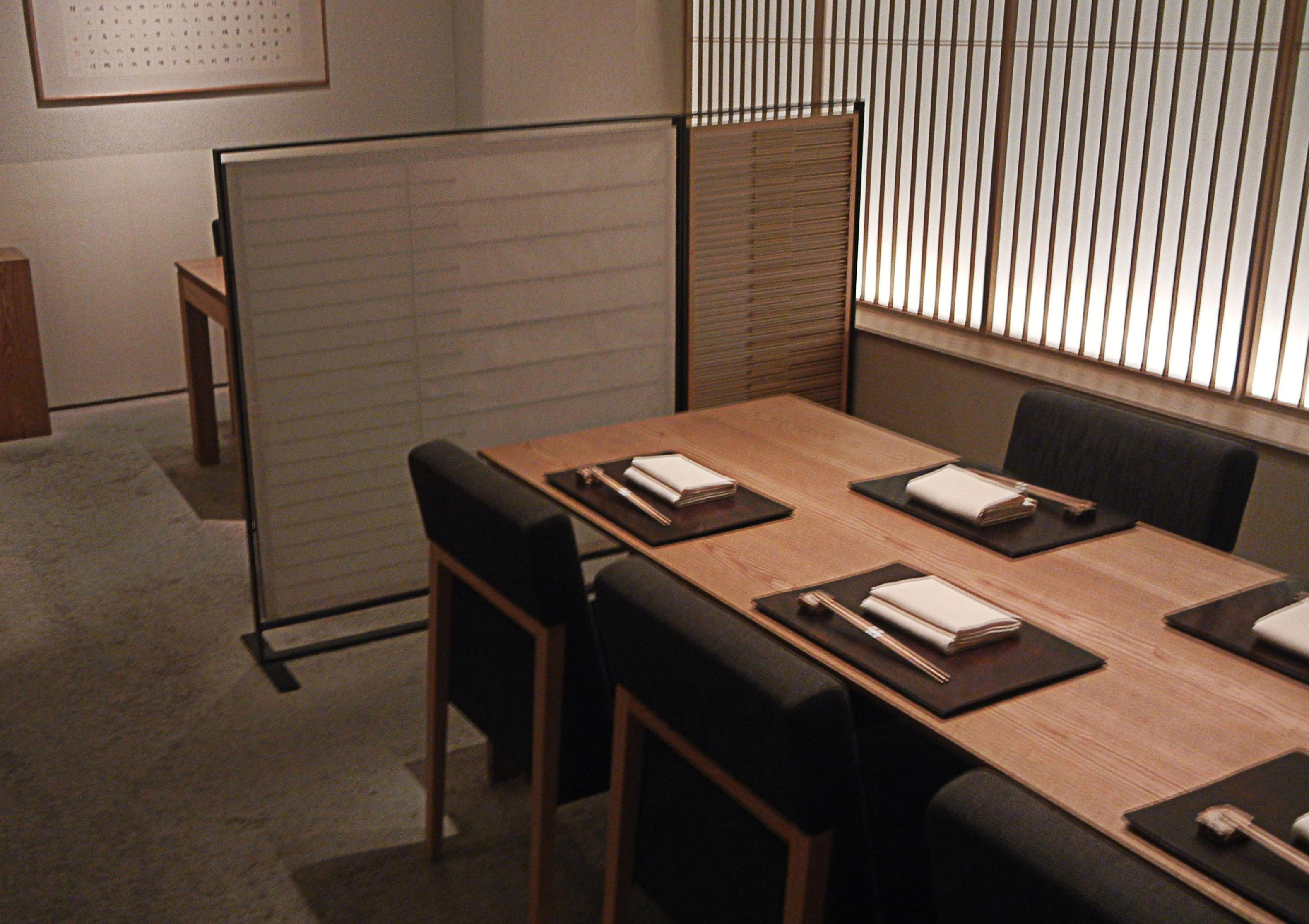


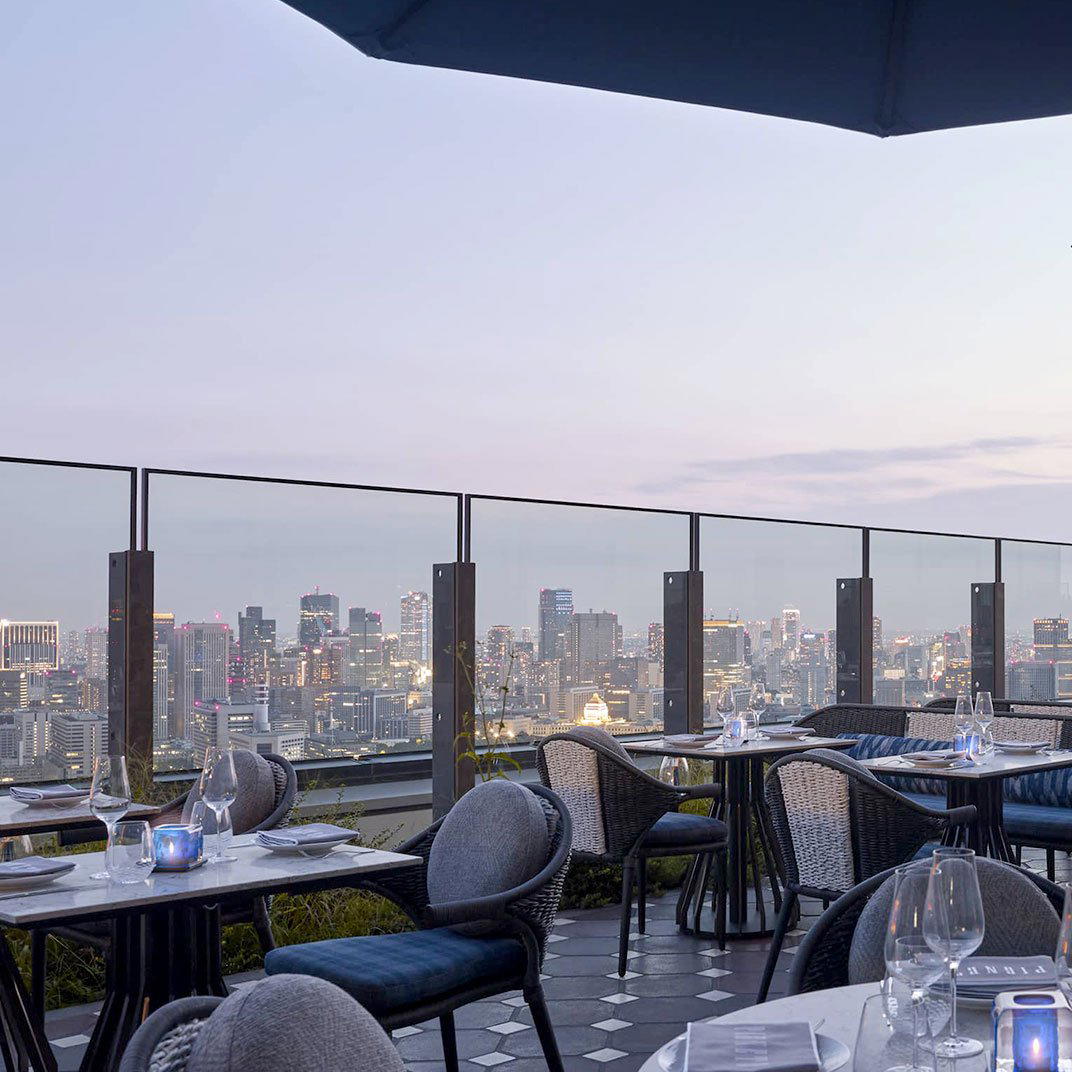
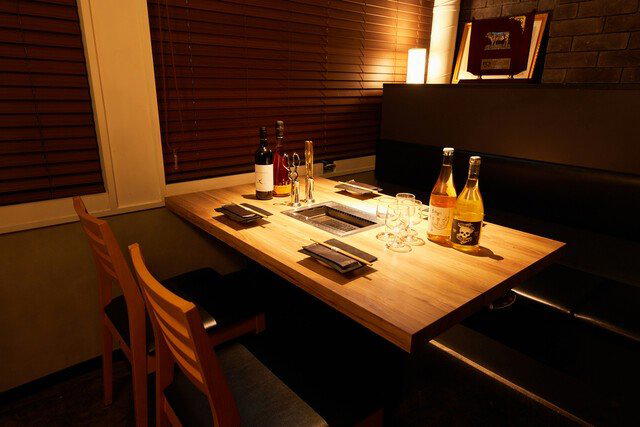
Bars in Tokyo
All bars in Tokyo →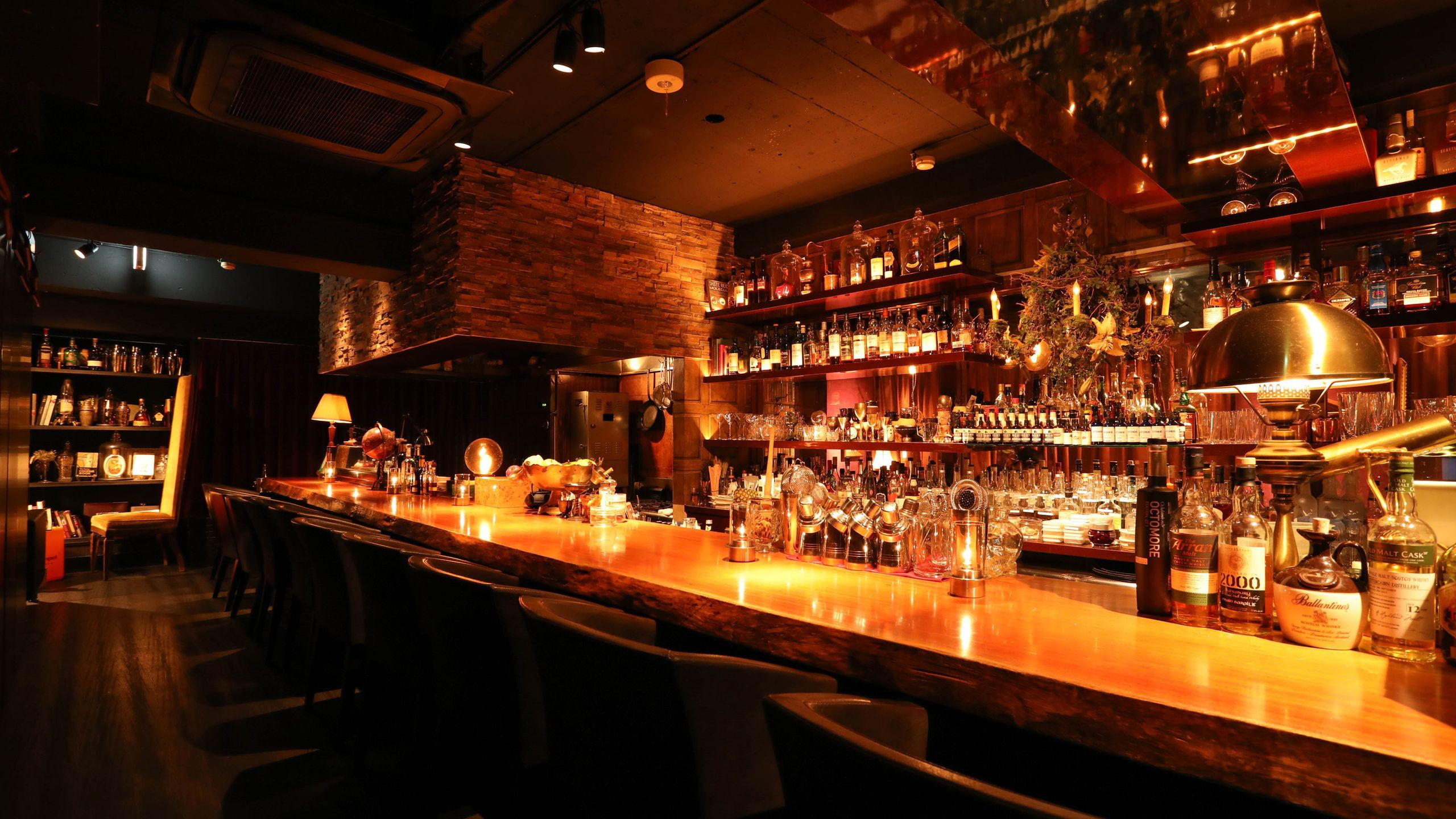

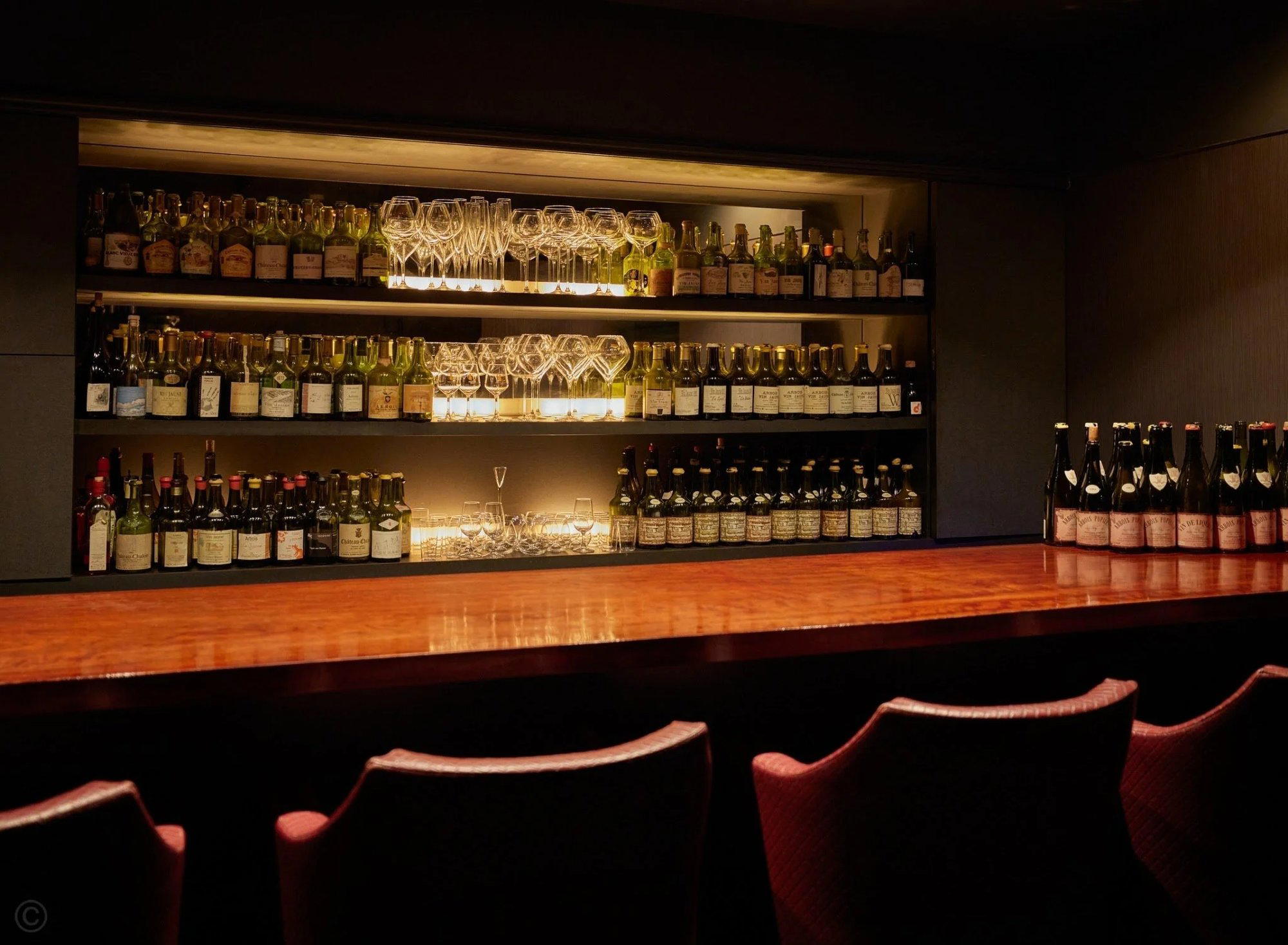
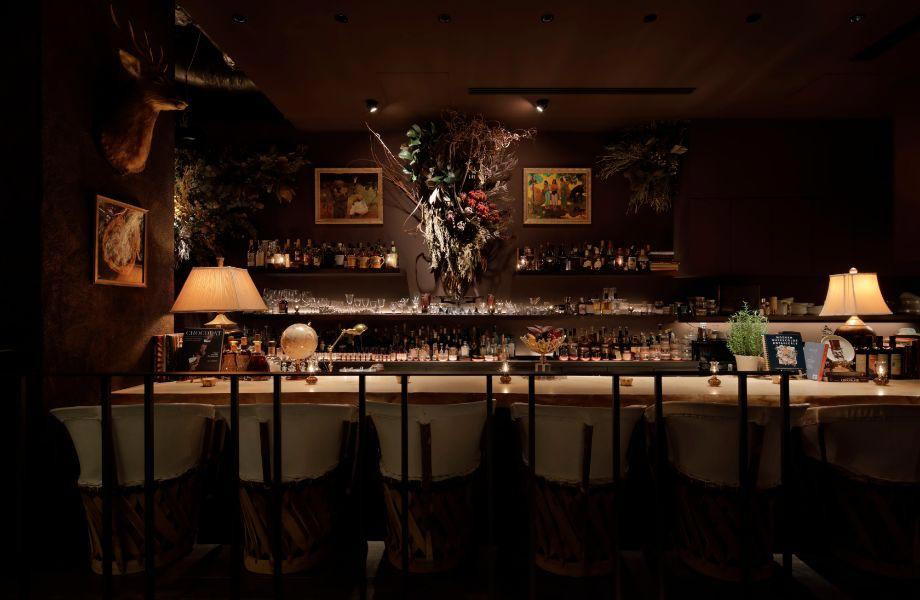




Details
- Cozy
- Elegant
- Intimate
- Sophisticated
- Date Night
- Business Dinner
- Special Occasion
- Open Kitchen
- Extensive Wine List
- Organic
- Prix Fixe
- A La Carte
Current opening hours
- Monday
- Closed
- Tuesday
- 12–1 PM, 5:30–8:30 PM
- Wednesday
- 12–1 PM, 5:30–8:30 PM
- Thursday
- 12–1 PM, 5:30–8:30 PM
- Friday
- 12–1 PM, 5:30–8:30 PM
- Saturday
- 12–1 PM, 5:30–8:30 PM
- Sunday
- Closed
Hours can change for holidays and private events. Last verified .
Cozy, serene, warm, and elegant dining room with a charming bistro-like atmosphere.