Michelin Plate
Our verdict
A Michelin Plate-recognised French bistrot in Shirokanedai, Clos Des Gourmets carries the name, philosophy, and signature dishes of a celebrated 7th arrondissement address in Paris. The counter-style setting places diners in immediate proximity to the kitchen, and the mid-range price point makes it one of the more accessible entry points into serious French cooking in Tokyo.

Pearl is the En Primeur Club membership app, where members save venues, book tables and use the concierge.
French Lineage in a Shirokanedai Side Street
Tokyo's French restaurant scene occupies a wider price and ambition range than almost any other city outside France itself. At the upper end, multi-starred rooms like L'Effervescence and Sézanne compete directly with Paris at the level of ingredients, technique, and ceremony. Further down the tier structure sits a smaller, quieter cohort: intimate rooms where a single chef cooks close French repertoire for a tight number of covers, prices stay accessible, and the relationship between the kitchen and the table is essentially personal. Clos Des Gourmets, on the second floor of a residential building in Shirokanedai, Minato City, belongs to that second cohort.
The address itself is instructive. Shirokanedai is a residential district with old money understatement, not a dining destination in the sense that Ginza or Nishi-Azabu are, but home to a cluster of low-key, serious restaurants that attract return visitors rather than first-time explorers. A French room on a quiet block here is making a specific kind of statement: the cooking is the draw, not the postcode.
Awards and Critical Standing
Clos Des Gourmets holds a Michelin Plate for both 2024 and 2025. In Michelin's framework, the Plate designation marks cooking that inspectors consider worth noting, a step below a star but a formal signal of quality control and consistency that separates a restaurant from the anonymous mid-market. In Tokyo, where the Michelin Guide is particularly dense and competitive, a Plate across consecutive years is a meaningful credential rather than a consolation. It indicates that the inspectors returned, found the kitchen consistent, and chose to include it again.
For context: ESqUISSE and Florilège operate at the starred level above, while Château Restaurant Joël Robuchon sits at the top of the city's French fine-dining pyramid. Clos Des Gourmets prices at ¥¥ and holds a Plate, which positions it as a reference point for accessible, recognised French cooking rather than a rival to those bigger rooms.
The Inherited Kitchen
The transmission of culinary identity through direct apprenticeship is a defining feature of how serious French cooking reproduces itself, both in France and in its diaspora. The chef at Clos Des Gourmets trained at a restaurant in Paris's 7th arrondissement, and the inheritance runs deeper than technique: the restaurant's name, its stated philosophy, and its menu are all drawn from that source. The tête de cochon, grilled cuts from a pig's head, is a representative dish, a preparation that demands knowledge of the whole animal, patience with secondary cuts, and confidence in serving something that most accessible French rooms in Tokyo would not put on the menu at any price point.
That specific dish is worth pausing on. Tête de cochon is not a crowd-pleaser in the contemporary sense. It is a classic of French charcuterie and offal tradition, the kind of preparation that signals a kitchen more interested in the integrity of the repertoire than in optimising for approval. In a city where French restaurants sometimes smooth their menus toward Japanese preferences, the presence of this dish as a signature says something about the kitchen's priorities.
This kind of direct lineage transmission is comparable to how the most coherent sushi lineages operate in Tokyo, where the mentor's name, his knife technique, and his sourcing relationships travel with the apprentice rather than staying behind when the new restaurant opens. The French equivalent is rarer to find at the ¥¥ price point, which is part of what distinguishes Clos Des Gourmets within its tier.
The Room and the Experience
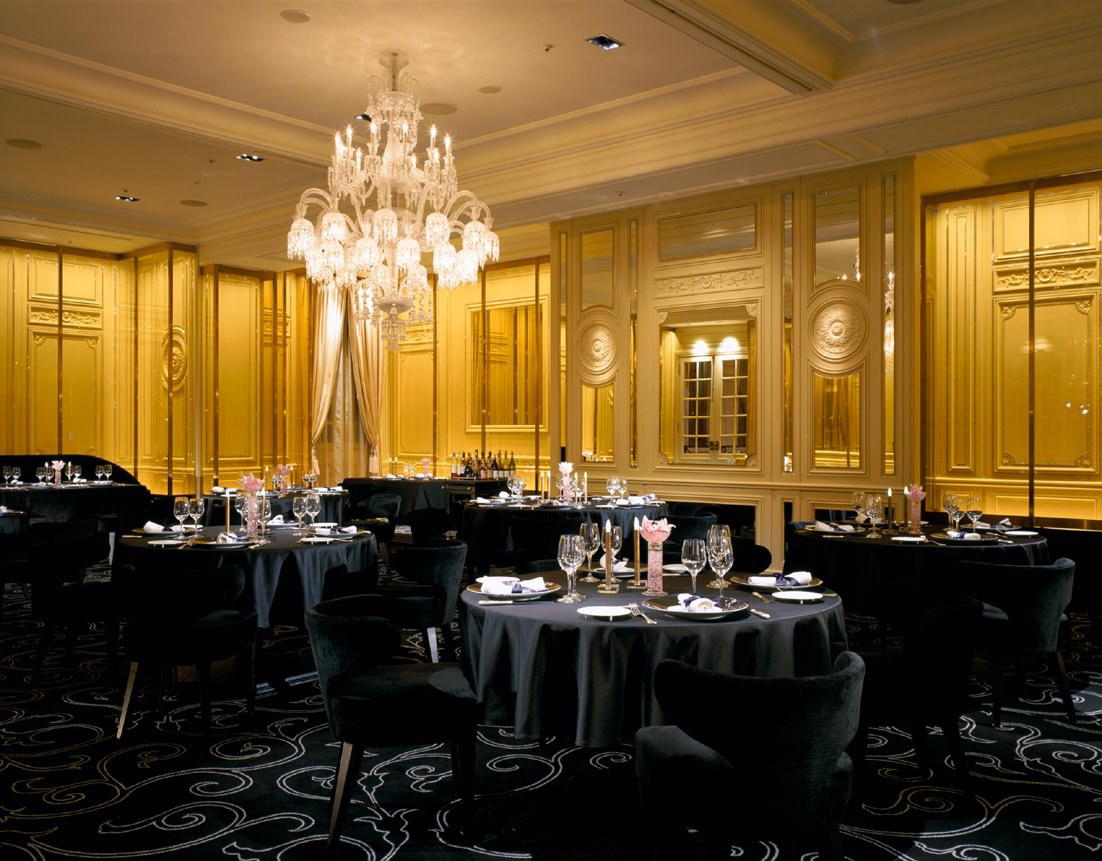
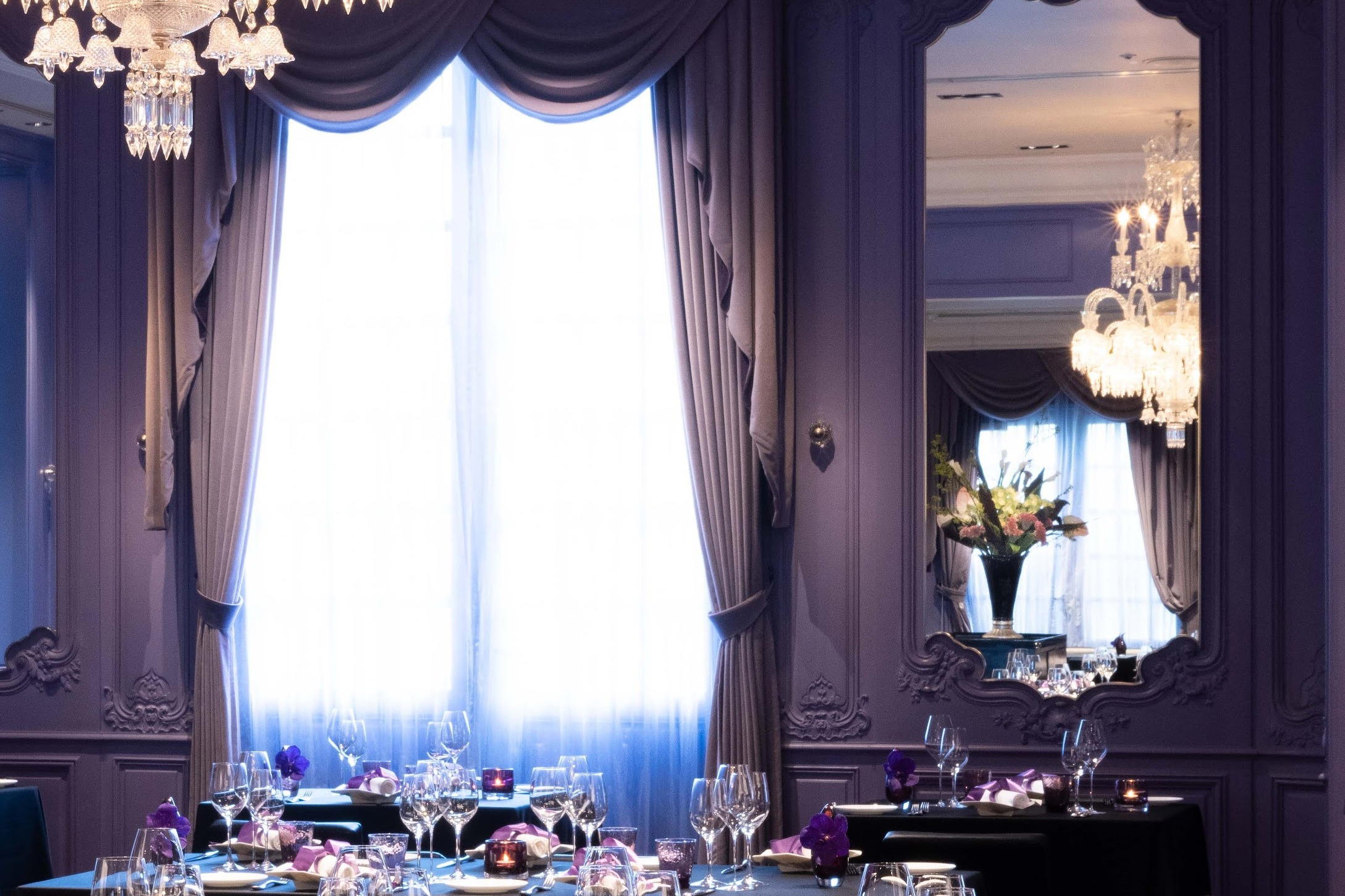
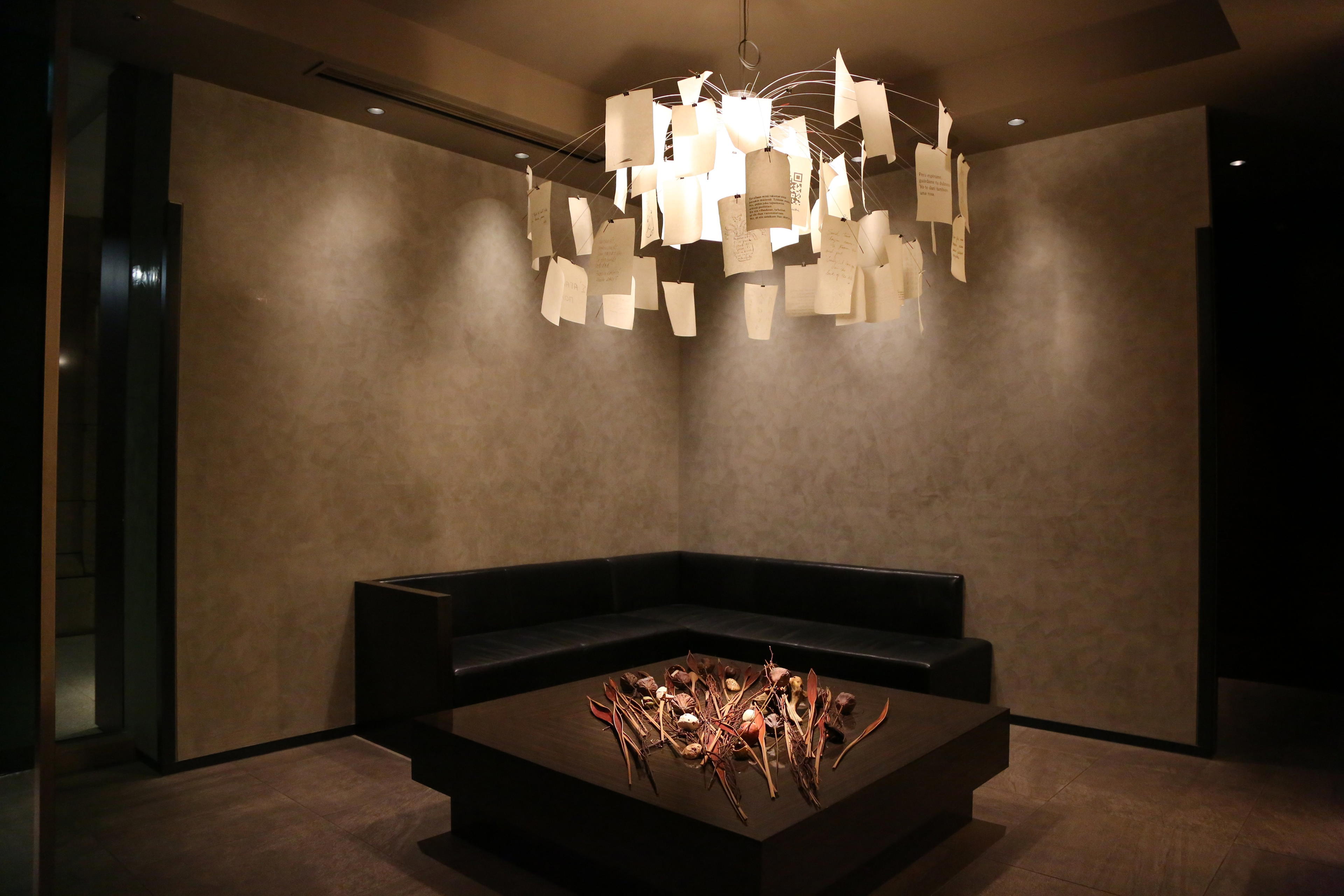
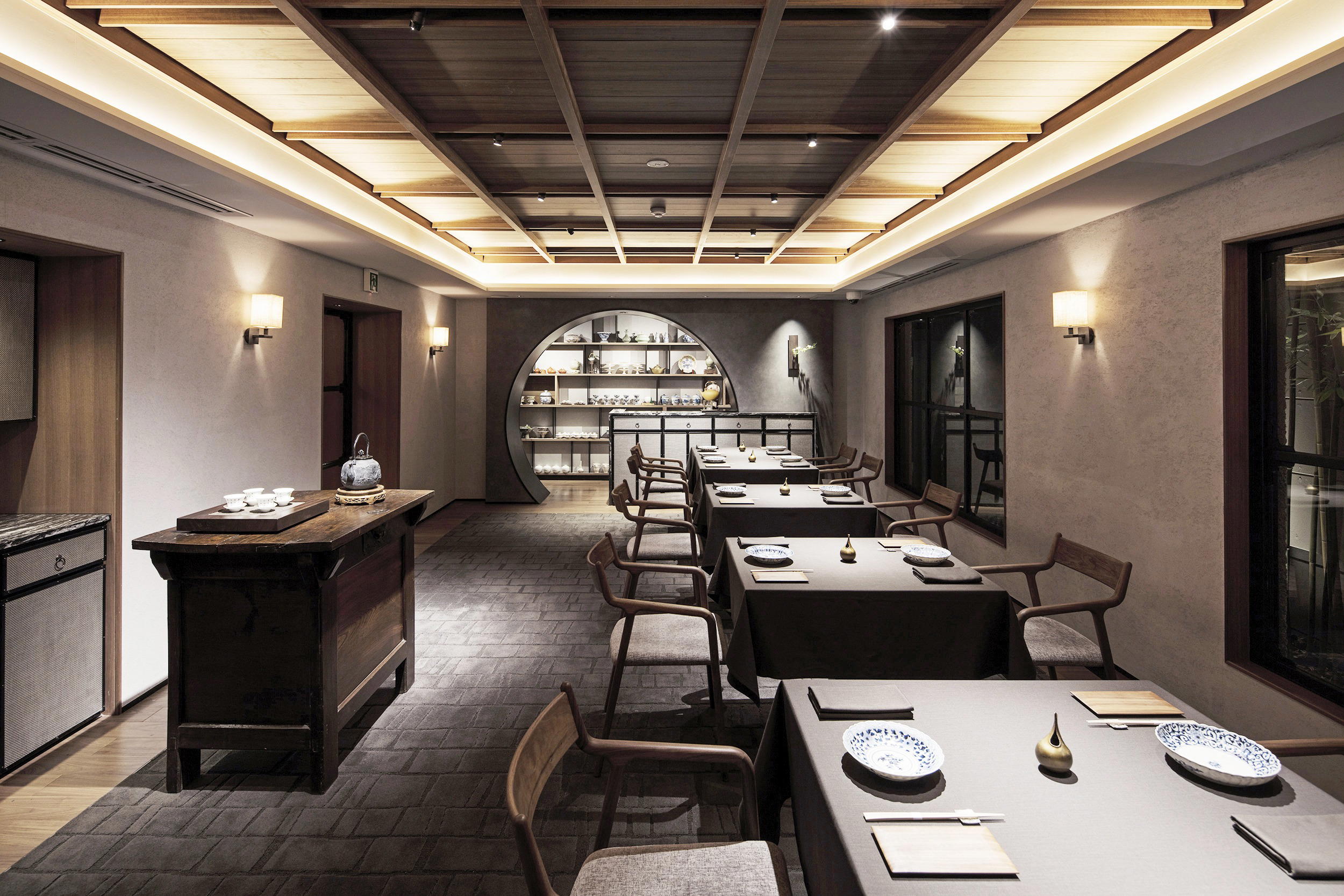
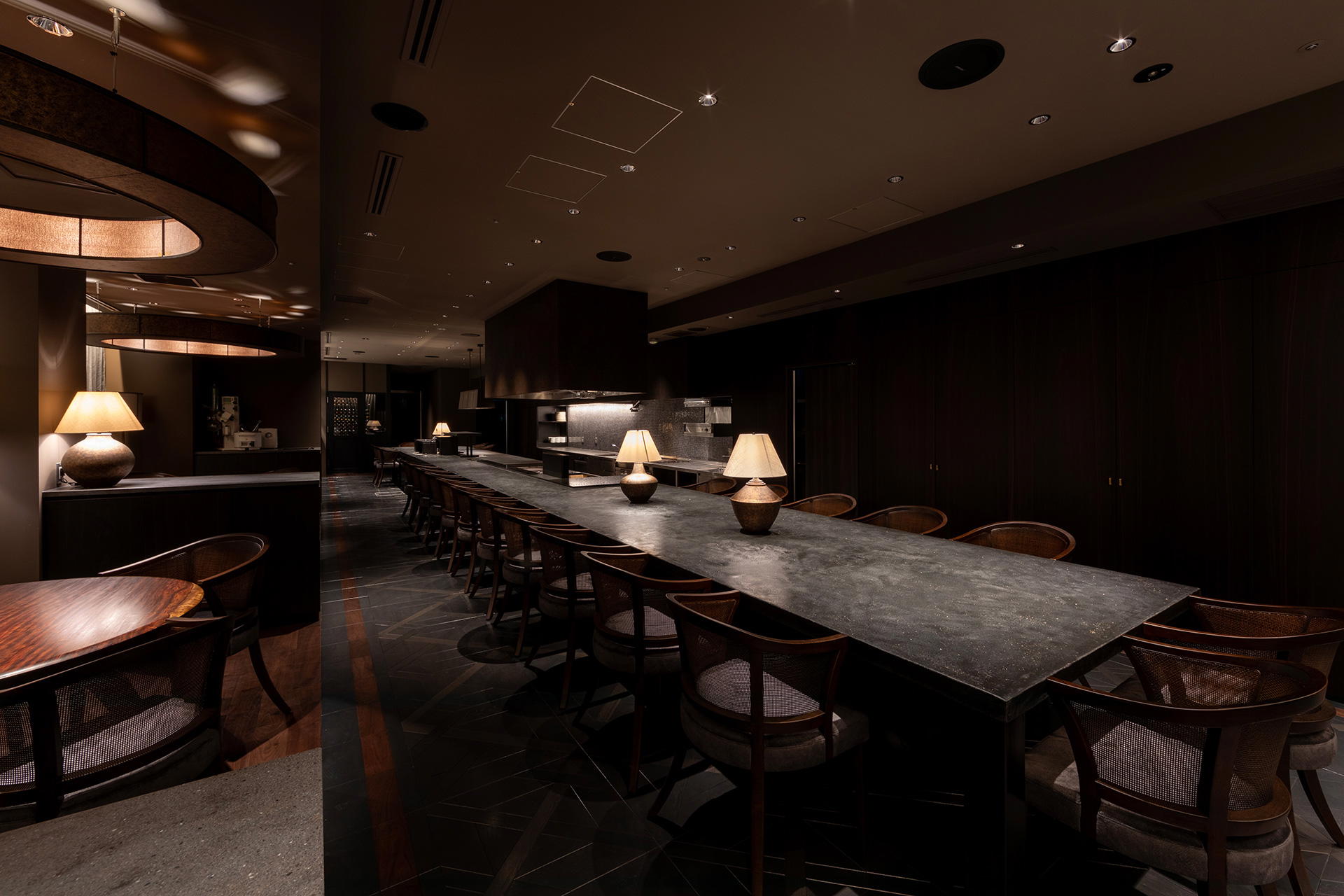
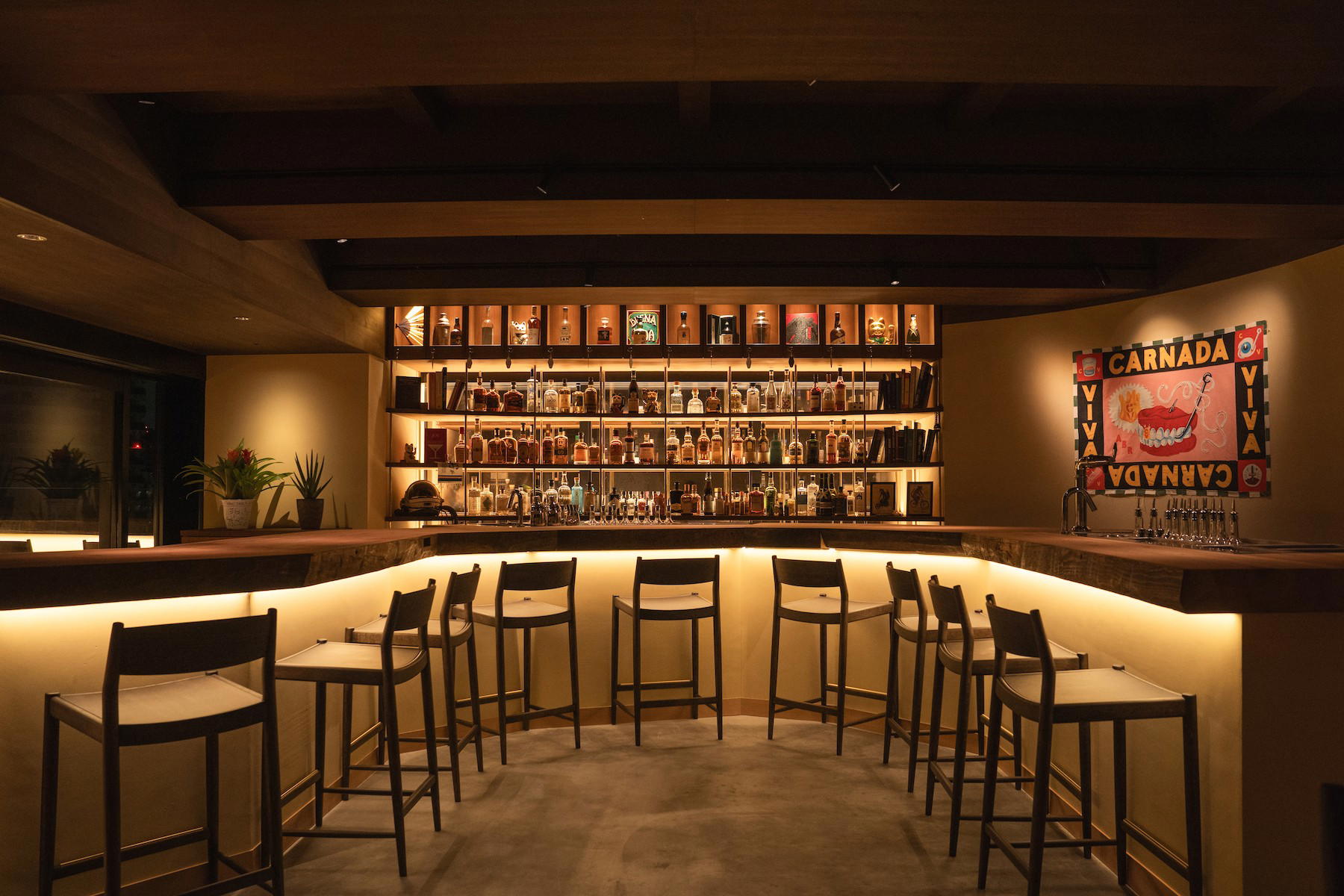
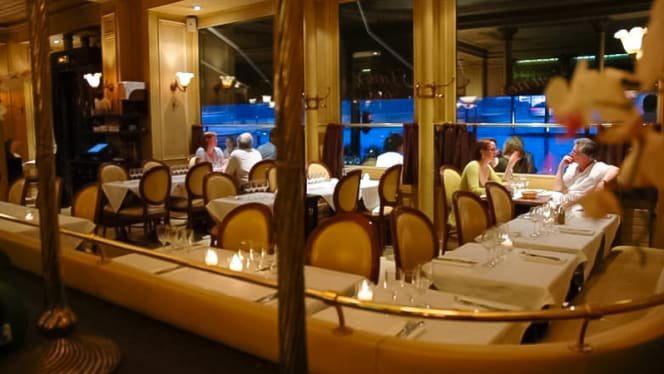
The physical format described in public record is an intimate space where guests are positioned close to the chef, the dynamic described as being invited by a friend rather than seated in a formal restaurant. This arrangement is common in small French bistrot culture but less common in Tokyo's French scene, which tends toward either full fine-dining formality or casual brasserie distance. A kitchen-proximate counter or tight dining room changes the relationship between cook and guest fundamentally: the meal becomes semi-participatory rather than purely theatrical.
At ¥¥ pricing, the format also removes several layers of overhead that larger rooms carry: the extensive front-of-house team, the wine service ritual, the amuse-bouche procession. What remains is the cooking itself and the direct social dynamic of a chef feeding a small number of people in close quarters. That compression of the French restaurant experience is a different proposition from what Château Restaurant Joël Robuchon offers at the top of the market, and deliberately so.
Where Clos Des Gourmets Fits in a Broader Trip
Tokyo's French restaurants are among the most consistent in Asia, and the city's coverage extends well beyond the starred rooms. For visitors moving through Japan, comparable ambition at different scales can be found at HAJIME in Osaka, Gion Sasaki in Kyoto, or akordu in Nara. Further afield, Goh in Fukuoka and 6 in Okinawa represent the regional spread of serious French-influenced cooking across the country. For French cooking outside Japan, Hotel de Ville Crissier in Crissier and Les Amis in Singapore offer different perspectives on how the tradition travels.
Within Tokyo, Clos Des Gourmets makes most sense as part of a broader dining plan that uses starred rooms for occasion meals and smaller, Plate-recognised addresses like this one for the kind of direct, unceremonious French cooking that rarely survives the translation to grander formats. The Shirokanedai location means it sits apart from the main Tokyo dining clusters, which is a reason to plan around it specifically rather than stumble upon it. See our full Tokyo restaurants guide for broader context, and our full Tokyo hotels guide, bars guide, wineries guide, and experiences guide for planning the surrounding visit. For restaurant comparisons at different price points nearby, 1000 in Yokohama is worth noting for those extending their time in the greater Tokyo area.
Know Before You Go
- Address: 3 Chome-18-4 Shirokanedai, Minato City, Tokyo 108-0071, 2F, Parkside Shirokanehills
- Cuisine: French
- Price range: ¥¥ (mid-range)
- Awards: Michelin Plate 2024, Michelin Plate 2025
- Setting: Intimate room; guests seated in close proximity to the chef
- Signature dish: Tête de cochon (grilled cuts from pig's head)
- Booking: Contact details not publicly listed, allow time to confirm reservation through local channels or your hotel concierge
- Hours:, verify before visiting
Frequently asked questions
Is Clos Des Gourmets Michelin-listed?
Clos Des Gourmets has received recognition including: In his primary school graduation yearbook, the future chef wrote, “I want to be a chef”. He studied gastronomy in Paris, developing his most intimate relationships with a restaurant in the 7th arrondissement. The chef’s culinary philosophy,….
What should I budget for a meal at Clos Des Gourmets?
Pricing at Clos Des Gourmets is listed as ¥¥.
What dish is Clos Des Gourmets famous for?
The kitchen's signature preparation is tête de cochon: grilled cuts taken from a pig's head. It is a dish rooted in classical French charcuterie tradition and carried directly from the chef's Paris mentor, making it one of the more deliberate expressions of inherited French technique on Tokyo's restaurant circuit.
Where is Clos Des Gourmets located?
Clos Des Gourmets is located at Japan, 〒108-0071 Tokyo, Minato City, Shirokanedai, 3 Chome−18−4 パークサイド白金ヒルズ 2F, Tokyo.
Can I walk in to Clos Des Gourmets?
Given the intimate room format and consecutive Michelin Plate recognition in 2024 and 2025, demand at this Shirokanedai address likely outruns available covers on most evenings. A reservation made in advance is the practical approach; walk-in success at small Tokyo French rooms of this standing is inconsistent at best.
What is Clos Des Gourmets known for?
Clos Des Gourmets carries the name, culinary philosophy, and kitchen repertoire of a specific restaurant in Paris's 7th arrondissement, transmitted through direct apprenticeship. That lineage, combined with the close-proximity format placing guests near the chef, gives the room a character closer to a private French dinner than a conventional restaurant service. The Michelin Plate in both 2024 and 2025 confirms the cooking holds up under inspector scrutiny.
Cost Snapshot
| Venue | Cuisine | Price | Awards | Notes |
|---|---|---|---|---|
| Clos Des GourmetsThis venue (the venue you are viewing) | Modern French Fine Dining | $100–150 | Michelin Plate | Not listed |
| Harutaka | Edo-Style Omakase Sushi | $200–300 | 3 Michelin Stars · World's 50 Best #76 | Sushi |
| RyuGin | Modern Kaiseki | $500+ | 3 Michelin Stars · World's 50 Best #41 | Kaiseki, Japanese |
| L'Effervescence | Modern French with Japanese Influences | $200–300 | 3 Michelin Stars · World's 50 Best #69 | French |
| HOMMAGE | Modern French with Japanese Influences | $150–200 | 2 Michelin Stars · World's 50 Best #78 | Innovtive French, French |
| MAZ | Innovative Peruvian-Japanese Fusion | $150–200 | 2 Michelin Stars · World's 50 Best #28 | Innovative |
Recognition history
Dated appearances from independent guides and award organizations, with the underlying list record or original source where available.
Michelin Plate
Michelin
Full recognition history (3 entries)
Michelin Plate
Michelin
Michelin Plate
Michelin