Located on the second floor of a low-key building in Azabujuban, りゅうの介 occupies a corner of Minato City where serious dining runs quietly alongside the neighbourhood's neighbourhood izakayas and boutique restaurants. The venue sits within a district that has become a reference point for Tokyo's more considered counter-dining culture, drawing guests who arrive knowing what they want and how the meal will unfold.
Pearl is the En Primeur Club membership app — saves, bookings, and concierge access live there. Same editors, same standards.
- Address
- Japan, 〒106-0045 Tokyo, Minato City, Azabujuban, 3 Chome−1−9 319ビル 2F
- Phone
- +81364351265
- Directions
- Get directions
 Saves & bookings on Pearl
Azabujuban and the Counter Tradition
Tokyo's counter-dining culture did not emerge from a single moment. It evolved through decades of kaiseki formalism, the precision economies of omakase sushi, and the more recent consolidation of small-seat restaurants where the gap between kitchen and guest is measured in arm's length rather than dining-room metres. Azabujuban sits inside that evolution. Minato City's grid of quiet backstreets and second-floor addresses has consistently produced venues that operate on intimacy and repeat custom rather than volume, and りゅうの介, at 3 Chome-1-9 in the 319 Building, belongs to that geography.
The neighbourhood compares well with Ginza and Nishi-Azabu for seriousness of dining intent, but carries less of the theatre. Guests arriving in Azabujuban are generally not there for spectacle. They are there because they know the address, or because someone who knows it gave it to them. That word-of-mouth circularity is not accidental — it is the operating logic of a certain tier of Tokyo restaurant, one where the room's smallness is a deliberate filter.
The Architecture of the Meal
In Japanese counter dining, the meal is not a series of courses so much as a single arc. The pacing is determined by the kitchen, not the guest, and the expected posture is attentive rather than casual. This is not formality for its own sake. The convention exists because the food arrives at temperatures and in sequences that make sense only if consumed in the intended order, without long pauses, and without the interruption of a menu negotiation at the table.
Venues in Azabujuban that operate within this framework tend to share certain structural features: limited seating, a set progression rather than a la carte ordering, and a relationship between kitchen and counter that makes the meal feel closer to a performance viewed from close quarters than to a transactional dining-out experience. The ritual of receiving each course, of noting what the chef places in front of you and in what sequence, is part of the content. At comparable counters across Tokyo — from the kaiseki rooms visible in RyuGin to the French-inflected discipline at L'Effervescence, the meal's pacing is treated as an editorial decision, not a logistical one.
りゅうの介 sits inside this same convention. The second-floor address, physically separated from street level, reached by a staircase rather than a lobby, reinforces the transition. You are entering a space designed for a particular kind of attention.
Etiquette and Expectation at This Level
Tokyo's serious counter restaurants operate on a set of unspoken agreements. Guests are expected to arrive on time, because the pacing of a counter meal is calibrated to the whole table arriving at the same moment. Dietary restrictions are generally communicated at booking rather than at the counter, where mid-course substitutions disrupt the arc. Conversation between courses is welcomed, but conversation that competes with the act of eating is not. These are not rules specific to any single venue, they are the grammar of the format.
For international guests arriving without fluency in this grammar, Azabujuban counter restaurants can feel more demanding than their equivalents in other cities. The equivalent register abroad might be found at Le Bernardin in New York City or the tasting-menu discipline at Atomix, but the cultural specificity of the Japanese counter adds a layer of expectation that those rooms do not carry. Understanding this going in changes the experience substantially.
Azabujuban in Tokyo's Wider Dining Map
The neighbourhood sits between the more visible restaurant clusters of Roppongi and Hiroo. It does not carry the density of Ginza's premium blocks, nor the experimental energy of some of the newer addresses around Shibuya. What it has is stability and a consistent return-visit culture. Restaurants here tend to last because they are built on regulars rather than trend tourism.
Tokyo's broader premium dining scene has fragmented across price points and formats. At the highest bracket, venues like Harutaka and Sézanne command international recognition and long advance booking windows. The French-influenced innovation tier, represented by addresses like Crony, operates on a different creative logic. Azabujuban restaurants tend to sit in a middle register, serious without being internationally profiled, consistent without being static. They are the venues that Tokyo residents return to monthly rather than annually.
That same seriousness of purpose extends across Japan's dining regions. HAJIME in Osaka and Gion Sasaki in Kyoto each represent a parallel commitment to the counter ritual in their respective cities, while venues like akordu in Nara and Goh in Fukuoka show how the format adapts outside Tokyo. Further afield, addresses like 一本杉川嶋制 in Nanao, 古仁屋山乃 in Sapporo, 湖畔荘庵 in Takashima, 庄羽屋 in Nishikawa Machi, Birdland in Sakai, and Bistro Ange in Toyohashi demonstrate how Japan's regional dining culture sustains the same attentive formalism across geographies. See our full Tokyo restaurants guide for a broader mapping of the city's dining tiers.
Planning Your Visit
Address: 319ビル 2F, 3 Chome-1-9 Azabujuban, Minato City, Tokyo 106-0045. Access: Azabujuban Station (Namboku and Oedo lines) is the closest subway stop, placing the venue within a short walk of the exit. Reservations: Specific booking channels are not confirmed in available records; arriving via a recommendation from someone with an existing relationship with the venue is the most reliable approach at restaurants operating at this level in Azabujuban. Timing: Counter restaurants in this part of Minato City typically operate dinner service only, with a single seating per evening, confirm directly before travel. Dress: Smart casual is the minimum expectation at counters of this type in Tokyo; formal attire is not required but visibly casual dress reads as inattentive.
How りゅうの介 Tokyo compares with similar nearby venues.
| Venue | Cuisine | Price |
|---|---|---|
| Sushi Shinsuke | Sushi | Not listed |
| Acid Brianza | Italian | Not listed |
| Sushiya Shota | Sushi | ¥¥¥ |








At a Glance
- Elegant
- Intimate
- Date Night
- Business Dinner
Current opening hours
- Monday
- 6–11 PM
- Tuesday
- 6–11 PM
- Wednesday
- 6–11 PM
- Thursday
- 6–11 PM
- Friday
- 6–11 PM
- Saturday
- 6–11 PM
- Sunday
- Closed
Hours can change for holidays and private events. Last verified .
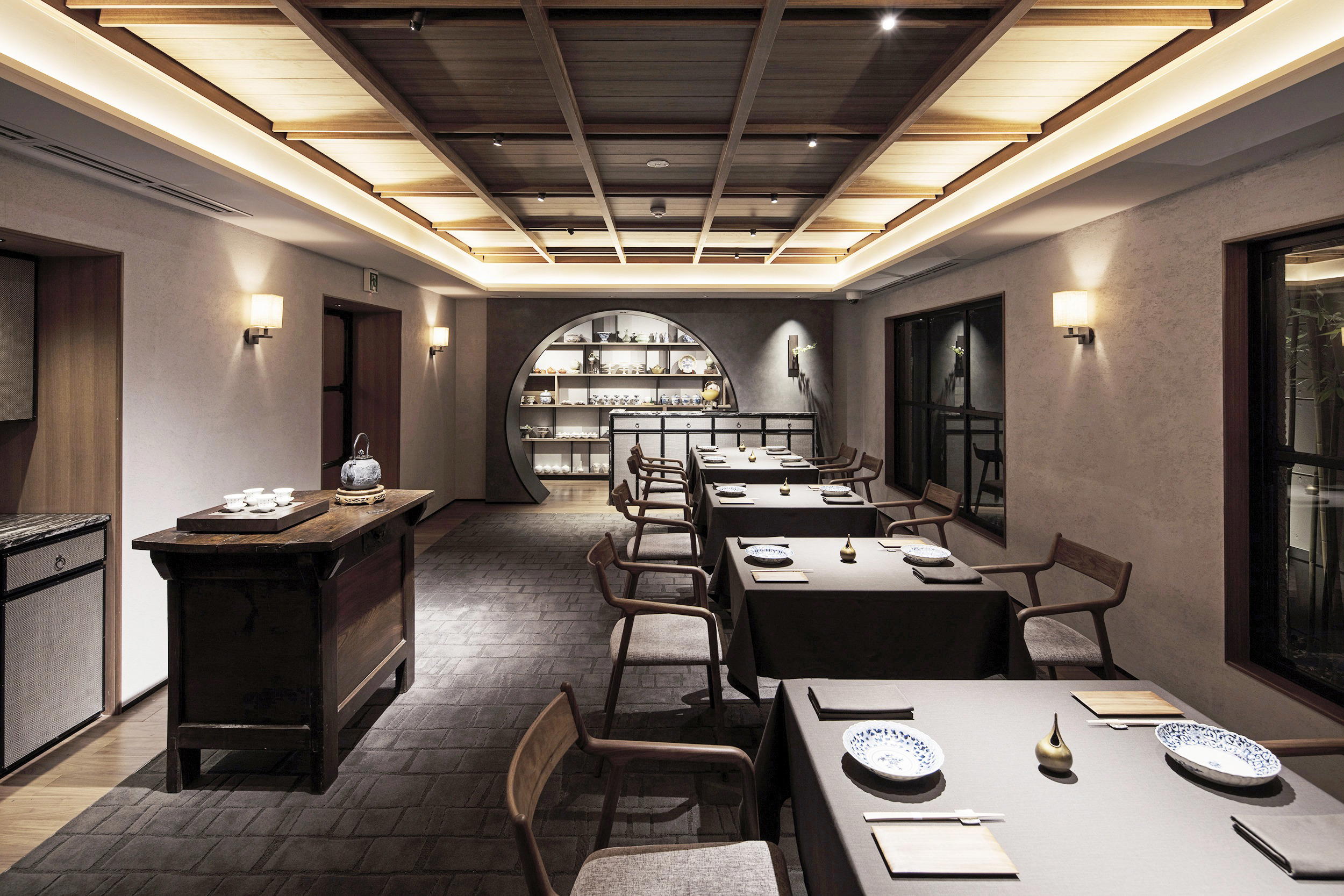
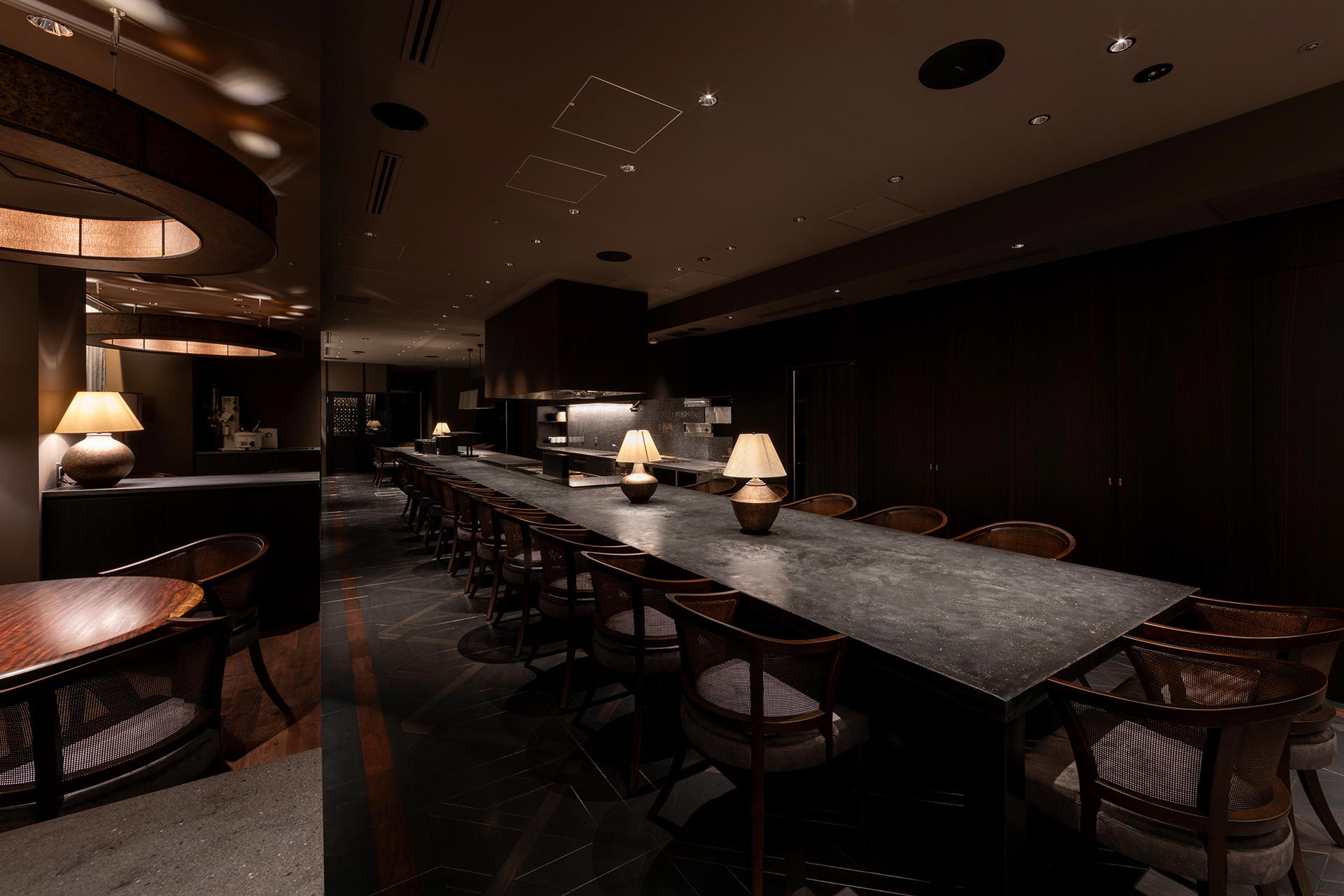
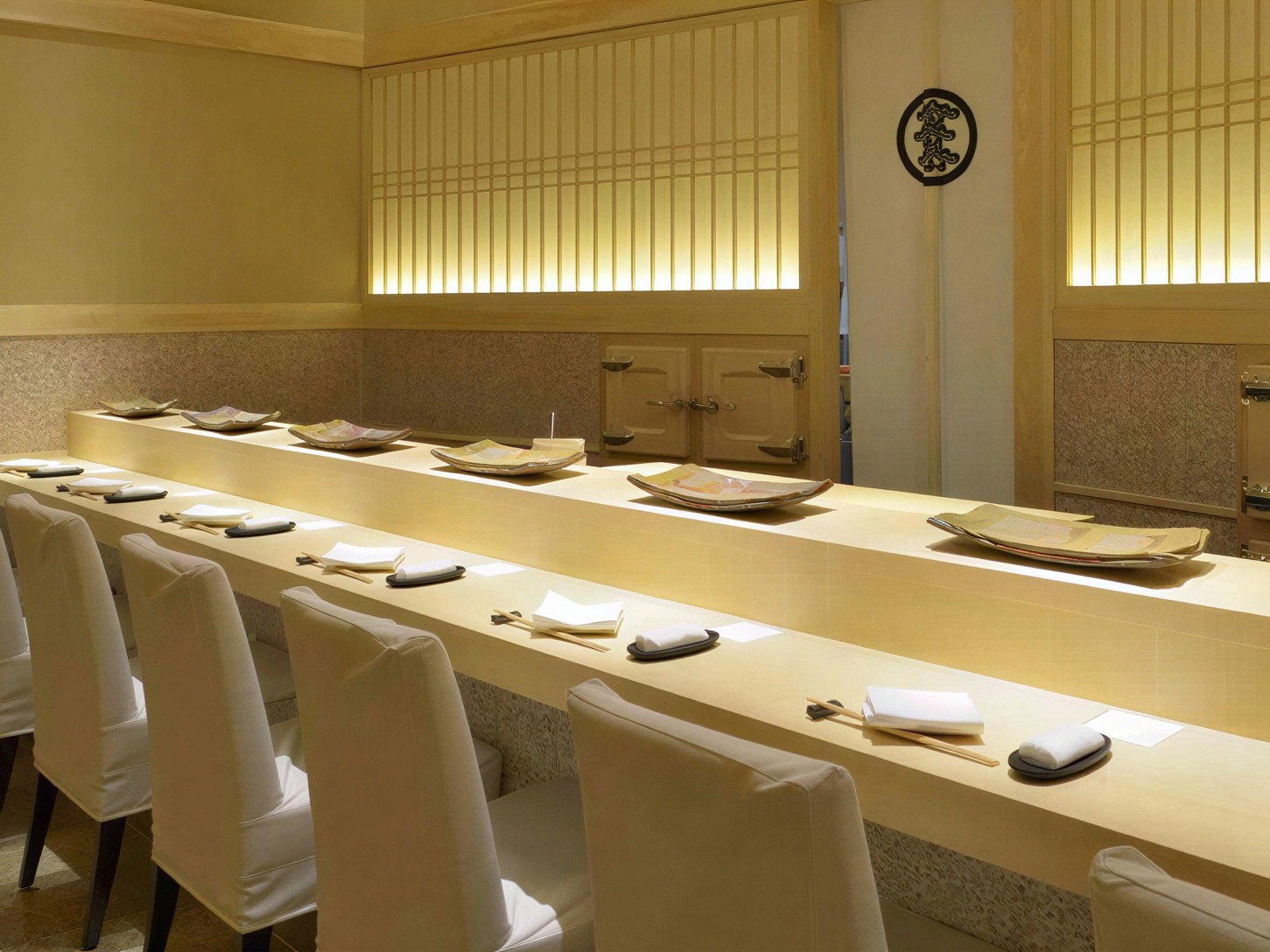
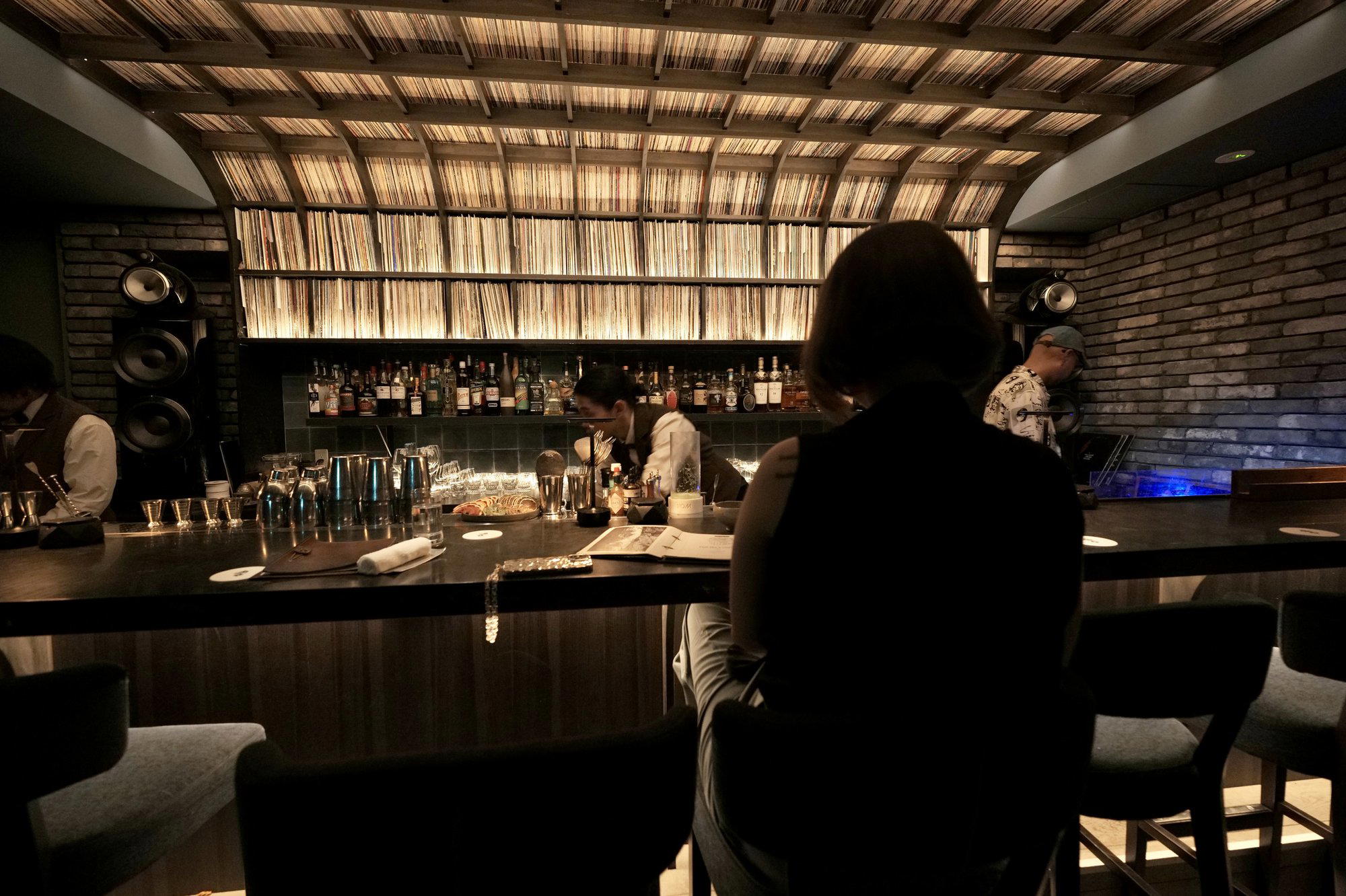
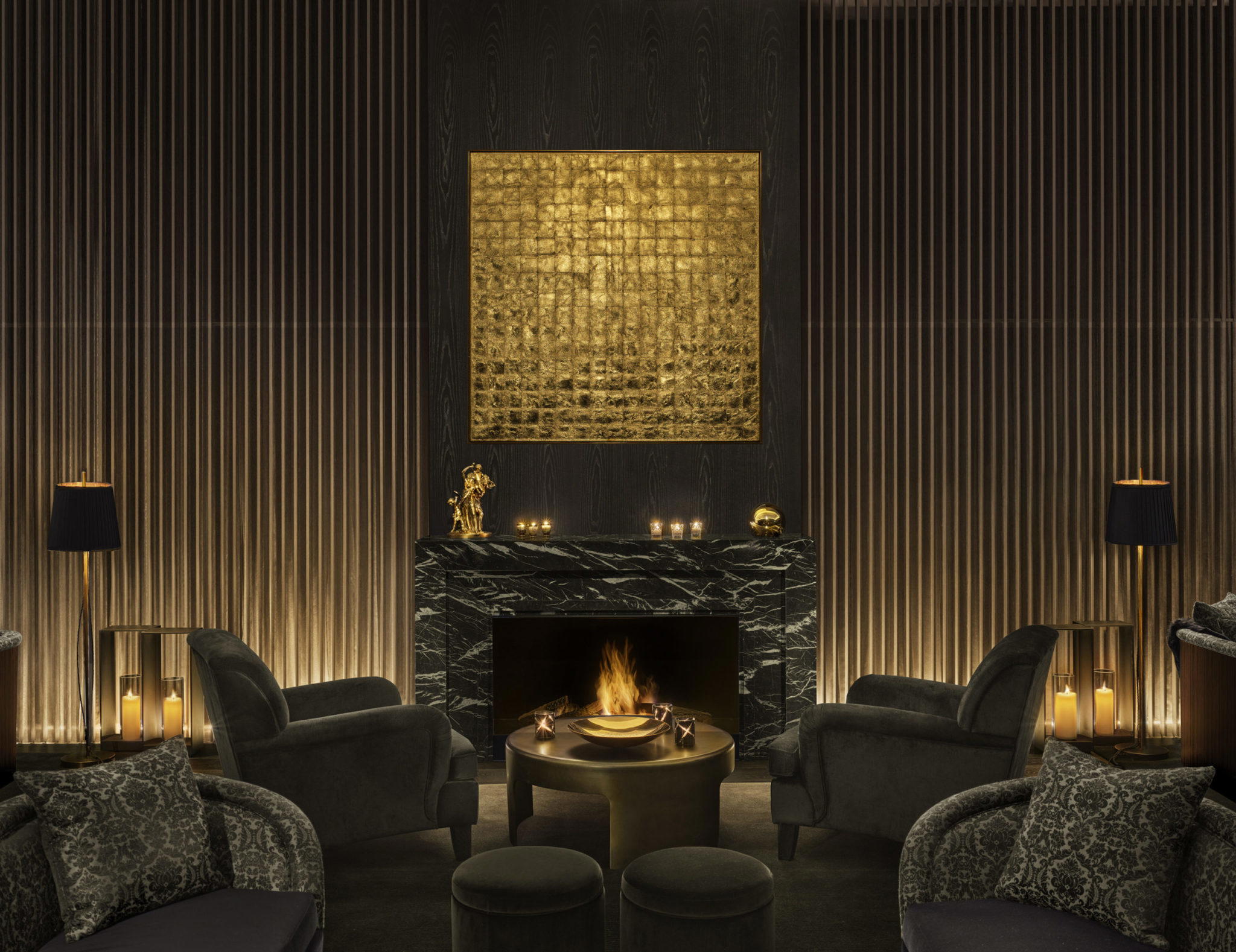
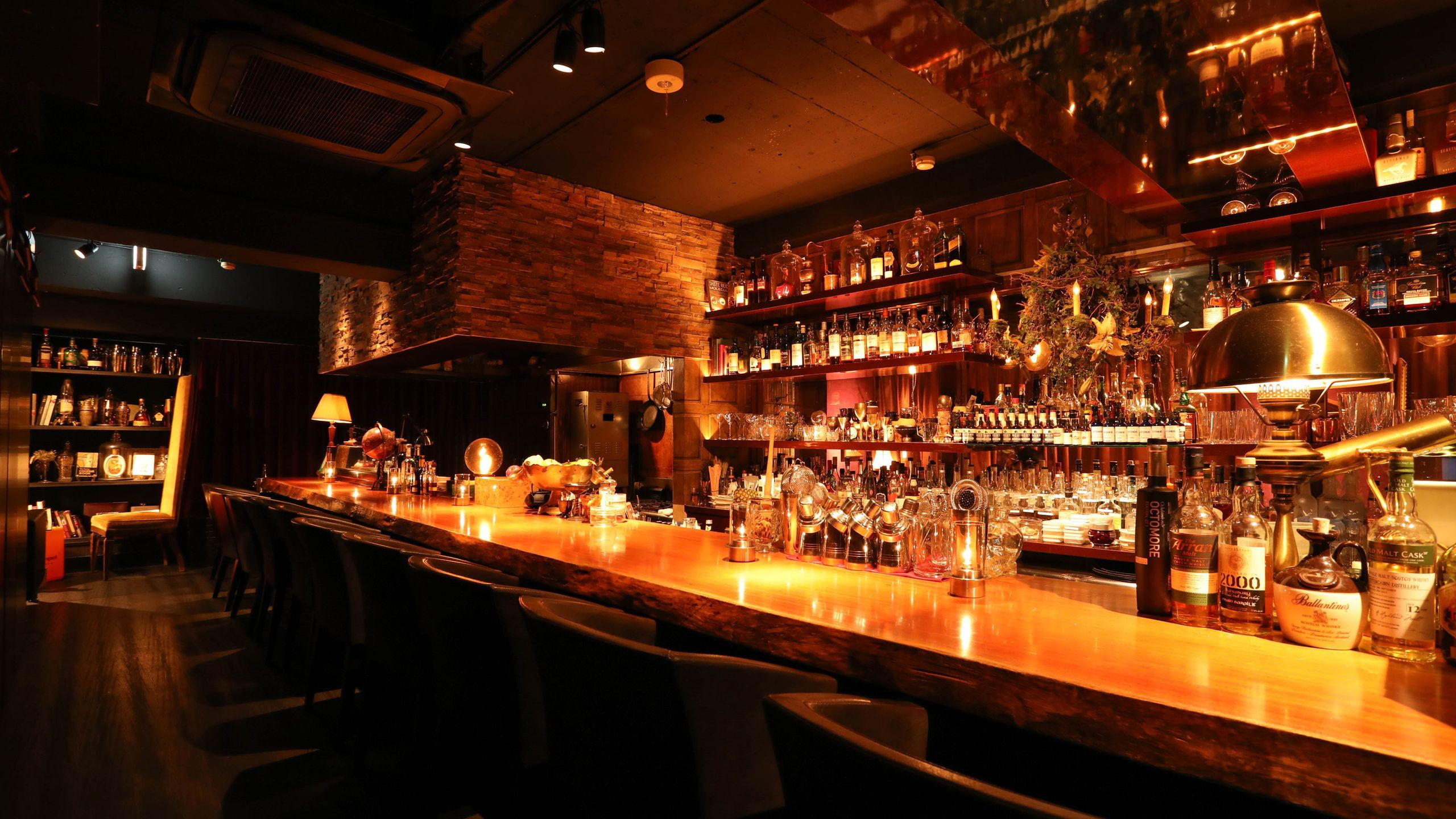
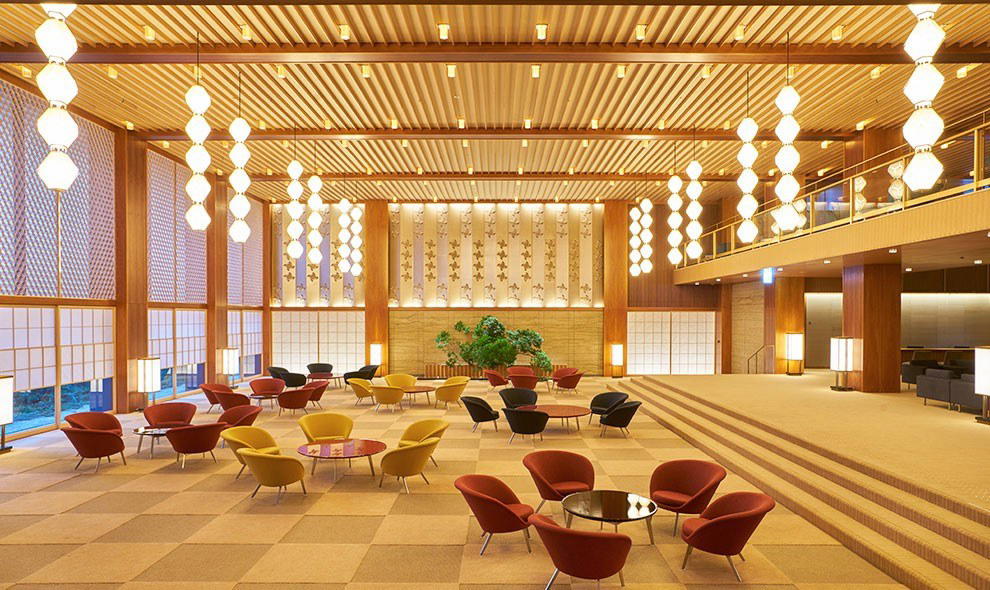
Elegant and intimate Japanese dining atmosphere.
Know Before You Go
- Getting there
- Japan, 〒106-0045 Tokyo, Minato City, Azabujuban, 3 Chome−1−9 319ビル 2F