On the tenth floor of Ginza NOVO, TsuruTonTan brings its brasserie-format udon to one of Tokyo's most competitive dining corridors. The format repositions udon, long seen as a quick-service staple, inside a full-service room that sits closer in posture to a Western brasserie than a noodle shop. For visitors reading Ginza through its fine-dining lens, TsuruTonTan offers a purposeful counterpoint.
Pearl is the En Primeur Club membership app — saves, bookings, and concierge access live there. Same editors, same standards.
- Address
- Japan, 〒104-0061 Tokyo, Chuo City, Ginza, 5 Chome−2−1 GINZA NOVO10階
- Phone
- +81 3 6264 5326
- Website
- tsurutontan.co.jp
- Directions
- Get directions
 Saves & bookings on Pearl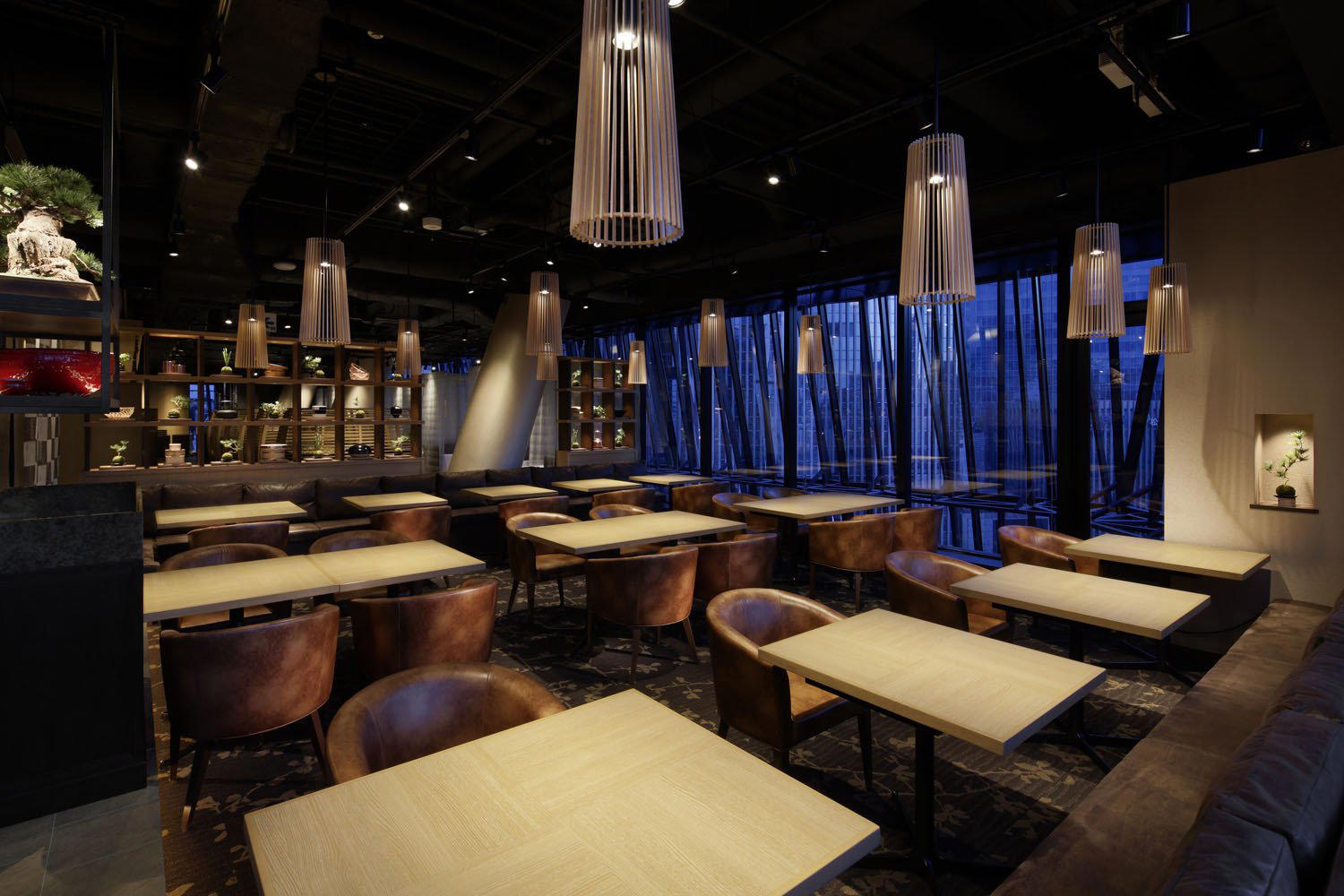
Udon at Brasserie Scale in the Heart of Ginza
Ginza's dining floor is stacked with contradiction. A tenth-floor room in the GINZA NOVO building makes a case for udon as a sit-down proposition that deserves the same considered attention as the kaiseki counters and French kitchens nearby. TsuruTonTan UDON NOODLE Brasserie occupies that position deliberately: the space reads as a full-service brasserie rather than a noodle-shop pass-through, and the format signals that the kitchen is not competing on speed or price against station-concourse udon chains. It is competing, at least in posture, against the broader Ginza dining conversation.
That conversation in Ginza has long been dominated by tasting menus, counter omakase, and European technique applied to Japanese produce. Venues like Harutaka, operating in the premium sushi register, or Sézanne, representing the French fine-dining tier, define the upper bracket. TsuruTonTan sits at a different price point and with a different ambition, but it belongs to the same impulse that has made Ginza Tokyo's most format-diverse dining district. The logic of placing a brasserie-style udon house in this neighbourhood is less about surprise than about the district's appetite for dining formats that take themselves seriously at every tier.
The Brasserie Format as Editorial Statement
Across Japan's premium restaurant culture, the brasserie framing carries specific weight. It implies a full dining room rather than a counter, a menu broad enough to sustain a two-hour meal, and a service posture closer to European hospitality than the transactional efficiency of a traditional noodle shop. TsuruTonTan as a group built its identity around this reframing: udon, a wheat-noodle staple with deep roots in Kagawa Prefecture's Sanuki tradition, lifted into a setting where it competes not with other noodle shops but with mid-range restaurant dining as a category.
This is not without precedent in Tokyo's dining evolution. The same recontextualization that brought ramen into tasting-menu formats, or soba into white-tablecloth rooms, has long been applied to udon. What TsuruTonTan does at scale is maintain the accessibility of the dish, the clear broth, the chew of the noodle, the simplicity of toppings, while surrounding it with a room and a service register that invites a longer stay. In a district where even lunch at places like RyuGin or L'Effervescence demands a significant time and budget commitment, TsuruTonTan offers a Ginza dining experience calibrated to a different rhythm.
Local Craft, Expanded Register
The editorial angle that matters most for TsuruTonTan is the intersection of indigenous technique and the broader dining vocabulary it borrows from Western brasserie culture. Udon noodles, when made well, are a product of precision: flour quality, water ratio, the specific elasticity that distinguishes Sanuki-style noodles from the softer varieties found in eastern Japan. The brasserie framing does not displace that craft, it rehouses it. The noodle remains the subject; the room and the service extend the conversation around it.
This pattern appears across Japanese dining in a dozen different registers. In Osaka, venues like HAJIME apply French-trained precision to Japanese ingredient sourcing at the highest level. In Nara, akordu works with local producers inside a European framework. In Fukuoka, Goh brings contemporary technique to Kyushu ingredients. TsuruTonTan's version of this exchange operates at a more accessible register, but the underlying logic is the same: the native product carries the cultural weight, and the imported format carries the structural ambition.
For visitors already planning Tokyo meals around Crony's innovative French direction or the refined kaiseki traditions represented by Gion Sasaki in Kyoto, TsuruTonTan in Ginza occupies a useful position in the itinerary: a meal where craft is present without the formality, and where the subject of the plate is a Japanese staple rather than a European tradition transplanted to Japanese soil.
Ginza NOVO and the Vertical Dining District
Ginza's dining geography has become increasingly vertical. Buildings stack restaurants across multiple floors, and the tenth floor of GINZA NOVO, on Ginza's 5-chome stretch, places TsuruTonTan in a building that draws foot traffic from one of the district's highest-density retail and dining blocks. The address puts the restaurant within the walking radius of Ginza Station, accessible via multiple subway lines, which matters in a district where dinner reservations often involve guests arriving from different parts of the city.
Practical considerations in Ginza are rarely simple. TsuruTonTan, by contrast, operates at a volume that makes walk-in dining more plausible, though peak evening hours in Ginza can test any room's capacity. The format, with its brasserie pacing rather than counter-service turnover, suggests that arriving early or booking ahead on busy weekends remains a sensible approach, particularly for groups larger than two.
For those building a broader Japan itinerary, it is worth noting that TsuruTonTan's brasserie-udon format appears in multiple cities, but the Ginza location places the experience in a specific urban register that smaller city outposts cannot replicate. The surrounding dining density, the proximity to Ginza's gallery and retail culture, and the particular energy of a tenth-floor room looking out over one of Tokyo's most-watched neighbourhoods all contribute to a dining context that is specific to this address. Japan's dining geography rewards this kind of location-specific reading: what works in Sapporo or Akita reads differently in Ginza.
Reputation Context
Comparable venues nearby, for context on price, style, and recognition.
| Venue | Cuisine | Price | Notes |
|---|---|---|---|
| TsuruTonTan UDON NOODLE Brasserie GINZAThis venue — the venue you are viewing | Udon Noodle Brasserie | $$$ | Not listed |
| Matsugen (松玄 恵比寿) | Handmade Soba Noodles | $$$ | Ebisu |
| Ogami Shabu Shabu | Premium Shabu-Shabu | $$$ | Chūō |
| Toranomon Yakitori Kuniyoshi | Yakitori & Chicken Dishes | $$$ | Minato |
| Shoan | Traditional Japanese Soba | $$$ | Shinjuku |
| tonkatsu.jp Omotesando | Modern Tonkatsu & Rare Japanese Pork | $$$ | Minato |









At a Glance
- Trendy
- Modern
- Elegant
- Lively
- Group Dining
- Casual Hangout
- Late Night
- Open Kitchen
- Sake Program
- Street Scene
Current opening hours
- Monday
- 11 AM–11 PM
- Tuesday
- 11 AM–11 PM
- Wednesday
- 11 AM–11 PM
- Thursday
- 11 AM–11 PM
- Friday
- 11 AM–11 PM
- Saturday
- 11 AM–11 PM
- Sunday
- 11 AM–11 PM
Hours can change for holidays and private events. Last verified .
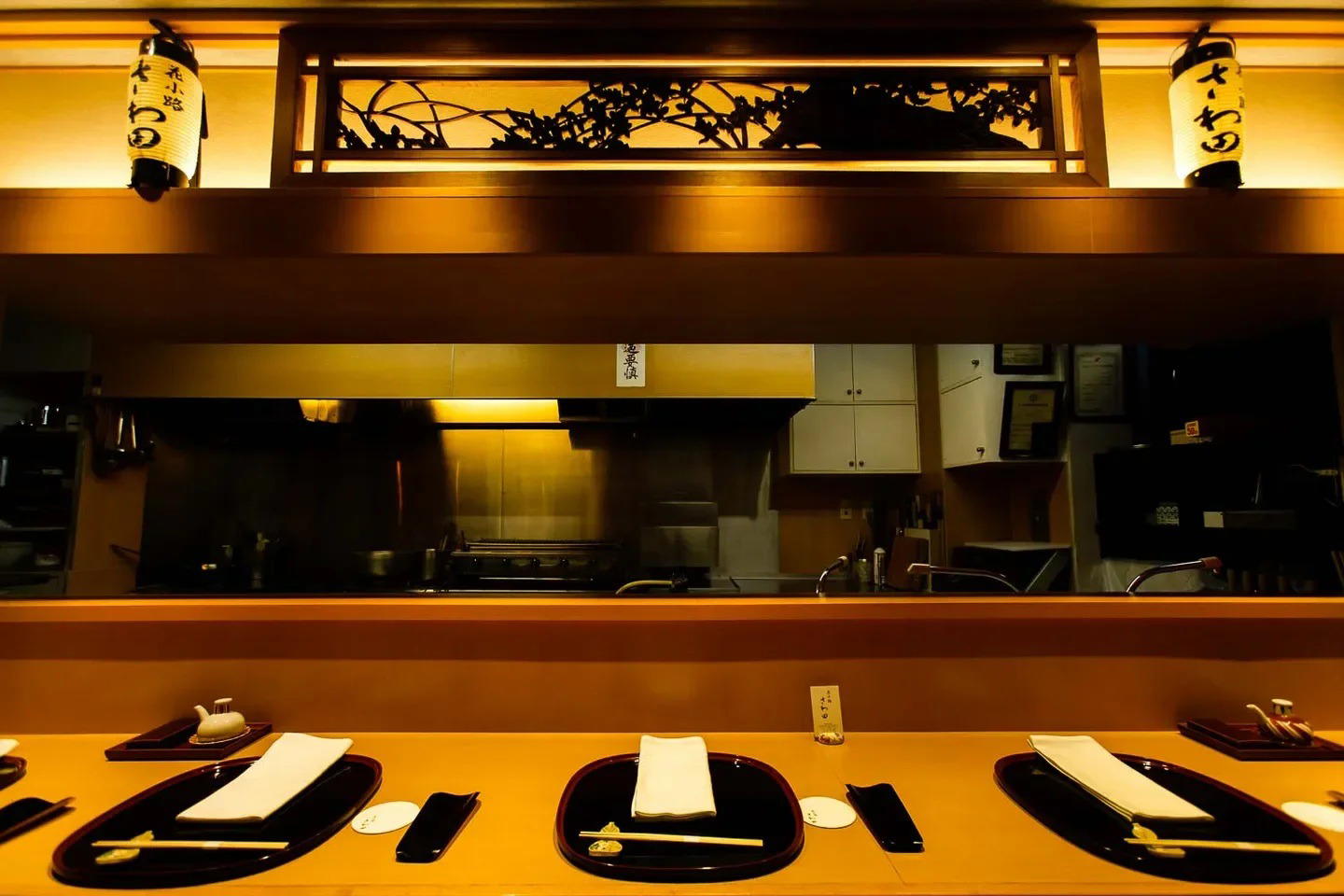
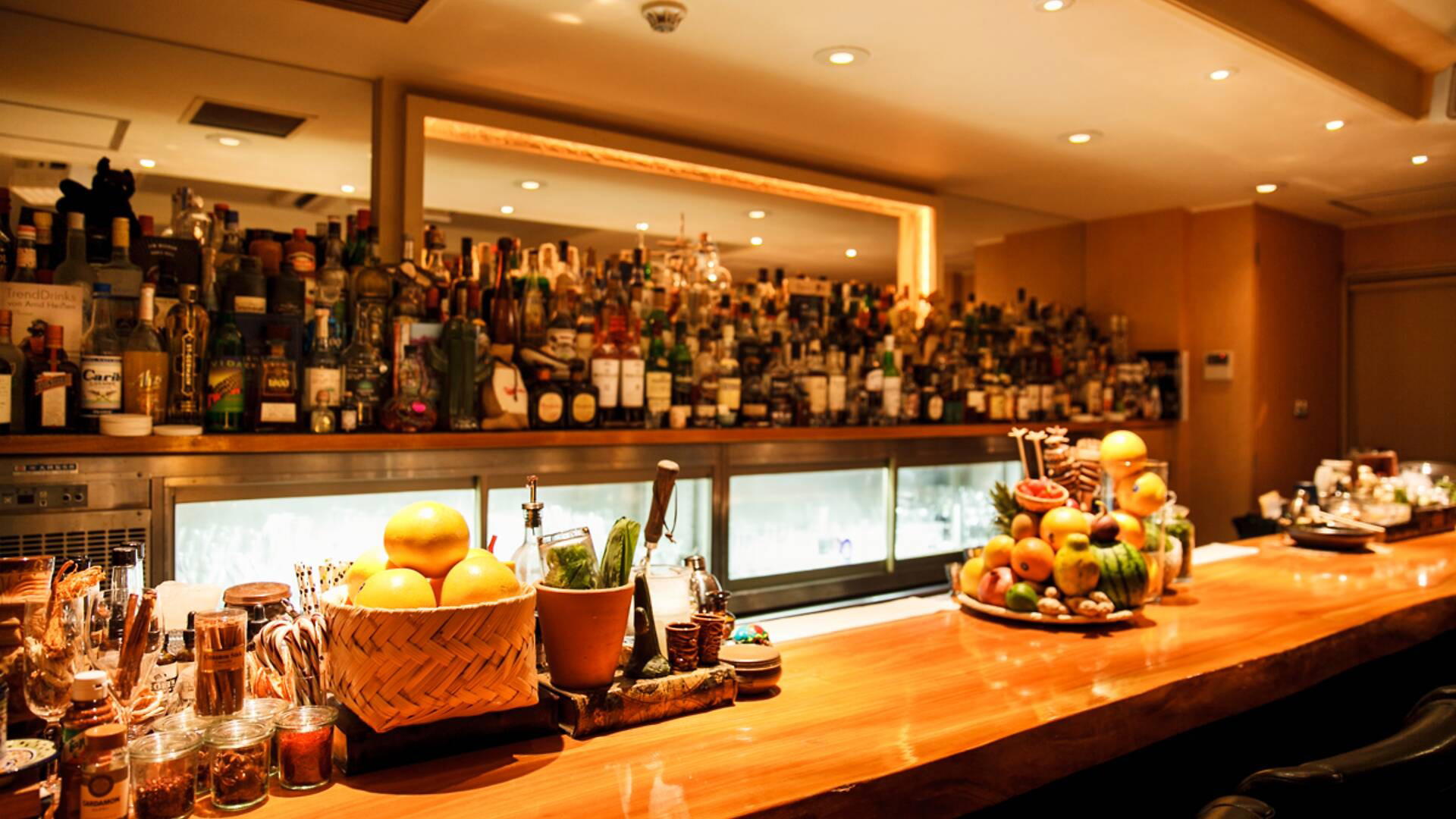
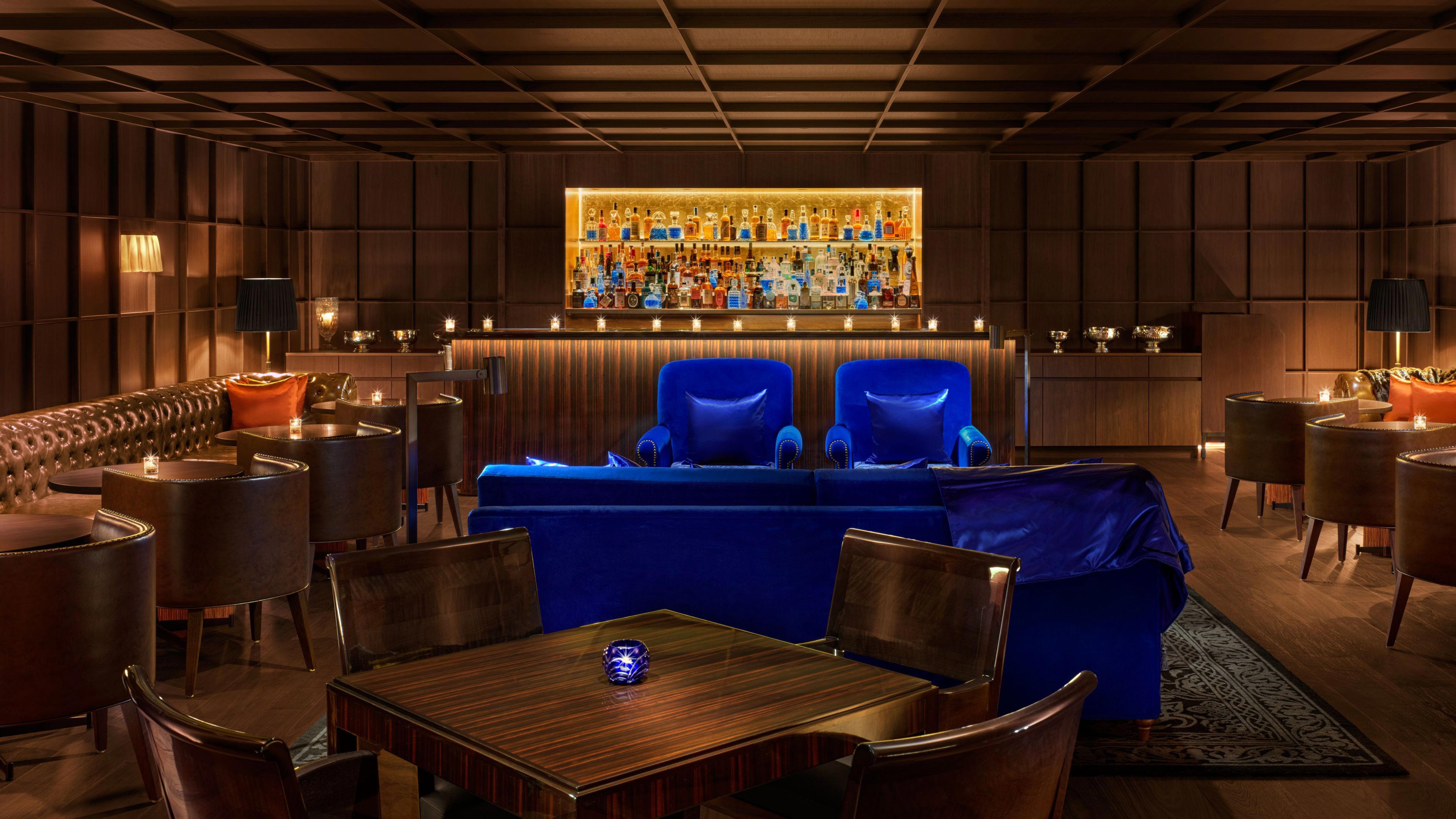
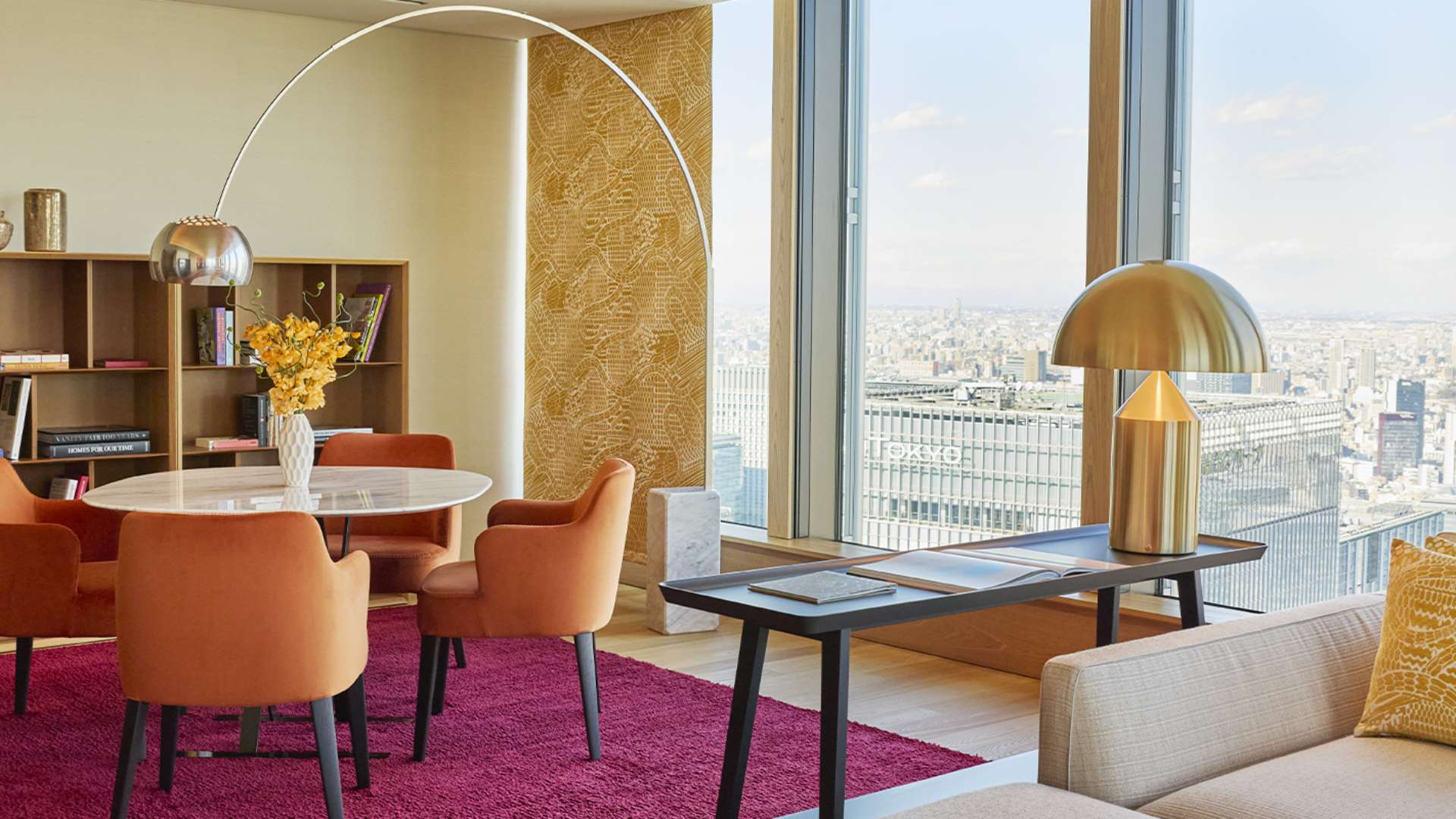
Spacious interior blending traditional Japanese culture with modern innovation, featuring bar counters, semi-private seating, and themed rooms inspired by kabuki and sumo.