Our verdict
ラ クラルテ sits in Sakai, Fukui Prefecture, representing a strand of French-influenced dining that has taken root in Japan's regional cities well beyond the obvious metropolitan clusters. With limited publicly available information, the restaurant rewards direct inquiry, placing it among those regional addresses that operate closer to a local institution than a destination restaurant built for outside attention.

Pearl is the En Primeur Club membership app, where members save venues, book tables and use the concierge.
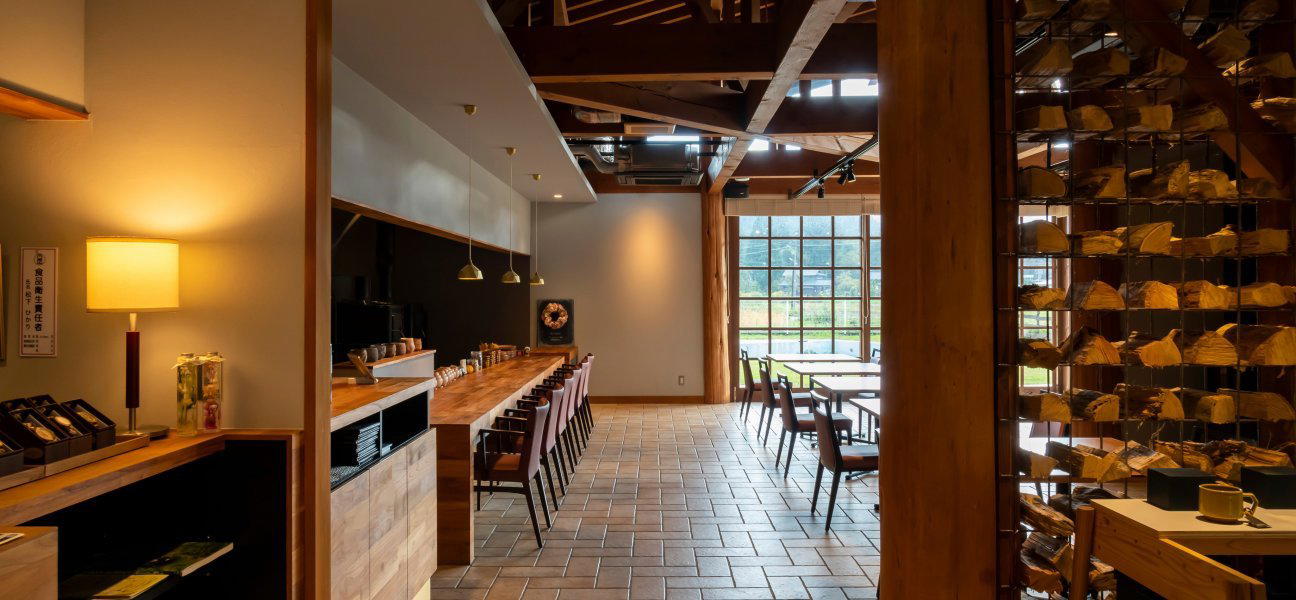
Where Regional French Dining Meets Fukui Quiet
Fukui Prefecture does not announce itself loudly on Japan's restaurant circuit. The prefecture is better known for its crab season, its lacquerware, and a coastal quietude that sits at some remove from the Osaka-Kyoto-Tokyo axis that concentrates most international dining attention. That context matters when approaching ラ クラルテ, a French-influenced address in Sakai, Fukui 910-0203, located along Maruokacho Yamaguchi. The physical approach, through a prefecture that prizes craft and seasonal produce over spectacle, sets an expectation that the room tends to confirm: this is not a restaurant positioning itself against metropolitan competition, but one operating within a different register entirely.
Sakai in Fukui sits in a part of Japan where the Sea of Japan coast shapes what arrives on the table. The region's fishing traditions, its mountain vegetables, and a disciplined seasonal sensibility have long made it fertile ground for French cooking that works from local product rather than imported reference. Across Japan, the strongest regional French restaurants share this quality: they do not attempt to replicate what a Paris brasserie or a Lyon table achieves, but instead find the points where French technique and Japanese ingredient logic reinforce each other. For comparable approaches operating at metropolitan scale, HAJIME in Osaka represents the most awarded expression of that synthesis in the Kansai region, while akordu in Nara demonstrates how a smaller city can sustain a serious Franco-Japanese kitchen with genuine depth.
How the Menu Functions as an Argument
In French restaurants operating outside major cities, menu architecture often reveals more about a kitchen's priorities than any individual dish. The choice between a short seasonal carte and a longer tasting format, between a menu du jour and an extended dégustation, signals how the kitchen reads its audience and what kind of attention it expects in return.
What the regional French model in Japan characteristically produces is a menu built around supply discipline. Fukui's seasonal calendar is specific and demanding. The prefecture's crab arrives in winter, its mountain vegetables in spring, its sweetfish from river sources through summer. A kitchen that organizes itself around these rhythms will typically structure courses to follow that calendar closely, which means the menu read on one visit may differ substantially from the next. This temporal variability is not a weakness; it is the argument the menu is making. The reader who returns in a different season encounters a different statement.
The structure of French dining in Japan's regional cities has also increasingly moved toward tighter course counts at dinner. Where metropolitan restaurants sometimes extend to ten or twelve courses to justify premium positioning, regional addresses often find that seven or eight courses allow the kitchen to maintain focus without overwhelming a clientele that includes working locals as well as occasional visitors from outside the prefecture. This restraint at the structural level is a mark of confidence, not limitation.
The Broader Sakai Dining Scene
Sakai, Fukui sits within a prefecture that has received growing attention from Japanese food media in the past decade, partly because its seafood provenance is considered among the finest on the Sea of Japan coast. That reputation creates a foundation on which multiple styles of restaurant can operate. Kawaki works the seafood register directly, while Oga, Birdland, Domani, and Ootoku each represent distinct approaches within a compact local scene. ラ クラルテ occupies the French-influenced position within that grouping, a slot that requires a kitchen to argue for European technique in a context where Japanese culinary forms carry enormous cultural authority.
That argument, when made well, tends to land on the quality of saucing and the management of protein temperature, two areas where classical French training provides real technical advantages over improvised or self-taught approaches. The leading regional French restaurants in Japan use those advantages selectively, applying classical rigour where it adds measurable quality and stepping back where Japanese ingredient instinct serves the plate better. For a broader sense of how this balance plays out across Japan's non-metropolitan restaurant scene, addresses like Goh in Fukuoka and Gion Sasaki in Kyoto offer instructive contrasts in how regional ambition is calibrated against local context. Further afield, 一本木 金川製 in Nanao and 湖畔荘庵 in Takashima illustrate how Sea of Japan prefecture dining operates across different formats and price points. For Tokyo reference on technical French-influenced cooking, Harutaka and the precision standards of Le Bernardin in New York City or Atomix in New York City provide a wider frame for how cuisine technique scales across contexts. For additional regional context from further north, 夕仙山乃 in Sapporo and 鳥羽屋 in Nishikawa Machi represent comparable off-circuit addresses. In Aichi Prefecture, Bistro Ange in Toyohashi shows how French bistro format adapts to Japanese regional cities with similar dynamics to Fukui.
Planning a Visit
ラ クラルテ is located at 64-31 Maruokacho Yamaguchi, Sakai, Fukui 910-0203. No website or phone number is currently listed in public restaurant directories, which means the most reliable route to a reservation is through direct contact via local tourism resources or through accommodation in the area that maintains relationships with regional restaurants. This is not unusual for serious regional restaurants in Japan that have built their clientele through local reputation rather than online discoverability. Visiting Fukui from Osaka or Kyoto involves the Thunderbird limited express service to Fukui City, from which Sakai is accessible by local rail or road. Timing a visit to coincide with the prefecture's crab season, which runs roughly from November through March, aligns a meal with the period when local product is at its most concentrated and when regional kitchens tend to produce their most considered work. For a fuller picture of what Sakai's restaurant scene offers across formats and price points, see our full Sakai restaurants guide.
Frequently asked questions
What part of town is ラ クラルテ in?
ラ クラルテ is located at 64-31 Maruokacho Yamaguchi, Sakai, Fukui 910-0203, Japan, Sakai.
Is ラ クラルテ worth travelling to Sakai, Fukui specifically to visit?
Sakai sits in Fukui Prefecture, a region that has attracted increasing interest from Japanese food journalists partly because of its snow crab season, lacquerware heritage, and seafood provenance that few prefectures can match. A French kitchen operating in this context has access to ingredients that Osaka or Tokyo restaurants source at a remove. Whether ラ クラルテ makes full use of that proximity is best determined on the ground, since no chef details or menu records are currently in the public domain.
What's the best thing to order at ラ クラルテ?
Given Sakai's position in Fukui Prefecture, the kitchen almost certainly draws on the region's celebrated seafood, including the prized snow crab available in season. Visiting without a fixed agenda and letting the kitchen dictate the course is the practical approach here.
What's the best way to book ラ クラルテ?
ラ クラルテ has no phone number or website currently listed in public restaurant directories. The most reliable route is to ask your hotel concierge in Fukui to make contact directly, or to check Japanese reservation platforms such as Tabelog or Gurunavi using the address at 64-31 Maruokacho Yamaguchi, Sakai, Fukui 910-0203 as a search anchor.
What has ラ クラルテ built its reputation on?
Operating in Sakai, Fukui rather than in Osaka or Tokyo places the restaurant outside the circuits where French dining reputations are typically made loudest. In prefectures like Fukui, French kitchens that earn local standing tend to do so through consistent sourcing from a region whose seafood and agricultural produce have drawn growing attention from Japanese food media over the past decade. No formal awards are currently documented for ラ クラルテ in the public record.
Can ラ クラルテ adjust for dietary needs?
No dietary policy is documented for ラ クラルテ in available listings.
Is ラ クラルテ overpriced or worth every penny?
No price range is publicly listed for ラ クラルテ, so a direct cost assessment is not possible from available data.
Standing Among Peers
Comparable venues nearby, for context on price, style, and recognition.
| Venue | Cuisine | Price | Awards | Notes |
|---|---|---|---|---|
| ラ クラルテThis venue (the venue you are viewing) | 薪火洋風レストラン | $30–50 | Not listed | Not listed |
| Birdland | Authentic Neapolitan Pizza | $30–50 | Tabelog 100 #74 | Mikunicho Midorigaoka |
| 魚志楼 | Traditional Japanese Kaiseki | $50–100 | Not listed | Sakai |
| 越前 蟹の坊 | Echizen Crab & Japanese Seafood | $30–50 | Not listed | Mikuni |
| 日本料理 味所望 | Japanese Restaurant | Not listed | Not listed | Sakai |
| CARNA | Gelato & sweets shop | $1–10 | Tabelog 100 #39 | Mikunicho Minamihommachi |
Continue exploring
More in Sakai
Restaurants in Sakai
All restaurants in Sakai →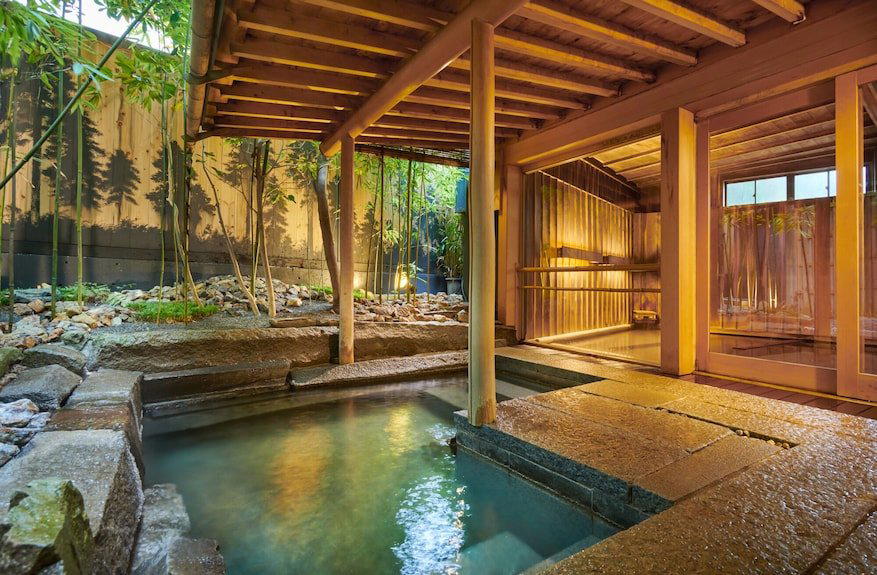
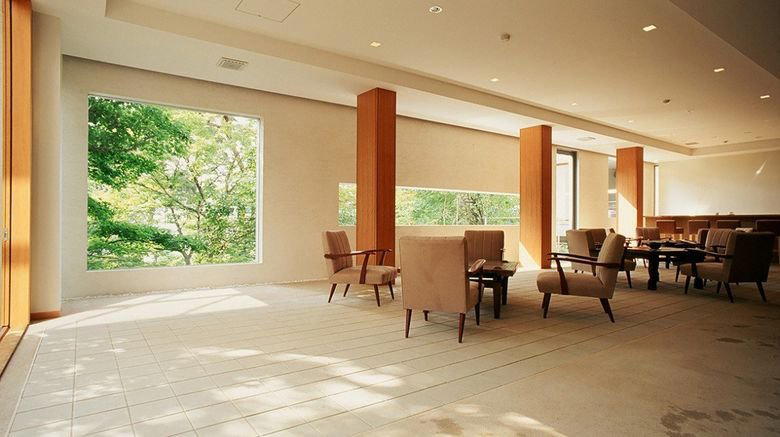
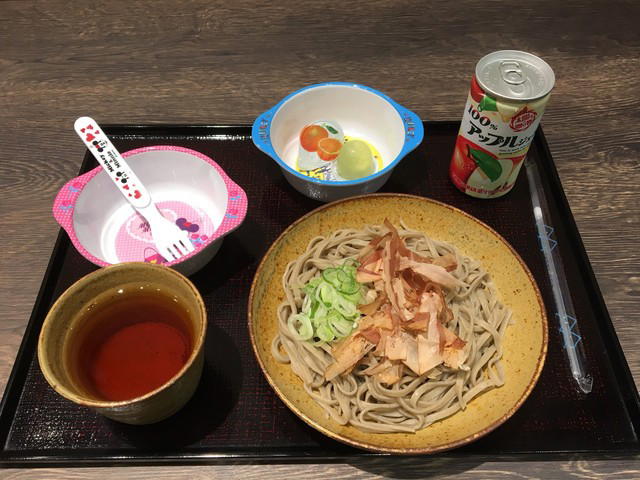
Details
- Cozy
- Elegant
- Intimate
- Date Night
- Special Occasion
- Open Kitchen
- Sake Program
- Local Sourcing
- Street Scene
- A La Carte
- Prix Fixe
- Gluten Free Options
Current opening hours
- Monday
- 11:30 AM–4 PM
- Tuesday
- 11:30 AM–4 PM
- Wednesday
- Closed
- Thursday
- 11:30 AM–4 PM
- Friday
- 11:30 AM–4 PM
- Saturday
- 11:30 AM–4 PM
- Sunday
- 11:30 AM–4 PM
Hours can change for holidays and private events. Hours as of .
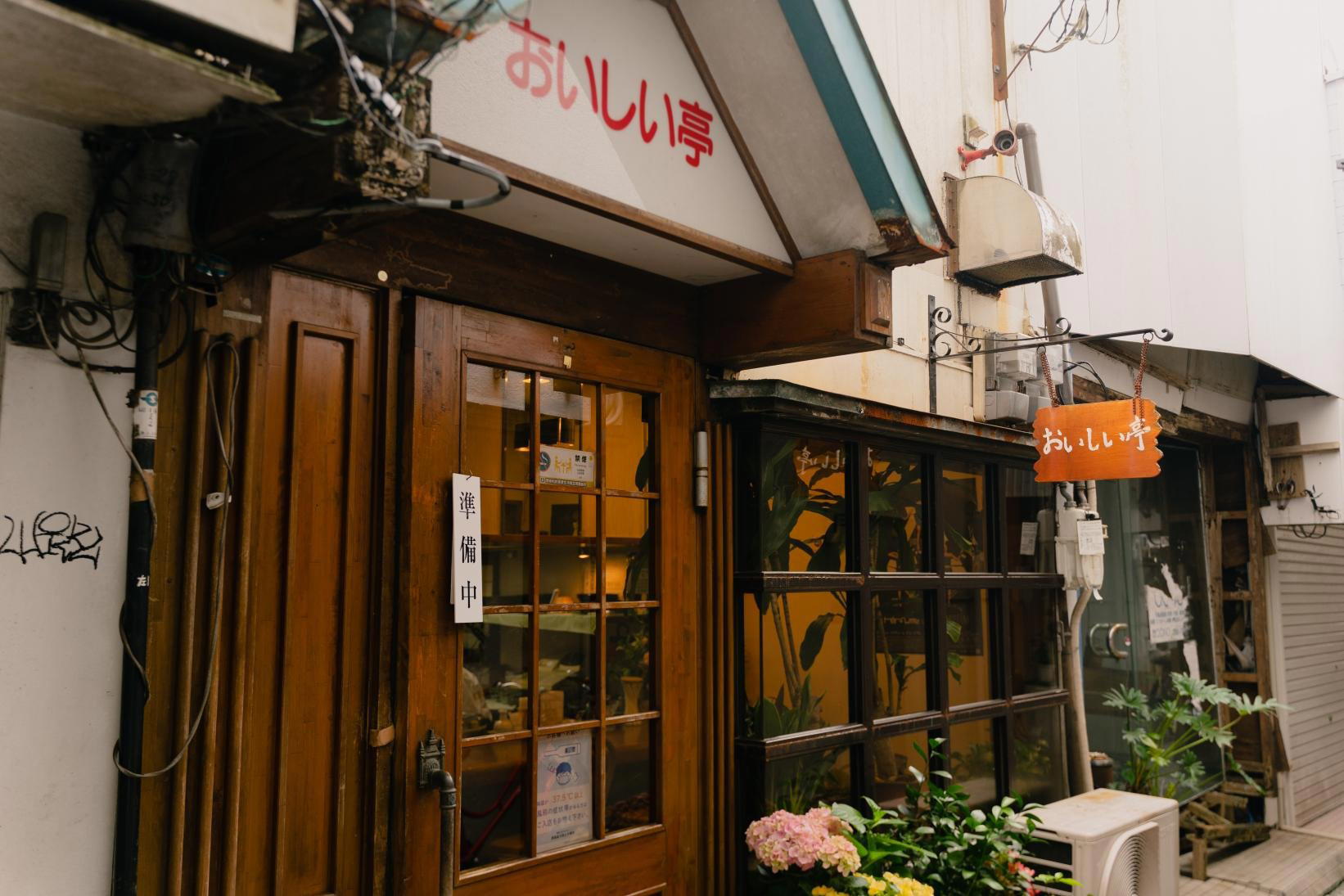
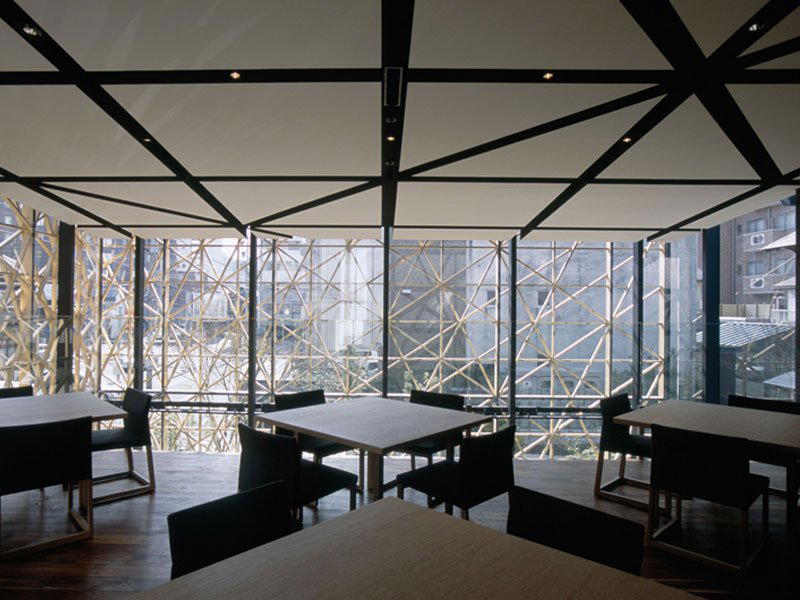
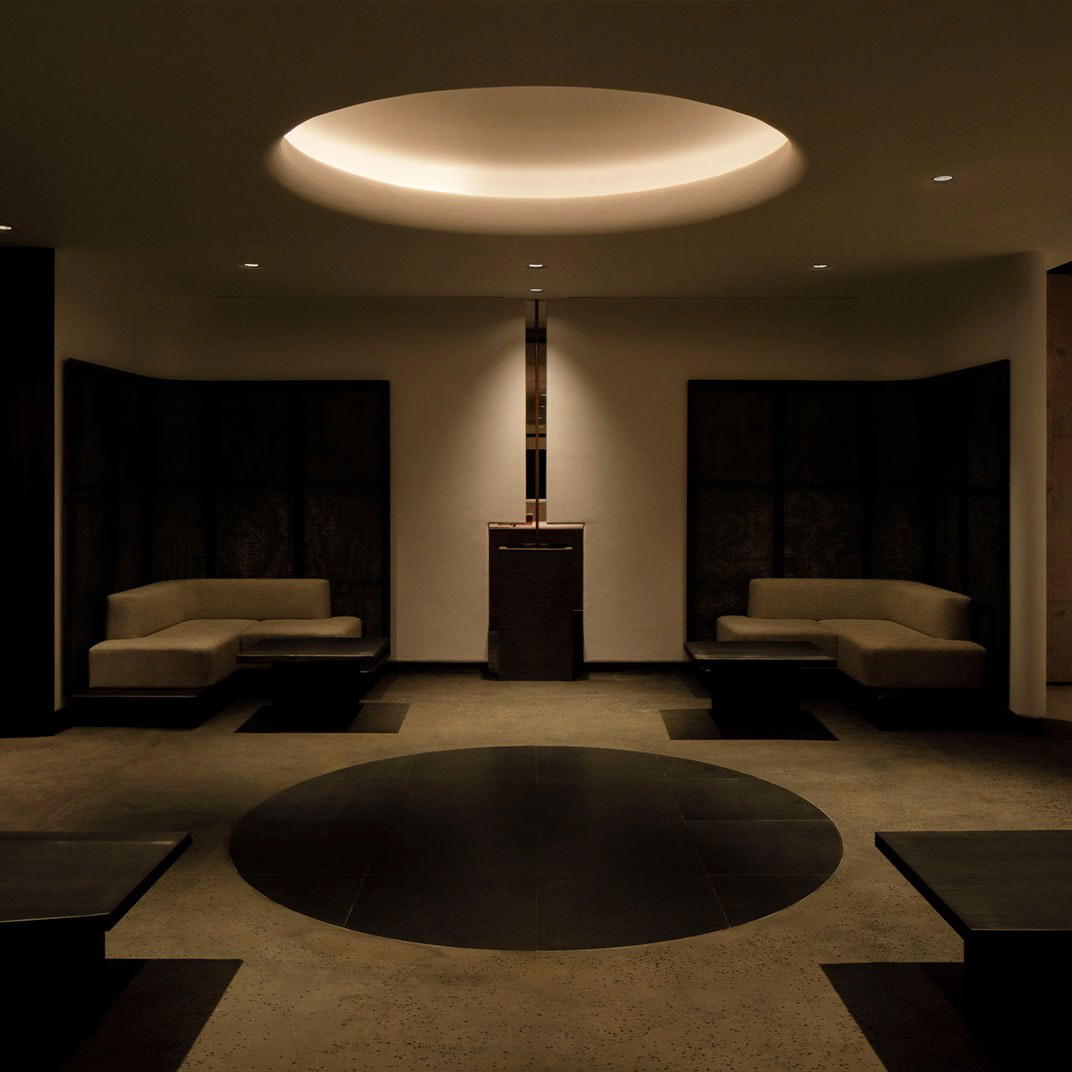
落ち着いた雰囲気でシックな色調、打ちっぱなしの壁が特徴。