
Tabelog 100 #50
Our verdict
A_RESTAURANT belongs to Kanazawa’s smaller tier of creative Japanese dining, where the meal is treated as a timed ritual rather than a casual à la carte stop. Its Tabelog 100 Innovative / Creative cuisine selection in 2025, fish-focused cooking, sake-and-wine emphasis, and course-only structure place it closer to destination dining than neighbourhood browsing.

Pearl is the En Primeur Club membership app, where members save venues, book tables and use the concierge.
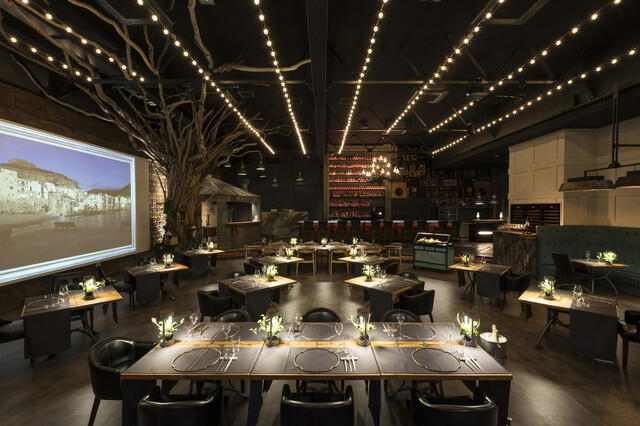
Katamachi after dark runs differently from Kanazawa’s daytime museum-and-market circuit. Shopping streets and old entertainment lanes become a restaurant quarter where serious meals often sit behind upper-floor doors, with little street theatre and a firm expectation that guests arrive on time. A_RESTAURANT fits that pattern: a creative Japanese room built around a shared start, a course structure, and controlled pacing that makes dinner feel closer to ceremony than a flexible night out.
That matters in Kanazawa. The city’s reputation is often flattened into seafood, gold leaf, and preserved samurai-era streets, but its stronger dining identity comes from discipline: Kaga ryori, tea culture, refined sweets, market access, and a long habit of turning local ingredients into composed meals. Creative Japanese restaurants here need not imitate Tokyo’s volume of high-end counters; they can work at smaller frequency, with craft traditions and Sea of Japan produce setting the frame.
Course dining in Kanazawa rewards punctuality and restraint
The defining ritual is not choice but sequence. Course-only dining asks guests to submit to the kitchen’s order, and in Kanazawa that carries weight because the city already understands ceremony: tea rooms, lacquerware, seasonal confectionery, and kaiseki-adjacent hospitality all shape the local grammar. A creative Japanese meal here is less about novelty than how far a kitchen can move while keeping Japanese structure legible.
The fish emphasis is significant. Kanazawa’s proximity to the Sea of Japan gives creative kitchens a different starting point from landlocked dining cities: seafood can anchor the meal without forcing a sushi identity. In a city where Zeniya represents the formal kaiseki reference point and Kabuna occupies a lower-spend local tier, this restaurant sits in a narrower lane: Japanese in foundation, innovative in category, and formatted for guests who accept the kitchen’s timing.
That timing is etiquette. Guests at course-only restaurants should treat arrival as part of the meal, not a prelude. The dining room moves collectively, leaving little room for lateness, casual extra courses, or last-minute allergy notes. This is not rigidity for its own sake; it is how small-format Japanese fine dining protects pacing, temperature, and service rhythm.
The creative bracket is not the same as kaiseki, and that is the point
Kanazawa’s high-end dining can be misread by visitors who expect every serious Japanese restaurant to fit neatly into kaiseki, sushi, or kappo. The creative category works differently. It borrows Japanese seasonality and service cadence, but allows more room for non-traditional composition, drinks pairing logic, and a dining-room atmosphere that need not reproduce the hushed codes of a Kyoto counter.
Within the local field, that distinction explains the restaurant’s positioning. Zeniya signals classical kaiseki. SPICEBOX sits at a radically different price and genre point, showing how broad Kanazawa’s dining range has become. 割烹 ゆづる and ラ ネネグース point to the city’s varied small-restaurant culture rather than one dominant style. A_RESTAURANT belongs to the side of Kanazawa dining where the meal is planned as an arc, drinks matter, and the room is set up for occasion-level attention without requiring visitors to decode a centuries-old template.
The drinks note is not incidental. Sake and wine both appear in the restaurant’s public positioning, reflecting a wider shift in Japanese creative dining. Sake remains the natural partner for seafood and fermented flavours, while wine has become part of the grammar at restaurants that want to speak beyond regional cuisine. In Kanazawa, that dual track is useful: the city’s food culture has enough delicacy for sake, enough structure for wine, and enough local confidence to use both without turning the meal into a pairing lecture.
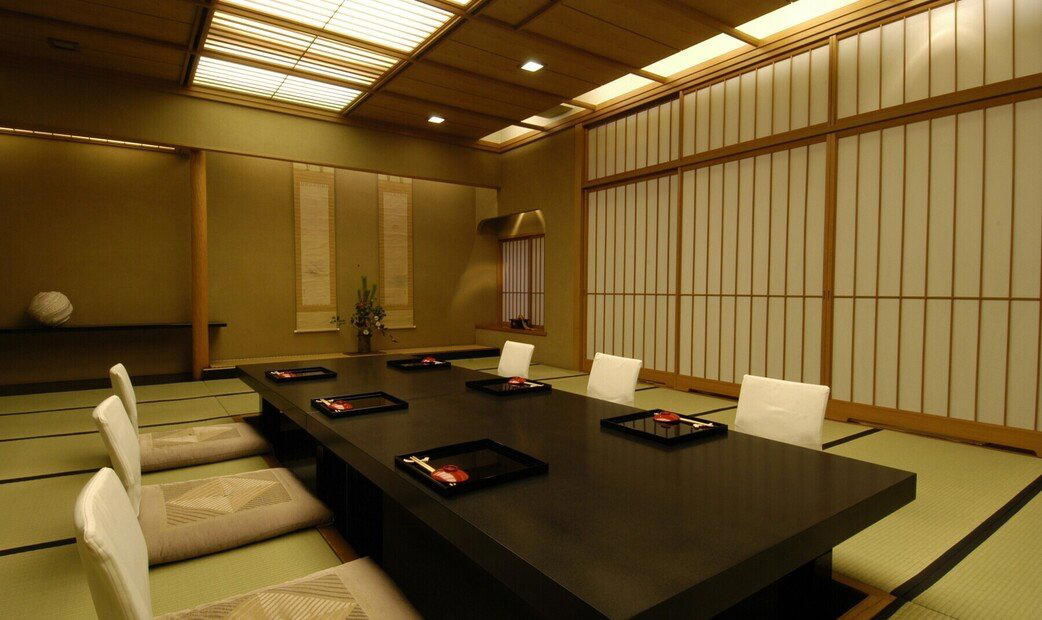
The venue’s 35-seat scale also moves it away from the tiny counter mystique that shapes many foreign assumptions about Japanese dining. A room of that size can handle private rooms, counter seating, and groups while keeping a controlled course format. For travellers, the implication is simple: this is not a quick solo counter booking or casual walk-in dinner, but a planned evening with a shared rhythm.
How to place it in a Kanazawa itinerary
Strongest use case is a traveller who has already done the heritage circuit and wants dinner to carry the same cultural specificity without choosing a purely classical restaurant. Kanazawa is unusually good at this bridge. A day might move from Higashi Chaya or the museum district into Katamachi, then into a meal where craft, seafood, and ceremony are translated through a contemporary kitchen rather than repeated as historical display.
For broader planning, Our full Kanazawa restaurants guide gives the city context around dining styles, while Our full Kanazawa hotels guide, Our full Kanazawa bars guide, Our full Kanazawa wineries guide, and Our full Kanazawa experiences guide help position dinner inside the wider trip. Nearby city dining references worth comparing by mood and spend include 1/3 HAMBURGER FACTORY, 333, Aburi Niku Garan, Ajiraku Yumemi, and Amanatto Kawamura.
Outside Kanazawa, the useful comparison is format rather than cuisine. -Grilled beef Sukiyaki- KAMAKURA TANUKIAN 鎌倉 たぬき庵 in Kamakura. 鮪と炭火焼き うお炭 秋葉原店 in Tokyo.cafe in Osaka.know in Kumamoto, (Shoku) Vietnam in Kawasaki, [Curry Senmon Ten] Maruyama Kyoju. in Sapporo, Jōdo Saké Bar in Los Angeles, and Onigiri Time in Pasadena show how Japanese dining can range from narrow-specialist formats to casual category focus. Kanazawa’s creative course restaurants sit at the more formal end of that spectrum, where value comes from surrendering the order of the evening to the kitchen.
Frequently asked questions
Where is A_RESTAURANT in Kanazawa?
A_RESTAURANT is located in Kanazawa.
What's the pricing like at A_RESTAURANT?
Pricing at A_RESTAURANT is listed as JPY 20,000 - JPY 29,999 JPY 15,000 - JPY 19,999.
When can I go to A_RESTAURANT?
Hours at A_RESTAURANT: Mon: 5–11 PM; Tue: 5–11 PM; Wed: 5–11 PM; Thu: 5–11 PM; Fri: 5–11 PM; Sat: 5–11 PM; Sun: Closed.
What is A_RESTAURANT known for?
A_RESTAURANT is primarily known for its core concept and execution in Kanazawa.
Cuisine-First Comparison
Comparable venues by cuisine and price in the same metro.
| Venue | Cuisine | Price | Awards | Notes |
|---|---|---|---|---|
| A_RESTAURANTThis venue (the venue you are viewing) | Innovative Japanese Omakase | Not listed | Tabelog 100 #50 | Not listed |
| 金茶寮本店 | Traditional Kaga Kaiseki | $150–200 | Not listed | Kanazawa |
| 割烹 いけ森 | Kanazawa Kappo Kaiseki | $100–150 | Not listed | Kanazawa |
| 鮨 みつ川 | Traditional Japanese Omakase Sushi | $150–200 | Not listed | Kanazawa |
| å¤©éº©ç¾ å°éåº å¤©é | Japanese Tempura | $30–50 | Not listed | Kanazawa |
| 片折 | Hyperseasonal Hokuriku Kaiseki Omakase | $200–300 | World's 50 Best #82 · La Liste Top Restaurants | Kanazawa |
Recognition history
Dated appearances from independent guides and award organizations, with the underlying list record or original source where available.
Tabelog 100 #50 · No. 50
Tabelog · Tabelog 100 - Innovative / Creative cuisine - 2025
Continue exploring
More in Kanazawa
Restaurants in Kanazawa
All restaurants in Kanazawa →
Hotels in Kanazawa
All hotels in Kanazawa →
Wineries in Kanazawa
Browse all →
Details
- Intimate
- Sophisticated
- Modern
- Elegant
- Special Occasion
- Date Night
- Chefs Counter
- Open Kitchen
- Sake Program
- Local Sourcing
- Omakase
- Tasting Menu
Current opening hours
- Monday
- 5–11 PM
- Tuesday
- 5–11 PM
- Wednesday
- 5–11 PM
- Thursday
- 5–11 PM
- Friday
- 5–11 PM
- Saturday
- 5–11 PM
- Sunday
- Closed
Hours can change for holidays and private events. Hours as of .
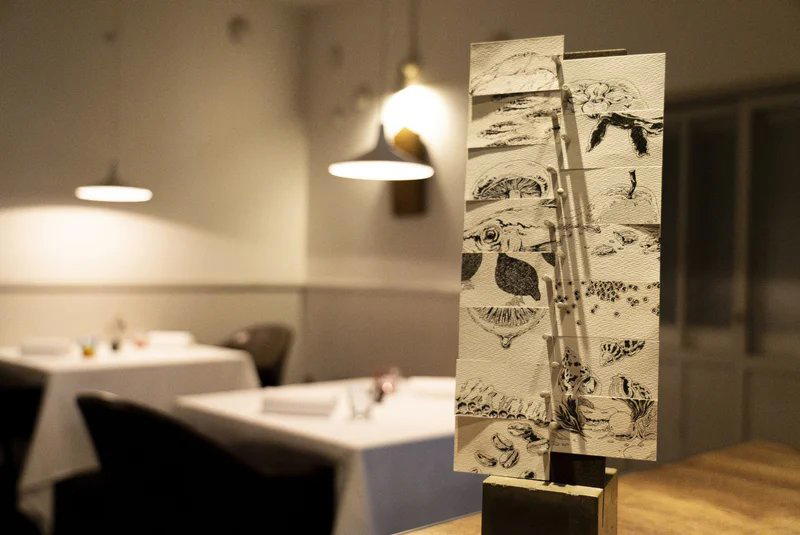
Intimate kitchen counter setting with an elegant, sophisticated atmosphere focused on the chefs' craft.