
Relais Chateaux Award
Our verdict
A Relais & Châteaux ryokan in Kaga's Yamashiro Onsen district, Beniya Mukayu frames kaiseki dining within a complete sensory and medicinal ritual, private onsen, herb-infused hot springs, and a tea ceremony performed by the owner.

Pearl is the En Primeur Club membership app, where members save venues, book tables and use the concierge.
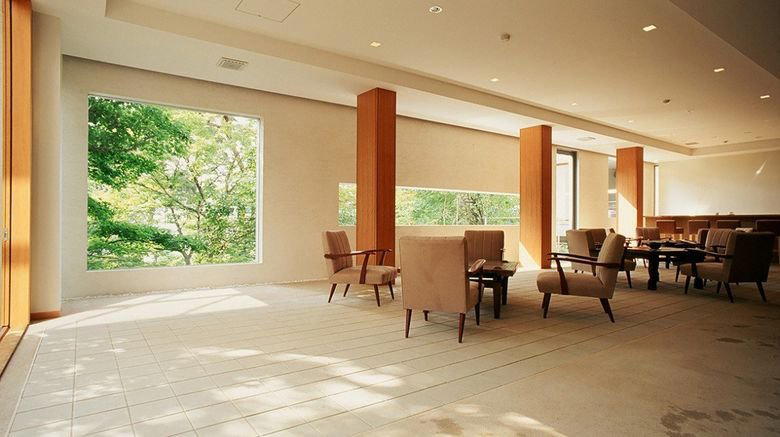
Stone paths, steam, and the discipline of doing less
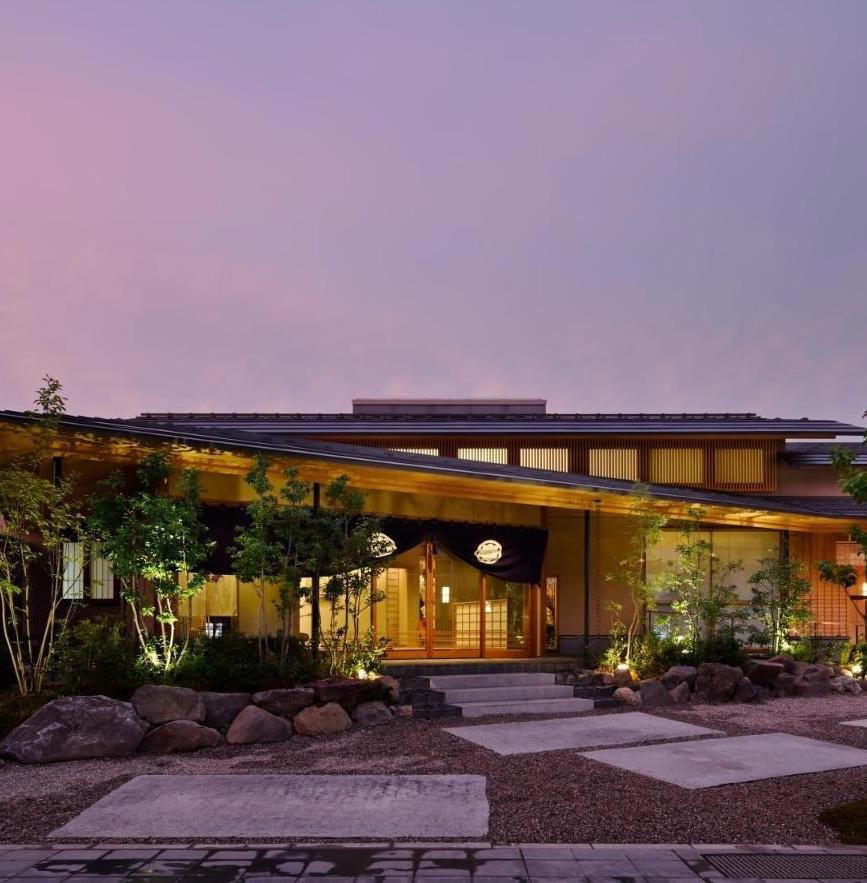
Approaching a traditional Japanese inn in Yamashiro Onsen is not like arriving at a hotel. The noise drops before you reach the entrance. The architecture orients you toward the garden rather than the road. At Beniya Mukayu, whose name translates roughly as "inn of nothingness", that orientation is a design principle rather than an accident. The property sits within Kaga's historic hot-spring belt in Ishikawa Prefecture, a region that has structured leisure around thermal bathing and seasonal cuisine for centuries.
Kaga sits southeast of Kanazawa, which is itself one of the most carefully preserved cultural cities in Japan outside Kyoto. The surrounding region produces a concentration of onsen districts, Yamashiro, Yamanaka, Katayamazu, Awazu, each with its own thermal character and culinary identity. Yamashiro's water, historically associated with skin and restorative properties, has drawn medicinal practitioners as well as leisure travellers. Beniya Mukayu works explicitly within that medicinal framing, incorporating herbs and the mineral properties of the springs into the broader guest experience rather than treating the onsen as a separate amenity bolted onto accommodation.
Kaiseki in the context of a ryokan meal
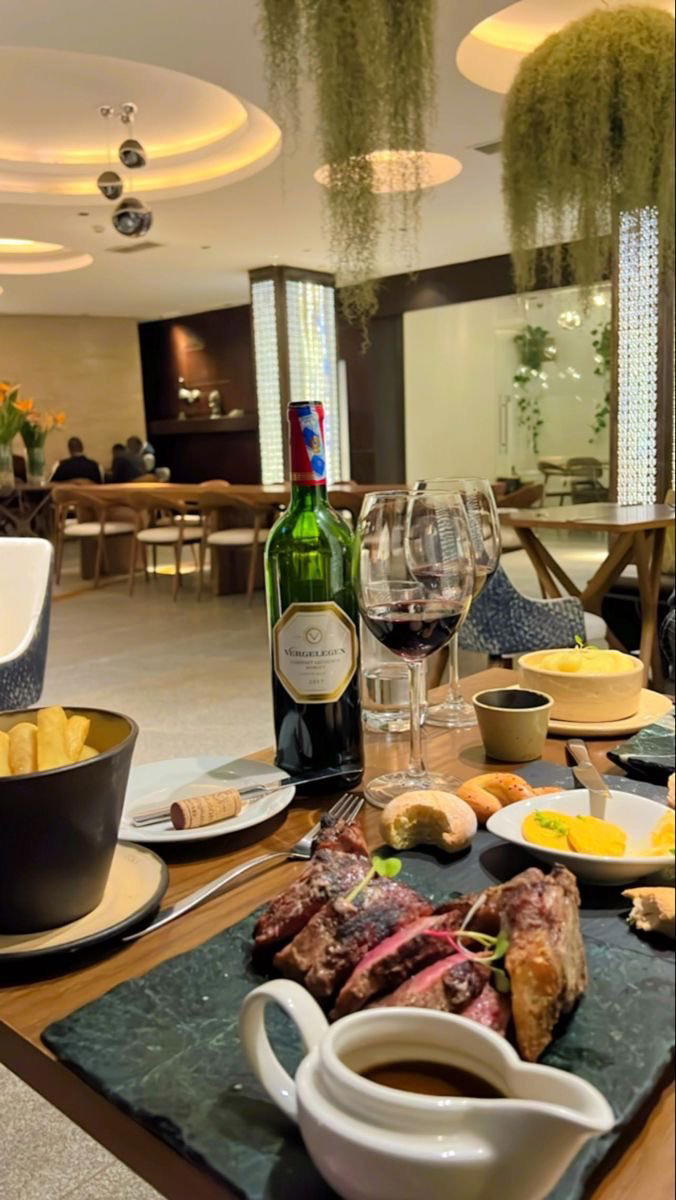
The kaiseki tradition in Japan grew partly out of the tea ceremony, specifically from the light meal served before matcha to prevent the stimulant from affecting an empty stomach. Over centuries it formalized into a multi-course structure governed by seasonal availability, visual presentation principles rooted in wabi-sabi aesthetics, and a calibrated progression from delicate to richer flavours. In the ryokan context, kaiseki is not a restaurant experience you book separately, it is the dinner component of your stay, served in a dedicated room or at your own table, timed to the rhythm of bathing and rest.
At Beniya Mukayu, Chef Hiroaki Kaku leads the kitchen. In the kaiseki framework, the chef's role is partly curatorial, selecting from what the season makes available in the Hokuriku region, and partly architectural, arranging a sequence of small courses that build an argument about time and place. The Kaga area specifically offers several ingredients that appear regularly in Ishikawa kaiseki: Kaga vegetables, a designated group of heirloom cultivars including Kinjiso chrysanthemum leaves and Goromaru pumpkin; seafood from the Japan Sea coast; and mountain ingredients that shift through the year. These regional materials are not decorative references but the structural logic of the menu. For context on how this kind of kaiseki seriousness plays out in more widely reviewed settings, the kitchen at Gion Sasaki in Kyoto and the innovative Japanese approach at HAJIME in Osaka illustrate how differently the kaiseki lineage can be interpreted at the top of the market.
Tea ceremony and the logic of ritual sequencing
Japan's premium ryokan tier has broadly split between properties that offer cultural programming as optional add-ons and those where the programme is inseparable from the stay. Beniya Mukayu belongs firmly in the second category. The tea ceremony here is performed by the owner, a detail worth noting because it shifts the experience from a staffed performance to something closer to a private demonstration of a practice maintained within the family. Chado, the way of tea, is a discipline with its own aesthetic vocabulary, one that emphasises impermanence, seasonality, and deliberate incompletion. As the structural antecedent to kaiseki itself, the tea ceremony at the start or end of a day at a ryokan like this is not background entertainment; it is a restatement of the same philosophical frame around which the food is organised.
For travellers used to urban kaiseki counters, the Michelin-tracked rooms in Tokyo covered in venues like Myojaku or Azabu Kadowaki, the ryokan format changes the relationship between guest and meal. You are not commuting in, eating, and leaving. The meal is one part of a longer, slower arc: onsen in the late afternoon, tea, dinner at the inn's pace, morning bath, breakfast drawn from the same seasonal logic as the night before. The food and the body's state are calibrated together. That integration is precisely what urban kaiseki counters, however technically accomplished, cannot replicate.
Private onsen and the medicinal tradition
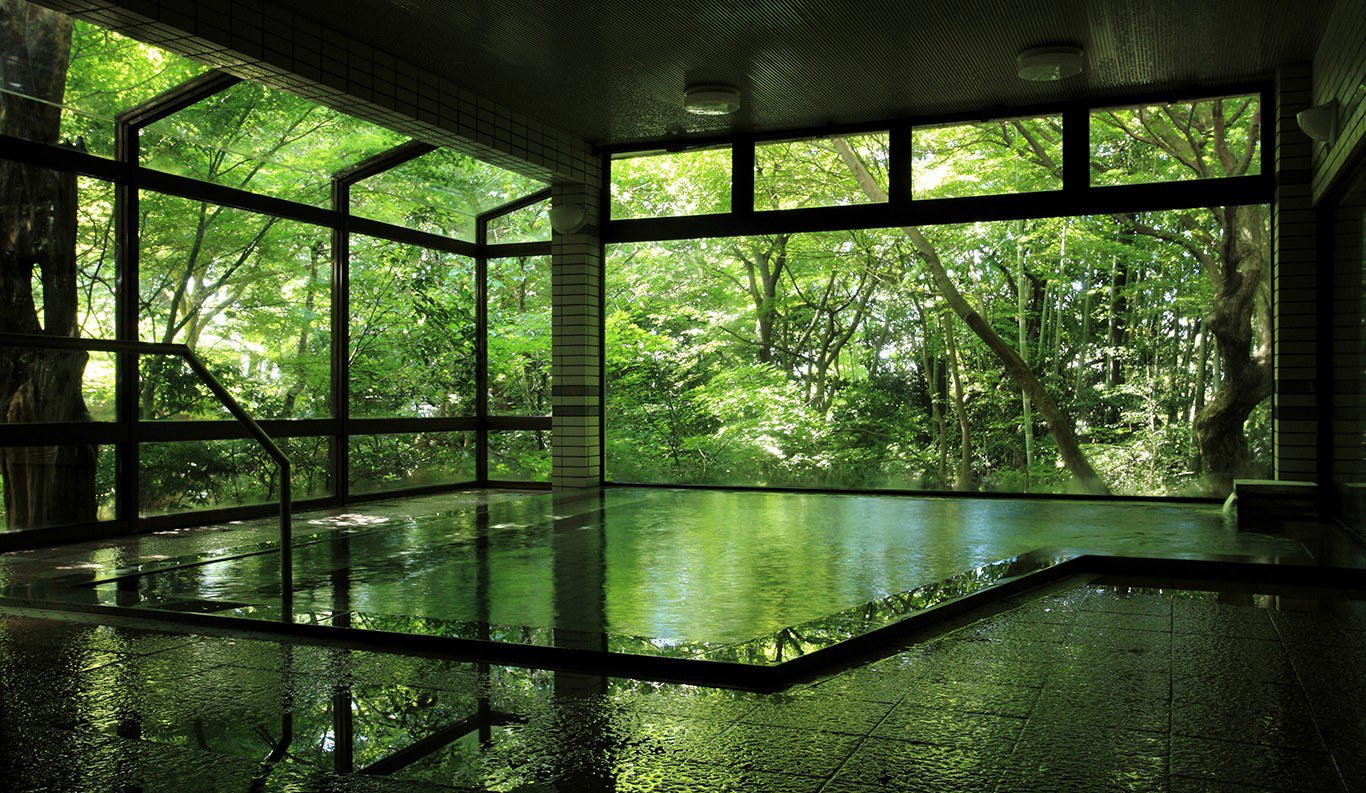
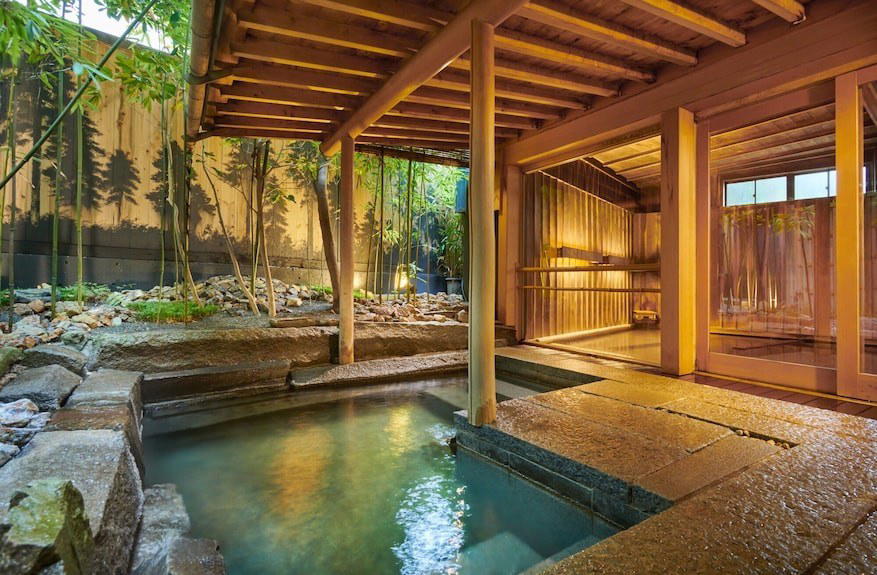
Onsen access at a property like this is meaningful beyond comfort. Japan's hot-spring classification system certifies water by mineral composition, and Yamashiro's springs carry a profile associated with skin conditions and nervous system recovery, claims that have been made in this region for over a thousand years and that modern balneology has partly corroborated. A private onsen, rather than shared bathing facilities, aligns the experience with the more expensive and intimate end of ryokan accommodation. The medicinal herbs incorporated into some of the bath and food offerings at Beniya Mukayu extend that therapeutic logic, connecting the kitchen's seasonal sourcing to the same restorative intention as the water.
For readers building a deeper Kaga itinerary, our full Kaga hotels guide covers the range of accommodation options across the district's onsen zones, and our full Kaga restaurants guide maps the dining scene beyond ryokan meals for those spending multiple nights in the area. We also cover bars, wineries, and experiences across Kaga for a full picture of the region.
Planning a stay
Beniya Mukayu is reached through Kaga Onsen Station on the Hokuriku Shinkansen line, which connects the area to Kanazawa in under fifteen minutes and to Tokyo in roughly two and a half hours since the line's 2024 extension to Tsuruga. The ryokan is a Relais & Châteaux property, and initial enquiries and bookings can be directed through their website at mukayu.com or via the Relais & Châteaux reservation network. The property email is beniya@relaischateaux.com and the phone number is +81 (0)761 77 13 40. Seasonal timing matters here more than at most properties: Kaga's kaiseki menus shift meaningfully between the snow crab season of winter, the mountain vegetable emergence of spring, and the preserved and pickled intensity of late autumn. Visitors intending to experience the tea ceremony should confirm availability and format at the time of booking rather than assuming it falls within standard daily programming. Comparable kaiseki-anchored destinations elsewhere in Japan, including Goh in Fukuoka, akordu in Nara, and Harutaka in Tokyo, operate on tighter counter formats with different booking windows. Ryokan stays of this tier typically require reservation weeks to months in advance, particularly for autumn and winter dates when demand across Ishikawa's onsen districts is highest.
Further afield, Japan's kaiseki and Japanese fine dining scene extends from venues like 1000 in Yokohama and 6 in Okinawa to more regional specialists including Abon in Ashiya, affetto akita in Akita, Aji Arai in Oita, and Ajidocoro in Yubari District, each working within distinct regional traditions that illustrate how differently the Japanese seasonal philosophy translates across the country's geography.
Frequently asked questions
Is Beniya Mukayu good for families?
At ryokan rates in this tier, the experience is structured around quiet and ritual; families with young children would find the format a poor match.
Is Beniya Mukayu better for a quiet night or a lively one?
If you want structured silence, private bathing, and a meal that unfolds over several unhurried hours, this is the right address. If the evening requires a bar, background noise, or social energy, Yamashiro Onsen is not the setting, look to Kanazawa's Katamachi district for that, and consider Beniya Mukayu as a one- or two-night retreat within a wider Ishikawa itinerary rather than a base for active evenings.
What dish is Beniya Mukayu famous for?
The kitchen operates within the kaiseki tradition under Chef Hiroaki Kaku, drawing on Hokuriku's seasonal produce and Japan Sea seafood.
A Quick Peer Check
Comparable venues nearby, for context on price, style, and recognition.
| Venue | Cuisine | Price | Awards | Notes |
|---|---|---|---|---|
| Beniya MukayuThis venue (the venue you are viewing) | Seasonal Kaga Kaiseki | $500+ | Relais Chateaux Award | Not listed |
| Kayoutei Ryokan | Kaga-style Kaiseki | $200–300 | Not listed | Yamanaka Onsen |
| Taihei | Kanazawa-style Sushi | $100–150 | Not listed | Kaga Onsen |
| Araya Totoan | Traditional Kaga kaiseki at historic onsen ryokan | $300–500 | Not listed | Yamashiro Onsen |
| 木佐貫 | Kanazawa Kaiseki Omakase | $200–300 | Tabelog Silver #57 | Tokiwamachi |
| Bohemian Nishiazabu | Secret seasonal Japanese robata omakase | $100–150 | Not listed | Nishiazabu |
Recognition history
Dated appearances from independent guides and award organizations, with the underlying list record or original source where available.
Relais Chateaux Award
Relais Chateaux
Continue exploring
More in Kaga
Restaurants in Kaga
All restaurants in Kaga →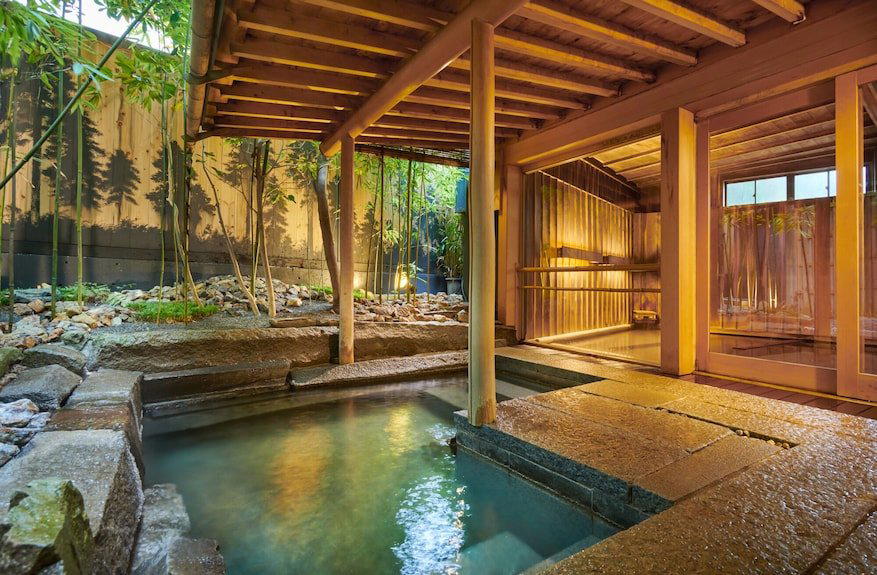
Details
- Quiet
- Elegant
- Scenic
- Sophisticated
- Cozy
- Special Occasion
- Date Night
- Private Dining
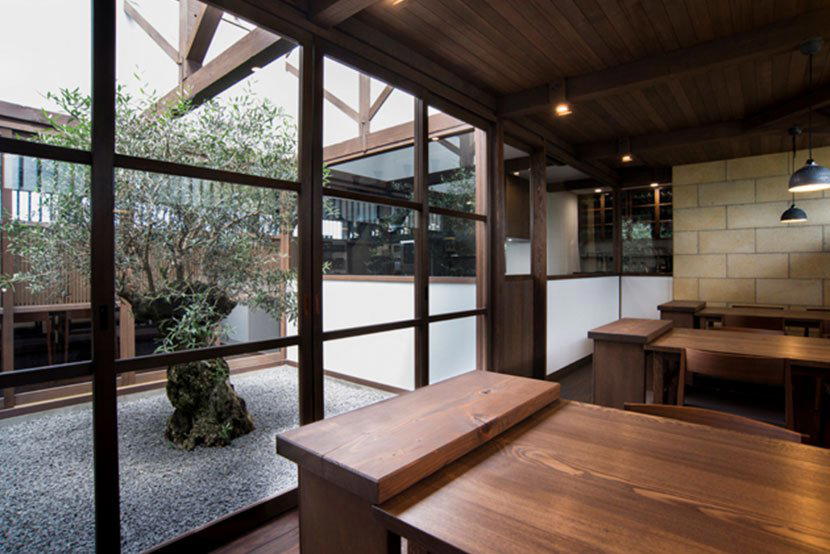
- Garden
- Hotel Restaurant
- Sake Program
- Extensive Wine List
- Sommelier Led
- Local Sourcing
- Garden
- Mountain
- Tasting Menu
- Omakase
- Sake
- Wine
- Vegetarian Friendly
- Allergy Accommodating
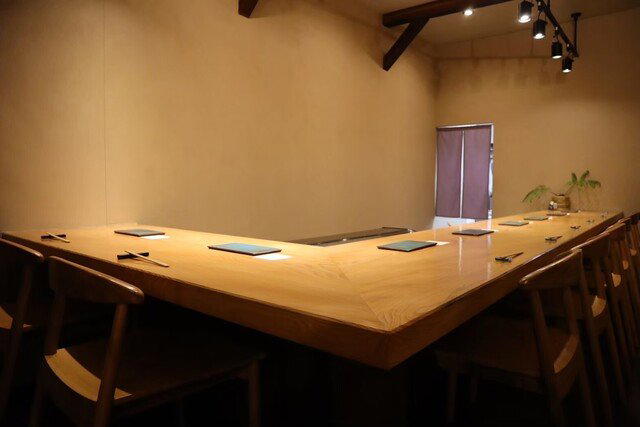
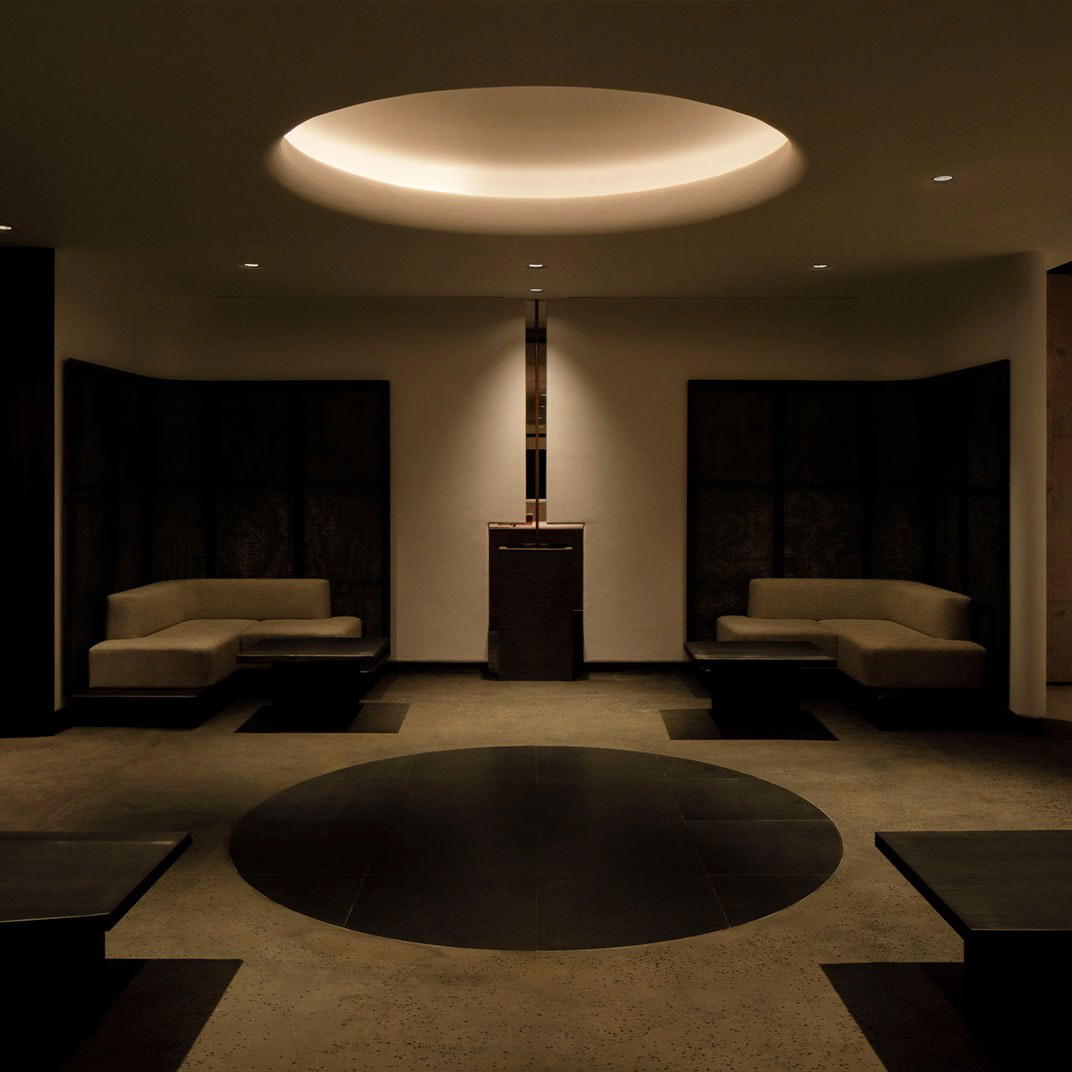
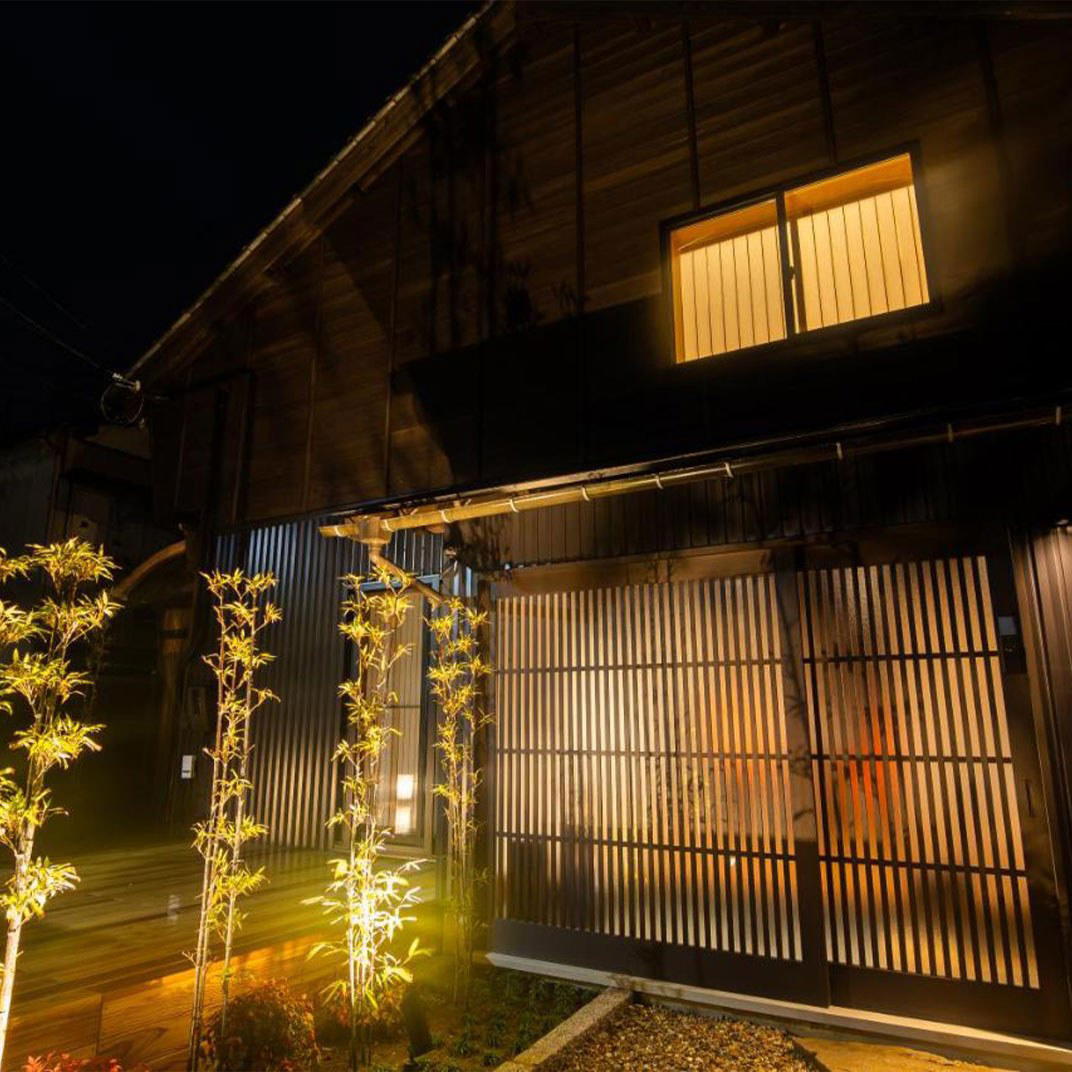
Serene and tranquil atmosphere with clean Zen lines, natural light filtering through gardens creating komorebi shadows, and a spacious terrace dining hall overlooking forested gardens.