Our verdict
A Japanese cuisine restaurant in Kita Ward, Sakai, positioned within a city that sits quietly between Osaka's restaurant density and Kyoto's culinary prestige. Sakai's dining scene rewards those who seek local specificity over metropolitan spectacle, and this address in Kanaokacho reflects that orientation toward ingredient-led cooking rooted in the rhythms of the Osaka Bay region.

Pearl is the En Primeur Club membership app, where members save venues, book tables and use the concierge.
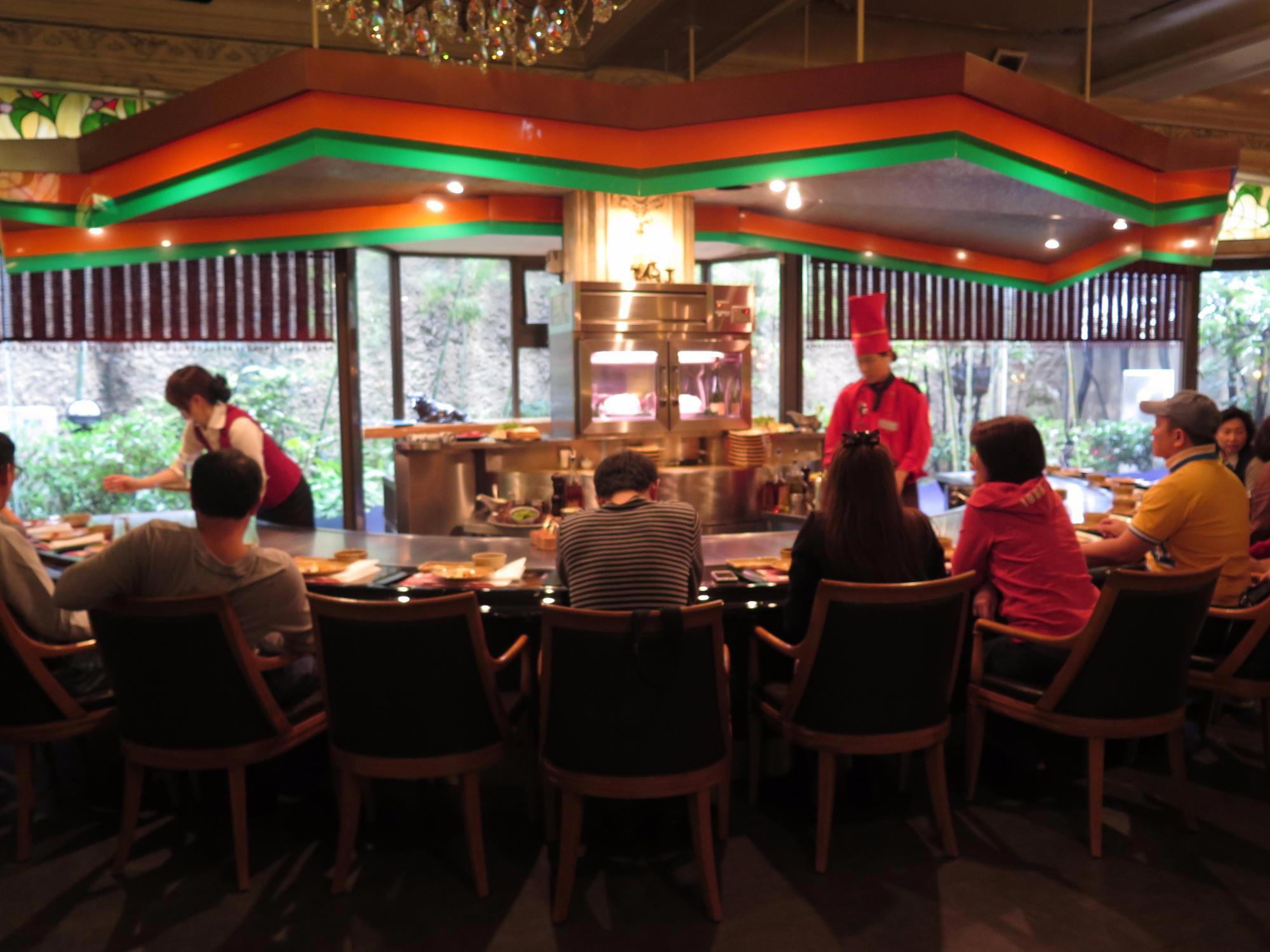
Sakai, Between the Markets and the Sea
Sakai occupies an unusual position in the Kansai dining conversation. It sits south of Osaka's dense restaurant corridors and west of Kyoto's hyper-curated kaiseki circuit, yet it draws from the same larder that supplies both. The city's proximity to Osaka Bay fishing grounds, its legacy vegetable markets, and its long industrial history as a blade-making capital have shaped a local food culture that is quieter than its neighbours but no less considered. Restaurants here tend to source close, cook with restraint, and operate without the reservation machinery that defines dining in the larger cities. This is the context in which 日本料理 味菜 sits: a Japanese cuisine address in Kanaokacho, Kita Ward, embedded in a residential arc of Sakai that functions at a neighbourhood scale rather than a destination-dining one.
The Ingredient Logic of Osaka Bay Cooking
Japanese cuisine at this latitude, in the pocket between Osaka's Namba wholesale markets and the coastal fishing communities of the Seto Inland Sea, has historically organised itself around what arrives fresh rather than what travels well. The produce corridor running through Sakai connects chefs to both the mountainside farms of Nara's hinterland and the fish markets of the bay. That dual access, river-plain vegetables and coastal protein, defines the structural logic of Kansai-area nihon ryori, and it explains why restaurants in this belt often read differently from their Tokyo counterparts, which depend more heavily on long-distance supply chains from Hokkaido or Kyushu.
At restaurants operating within this sourcing geography, the seasonal calendar drives the menu's architecture more than any single technique or chef signature. Winter brings fugu and yellowtail from the Inland Sea. Spring shifts toward sansai mountain vegetables and firefly squid from nearby Toyama-adjacent routes. Summer loads the counter with ayu sweetfish from the rivers threading down through Nara. This is not a culinary philosophy as a branding exercise; it is simply the mechanical consequence of cooking close to where food is grown and caught. Venues like Kawaki (Seafood) in Sakai operate in the same sourcing ecosystem, drawing on Osaka Bay supply lines that give the city's restaurants a consistency of raw material even when individual styles diverge.
Kita Ward and the Neighbourhood Register
Kanaokacho sits within Kita Ward, a residential district of Sakai that carries none of the commercial dining density of Osaka's Shinsaibashi or Kyoto's Gion. That positioning matters for how a restaurant here operates and who it serves. Neighbourhood Japanese cuisine restaurants in this tier of city tend to build their trade on repeat local custom rather than tourist flow, which in practice means the kitchen calibrates to local preference rather than international expectation. The cooking is unlikely to feature the kind of English-language signage or translated menus that appear in venues designed for inbound visitors.
This dynamic is common across mid-sized Japanese cities outside the three major metropolitan centres. Restaurants in Nara, Oita, and Imabari face comparable conditions: genuine local specificity, limited outside visibility, and sourcing relationships that can take years to build. akordu in Nara and Aji Arai in Oita both operate in comparable urban registers, where the absence of metropolitan foot traffic produces a different relationship between kitchen and customer.
The Sakai Dining Field
Sakai's restaurant scene does not map neatly onto a single category. The city supports everything from yakitori specialists to seafood-led counters to full kaiseki service, and the price tiers spread accordingly. Within that field, Japanese cuisine establishments in the nihon ryori tradition occupy a middle register: more structured than casual izakaya dining, less codified than the strict seasonal kaiseki format that defines Kyoto's upper tier. Several Sakai restaurants operate across adjacent categories. Birdland, Domani, Oga, and Ootoku each carve out distinct positions in the local dining map, and the full picture of how they relate to each other and to restaurants like 日本料理 味菜 is worth reading in the our full Sakai restaurants guide.
For comparative framing across the Kansai region, the upper end of Japanese cuisine dining is anchored by addresses like HAJIME in Osaka and Gion Sasaki in Kyoto, both of which operate at Michelin-recognised levels with extensive booking lead times and price points that reflect their metropolitan positioning. A restaurant in Sakai's Kita Ward functions in a different tier of that regional system, closer in character to the neighbourhood-scale Japanese dining found across provincial Kansai than to those capital-city reference points.
Across Japan more broadly, the pattern of ingredient-driven nihon ryori appearing in smaller cities rather than concentrating in Tokyo or Osaka has become more pronounced over the past decade. Goh in Fukuoka, affetto akita in Akita, and Akakichi in Imabari each represent the same dispersal: serious cooking embedded in cities that do not carry the critical mass of international diners but do carry proximity to exceptional raw material. The contrast with Tokyo's sourcing model is sharp: where Harutaka in Tokyo and international reference points like Le Bernardin in New York City operate with long-distance supply chains and global ingredient sourcing, a Sakai address in this register is structurally tied to what the immediate Kansai region produces.
Planning a Visit
The address at 3005-25 Kanaokacho, Kita Ward, Sakai, Osaka 591-8022 places the restaurant in a residential part of the city that is accessible from central Osaka by rail, with Sakai-shi and Mikunigaoka stations on the Nankai and Osaka Metro Tanimachi lines providing the primary connections. Given the neighbourhood setting and the absence of publicly listed online booking infrastructure, contacting the restaurant directly before visiting is the practical approach, particularly for first-time guests. Japanese-language communication is likely required, which is worth factoring into planning for non-Japanese-speaking visitors. No pricing, hours, or seat count data is currently listed in public records, so confirming those details at the point of contact is necessary.
For visitors building a wider itinerary around Kansai's ingredient-led dining, pairing a Sakai meal with visits to Abon in Ashiya or Ajidocoro in Yubari District extends the logic of regional specificity across the archipelago. Lazy Bear in San Francisco offers an international point of comparison for the communal, sourcing-led dining format, though the cultural register is substantially different.
Frequently asked questions
Where do I go for æ¥æ¬æç å³ææ?
æ¥æ¬æç å³ææ is located at 3005-25 Kanaokacho, Kita Ward, Sakai, Osaka 591-8022, Japan, Sakai.
What's the signature dish at 日本料理 味菜?
No specific dish details are documented for 味菜 at this time. What the address in Kanaokacho, Kita Ward does tell you is that the restaurant operates within reach of both Osaka Bay's coastal fisheries and the Namba wholesale corridor, a supply position that typically shapes a menu around seasonal seafood and market-driven Japanese cooking. Specific menu information is best confirmed directly with the venue.
Do I need a reservation for æ¥æ¬æç å³ææ?
Reservations are recommended for æ¥æ¬æç å³ææ in Sakai. Confirm current policy via the venue's official channels.
What's æ¥æ¬æç å³ææ best at?
æ¥æ¬æç å³ææ is best approached by focusing on the core concept and signature offerings.
Fast Comparison
| Venue | Cuisine | Price | Awards | Notes |
|---|---|---|---|---|
| æ¥æ¬æç å³ææThis venue (the venue you are viewing) | Japanese Restaurant | Not listed | Not listed | Not listed |
| Kawaki | Echizen Crab Specialist | $500+ | Not listed | Seafood |
| Oga | Premium Bluefin Tuna Omakase | $300–500 | Tabelog Bronze #331 | Not listed |
| Osamuchan | Yakiniku Omakase | $100–150 | Tabelog Bronze #343 | Not listed |
| æ±é | Japanese Restaurant | Not listed | Not listed | Not listed |
| Birdland | Authentic Neapolitan Pizza | $30–50 | Tabelog 100 #74 | Not listed |
Continue exploring
More in Sakai
Restaurants in Sakai
All restaurants in Sakai →


Bars in Sakai
Browse all →
Hotels in Sakai
All hotels in Sakai →

Wineries in Sakai
Browse all →
Details
- Family
- Group Dining
- A La Carte
Casual atmosphere suitable for families and groups.