
Miyazaki places Fukui’s kaiseki conversation in a small counter format, with Hokuriku ingredients and fish given the serious treatment usually associated with larger culinary capitals. The restaurant has Tabelog Award Bronze recognition for 2025 and 2026, plus selection for Tabelog Japanese Cuisine WEST 100 in 2025, making it a meaningful stop for travelers reading Fukui through food rather than sightseeing alone.
Pearl is the En Primeur Club membership app — saves, bookings, and concierge access live there. Same editors, same standards.
- Address
- Fukui Fukui City順化1124 福biru 1F
- Website
- tabelog.com
- Directions
- Get directions
 Saves & bookings on Pearl
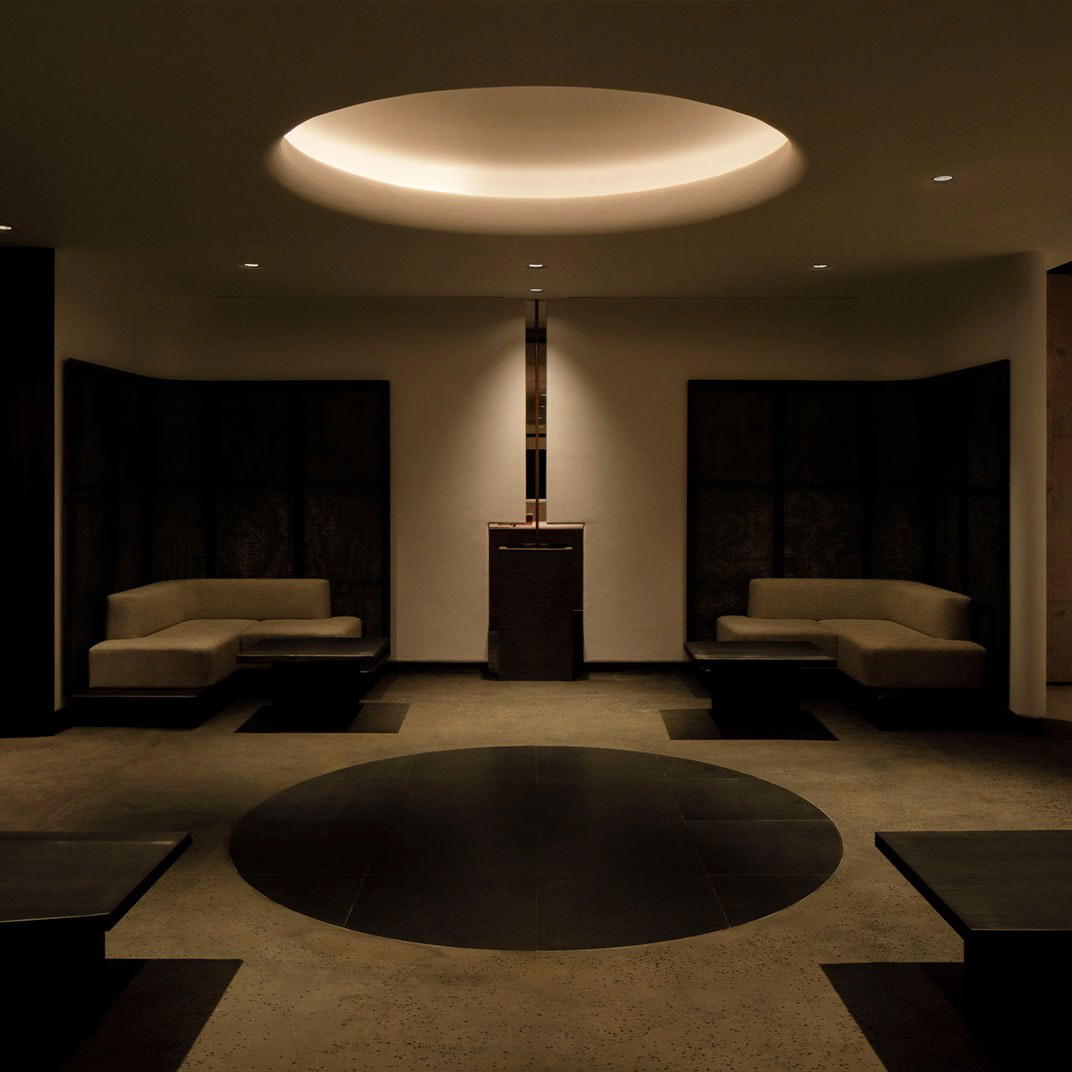
The room is built around proximity: a seven-seat counter, an L-shaped kitchen, and the quiet concentration of serious Japanese cooking outside the glare of Tokyo and Kyoto. In Fukui, that scale matters. The city rewards restaurants that argue for local seasonality without regional theater, and Miyazaki sits there, keeping sourcing, pacing, and sake conversation close to the guest.
Fukui is often read through soba, sauce katsudon, crab, and Sea of Japan seafood, but its stronger restaurants use a more restrained grammar. The point is not volume or spectacle; it is how far regional products can travel through Japanese technique. A counter this small has weight: with seven seats, distraction has little margin, and the meal depends on sequence, temperature, and the relationship between fish, broth, rice, and drink.
Hokuriku ingredients carry the argument
The kitchen is listed under Japanese cuisine and creative cooking, a pairing that usually signals kaiseki structure with regional interpretation. Here, sourcing is the useful lens. Materials are described as primarily from the Hokuriku region, with emphasis on fish; the drinks program includes sake, shochu, and wine, with particular attention to sake and wine. That places the restaurant within a modern Japanese pattern: local ingredients, formal pacing, and a drinks list broad enough for guests who no longer treat sake as the only serious match.
Fukui’s coastal position gives this style its foundation. Snow-country seafood, winter crab culture, and clean-flavored soba traditions have shaped the prefecture’s food identity for generations. At the upper end, the difference is not access to good fish; many places have that. The difference is how a restaurant edits the region. A seven-seat counter makes that editing visible: there is little room for padding, and each course must justify its place in the evening.
The awards record gives useful external frame. Tabelog named Ryoriya Miyazaki a Bronze winner in 2025 and 2026, and selected it for Tabelog Japanese Cuisine WEST 100 in 2025. Its Tabelog score is listed at 4.04. Those markers do not make the meal self-explanatory, but they place it among a narrower group of western Japan Japanese restaurants with sustained diner attention. For a city the size of Fukui, that matters: it shifts the restaurant from local recommendation to destination-level consideration.
A counter meal, not a regional checklist
The better way to read this kitchen is against Fukui’s range, not a generic kaiseki template. Amida Soba Fuku no I gives visitors a lower-priced route into the city’s soba culture, while Europe Ken Souhonten explains the local affection for sauce katsudon. Bouyourou (Crab Kaiseki) sits closer to the ceremonial end of the prefecture’s crab tradition. Miyazaki is different: intimate Japanese cooking where the region is present, but not reduced to one famous product.
That distinction helps plan a Fukui table. A traveler can build a sharp itinerary by moving between formats: soba at lunch, sauce katsudon as civic comfort food, crab kaiseki when the season supports it, and a counter dinner for a composed reading of Hokuriku ingredients. For broader mapping, our full Fukui restaurants guide is the natural starting point, with side routes through our full Fukui hotels guide, our full Fukui bars guide, our full Fukui wineries guide, and our full Fukui experiences guide.
The relocation notice is also part of the 2026 reading. A move and reopening in 2025 puts serious diners on alert: not because the cooking should change, but because small counter restaurants are unusually sensitive to room geometry, service rhythm, and the distance between kitchen and guest. In this category, a new address is not just logistical; it can subtly alter how the meal feels.
Who should put it on the Fukui itinerary
This is for travelers who want Fukui’s food culture interpreted through a tight, adult counter format rather than a survey of specialties. The listed dinner spend sits in the city’s serious-occasion range, and the service style suits guests comfortable with a paced Japanese meal, not a casual drop-in. School-age children are welcomed if they eat the same menu as adults, giving families a clear threshold: it works when the child is ready for the full structure, not when the table needs a simplified version.
The practical character is compact: counter seating, no private rooms, no parking, non-smoking indoors, credit cards accepted, PayPay accepted, and takeout limited to mackerel sushi. Private use is listed, which may matter for small groups, though the ordinary experience is built around the counter. Dinner runs Monday through Saturday and the day before public holidays, with Sunday generally closed; the last-entry detail makes timing part of the decision.
For readers extending beyond Fukui, the contrast is instructive. A beef-led specialist such as -Grilled beef Sukiyaki- KAMAKURA TANUKIAN 鎌倉 たぬき庵 in Kamakura, a Tokyo charcoal-and-tuna address like . 鮪と炭火焼き うお炭 秋葉原店 in Tokyo, or casual urban stops such as.cafe in Osaka.know in Kumamoto, (Shoku) Vietnam in Kawasaki, and [Curry Senmon Ten] Maruyama Kyoju. in Sapporo shows how different Japanese dining formats can be. Across the Pacific, Jōdo Saké Bar in Los Angeles and Onigiri Time in Pasadena offer another comparison point: Japanese food as diaspora drinking culture and everyday rice craft, rather than regional kaiseki. Fukui’s counter restaurants ask for quieter attention, which is precisely their appeal.
Within the city, the stronger itinerary is not built by chasing one famous dish. It is built by reading how place expresses itself at different price levels and degrees of formality. Kaikatei (Chinese) and Korean Chubo Senara broaden that map beyond Japanese cooking, while this counter keeps the focus on fish, season, and Hokuriku discipline. For a traveler with one serious dinner in Fukui, that is a strong editorial choice.
In Context: Similar Options
Comparable venues by cuisine and price in the same metro.
| Venue | Cuisine | Price | Notes |
|---|---|---|---|
| MiyazakiThis venue — the venue you are viewing | Michelin-Starred Seasonal Kaiseki Omakase | $$$$ | Not listed |
| 鮨処海月 | Kappo-Style Seasonal Kaiseki | $$$$ | central Fukui |
| Bouyourou | Seasonal Japanese kaiseki with Echizen crab at an oceanfront onsen ryokan | $$$$ | Mikuni Onsen |
| 福井割烹 望月 | Traditional Fukui Kaiseki | $$$ | Fukui |
| 旬味 泰平 | Honzen-ryori | $$$ | Central |
| 滝の川 | Echizen Crab Seafood | $$$ | Echizen Town |
Recognition history
Dated appearances from independent guides and award organizations, with the underlying list record or original source where available.
Tabelog Bronze #282
Tabelog
Tabelog 100 #83 · No. 83
Tabelog · Tabelog 100 - Japanese cuisine - WEST - 2025
Tabelog Bronze
Tabelog
Continue exploring
More in Fukui
Restaurants in Fukui
Browse all →
At a Glance
- Intimate
- Elegant
- Sophisticated
- Quiet
- Special Occasion
- Date Night
- Celebration
- Chefs Counter
- Open Kitchen
- Sake Program
- Extensive Wine List
- Local Sourcing
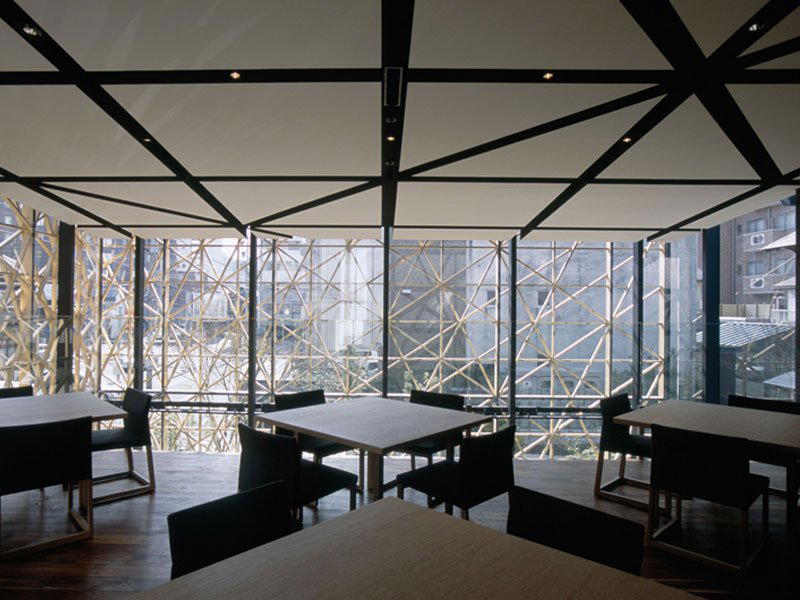
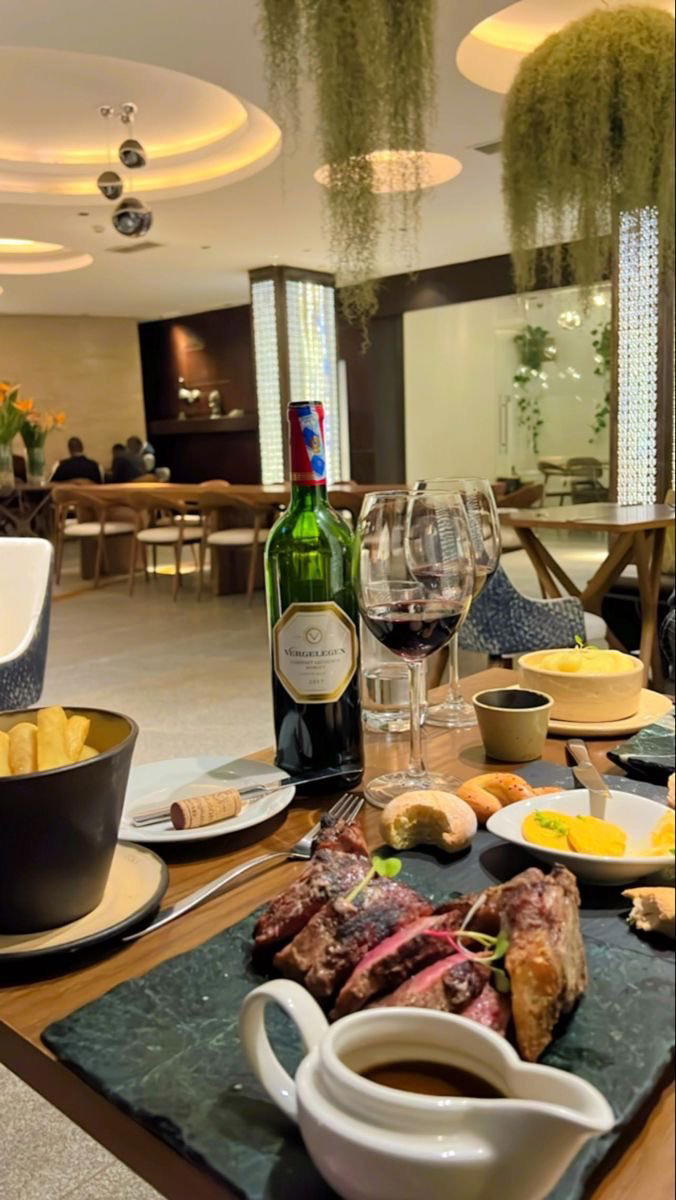
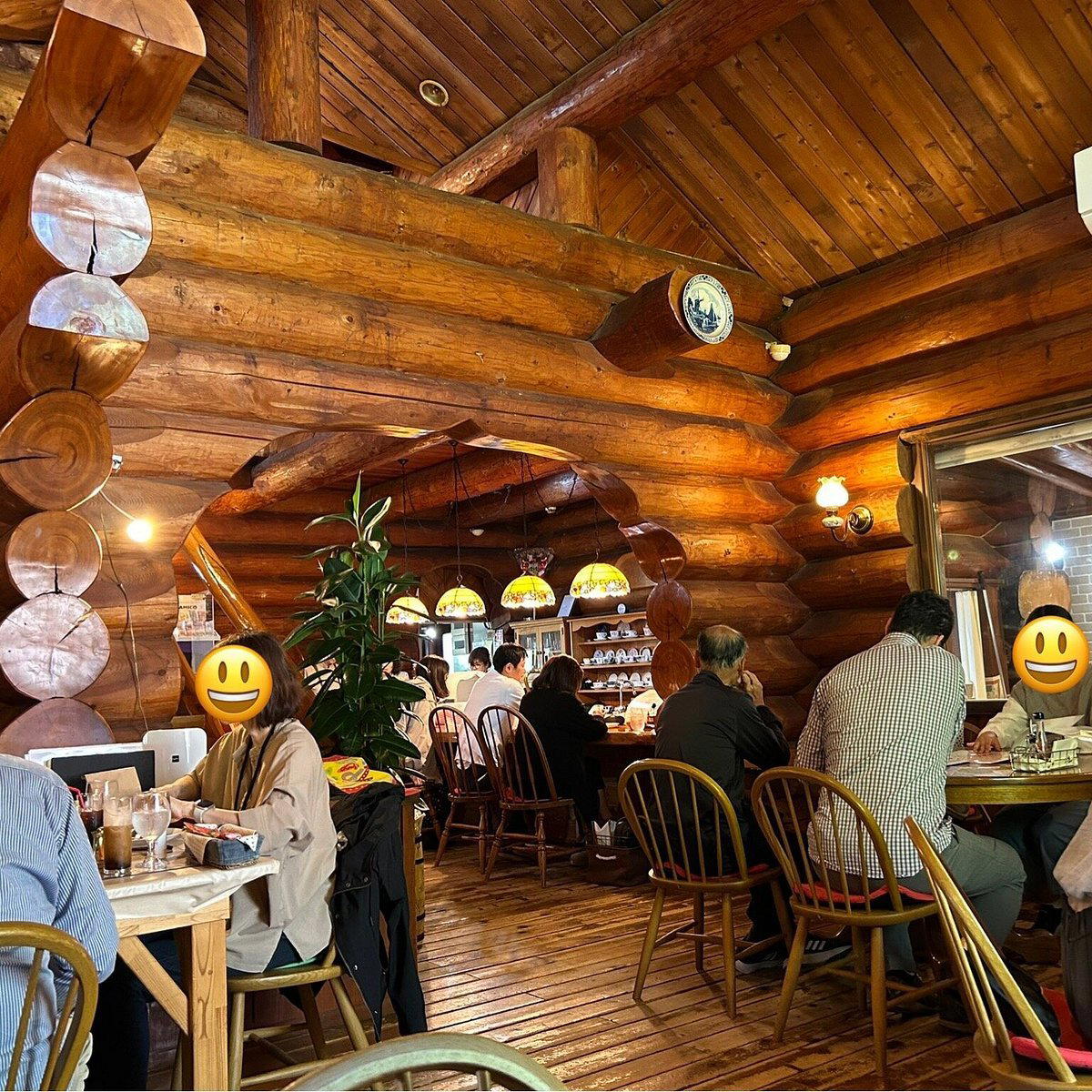
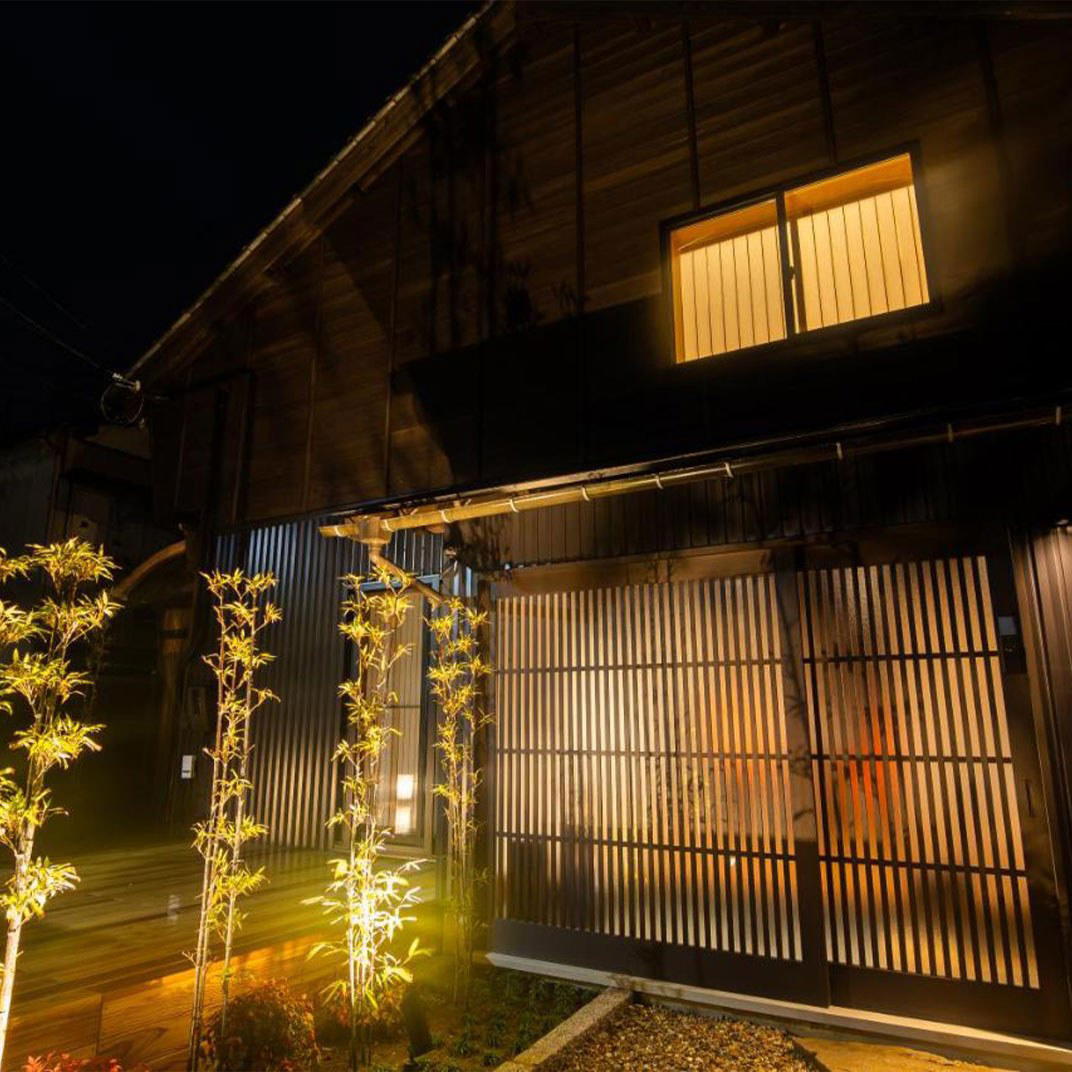
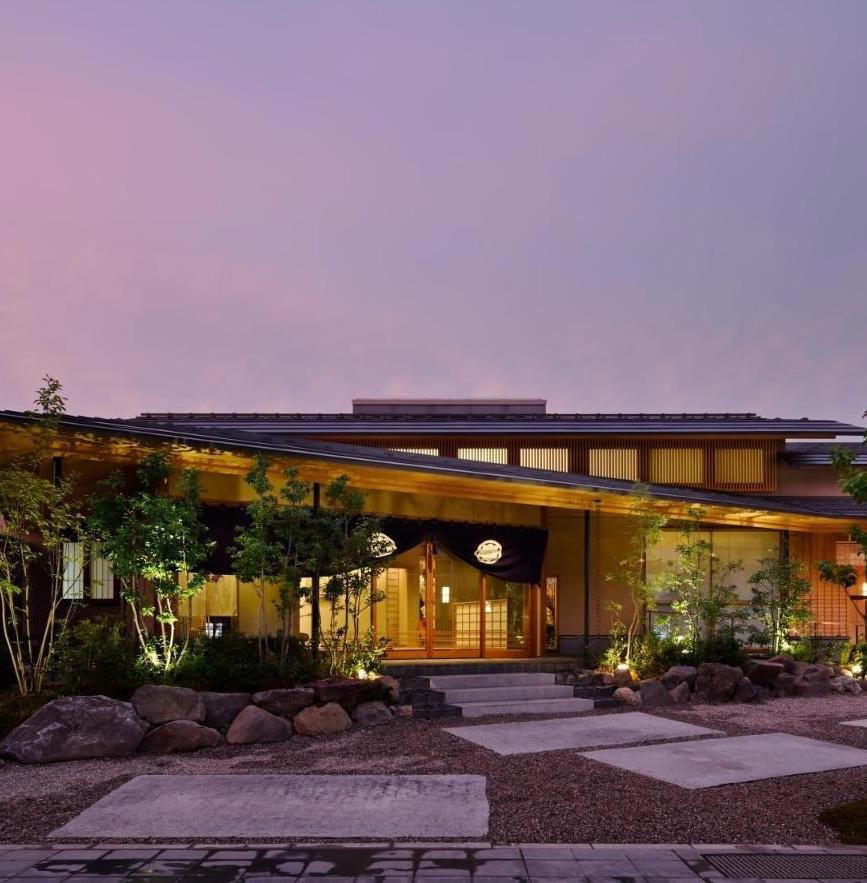
Minimalist, refined counter setting with open kitchen view; soft lighting emphasizing seasonal ingredients and chef's precision craftsmanship.
Know Before You Go
- Reservations
- Essential
- Dress code
- Smart casual
- Getting there
- Fukui Fukui City順化1124 福biru 1F