
Michelin Selected
A MICHELIN Selected auberge in Sakai's Mikunicho district, Auberge Homachi Mikuni Minato brings the ryokan-inn tradition into conversation with the waterfront character of this historically overlooked Osaka Bay port. The property sits within one of the Kansai region's quieter luxury tiers, where small-scale architectural intimacy and proximity to local fishing culture shape the guest experience more than brand infrastructure.

Pearl is the En Primeur Club membership app, where members save venues, book tables and use the concierge.
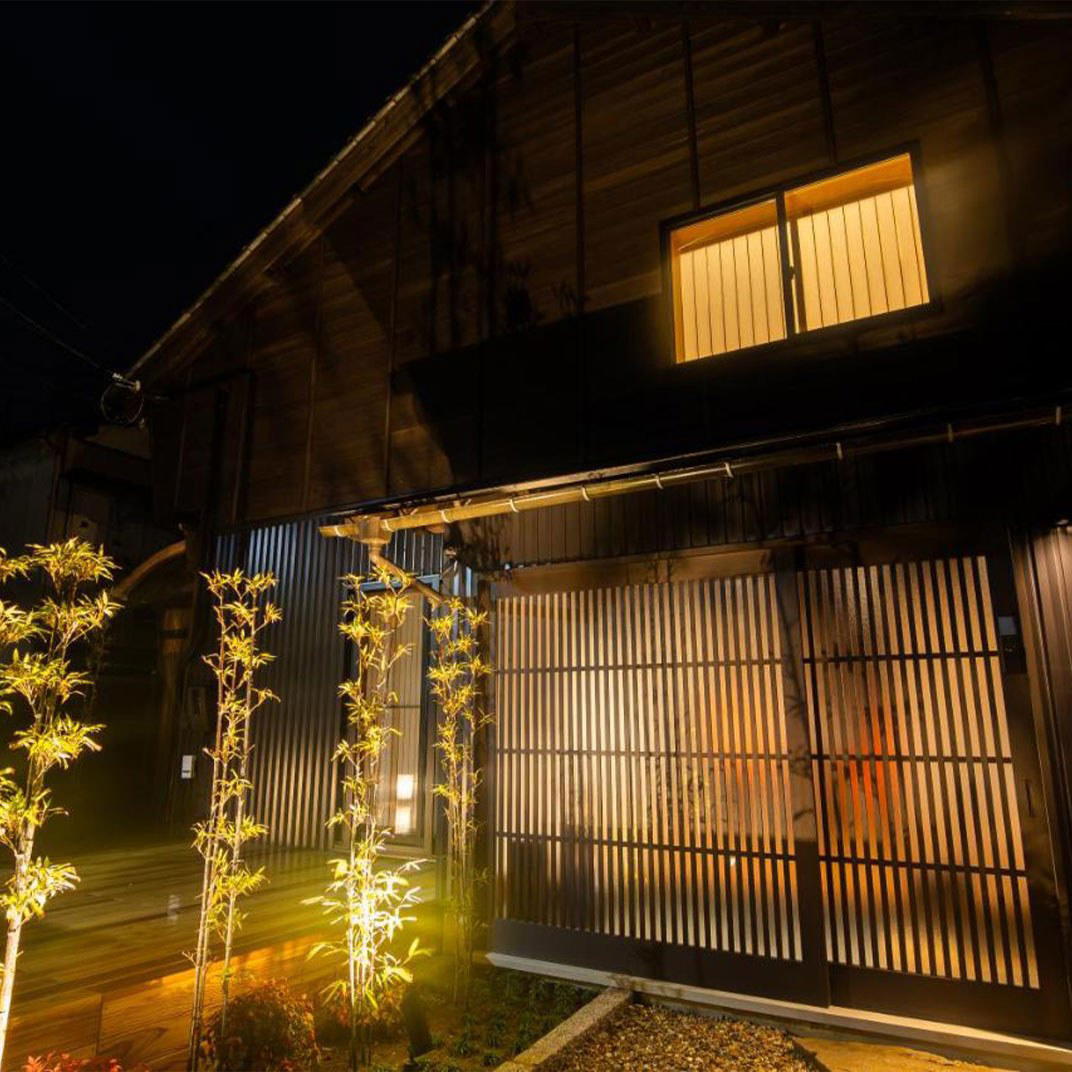
Where the Osaka Bay Coastline Shapes the Architecture
Japan's premium ryokan and auberge circuit has long favored the mountains: Hakone's cedar forests, Kyoto's hillside retreats, Hokkaido's snowfields. The coastline gets less attention from the high-end travel press, which is partly why the Mikunicho district of Sakai reads as an outlier. This is fishing-port Japan, where the architecture speaks in timber and weathered stone rather than in the ornamental garden grammar of the inland inn tradition. Auberge Homachi Mikuni Minato occupies that coastal register, positioned at 3-4-39 Minamihonmachi in a neighborhood defined by its relationship to Osaka Bay and the Kita-Maeda River mouth rather than by proximity to a major tourist corridor.
The auberge format itself carries specific architectural implications. Unlike the multi-building ryokan campus or the large-footprint hot-spring resort, an auberge typically clusters its guest experience into a more compact, inn-like structure where dining, sleeping, and common space operate in close physical conversation. In French provincial tradition, the auberge was always about the meal first, the bed second, and the building as a coherent whole rather than a series of amenities. Japan has adopted the format selectively, and the properties that carry the name here tend toward smaller key counts and a tighter integration of food and lodging than the flagship ryokan chains. The design consequence is that arrival feels less ceremonial and more immediate: you are inside the place before you have finished processing its exterior.
MICHELIN Recognition in a City That Earns It Quietly
Sakai's culinary reputation has historically been attached to its knife-making tradition, not its dining rooms. The city produces a significant share of Japan's professional kitchen blades, and that craft culture permeates how food is approached locally: precision over spectacle, material quality over presentation theater. Auberge Homachi Mikuni Minato's inclusion in the MICHELIN Selected Hotels list for 2025 places it within a tier of properties that the Guide endorses for overall quality without assigning a full star ranking, a distinction that typically reflects consistent standards across hospitality, setting, and food rather than a single exceptional performance in one category.
Within the broader Kansai region, the MICHELIN Selected tier for hotels sits below the Palace, Aman, and flagship Ritz-Carlton bracket represented by properties like Higashiyama Niseko Village, a Ritz-Carlton Reserve in Niseko or the design-led urban anchors such as Bvlgari Hotel Tokyo and HOTEL THE MITSUI KYOTO, but it signals a meaningfully different value proposition: place-specific character over brand infrastructure.
The Coastal Auberge as Architectural Category
Japan's ryokan and auberge spectrum has bifurcated in recent years between large onsen resort complexes with extensive programming and tightly curated small properties where the physical space does more communicative work. Properties like Gora Kadan in Hakone, Asaba in Izu, and Zaborin in Kutchan represent the design-led smaller end of that spectrum, each with a distinct material and spatial identity rooted in its geography. Amanemu in Mie demonstrates how a coastal site can anchor a premium property that operates on landscape and water proximity as primary assets rather than on architectural spectacle alone.
Homachi Mikuni Minato reads within that lineage. Mikunicho is a district with a working port history, and the architecture of the area reflects practical building traditions rather than resort aesthetics. A property that integrates itself into that environment, rather than imposing imported design language onto it, makes a different kind of spatial argument. The MICHELIN recognition suggests the integration is legible enough to register as a coherent guest experience rather than an ad hoc conversion.
For guests moving through the Kansai region and seeking alternatives to the Kyoto-centric inn circuit, the coastal location offers an architectural counterargument: Osaka Bay light, port-town material culture, and a quieter pace than either central Osaka or the major onsen valleys. Comparable coastal positioning in other prefectures is reflected in properties like Sekitei in Hatsukaichi-shi or Nishimuraya Honkan in Kinosaki-cho, both of which use water adjacency and local material traditions as the backbone of their guest identity.
Sakai as a Base: Context Matters
Sakai sits immediately south of Osaka, accessible by the Nankai line in under thirty minutes from Namba. It is not a transit destination in the way that Kyoto or Nara are; most visitors arrive with specific intent, whether for the knife district, the Daisen-Kofun burial mound (one of the largest ancient tombs in the world by surface area), or the quieter Mikunicho waterfront. The Mikunicho address places the auberge at the port edge of the city rather than in its commercial center, which shapes arrival: this is a neighborhood you seek out rather than one you pass through. For context on what the broader Sakai dining and hospitality scene offers around the property, our full Sakai restaurants guide covers the city's culinary positioning in more detail.
The regional context is worth mapping explicitly. Japan's inn circuit at this price tier tends to cluster around thermal spring towns and mountain resorts. Properties that operate in working port districts, without onsen infrastructure as a primary draw, make a different argument for the guest's time. That argument rests on food, architectural specificity, and neighborhood character. The auberge format, with its French-inflected emphasis on the meal as the organizing principle of the stay, suits this kind of location better than the full ryokan ceremony, which can feel incongruous without the hot-spring ritual to anchor it.
For guests comparing across Japan's broader luxury accommodation tier, Benesse House in Naoshima, Fufu Nikko, and Kamenoi Besso in Yufu each represent the design-led, place-rooted approach to Japanese hospitality that positions itself outside the major chain footprint. Homachi Mikuni Minato belongs to that conversation, with the additional distinction of a coastal Osaka Bay address that remains genuinely underrepresented in the international travel press.
Planning a Stay
Properties of this type and scale in Japan frequently operate on a dinner-and-breakfast inclusion model, which is worth confirming at booking. Arrival by train to Sakai-Mikunihama or Mikunicho stations on the Nankai Koya line is the standard approach from central Osaka; taxi or pre-arranged transfer covers the final distance to the Minamihonmachi address. Given the property's small-scale auberge format and MICHELIN recognition, advance booking is advisable, particularly for weekend nights and during the Kansai travel peaks of spring and autumn.
Comparable Spots, Quickly
Comparable venues nearby, for context on price, style, and recognition.
| Venue | Cuisine | Awards | Notes |
|---|---|---|---|
| Auberge Homachi Mikuni MinatoThis venue (the venue you are viewing) | Dispersed machiya townhouse hotel revitalizing historic buildings in a port town. | Michelin Selected | Not listed |
| The Shinra | Tower ryokan blending traditional onsen with modern resort design | Michelin Selected | Tateyama Onsen-kyo |
| KAI Aso (界 阿蘇) | Contemporary ryokan with private villas in national park | 4-Star | Kokonoe-machi |
| KAI Yufuin (界 由布院) | Contemporary ryokan blending traditional Japanese farmhouse architecture with modern design | 4-Star | Yufuin Onsen |
| 界 津軽 | Modern Japanese ryokan with Tsugaru cultural integration | 4-Star | 大鰐温泉 |
| seven x seven Ishigaki | Self-hospitality luxury resort with low-touch service and high-end comforts. | Michelin Selected | Maezato |
Recognition history
Dated appearances from independent guides and award organizations, with the underlying list record or original source where available.
Michelin Selected
Michelin
Continue exploring
More in Sakai
Hotels in Sakai
All hotels in Sakai →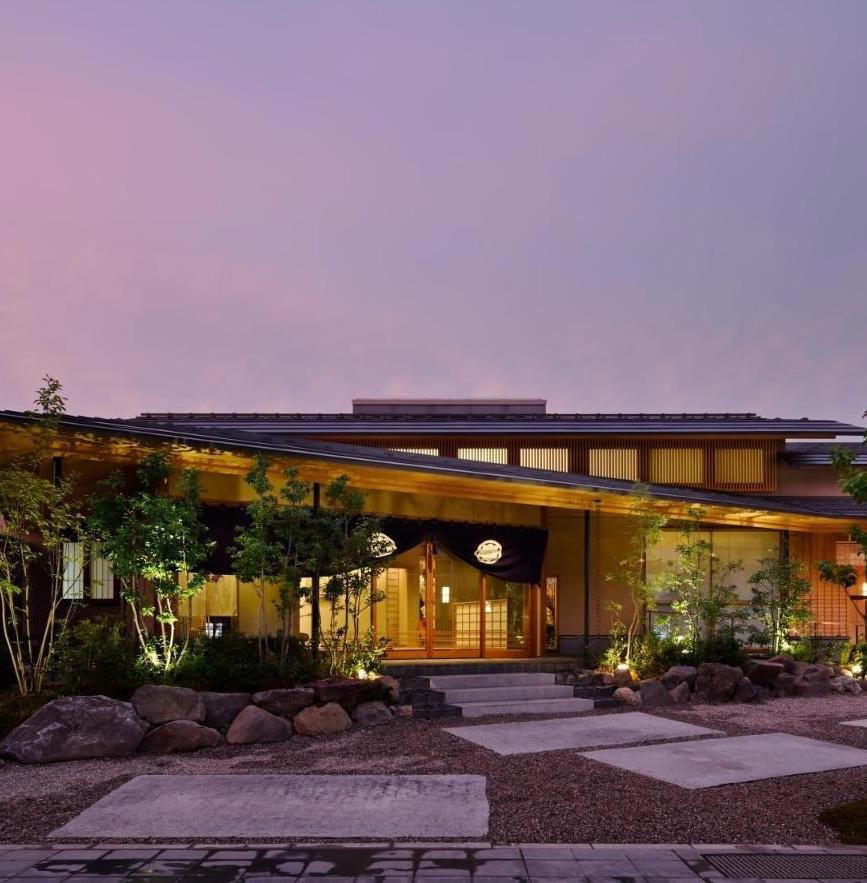
Details
- Romantic
- Quiet
- Elegant
- Classic
- Intimate
- Scenic
- Romantic Getaway
- Anniversary
- Weekend Escape
- Historic Building
- Private Villa
- Wi Fi
- Parking
- Air Conditioning
- Fitness Center
- Restaurant
- Front Desk
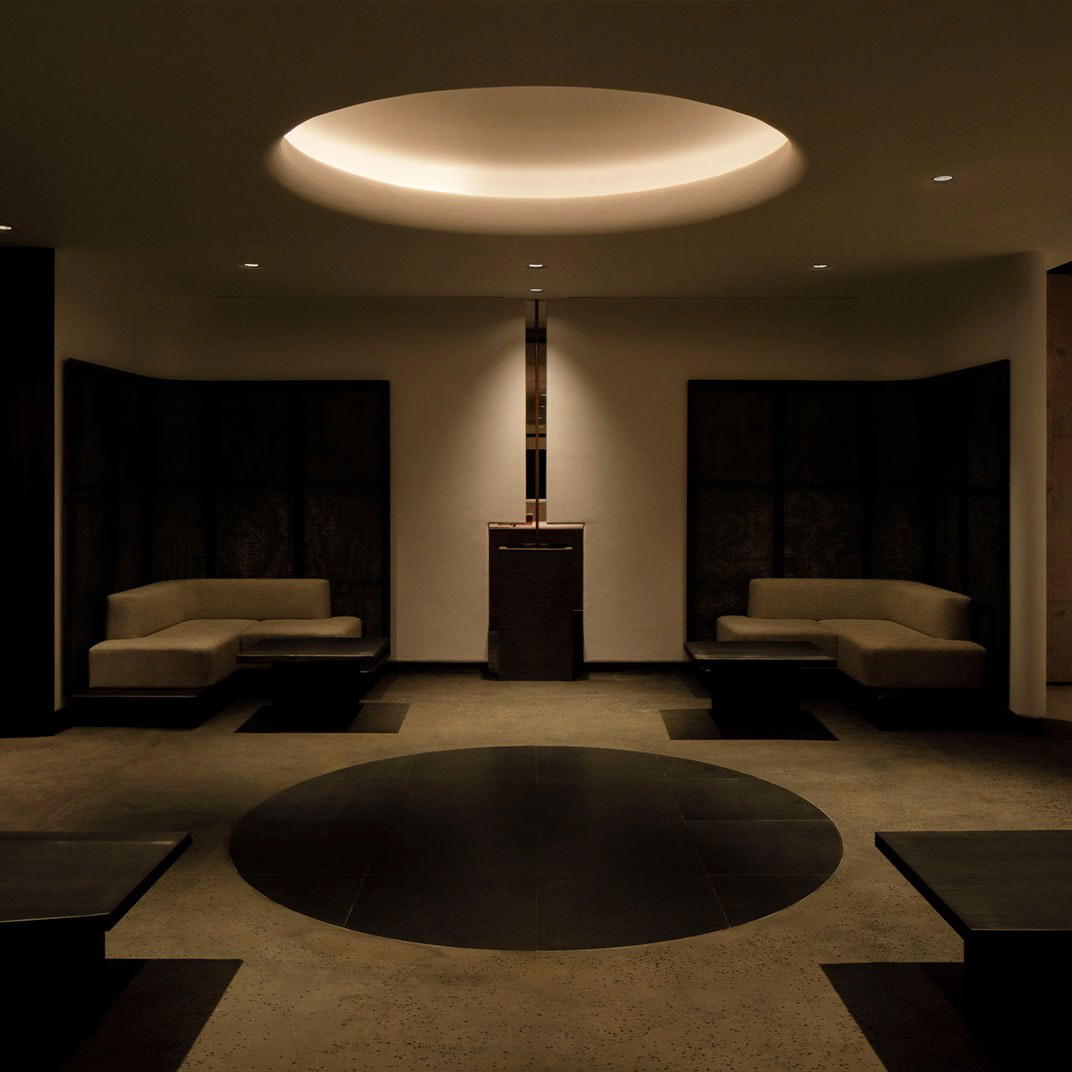
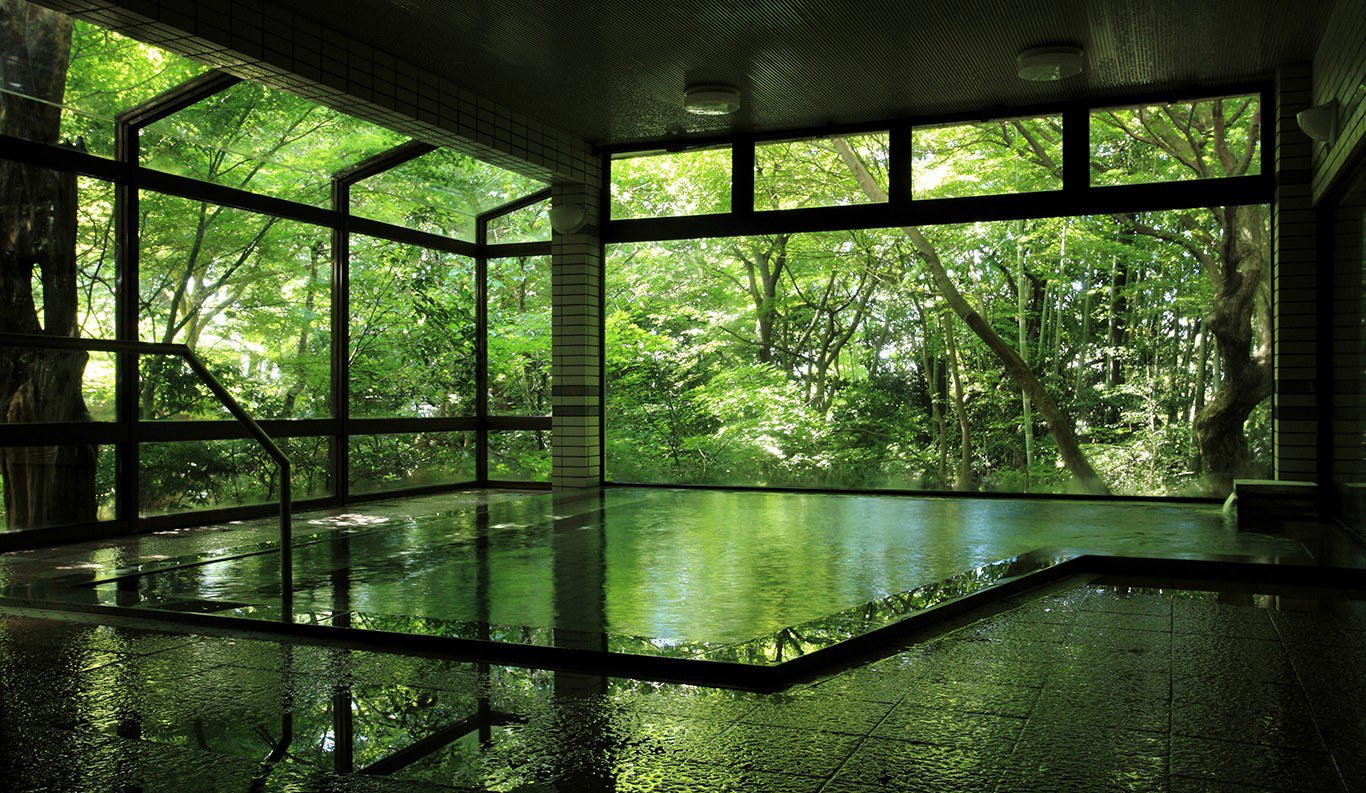
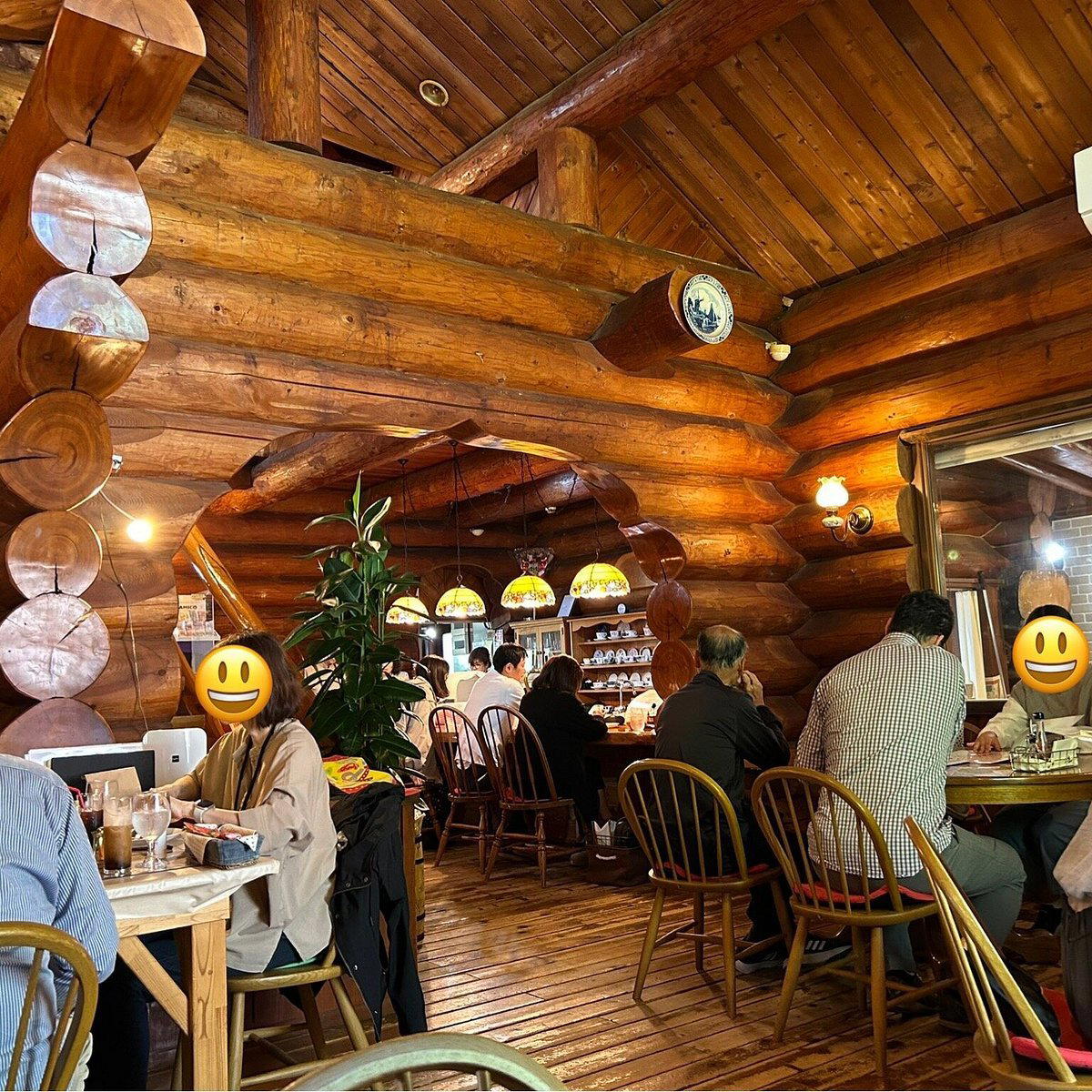
Soft lighting with wooden accents, exposed beams, latticed windows, tatami rooms, and local crafts creating a nostalgic, elegant atmosphere evoking historic port town charm.