Our verdict
In the Mikunicho Shinmei district of Sakai, Fukui, 魚心楼 sits within a regional dining culture shaped by the Sea of Japan's cold-water catch and the prefecture's prized agricultural produce. The restaurant draws on Fukui's deep traditions of ingredient-led cooking, placing it among a small cohort of Sakai addresses where provenance, not spectacle, drives the menu. For travellers moving through the Hokuriku corridor, it represents a reason to pause rather than pass through.

Pearl is the En Primeur Club membership app, where members save venues, book tables and use the concierge.
Where Fukui's Larder Meets the Table
Sakai, Fukui occupies a stretch of the Hokuriku coast that has fed Japan's imperial kitchens and high-end restaurant supply chains for centuries. The city sits at the edge of a prefecture whose credentials in ingredient production are specific and well-documented: Echizen crab, the snow-aged koshihikari rice strains of the Reihoku highlands, and the cold-water fish pulled from Sea of Japan trawling grounds that supply restaurants as far south as Osaka and Kyoto. In that context, a restaurant in the Mikunicho Shinmei district is not operating in isolation. It sits inside a supply network that gives even modestly positioned local dining rooms access to produce that urban restaurants pay premiums to source from a distance.
魚心楼 is addressed at 3 Chome-7-23 Mikunicho Shinmei, placing it within the older residential and commercial weave of Sakai rather than along the more tourist-facing waterfront strips. That address matters because it shapes the kitchen's likely supply relationships: proximity to the port landings, access to the daily fish markets that characterise Sakai's commercial core, and embeddedness in the kind of neighbourhood where sourcing is a practical conversation rather than a marketing exercise.
The Hokuriku Ingredient Argument
Japan's restaurant criticism has increasingly trained its attention on what chefs in the Kansai-adjacent prefectures do with produce that Kyoto and Osaka treat as imported luxury. Fukui is a key node in that argument. The prefecture's fishing grounds yield nodoguro (blackthroat seaperch), hata-hata (sandfish), and winter-season Echizen crab at quantities and qualities that make local cooking structurally different from what happens in cities two hours south, where the same fish arrives at a price mark-up and sometimes a day older.
Regional Japanese dining has split broadly into two approaches over the past decade. One strand chases Michelin recognition through technical elaboration, importing techniques from French kitchens and applying them to local product. The other operates on the premise that the ingredient itself, prepared with restraint and served close to its source, carries the meal. Sakai's most coherent local restaurants sit closer to the second position. For a comparative frame on what technically ambitious ingredient-led cooking looks like at a higher tier of recognition, HAJIME in Osaka and Gion Sasaki in Kyoto represent the kind of investment in sourcing infrastructure that sets the upper benchmark for the region. At the local level in Sakai, Kawaki works within a seafood-specific register that makes it a useful peer reference for 魚心楼.
Approaching the Room
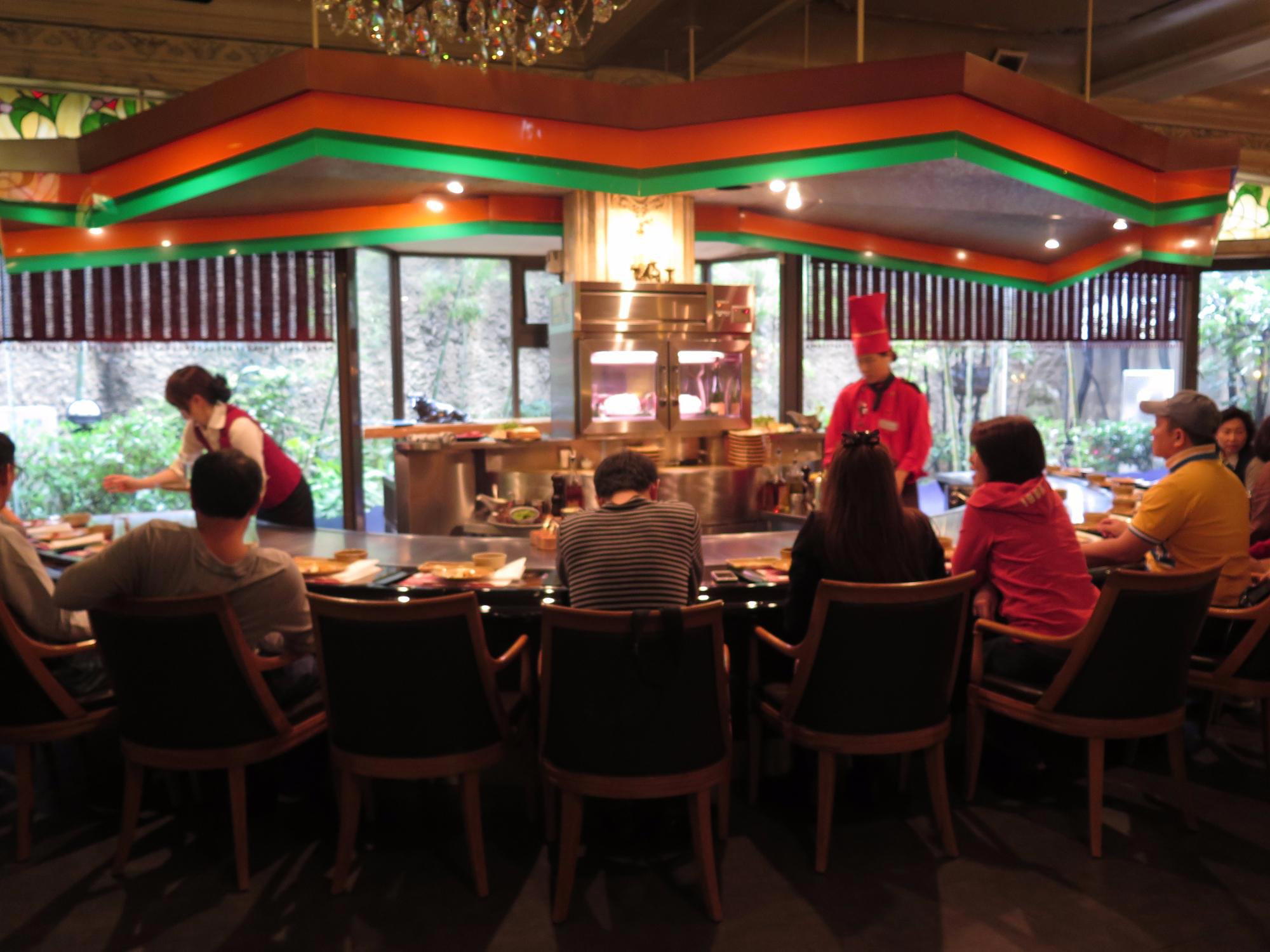
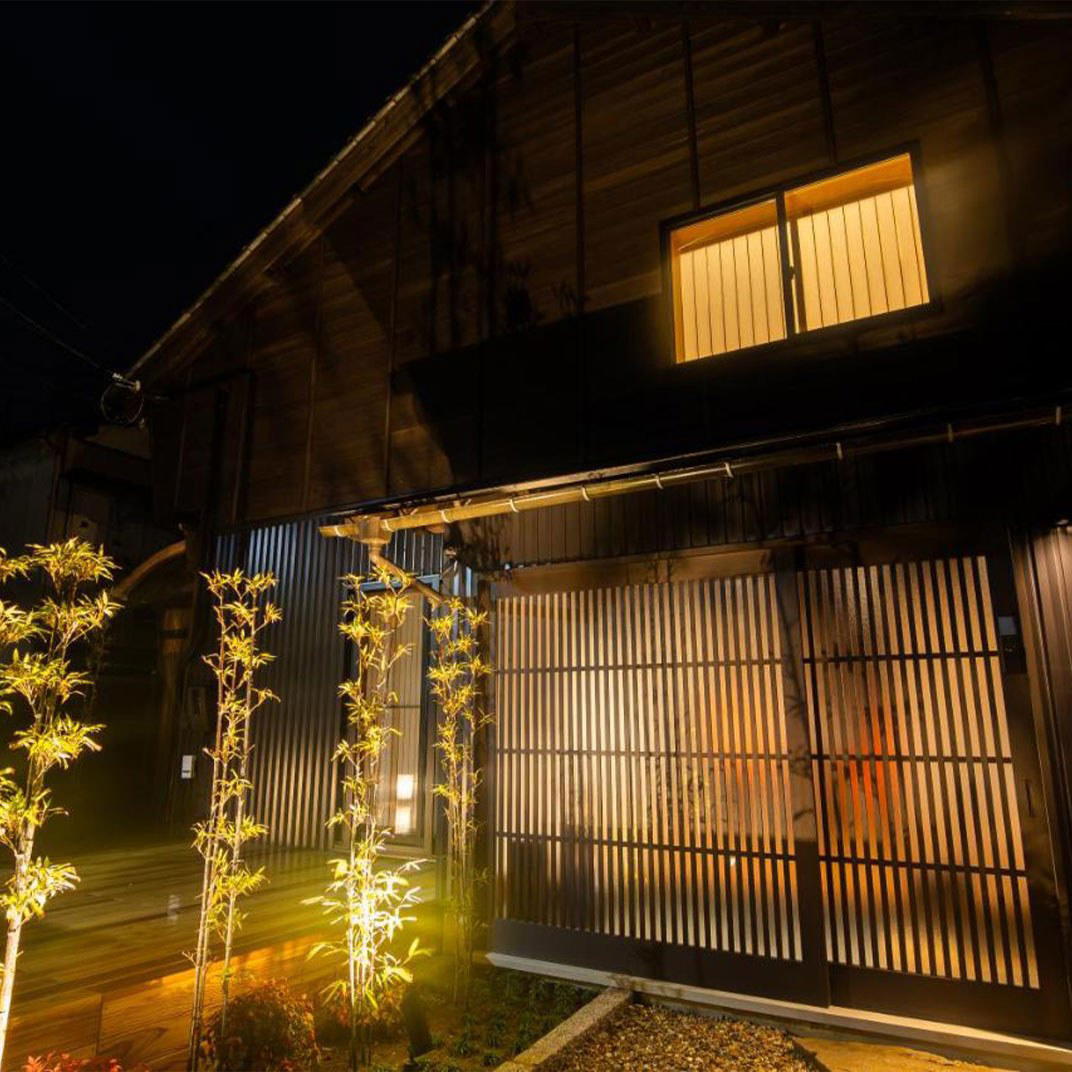
The Mikunicho Shinmei neighbourhood reads, at street level, as working Sakai: low-rise buildings, the understated signage common to Japanese restaurants that have no need to announce themselves to strangers, and a quietness that distinguishes it from the performative dining districts of larger cities. Walking toward a restaurant in this part of the city, the expectation is not visual theatre. The room, when you reach it, is likely to be compact and deliberate in the way that Japanese dining rooms in secondary cities tend to be: furniture chosen for function, lighting that serves the food rather than the social display, and a pace set by the kitchen rather than by a front-of-house team optimised for table turns.
For travellers accustomed to the signal-heavy environments of Tokyo or Osaka dining, this register can read as understatement. It is more accurately described as confidence in what the plate contains. The Hokuriku dining tradition does not require a designed arrival sequence to make its point.
Sakai in Its Regional Context
Sakai, Fukui should not be confused with Sakai, Osaka, the better-known city south of the capital. The Fukui iteration is smaller, positioned along the Sea of Japan coast, and functions as a regional hub for fishing and food production rather than as a tourism destination. That distinction is relevant to how dining here works: the audience is primarily local, the supply chains are short, and the competitive set is defined by other Hokuriku prefectural cities rather than by Kyoto or Tokyo pricing tiers.
Within Fukui's dining geography, restaurants that hold a local reputation over many years do so by serving a regular clientele who have direct knowledge of what the ingredients should taste like at their seasonal peak. That audience is harder to satisfy with theatrical substitutions than the tourist-heavy rooms of more visited cities. It also means that a restaurant's continued presence in a neighbourhood like Mikunicho Shinmei carries its own implicit credential.
For a broader sense of how regional Japanese dining operates outside major metropolitan centres, 一本杉川嶋制 in Nanao and 湖邸庵in Takashima offer comparable case studies in Hokuriku and Lake Biwa-adjacent cooking respectively. Further along the coast toward Tohoku, 庄羽屋 in Nishikawa Machi represents a similar dynamic of local-supply-led menus in low-visibility settings. For the sharpest counterpoint in terms of how ingredient sourcing translates to formal recognition, Harutaka in Tokyo demonstrates how Hokuriku and Tohoku seafood functions inside an omakase format priced at the top of the market.
Planning a Visit
Sakai is accessible by limited express train from Fukui city on the Hokuriku Main Line and from Kanazawa to the north, placing it within a logical day-trip or overnight radius for travellers working the Kanazawa-Fukui-Kyoto corridor. Arrival timing in this part of Sakai rewards walking the neighbourhood before a meal rather than arriving precisely on schedule: the Mikunicho Shinmei district is small enough to read in fifteen minutes on foot.
Other Sakai addresses worth mapping alongside a visit include Oga, Ootoku, Birdland, and Domani, each operating within the city's compact but coherent dining offer. For travellers building a wider Kansai or Chubu itinerary, akordu in Nara and Goh in Fukuoka occupy different regional traditions but share the same commitment to provenance-led menus. The full Sakai restaurants guide provides a structured overview of the city's dining options by category. For a global reference point on how ingredient sourcing functions at the highest level of formal restaurant cooking, Le Bernardin in New York City and Atomix in New York City illustrate the distance between local supply-chain cooking and internationally capitalised ingredient programs.
For Sapporo's parallel in terms of northern Japanese ingredient culture, 夕顔庵之 in Sapporo provides a Hokkaido frame of reference. And for readers considering the artisanal Western Japan restaurant format from a different angle, Bistro Ange in Toyohashi shows how French-influenced cooking adapts to regional Japanese supply in a comparable city scale.
Frequently asked questions
Is 魚心楼 child-friendly?
No specific family policy is documented for 魚心楼. The Mikunicho Shinmei address and the broader tradition of ingredient-focused dining in Sakai, Fukui tend toward quiet, considered settings where table conduct matters. Contacting the venue directly before visiting with children is advisable.
What should I expect atmosphere-wise at 魚心楼?
The Mikunicho Shinmei neighbourhood presents a working, low-profile streetscape typical of smaller Hokuriku towns, and restaurants here rarely signal themselves loudly. Inside, venues along this stretch of the Sakai, Fukui coast generally prioritise the produce over the theatre, expect a restrained room where the cooking holds the attention rather than the decor.
What dish is 魚心楼 famous for?
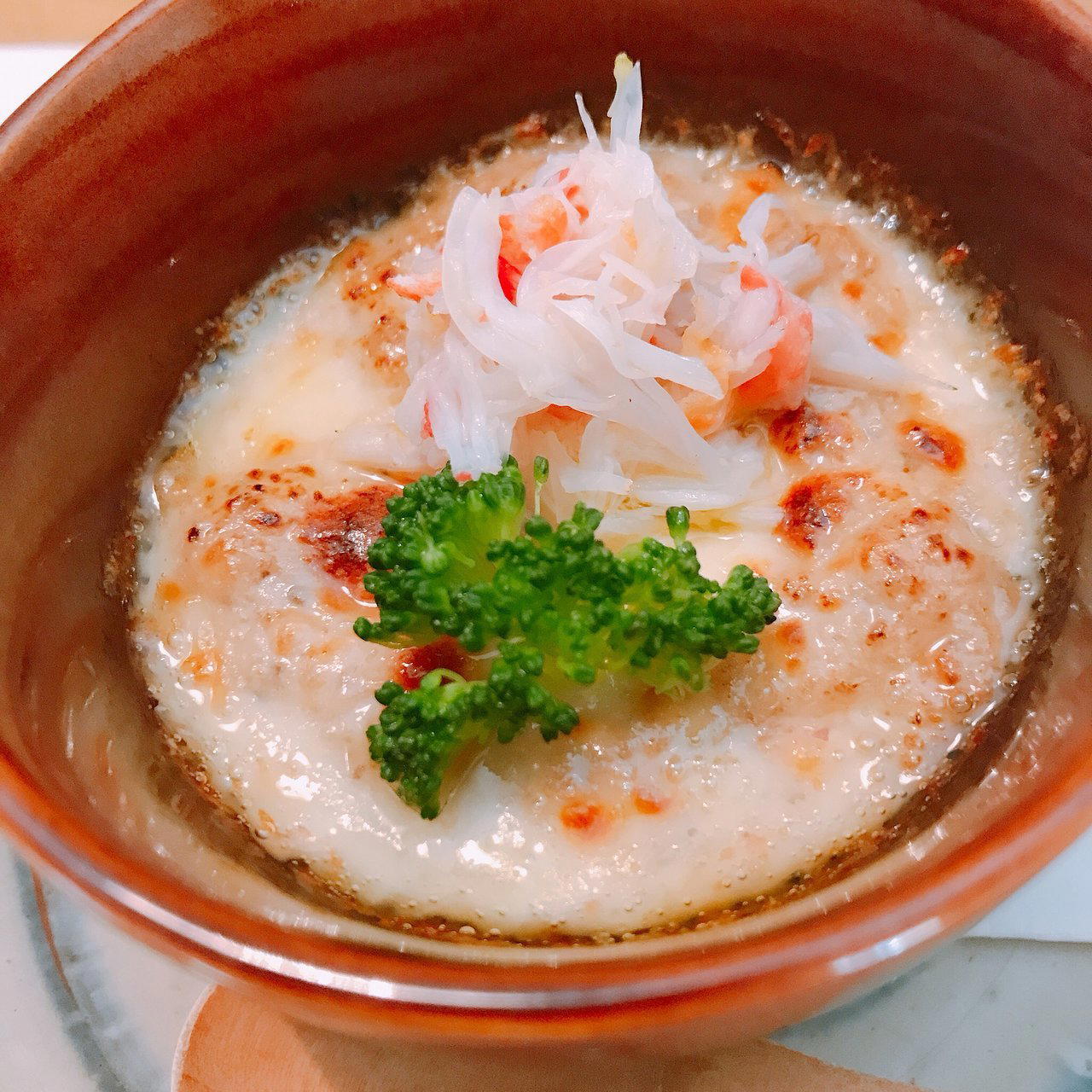
What is clear from its Sakai, Fukui location is that the surrounding Hokuriku coastline produces Japan Sea seafood, crab, yellowtail, and seasonal fish, that supplies high-end kitchens across Kansai. Any menu here draws from that same larder.
Why do food-focused travellers make the trip to Sakai, Fukui specifically to eat at addresses like 魚心楼?
Sakai sits on a stretch of Fukui coastline that has supplied imperial and high-end restaurant kitchens for centuries, giving local dining rooms access to Japan Sea crab, aged fish, and mountain-coastal produce that chefs in Kyoto and Osaka source from this exact region. The Hokuriku Main Line connects Sakai to Fukui city and Kanazawa, making it a logical addition to a northern Japan itinerary rather than a standalone detour. Dining at a Mikunicho Shinmei address means eating closer to the ingredient origin than most comparable menus in the country.
Fast Comparison
| Venue | Cuisine | Price | Awards | Notes |
|---|---|---|---|---|
| éå¿æ¥¼This venue (the venue you are viewing) | Traditional Japanese Kaiseki | $50–100 | Not listed | Not listed |
| Kawaki | Echizen Crab Specialist | $500+ | Not listed | Seafood |
| Oga | Premium Bluefin Tuna Omakase | $300–500 | Tabelog Bronze #331 | Not listed |
| Osamuchan | Yakiniku Omakase | $100–150 | Tabelog Bronze #343 | Not listed |
| Birdland | Authentic Neapolitan Pizza | $30–50 | Tabelog 100 #74 | Not listed |
| æ±é | Japanese Restaurant | Not listed | Not listed | Not listed |
Continue exploring
More in Sakai
Restaurants in Sakai
All restaurants in Sakai →
Details
- Elegant
- Classic
- Sophisticated
- Special Occasion
- Date Night
- Business Dinner
- Open Kitchen
- Sake Program
- Local Sourcing
- Set Menu
- Sake
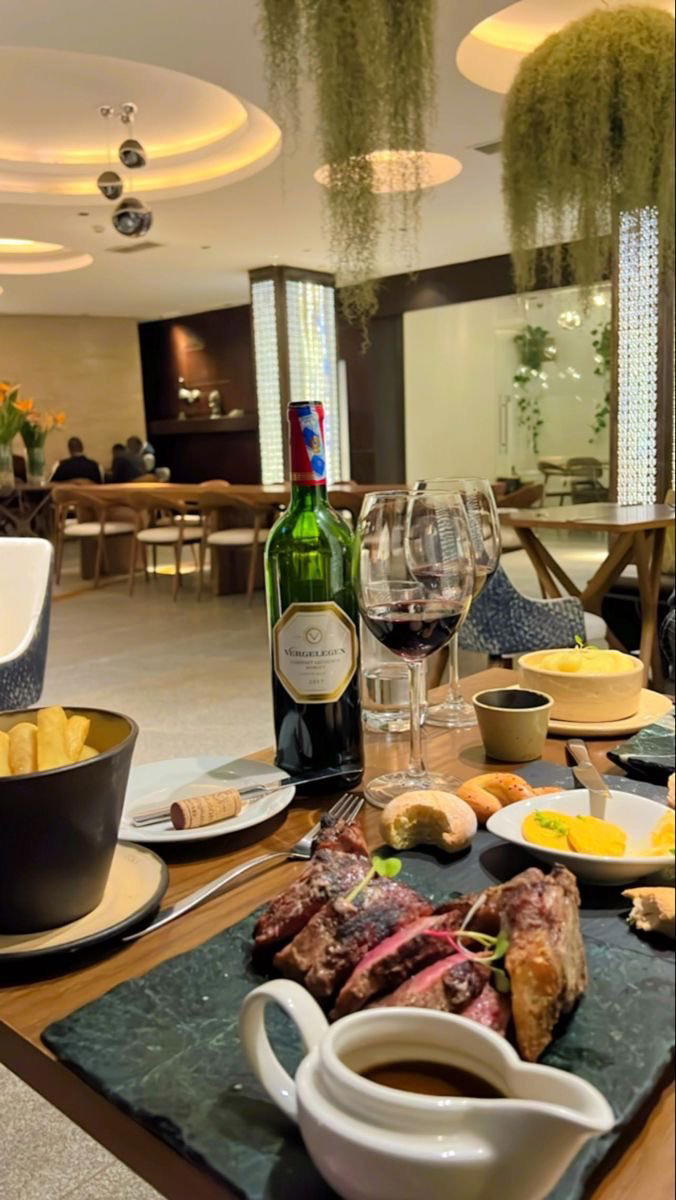
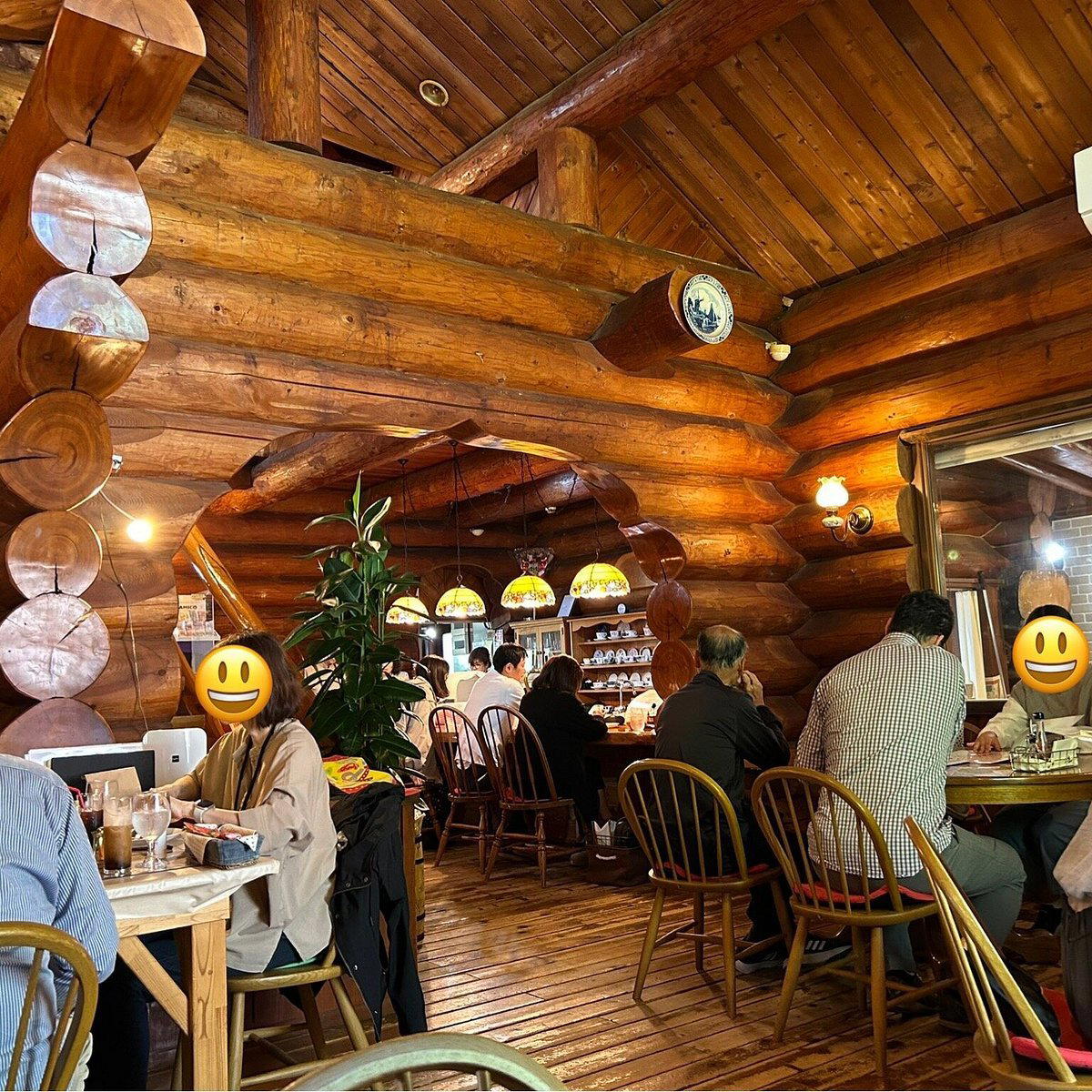
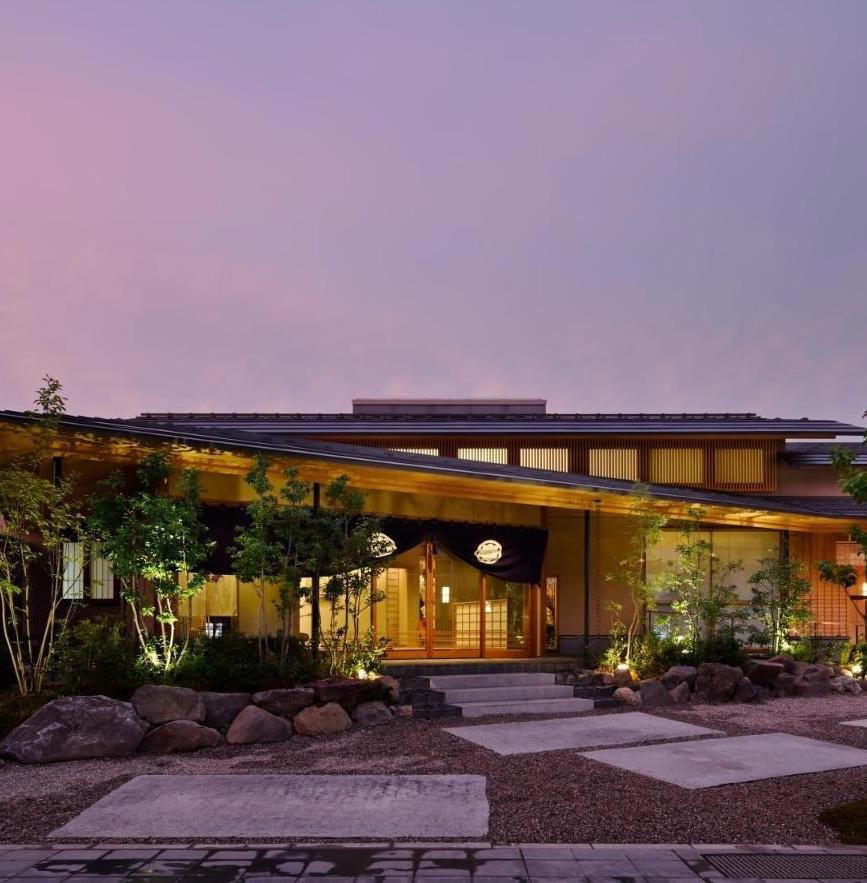
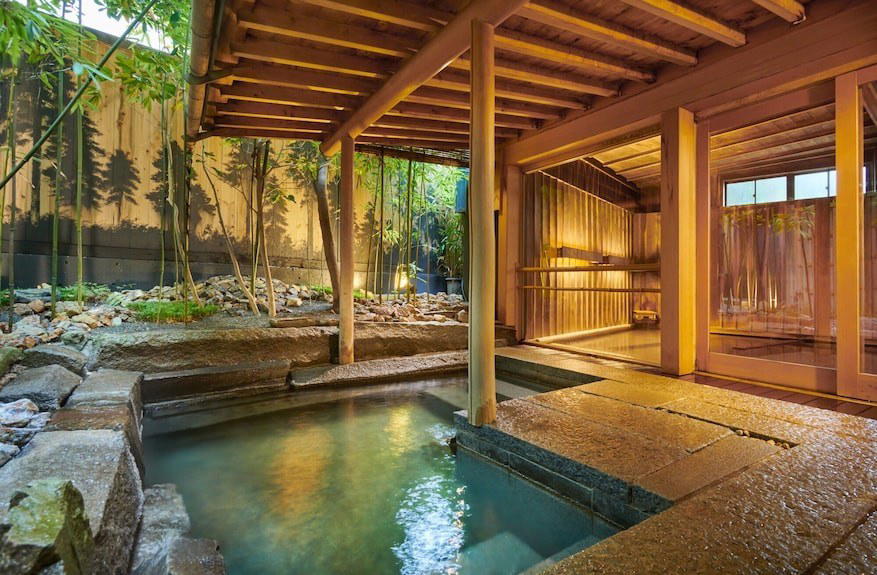
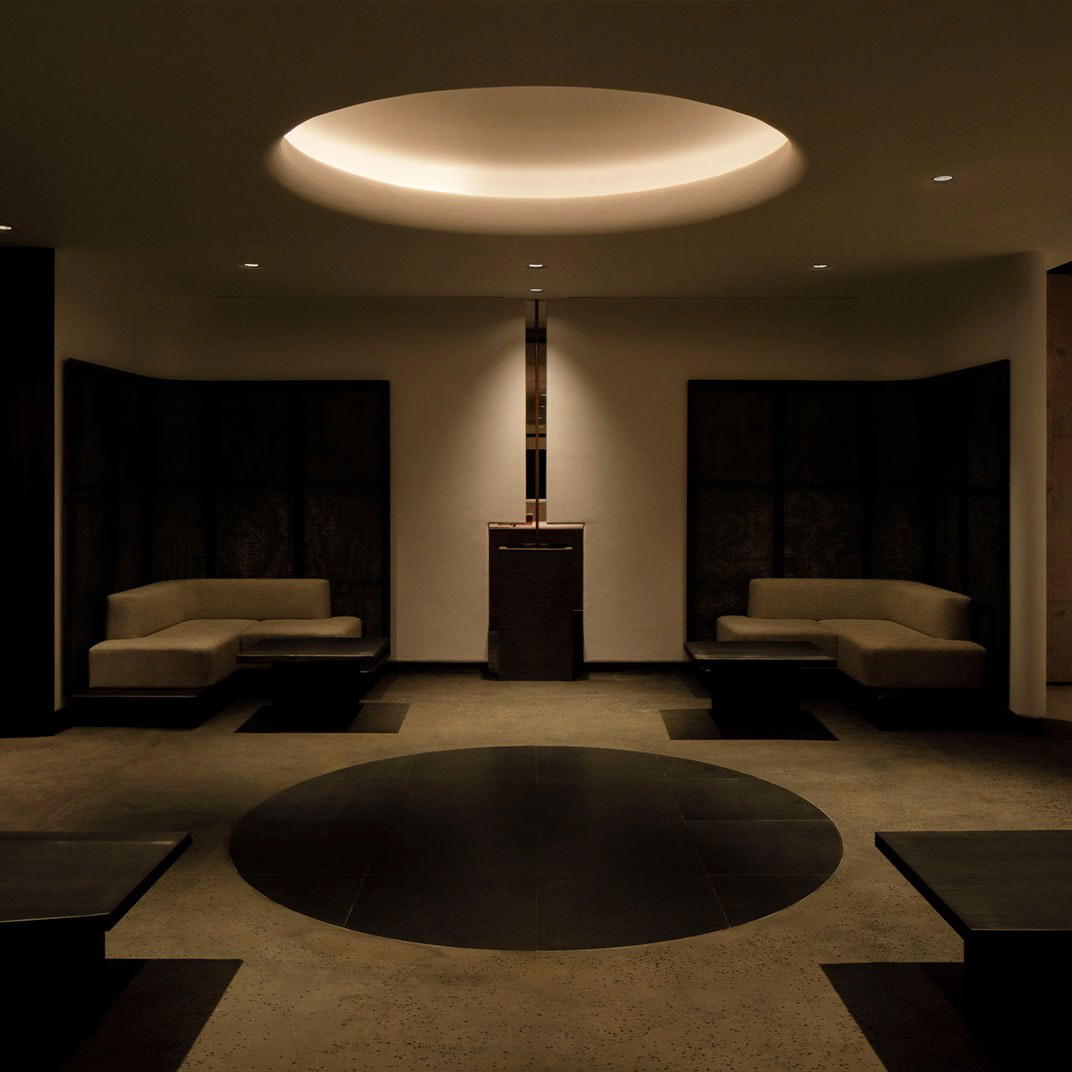
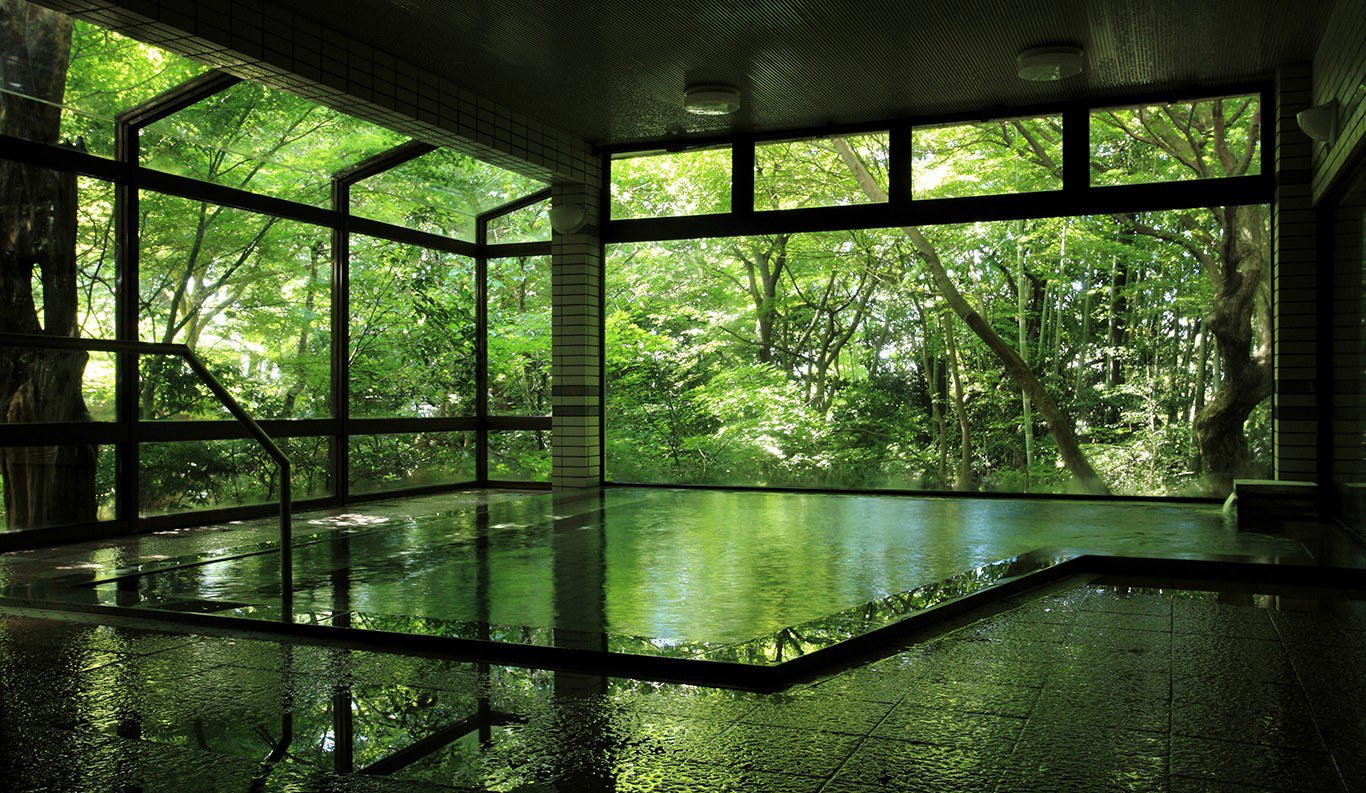
Refined and serene atmosphere with warm lighting and traditional Japanese aesthetic elements.