


Kaikatei has held a Tabelog Bronze Award every year since 2017 and earned selection in the Tabelog Chinese EAST Top 100 in 2021, 2023, and 2024, placing it among the most consistently recognised Chinese restaurants in central Japan. With 24 seats in Gifu City and a dinner price point of JPY 10,000–14,999, it operates at a tier where wok technique and kitchen precision carry the full weight of the experience.
Pearl is the En Primeur Club membership app — saves, bookings, and concierge access live there. Same editors, same standards.
- Address
- 3 Chome-9-21 Central, Fukui, 910-0006, Japan
- Phone
- +81 776-23-1009
- Website
- kaikatei.biz
- Directions
- Get directions
 Saves & bookings on Pearl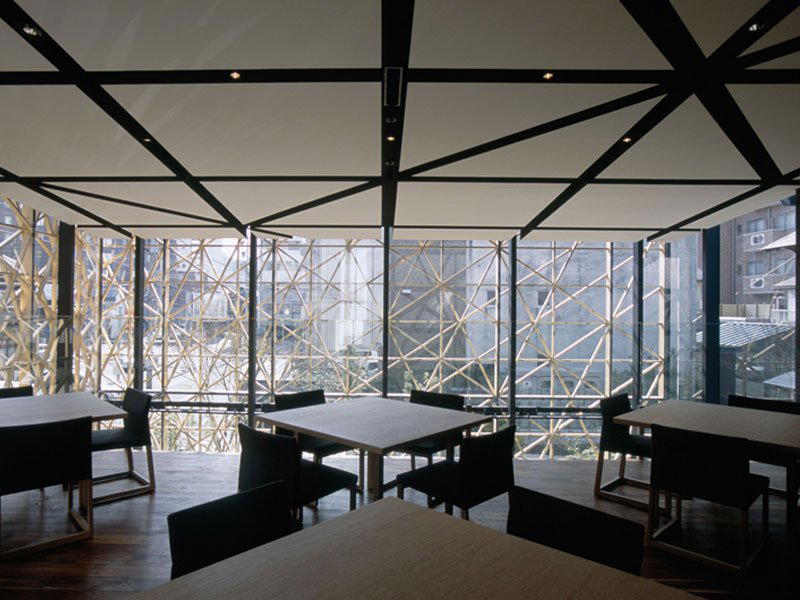
Chinese Cooking at High Heat in Provincial Japan
The most interesting Chinese restaurants in Japan right now are not in Tokyo's Ginza or the hotel dining rooms of Osaka. They are in mid-size cities where a single kitchen has spent years building a reputation through repetition and technique rather than media cycles. Gifu City is one of those places. Kaikatei, located in the Takamicho district a short walk from Meitetsu Gifu Station, has accumulated a Tabelog Bronze Award in every year from 2017 through 2026, a run of consistency that sits it firmly alongside the most durable Chinese addresses in eastern Japan.
The Architecture of Wok Hei
Chinese cooking at this level is a study in controlled heat. Wok hei, the smoky, slightly charred character that distinguishes Chinese restaurant cooking from home preparation, requires a professional wok range delivering flame output that a domestic burner cannot match. The technique demands split-second decisions: when to toss, when to rest, when to add liquid so that it flashes off rather than steams. Kaikatei's 24-seat format, split between eight counter seats on the ground floor and 16 table seats upstairs, is deliberately compact. That compression matters. A smaller service count allows the kitchen to maintain the high-heat discipline that larger banquet-style Chinese restaurants often sacrifice in favour of throughput. Counter seats, in particular, put that dynamic on display in a way that a conventional table arrangement does not.
The eight counter seats occupy the ground floor and represent the sharper edge of the experience. Watching a wok kitchen operate at full output, the timing between courses tightened, the sauce work executed in rapid succession, is a different proposition from the upstairs table format. Both serve the same kitchen, but the spatial relationship changes the register. This counter-versus-table split is common in the premium Chinese segment in Japan, where the genre has absorbed some of the counter-dining culture that defines sushi and kaiseki at the leading end.
A Consistent Record in a Competitive Category
Tabelog's Chinese EAST Top 100 is a meaningful credential in this context. The list covers a large geographic territory and is driven by review volume and score stability over time, not a single annual visit by a small panel. Kaikatei has appeared in that selection in 2021, 2023, and 2024, which indicates sustained performance rather than a single strong cycle. The Bronze Award record, running unbroken from 2017 to 2026, adds a further layer. Many restaurants in Japan achieve a single year of recognition and then drift. A decade-long streak suggests the kitchen has maintained both quality and a consistent guest base willing to return and re-score over years.
In the broader context of award-recognised dining in Japan, Kaikatei sits in a different tier from three-Michelin-star addresses such as Harutaka in Tokyo or HAJIME in Osaka, or the refined kaiseki of Gion Sasaki in Kyoto. But it occupies a niche those venues do not: a technically serious Chinese kitchen in a provincial capital, priced and sized for a local dining public rather than destination tourism. That positioning is not a limitation. It is the point. Comparison venues like Restaurant Tim Raue in Berlin or Mister Jiu's in San Francisco show what Chinese cuisine can achieve when treated as a serious fine-dining proposition. Kaikatei operates in that same spirit, scaled to a 24-seat room in Gifu rather than a metropolitan stage.
Dinner, Lunch, and the Price Gap Between Them
The dinner price band sits between JPY 10,000 and JPY 14,999, with actual spend based on reviews running higher, in the JPY 20,000–29,999 range for dinner. Lunch, by contrast, opens the kitchen to a much wider audience at JPY 1,000–1,999, though review-based lunch spending suggests JPY 6,000–7,999 is more representative. This kind of lunch-versus-dinner gap is structurally common in serious Japanese restaurants and represents a genuine entry point for guests who want to assess the kitchen without committing to a full evening outlay.
Chef Takamichi Furuta leads the kitchen. For those exploring the Fukui and Gifu region's dining scene, other addresses worth considering include Miyazaki and Sushi Jubei in Fukui proper.
Planning a Visit
Kaikatei opens Wednesday through Sunday, with lunch service running 11:30 to 14:15 (last order 13:45) and dinner from 17:00 to 21:30 (last order 20:30). The restaurant is closed Monday and Tuesday. Reservations can be made by phone for same-day bookings, à la carte, and course menus alike. Course menu reservations are also available through Pocket Concierge, which offers 24-hour online booking. A note worth reading before reserving: à la carte guests cannot order noodles or rice dishes as standalone items, and the kitchen asks that à la carte spend stays around JPY 5,000 per person. Same-day cancellations carry a 100% penalty on course bookings and a JPY 5,000 per-person fee on à la carte reservations. Major credit cards are accepted, as are PayPay QR payments, though electronic money is not. The restaurant is non-smoking throughout. Private rooms are not available, and the maximum party size for the upstairs seating is 16 people. Paid parking lots are available nearby, but the restaurant has no dedicated parking. The address is 25-2 Takamicho, Gifu City, a six-minute taxi ride or 20-minute walk from JR Gifu and Meitetsu Gifu stations.
For broader regional planning, see our full Fukui restaurants guide, our full Fukui hotels guide, our full Fukui bars guide, our full Fukui wineries guide, and our full Fukui experiences guide. Other award-recognised Japanese restaurants worth noting across the country include akordu in Nara, Goh in Fukuoka, 1000 in Yokohama, 6 in Okinawa, Abon in Ashiya, and affetto akita in Akita.
Fast Comparison
Comparable venues nearby, for context on price, style, and recognition.
| Venue | Cuisine | Price | Notes |
|---|---|---|---|
| KaikateiThis venue — the venue you are viewing | Modern Kappo Kaiseki | $$$ | Not listed |
| 福井割烹 望月 | Traditional Fukui Kaiseki | $$$ | Fukui |
| 紋や | Local Fukui Japanese Kaiseki | $$$ | Chuo |
| Miyazaki | Michelin-Starred Seasonal Kaiseki Omakase | $$$$ | Junka, Fukui City |
| 滝の川 | Echizen Crab Seafood | $$$ | Echizen Town |
| 和みkappo喜水 | Fukui Kappo Kaiseki | $$$ | Ninomiya |
Recognition history
Dated appearances from independent guides and award organizations, with the underlying list record or original source where available.
Tabelog 100 #40 · No. 40
Tabelog · Tabelog 100 - Chinese cuisine - EAST - 2026
Tabelog Bronze #154
Tabelog
La Liste Top Restaurants
La Liste
Opinionated About Dining Top Restaurants in Japan Ranked #482
Opinionated About Dining
Tabelog Bronze
Tabelog
Continue exploring
More in Fukui
Restaurants in Fukui
Browse all →
At a Glance
- Modern
- Elegant
- Sophisticated
- Cozy
- Special Occasion
- Business Dinner
- Open Kitchen
- Sake Program
- Local Sourcing
Current opening hours
- Monday
- 11:30 AM–2:30 PM, 5:30–10 PM
- Tuesday
- 11:30 AM–2:30 PM, 5:30–10 PM
- Wednesday
- 11:30 AM–2:30 PM, 5:30–10 PM
- Thursday
- 11:30 AM–2:30 PM, 5:30–10 PM
- Friday
- 11:30 AM–2:30 PM, 5:30–10 PM
- Saturday
- 11:30 AM–2:30 PM, 5:30–10 PM
- Sunday
- Closed
Hours can change for holidays and private events. Last verified .
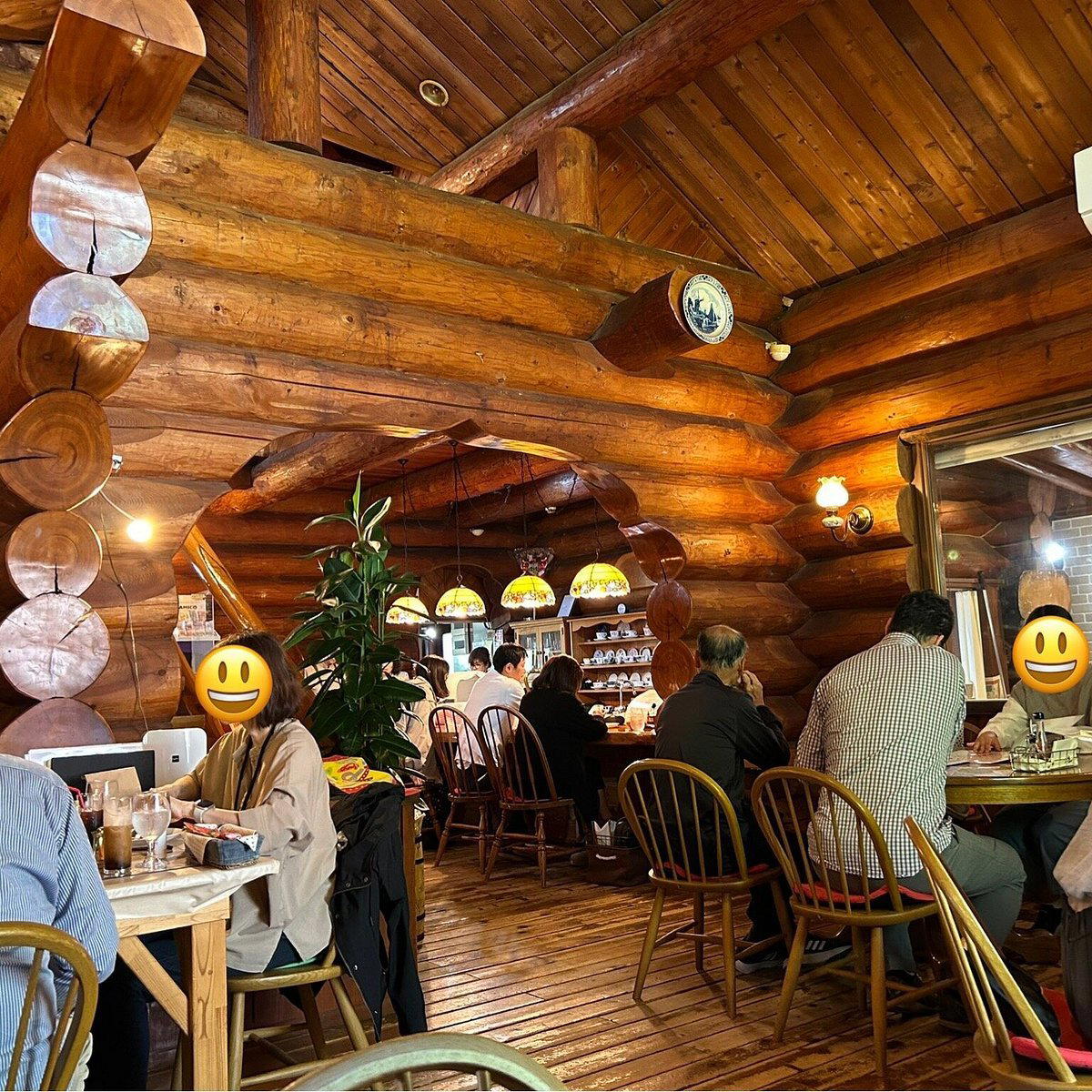
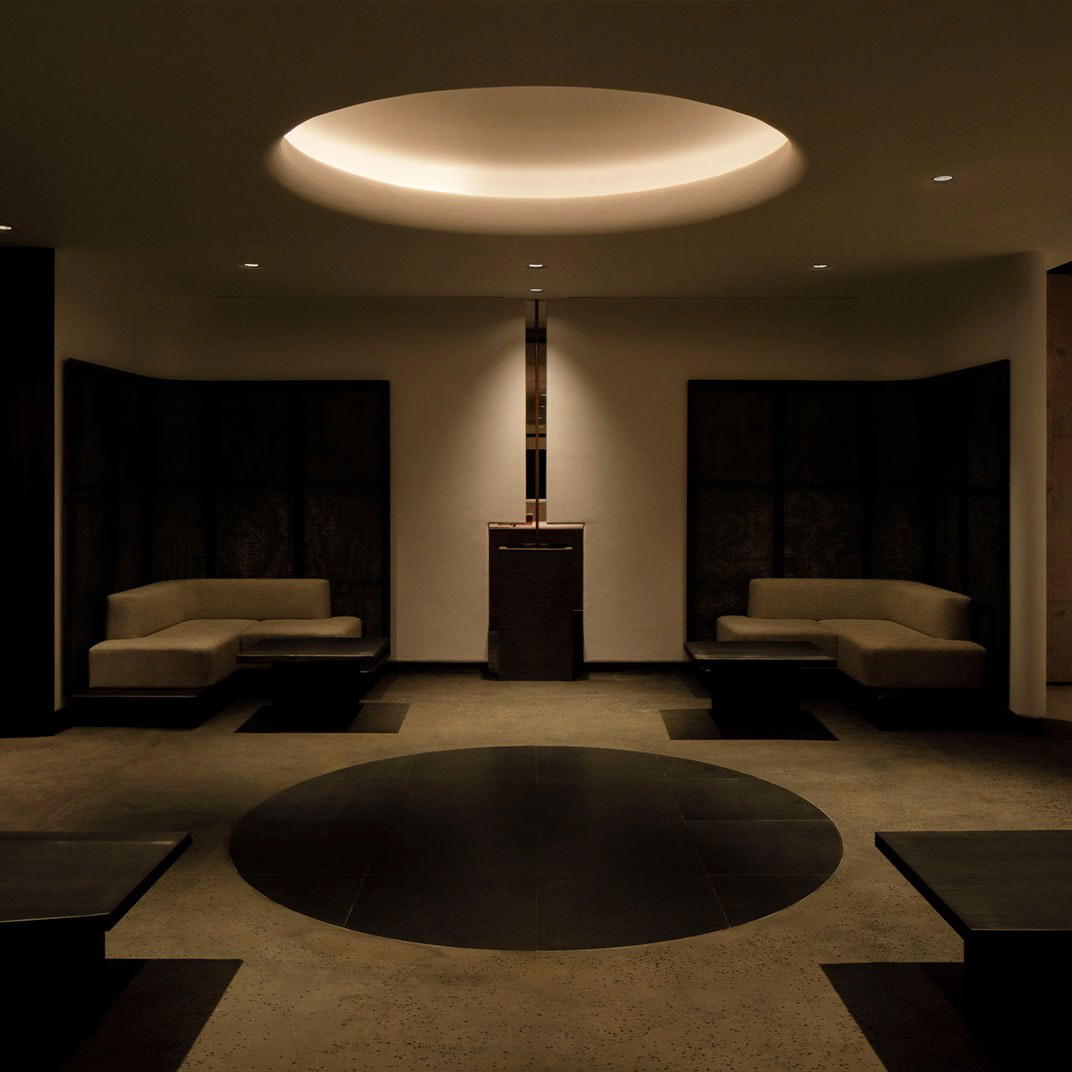
Spacious atrium with high ceilings and natural sunlight by day, moody and relaxing at night.
Know Before You Go
- Getting there
- 3 Chome-9-21 Central, Fukui, 910-0006, Japan