Our verdict
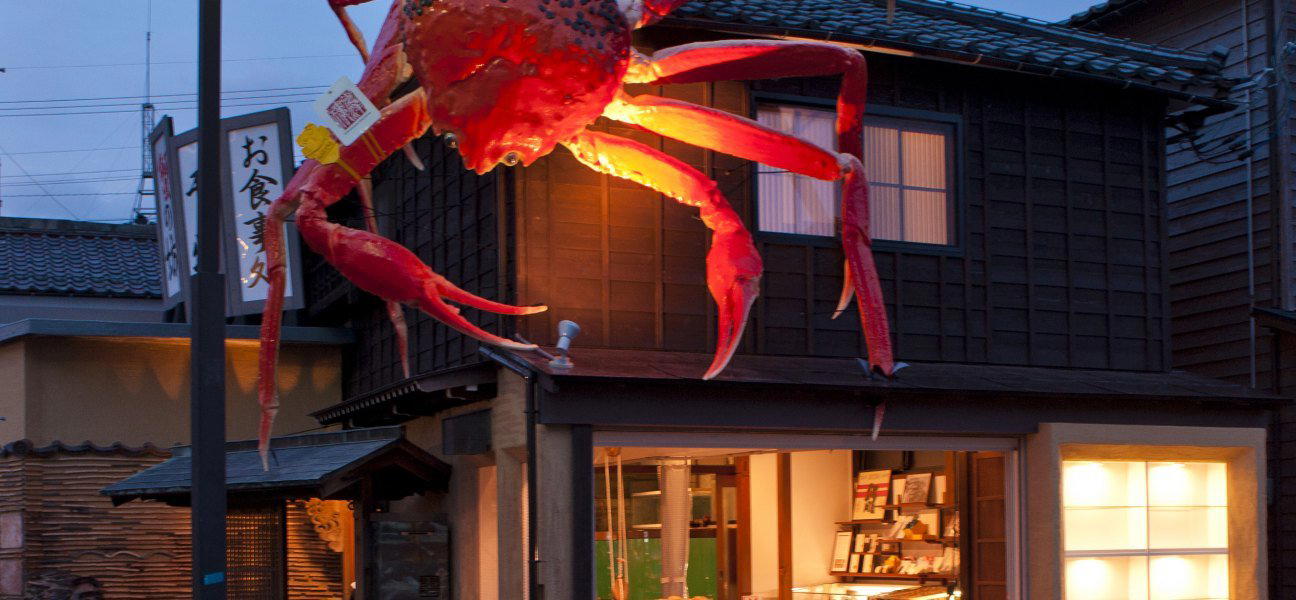
越前 蟹の坊 sits in Mikunichoshuku, Sakai, in Fukui Prefecture, a region whose snow crab (越前ガニ, Echizen-gani) carries protected geographic designation and drives serious seasonal dining traffic. The restaurant's name signals a direct commitment to that tradition, placing it within a well-defined regional specialty format rather than a general kaiseki or izakaya category. Booking ahead is advisable, particularly during the peak crab season from November through March.

Pearl is the En Primeur Club membership app, where members save venues, book tables and use the concierge.
The menu
What to order
- Echizen crab course
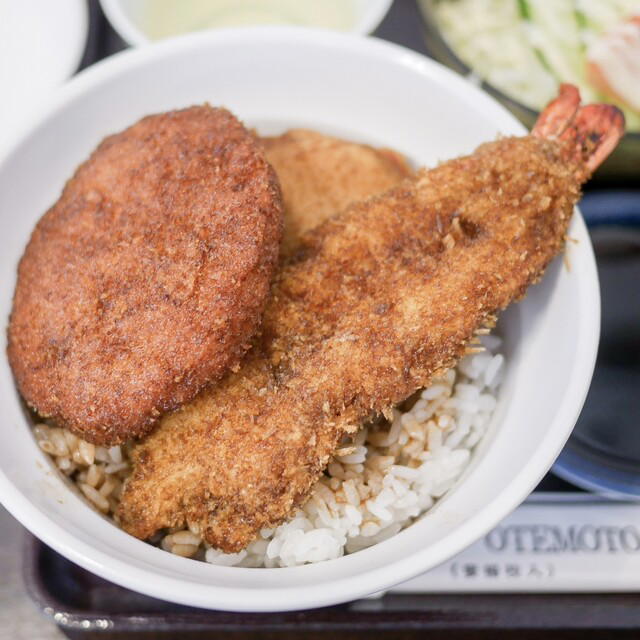
- Kaisen don
- Seiko don
Where the Season Dictates the Menu
Fukui Prefecture's relationship with snow crab is not incidental. The Echizen-gani, harvested from the cold depths of the Sea of Japan off Mikuni Port, carries a prefectural brand tag and a government-regulated catch quota. When a crab lands at Mikuni bearing that yellow tag, it is one of the most scrutinized seafood products in Japan, weighed, graded, and tracked before it reaches a kitchen. That level of supply-chain discipline shapes how restaurants in this part of Sakai operate: the product determines the season, the season determines the menu, and the menu determines when it is worth making the journey.
越前 蟹の坊, addressed at 1 Chome-16 Mikunichoshuku in Sakai's Mikuni district, sits inside that framework. The name itself, roughly, "Echizen Crab Hermitage", signals a deliberately narrow focus. This is not a venue that positions itself across multiple culinary registers. It occupies the specialist tier of regional snow crab dining, a format that has developed its own conventions in Fukui: rooms oriented around the crab's seasonal arc, menus that shift in weight and preparation style as the November-to-March window opens and closes, and a service rhythm calibrated to guests who have traveled specifically for the product. For a broader orientation to dining in this part of Fukui, our full Sakai restaurants guide maps the city's options across categories.
The Regional Context: Why Mikuni Matters
Japan's snow crab producing regions, Hokkaido, the San'in coast, Fukui, each claim distinct market positioning, but the Echizen-gani has the most formalized identity. The yellow tag system, administered through Mikuni and Tsuruga ports, restricts the designation to male crabs exceeding a set weight caught within the authorized zone. Prices at auction during peak season regularly reach figures that place certified Echizen-gani among the most expensive crustaceans traded in Japan. That price signal cascades downstream: restaurants specializing in the product in Mikuni tend to operate at a premium relative to general seafood restaurants in the same area, with the crab itself functioning as both centerpiece and pricing anchor.
This positions venues like 越前 蟹の坊 in a different competitive set from broader seafood restaurants such as Kawaki in Sakai, which takes a wider seafood approach. The specialist crab format demands a more singular commitment from kitchen and front-of-house alike, the entire service infrastructure exists to present one ingredient across its range of preparations. Across Japan, comparable specialist formats can be found at venues like 一本木 有川鮨 in Nanao, where local seafood identity similarly anchors a focused menu.
Team and Service: When the Product Is the Anchor
In restaurants built around a single prestige ingredient, the division of labor between kitchen, floor, and procurement tends to collapse in interesting ways. The sourcing relationship with the port becomes as consequential as any technique applied in the kitchen. Front-of-house staff in these formats carry a heavier explanatory burden than in general restaurants: the grade of the crab, the preparation sequence, and the reasoning behind each course are part of the service itself rather than incidental context. At venues with this profile, a well-calibrated floor team functions less like conventional servers and more like interpreters between the fisherman's catch and the guest's plate.
The sommelier or drinks lead in a Japanese regional specialist of this kind typically works with a pairing logic rooted in local sake rather than wine, Fukui has a cluster of respected breweries whose junmai and ginjo expressions are built around the mineral clarity that mirrors the cold-water character of snow crab. Guests dining at venues in this tradition would do well to arrive with some familiarity with the prefecture's brewing scene, or simply to defer to whatever the floor recommends.
For reference on how a tight team dynamic operates at a higher formality tier elsewhere in the Kansai region, Gion Sasaki in Kyoto and HAJIME in Osaka both demonstrate how collaborative floor-kitchen-sommelier structures operate in the premium Japanese dining format, albeit in a kaiseki rather than specialist-crab context.
The Seasonal Window and How to Plan Around It
The Echizen-gani season opens officially in early November and runs through late March, with catch volumes and quality peaking in the colder months of December and January. Dining at a specialist venue during this window is substantively different from visiting in other months: the menu's central argument is present, and the kitchen operates in the mode it was designed for.
Mikuni is accessible from Fukui Station via local rail on the Echizen Railway Mikuni Awara Line, a journey of roughly 40 minutes. Visitors traveling from Osaka or Kyoto can reach Fukui by Thunderbird limited express in approximately 75 to 90 minutes, then connect to the local line. The combination of travel time and seasonal specificity places this type of dining firmly in the day-trip or overnight itinerary category rather than a casual drop-in. Guests planning an overnight stay in the region might cross-reference comparable seasonal seafood experiences in adjacent prefectures, including 琵琶湖畔 in Takashima or 北海道山乃 in Sapporo, which operates within Hokkaido's parallel crab-focused dining tradition.
Sakai's Specialist Dining Pattern
Sakai's restaurant scene does not operate at the density of a major urban center, which means the specialist venues that do exist carry more individual weight. Alongside 越前 蟹の坊, the local dining map includes Oga, Ootoku, Birdland, and Domani, each occupying a distinct register. The pattern across smaller Japanese cities with strong regional ingredients is consistent: a handful of venues build their identity entirely around the local specialty, while others operate in more general categories. The crab specialists in Mikuni sit in the former group, and their reputation rests almost entirely on sourcing fidelity rather than stylistic ambition.
For readers whose Japan itinerary extends to other high-commitment specialist formats, Harutaka in Tokyo demonstrates what rigorous sourcing discipline looks like in the sushi context, while Goh in Fukuoka and akordu in Nara show how regional ingredient focus operates across different culinary traditions. Further afield, the tension between product-led and technique-led cooking that defines venues like 越前 蟹の坊 has a useful international counterpart in Le Bernardin in New York City, where seafood purity has similarly been refined to a guiding principle, or in the structured tasting precision of Atomix. 鶴羽屋 in Nishikawa Machi represents yet another iteration of region-anchored dining in Japan's northern prefectures. Bistro Ange in Toyohashi offers a French-inflected counterpoint within the Chubu regional dining conversation.
Planning Your Visit
Given the seasonal nature of the restaurant's primary offering and Mikuni's profile as a destination for crab-season travelers, advance contact is strongly recommended, particularly for visits between November and March when demand concentrates. The address, 1 Chome-16 Mikunichoshuku, Sakai, Fukui 913-0056, places the venue in the old Mikuni port area, walkable from the historic townscape. Arriving by local train from Mikuni-Minato Station is the most direct access route from central Fukui.
Frequently asked questions
Where exactly is 越前 蟹の坊?
越前 蟹の坊 is located at 1 Chome-16 Mikunichoshuku, Sakai, Fukui 913-0056, Japan, Sakai.
When does the Echizen-gani season run, and how does that affect a visit to 越前 蟹の坊?
The Echizen-gani season opens in early November, the exact date is set annually by Fukui Prefecture's fisheries authority, and closes at the end of March. Outside this window, certified yellow-tag snow crab is not available, and a restaurant built around that single ingredient operates on a fundamentally different basis, if at all. Planning a visit to 越前 蟹の坊 at 1 Chome-16 Mikunichoshuku means aligning with this seasonal calendar, with December through February generally delivering the coldest water temperatures and the densest, most prized crab meat.
What's the best thing to order at 越前 蟹の坊?
The restaurant's name translates directly to 'Echizen Crab House,' and the menu centres on Echizen-gani, certified Fukui snow crab harvested from the Sea of Japan off Mikuni Port. These crabs carry a yellow tag issued at the port, distinguishing them from snow crab landed in Hokkaido or the San'in coast. In specialist venues of this type, crab is typically presented across multiple preparations, from raw sashimi to grilled and hotpot formats, rather than as a single dish.
Can I walk in to 越前 蟹の坊?
Walk-in availability during the Echizen-gani season, early November through late March, is generally constrained at Mikuni-area specialist restaurants. Domestic tourists from Osaka and Kanazawa and dedicated crab-season travellers book well ahead, particularly on weekends. Contacting the restaurant directly before travel is advisable, especially in December and January when catch quotas tighten and demand peaks.
What makes 越前 蟹の坊 worth seeking out?
The case for the journey to Sakai's Mikuni district rests on the Echizen-gani's regulatory specificity. Only crabs landed at designated Fukui ports, Mikuni, Tsuruga, Obama among them, qualify for the yellow-tag certification, which tracks each crab by catch vessel and date. A restaurant positioned at 1 Chome-16 Mikunichoshuku places guests within the sourcing zone itself, reducing the supply chain between port and plate to a matter of kilometres.
Can 越前 蟹の坊 accommodate dietary restrictions?
Given the restaurant's specialist focus on snow crab, the menu is unlikely to offer significant alternatives for guests who cannot eat shellfish. Travellers with allergies or dietary requirements should clarify directly with the restaurant before booking.
Is 越前 蟹の坊 worth the price?
Certified yellow-tag Echizen-gani commands some of the highest per-crab prices in Japan's crustacean market, with whole tagged crabs at Fukui auctions regularly reaching ¥50,000 to ¥200,000 during peak season. Restaurants in Mikuni using tagged product price accordingly, and specialist menus built around a single prestige ingredient carry that cost through.
Price and Positioning
Comparable venues nearby, for context on price, style, and recognition.
| Venue | Cuisine | Price | Awards | Notes |
|---|---|---|---|---|
| 越前 蟹の坊This venue (the venue you are viewing) | Echizen Crab & Japanese Seafood | $30–50 | Not listed | Not listed |
| Ootoku | Seafood Japanese with Sea Views | $30–50 | Not listed | Mikuni Minato, Seafood Japanese with Sea Views |
| 魚志楼 | Traditional Japanese Kaiseki | $50–100 | Not listed | Sakai, Traditional Japanese Kaiseki |
| ラル | Seafront French in Historic House | Not listed | Not listed | Mikuni, Seafront French in Historic House |
| Domani | Italian Trattoria | $10–20 | Not listed | Harue, Italian Trattoria |
| Osamuchan | Yakiniku Omakase | $100–150 | Tabelog Bronze #343 | Otori Kita-cho, Nishi-ku, Yakiniku Omakase |
Continue exploring
More in Sakai
Restaurants in Sakai
All restaurants in Sakai →
Details
- Classic
- Cozy
- Special Occasion
- Family
- Standalone
- Sake Program
- Local Sourcing
- Sustainable Seafood
- Waterfront
- A La Carte
- Set Menu
- Sake Program
Current opening hours
- Monday
- 11 AM–2:30 PM
- Tuesday
- Closed
- Wednesday
- 11 AM–2:30 PM
- Thursday
- 11 AM–2:30 PM
- Friday
- 11 AM–2:30 PM
- Saturday
- 11 AM–3 PM
- Sunday
- 11 AM–3 PM
Hours can change for holidays and private events. Last verified .
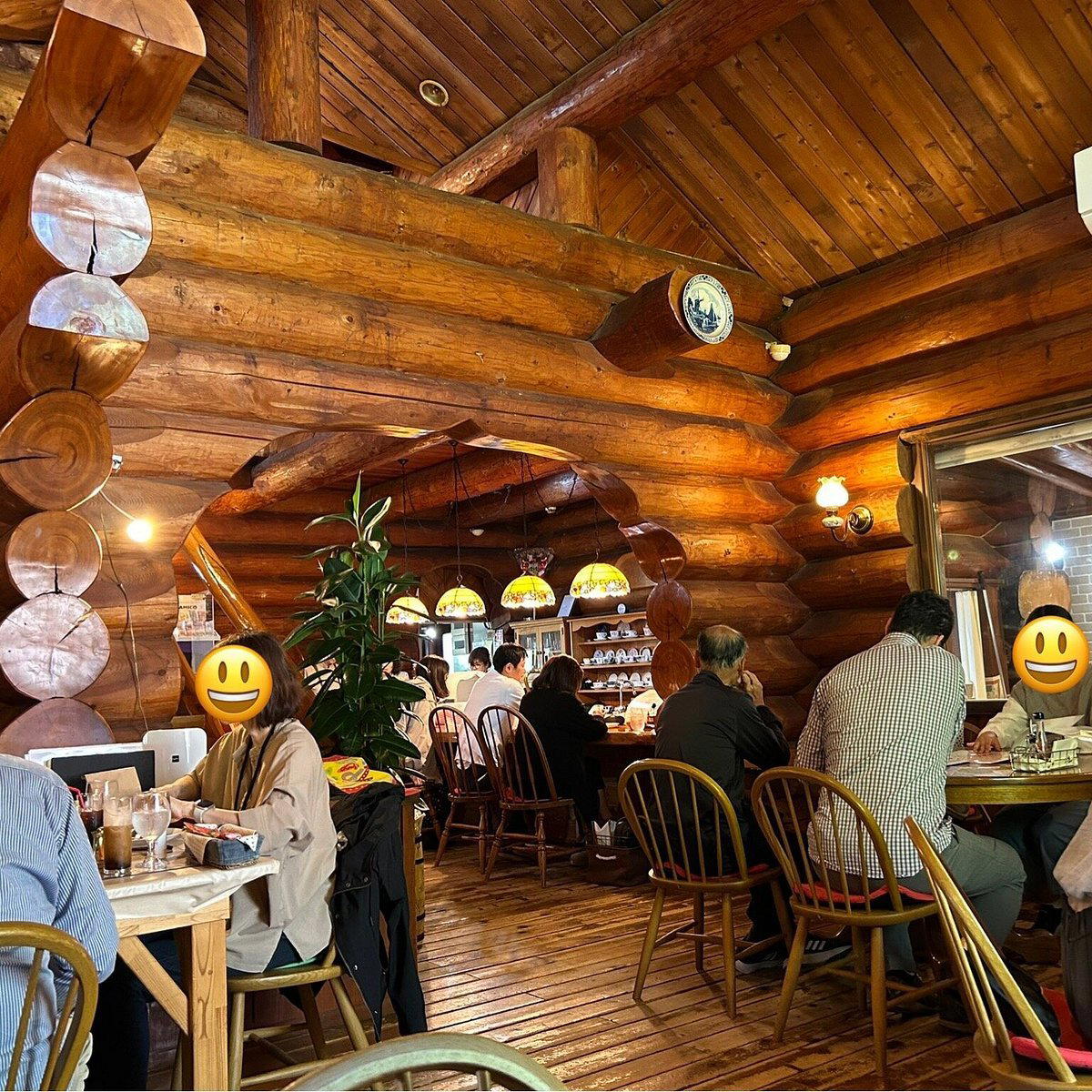
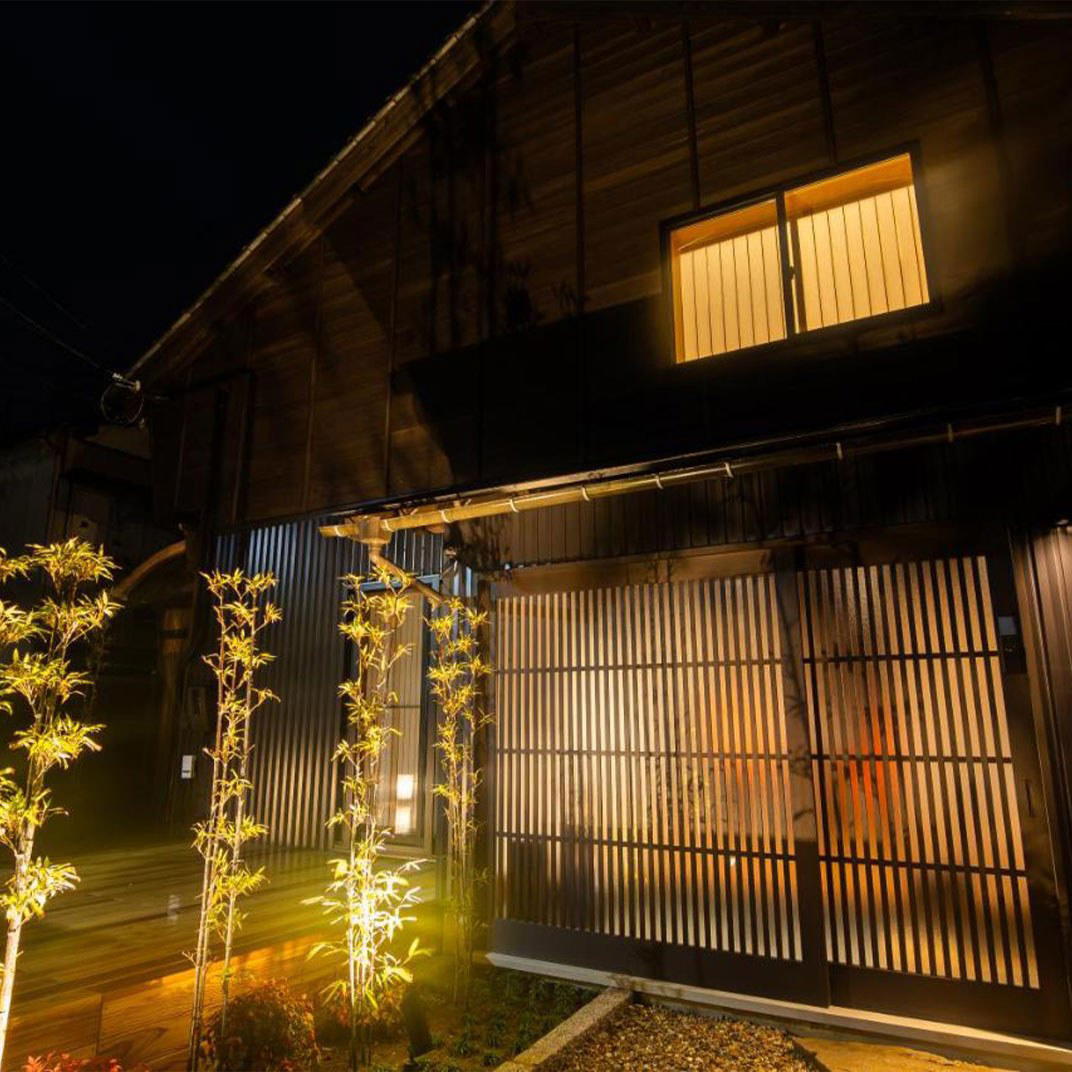
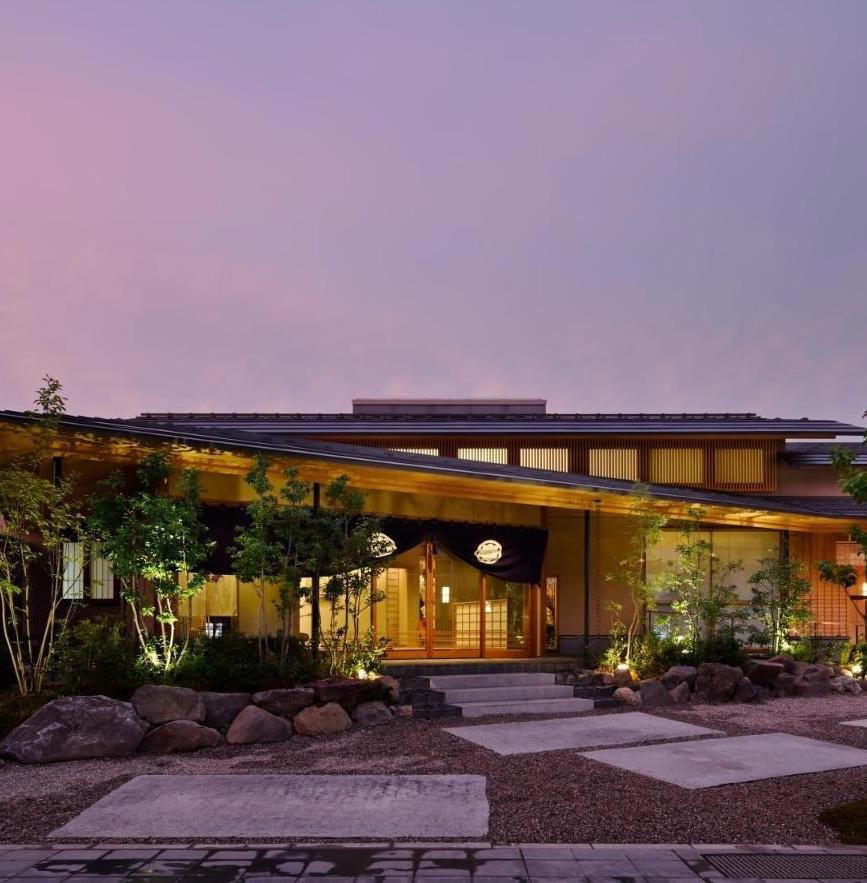
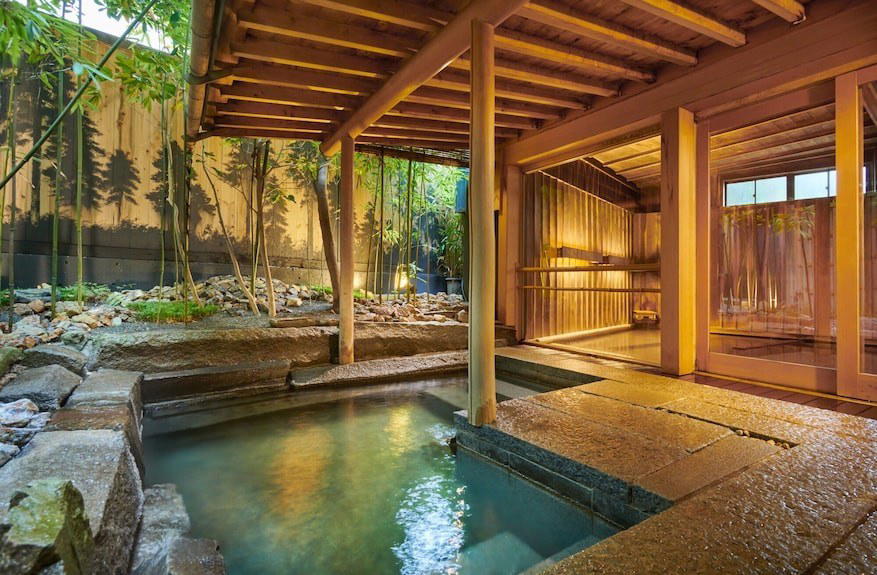
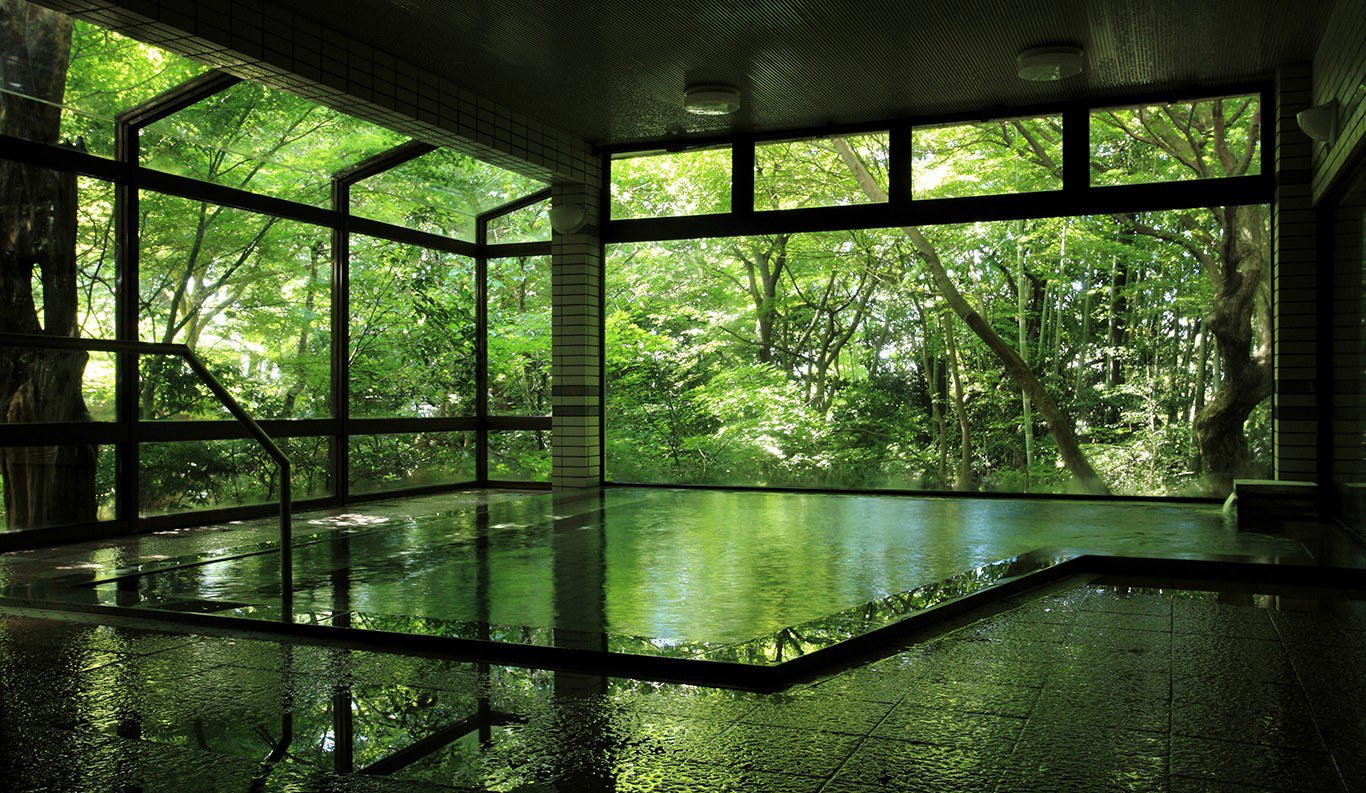
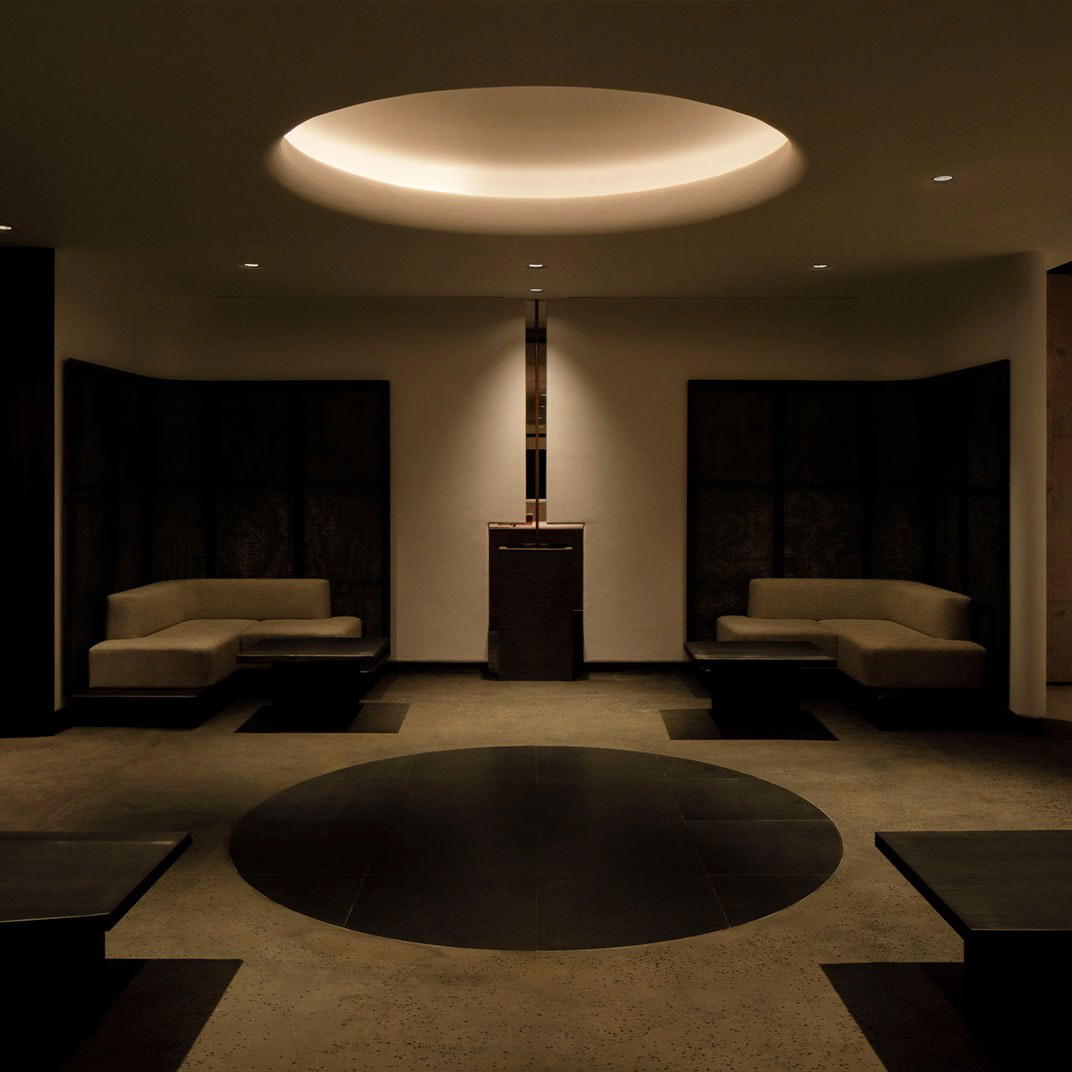
Comfortable Japanese dining room with a quiet, intimate atmosphere focused on fresh seafood.