
Our verdict
Kawaki has held a Tabelog Bronze Award every year from 2020 through 2026, with a Silver in 2019, and ranks among the top 200 restaurants in Japan on Opinionated About Dining. Set in Mikuni-cho, Fukui's fishing town on the Sea of Japan, it operates as a reservation-only crab and seafood house with lunch and dinner services priced between JPY 60,000 and JPY 79,999 per person.

Pearl is the En Primeur Club membership app, where members save venues, book tables and use the concierge.
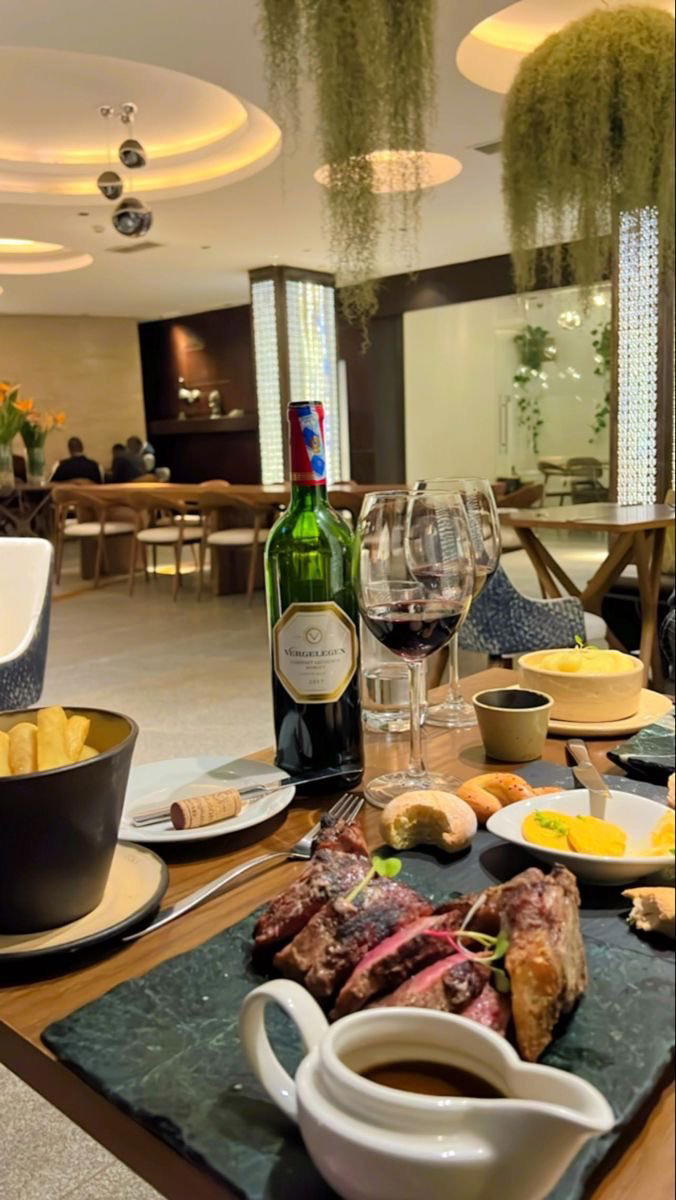
Where the Sea of Japan Arrives at Table
Mikuni-cho is a port town that has been pulling fish from the Sea of Japan for centuries, and the rhythm of its docks still sets the pace for how its leading restaurants operate. The town sits at the mouth of the Kuzuryu River in Fukui Prefecture, and its waters produce some of the most prized seafood in the country, including the PHP-certified Echizen crab, which is among the most regulated and scrutinized crustaceans in Japan. Kawaki, a house restaurant on Chuo in the center of Mikuni, is where that coastal proximity translates directly into price and plate. At JPY 60,000 to JPY 79,999 per person for both lunch and dinner, the restaurant operates at a tier where sourcing is the primary argument.
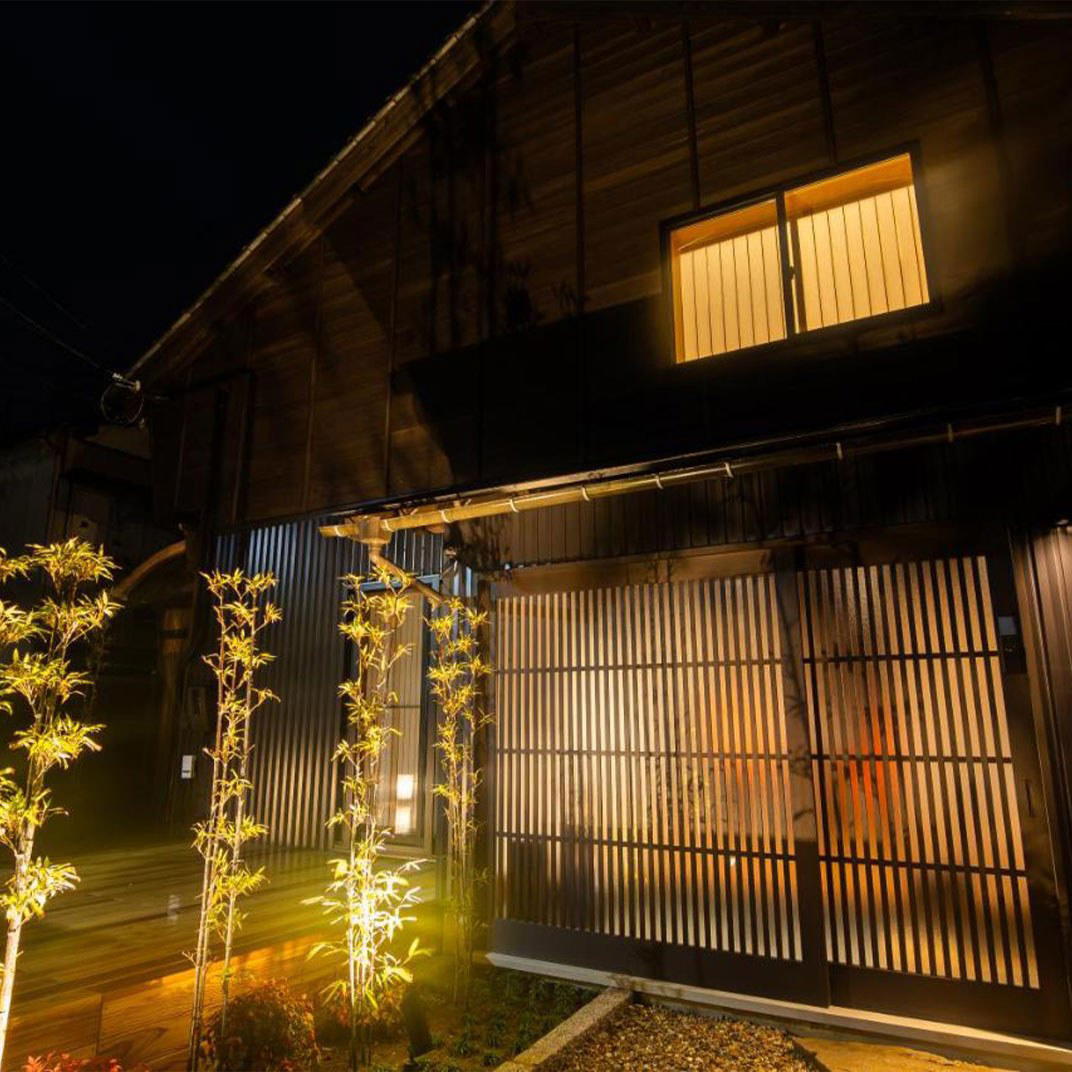
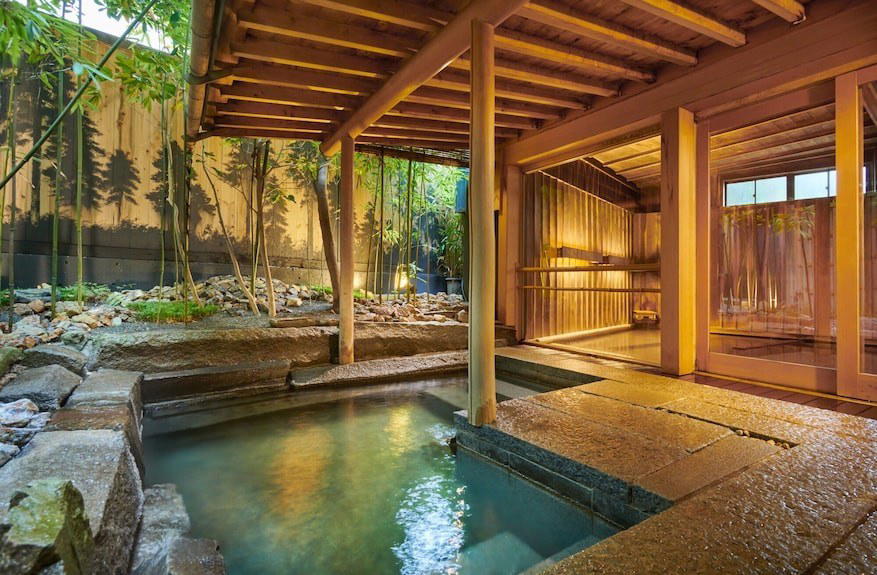
The building itself is a traditional Japanese house format, with the kind of low-profile exterior that gives no indication of scale. Inside, 46 seats are distributed across private rooms of varying sizes: one large room accommodating around 30 people, two smaller rooms for four guests each, and one mid-sized room for eight. For groups, the configuration works well; for couples or solo diners, the smaller rooms provide a degree of separation from the rest of the house. Reservations are accepted from the 1st of each month for the month after next, and the booking platform OMAKASE is the recommended channel.
Fukui's Crab Economy and What It Demands of a Kitchen
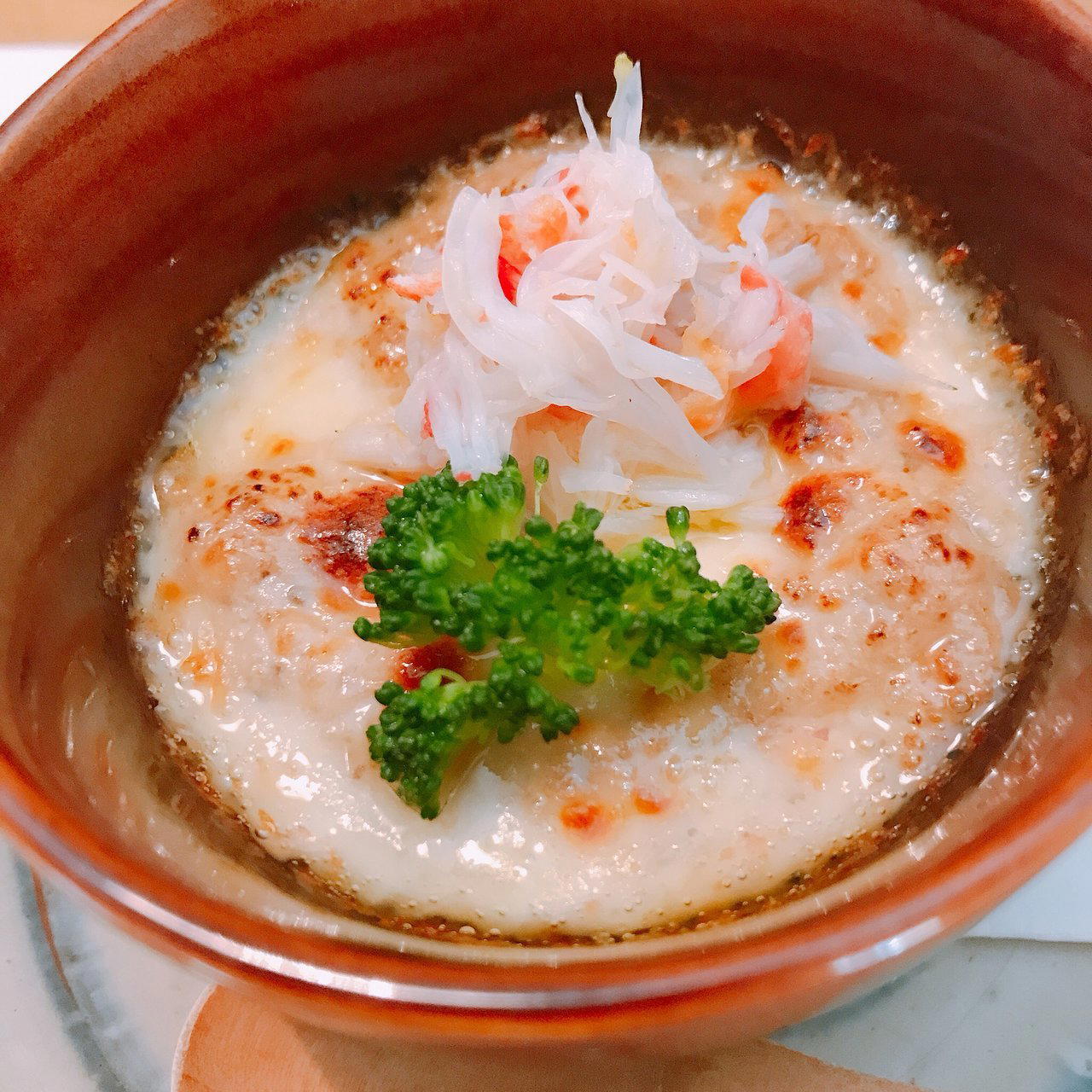
The premium crab market in Fukui is one of the most codified in Japan. Echizen crab, the male snow crab caught in the waters off the Fukui coast, carries a yellow tag once it meets the prefecture's certification standards, and the seasonal opening in November each year triggers demand that runs well ahead of supply. The leading houses in Mikuni and nearby ports treat the crab as a single-ingredient argument: the sourcing credential is the differentiator, and the preparation philosophy follows from that premise. Kawaki's own description of its approach frames the boiled crab in exactly those terms, using simplicity as the vehicle for showing the ingredient rather than obscuring it.
This approach places the restaurant in a defined tradition within Japanese seafood cooking, where the quality of the primary ingredient is considered self-sufficient and elaborate technique would be a distraction. Compare this to the school of thought at restaurants like HAJIME in Osaka, where French-trained innovation is the central proposition, or the sushi counter precision at Harutaka in Tokyo. Kawaki operates in a different register entirely: the kitchen's commitment is to sourcing and restraint rather than technique as spectacle.
Eight Consecutive Tabelog Awards and What That Signals
Kawaki has received a Tabelog Award every year from 2019 through 2026, with Silver recognition in 2019 and Bronze from 2020 onward. Its current Tabelog score sits at 4.14. In the Tabelog system, where scores above 4.0 represent a very small fraction of listed restaurants nationally, that sustained consistency across eight award cycles is a signal of stable, high-level execution rather than a single strong year. Opinionated About Dining, which aggregates review data from experienced diners, ranked Kawaki 136th in Japan in 2025 and 170th in 2024, with a Highly Recommended designation in 2023.
Restaurants like Gion Sasaki in Kyoto, akordu in Nara, and Goh in Fukuoka operate in cities with higher tourist infrastructure and far greater international visibility. Kawaki's position in that ranking tier, from a provincial fishing town with no Shinkansen stop, reflects a reputation built almost entirely on the product itself.
The Sourcing Argument in Practice
Mikuni Port is within the immediate radius of Kawaki's kitchen, and Fukui's seafood calendar is one of the more tightly defined in Japan. The Echizen crab season runs from November through March; outside those months, the restaurant's focus shifts to other Sea of Japan catches. The reservation-only format reinforces this: at 46 seats spread across multiple private rooms, the kitchen can size its daily procurement to confirmed covers rather than estimating for walk-in demand.
This is how premium seafood restaurants in Japan's coastal prefectures tend to work at the top tier. Unlike 1000 in Yokohama or 6 in Okinawa, which operate in major port cities with diversified supply, a Mikuni kitchen of this caliber is operating in a more constrained and more specialized ecosystem. The volume of premium crab available at certification standard is finite, and the relationships that give a kitchen access to it are built over years. For comparison at the international level, the same sourcing-first logic applies at operations like Gambero Rosso in Marina di Gioiosa Ionica and Alici Restaurant on the Amalfi Coast, where the coastal geography functions as both larder and identity.
Kawaki in the Context of Sakai's Dining Scene
Sakai City, the administrative unit that encompasses Mikuni-cho, has a dining scene anchored by seafood and defined by its distance from Fukui City's more urban restaurant cluster. The restaurants that operate at the top of the local hierarchy tend to be small, specialist, and reservation-dependent. Oga and Osamuchan represent other addresses in the Sakai dining ecosystem, each with their own positioning. Kawaki's scale, at 46 seats across private rooms, is notably larger than many comparable-tier Japanese seafood restaurants, which typically operate at much smaller capacities. That configuration, with rooms available for parties of two through thirty-plus, makes it one of the few addresses in the area that can accommodate larger group bookings without moving to a banquet format.
For visitors building a Fukui itinerary, the practical logistics are direct: Kawaki is accessible via the Echizen Railway to Mikuni Jinja Station, then a ten-minute walk, or by the Gurutto Sakai Community Bus to the Kakuzen stop. On-site parking is available. Lunch and dinner services run Monday through Saturday, with Sunday limited to lunch only; the kitchen closes entirely for year-end and New Year holidays from December 28 through January 7. The reservation window opens on the first of each month for bookings two months ahead, so planning at least two months in advance is the working assumption for this restaurant. The OMAKASE platform is the recommended booking channel. Payment is accepted by VISA and Mastercard; the restaurant notes a preference for cash where possible. For more on eating and drinking in the area, see our full Sakai restaurants guide, our full Sakai bars guide, our full Sakai hotels guide, our full Sakai wineries guide, and our full Sakai experiences guide.
For context on what premium seafood restaurants outside Japan's major cities look like at this award tier, the pattern that Kawaki represents, an ingredient-specific address in a source region operating at capital-city prices, has parallels at Abon in Ashiya and affetto akita in Akita: restaurants that draw their authority from regional specificity rather than metropolitan concentration.
Planning Your Visit
The full pricing range of JPY 60,000 to JPY 79,999 applies to both lunch and dinner, which is unusual; most Japanese restaurants of this caliber reserve premium pricing for dinner and offer a more accessible lunch. At Kawaki, the commitment level is the same regardless of service. Sake (Nihonshu) is available. Private rooms accommodate groups from two to over thirty, making it one of the more flexible large-table options in Fukui for a meal at this price point. The restaurant does not permit exclusive private use of the full venue. Non-smoking throughout, with a designated smoking area available separately.
Frequently asked questions
Where is Kawaki in Sakai?
Kawaki is located at 2 Chome-2-28 Mikunicho Chuo, Sakai, Fukui 913-0042, Japan, Sakai.
Is Kawaki Michelin-listed?
Kawaki has received recognition including:
What's the best thing to order at Kawaki?
Kawaki's own positioning centres on simply prepared boiled crab, with the kitchen's description emphasising crab as the core of the experience rather than a supporting ingredient. The restaurant is categorised under crab and seafood, sourcing from the Sea of Japan coast near Mikuni Port. Given the JPY 60,000–79,999 price point and eight consecutive Tabelog Awards from 2019 through 2026, the meal is structured around that produce rather than offering an à la carte selection, the crab is the reason to make the journey.
When can I go to Kawaki?
Hours at Kawaki: Hours: Monday 11:30 am–2 pm Tuesday 11:30 am–2 pm Wednesday 11:30 am–2 pm Thursday 11:30 am–2 pm Friday 11:30 am–2 pm Saturday 11:30 am–2 pm Sunday 11:30 am–2 pm.
Who runs the kitchen at Kawaki?
The chef associated with Kawaki is Mikio Omori.
A Quick Peer Check
Comparable venues nearby, for context on price, style, and recognition.
| Venue | Cuisine | Price | Awards | Notes |
|---|---|---|---|---|
| KawakiThis venue (the venue you are viewing) | Echizen Crab Specialist | $500+ | Not listed | Not listed |
| 魚志楼 | Traditional Japanese Kaiseki | $50–100 | Not listed | Sakai |
| Oga | Premium Bluefin Tuna Omakase | $300–500 | Tabelog Bronze #331 | Sakai |
| Osamuchan | Yakiniku Omakase | $100–150 | Tabelog Bronze #343 | Otori Kita-cho, Nishi-ku |
| 日本料理 味所望 | Japanese Restaurant | Not listed | Not listed | Sakai |
| そば処盛安 | Traditional Handmade Soba | $10–20 | Tabelog 100 #85 | Mikuni |
Recognition history
Dated appearances from independent guides and award organizations, with the underlying list record or original source where available.
Opinionated About Dining Top Restaurants in Japan Ranked #146
Opinionated About Dining
Full recognition history (4 entries)
Opinionated About Dining Top Restaurants in Japan Ranked #136
Opinionated About Dining
Opinionated About Dining Top Restaurants in Japan Ranked #170
Opinionated About Dining
Opinionated About Dining Top Restaurants in Japan Highly Recommended
Opinionated About Dining
Continue exploring
More in Sakai
Restaurants in Sakai
All restaurants in Sakai →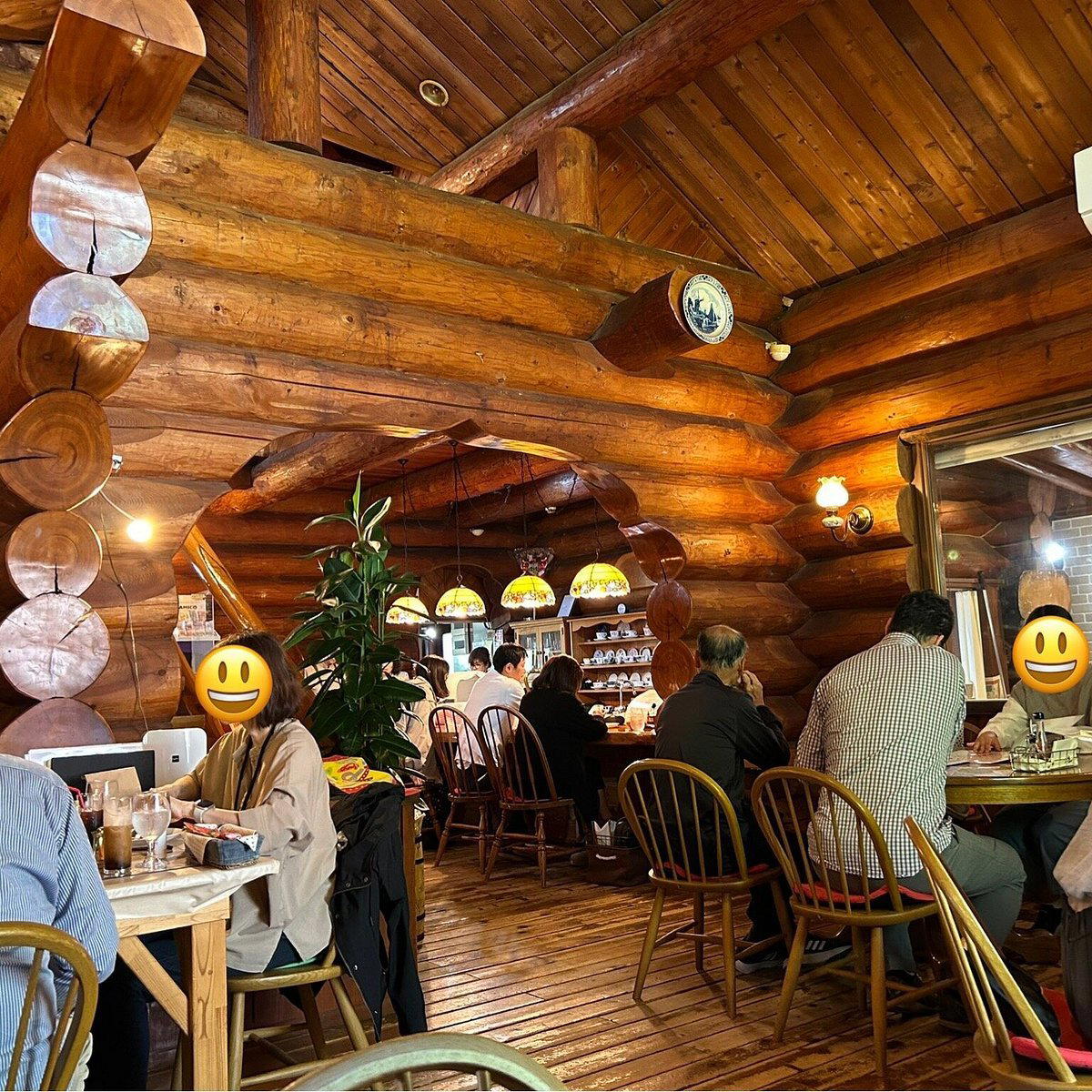
Details
- Elegant
- Sophisticated
- Intimate
- Special Occasion
- Courtyard
- Sake Program
- Local Sourcing
- Garden
- A La Carte
- Sake
Current opening hours
- Monday
- 11:30 AM–2 PM
- Tuesday
- 11:30 AM–2 PM
- Wednesday
- 11:30 AM–2 PM
- Thursday
- 11:30 AM–2 PM
- Friday
- 11:30 AM–2 PM
- Saturday
- 11:30 AM–2 PM
- Sunday
- 11:30 AM–2 PM
Hours can change for holidays and private events. Last verified .
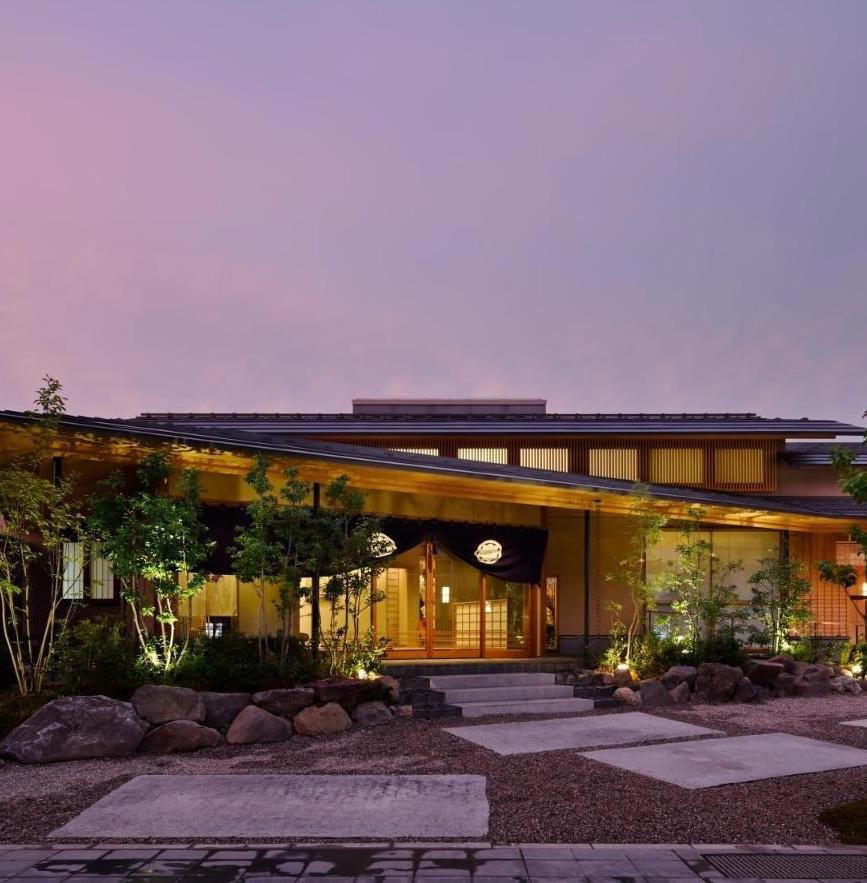
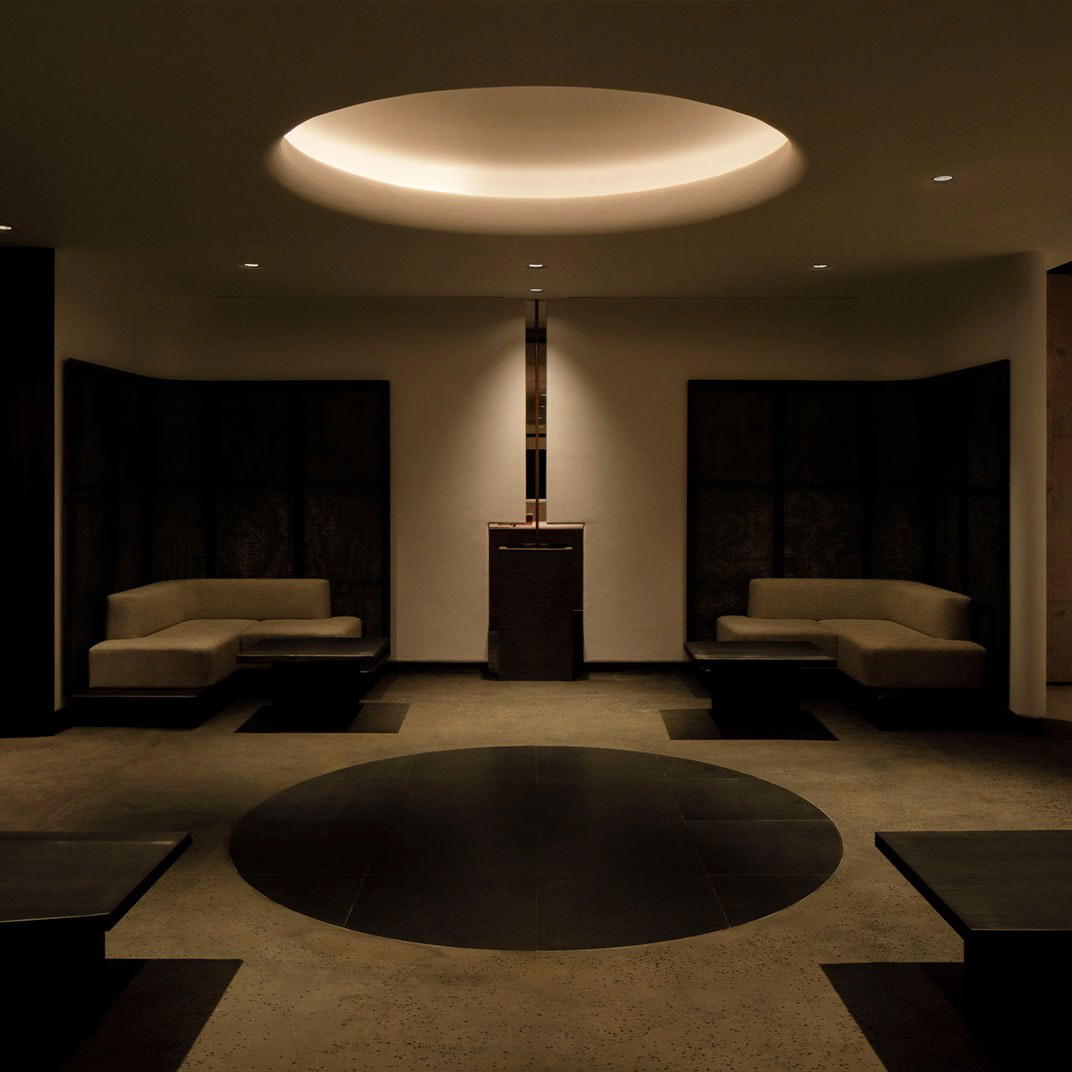
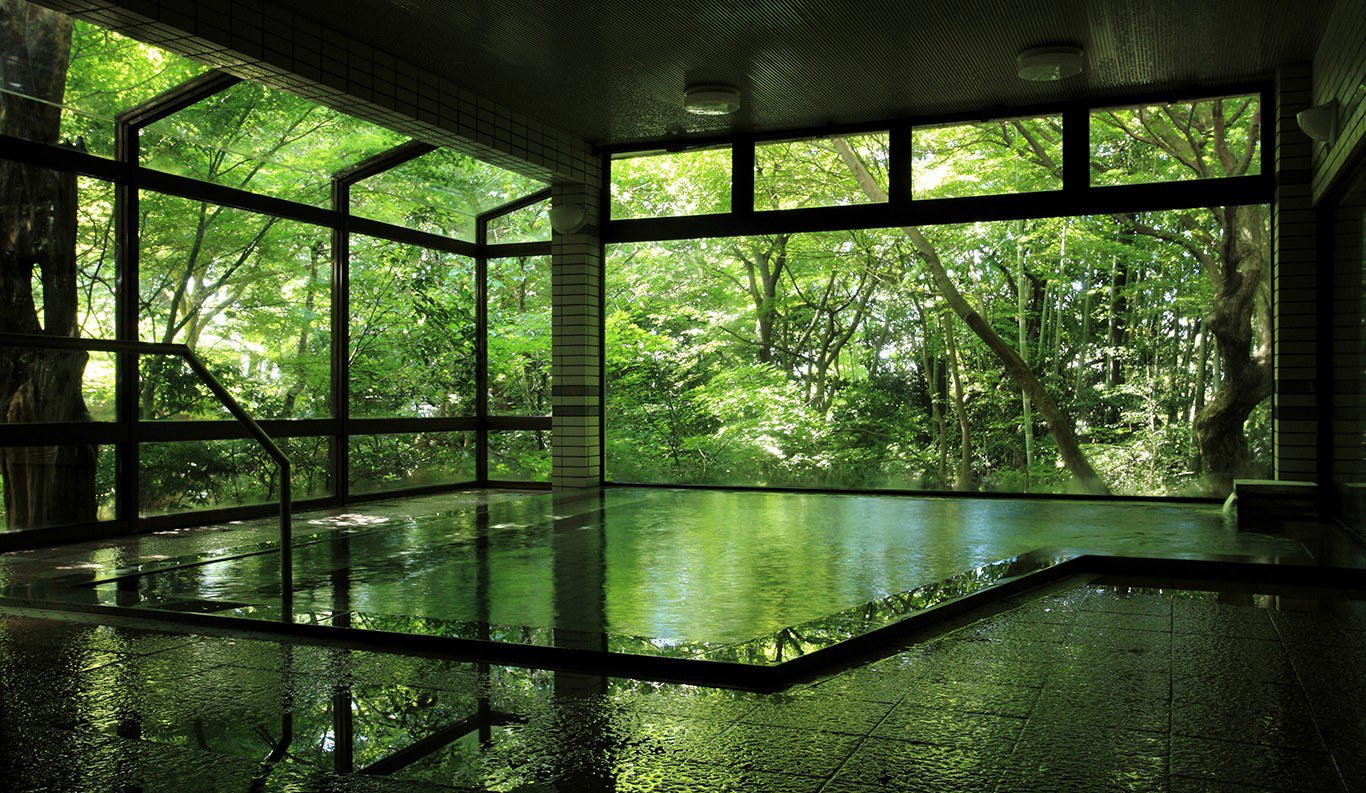
Relaxing atmosphere with spacious seating and a seasonal courtyard view, creating an elegant dining experience.