Our verdict
Domani sits in Sakai, Fukui, a small city that rewards the kind of traveller who moves past Osaka and Kyoto in search of quieter, more considered dining. Set against the coastal character of the Hokuriku region, it occupies a category of restaurant that earns attention through its address alone: provincial Japan, where the supply chains are short and the culinary traditions run deep.

Pearl is the En Primeur Club membership app, where members save venues, book tables and use the concierge.
Sakai, Fukui: The Case for Eating Off the Main Circuit
There is a particular kind of restaurant that only makes sense in context. Strip away the address and you lose half the argument for going. Domani, at 8-5 Haruecho Edomekamishowa in Sakai, Fukui, is exactly that kind of place. The city of Sakai sits in the Hokuriku coastal belt, a stretch of Japan's Sea of Japan-facing shoreline that has historically fed the country's finest kaiseki kitchens with snow crab, yellowtail, and seasonal seafood that rarely travels far before it's eaten. To visit a restaurant here is, in part, to eat the geography.
Sakai is not a dining destination in the way that Kyoto or Osaka pulls international visitors into structured itineraries. It operates closer to the logic of rural France, where a particular village matters because of what the land and sea around it produce, not because of any concentration of press-friendly trophy kitchens. Restaurants like Kawaki and Oga in Sakai position themselves within that same coastal supply logic, as does Osamuchan and Ootoku. Domani operates within this peer group, where the address is an editorial statement before a single dish arrives.
What the Hokuriku Region Means for a Plate of Food
Fukui Prefecture occupies an unusual position in Japan's culinary geography. It is the source of some of the country's most prized ingredients, Echizen crab, Wakasa fugu, Obama mackerel, yet it remains structurally underrepresented in the international food press compared to its neighbours. The Hokuriku coast runs cold and deep, producing seafood with a density and fat content that chefs in Tokyo and Kyoto have long sourced at considerable logistics cost. Eating in Sakai collapses that supply chain entirely.
This is the context that gives a restaurant like Domani its foundation. The short-supply-chain argument that ambitious kitchens in larger cities make programmatically is simply the operating reality for a small restaurant in Fukui. Seasonal catch lands nearby. Mountain vegetables from the prefecture's interior change the menu as they arrive. The rhythm of the kitchen is set by the prefecture, not by a sourcing brief. For comparison, kitchens like HAJIME in Osaka and Gion Sasaki in Kyoto carry Michelin recognition that reflects the global visibility of those cities. The kitchens of provincial Fukui operate with similar ingredient quality but under far less scrutiny, which, depending on your priorities as a traveller, is either a limitation or the point.
Provincial Japan and the Question of Recognition
Across Japan's secondary and tertiary cities, there is a recurring pattern: serious kitchens operating without the award infrastructure that would make them legible to international visitors. Affetto Akita in Akita, Aji Arai in Oita, and Ajidocoro in Yubari District represent the same phenomenon: restaurants in provincial settings where local reputation functions as the primary signal, and the absence of a Michelin star says more about geographic coverage than culinary ambition. Akordu in Nara and Abon in Ashiya sit in smaller cities that have attracted awards attention precisely because they are close enough to Osaka and Kyoto to fall within inspector range.
Sakai, Fukui sits further out on that radius. The Hokuriku Shinkansen, which extended to Fukui in 2024, has begun to shift accessibility calculations for the region. Journey times from Tokyo to Fukui now fall under three hours, which changes how the area registers on the itinerary of a serious food traveller. Restaurants that were genuinely difficult to reach are now plausible additions to a Japan circuit that already includes stops at Harutaka in Tokyo or Goh in Fukuoka.
The Setting and What It Signals
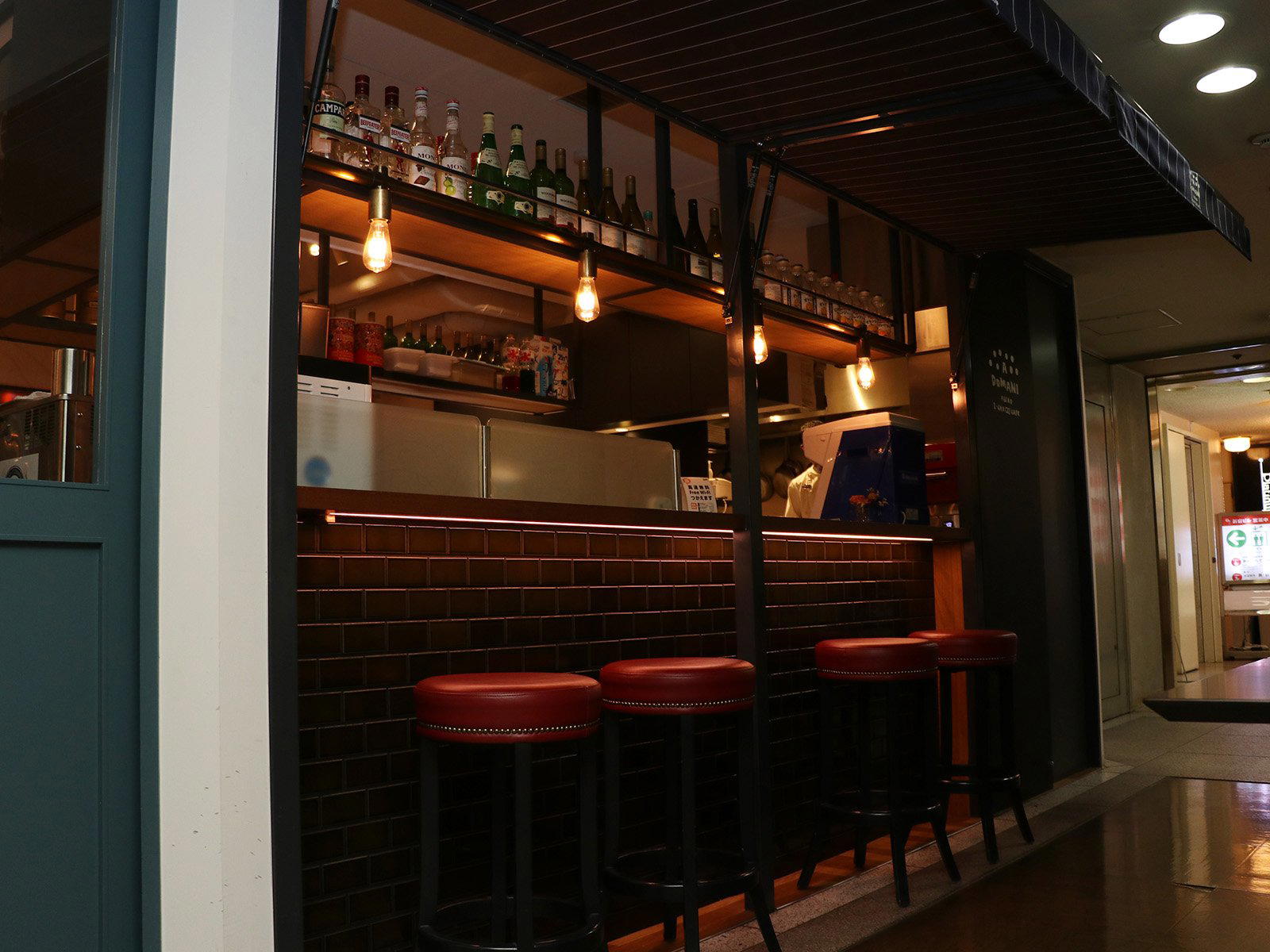
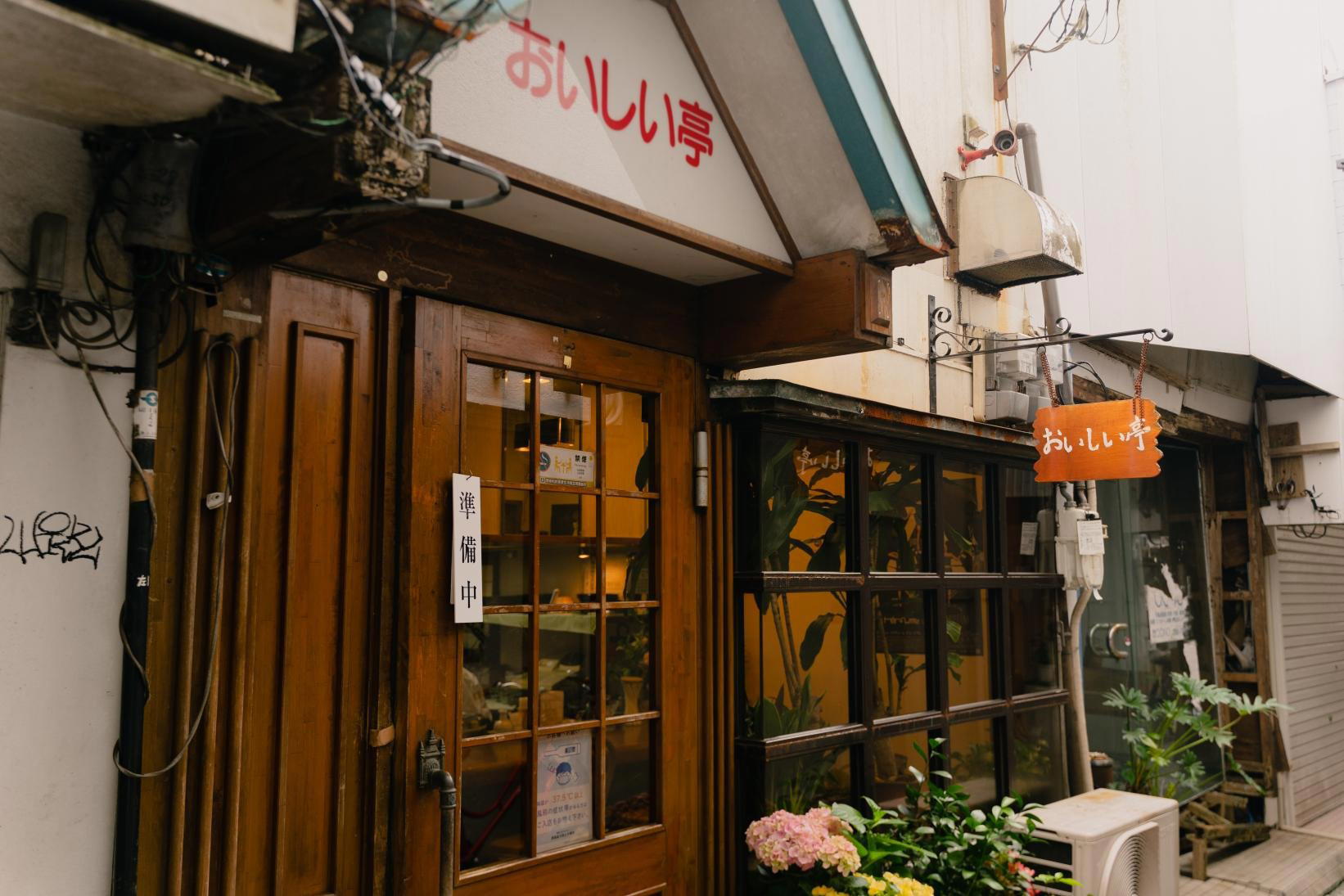
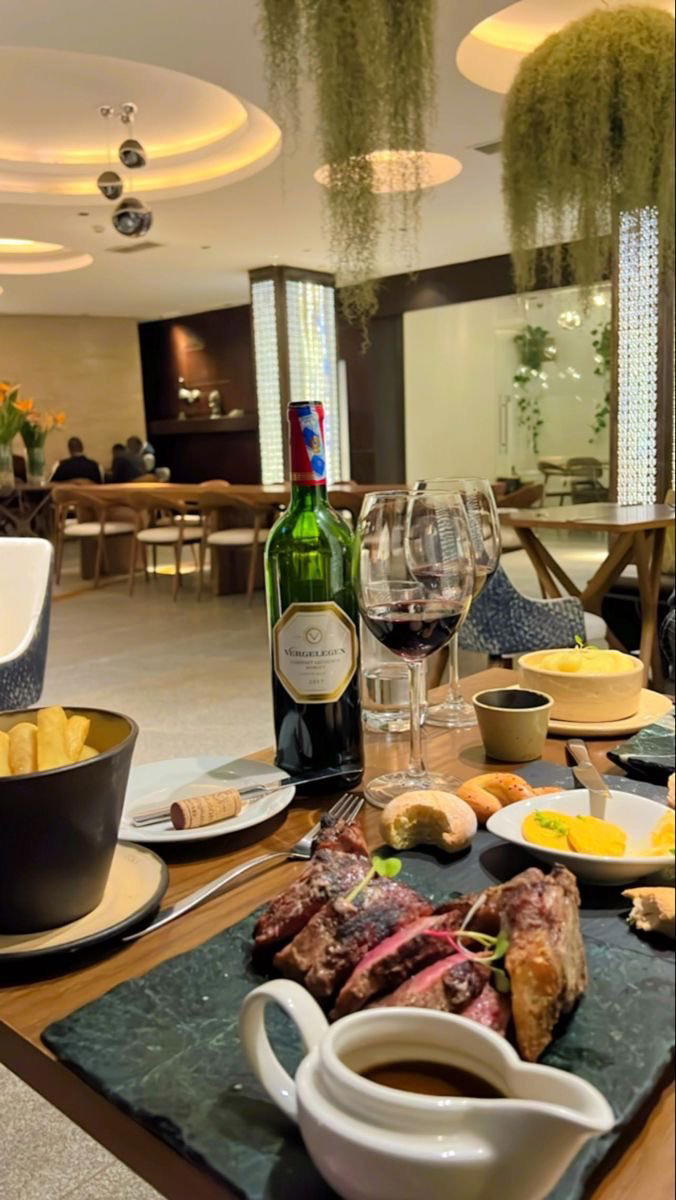
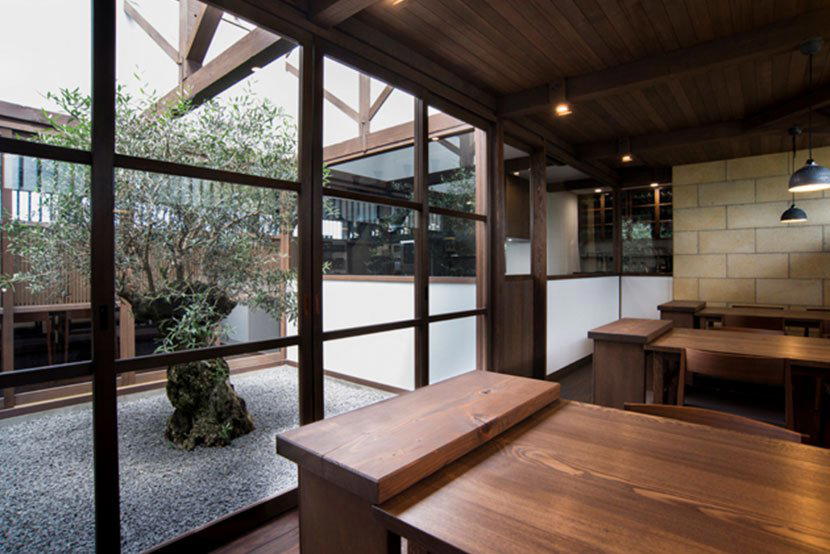
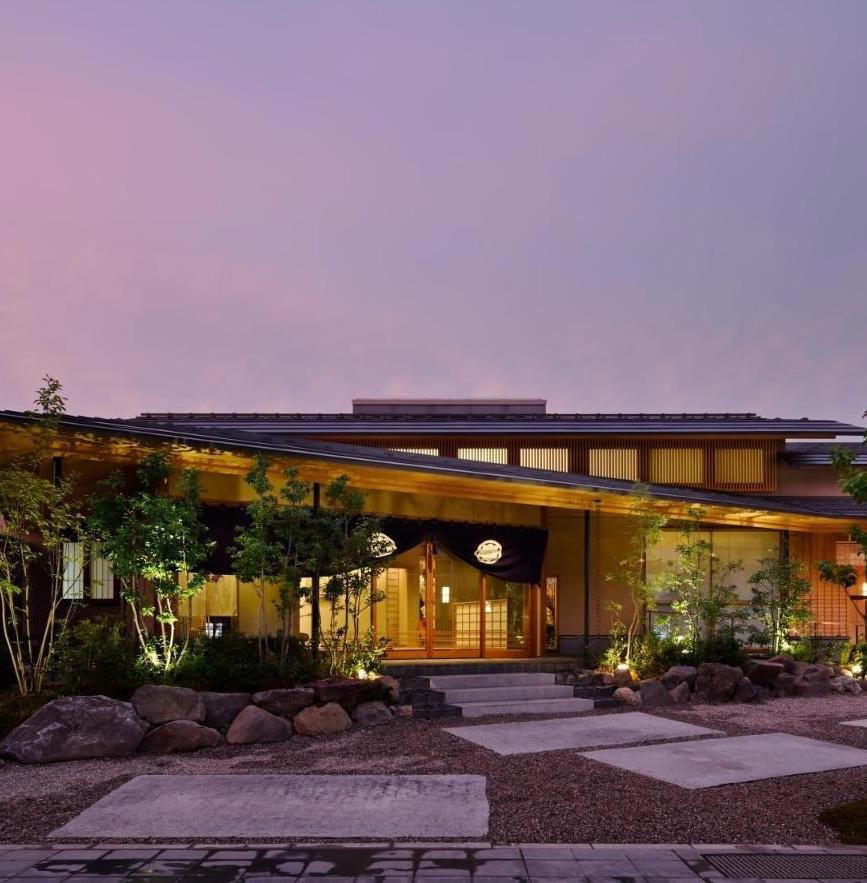
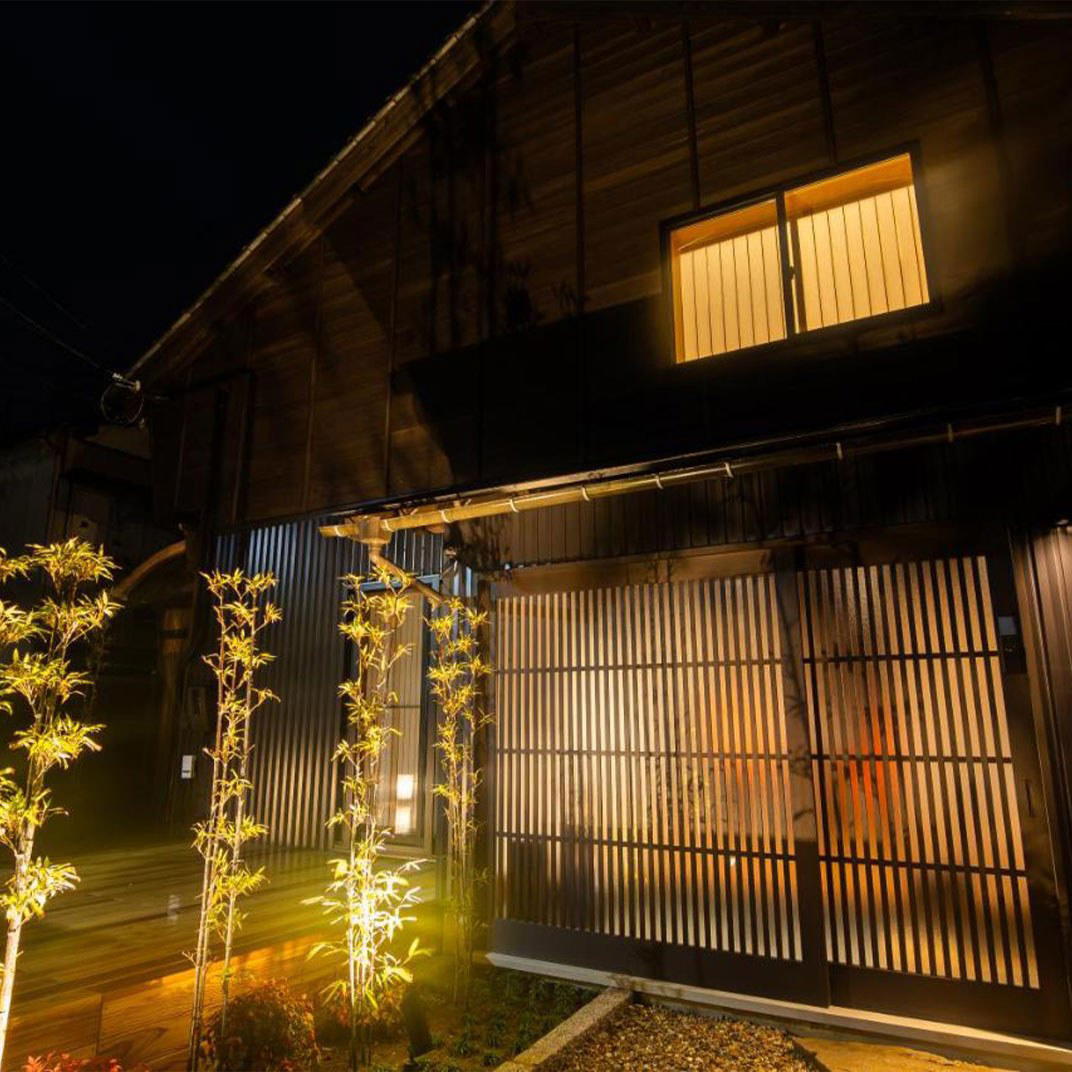
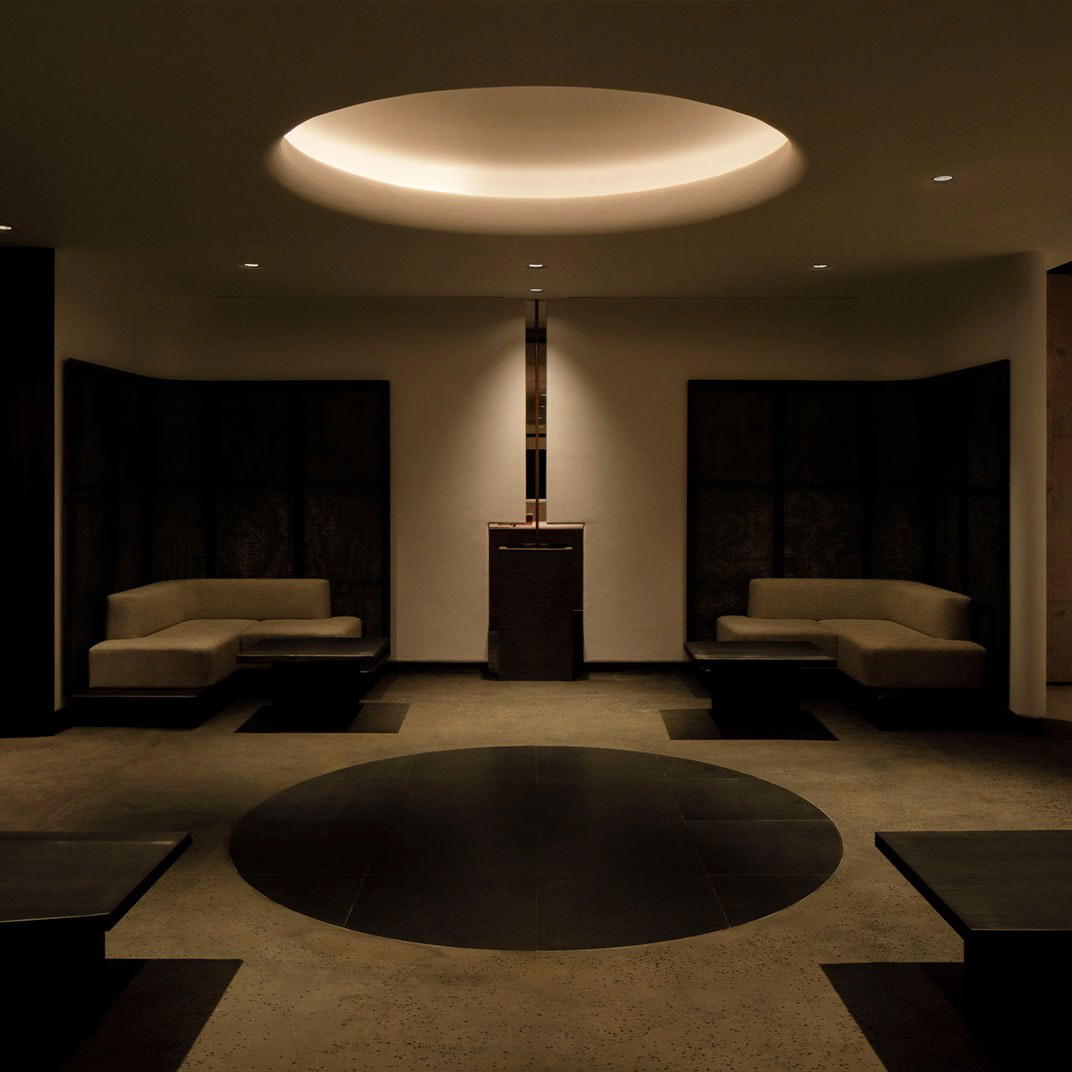
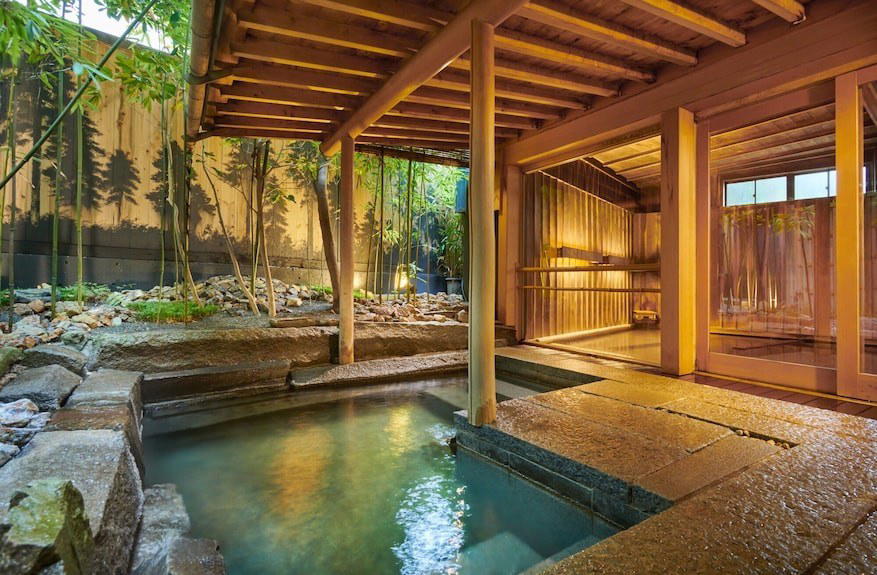
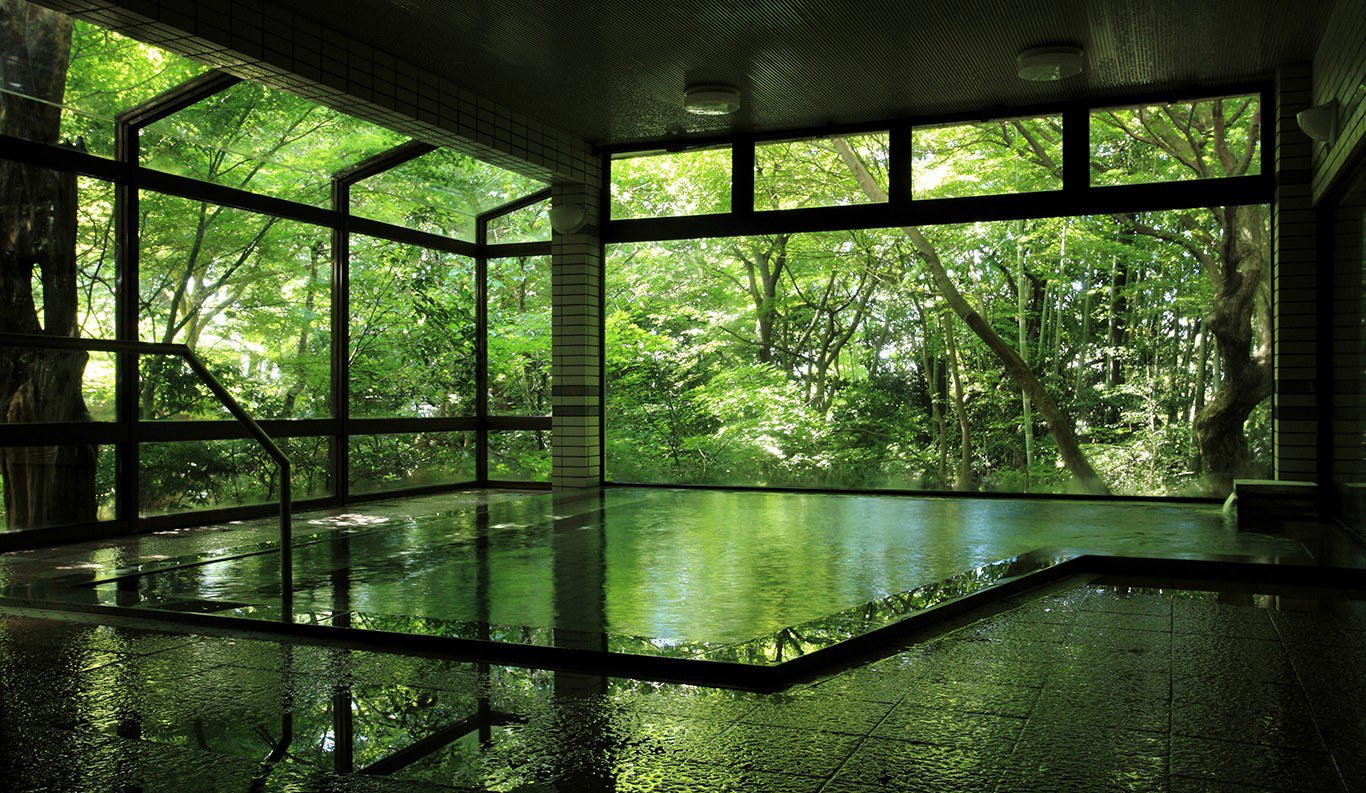
The address, Haruecho, within Sakai's Edomekamishowa district, places Domani in a residential-commercial grain typical of smaller Japanese cities, where restaurants occupy ground-floor spaces without the visual fanfare of metropolitan dining quarters. This is not Ginza. The approach is quiet, the signage modest, and the surrounding streetscape functional rather than curated. In the logic of serious provincial dining in Japan, this is unremarkable. Many of the country's most considered kitchens operate in exactly this register: the room earns no points for design theatre, so the plate has to carry the full weight of the visit.
This format has parallels outside Japan. Lazy Bear in San Francisco built its identity around a communal, low-spectacle format where the food was the event. Le Bernardin in New York City operates on a different scale entirely but holds to the principle that ingredient quality and technique are the room's primary decoration. The provincial Japanese version of this logic runs through places like Domani, where the absence of a theatrical setting is itself a positioning statement.
Planning a Visit to Sakai, Fukui
Sakai is accessible from Fukui city, which since March 2024 has direct Shinkansen connections to both Tokyo and Osaka. Visitors combining Domani with broader Hokuriku exploration can reasonably route through Kanazawa, which sits on the same rail line and carries its own dense concentration of serious dining. The Sakai restaurant scene rewards the kind of traveller who builds itineraries around supply-chain logic rather than award density; Birdland in Sakai represents another reference point within that local peer group. For a full picture of what the city offers across price points and formats, the EP Club Sakai restaurants guide covers the current scene in detail. Specific booking details, hours, and pricing for Domani are best confirmed directly, as contact and operational information is subject to change for smaller provincial restaurants of this type. Similarly, Akakichi in Imabari illustrates how regional Japanese restaurants in smaller cities often operate on limited published information, making direct local inquiry the most reliable approach.
Frequently asked questions
Is Domani okay with children?
Sakai sits outside the high-traffic tourist corridors, and restaurants operating at this level in the city tend toward quiet, unhurried service formats. That setting generally suits older children comfortable with a slower pace, less so young children who need flexibility.
What's the vibe at Domani?
Domani is in the Haruecho district of Sakai, a city that operates well outside the Osaka-Kyoto dining circuit. The register here is local and low-key rather than performative, which shapes the room dynamic considerably. Expect a pace set by the kitchen's priorities, not by tourist-facing hospitality conventions.
How do I get to Domani in Sakai, Fukui from Tokyo or Osaka?
The Hokuriku Shinkansen extension completed in March 2024 gives Fukui city direct rail connections to both Tokyo and Osaka, removing the transfer friction that previously discouraged visits to this part of Japan. Sakai is accessible from Fukui city, placing Domani within reach of a focused day trip or an overnight stay in the prefecture. The address, 8-5 Haruecho Edomekamishowa, Sakai, is specific enough to navigate by taxi from the nearest station.
What should I order at Domani?
Fukui Prefecture is the source of Echizen crab, one of Japan's most prized seasonal ingredients, along with Wakasa-sourced fish that rarely travels far beyond the region. Any kitchen in Sakai working at a serious level will orient its menu around these local supplies. Specific dishes and current menu details should be confirmed with Domani directly before your visit.
The Minimal Set
Comparable venues nearby, for context on price, style, and recognition.
| Venue | Cuisine | Price | Awards | Notes |
|---|---|---|---|---|
| DomaniThis venue (the venue you are viewing) | Italian Trattoria | $10–20 | Not listed | Not listed |
| リーノ | Italian | $20–30 | Not listed | Maruoka, Italian |
| ラル | Seafront French in Historic House | Not listed | Not listed | Mikuni, Seafront French in Historic House |
| Birdland | Authentic Neapolitan Pizza | $30–50 | Tabelog 100 #74 | Mikunicho Midorigaoka, Authentic Neapolitan Pizza |
| 朱雀 | Japanese Restaurant | Not listed | Not listed | Sakai, Japanese Restaurant |
| 日本料理 味所望 | Japanese Restaurant | Not listed | Not listed | Sakai, Japanese Restaurant |
Continue exploring
More in Sakai
Restaurants in Sakai
All restaurants in Sakai →
Details
- Cozy
- Casual
- Casual Hangout
- Family
- Group Dining
- Standalone
- Local Sourcing
- A La Carte
- Coffee
- Vegetarian Friendly
Current opening hours
- Monday
- Closed
- Tuesday
- 11:30 AM–2:30 PM, 6–9 PM
- Wednesday
- 11:30 AM–2:30 PM, 6–9 PM
- Thursday
- 11:30 AM–2:30 PM, 6–9 PM
- Friday
- 11:30 AM–2:30 PM, 6–9 PM
- Saturday
- 11:30 AM–2:30 PM, 6–9 PM
- Sunday
- 11:30 AM–2:30 PM
Hours can change for holidays and private events. Hours as of .
Relaxed and casual atmosphere in a house-like setting, designed for everyday dining without pretension.