


1 Michelin Key · Relais Chateaux Award · Tatler Listed in Best Hotels Asia-Pacific
Beniya Mukayu is a 16-room ryokan in Yamashiro Onsen, Kaga, earning a Michelin Key (2024) and inclusion in Tatler Asia-Pacific Best Hotels 2025. Rates from US$725 per night include private outdoor onsen per room and multi-course kaiseki dining. A complimentary shuttle connects the property to Kaga Onsen Station.

Pearl is the En Primeur Club membership app, where members save venues, book tables and use the concierge.
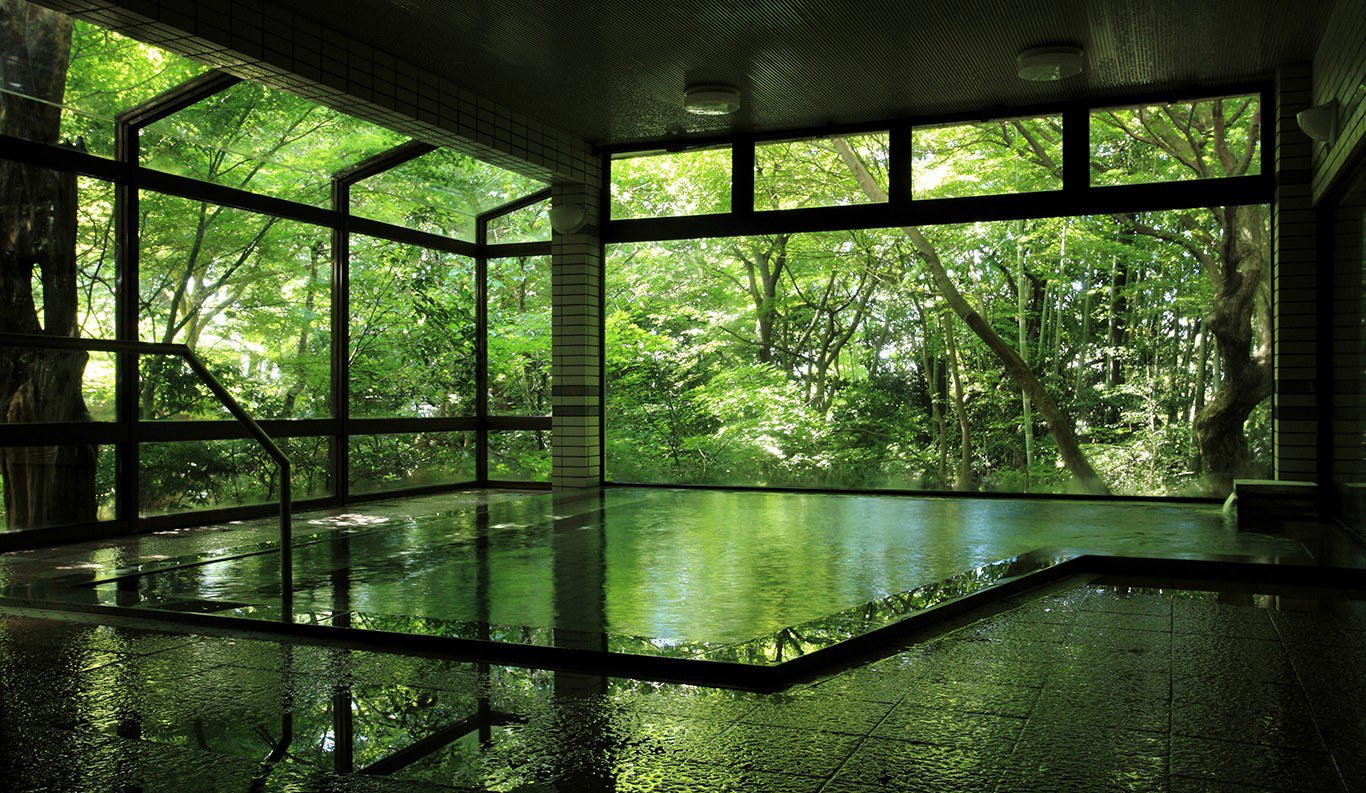
Where Modernist Architecture Meets the Ryokan Tradition
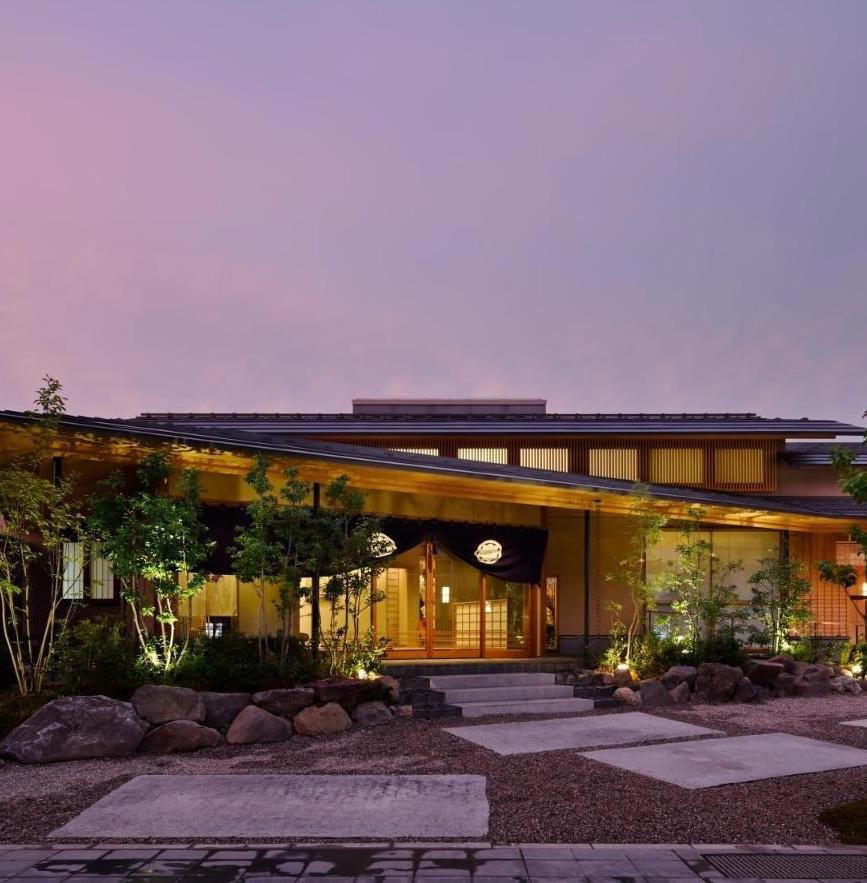
The onsen towns of Ishikawa Prefecture occupy a specific register in Japanese hospitality that most international visitors reach only after working through the better-known circuits of Kyoto and Tokyo. Yamashiro Onsen, a hot-spring district within the city of Kaga, sits roughly an hour from Kanazawa by road, and the ryokans concentrated here compete on the depth of their thermal bathing traditions, the precision of their kaiseki programmes, and the degree to which a guest can genuinely detach from the outside world. Beniya Mukayu positions itself within that competitive set by pairing the full classical ryokan format with a modernist architectural sensibility that, rather than contradicting the tradition, reads as a continuation of it. The property earned a Michelin Key in 2024 and appears on the Tatler Asia-Pacific Leading Hotels 2025 list, placing it alongside design-forward ryokans that treat built environment and culinary programme as inseparable parts of the same experience.
At 16 rooms, Beniya Mukayu operates at a scale that keeps the experience quiet by design. Rates begin at US$725 per night, positioning the property in the upper bracket of Ishikawa's onsen ryokan tier, comparable in price architecture to peers such as Araya Totoan, the other Kaga property with serious culinary credentials. For broader context on what Kaga's dining and hospitality scene looks like across price points, the full Kaga guide maps the options in detail.
The Kaiseki Programme and Its Place in the Onsen Ryokan Format
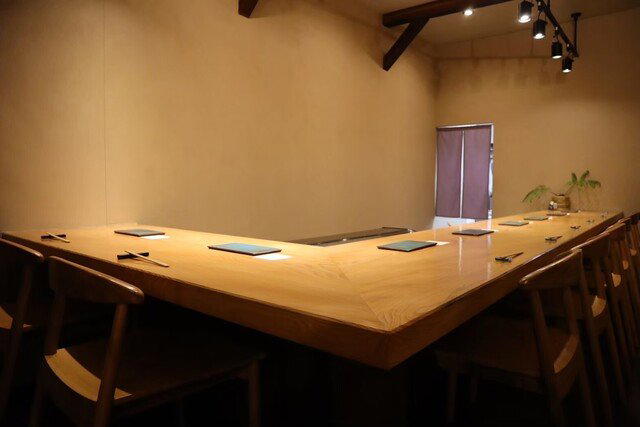
In the traditional ryokan model, dining is not a separate amenity to be opted into or skipped. It is structural. The multi-course kaiseki dinner served at Beniya Mukayu follows a format that has evolved over centuries in the ryokan tradition, drawing on the seasonal produce of the Hokuriku region and the precision plating disciplines associated with Kanazawa's long history as a culinary city. Ishikawa Prefecture has the highest concentration of restaurants per capita in Japan outside of Tokyo, a fact that shapes the expectations guests bring to properties in this area. A ryokan operating at Beniya Mukayu's price point and recognition tier is implicitly competing against that regional standard.
The tea ceremony performed by the property's owner adds a participatory dimension to the cultural programme that distinguishes the property from ryokans that treat cultural activities as optional extras booked through a concierge. When the ceremony is conducted by the proprietor rather than a hired instructor, it carries a different weight: the gesture signals the property's investment in hospitality as a personal practice rather than a service delivery operation. This sits within a long tradition in Japanese innkeeping where the owner's direct involvement in guest experience is considered central to the ryokan's identity.
For guests who have encountered the kaiseki format at urban properties, the Yamashiro Onsen context introduces a variable that city dining cannot replicate: the meal arrives at the end of a day structured around thermal bathing, stillness, and deliberate deceleration. The sequencing matters. Properties such as Amanemu in Mie and Gora Kadan in Hakone have built comparable programmes around the same logic: that the dining experience is inseparable from the physical state the property cultivates over the course of a day.
Private Onsen, Moss Gardens, and the Architecture of Quiet
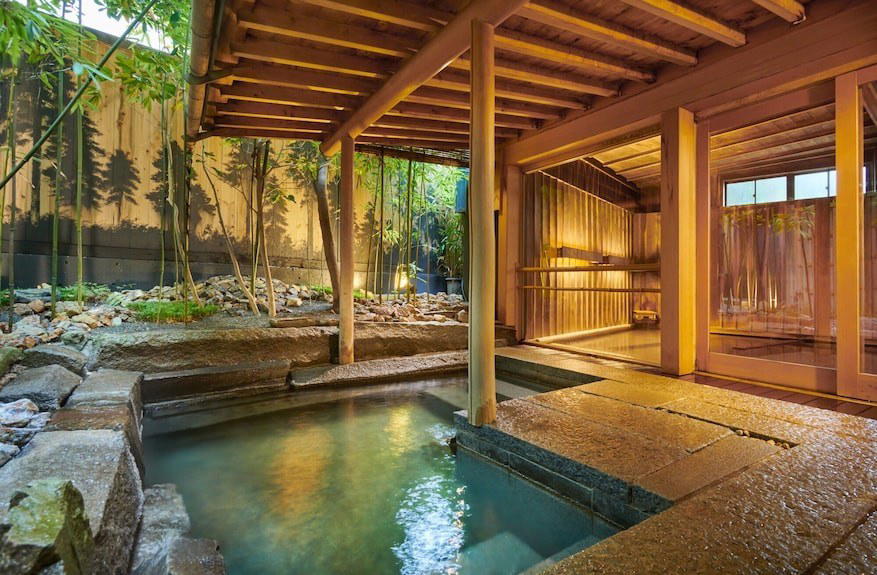
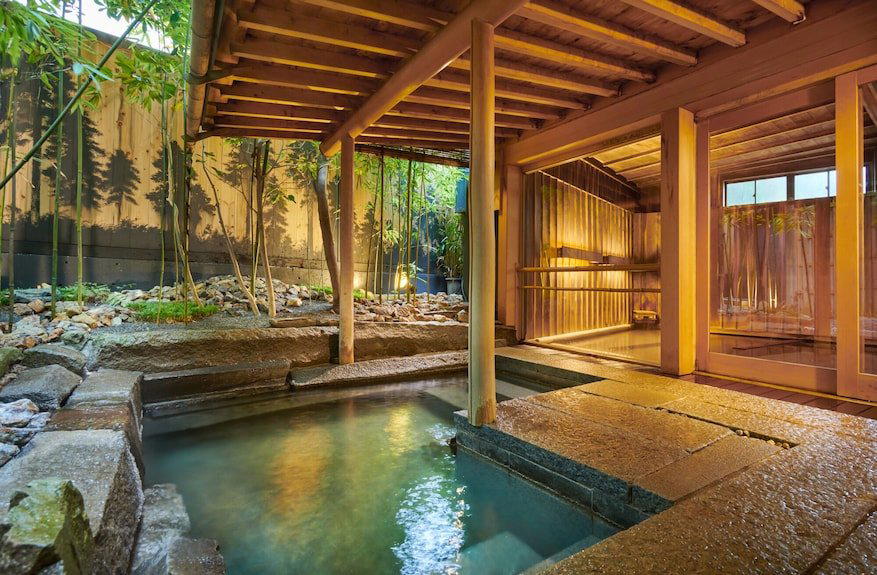
Every room at Beniya Mukayu includes a private outdoor onsen bath, fed by the medicinal hot springs of Yamashiro. This is not a shared facility arrangement: the outdoor bath is attached to the individual room, which means the thermal bathing experience operates on the guest's schedule rather than the property's. In Kaga's competitive onsen ryokan market, private outdoor baths at this level of provision are a meaningful differentiator, and their presence at every room rather than at a premium tier only reinforces the property's positioning.
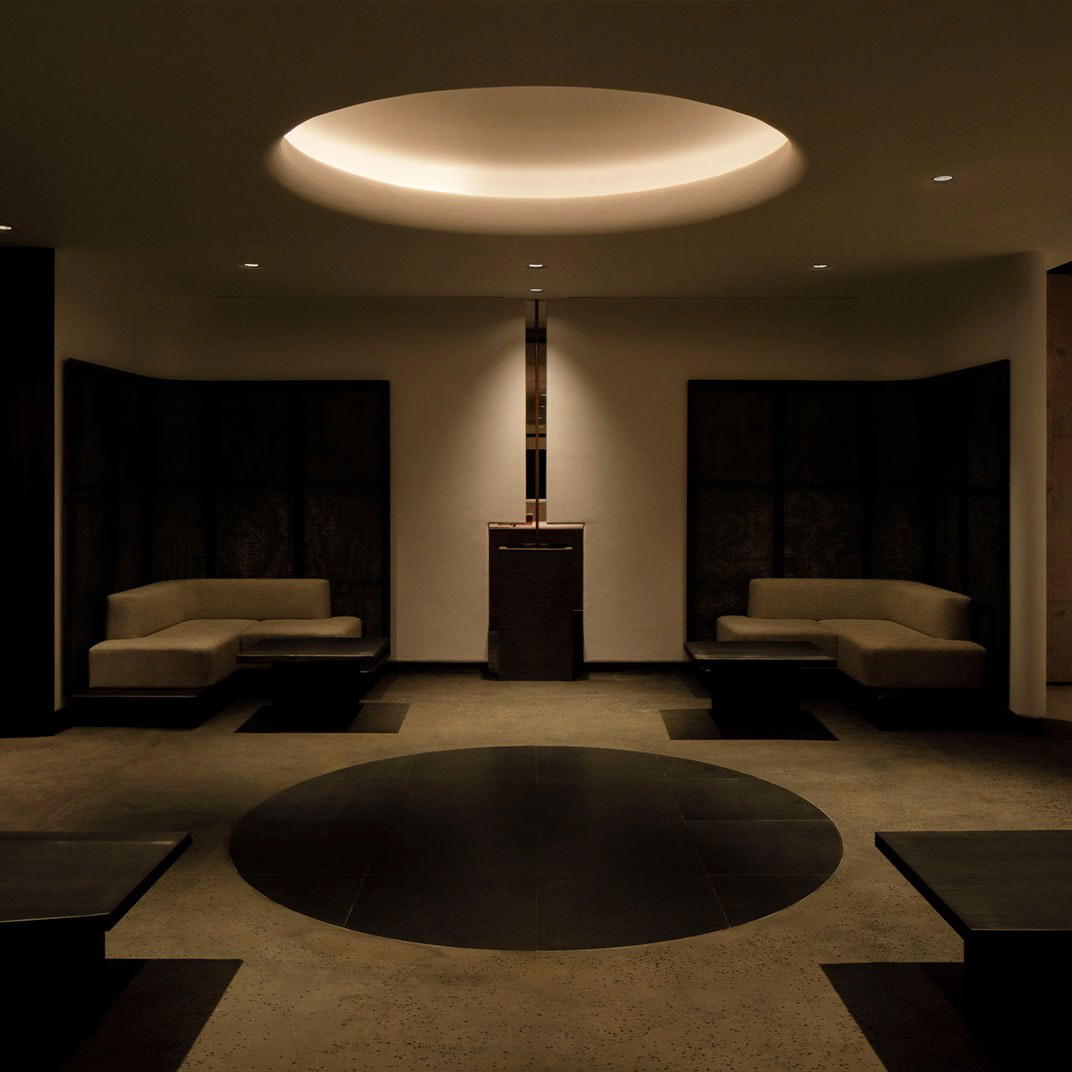
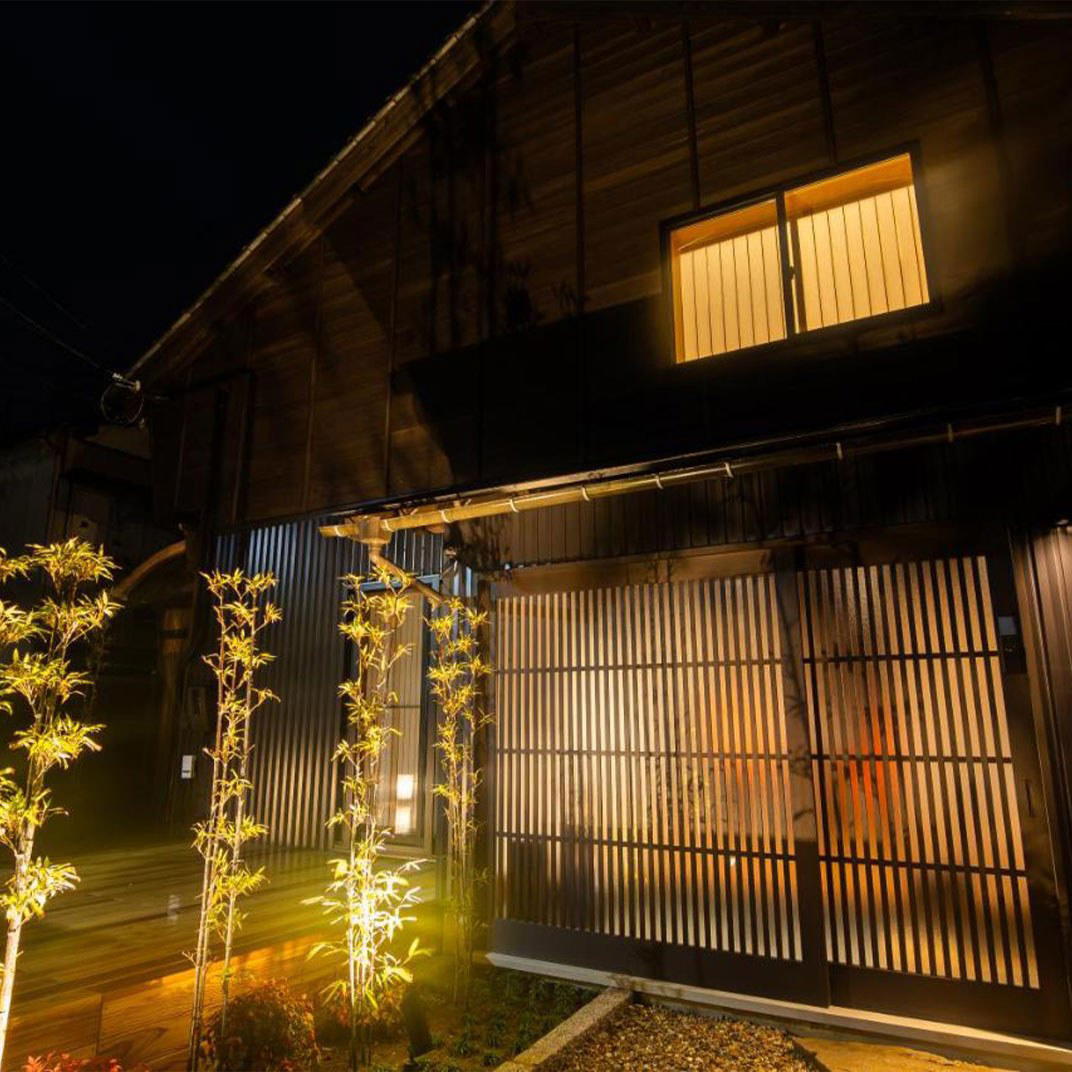
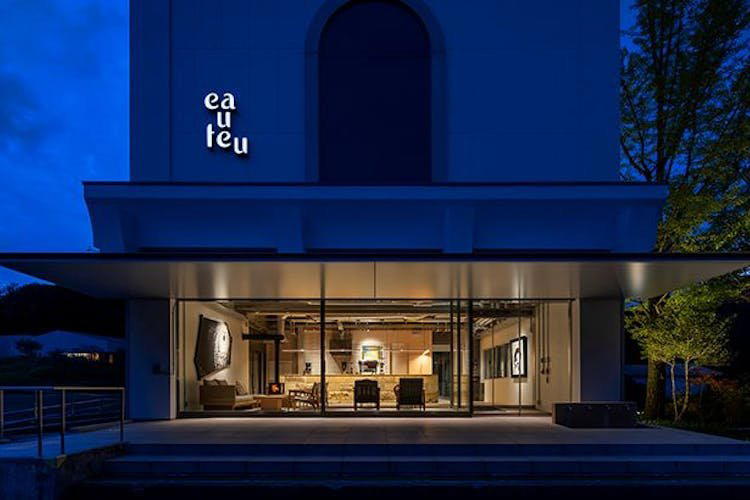
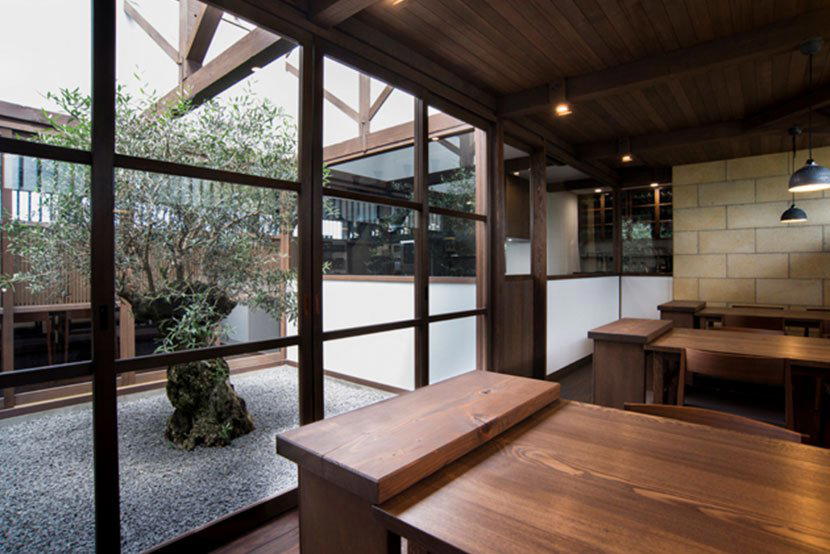
The grounds are maintained with a specificity that signals how the property thinks about environment. A library devoted to cataloguing the property's vegetation and mosses is less an eccentricity than a statement about the seriousness with which the natural setting is treated. The clean lines of the architecture, executed in simple materials, create a visual language that sits closer to traditional Japanese spatial philosophy than to generic international minimalism. Where properties such as Benesse House on Naoshima deploy contemporary art as the organising principle for the built environment, Beniya Mukayu uses the moss, the timber, and the hot spring as its primary materials. The result is a property where the designed environment and the natural one are in active conversation rather than polite coexistence.
Children under 7 cannot be accommodated, a policy that functions as an effective filter. The property is configured for quiet, and that configuration is enforced through booking policy as much as through design.
Kaga in the Context of Japan's Premium Ryokan Circuit
The premium ryokan market in Japan has developed a recognisable circuit of properties, many of which are located in onsen towns a train or car journey from major cities. Asaba in Izu, Zaborin in Hokkaido, and Nishimuraya Honkan in Kinosaki-cho each occupy recognisable positions within that circuit, differentiated by region, architectural approach, and culinary emphasis.
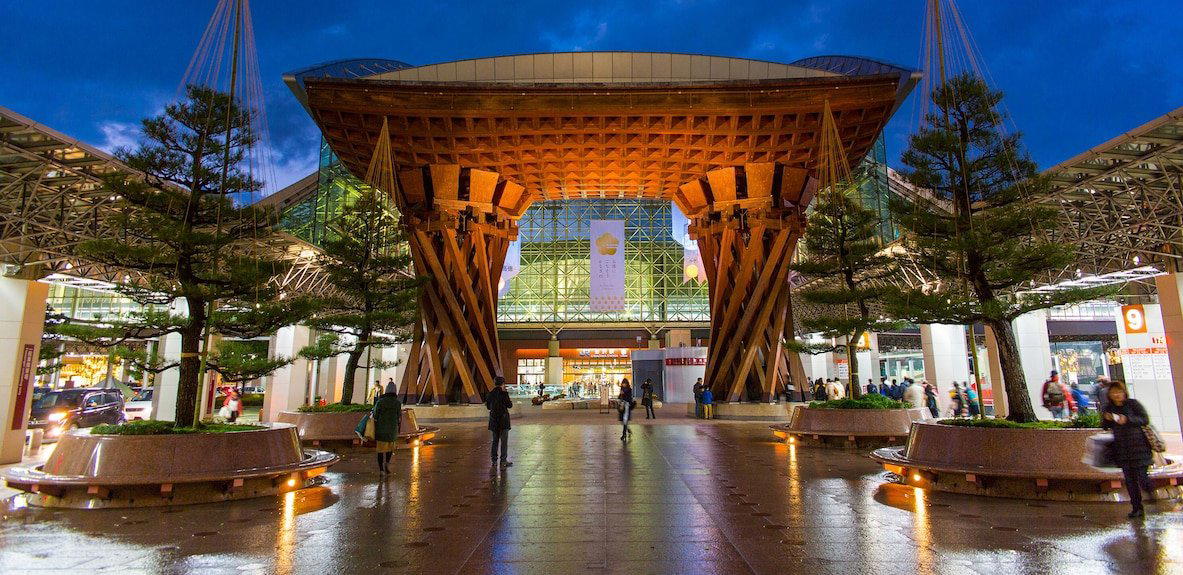
Guests arriving via Kanazawa can use the Hokuriku Shinkansen, which reaches Kanazawa from Tokyo in roughly two and a half hours. From Kanazawa, Kaga is accessible by local rail to Kaga Onsen Station, where the property operates a complimentary shuttle service. The shuttle runs for arrivals between 14:20 and 18:00, and for departures every 30 minutes from 8:45 to 11:15. Transfer to and from Komatsu Airport can be arranged by taxi at additional cost. Guests flying into the region should note that Komatsu Airport handles connections to Tokyo Haneda and several other domestic routes, making it a viable entry point for those who prefer to avoid the Kanazawa-to-Kaga ground transfer.
For visitors building a broader Ishikawa itinerary, HOTEL THE MITSUI KYOTO offers a useful contrast in how premium Japanese hospitality translates to an urban setting, while Bvlgari Hotel Tokyo represents the opposite end of the spectrum: international luxury in a metropolitan context. Both sit outside the ryokan format entirely, which makes the comparison useful for understanding what the Beniya Mukayu experience requires the guest to accept and what it delivers in return. Other comparable ryokan formats across Japan include Fufu Kawaguchiko, Fufu Nikko, ENOWA Yufu, Sekitei, Atami Izusan Karaku, Beniya Kofuyuden, Bettei Otozure, and Bettei Senjuan. For resort properties in a different register, Halekulani Okinawa, Jusandi in Ishigaki, ANA InterContinental Beppu, and Azumi Setoda represent the direction Japanese coastal hospitality has taken at the premium tier. International alternatives in the Relais and Chateaux owner-operated tradition include Aman New York, The Fifth Avenue Hotel, and Aman Venice, each of which approaches the owner-operated ethos through a different cultural lens.
Planning Your Stay
Beniya Mukayu rates start from US$725 per night. The property holds 16 rooms, and at that scale, availability should be treated as a limiting factor, particularly during autumn foliage season and the spring months when Kaga's natural setting is at its most visited. Reservations and enquiries can be directed to beniya@relaischateaux.com or by telephone at +81 (0)761 77 13 40. The website is mukayu.com. Children under 7 are not accepted. The property's Michelin Key recognition (2024) and Tatler Asia-Pacific Leading Hotels 2025 listing are current signals of its standing in the regional market.
Cost and Credentials
| Venue | Awards |
|---|---|
| Beniya MukayuThis venue (the venue you are viewing) | 1 Michelin Key · Relais Chateaux Award |
| Bvlgari Hotel Tokyo | 3 Michelin Keys · World's 50 Best #24 |
| Aman Kyoto | 2 Michelin Keys · World's 50 Best #74 |
| Aman Tokyo | 2 Michelin Keys · World's 50 Best #11 |
| Amanemu | 3 Michelin Keys · La Liste Top Hotels |
| Four Seasons Hotel Tokyo at Otemachi | 3 Michelin Keys · La Liste Top Hotels |
Recognition history
Dated appearances from independent guides and award organizations, with the underlying list record or original source where available.
Michelin 1 Key
Michelin
Relais Chateaux Award
Relais Chateaux
Tatler Listed in Best Hotels Asia-Pacific
Tatler
Full recognition history (6 entries)
Michelin 1 Key
Michelin
Relais Chateaux Award
Relais Chateaux
Michelin 1 Key
Michelin
Continue exploring
More in Kaga
Details
- Quiet
- Elegant
- Scenic
- Intimate
- Sophisticated
- Minimalist
- Honeymoon
- Romantic Getaway
- Wellness Retreat
- Anniversary
- Private Villa
- Destination Spa
- Panoramic View
- Garden
- Spa
- Wi Fi
- Room Service
- Concierge
- Garden
- Massage
- Sauna
- Restaurant
- Garden
- Elevator
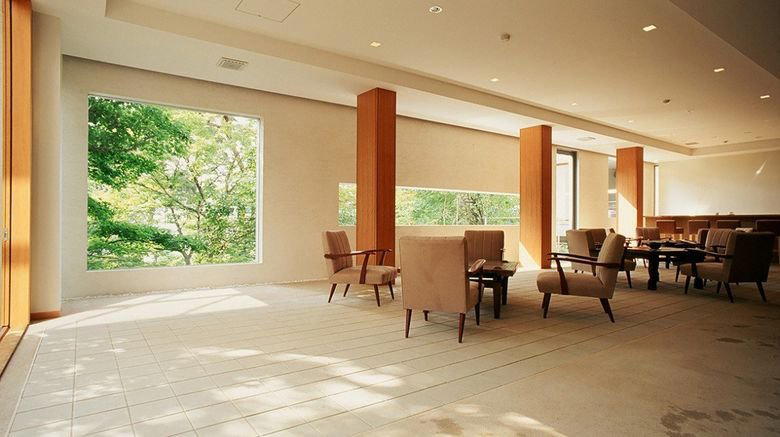
Serenely tranquil with natural light pouring through large windows, minimalist interiors, soft shadows from ancient pines, and a Zen-like atmosphere of 'richness in emptiness'.