Our verdict
Ootoku occupies a residential address in Sakai, Fukui, a city where the Sea of Japan's seasonal catch shapes the local table far more than any urban dining trend.

Pearl is the En Primeur Club membership app, where members save venues, book tables and use the concierge.

Sakai, Fukui, and the Hokuriku Table
The Fukui coastline runs along one of Japan's most productive cold-water fishing grounds. Sakai, a small port city in the northern reaches of the prefecture, sits at the point where the Sea of Japan's winter yields, snow crab, yellowtail, red sea bream, and the fatty mackerel that thrives in colder months, move directly from the boats into local kitchens. This is not a dining culture built around chefs seeking visibility or restaurants accumulating press. It is a culture built around what the water gives, and what the season allows. Ootoku, addressed at 24-83 Mikunicho Anto in Sakai, operates within that tradition.
The broader Hokuriku region, encompassing Fukui, Ishikawa, and Toyama prefectures, has quietly produced some of Japan's most ingredient-loyal cooking. While Kyoto commands the cultural narrative around washoku and Tokyo attracts the Michelin density, the prefectures facing the Sea of Japan sustain a parallel tradition that prizes provenance and restraint in equal measure. Venues in cities like Nanao (see 一本木 Nanao) and Takashima (see 湖畔庵) demonstrate how this coastal-inland arc maintains its own culinary logic, distinct from the Kansai and Kanto poles that dominate most international coverage of Japanese dining.
Where Sakai Sits in the Regional Picture
Sakai is not a dining destination in the way Osaka or Kyoto functions for international visitors. Its restaurants serve a local population with serious expectations around seasonal fish, and that audience is an unforgiving one. Hokuriku diners tend to know exactly what kanburi, the cold-season yellowtail harvested near the Noto Peninsula, should taste like, and they have no patience for sourcing that falls short. The result is that small restaurants in cities like Sakai operate under a kind of ambient quality pressure that no review system could replicate.
Within Sakai itself, a small cluster of restaurants has developed around this standard. Kawaki, which focuses on seafood, represents one approach to the local catch. Oga, Osamuchan, Birdland, and Domani round out a dining scene that, taken together, reflects a city eating seriously without performing for an outside audience. Ootoku exists in that same context: a neighbourhood address, a residential setting, and presumably a kitchen oriented around what the surrounding region produces rather than what international visitors expect to find.
The Cultural Logic of Ingredient-First Cooking
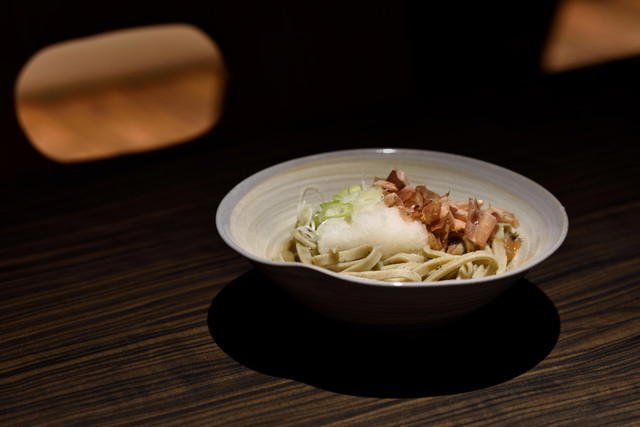
To understand a restaurant like Ootoku, it helps to understand what Hokuriku ingredient culture actually means in practice. The prefecture of Fukui produces its own rice varieties, its own soba (Echizen soba is among the most cited regional noodle traditions in Japan), and benefits from mountain snowmelt that creates cold, mineral-rich river systems alongside the coastal fishery. Fermentation is not a trend here, it is an infrastructure. Narezushi, the ancient lactic-fermented fish preparation that predates the vinegared rice style most of the world recognises as sushi, has a documented lineage in the Hokuriku region stretching back centuries.
This matters because it positions a Sakai restaurant within a culinary tradition that has very little to do with the omakase counter formats that have captured international attention at venues like Harutaka in Tokyo or the technique-forward kaiseki sensibility of Gion Sasaki in Kyoto. The Hokuriku mode tends toward directness: fewer courses, more visible ingredient quality, less structural performance around the meal. That directness is itself a form of confidence, it assumes the diner understands what they are eating and why it matters.
Comparisons to Osaka's ambitious restaurant culture are instructive. A venue like HAJIME in Osaka represents the Kansai appetite for conceptual ambition within a formal dining frame. Sakai's dining identity sits at the opposite end of that axis: less construction, more provenance. Neither is a lesser approach; they address different ideas about what a meal is for.
Finding Ootoku: Practical Notes
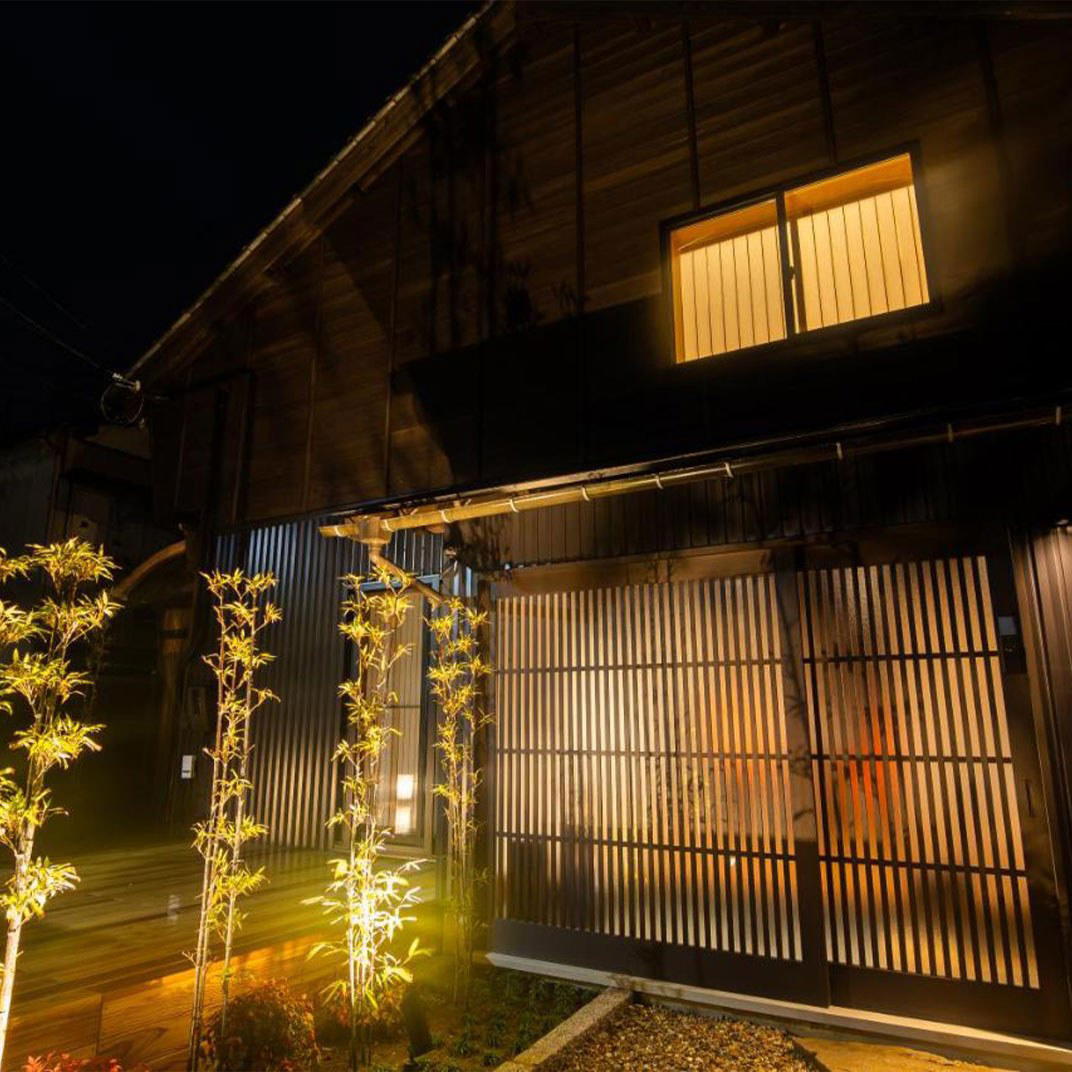
Sakai, Fukui is accessible by rail on the Hokuriku Main Line, with the closest major interchange at Fukui Station before continuing north along the coast. The city is compact, and the address at Mikunicho Anto places Ootoku in a residential district rather than a commercial dining strip. This is consistent with the broader pattern of serious local restaurants in smaller Japanese cities: they are found by word of mouth and repeat custom, not by foot traffic or prominent signage.
This is standard practice for small, locally-oriented restaurants across the Hokuriku region, and is not a barrier so much as a function of how these establishments operate. For broader context on eating in the area, our full Sakai restaurants guide maps the city's dining options in more detail.
Travellers combining Sakai with a wider Hokuriku or Kansai itinerary might also consider the range of regional dining covered across EP Club's Japan pages. Akordu in Nara and Goh in Fukuoka represent how Japan's secondary cities are developing serious restaurant cultures that operate independently of the Tokyo and Osaka gravity. Atomix in New York City and Le Bernardin in New York City demonstrate how the ingredient precision that defines regional Japanese cooking translates, in different registers, to the highest tiers of Western fine dining. 大仙山乃 in Sapporo and 鶴羽屋 in Nishikawa Machi extend the picture of how Japan's colder, northern regions develop their own distinct culinary character. Bistro Ange in Toyohashi shows the range of approaches found in Japan's mid-size cities.
Frequently asked questions
What's the address for Ootoku?
Ootoku is located at 24-83 Mikunicho Anto, Sakai, Fukui 913-0064, Japan, Sakai.
Is Ootoku worth a detour from Fukui City or the Hokuriku Main Line corridor?
Sakai sits north of Fukui Station along the Hokuriku Main Line, putting Ootoku within reach for travellers already moving through the corridor between Fukui and Kanazawa. The city does not draw significant visitor traffic on its own, which means restaurants here serve a local population with expectations formed by proximity to serious ingredients rather than by tourist trade. For anyone with an interest in how Hokuriku's coastal food culture operates outside its better-known cities, Sakai makes a coherent stop.
What's the must-try dish at Ootoku?
Ootoku's address in Sakai, Fukui places it directly within reach of the Hokuriku coast's cold-water catch, which shapes what most kitchens in this area put at the centre of the menu. Seasonal seafood from these waters, crab in winter, various finfish across the year, is the natural focus of any serious table in this part of Fukui.
What's the best way to book Ootoku?
Ootoku does not have a listed phone number, website, or third-party booking platform in current public records. Restaurants at this scale in Sakai, Fukui typically operate through direct contact or local recommendation rather than online reservation systems. Reaching out through a Japanese-speaking contact or a concierge service familiar with the Hokuriku region is the most practical route for visitors from outside Japan.
Price Lens
Comparable venues nearby, for context on price, style, and recognition.
| Venue | Cuisine | Price | Awards | Notes |
|---|---|---|---|---|
| OotokuThis venue (the venue you are viewing) | Seafood Japanese with Sea Views | $30–50 | Not listed | Not listed |
| 越前 蟹の坊 | Echizen Crab & Japanese Seafood | $30–50 | Not listed | Mikuni, Echizen Crab & Japanese Seafood |
| ラル | Seafront French in Historic House | Not listed | Not listed | Mikuni, Seafront French in Historic House |
| 日本料理 味所望 | Japanese Restaurant | Not listed | Not listed | Sakai, Japanese Restaurant |
| Yasuke | Traditional Sakai Sushi | $150–200 | Tabelog 100 #92 | Ocho Higashi, Sakai-ku, Traditional Sakai Sushi |
| Osamuchan | Yakiniku Omakase | $100–150 | Tabelog Bronze #343 | Otori Kita-cho, Nishi-ku, Yakiniku Omakase |
Continue exploring
More in Sakai
Restaurants in Sakai
All restaurants in Sakai →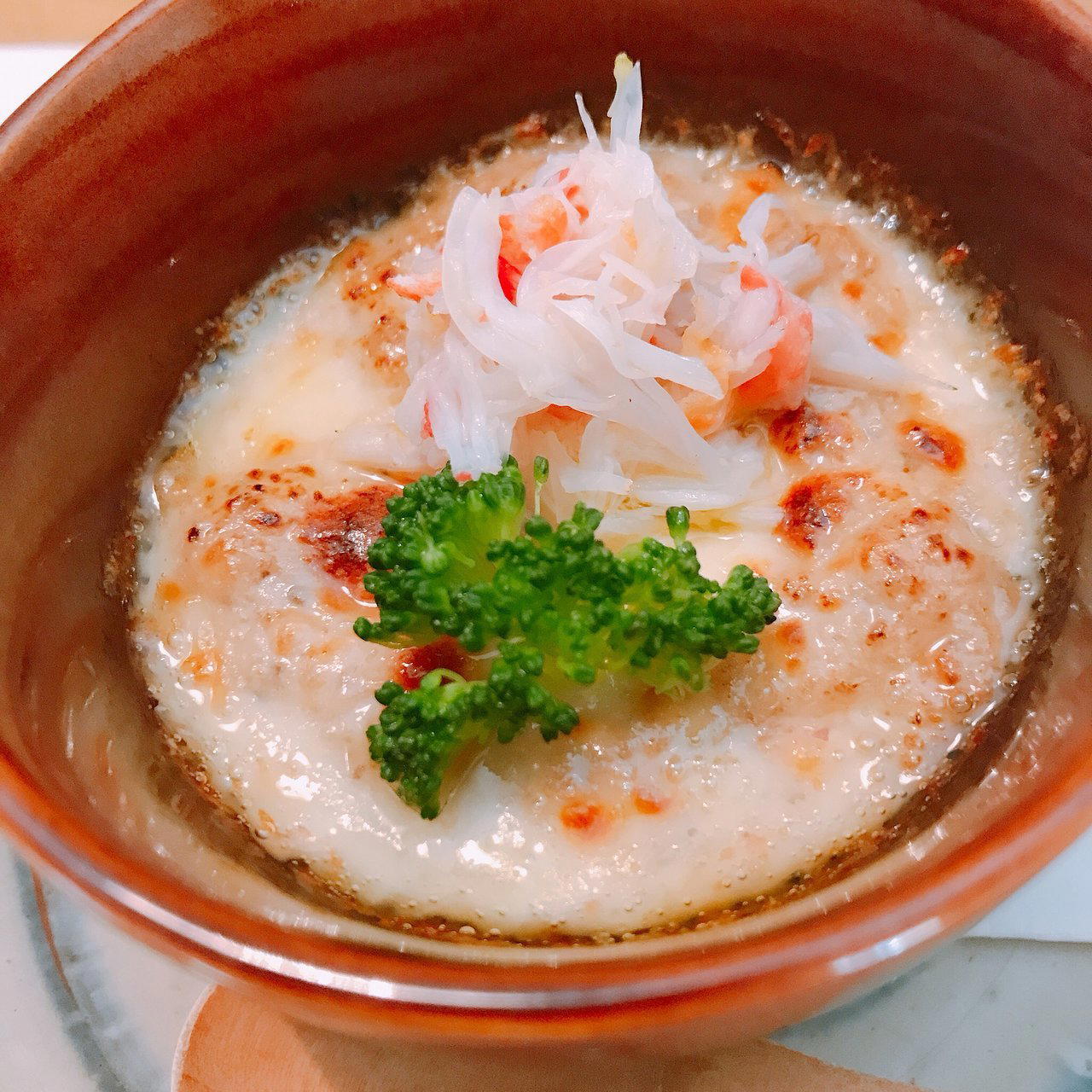
Details
- Scenic
- Elegant
- Sophisticated
- Special Occasion
- Family
- Waterfront
- Open Kitchen
- Sake Program
- Local Sourcing
- Sustainable Seafood
- Waterfront
- A La Carte
- Set Menu
Current opening hours
- Monday
- 11 AM–3:30 PM
- Tuesday
- 11 AM–3:30 PM
- Wednesday
- Closed
- Thursday
- 11 AM–3:30 PM
- Friday
- 11 AM–3:30 PM
- Saturday
- 11 AM–3:30 PM
- Sunday
- 11 AM–3:30 PM
Hours can change for holidays and private events. Hours as of .
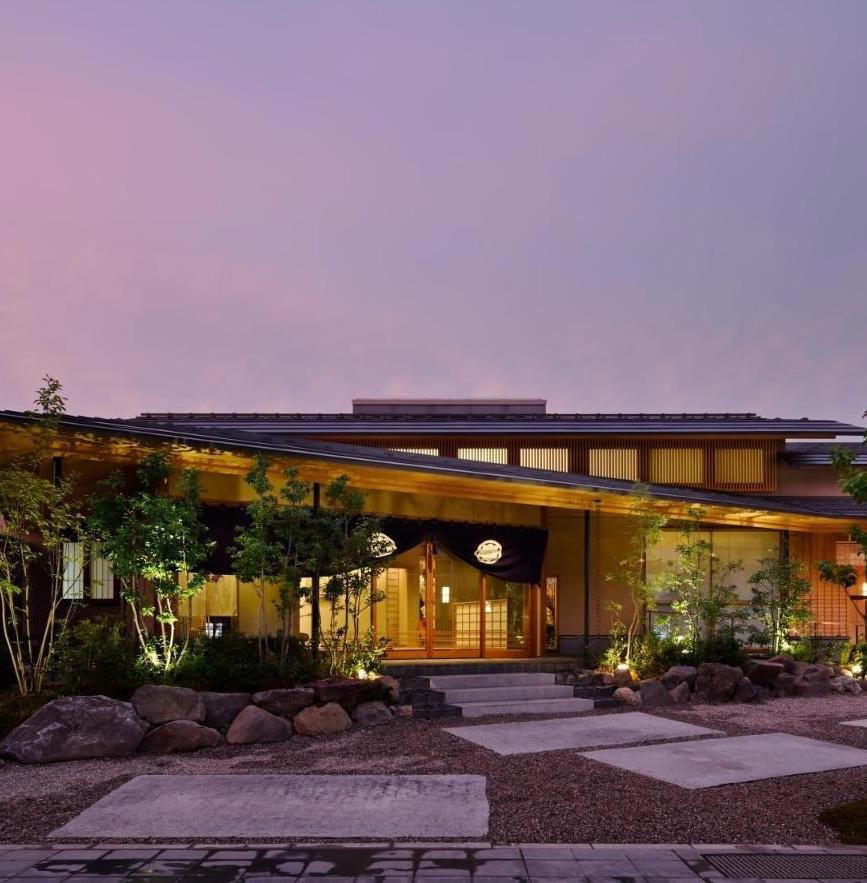
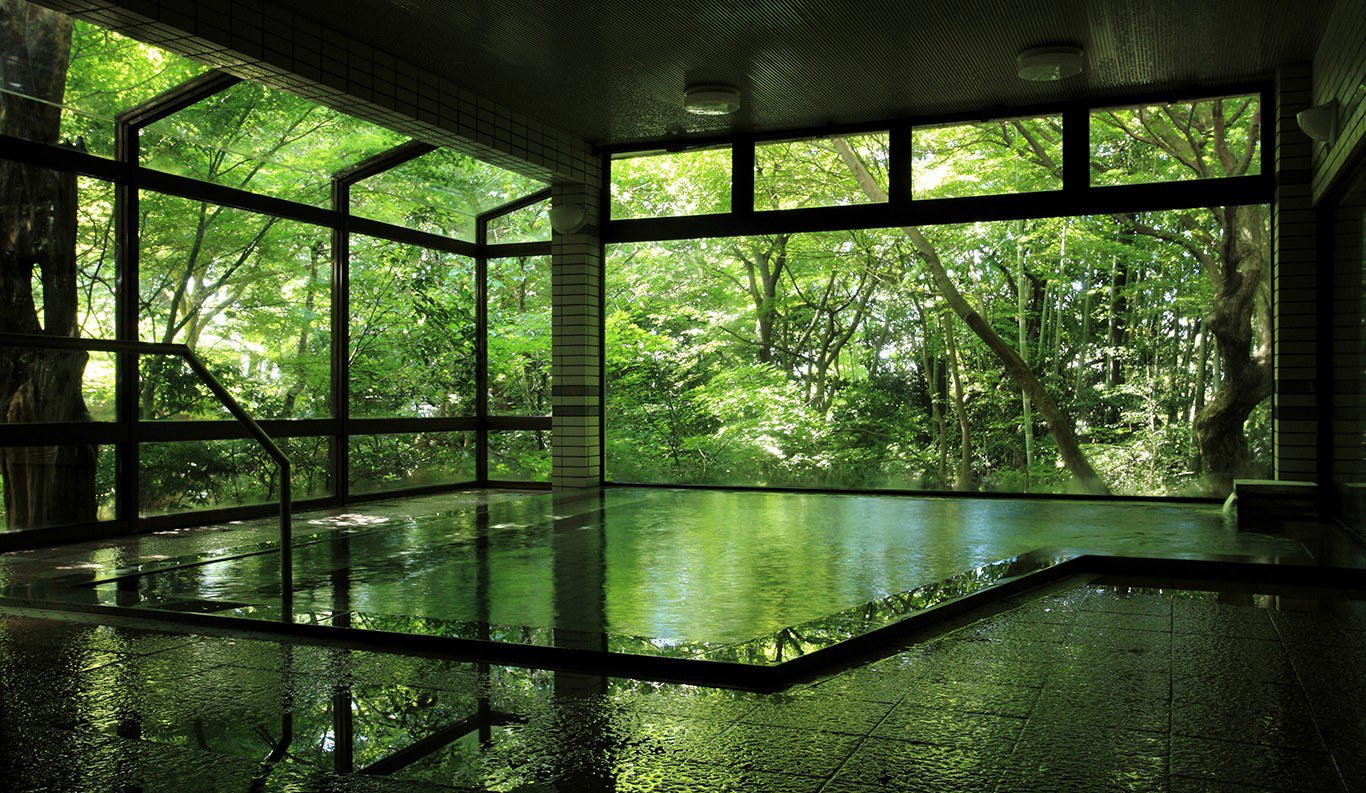
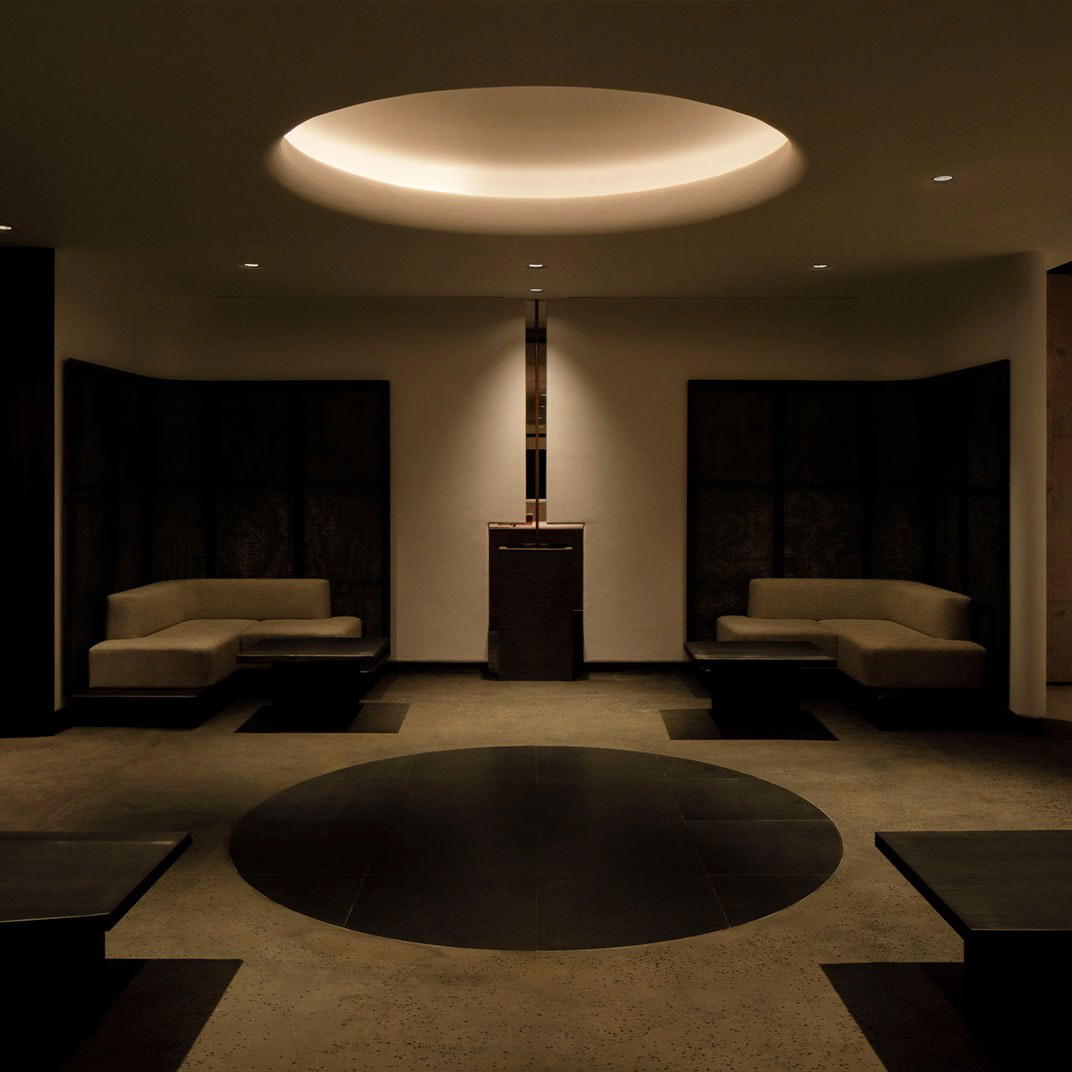
Stylish Scandinavian modern decor with clean, sophisticated interior and large windows offering serene ocean vistas.