Florilège sits inside Azabudai Hills, Tokyo's most consequential recent urban project, and occupies a position in the French creative dining tier that sits a full price bracket below peers like L'Effervescence and Sézanne while matching them in critical weight. The counter format and open kitchen place produce sourcing and technique in direct view, making it one of the city's more transparent high-end French experiences.
Pearl is the En Primeur Club membership app — saves, bookings, and concierge access live there. Same editors, same standards.
- Address
- Japan, 〒105-0001 Tokyo, Minato City, Toranomon, 5 Chome−10−7 麻布台ヒルズ ガーデンプラザD 2F
- Phone
- +81364358018
- Website
- aoyama-florilege.jp
- Directions
- Get directions
 Saves & bookings on Pearl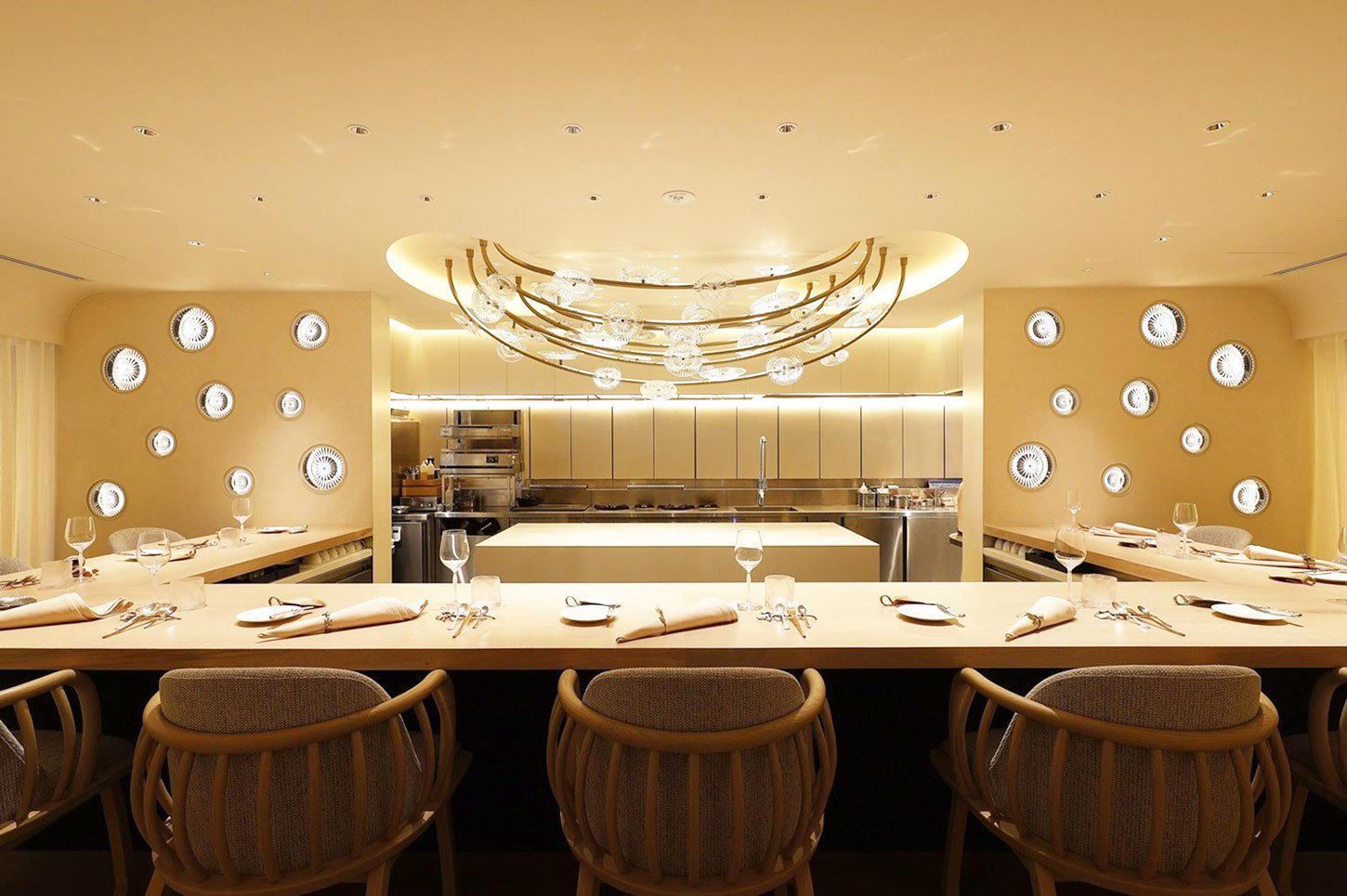
Where Tokyo's French Creative Tier Places Florilège
At the leading level sit counters with ¥¥¥¥ pricing and booking windows that stretch months ahead. Below that, a smaller and more interesting cohort operates at ¥¥¥, carrying comparable critical credentials but pricing against a different competitive set. Florilège (フロリレージュ) occupies that tier deliberately and has done so with consistency. For context on where it fits among Tokyo's broader French category, see L'Effervescence and Sézanne, which represent the leading bracket Florilège prices against rather than with.
The restaurant is at 2F, Garden Plaza D, Azabudai Hills, Toranomon, Minato City. That relocation matters as context: Azabudai Hills repositioned a significant slice of Tokyo's premium dining and retail into a single district, and Florilège's presence there signals the kind of institutional confidence that comes with sustained critical recognition rather than novelty. The French creative tier in Tokyo now has a clearer geographic anchor in that development than it did when Florilège operated from its earlier Minami-Aoyama address.
The Lunch and Dinner Divide: Two Different Propositions
It reflects a structural difference in how the kitchen uses time, how the room reads, and what kind of guest each service attracts. Florilège is a useful case study in this divide.
Lunch at this level typically runs a compressed version of the evening's logic: fewer courses, a shorter wine programme, and a room that fills with a mix of business diners, food-aware tourists working down a list, and locals who find the midday price point more accessible. At ¥¥¥ pricing overall, Florilège sits below the ¥¥¥¥ peers, making a lunch visit here more financially comparable to dinner at a mid-tier bistro than to dinner at Crony or RyuGin. That compression of cost relative to kitchen ambition is one of the more compelling arguments for choosing the lunch sitting at this restaurant specifically.
Evening service shifts the equation. The counter format, an open kitchen wrapped by seated guests, becomes more theatrically alive after dark, when the pace slows and the courses extend. This is when Florilège's French creative approach, which tends to draw heavily on Japanese produce and seasonal logic rather than classical French ingredients, reads most fully. The distinction is not just atmospheric: dinner typically gives the kitchen more room to show the reasoning behind its sourcing decisions, and the dish sequence has more space to build. Guests who value a tightly structured tasting menu will find the dinner service most revealing.
The Azabudai Hills Setting and What It Means Logistically
Azabudai Hills is accessible from Toranomon Hills Station on the Tokyo Metro Hibiya Line, with the Garden Plaza D building positioned within the development's central retail and dining cluster. For visitors navigating the site for the first time, the scale of the complex makes ground-level wayfinding non-trivial, the 2F address within Garden Plaza D is specific and worth confirming before arrival rather than after.
The move into a major mixed-use development puts Florilège in the company of other high-profile food and retail tenants, which changes the pre- and post-dinner experience. Azabudai Hills has positioned itself as a destination with enough infrastructure that a full evening, arrival, dinner, drinks, departure, is self-contained within the precinct. That context makes this address particularly practical for visitors staying in the Minato City corridor, including Toranomon and Roppongi.
How Florilège Compares in Tokyo's French Creative Field
| Venue | Cuisine | Price Tier | Format Note |
|---|---|---|---|
| Florilège | French Creative | ¥¥¥ | Counter, open kitchen, Azabudai Hills |
| L'Effervescence | French | ¥¥¥¥ | Nishi-Azabu, nature-forward French |
| Sézanne | French | ¥¥¥¥ | Four Seasons Marunouchi, hotel dining |
| Crony | Innovative French | ¥¥¥¥ | Younger, more experimental positioning |
| Harutaka | Sushi | ¥¥¥¥ | Ginza counter, different category peer |
Florilège in the Wider Japan Fine Dining Picture
Tokyo concentrates the largest density of high-ambition French creative cooking in Japan, but the category has spread. HAJIME in Osaka operates in a similar register of French technique applied to Japanese seasonal logic, while Gion Sasaki in Kyoto represents the kaiseki tradition that French creative kitchens in Japan inevitably reference. Further afield, akordu in Nara and Goh in Fukuoka demonstrate that the French-Japanese synthesis is not purely a capital-city phenomenon. Internationally, the closest formal comparisons sit at counters like Atomix in New York, where tasting-menu discipline and seasonal produce sourcing drive a comparable conversation about where European technique meets local ingredient logic. For a different scale of ambition, Le Bernardin in New York illustrates what the French fine dining tradition looks like when it operates at full classical scale, a useful contrast to Florilège's more compressed, counter-led approach.
Across Japan's regional scene, restaurants like 一本木 石川制 in Nanao, 夕仙山乃 in Sapporo, 湖郷庵 in Takashima, 鳳羽屋 in Nishikawa Machi, Birdland in Sakai, and Bistro Ange in Toyohashi point to a regional dining culture in which precision cooking at serious price points has moved well beyond the capital. Florilège's sustained Tokyo visibility should be read inside that expanding national picture. Our full Tokyo restaurants guide maps where the French creative category sits relative to sushi, kaiseki, and the city's other serious dining formats.
Planning Your Visit
The Azabudai Hills address is the operative one. Access via Toranomon Hills Station (Hibiya Line) keeps the approach direct for guests coming from central Tokyo. Allow time to orient within the Azabudai Hills complex before your reservation, the 2F Garden Plaza D position is specific enough to warrant confirming the exact route in advance. Reservations are essential, and demand is steady across lunch and dinner.
Just the Basics
Comparable venues nearby, for context on price, style, and recognition.
| Venue | Cuisine | Price | Notes |
|---|---|---|---|
| フロリレージュThis venue — the venue you are viewing | Minato, Modern Sustainable French | $$$$ | Not listed |
| 塞尚 | Marunouchi, Modern French Fine Dining | $$$$ | Not listed |
| French Kitchen | Minato, Classic French Bistro | $$$$ | Not listed |
| ラペ | Not listed | $$$$ | Chūō, Modern French with Japanese Influences |
| オマージュ | Taitō, Refined French Contemporary | $$$$ | Not listed |
| アムール | Shibuya, Japanese-French Fine Dining | $$$$ | Not listed |
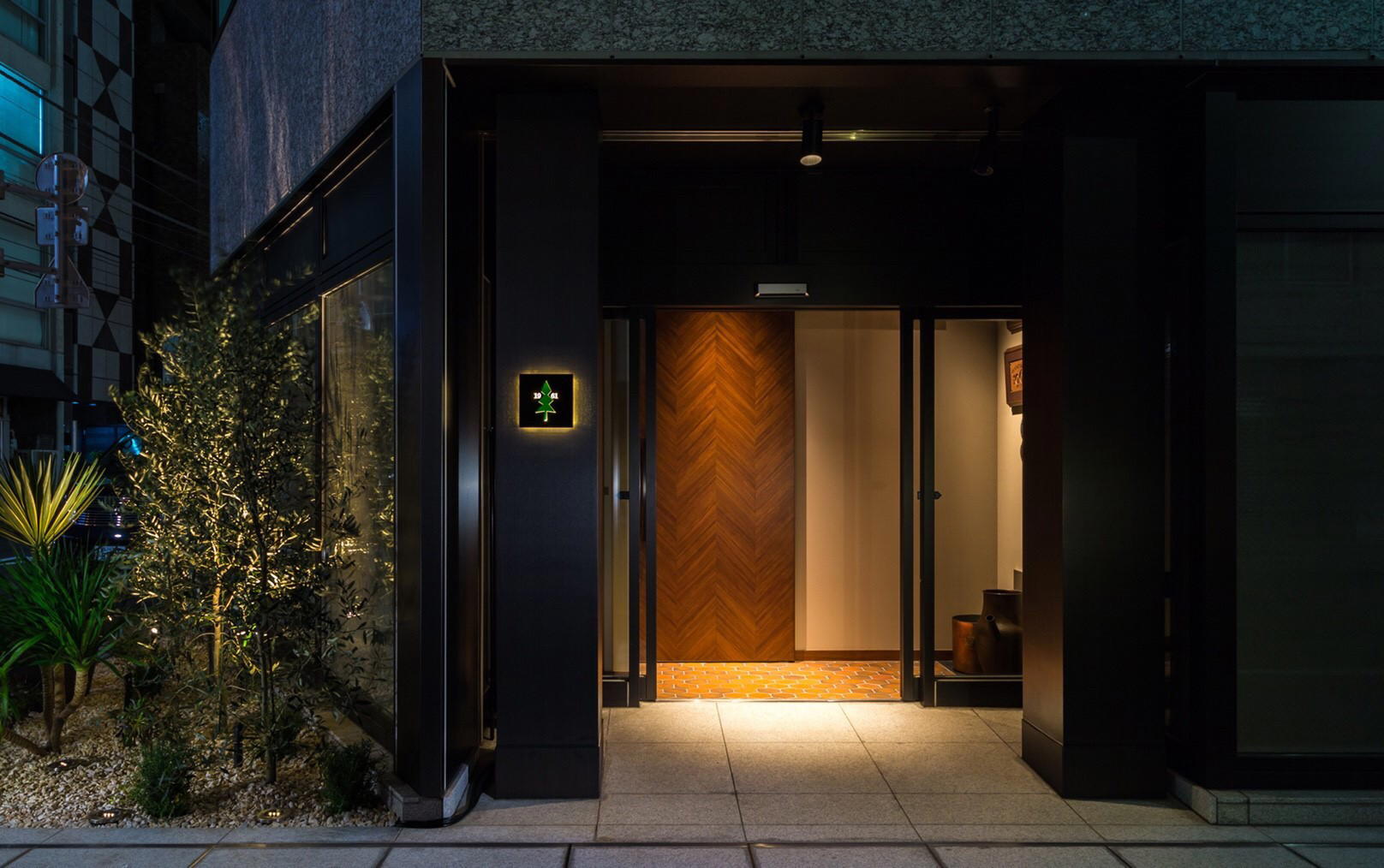

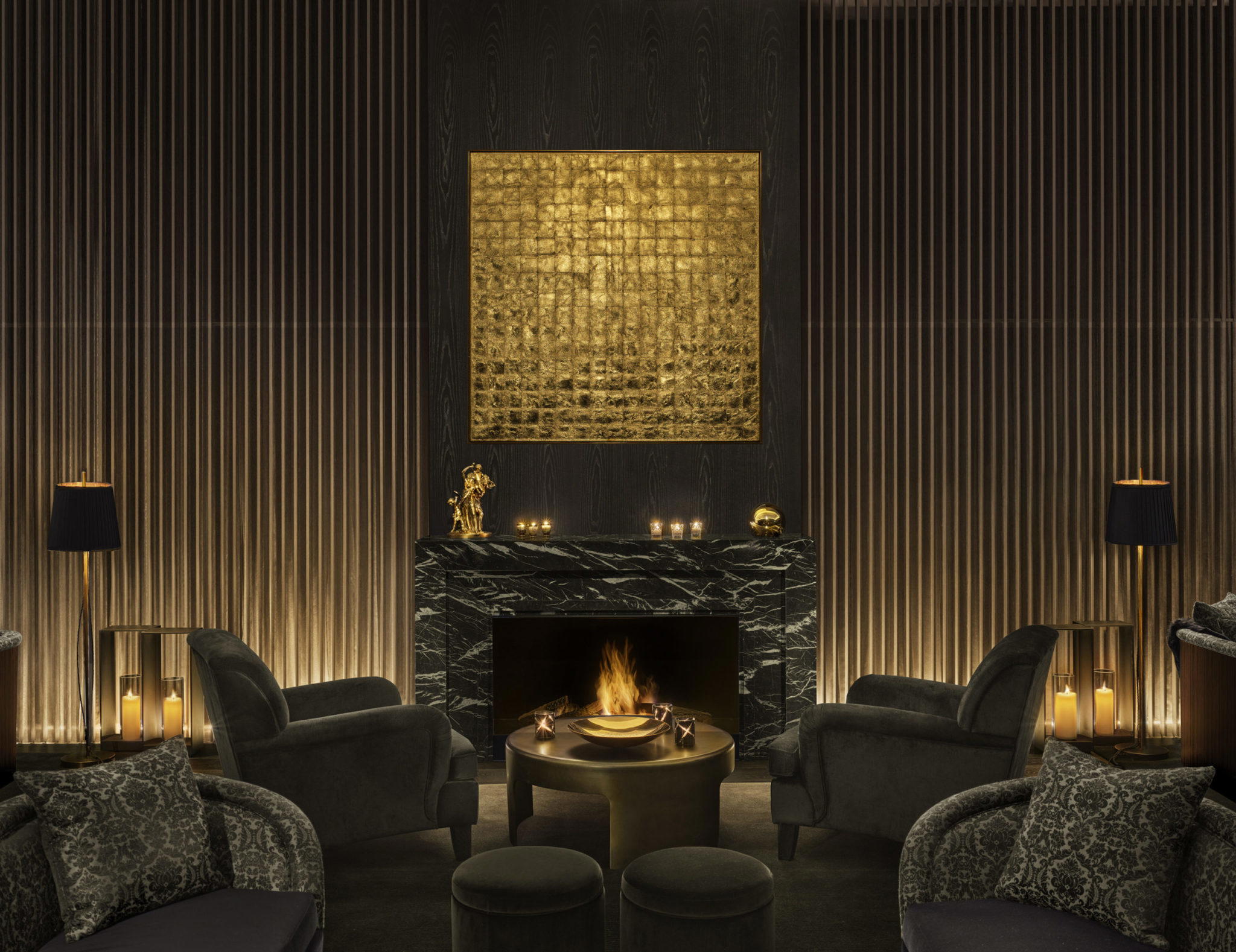
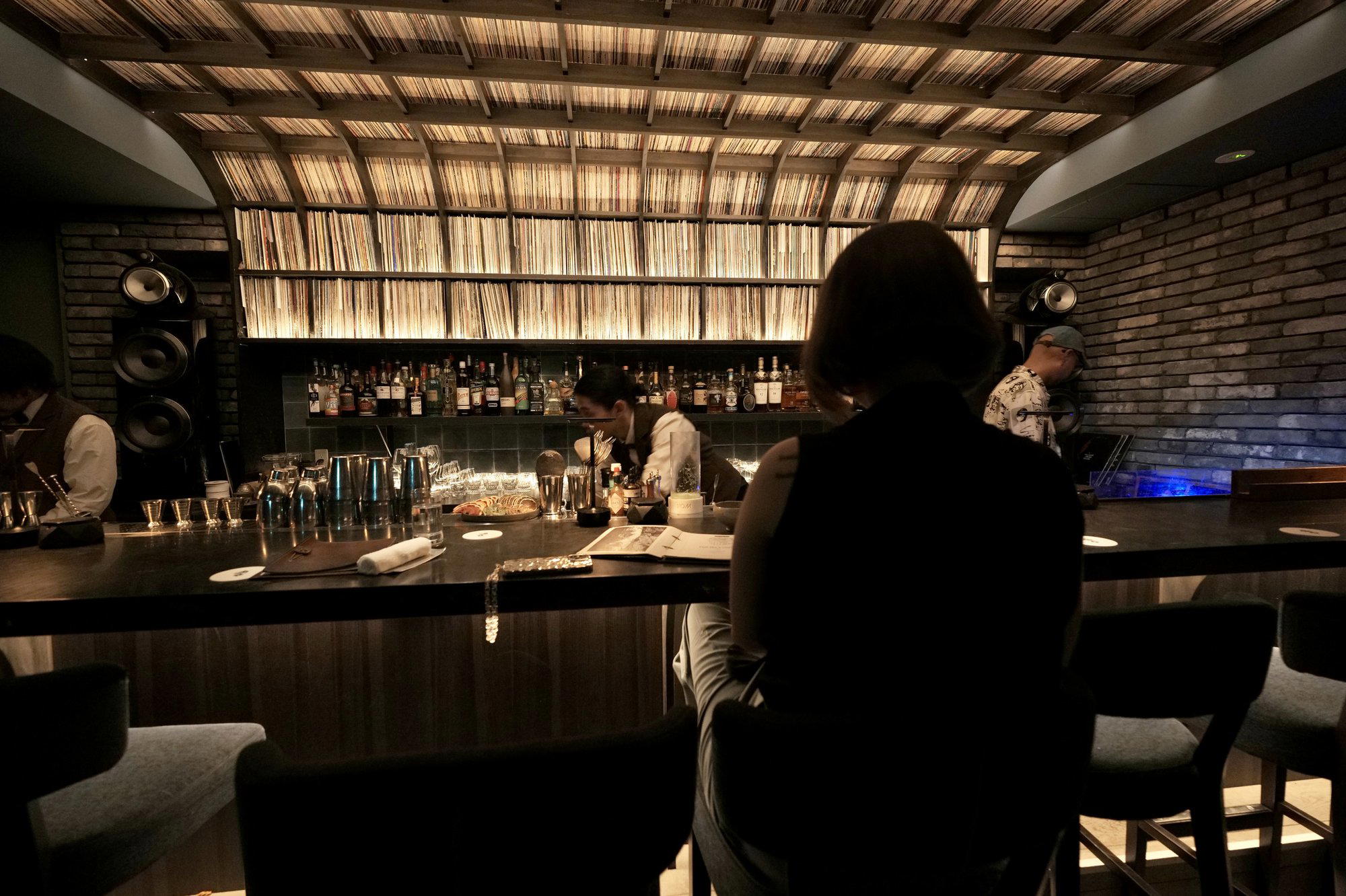
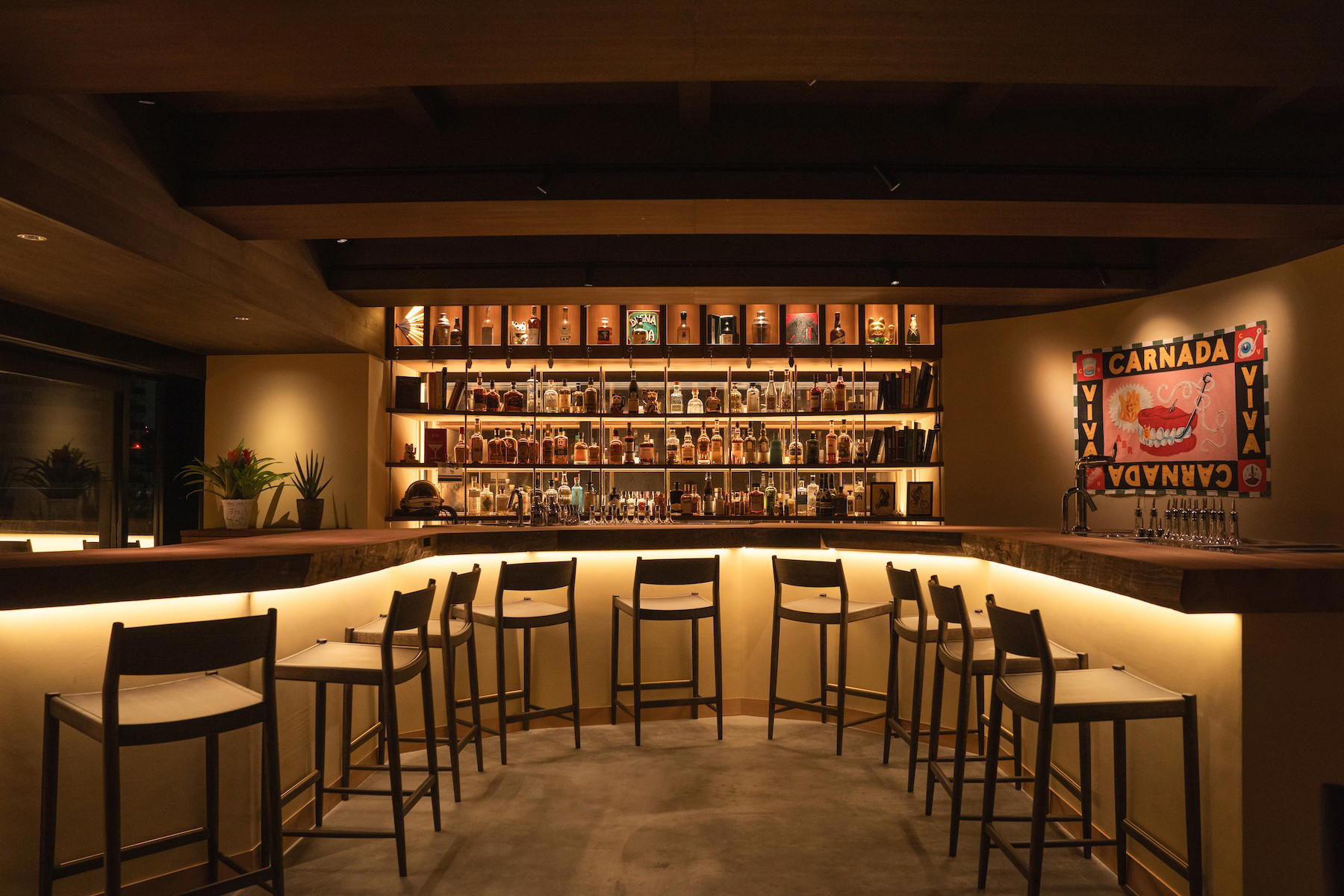





At a Glance
- Elegant
- Sophisticated
- Modern
- Intimate
- Date Night
- Special Occasion
- Business Dinner
- Open Kitchen
- Chefs Counter
- Sake Program
- Extensive Wine List
- Sustainable Seafood
- Local Sourcing
Current opening hours
- Monday
- Closed
- Tuesday
- 6–6:30 PM
- Wednesday
- 12–12:30 PM, 6–6:30 PM
- Thursday
- 12–12:30 PM, 6–6:30 PM
- Friday
- 12–12:30 PM, 6–6:30 PM
- Saturday
- 12–12:30 PM, 6–6:30 PM
- Sunday
- 12–12:30 PM
Hours can change for holidays and private events. Last verified .
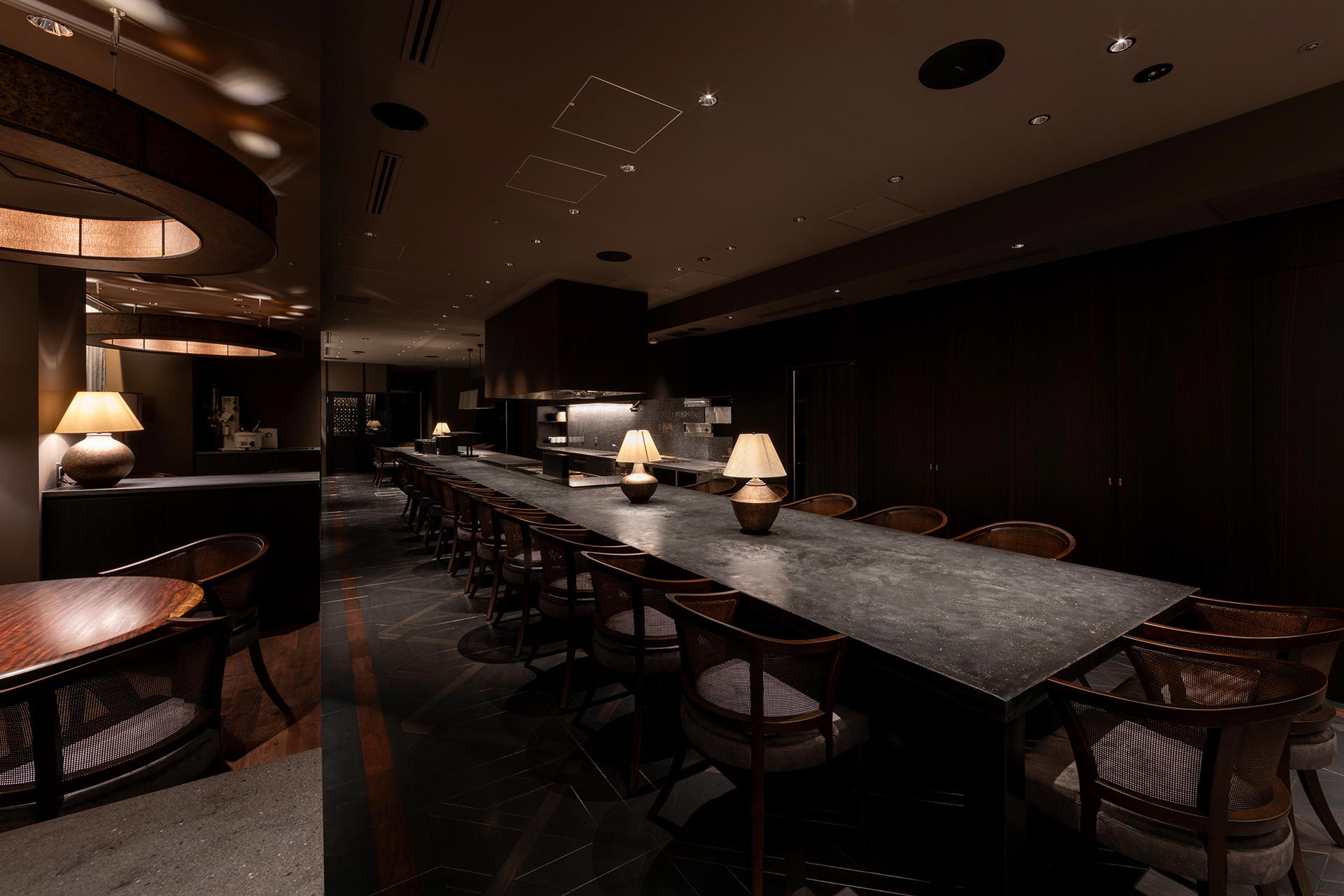
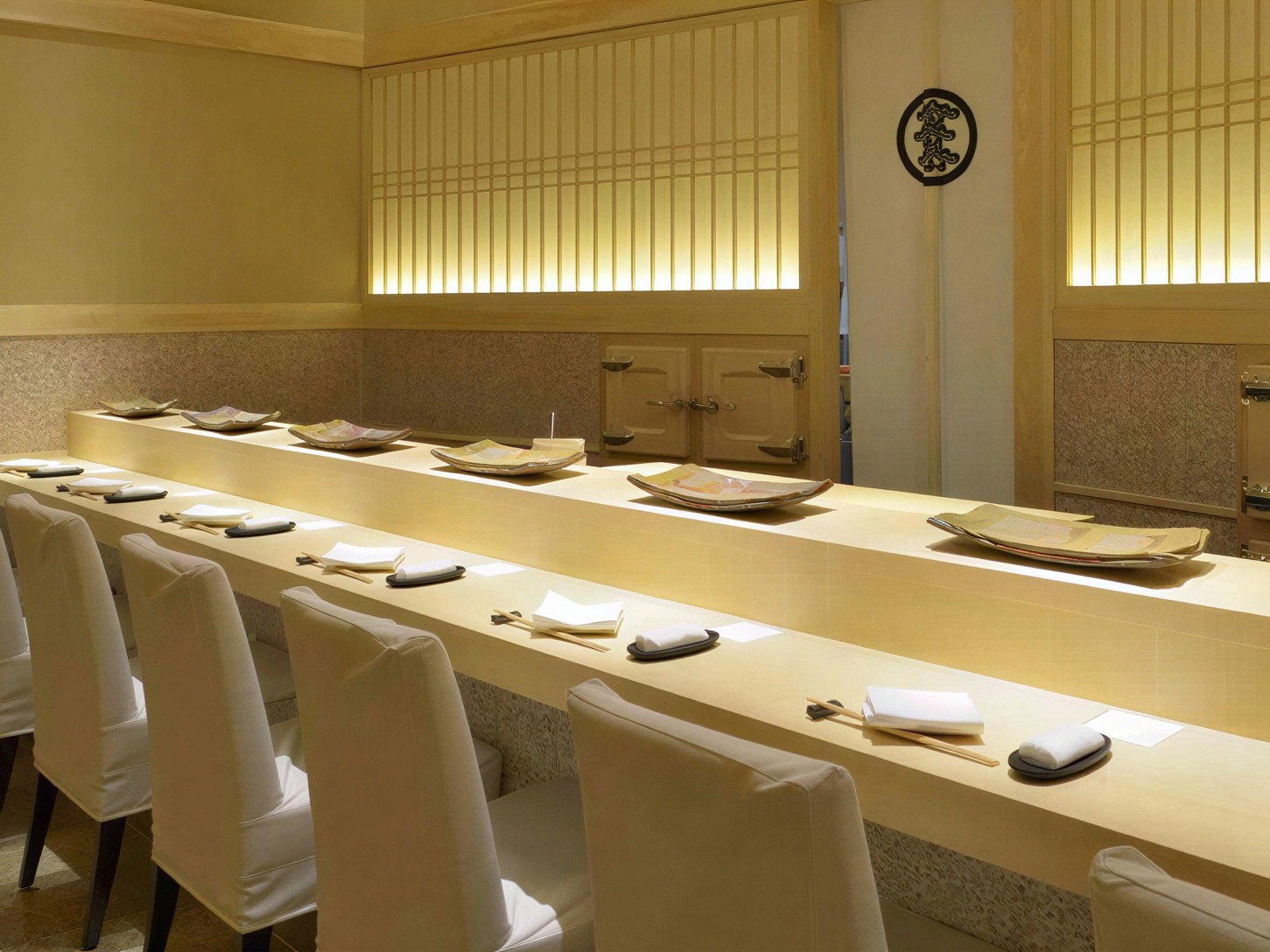
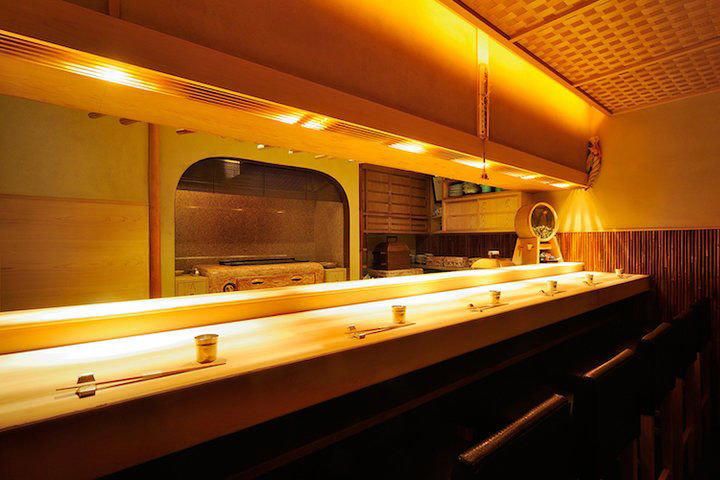
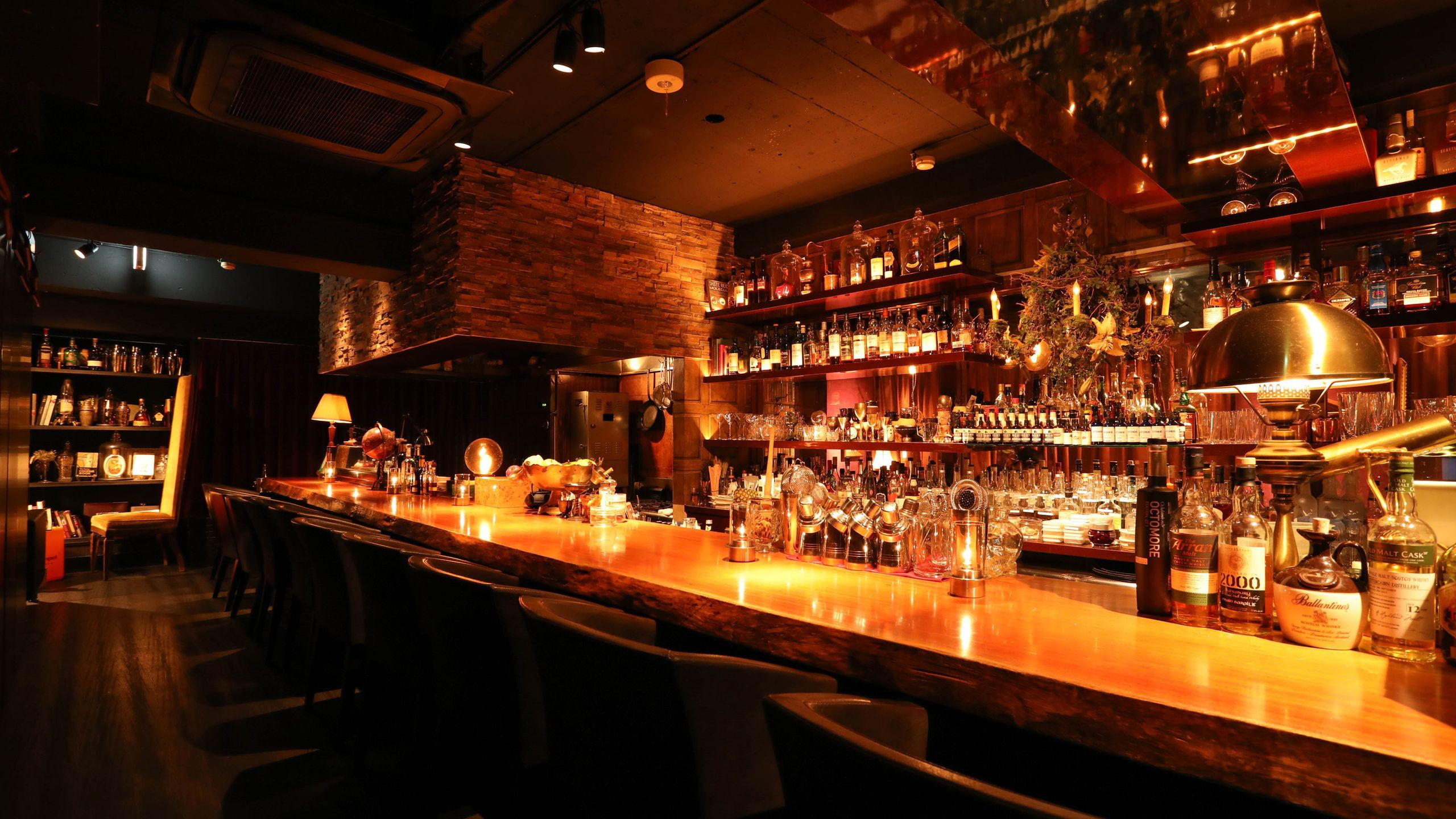
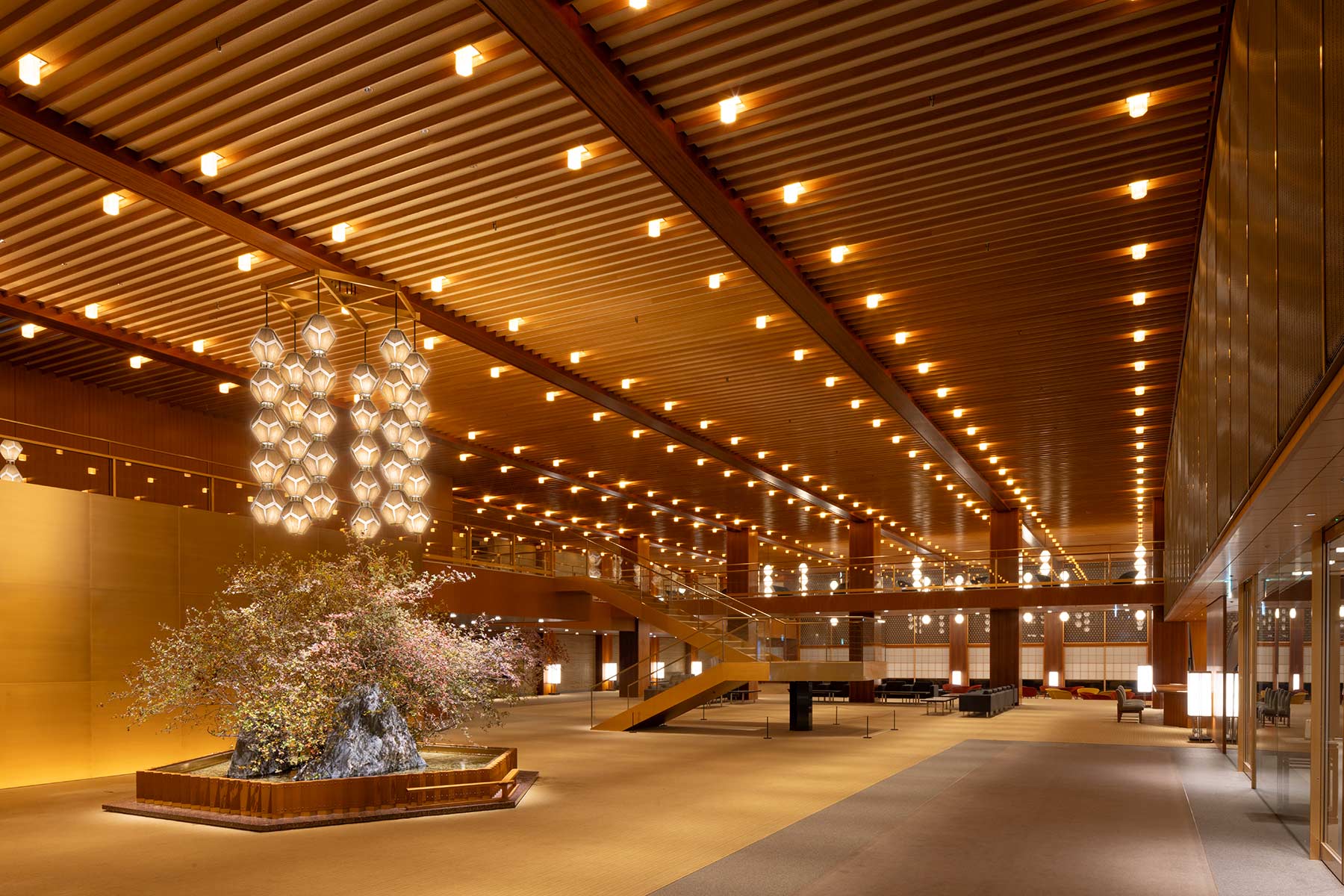
Elegant and intimate with an open kitchen, contemporary design, and table d'hote communal seating fostering a sophisticated, story-like dining experience.