In Asakusa, one of Tokyo's oldest and most architecturally layered districts, オマージュ operates within a French dining tradition that has quietly taken root far from the polished corridors of Ginza. The address alone signals intent: a neighbourhood where craft and continuity matter more than visibility. Visitors seeking serious French technique with a considered wine program will find this among the more thoughtful addresses in the city.
Pearl is the En Primeur Club membership app — saves, bookings, and concierge access live there. Same editors, same standards.
- Address
- 4 Chome-10-5 Asakusa, Taito City, Tokyo 111-0032, Japan
- Phone
- +81338741552
- Website
- hommage-arai.com
- Directions
- Get directions
 Saves & bookings on Pearl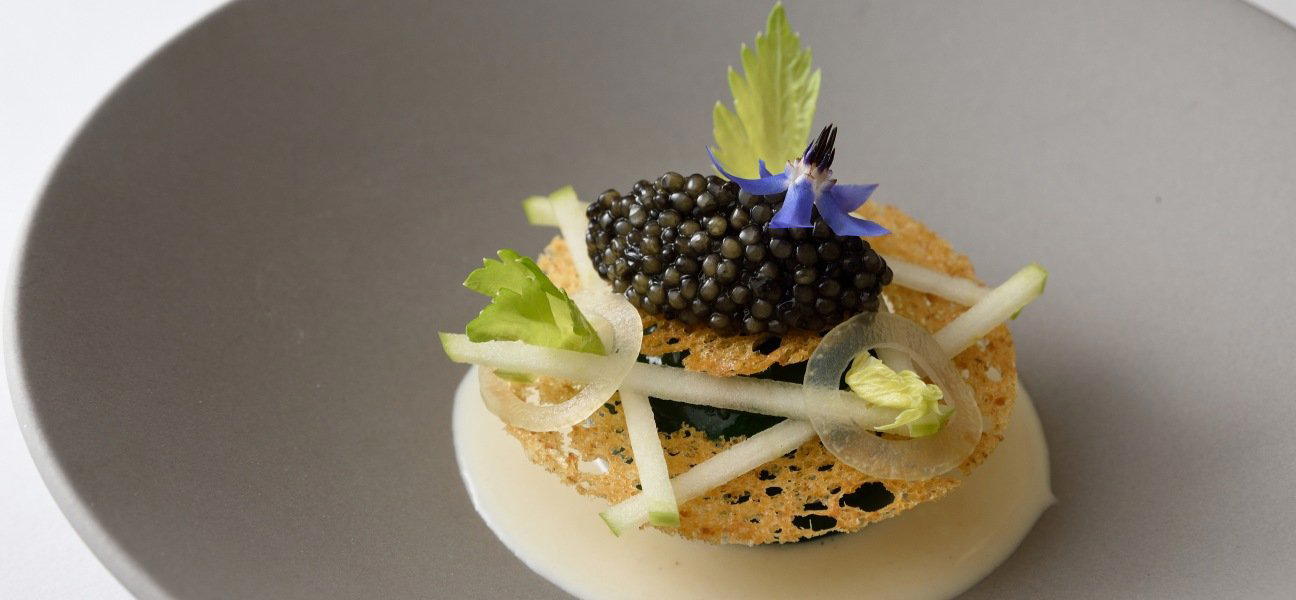
Asakusa and the Quiet Ambition of French Dining in Old Tokyo
French cuisine in Tokyo has long clustered in predictable postcodes: Minami-Aoyama, Azabu-Juban, the upper floors of Ginza towers. That concentration reflects where money and visibility overlap in the city's dining economy. Asakusa operates on a different logic. The district built its identity around craft, longevity, and a particular kind of local pride that predates the postwar restaurant boom. When serious French technique arrives in a neighbourhood like this, it carries a different register, less about address cachet and more about what happens on the plate and in the glass.
オマージュ, at 4 Chome-10-5 in Taito City, occupies that alternative position. The name itself, a direct French term for tribute or homage, signals alignment with a European culinary tradition rather than the Franco-Japanese fusion mode that dominated Tokyo's ambitious restaurants in the 2000s. Whether the kitchen leans classical or contemporary French, the naming convention plants a flag in a specific tradition and asks to be judged against it.
The Wine Argument: Why Cellar Depth Defines a French Table
In the competitive tier of Tokyo's French restaurants, the wine list has become a separating factor. At the level occupied by addresses like L'Effervescence and Sézanne, both of which carry Michelin recognition and command premium pricing in the ¥¥¥¥ bracket, sommelier programs are as editorially considered as the menu. Japan's import and storage infrastructure for fine wine has matured considerably over the past two decades, and the leading French tables in Tokyo now maintain cellars that rival serious European counterparts in depth if not always in breadth.
The editorial angle that matters here is curation philosophy rather than bottle count. A list that runs to eight hundred labels but lacks regional coherence or vintage depth tells a different story than a focused selection of two hundred with genuine provenance. Asakusa, sitting outside the main tourist and expense-account circuits, tends to attract operators with longer time horizons and fewer incentives to pad a wine list for show. For the guest, that can translate into a more honest drinking experience, with recommendations that reflect the cellar and the menu.
French restaurants in Tokyo that take their wine programs seriously tend to draw from Burgundy and the Rhône as foundational references, with Alsace and Loire increasingly present as Japanese palates have become more comfortable with aromatic whites and lower-intervention reds. Champagne remains the standard aperitif currency across the tier. A restaurant positioned as an hommage to French tradition would logically organise its cellar around these same reference points, with depth in the classic appellations and care given to how the list ages alongside the kitchen's seasonal direction.
The Neighbourhood as Context
Asakusa's restaurant scene does not operate on the same booking dynamics as Ginza or Nishi-Azabu. Reservations at the district's more serious addresses tend to be obtainable with less lead time than comparable rooms elsewhere in Tokyo, though that gap has narrowed as the area's culinary reputation has grown. Visitors arriving in the district for Senso-ji or the craft shops along Nakamise-dori now find it worthwhile to extend the itinerary into dinner.
For travellers comparing Japan itineraries across cities, Asakusa's French table sits in a different comparable set from the high-voltage Michelin clusters of central Tokyo. It shares more sensibility with the quieter ambition visible at addresses like Gion Sasaki in Kyoto or akordu in Nara, restaurants where the surrounding neighbourhood context shapes the dining experience as much as the kitchen's output. HAJIME in Osaka and Goh in Fukuoka represent the same pattern in their own cities: serious technique operating in districts that reward patience over spectacle.
Within Tokyo itself, the spectrum of French dining runs from the technically demanding kaiseki-inflected French of RyuGin to the contemporary edge of Crony, with classical tradition anchored at addresses like L'Effervescence. オマージュ, by name and location, situates itself as a considered participant in that tradition rather than a challenger to it. This is a useful distinction when planning a multi-dinner itinerary across the city's French tier.
Placing オマージュ in Japan's Broader French Conversation
Japan has been among the more serious global markets for French culinary tradition since the late 1960s, when a first wave of chefs trained in France returned to open kitchens that maintained classical rigour without institutional support. That tradition has produced restaurants across the country at every price point, from the extraordinary density of Michelin-starred addresses in Tokyo to quieter regional efforts in cities like Toyohashi and prefectures like Nanao. The consistency of French technique across Japanese geography remains one of the more notable features of the country's restaurant culture.
At the upper end of this tradition, the comparison set extends internationally. Le Bernardin in New York City represents the kind of classical French discipline that serves as a reference point for kitchens worldwide, and Atomix, also in New York, shows how Asian-origin restaurants engage with European technique at the highest level. Tokyo's French tables, at their most serious, participate in that same global conversation.
For a restaurant in Asakusa to claim a place in this lineage requires more than the name. It opens on Wednesday through Sunday and reservations are essential. The cooking must hold to the precision that the tradition demands, and the wine program must reflect genuine engagement with the cellars and appellations that underpin it. The address is unusual enough to generate curiosity; the question the kitchen answers every service is whether it justifies that curiosity.
Know Before You Go
- Address: 4 Chome-10-5 Asakusa, Taito City, Tokyo 111-0032, Japan
- Neighbourhood: Asakusa, one of Tokyo's historically dense downtown districts, well connected by Tokyo Metro Ginza Line and Asakusa Line
- Booking: Reservations are essential; the restaurant is closed Monday and Tuesday.
- Peer context: Sits in a different price and atmosphere tier from ¥¥¥¥ French rooms like L'Effervescence and Sézanne; closer in register to neighbourhood-driven French dining
- Wine: For a restaurant positioning itself within French culinary tradition, the wine list is the clearest indicator of commitment; ask what the cellar holds in Burgundy and Loire before committing
- Sushi alternative: If your Tokyo itinerary includes both French and Japanese dining, Harutaka operates at a comparable level of seriousness in the sushi tier
Quick Comparison
Comparable venues nearby, for context on price, style, and recognition.
| Venue | Cuisine | Price | Notes |
|---|---|---|---|
| オマージュThis venue — the venue you are viewing | Refined French Contemporary | $$$$ | Not listed |
| ドミニク・ブシェ トーキョー | Modern French Fine Dining | $$$$ | Chūō |
| ロオジエ | Classic French Fine Dining | $$$$ | Chūō |
| カーエム | Classic French Fine Dining | $$$$ | Chūō |
| ル・ブルギニオン | Burgundy-style French Bistro | $$$$ | Minato |
| シグネチャー | Modern French Fine Dining | $$$$ | Chūō |



At a Glance
- Elegant
- Sophisticated
- Intimate
- Classic
- Date Night
- Special Occasion
- Business Dinner
- Hotel Restaurant
- Extensive Wine List
Current opening hours
- Monday
- Closed
- Tuesday
- Closed
- Wednesday
- 11:30 AM–12:30 PM, 6–7:30 PM
- Thursday
- 11:30 AM–12:30 PM, 6–7:30 PM
- Friday
- 11:30 AM–12:30 PM, 6–7:30 PM
- Saturday
- 11:30 AM–12:30 PM, 6–7:30 PM
- Sunday
- 11:30 AM–12:30 PM, 6–7:30 PM
Hours can change for holidays and private events. Last verified .
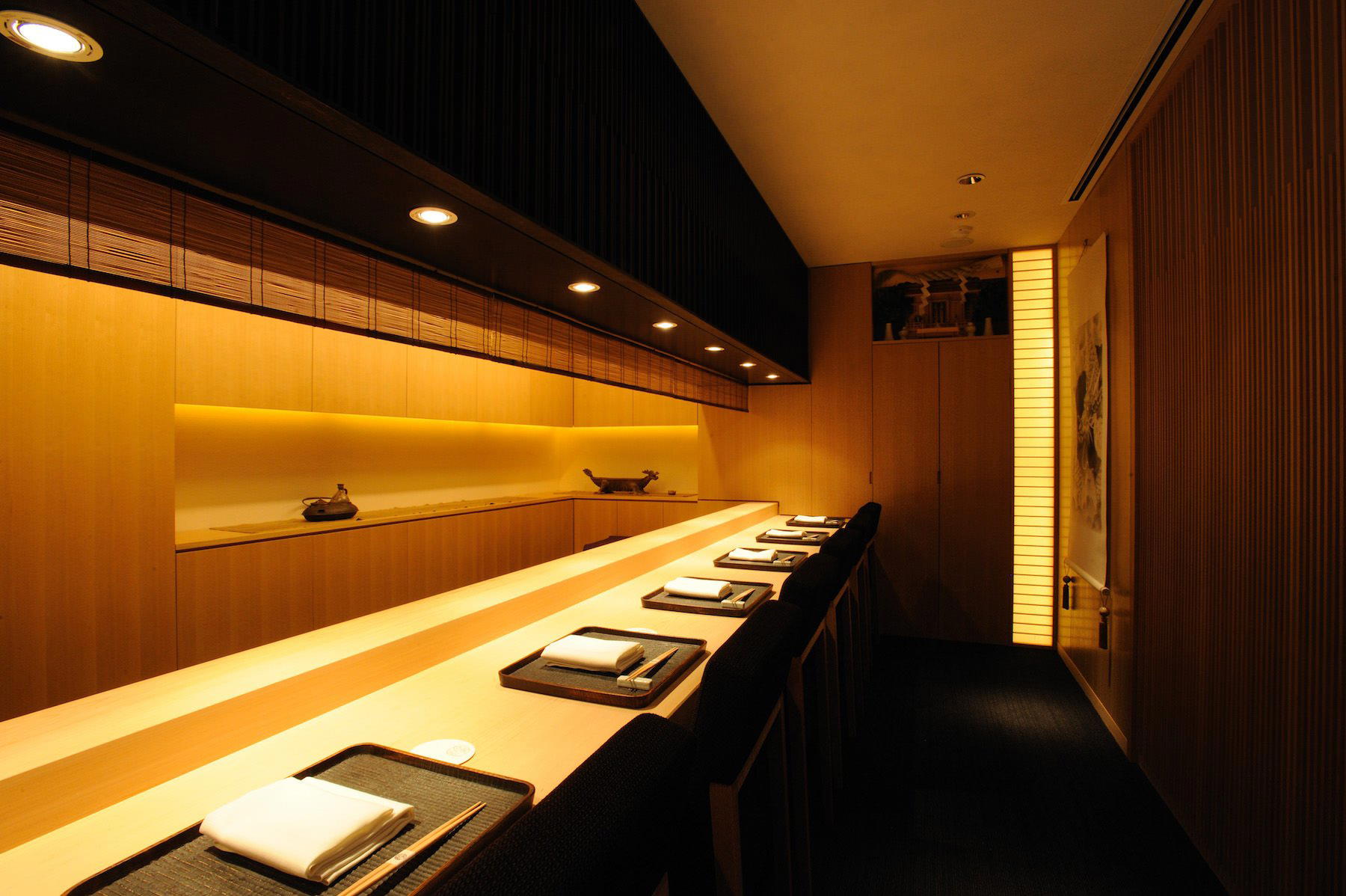
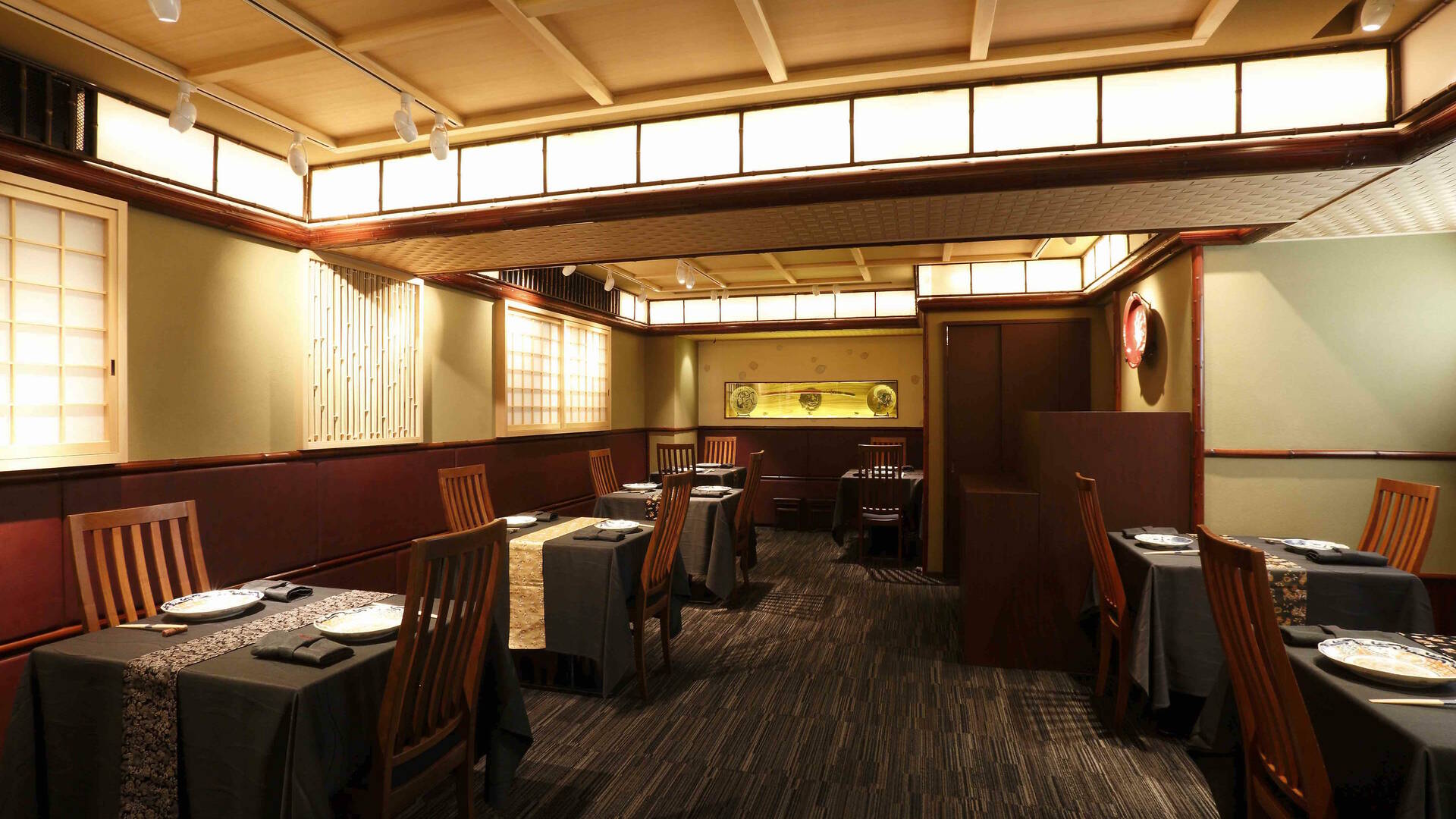
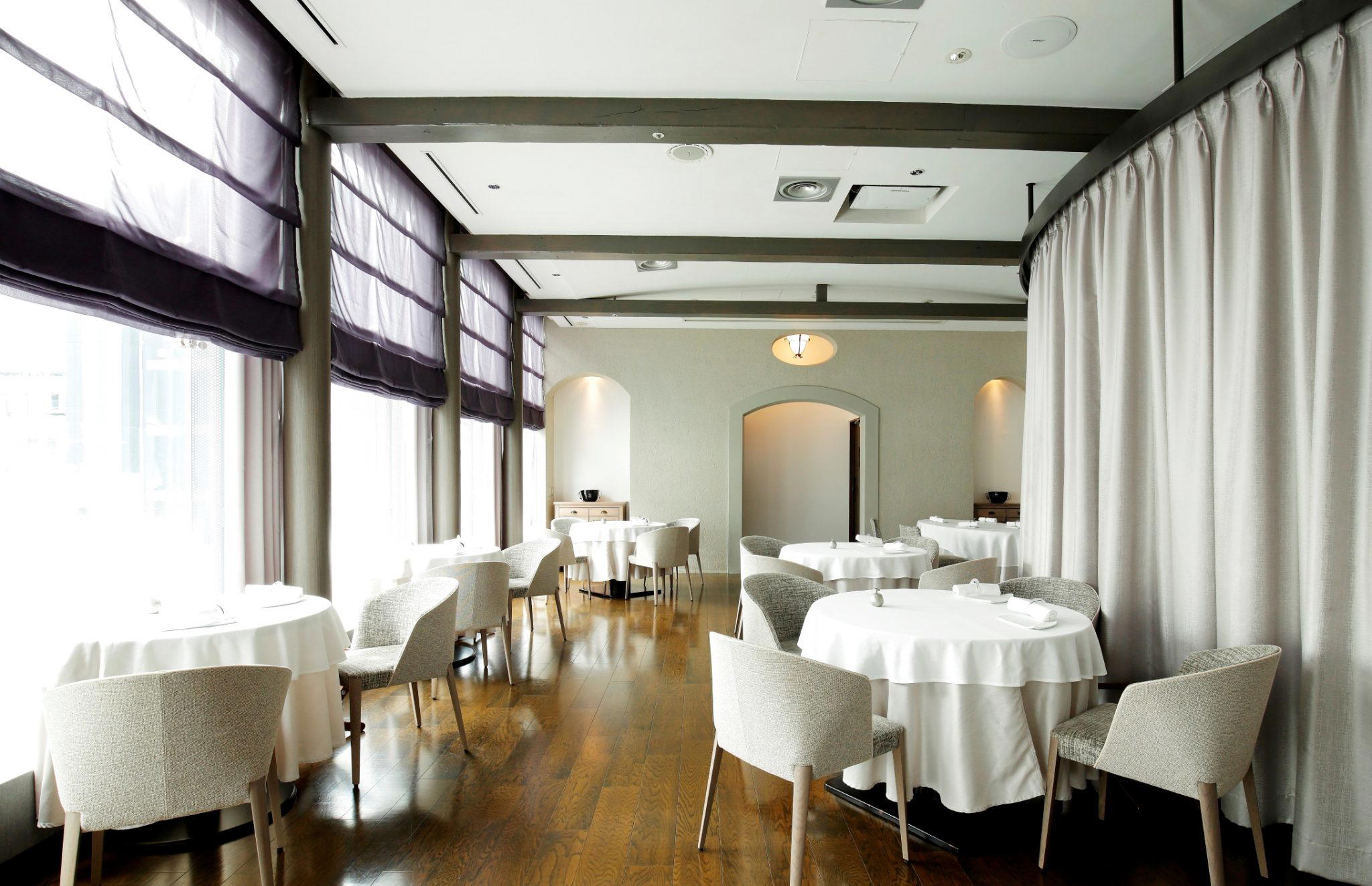
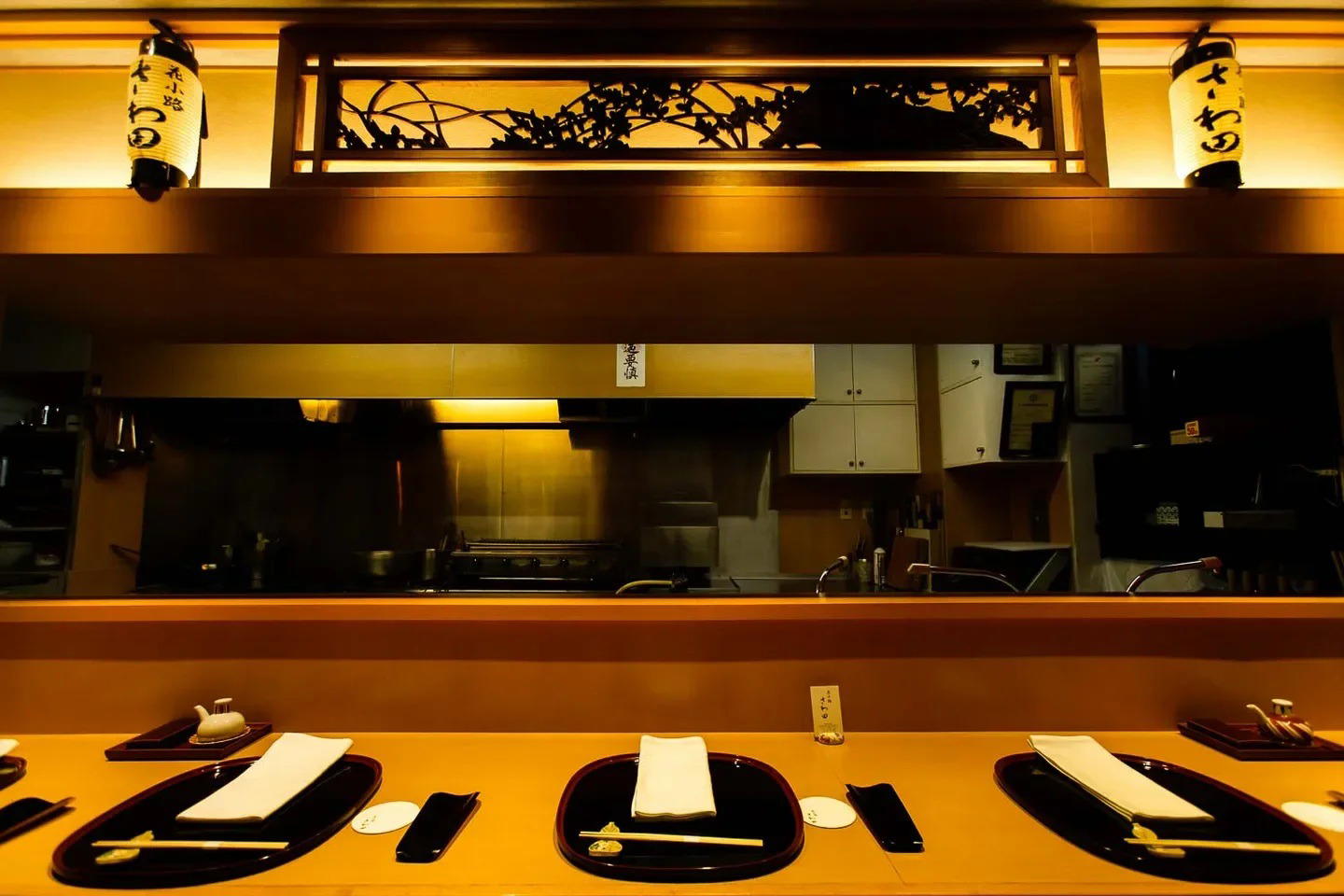
Refined and elegant with a traditional Asakusa touch, featuring proprietress in kimono; intimate narrow dining room up a flight of stairs.