ラペ occupies a basement address in Nihonbashi Muromachi, one of central Tokyo's most historically layered merchant districts. The venue sits within a bracket of Tokyo addresses where imported culinary technique meets Japanese product integrity, placing it alongside the city's more considered cross-cultural dining experiments. Booking details and menu specifics reward direct investigation.
Pearl is the En Primeur Club membership app — saves, bookings, and concierge access live there. Same editors, same standards.
- Address
- Japan, 〒103-0022 Tokyo, Chuo City, Nihonbashimuromachi, 1 Chome−9−4 B1F
- Phone
- +81362623959
- Website
- lapaix-m.jp
- Directions
- Get directions
 Saves & bookings on Pearl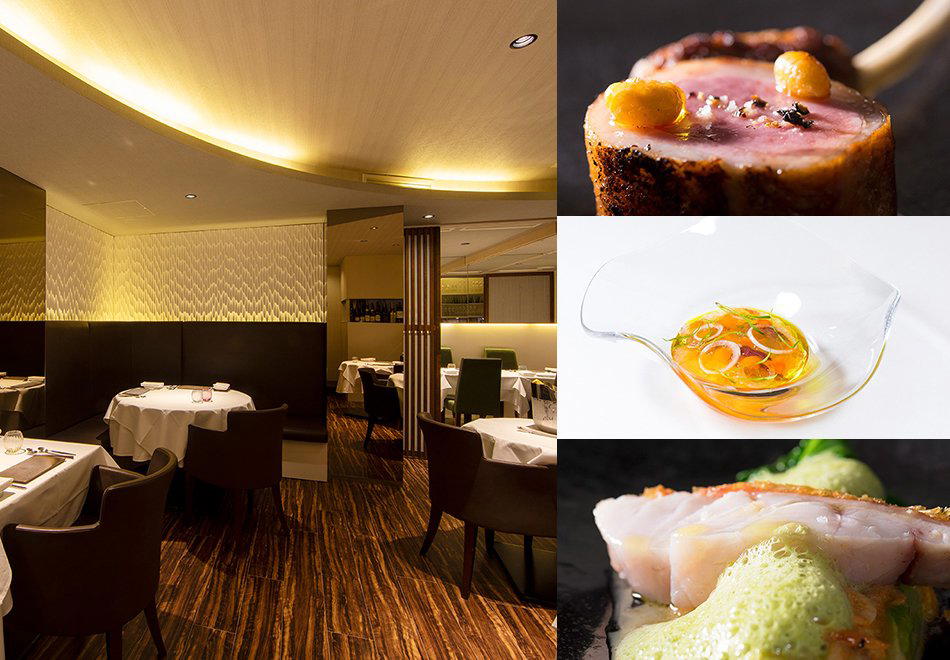
Nihonbashi and the Architecture of Cross-Cultural Dining
Nihonbashi Muromachi carries more commercial history per city block than almost any other district in Tokyo. The area was the mercantile heart of Edo-period Japan, a place where trade networks converged and where the exchange of goods, and, eventually, ideas, became the defining civic activity. That context is not incidental to understanding why a venue like ラペ has taken root here. The neighbourhood now houses a dense concentration of heritage retailers, department store flagships, and a growing number of dining addresses that treat ingredient sourcing with the same seriousness that the district's merchant predecessors brought to commodity trading.
The basement level address on 1-chome Nihonbashimuromachi is a format that recurs throughout Tokyo's serious dining tier. Underground rooms create an acoustic containment that open-plan street-level spaces rarely achieve, and they signal a deliberate separation from foot-traffic casualness. The room becomes its own world, which matters when the cooking asks for attention.
Where Global Technique Meets Japanese Product
One productive lens through which to read ラペ is the intersection of imported culinary method and domestic Japanese ingredients, an approach that Tokyo's most interesting mid-to-upper tier restaurants have been refining for the better part of two decades. What began as a relatively self-conscious fusion exercise in the early 2000s has matured into something more architecturally coherent: chefs trained in European classical traditions who have spent enough time working with Japanese producers to let the product lead, rather than subordinating it to technique.
This is a different project from kaiseki, which operates within a codified seasonal grammar that evolved entirely on Japanese terms. It is also distinct from French fine dining transplanted wholesale to Tokyo, a model that venues like L'Effervescence and Sézanne have each pursued with Michelin recognition. ラペ occupies a position somewhere in the productive middle of those traditions: the structural logic of a European kitchen applied to ingredients whose provenance and seasonality are understood on Japanese terms.
Across Japan, this conversation is happening in different registers. HAJIME in Osaka takes it toward haute-ecological territory. akordu in Nara applies it with Basque-influenced precision. In Tokyo, Crony works a similar seam with a more casual register. The common thread is not a shared aesthetic but a shared operating assumption: that Japanese agricultural and maritime products reward European structural thinking without needing to be transformed into something they are not.
The Nihonbashi Dining Context
Chuo City's dining tier has shifted noticeably over the past decade. What was once a lunch-focused district serving the financial and retail workforce has developed a more serious evening profile, partly because the neighbourhood's density of heritage food purveyors, many of them centuries-old specialists in particular ingredients, has attracted chefs who want proximity to that supply chain. The same logic that draws a chef to open near a specific fish market or a particular tofu producer applies here at a district scale.
This places ラペ in a comparable set that values product access and merchant-culture seriousness over the visibility that a Minami-Aoyama or Nishi-Azabu address might provide. Among Tokyo's high-end sushi addresses, Harutaka exemplifies the kind of counter where location is subordinate to product sourcing logic. The same principle applies across cooking traditions when a chef chooses a back-street basement over a showcase room.
For travellers whose Japan itinerary extends beyond Tokyo, comparable cross-cultural precision appears at Gion Sasaki in Kyoto and, at a different price point, at Goh in Fukuoka. Regional addresses like 一本木 石川製 in Nanao, 夕付山乃 in Sapporo, 湖辺庄屋 in Takashima, and 庭羽屋 in Nishikawa Machi demonstrate how widely the local-ingredients-global-technique framework has spread beyond the major urban centres. Beyond Japan, Atomix in New York City and Le Bernardin represent the same broader conversation about how classical European structure and non-European ingredient traditions can produce cooking that is internally coherent rather than simply hybrid.
Reading the Competitive Set
Tokyo's middle-to-upper French-inflected tier is genuinely competitive. RyuGin occupies the kaiseki end of the spectrum with three Michelin stars. Bistro Ange in Toyohashi and Birdland in Sakai show how the conversation extends into more accessible registers outside the capital. Within Tokyo, the venues that sustain long-term recognition in this bracket tend to share a set of characteristics: small seat counts that allow kitchen precision, tasting formats that follow seasonal Japanese logic rather than fixed menu engineering, and wine programs that treat natural and low-intervention bottles as a complement to ingredient-forward cooking rather than a statement of ideology.
ラペ's basement address and Nihonbashi location position it within the more considered, less visible end of this bracket, a category where reservations circulate through word of mouth and repeat guests more than through international press coverage. Whether that positioning reflects deliberate choice or emerging reputation is something that direct engagement with the venue will clarify faster than any external assessment.
Planning a Visit
The address is B1F, 1-9-4 Nihonbashimuromachi, Chuo City, Tokyo. Reservations are essential. Dress: Smart casual. Budget: About $150 per person. Timing: Nihonbashi's merchant district atmosphere is most coherent in the early evening, when the retail and office traffic has thinned and the neighbourhood settles into its quieter restaurant-going mode.
Reputation First
Comparable venues nearby, for context on price, style, and recognition.
| Venue | Cuisine | Price | Notes |
|---|---|---|---|
| ラペThis venue — the venue you are viewing | Modern French with Japanese Influences | $$$$ | Not listed |
| アサヒナ ガストロノーム | Modern French Gastronomy with Japanese Touch | $$$$ | Chūō |
| エスキス | Modern French with Japanese Ingredients | $$$$ | Chūō |
| Gastronomy Joel Robuchon | Modern French Fine Dining | $$$$ | Meguro |
| Hiromichi | Michelin-Starred French Fine Dining | $$$$ | Shibuya |
| 塞尚 | Modern French Fine Dining | $$$$ | Marunouchi |










At a Glance
- Elegant
- Sophisticated
- Intimate
- Cozy
- Date Night
- Special Occasion
- Business Dinner
- Open Kitchen
- Sake Program
- Local Sourcing
Current opening hours
- Monday
- 11:30 AM–2:30 PM, 6–10 PM
- Tuesday
- Closed
- Wednesday
- 11:30 AM–2:30 PM, 6–10 PM
- Thursday
- 11:30 AM–2:30 PM, 6–10 PM
- Friday
- 11:30 AM–2:30 PM, 6–10 PM
- Saturday
- 11:30 AM–2:30 PM, 6–10 PM
- Sunday
- 11:30 AM–2:30 PM, 6–10 PM
Hours can change for holidays and private events. Last verified .
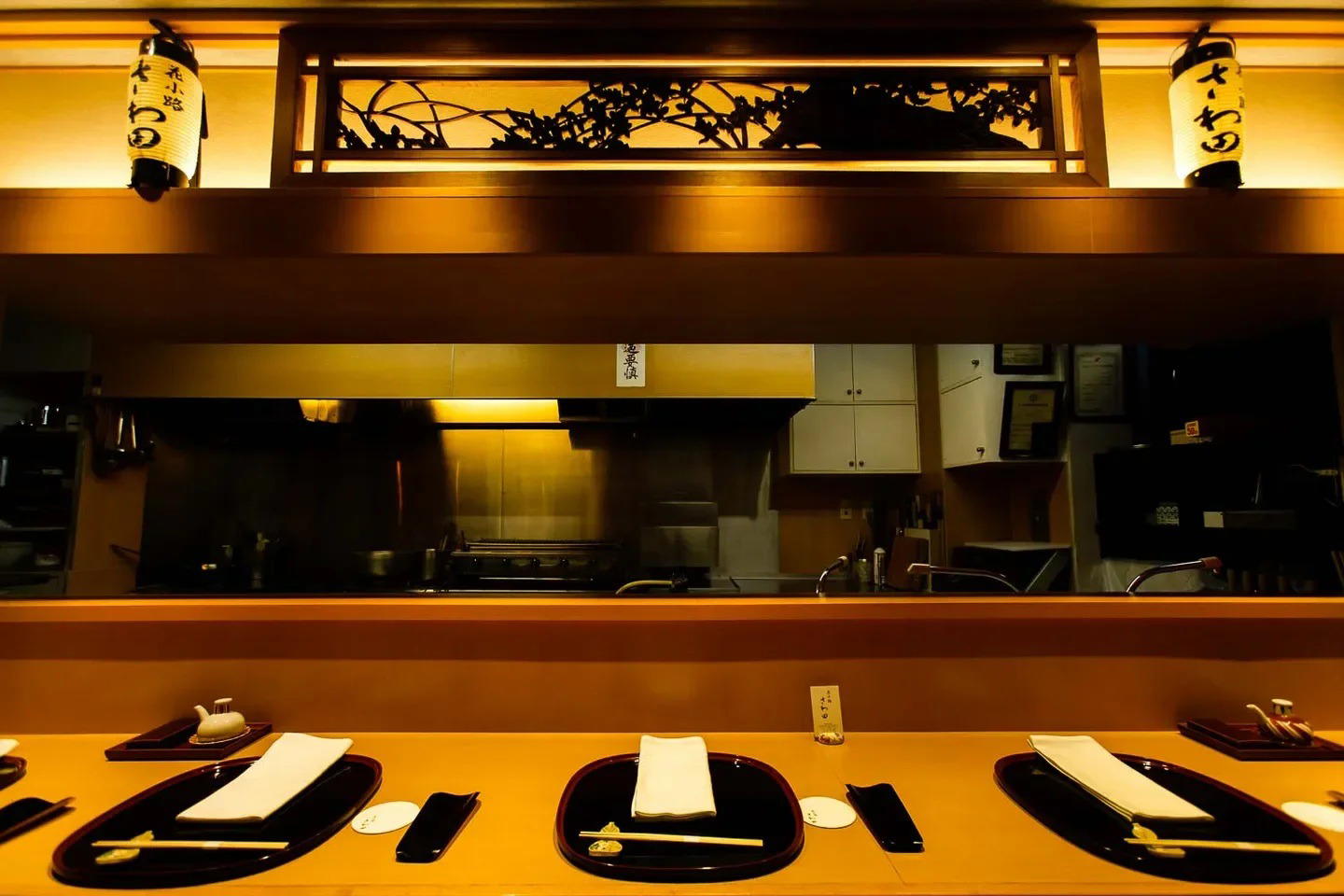
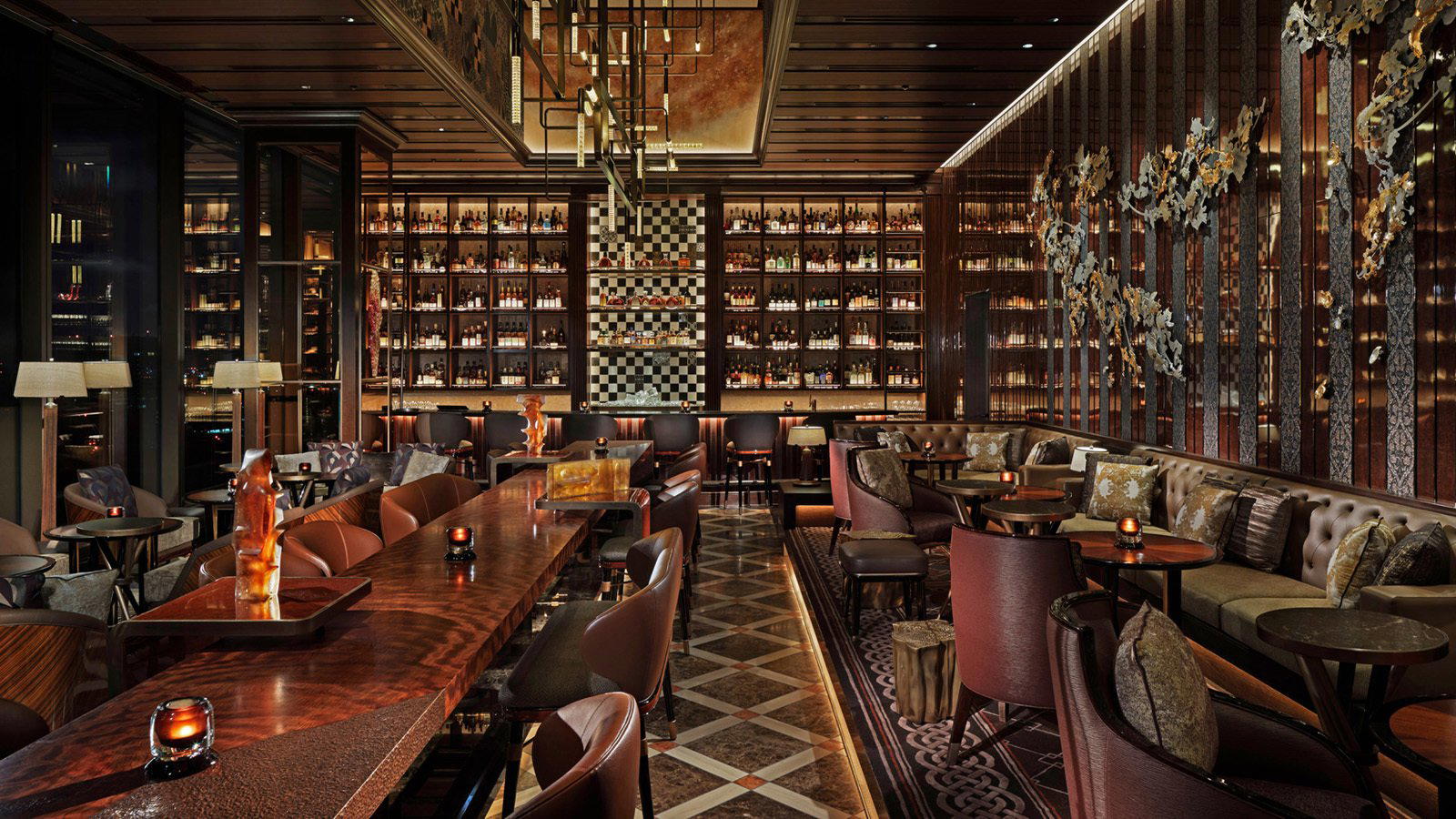
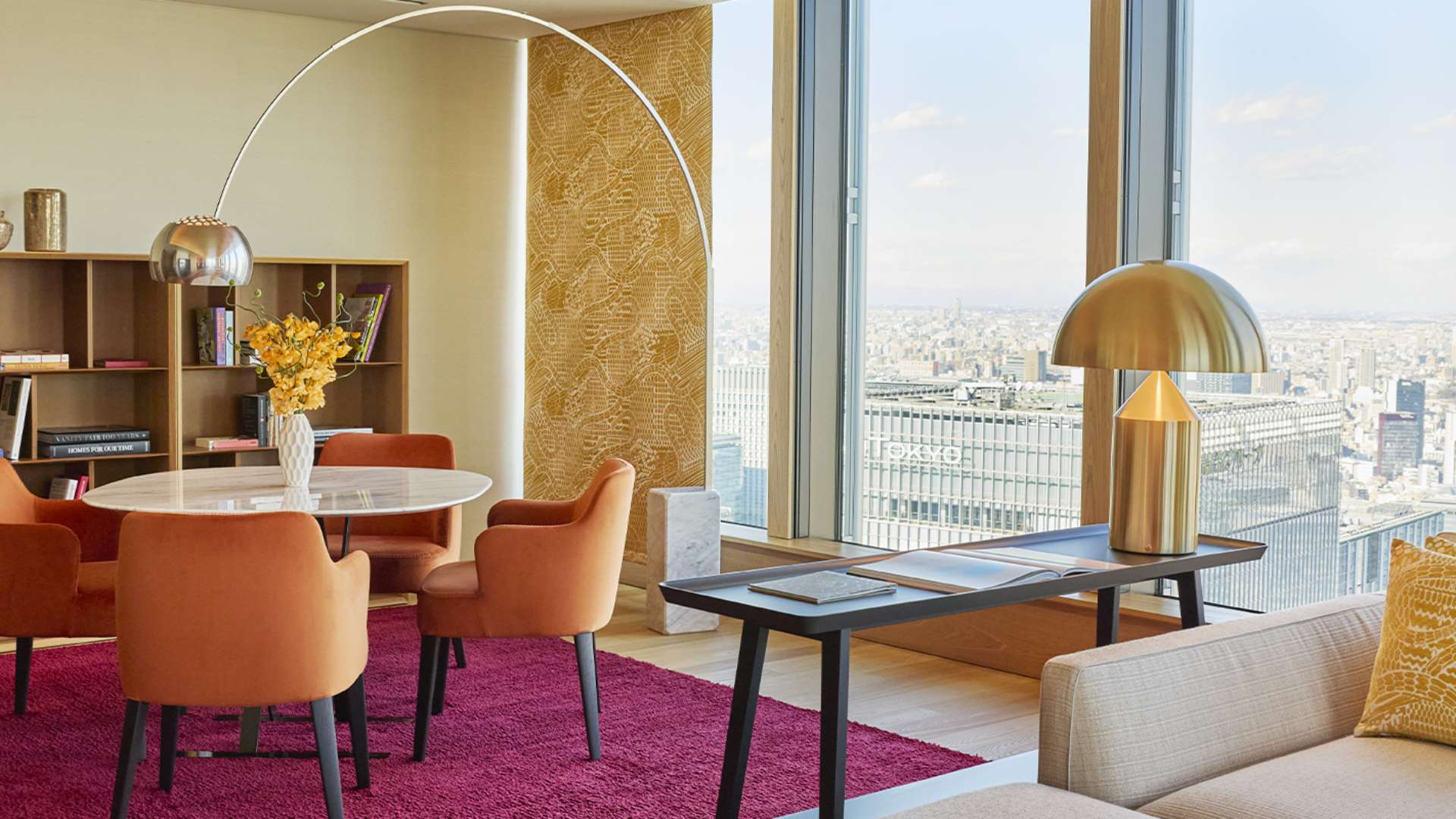
Tranquil basement space offering a piece of serenity in bustling Nihonbashi, with an elegant and sophisticated atmosphere.