
A basement-level tempura counter in Azabu-Juban, Azabu Ichigo operates under Chef Keita Sato and holds a 2025 Opinionated About Dining ranking among Japan's top restaurants. The format follows the precision-driven omakase tradition that defines Tokyo's serious tempura houses, where batter temperature and frying timing matter more than theatre. Situated in Minato's quietly confident dining corridor, it represents the category's technical middle ground.
Pearl is the En Primeur Club membership app — saves, bookings, and concierge access live there. Same editors, same standards.
- Address
- Japan, 〒106-0045 Tokyo, Minato City, Azabujuban, 2 Chome−5−14 マイコーナービル B1F
- Phone
- +81 3-5772-2936
- Website
- azabu-ichigo.com
- Directions
- Get directions
 Saves & bookings on Pearl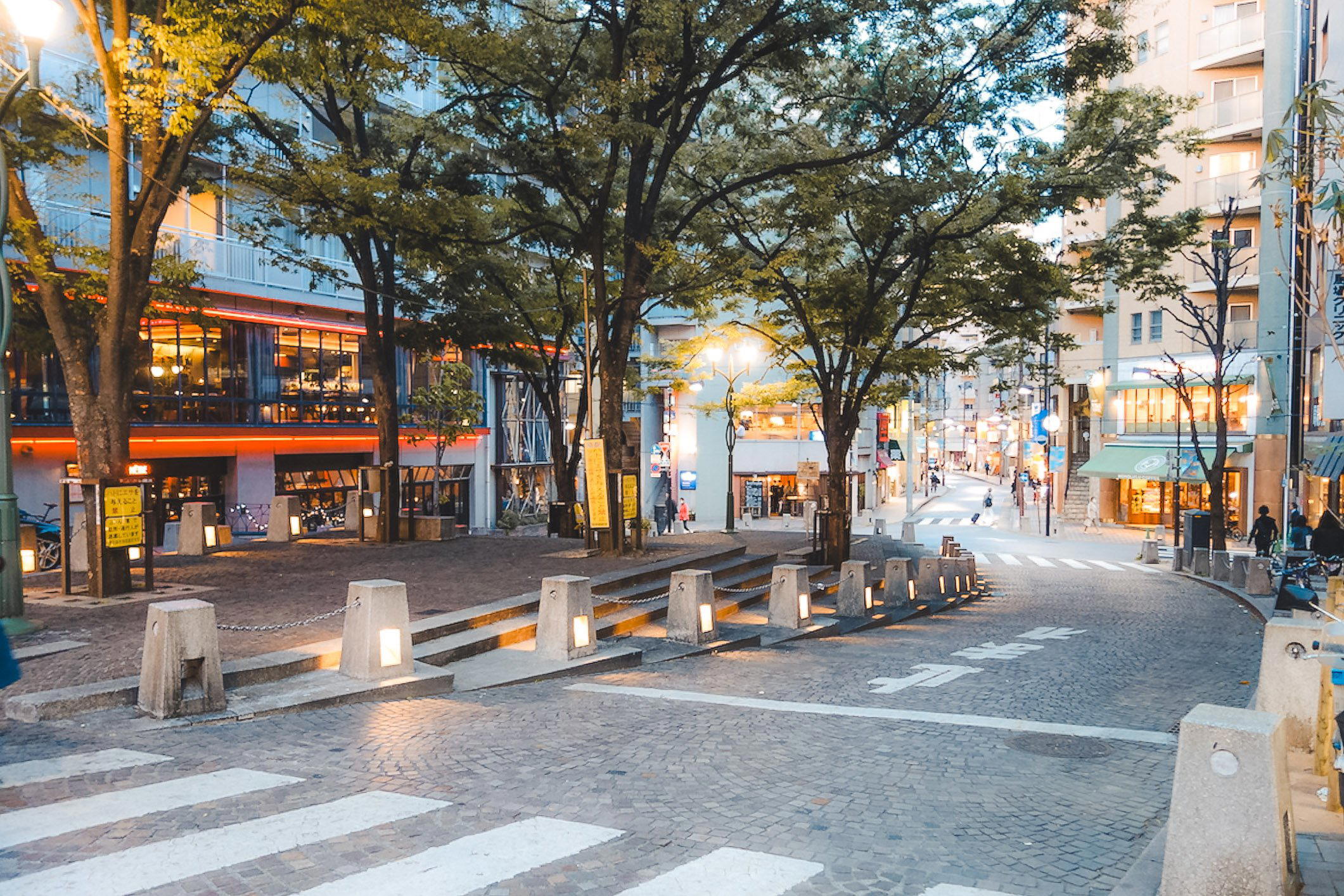
Below Street Level in Azabu-Juban
The approach to Azabu Ichigo sets a particular register. A basement entrance in a low-key commercial building on Azabu-Juban's 2-chome strip does nothing to announce itself. This is, in Tokyo's dining grammar, a deliberate signal. The city's most precise kitchens have long understood that presentation begins with restraint, and a B1F address in Minato City carries its own shorthand: what happens below street level is taken seriously above it.
Azabu-Juban itself occupies an interesting position in Tokyo's dining geography. Neither the concentrated media attention of Ginza nor the residential informality of Shimokitazawa, it occupies a middle register — affluent, local-facing, and home to a number of counters that build reputations through word of mouth rather than tourist traffic. That context shapes what to expect from Azabu Ichigo before you sit down.
Tempura as Precision Cooking, Not as Side Dish
Japanese tempura has spent decades fighting a perception problem. Outside Japan, it reads as a supporting act — a side order, something that accompanies soba or arrives on a bento tray. Inside the serious tempura houses of Tokyo, the frame is entirely different. Frying at this level is as technically demanding as any cutting discipline, with oil temperature, batter hydration, and the moisture content of individual ingredients all requiring active management across the course of a meal.
The same logic that applies to ramen or soba at their highest expressions applies here: simplicity is the adversary, not the objective. A thin batter that fails to manage moisture correctly collapses the ingredient rather than protecting it. Oil held at the wrong temperature for the wrong duration changes texture in ways that no seasoning corrects afterward. The leading Tokyo tempura counters have understood for generations that these margins are where skill either shows or doesn't. Azabu Ichigo operates within that tradition, with Chef Keita Sato directing a kitchen format built around the omakase counter structure that allows this level of sequential, per-piece precision.
For comparison, dedicated tempura counters like Tempura Kondo and Tempura Motoyoshi have anchored Tokyo's upper tier for years, while venues like Tempura Ginya represent the format's continued spread across the city's neighbourhoods. Azabu Ichigo positions within this wider field as a recognised contender rather than a newcomer finding its footing.
What the OAD Ranking Tells You
Azabu Ichigo holds a 2025 Opinionated About Dining ranking among Japan's leading restaurants, placed at #616 in the national listing. OAD rankings are compiled from votes by experienced diners and critics rather than anonymous inspectors, which means placement reflects repeated visits from people who eat professionally and comparatively. A national ranking in Japan, where the density of serious restaurants per square kilometre is higher than almost anywhere else, carries different weight than the same position would in a less competitive dining environment. Being placed at all, in a country where thousands of qualified venues go unranked, is a meaningful signal about consistency and quality of execution.
This sits in a different tier from the three-Michelin-starred peers operating in Tokyo's leading bracket, including kaiseki houses like Edomae Shinsaku or omakase counters at the very high end. It also distinguishes Azabu Ichigo from neighbourhood restaurants without any formal recognition. Within Tokyo's specialist tempura category, the OAD presence suggests the kitchen is executing at a level that rewards informed visits.
The Counter Format and Why It Matters
The omakase counter structure is not incidental to the quality of a tempura meal, it is constitutive of it. When a single chef or a tightly coordinated small team fries and serves each piece sequentially, the diner receives tempura at the moment the chef judges it to be correct: hot, with batter in the exact state intended, and the interior of the ingredient at the temperature it was designed to reach. In a larger, table-service format, that window closes before the plate arrives. The counter removes the intermediary.
This format also changes the pacing and decision-making of the meal. An omakase structure means the kitchen, rather than a menu card, sequences ingredients based on what is available and optimal that day. Seasonal produce plays a central role in well-run tempura courses: spring vegetables behave differently under heat than root vegetables in winter, and the oil management required for a piece of fresh corn differs from that for a prawn. These are not interchangeable. The counter format allows the kitchen to respond to what is actually in front of it.
Across Japan, the omakase counter continues to define the upper register of multiple cooking disciplines. Venues like Fukamachi in Tokyo and, in other cities, operations such as HAJIME in Osaka, Gion Sasaki in Kyoto, and Goh in Fukuoka each demonstrate how the format scales across genres. Akordu in Nara, 1000 in Yokohama, and 6 in Okinawa extend that pattern further. The format's persistence is not nostalgic; it survives because it is the most direct path between a kitchen's intentions and what a diner actually experiences.
For readers interested in how the tempura counter translates to other markets, Mudan Tempura in Taipei and Numata in Osaka represent how the format has spread across the region while preserving its structural logic.
Planning a Visit
Azabu Ichigo is located at 2 Chome-5-14 Azabujuban, Minato City, Tokyo, in the basement level of the Mycorner Building. Azabu-Juban Station on the Namboku and Oedo lines places the address within a short walk. As is standard for omakase counters of this type, advance reservations are expected; attempting to walk in at a specialist counter in Tokyo rarely succeeds, and this address follows that convention. Phone and online booking details are not publicly listed in EP Club's current records, so confirmation through the venue directly or through a concierge with local contacts is the practical approach. Visiting between late spring and early autumn allows access to the seasonal ingredients, young vegetables, fresh seafood, that define a well-executed tempura course in its leading state, though the kitchen adapts its sourcing to whatever is at peak quality in a given week.
For a broader view of Tokyo's dining options across formats and price points, see our full Tokyo restaurants guide. Readers planning a full stay can also consult our Tokyo hotels guide, our Tokyo bars guide, our Tokyo experiences guide, and our Tokyo wineries guide for complete coverage.
How Azabu Ichigo Tokyo compares with similar nearby venues.
| Venue | Cuisine | Price |
|---|---|---|
| Azabu Ichigo | Tempura | Not listed |
| Ten Yokota | Tempura | ¥¥¥ |
| Takiya | Tempura | Not listed |
| Tempura Nitome | Tempura | Not listed |
| Tentempura Uchitsu | Tempura | ¥¥¥¥ |
| Tempura Kakiage Yukimura | Tempura | ¥ |
Recognition history
Dated appearances from independent guides and award organizations, with the underlying list record or original source where available.
Opinionated About Dining Top Restaurants in Japan Recommended
Opinionated About Dining
Opinionated About Dining Top Restaurants in Japan Ranked #616
Opinionated About Dining












At a Glance
- Cozy
- Intimate
- Elegant
- Relaxed
- Sophisticated
- Date Night
- Special Occasion
- Open Kitchen
- Sake Program
Current opening hours
- Monday
- Closed
- Tuesday
- 5:30 PM–12 AM
- Wednesday
- 5:30 PM–12 AM
- Thursday
- 5:30 PM–12 AM
- Friday
- 5:30 PM–12 AM
- Saturday
- 5:30 PM–12 AM
- Sunday
- 5:30 PM–12 AM
Hours can change for holidays and private events. Last verified .
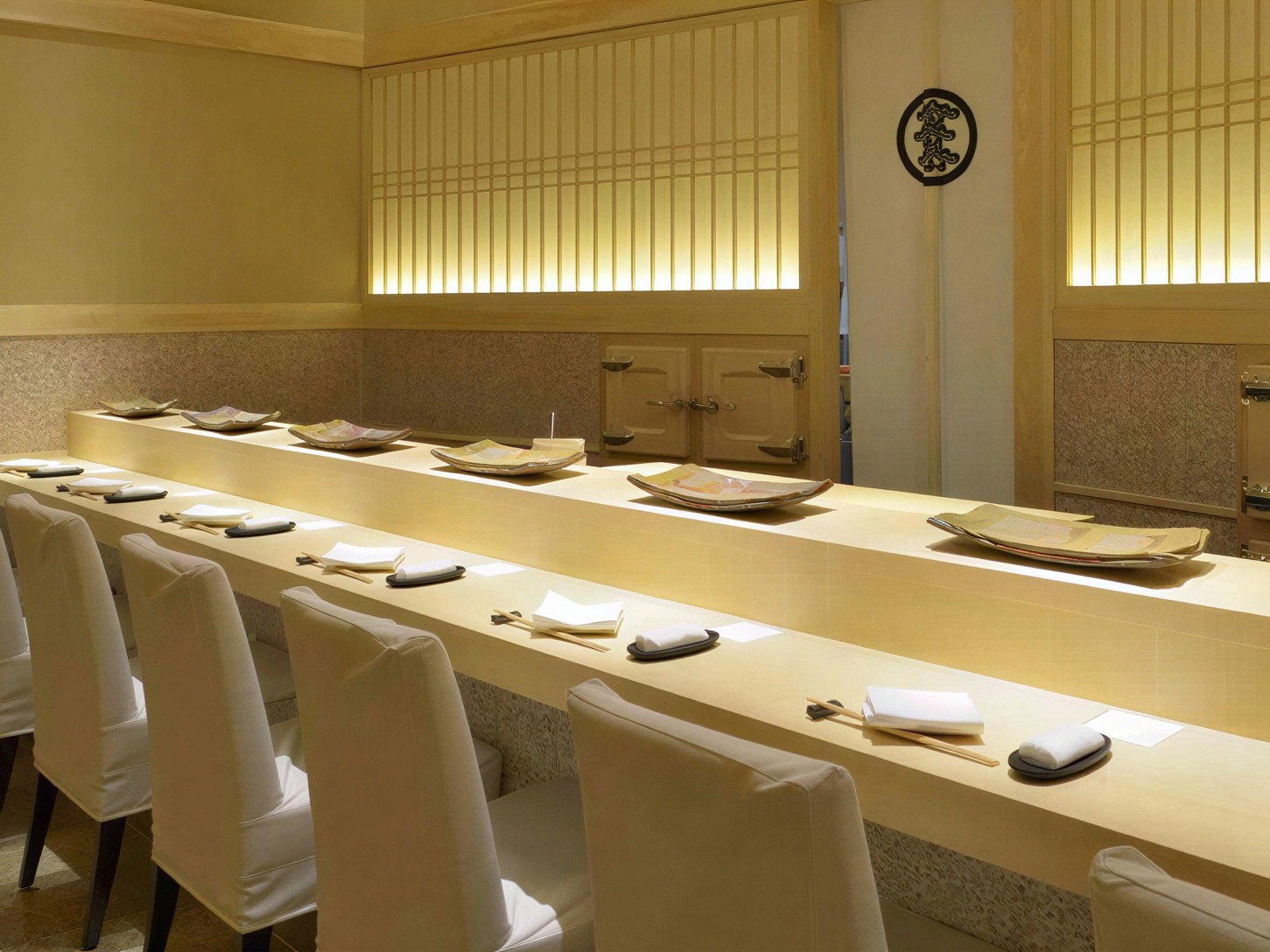
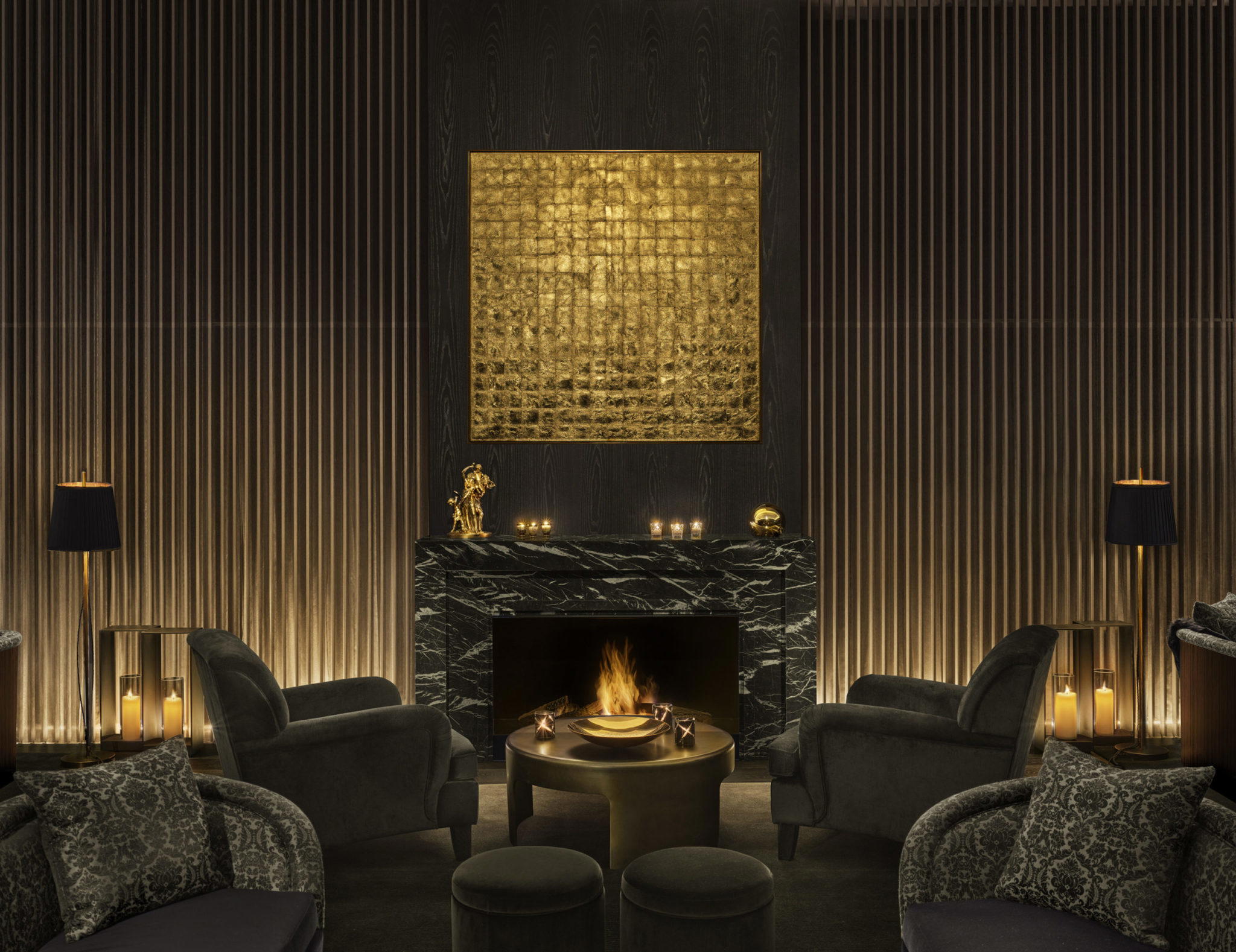
Cozy jazz bar-like atmosphere with warm wood, soft lighting, relaxing space, and attentive service.
Know Before You Go
- Getting there
- Japan, 〒106-0045 Tokyo, Minato City, Azabujuban, 2 Chome−5−14 マイコーナービル B1F