
Tabelog Bronze #484
Our verdict
Tokyo’s unagi culture rewards patience, heat control, and a clear view of the grill. Ikewanagi no Mise Tsugumi An belongs to the small-format end of that tradition in Komagome, combining eel and yakitori in a counter-led house setting with Tabelog Award recognition and a serious sake-and-shochu drinking frame.

Pearl is the En Primeur Club membership app, where members save venues, book tables and use the concierge.
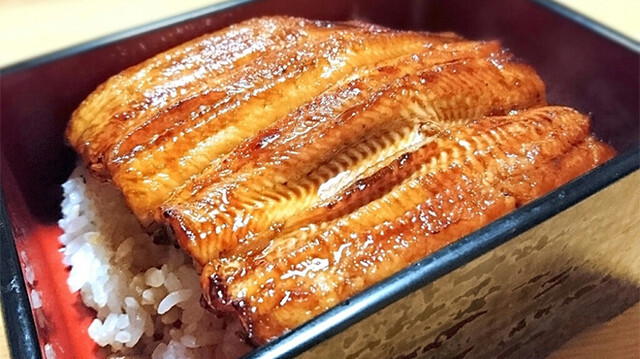
Komagome is not the Tokyo of hotel lobbies and skyline dining rooms. It is quieter, lower-rise, and better suited to restaurants that treat the room as an extension of the kitchen rather than a stage set. At Ikewanagi no Mise Tsugumi An, the useful image is not glamour but proximity: counter seating, sunken seating, and the compact rhythm of a house restaurant where live preparation matters because the food depends on timing rather than ornament.
Unagi in Tokyo has always been a cuisine of control. The craft sits in preparation, charcoal management, sauce discipline, and the judgment required to serve eel before the texture slips from supple to heavy. Yakitori, listed alongside eel here, belongs to the same grammar of fire: small pieces, close heat, and cooking that makes poor timing obvious. That shared dependence on the grill gives the room its logic. This is not a broad izakaya format with a long menu doing too many things; it sits in the narrower lane where fish, skewers, sake, and shochu form a coherent meal.
Fire, fish, and the counter-side logic of Tokyo unagi
The performance here is not teppanyaki theatre in the showman sense. It is the more Japanese version of counter drama, where the guest watches a sequence of small decisions rather than a choreographed display. Eel and yakitori both reward that format. The point is not spectacle for its own sake, but the visibility of work: cooking over heat, pacing service, and serving items in the narrow window where texture and temperature carry the argument.
That distinction matters in Tokyo, where premium dining often splits between highly codified counters and restaurants built around visual impact. Unagi houses rarely need luxury cues to prove seriousness. Recognition tends to gather around consistency, ingredient handling, and the ability to hold a narrow repertoire at a high level over time. Ikewanagi no Mise Tsugumi An has Tabelog Award Bronze recognition for 2026, following Bronze recognition across recent years and Silver recognition in earlier award cycles. It was also selected for Tabelog 100 Unagi in 2024, with a Tabelog score listed at 4.25. In Tokyo’s rating culture, that combination places the restaurant in a competitive niche where specialist execution carries more weight than design flourish.
The category pairing also gives the meal a useful tension. Unagi restaurants can become solemn if the entire experience leans on one central preparation. Yakitori introduces a different cadence: smaller intervals, closer engagement with the grill, and a drinking structure that suits sake and shochu. For travellers mapping Tokyo by genre, this is a more focused stop than a general Japanese restaurant and less formal in spirit than haute cuisine, though the recognition and format put it well above casual neighbourhood eating.
Komagome suits the house-restaurant format
Tokyo’s dining geography is often misunderstood by visitors who cluster around Ginza, Aoyama, and Shinjuku, then assume seriousness follows the same map. Komagome complicates that assumption. The area’s appeal lies in its residential pace and older-city texture, which can make compact specialist restaurants feel more natural than they would in a louder commercial district. A house-restaurant setting works here because the surrounding neighbourhood does not fight it.
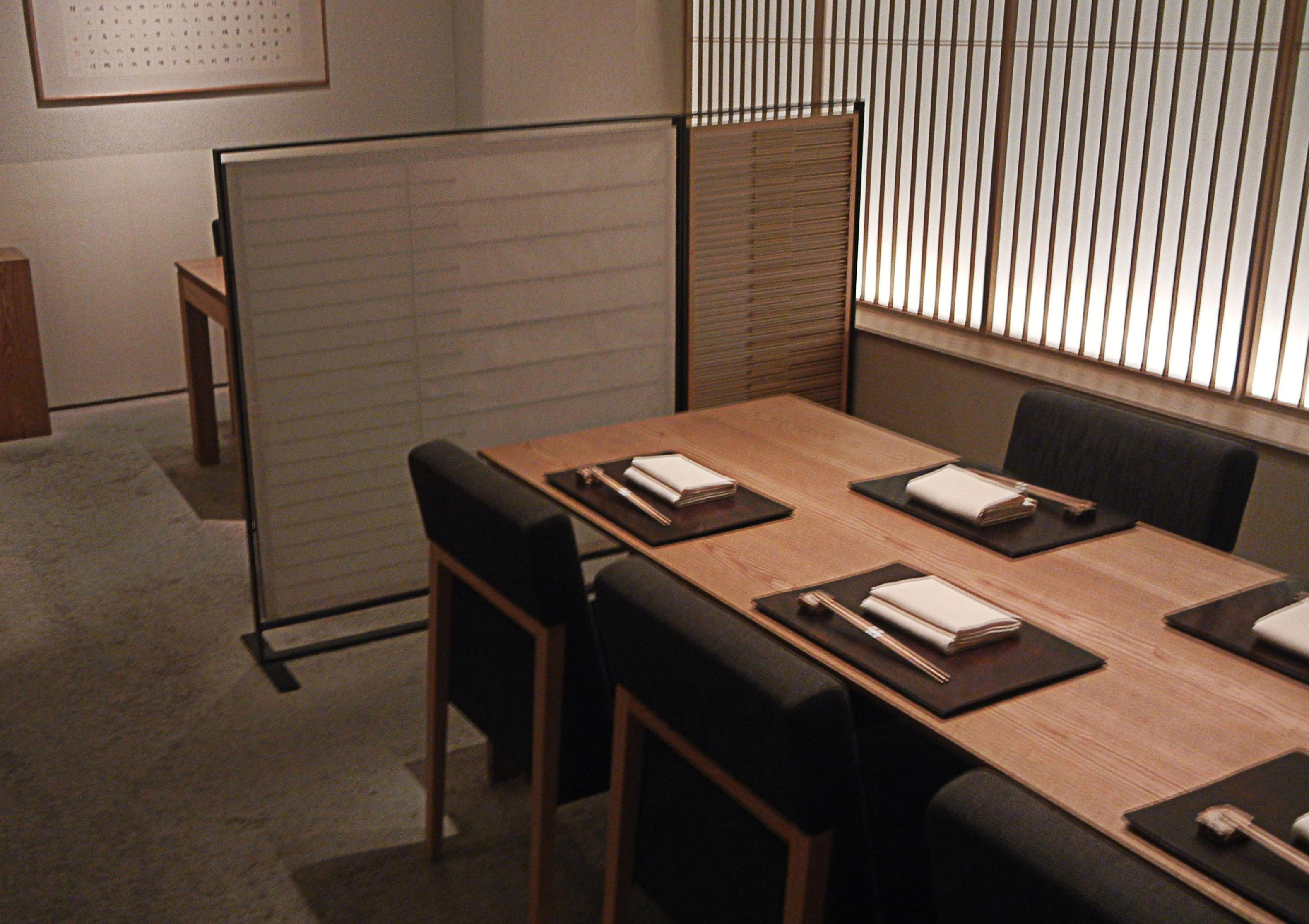
The room details point to a restrained, close-range experience rather than a high-capacity dining operation. Counter seating keeps attention on preparation; sunken seating gives the room a familiar Japanese register; private use is listed for groups up to 20, which suggests a format built around limited seatings rather than churn. Non-smoking status also matters in this category, particularly for guests who want grill cooking without the lingering haze associated with older tavern formats.
For editorial context across the city, Our full Tokyo restaurants guide is the broader map. Readers comparing category moods can also look at Our full Tokyo bars guide, Our full Tokyo hotels guide, Our full Tokyo experiences guide, and Our full Tokyo wineries guide. Tokyo’s range is wide enough that a specialist unagi counter, a curry shop, a café, and a yakitori room answer different questions rather than competing for the same night.
How to read this meal against Tokyo's wider dining map
The useful decision is not whether this is an all-purpose recommendation. It is not. The draw is narrower: eel, skewers, Japanese drinks, and the intimacy of a room where the cooking process remains close to the guest. That makes it stronger for diners who appreciate repetition, heat control, and the old Tokyo pleasure of a specialised house doing a limited number of things with conviction.
The surrounding EP Club map shows how different that proposition is from other Tokyo formats. 124. KAGURAZAKA (Yakitori) points toward a more direct yakitori reading;. 鮪と炭火焼き うお炭 秋葉原店 sits closer to tuna and charcoal cooking; 12/10 Shinjuku ten belongs to a different Shinjuku rhythm; 3 Chome no Curry Ya San and 2D Cafe show how far Tokyo’s casual spectrum stretches. None of those should be read as substitutes; they are useful calibration points for the city’s range.
Travellers building a Japan itinerary beyond Tokyo can use the same category logic elsewhere: -Grilled beef Sukiyaki- KAMAKURA TANUKIAN 鎌倉 たぬき庵 in Kamakura for beef sukiyaki.cafe in Osaka for café culture.know in Kumamoto, (Shoku) Vietnam in Kawasaki, [Curry Senmon Ten] Maruyama Kyoju. in Sapporo, and [ki:] in Kyoto. For a transpacific sake-and-snack comparison, Jōdo Saké Bar in Los Angeles and Onigiri Time in Pasadena show how Japanese drinking and rice formats translate abroad.
The verdict is simple: Ikewanagi no Mise Tsugumi An is for diners who want Tokyo’s grill culture at close range, with unagi as the anchor and yakitori as the pacing device. The awards history gives it credibility, but the stronger reason to care is structural. In a city full of polished dining rooms, this format keeps the guest’s attention on fire, fish, and the discipline of doing less.
Frequently asked questions
Can I bring kids to Ikewanagi no Mise Tsugumi An?
Those details are not published. It is a Tokyo unagi and yakitori house in Kita City, priced at JPY 15,000–19,999. Check the venue's official channels for the latest details.
What's the overall feel of Ikewanagi no Mise Tsugumi An?
It reads as a house restaurant rather than a large dining room, with counter seating, sunken seating, and a non-smoking setup. The rhythm is tight, especially with Friday and Saturday service only, and the Tabelog Award Bronze recognition underlines its standing among Tokyo unagi addresses.
What's the cuisine at Ikewanagi no Mise Tsugumi An?
Ikewanagi no Mise Tsugumi An serves Unagi (Eel), Yakitori (Grilled chicken skewers) cuisine.
What is Ikewanagi no Mise Tsugumi An known for?
Ikewanagi no Mise Tsugumi An is primarily known for Unagi (Eel), Yakitori (Grilled chicken skewers) in Tokyo.
Cuisine-First Comparison
Comparable venues nearby, for context on price, style, and recognition.
| Venue | Cuisine | Price | Awards | Notes |
|---|---|---|---|---|
| Ikewanagi no Mise Tsugumi AnThis venue (the venue you are viewing) | Traditional Japanese Unagi | $500+ | Tabelog Bronze #484 | Not listed |
| Yamazato Tokyo | Traditional Japanese Kaiseki and Sushi | $200–300 | Forbes 4-Star | Minato |
| Sazanka | Teppanyaki Grill | $200–300 | Tabelog 100 #96 | Minato |
| Kashiwade no Tsukasa Suikouan | Tea Kaiseki | $300–500 | Tabelog Bronze #428 | Minato |
| Sushi Mitani (鮨 三谷) | Edomae Omakase | $200–300 | La Liste Top Restaurants · Tabelog Gold #16 | Yotsuya |
| 神戸牛511 | Kobe Beef Kaiseki | $100–150 | Not listed | Minato |
Recognition history
Dated appearances from independent guides and award organizations, with the underlying list record or original source where available.
Tabelog Bronze #484
Tabelog
Full recognition history (2 entries)
Tabelog 100 #51 · No. 51
Tabelog · Tabelog 100 - Unagi - 2024
Continue exploring
More in Tokyo
Restaurants in Tokyo
All restaurants in Tokyo →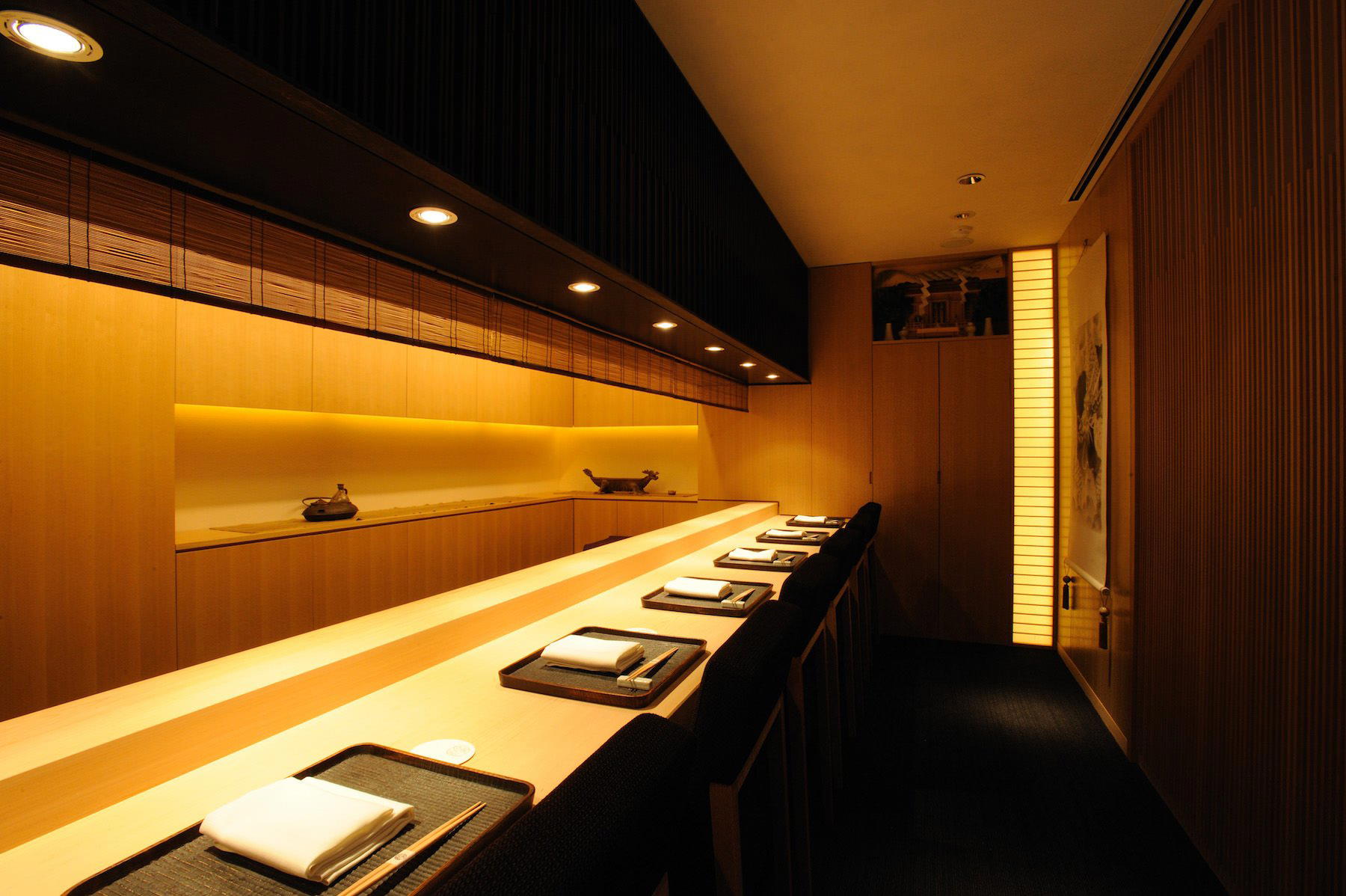
Bars in Tokyo
All bars in Tokyo →


Details
- Quiet
- Cozy
- Elegant
- Intimate
- Special Occasion
- Sake Program
- Sake
Current opening hours
- Monday
- Closed
- Tuesday
- Closed
- Wednesday
- Closed
- Thursday
- Closed
- Friday
- 5–7 PM
- Saturday
- 12–2 PM, 5–7 PM
- Sunday
- Closed
Hours can change for holidays and private events. Last verified .
Serene and relaxing Japanese atmosphere in a residential hideout with counter and sunken seating, providing comforting hospitality.