
Star Wine List
Our verdict
Ginza Soseki sits in Chuo City's premium restaurant corridor, recognised by Star Wine List with a White Star distinction for its wine program. The address on Ginza 5-chome places it within walking distance of the district's other serious dining counters, and its inclusion on Star Wine List in April 2023 signals a list built for guests who treat the bottle as seriously as the plate.

Pearl is the En Primeur Club membership app, where members save venues, book tables and use the concierge.
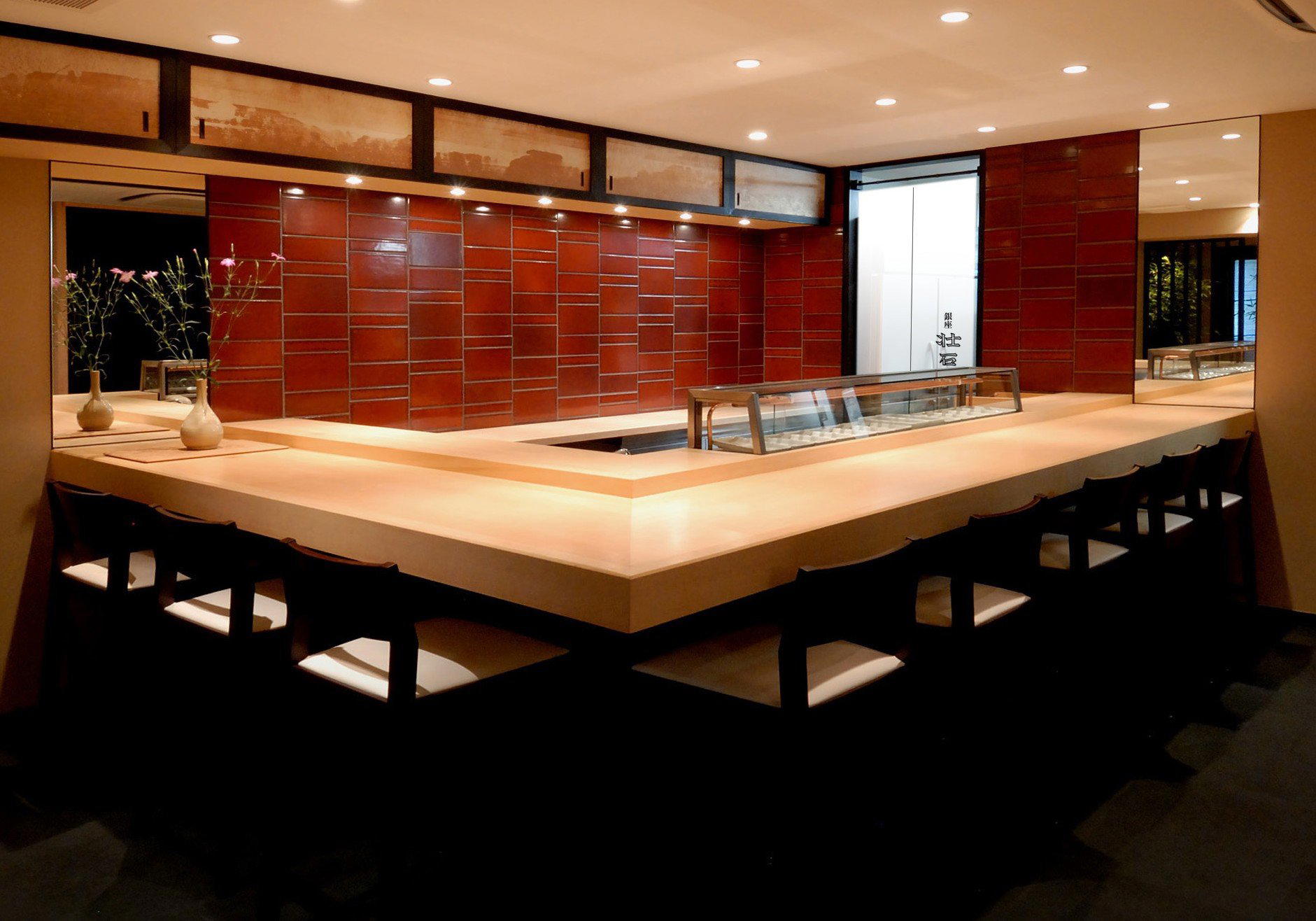
Where Ginza's Wine-Serious Dining Happens
Ginza's dining tier has compressed upward over the past decade. The district that once held a broad spread of price points now clusters its most serious tables in a narrow, expensive band, where the competition is not the neighbourhood bistro but other multi-award counters drawing from the same pool of regulars. On Ginza 5-chome, the address where Soseki sits on the second floor of the Zetton Building II, the surrounding blocks include some of Tokyo's most scrutinised reservation lists. That physical proximity matters: guests who plan a Ginza evening are often choosing between four or five restaurants in a ten-minute walk of each other, all operating at roughly the same level of ambition.
Star Wine List's White Star recognition, awarded in April 2023, places Ginza Soseki inside a curated cohort of restaurants where the wine program is considered as carefully as the kitchen output. Across Tokyo, that designation is not widely distributed. It tells you something concrete about the restaurant's approach: the list has been assembled with editorial rigor, and the guest who arrives wanting to explore wine alongside food will find the selection has been thought through rather than bolted on as an afterthought. In a city where many high-end Japanese restaurants still treat wine as a concession to foreign guests, a White Star distinction signals a different posture entirely.
The Regulars' Logic
The guests who return to a restaurant like Ginza Soseki are not doing so because of a promotional visit or a birthday treat. In Ginza's upper tier, the repeat guest is a specific type: someone who has already worked through the obvious options, who knows the difference between a list built for show and one built for drinking, and who has decided that a particular room earns their continued investment of time and money. That calculus, repeated across many visits, is what creates the invisible architecture of a dining room's culture.
What keeps regulars returning to wine-forward restaurants in Tokyo's premium tier tends to be consistency in the pairing logic and the willingness of staff to track individual preferences over time. At this level of dining, the second and third visit frequently differ from the first in ways that aren't visible from the outside: the sommelier remembers a preference for aged Burgundy over new-world Chardonnay, or holds back a particular allocation for a guest who has shown interest before. That kind of accumulated knowledge is what separates a serious wine program from a list that merely looks good on paper. The White Star recognition from Star Wine List suggests Ginza Soseki operates in the former category.
For comparison within the same district and price range, Harutaka operates as a sushi counter at the top of the ¥¥¥¥ tier, while RyuGin anchors the kaiseki side of Ginza's fine dining scene. Both draw regulars who have made deliberate choices about format and cuisine. Ginza Soseki's wine recognition places it in a different conversation, one where the beverage program is part of the reason for returning, not just an accompaniment.
Wine Distinction in Context
Star Wine List's White Star system evaluates wine programs across depth of list, quality of selection, and the overall integration of wine into the dining experience. Being published on the platform in April 2023 and receiving White Star status puts Ginza Soseki in a small group of Tokyo restaurants where wine is treated as a primary rather than secondary concern. Across Japan, that group extends to a handful of addresses: L'Effervescence in Nishi-Azabu has long maintained serious wine credentials alongside its French menu, and Sézanne at the Four Seasons has built a program that draws from both European and Japanese sources. Ginza Soseki's inclusion in this category signals an ambition that goes beyond stocking recognisable labels.
For guests who have experienced wine programs at restaurants like Le Bernardin in New York City, where the list is as carefully argued as the menu, or who have followed the wine conversation at French-influenced rooms like Crony in Tokyo, the White Star marker carries a specific meaning. It indicates that someone has made editorial decisions about what belongs on the list and why, rather than simply ordering broadly to cover every possible request.
Planning a Visit
Ginza Soseki's address on Ginza 5-chome puts it in the heart of the district's dining corridor. The Ginza and Higashi-Ginza subway stations are both within a short walk, making access direct from most central Tokyo hotels. The restaurant operates on the second floor of the Zetton Building II, which is typical of Ginza's dining geography: serious restaurants here frequently occupy upper floors of commercial buildings, away from street-level retail. First-time visitors unfamiliar with this pattern should confirm the building entrance before arriving.
Given the restaurant's White Star recognition and its position in a competitive Ginza tier, booking in advance is advisable. Ginza's leading tables operate with limited capacity and draw a consistent base of repeat guests, which means walk-in access at the level Soseki occupies is unlikely. Contact details and current reservation methods are best confirmed through the restaurant directly or through a concierge at a central Tokyo hotel. For broader planning across Tokyo's dining scene, our full Tokyo restaurants guide maps the city's dining by neighbourhood and format.
Guests travelling beyond Tokyo who want to extend the wine-serious dining experience through Japan will find comparable ambition at HAJIME in Osaka and Gion Sasaki in Kyoto. Further afield, akordu in Nara and Goh in Fukuoka represent the spread of serious dining beyond Japan's two major cities. For regional cooking in less-trafficked areas, Bleston Court Yukawatan in Nagano and giueme in Akita are worth the detour. For accommodation, bars, and cultural programming around a Tokyo visit, our Tokyo hotels guide, bars guide, and experiences guide cover the full picture. Guests with a specific interest in Japanese wine can also consult our Tokyo wineries guide for producers worth seeking out.
For a different perspective on Tokyo's French-influenced fine dining, Emeril's in New Orleans offers a useful contrast in how wine programs are built around a defined culinary identity.
Frequently asked questions
What awards or recognition does Ginza Soseki have?
Ginza Soseki has received recognition including: Ginza Soseki is a restaurant in Tokyo, Japan. It was published on Star Wine List on April 20, 2023 and is a White Star.
Where do I go for Ginza Soseki?
Ginza Soseki is located at Japan, 〒104-0061 Tokyo, Chuo City, Ginza, 5 Chome−14−14 ゼットンビル Ⅱ 2階, Tokyo.
What do regulars order at Ginza Soseki?
Regulars at wine-focused restaurants in this bracket typically anchor their visit around the wine list, letting pairing logic guide the food order. Ginza Soseki's Star Wine List White Star recognition suggests the list itself is worth treating as the starting point.
Should I book Ginza Soseki in advance?
Ginza Soseki sits in the 5-chome stretch of Ginza, a corridor where most serious restaurants operate at or near capacity on weekday evenings. White Star recognition from Star Wine List brings a measurable increase in visibility and reservation demand. Booking ahead is the practical approach, and for weekend sittings, lead time of several weeks is common for restaurants at this level in the district.
What's the defining dish or idea at Ginza Soseki?
That recognition is tied to the depth, selection quality, and integration of wine into the dining format, which points to a kitchen that treats wine pairing as a structural part of the meal rather than an afterthought.
What if I have allergies at Ginza Soseki?
At restaurants of this tier in Tokyo's Ginza district, communicating dietary requirements at the time of booking is standard practice and generally accommodated.
Why did Ginza Soseki receive a Star Wine List White Star designation?
Star Wine List's White Star is awarded based on the depth of a restaurant's wine list, the quality of its selection, and how effectively wine is integrated into the overall dining experience. Ginza Soseki received the designation in April 2023, placing it among a small set of Tokyo restaurants recognized by the platform. In a district as competitive as Ginza, that credential reflects a wine program built for guests who treat the list as central to the meal rather than supplementary.
The Minimal Set
Comparable venues nearby, for context on price, style, and recognition.
| Venue | Cuisine | Price | Awards | Notes |
|---|---|---|---|---|
| Ginza SosekiThis venue (the venue you are viewing) | Edomae Sushi and Kaiseki | Not listed | Star Wine List | Not listed |
| Kizan | Modern Kyoto-style Japanese | $300–500 | Tabelog Silver #62 | Chūō, Modern Kyoto-style Japanese |
| Hoshinoya Restaurant | Modern Japanese Kaiseki with French Techniques | $150–200 | Not listed | Chiyoda, Modern Japanese Kaiseki with French Techniques |
| Hamadaya | Traditional Japanese Kaiseki Ryotei | $200–300 | Not listed | Chūō, Traditional Japanese Kaiseki Ryotei |
| Sushi Sho | Traditional Edomae Sushi Omakase | $300–500 | Not listed | Nishiazabu, Traditional Edomae Sushi Omakase |
| Sushi Saeki Ginza | Edomae Omakase Sushi | $300–500 | Not listed | Chūō, Edomae Omakase Sushi |
Recognition history
Dated appearances from independent guides and award organizations, with the underlying list record or original source where available.
Star Wine List
Star Wine List
Continue exploring
More in Tokyo
Restaurants in Tokyo
All restaurants in Tokyo →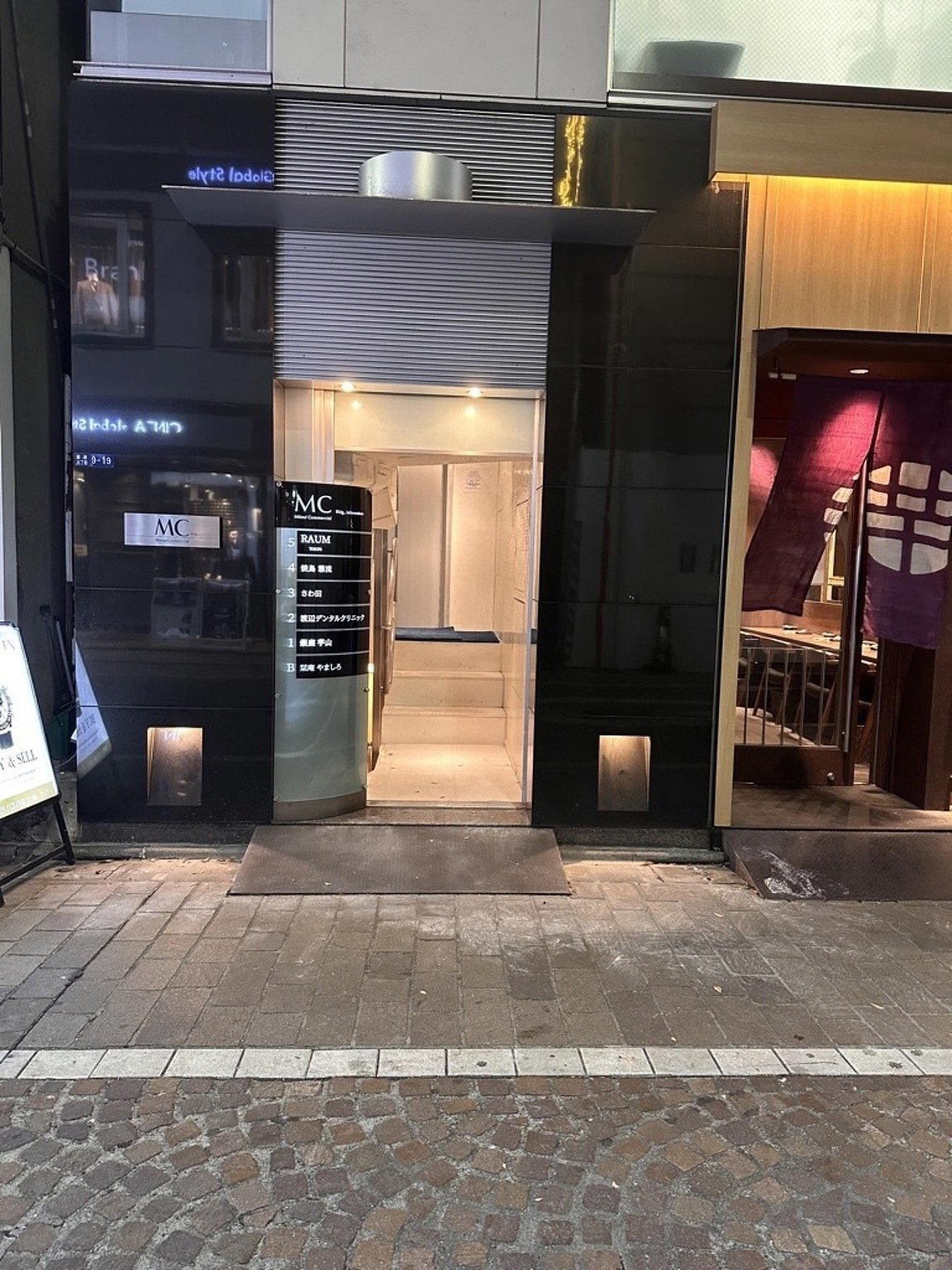

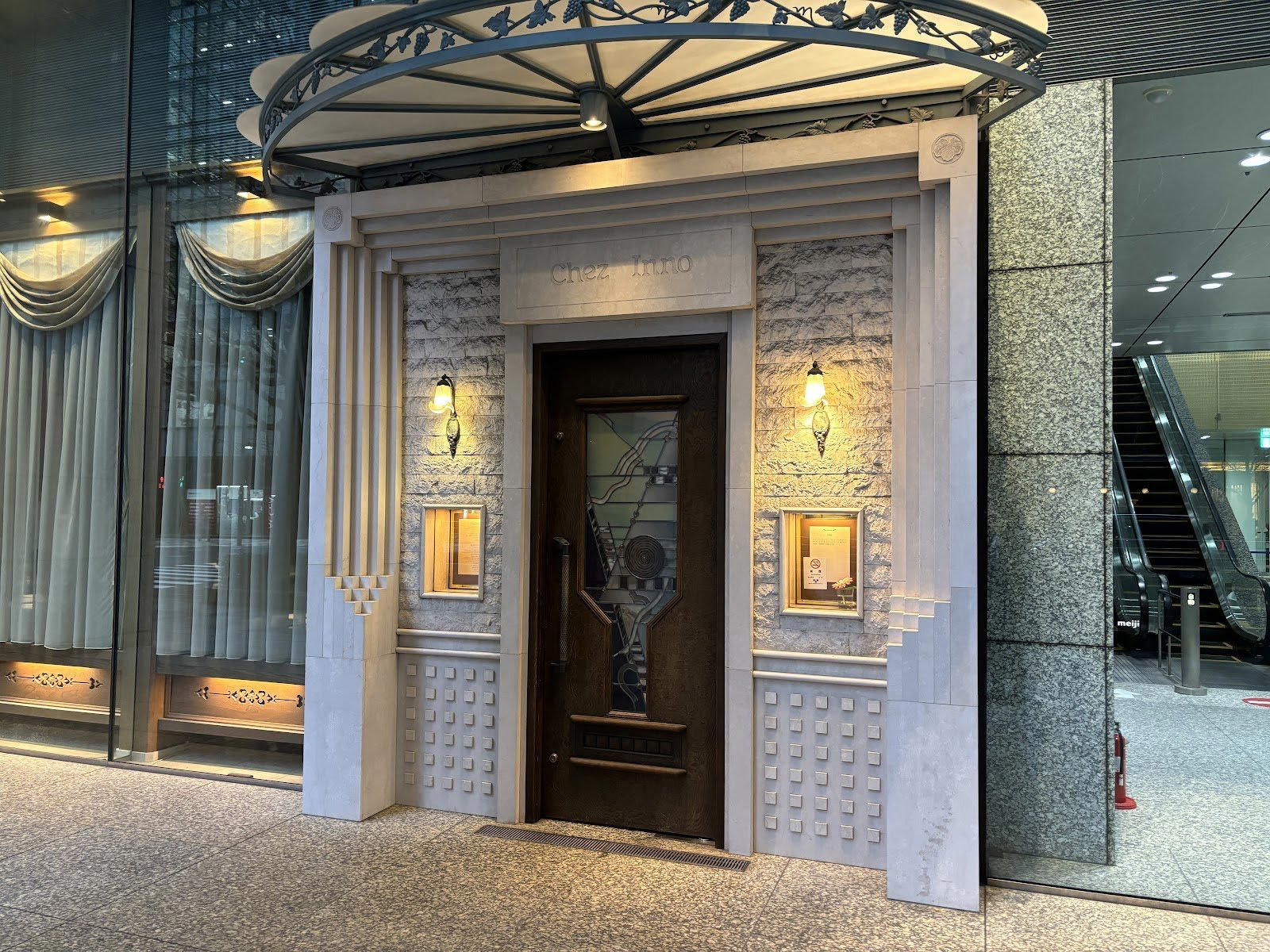
Bars in Tokyo
All bars in Tokyo →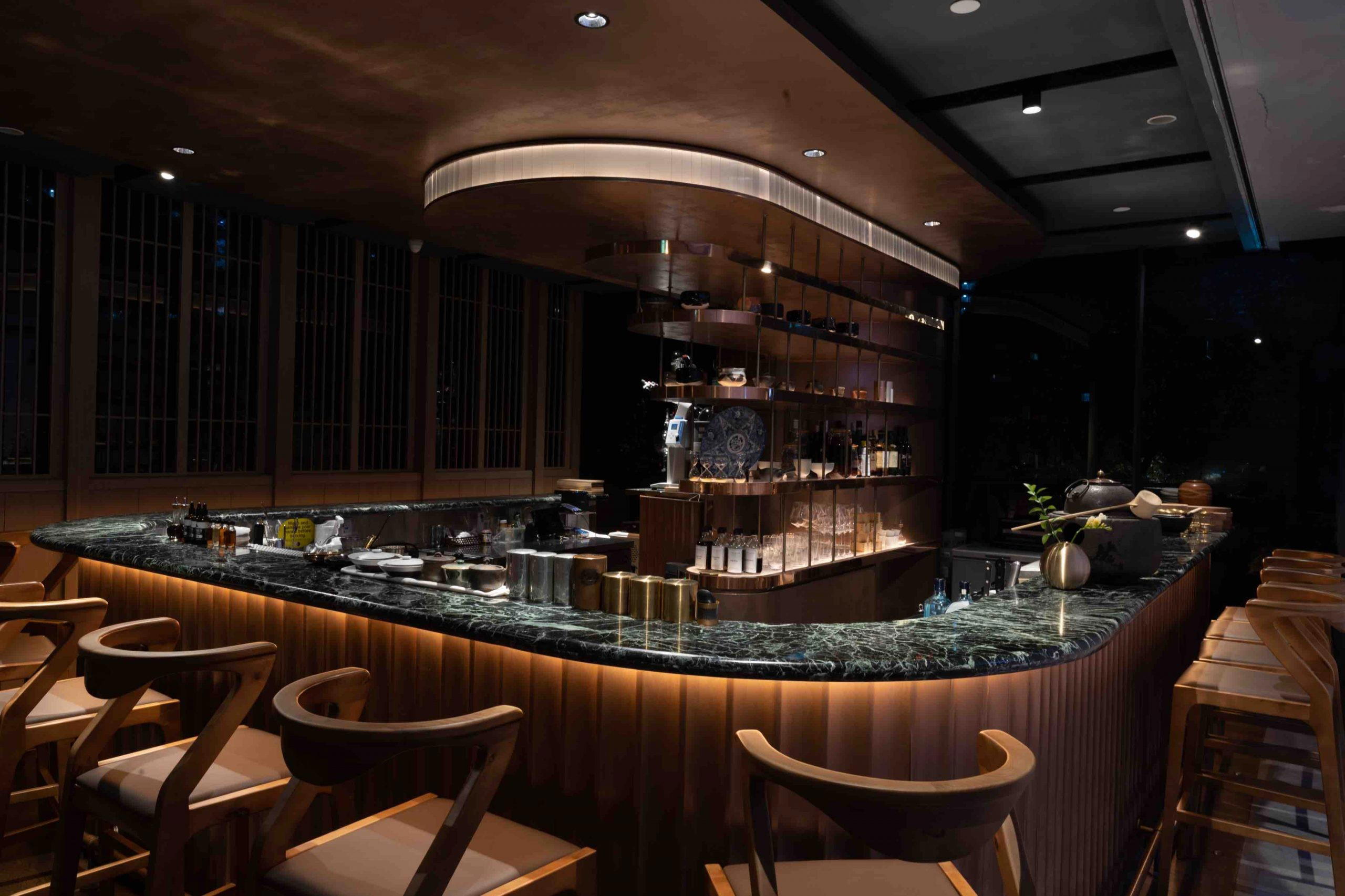




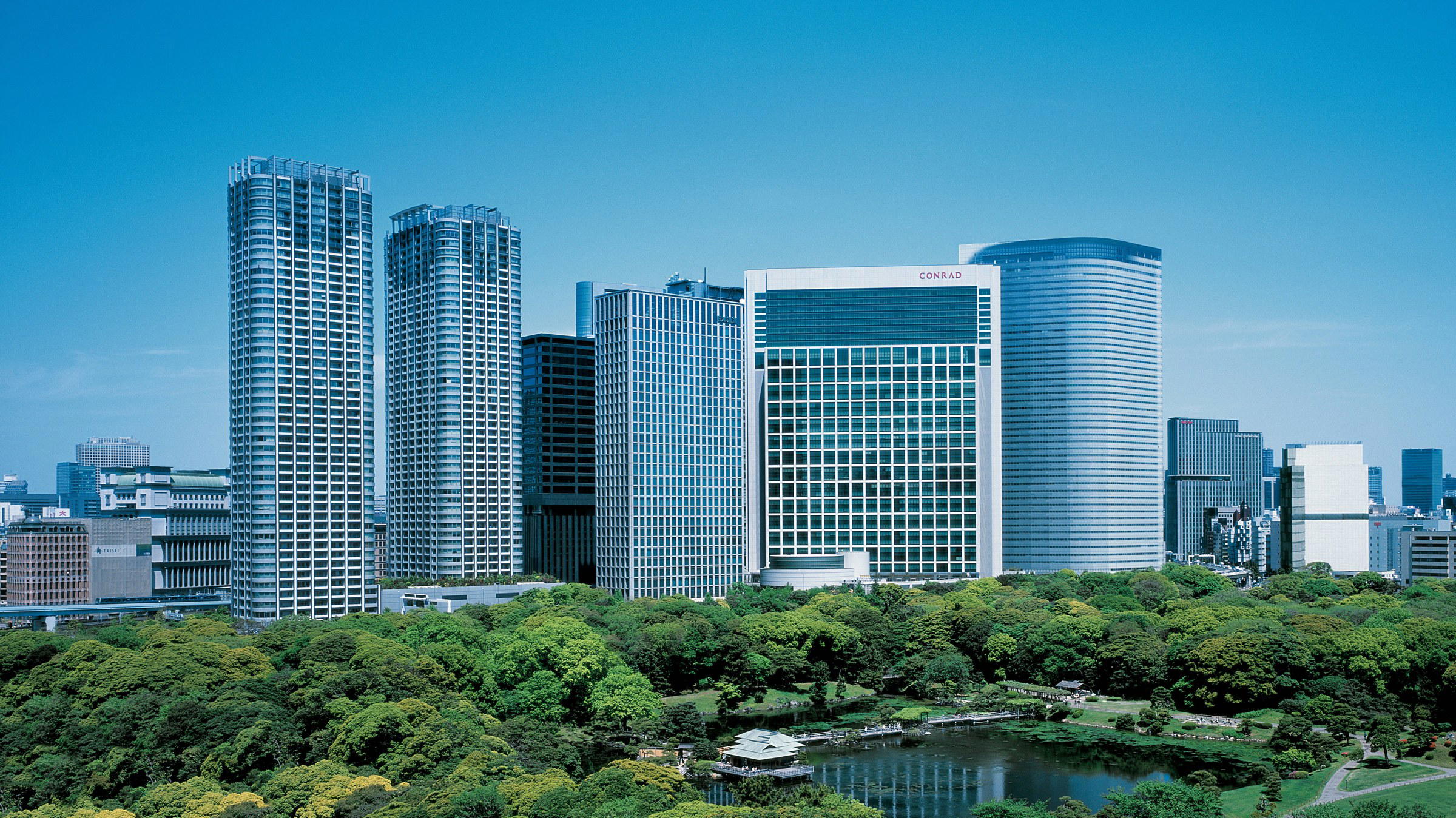

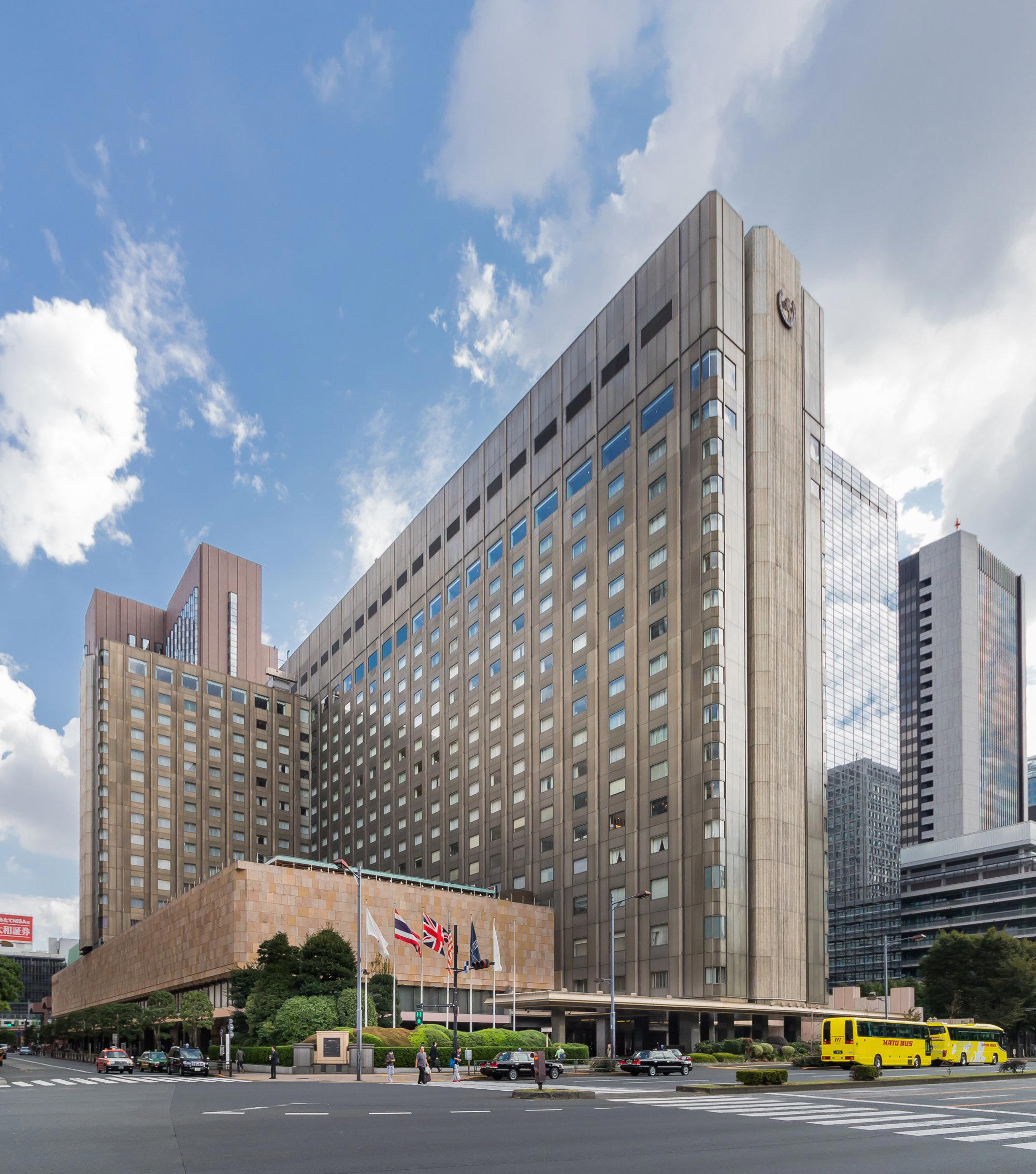

Details
- Elegant
- Intimate
- Sophisticated
- Quiet
- Date Night
- Business Dinner
- Solo
- Special Occasion
- Chefs Counter
- Sake Program
- Omakase
- A La Carte
- Counter Dining
Current opening hours
- Monday
- 11:30 AM–2 PM, 5:30–10 PM
- Tuesday
- 11:30 AM–2 PM, 5:30–10 PM
- Wednesday
- 11:30 AM–2 PM, 5:30–10 PM
- Thursday
- 11:30 AM–2 PM, 5:30–10 PM
- Friday
- 11:30 AM–2 PM, 5:30–10 PM
- Saturday
- 11:30 AM–2 PM, 5:30–10 PM
- Sunday
- Closed
Hours can change for holidays and private events. Hours as of .
Chic and relaxing interior with stylish space, counter seating, and a serene atmosphere away from Ginza's hustle.