

Tabelog Bronze #125
Our verdict
Minamiazabu’s sushi counters tend to reward restraint over spectacle, and Ichikawa belongs to that quieter Tokyo register: counter seating, fish-led omakase discipline, and recognition from Tabelog and Opinionated About Dining. Its relevance is not novelty but menu architecture, the way a compact sushi format can make sourcing, pacing, and rice-to-fish balance carry the evening.

Pearl is the En Primeur Club membership app, where members save venues, book tables and use the concierge.
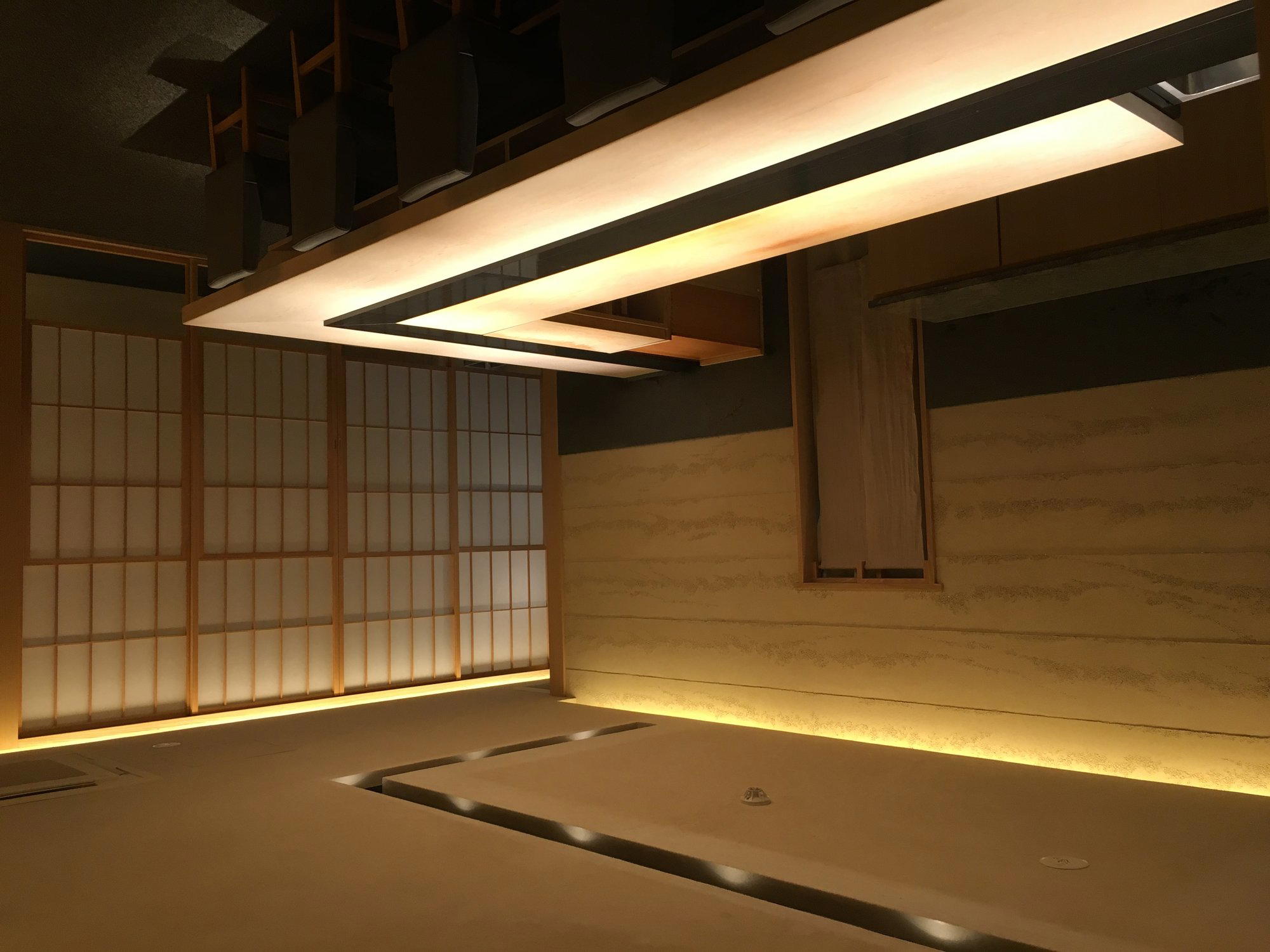
Minamiazabu changes tone after dark: residential lanes, low signage, and the kind of quiet that makes a sushi counter feel less like theatre than calibration. In that setting, Ichikawa fits a particular Tokyo tradition, the small counter where the menu is not a catalogue but a sequence. The room is built around counter seating, and that matters. Sushi at this level depends on proximity, temperature, hand speed, and pacing, not decorative complexity.
Tokyo’s serious sushi culture has splintered into several tiers: Ginza counters priced and booked like luxury goods, neighbourhood specialists with loyal local followings, and compact rooms that gain authority through consistency rather than publicity. Ichikawa sits in the last two categories at once. Tabelog lists it as sushi, gives it a 4.12 score for 2026, and names it a Bronze winner in The Tabelog Award from 2019 through 2026. Opinionated About Dining also included it in its 2026 Japan Top Restaurants ranking, with Katsumi Ichikawa named as chef. Those signals place the restaurant inside Tokyo’s serious sushi conversation without requiring the louder machinery of international awards.
A counter built around sequence, not excess
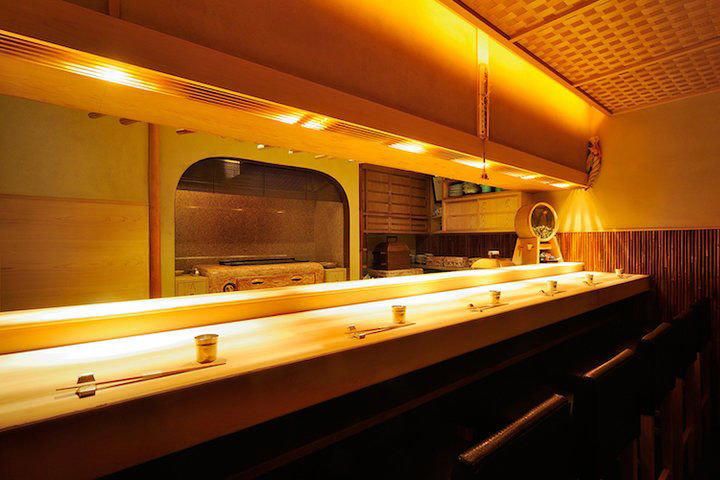
The useful way to read this kind of sushi menu is structurally. A counter meal in Tokyo is rarely just a run of expensive fish. It is an argument about order: lean before fatty, vinegar and salt before richness, shellfish or silver-skinned fish used as punctuation, and rice acting as the constant measure. Ichikawa’s public details point to that disciplined format rather than an à la carte house: 11 seats, counter seating, a fish-focused kitchen, and drinks weighted toward sake and wine.
That architecture separates it from broader Japanese dining rooms such as Chiso Takayama, where the cuisine frame is wider, or from a sukiyaki address like Imafuku, where the meal turns around beef, heat, and shared pot logic. Sushi compresses the decision-making. A small counter gives little room for distraction; each piece has to justify its place in the sequence. The appeal is not abundance. It is the narrowing of attention.
Tokyo diners often treat Tabelog’s sushi lists as a local temperature check, and repeated Bronze recognition carries a different meaning from a single burst of publicity. It suggests durability among voters who eat across the category. Ichikawa’s selection for Tabelog Sushi TOKYO 100 in 2021, 2022, and 2025 adds another layer: this is not a broad restaurant award being stretched across genres, but category-specific recognition in a city where sushi has severe internal competition.
Minamiazabu gives the meal a quieter frame
Neighbourhood context changes how a sushi counter reads. Ginza brings corporate polish and trophy-table pressure. Shirokane-Takanawa and Minamiazabu soften the mood: embassies, apartment blocks, and dining rooms that often feel intentionally removed from the station-front churn. That setting suits a counter where the principal drama is incremental rather than performative.
For travellers building a Tokyo dining itinerary, the comparison is not only between sushi counters. It is between modes of attention. French rooms such as Côte D'or or T'astous ask diners to read technique through sauce, plate composition, and course progression; a pâtisserie-scale stop such as MAISON D'AHNI occupies another rhythm entirely. Sushi reduces the grammar. Fish, rice, seasoning, and timing carry the weight. When the format works, the room does not need to announce itself.
Ichikawa’s practical profile also places it in the category of restaurants that reward planning rather than spontaneity. Public listings describe a reservation-only format, no private rooms, no parking, and a non-smoking room. Those details are not decorative; they define the type of evening. This is a compact counter meal, not a flexible group dinner or a casual drop-in.
How to place it in a Tokyo food itinerary
The smarter Tokyo itinerary mixes precision with contrast. A sushi counter of this scale belongs on a night when the focus can stay narrow. It pairs poorly with over-scheduled dining, because the value lies in attention to sequence rather than volume. Save izakaya grazing, curry shops, cafés, and late bars for other parts of the trip.
Readers mapping the wider city can use Our full Tokyo restaurants guide for the broader dining field, with casual and specialist contrasts including . 鮪と炭火焼き うお炭 秋葉原店, 12/10 Shinjuku ten, 124. KAGURAZAKA (Yakitori), 2D Cafe, and 3 Chome no Curry Ya San. For the rest of the trip architecture, Our full Tokyo hotels guide, Our full Tokyo bars guide, Our full Tokyo wineries guide, and Our full Tokyo experiences guide help separate dinner nights from hotel, drinking, wine, and cultural planning.
Japan’s broader dining map adds useful perspective. A sushi counter in Minamiazabu is a different proposition from -Grilled beef Sukiyaki- KAMAKURA TANUKIAN 鎌倉 たぬき庵 in Kamakura.cafe in Osaka.know in Kumamoto, (Shoku) Vietnam in Kawasaki, [Curry Senmon Ten] Maruyama Kyoju. in Sapporo, or [ki:] in Kyoto. Across the Pacific, Jōdo Saké Bar in Los Angeles and Onigiri Time in Pasadena show how Japanese food formats travel, but Tokyo sushi remains unusually dependent on seat count, counter discipline, and repeated local scrutiny.
The editorial case for Ichikawa is therefore specific: it is for diners who want Tokyo sushi in a restrained, fish-led counter format backed by durable domestic recognition. The restaurant’s awards and compact seating do not make it a spectacle. They make it a controlled room in a city where sushi can still be measured piece by piece.
Frequently asked questions
When can I go to Ichikawa?
Hours at Ichikawa: Mon, Tue, Thu, Fri, Sat, Sun 18:00 - 22:30 L.O. 20:30.
What's Ichikawa's location?
Ichikawa is located in Tokyo.
What do critics highlight about Ichikawa?
Critics consistently point to the restaurant’s awards record, including the Tabelog Award 2026 Bronze and selection in Tabelog Sushi TOKYO "Tabelog 100" 2025. The 11-seat, reservation-only counter in Minamiazabu gives the meal a focused format rather than a broad dining room experience. Its Bronze run across multiple years signals consistency, not novelty.
What is Ichikawa known for?
Ichikawa is primarily known for its core concept and execution in Tokyo.
Accolades, Compared
Comparable venues nearby, for context on price, style, and recognition.
| Venue | Cuisine | Price | Awards | Notes |
|---|---|---|---|---|
| IchikawaThis venue (the venue you are viewing) | Edomae Sushi | Not listed | Tabelog Bronze #125 | Not listed |
| Nikusho Horikoshi | Japanese | Not listed | Not listed | Minato |
| Isoda | Kyoto-style Kaiseki Omakase | $300–500 | Tabelog Silver #45 | Chūō |
| Shunsuke | Edomae Sushi Omakase | $200–300 | Tabelog Silver #125 | Suginami |
| Ozaki | Sushi Kaiseki | $200–300 | Not listed | Minato |
| Ushimatsu | Premium Yakiniku - Matsusaka & Tajima Beef | $200–300 | Tabelog Bronze #501 | Minato |
Recognition history
Dated appearances from independent guides and award organizations, with the underlying list record or original source where available.
Opinionated About Dining Top Restaurants in Japan Ranked #126
Opinionated About Dining
Tabelog Bronze #125
Tabelog
Full recognition history (4 entries)
Tabelog Bronze
Tabelog
Tabelog 100 #76 · No. 76
Tabelog · Tabelog 100 - Sushi - TOKYO - 2025
Continue exploring
More in Tokyo
Restaurants in Tokyo
All restaurants in Tokyo →

Bars in Tokyo
All bars in Tokyo →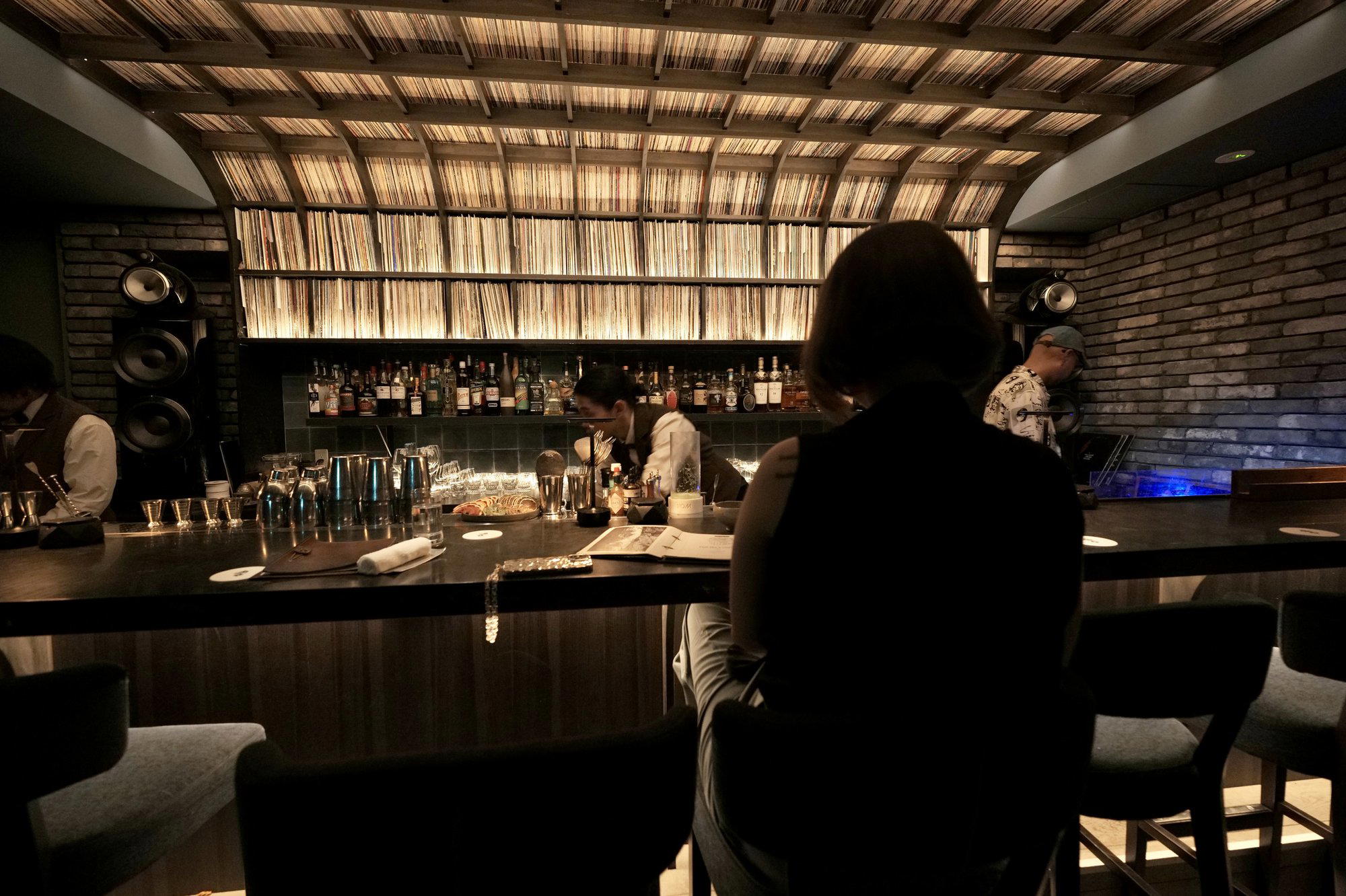




Details
- Intimate
- Elegant
- Sophisticated
- Date Night
- Special Occasion
- Chefs Counter
- Sake Program
- Counter Dining
- Omakase
- Sake
Current opening hours
- Monday
- 6–10:30 PM
- Tuesday
- 6–10:30 PM
- Wednesday
- Closed
- Thursday
- 6–10:30 PM
- Friday
- 6–10:30 PM
- Saturday
- 6–10:30 PM
- Sunday
- 6–10:30 PM
Hours can change for holidays and private events. Hours as of .
Intimate counter seating with serene, subdued atmosphere focused on the chef's craft.