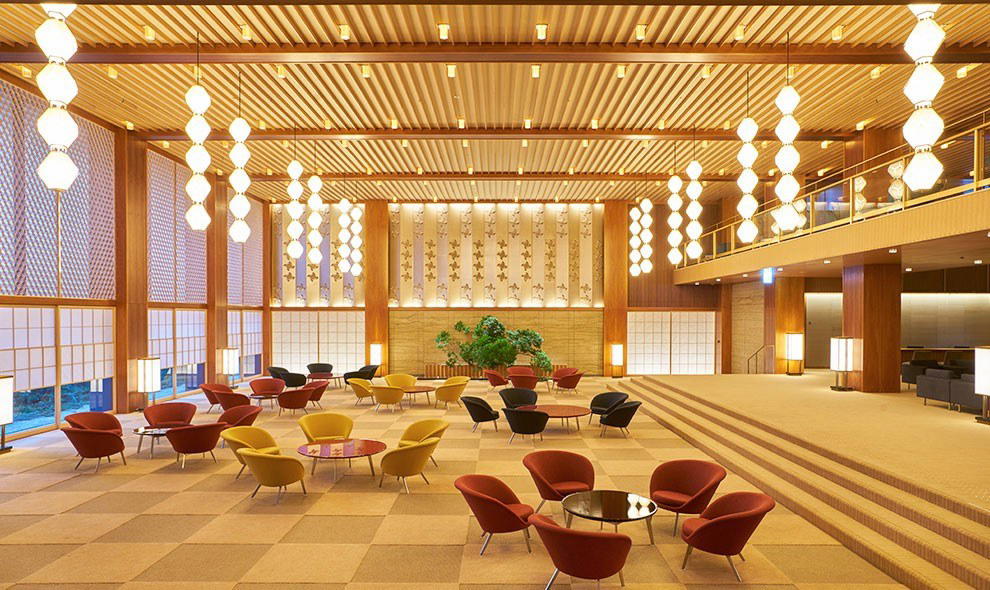
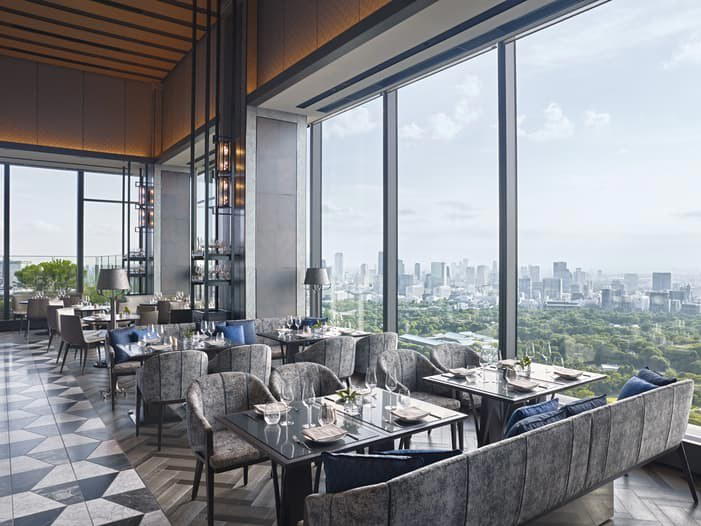
Takazawa occupies a singular position in Tokyo's French dining scene: a small, chef-driven counter in Akasaka where classical French technique is continuously reframed through Japanese sensibility. Ranked #92 in Japan by Opinionated About Dining in 2023 and #110 in 2024, it draws a committed international following despite minimal online presence and very limited seating.
Pearl is the En Primeur Club membership app — saves, bookings, and concierge access live there. Same editors, same standards.

French Cooking in a Japanese Register
Tokyo's French restaurant scene has long operated on a spectrum that runs from faithful Escoffier orthodoxy to something harder to categorise — kitchens where classical technique is present but filtered through a Japanese instinct for restraint, seasonality, and precision. Takazawa sits toward the far end of that spectrum. Located in Akasaka, a neighbourhood that has historically housed both political power and the kind of expense-account dining that comes with it, the restaurant is small enough that its character is defined almost entirely by what happens at the pass. The contrast between that intimate scale and the ambition on the plate is where the real story begins.
This tension — between the codified traditions of French haute cuisine and the more plastic, experimental possibilities that Japanese chefs have found within it , is the central question of Tokyo's contemporary French scene. L'Effervescence, Sézanne, and ESqUISSE each answer it differently. So does Florilège, which has pushed French structure toward something closer to a commentary on Japanese produce. Takazawa's answer is its own, and it has attracted consistent recognition for it: Opinionated About Dining placed it at #92 among all restaurants in Japan in 2023, and #110 in 2024 , rankings drawn from a data set heavy with kaiseki rooms and sushi counters, which makes the positioning of a French table at that level a meaningful signal.
The Akasaka Address
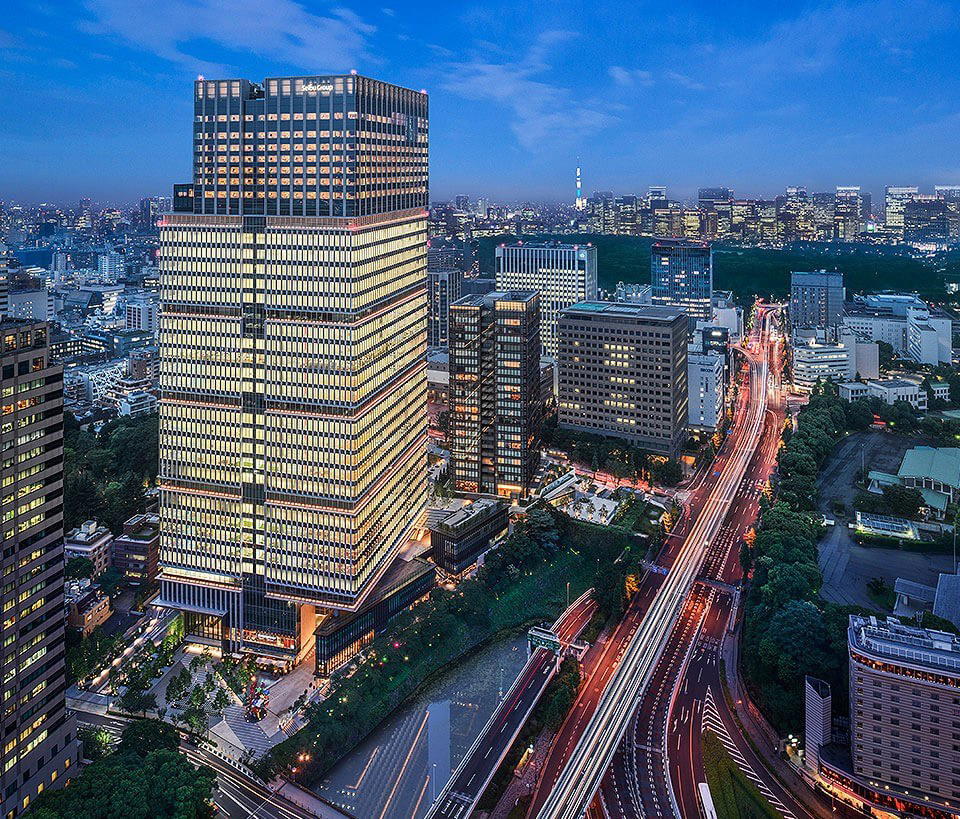
Akasaka is not where most visitors to Tokyo naturally gravitate for restaurant discovery. Shinjuku, Ginza, and Minami-Aoyama collect more attention. But Akasaka has its own logic: it is a neighbourhood where serious, long-running restaurants tend to build loyal clienteles rather than chasing trend cycles. The address , a first and second floor in a quietly positioned building at 3 Chome-6-10 , fits that pattern. There is no marquee presence, no street-level theatre designed to attract passing traffic. Reservations arrive through established channels, and the room fills with guests who have made a deliberate choice. For a French kitchen operating at this level, that dynamic is not incidental; it is part of the format.
Classical Technique, Reconfigured
The broader context for understanding what happens at Takazawa is the generational shift in how Japanese chefs have related to French training. Earlier generations, including those behind the classical grandeur of Château Restaurant Joël Robuchon, built their reputations on fidelity to French models, often importing both ingredients and frameworks wholesale. The generation that followed began treating French technique as a vocabulary rather than a text , something to compose with, not to reproduce. Chef Yoshiaki Takazawa belongs to that second tradition. His kitchen's reputation rests on the kind of creative reinterpretation that requires deep technical command: you cannot pull classical structure apart productively unless you first understand why it was assembled the way it was.
This approach places Takazawa in a different peer group than, say, the leading kaiseki rooms at RyuGin or the sushi counters that dominate Japan's OAD rankings. The comparison set is more accurately the cluster of innovation-led French tables in Tokyo and across Asia, including Les Amis in Singapore and, for reference on what high-end French dining looks like in a European original-context setting, Hotel de Ville Crissier in Crissier. What distinguishes the Tokyo versions of this category is how thoroughly Japanese sensibility has been absorbed into the French frame, not as fusion but as a structural shift in how flavour and composition are prioritised.
Reading the Recognition
The OAD rankings deserve some unpacking. Opinionated About Dining's methodology is critic and regular-diner weighted, with a heavy presence of serious food travellers who have covered the full range of Japan's fine dining. A French restaurant ranking in the top 110 in that system , against kaiseki institutions that have been refining the same format for decades , reflects something specific: the kitchen is cooking at a level that survives comparison across categories, not just within French cuisine. The slight drop from #92 in 2023 to #110 in 2024 is less a signal of decline than a reflection of how competitive the Japanese top-tier has become. Venues like HAJIME in Osaka and Gion Sasaki in Kyoto are part of the same national landscape, which gives a sense of the field Takazawa is competing within.
Google's aggregate sits at 4.4 from 24 reviews , a number that reflects the limited-capacity reality rather than any lack of enthusiasm. At a restaurant this size, the guest count per year is low enough that public review volume stays thin almost by definition.
Planning a Visit
Practical realities at Takazawa follow the pattern common to small, reputation-driven French tables in Tokyo. Reservations at this level of the market typically require advance planning of six to eight weeks at minimum, and peak dining periods , including the autumn season when Japanese produce is at a high point , can demand longer lead times. The Akasaka location is accessible from Akasaka-mitsuke Station on the Tokyo Metro Ginza and Marunouchi lines, placing it within direct reach of central Tokyo. No booking method or pricing is confirmed in public-facing records, which suggests the reservation process runs through direct contact or a small number of concierge channels. For visitors building a broader Tokyo itinerary, the full EP Club guides to Tokyo restaurants, hotels, bars, wineries, and experiences cover the wider options. Those exploring Japan's French dining scene beyond Tokyo will find relevant reference points at akordu in Nara and Goh in Fukuoka, while 1000 in Yokohama and 6 in Okinawa extend the picture further.
Category Peers
A small set of peers for context, based on recorded venue fields.
| Venue | Cuisine | Awards | Notes |
|---|---|---|---|
| Takazawa | French | Opinionated About Dining Top Restaurants in Japan Ranked #110 (2024); Opinionate… | This venue |
| Harutaka | Sushi | Michelin 3 Star | Sushi, ¥¥¥¥ |
| RyuGin | Kaiseki, Japanese | Michelin 3 Star | Kaiseki, Japanese, ¥¥¥¥ |
| L'Effervescence | French | Michelin 3 Star | French, ¥¥¥¥ |
| HOMMAGE | Innovtive French, French | Michelin 2 Star | Innovtive French, French, ¥¥¥¥ |
| MAZ | Innovative | Michelin 2 Star | Innovative, ¥¥¥¥ |
At a Glance
- Intimate
- Elegant
- Sophisticated
- Modern
- Date Night
- Special Occasion
- Chefs Counter
- Open Kitchen
- Sake Program
- Sommelier Led
- Farm To Table
- Local Sourcing
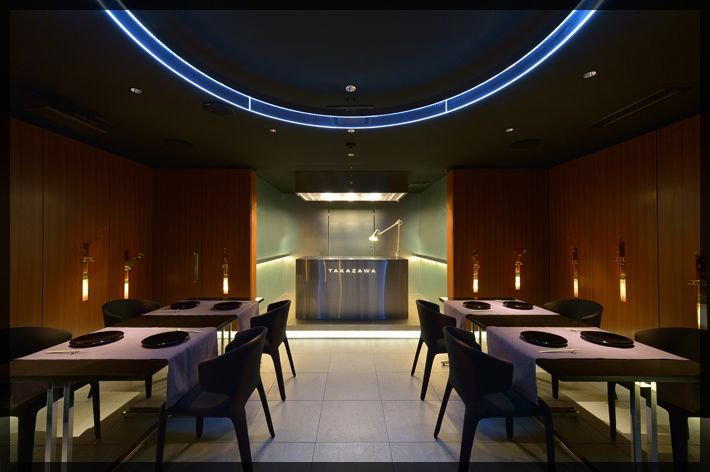
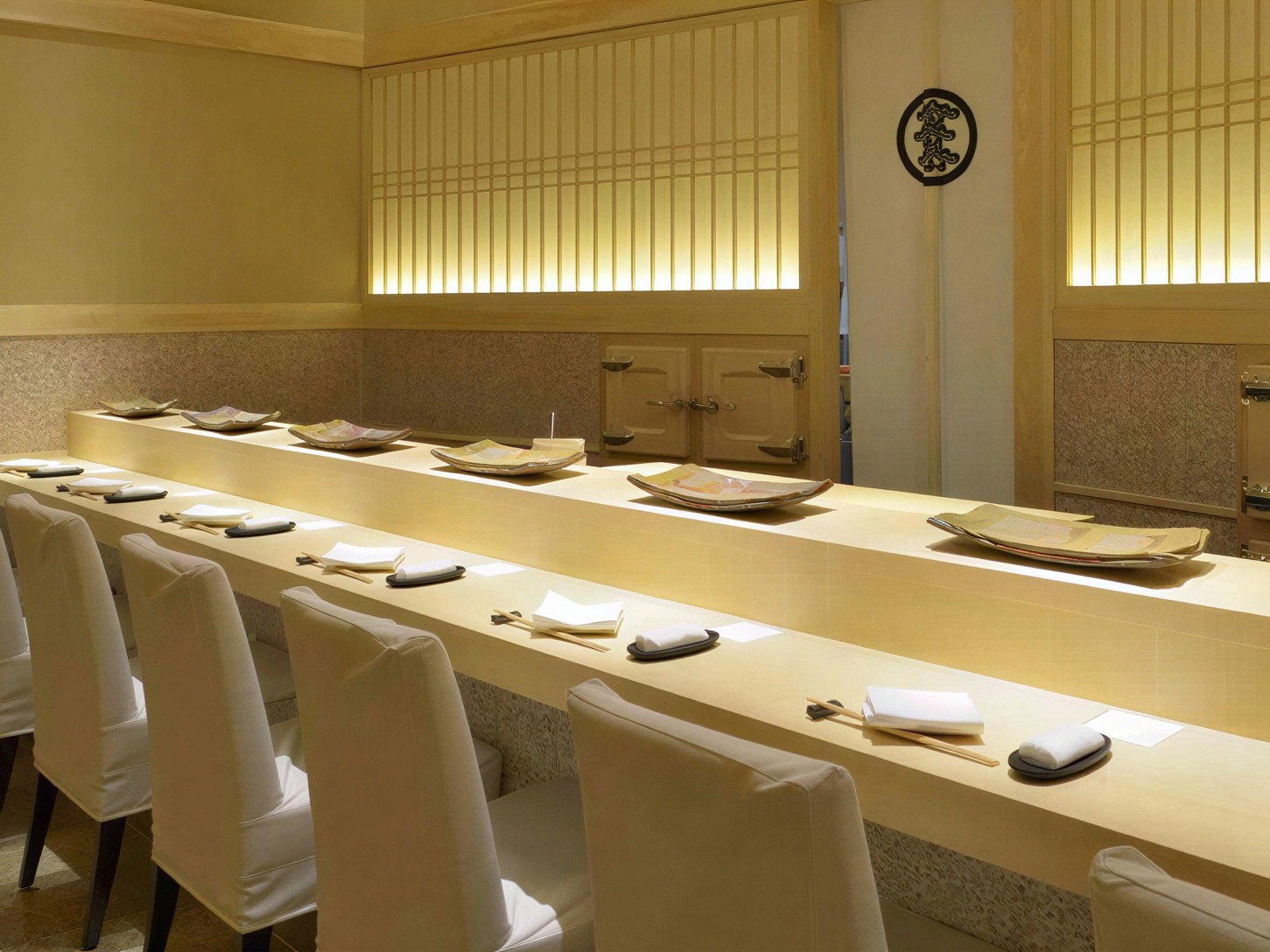
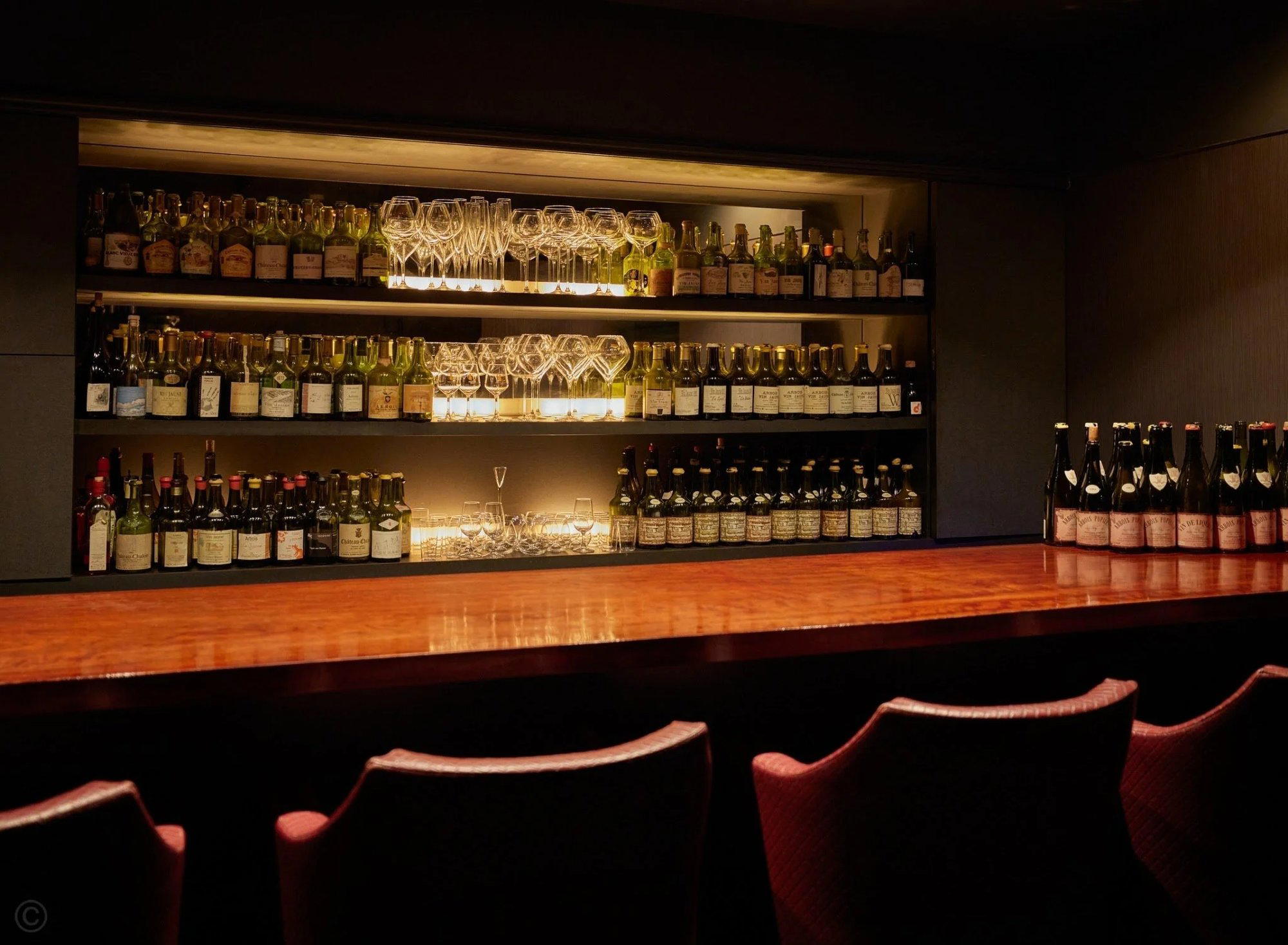
Intimate counter dining with stark metallic chef's table, spotlighted plating area, relaxed atmosphere, and warm welcoming scent.