


Nikuya Tanaka has held Tabelog Silver consecutively since 2021, placing it among the more consistently recognised beef kaiseki counters in Ginza. Nine seats, a binchotan charcoal grill, and a dinner spend of JPY 60,000 to 79,999 position it in the same price tier as Tokyo's top omakase rooms. Reservations open three months ahead and are taken by phone or online.
Pearl is the En Primeur Club membership app — saves, bookings, and concierge access live there. Same editors, same standards.
- Address
- Japan, 〒104-0061 Tokyo, Chuo City, Ginza, 6 Chome−4−3 GICROS GINZA GEMS 9F
- Phone
- +81 3-6280-6529
- Website
- nikuyatanaka.jp
- Directions
- Get directions
 Saves & bookings on Pearl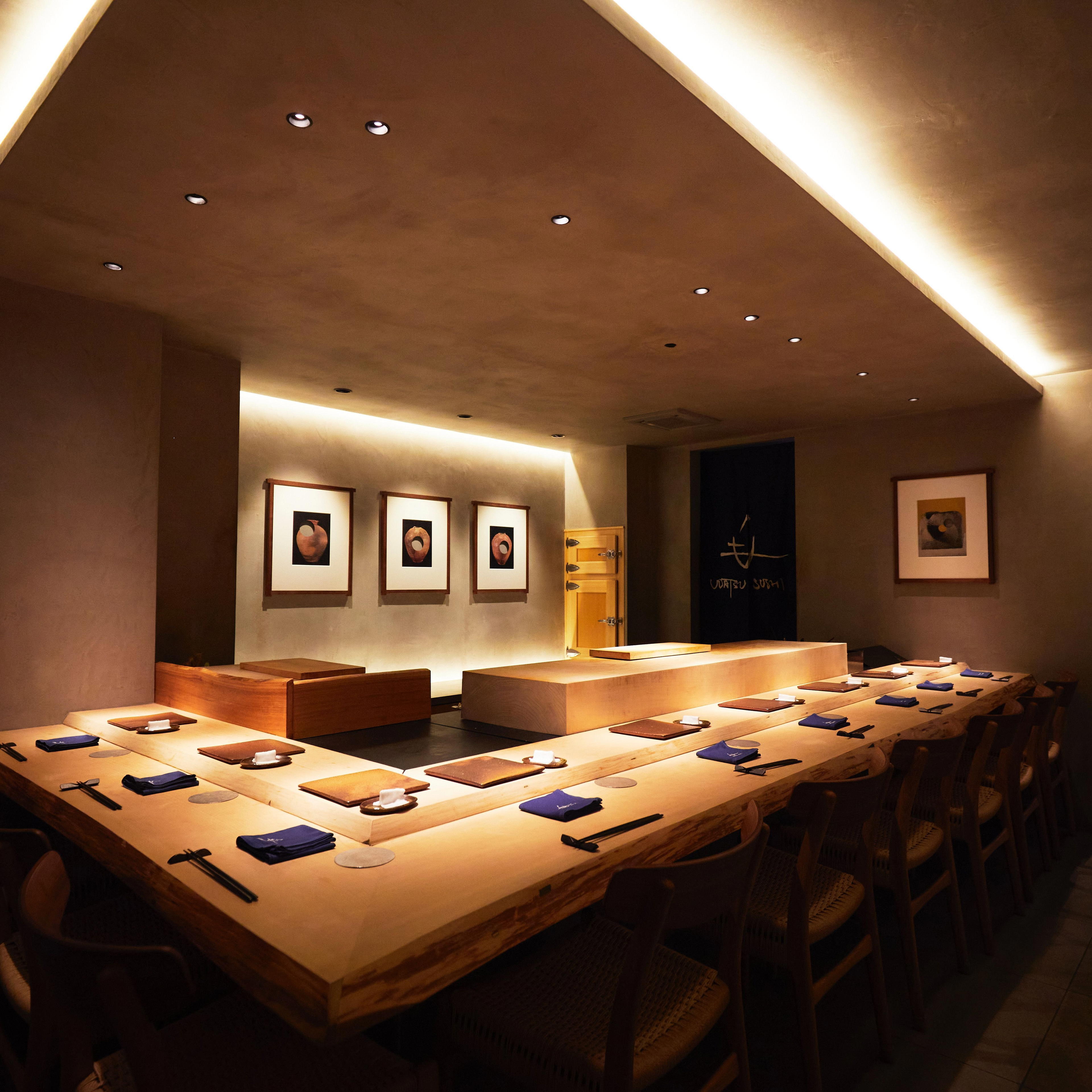
Beef Kaiseki in Ginza: A Format Still Finding Its Ceiling
Nikuya Tanaka is a Wagyu Kappo restaurant in Ginza, Tokyo, with. The format now sits comfortably alongside other high-end counter dining, with premium wagyu served in a kaiseki sequence. Nikuya Tanaka has remained a fixture in the category.
The Counter as Stage: Atmosphere and Sensory Sequence
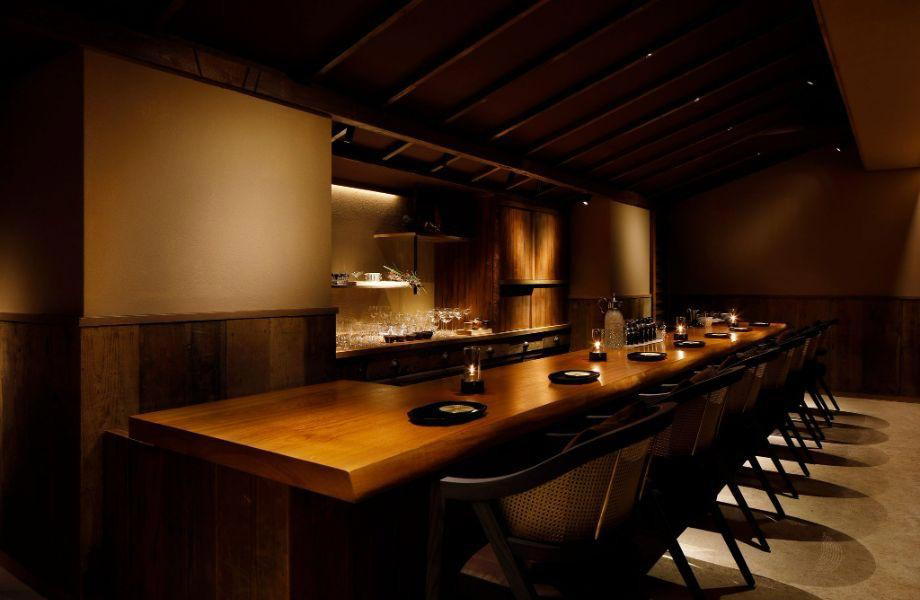
The beef kaiseki format draws much of its power from physical proximity. At a nine-seat counter, the only configuration at Nikuya Tanaka, the distance between guest and grill is measured in feet, not rooms. The dominant sensory register is smoke: binchotan charcoal burns at high heat with minimal visible flame and almost no acrid quality, producing a clean, faintly sweet char that settles into the air without overwhelming it. This differs from the more neutral environment of many contemporary omakase rooms. Here, heat is present and legible.
The Hinoki cypress counter, a material associated with ritual cleanliness in Japanese architecture, gives the room its visual and olfactory grounding. Hinoki has a faint citrus-and-cedar scent that fades over the course of an evening as the charcoal smell builds, a sensory arc that mirrors the progression of the meal itself. Seating nine guests means the room operates at a near-constant low murmur: quiet enough to hear the grill, intimate enough that the chef's movements become part of the experience rather than background activity. Compare this to the hushed formality of a kaiseki room like RyuGin (Kaiseki, Japanese), where visual precision and stillness set the tone, and the difference in atmospheric register is clear. Nikuya Tanaka leans warmer, in temperature, in sensory density, in the visible labour of the cook.
Format is chef-driven from the first course to the last. Chef Satoru Tanaka controls both selection and sequencing. The meal does not announce its logic course by course; it builds it. Raw preparations arrive early, when the palate is neutral, giving way to charcoal-grilled cuts as the heat of the room and the depth of accompanying sake or wine do their work. The drink program includes nihonshu and wine.
Where This Sits in Ginza's Premium Dining Tier
Ginza concentrates a disproportionate share of Tokyo's high-spend dinner options. The neighbourhood's upper bracket now includes sushi counters with Michelin recognition, French rooms applying Japanese produce logic, and a small but growing cohort of beef-focused formats. The restaurant's dinner spend is around JPY 60,000 to 79,999 per person.
The beef kaiseki format itself sits in a niche that differs meaningfully from yakiniku. Yakiniku is guest-driven: diners select cuts, manage their own grill, and control pacing. Beef kaiseki inverts that relationship entirely. The chef controls temperature, sequence, and portion scale. Guests receive courses in a fixed order, with no input into what arrives next. This is a more demanding contract for the diner, it requires trust in the kitchen's logic, and it commands a corresponding price premium. For comparison with how the format operates outside Tokyo, see Gyuho, Beef Kaiseki in Osaka and Miyoshi, Beef Kaiseki in Kyoto, both of which operate within the same genre but reflect the different produce relationships and pacing norms of their respective cities.
Within Tokyo, the broader fine dining scene for this price tier includes French-influenced rooms such as L'Effervescence (French) and beef-focused contemporaries like Niku Kappō JŌ. The latter is a direct peer in format terms: kappo-style beef cooking at a counter, with similar sequencing principles. Diners considering both should understand that the two rooms diverge in atmosphere and chef profile, even if the structural framework overlaps.
Booking, Access, and Practical Realities
Nine seats and a dinner-only format (Monday through Saturday, 17:00 to 23:00, closed Sunday) means availability is structurally limited. Reservations open three months in advance and are made either by calling +81-3-6280-6529 or through the booking section of the restaurant's website at nikuyatanaka.jp. International guests are specifically asked to provide a phone number or email address at time of booking, a detail that matters if reservations are being made through a hotel concierge. The cancellation policy is firm: 50% of the meal cost applies for cancellations seven or more days before the reservation date, rising to 100% within three days. Arriving more than 20 minutes late is treated as a cancellation.
The address is GICROS GINZA GEMS 9F, Ginza 6-4-3. The building is a two-minute walk from Ginza Station's C2 exit, and an elevator from the connected Nishi Ginza underground car park reaches the ninth floor directly, which is useful for guests arriving by car. Wheelchair access is available. The space does not offer private rooms, and private hire of the full counter is not available, a relevant consideration for corporate or celebration bookings that require exclusivity.
The dress code actively discourages casual attire (shorts, sandals, caps or hats at the table) and requests that guests avoid strong perfume or scented hair products, citing the proximity of other diners at the counter. At nine seats, this is pragmatic rather than formal posturing.
For comparable fine dining outside the capital, the EP Club Japan portfolio extends to HAJIME in Osaka, Gion Sasaki in Kyoto, akordu in Nara, Goh in Fukuoka, 1000 in Yokohama, and 6 in Okinawa.
Know Before You Go
- Address: GICROS GINZA GEMS 9F, Ginza 6-4-3, Chuo City, Tokyo 〒104-0061
- Hours: Monday–Saturday, 17:00 to 23:00. Closed Sunday.
- Price: JPY 60,000 to 79,999 per person at dinner (Tabelog average). A 10% service charge applies.
- Seats: 9 counter seats only. No private rooms, no private hire.
- Reservations: Up to three months in advance. Phone: +81-3-6280-6529. Online: nikuyatanaka.jp.
- Cancellation: 50% charge from 7 days prior; 100% from 3 days prior. Lateness over 20 minutes treated as cancellation.
- Payment: Credit cards accepted (Visa, Mastercard, JCB, AMEX, Diners). QR code payments accepted (d Barai). Electronic money not accepted.
- Access: 2-minute walk from Ginza Station Exit C2. Direct elevator from Nishi Ginza underground car park. Wheelchair accessible.
- Dress code: No shorts, sandals, or caps. Avoid strong perfume or scented hair products.
- Children: Welcome from age 15 and above.
- Drinks: Curated nihonshu and wine program. Shochu also available.
The Essentials
Comparable venues nearby, for context on price, style, and recognition.
| Venue | Cuisine | Price |
|---|---|---|
| Nikuya TanakaThis venue — the venue you are viewing | Chūō, Wagyu Kappo | $$$$ |
| Oryori Katsushi | Chūō, Seasonal Kaiseki Kappo | $$$$ |
| Sushi Kobayashi | Chūō, Traditional Edomae Omakase | $$$$ |
| Oryori Kokoroba | Chūō, Kaiseki with Oyakodon | $$$$ |
| Sumibiyakiniku Nakahara | Chiyoda, Premium Wagyu Yakiniku Omakase | $$$$ |
| Oryori Horiuchi | Shinjuku, Japanese Kaiseki | $$$$ |
Recognition history
Dated appearances from independent guides and award organizations, with the underlying list record or original source where available.
Opinionated About Dining Top Restaurants in Japan Ranked #64
Opinionated About Dining
Tabelog Silver #89
Tabelog
Opinionated About Dining Top Restaurants in Japan Ranked #52
Opinionated About Dining
Tabelog Silver
Tabelog
World's Best Steaks 101 Best Steak Restaurants #27
World's Best Steaks
Opinionated About Dining Top Restaurants in Japan Ranked #125
Opinionated About Dining
Opinionated About Dining Top Restaurants in Japan Highly Recommended
Opinionated About Dining
Continue exploring
More in Tokyo
More from Chef Satoru Tanaka
Browse all →
Restaurants in Tokyo
Browse all →


Bars in Tokyo
Browse all →


At a Glance
- Elegant
- Intimate
- Sophisticated
- Special Occasion
- Date Night
- Chefs Counter
- Open Kitchen
- Sake Program
Current opening hours
- Monday
- 5–11 PM
- Tuesday
- 5–11 PM
- Wednesday
- 5–11 PM
- Thursday
- 5–11 PM
- Friday
- 5–11 PM
- Saturday
- 5–11 PM
- Sunday
- Closed
Hours can change for holidays and private events. Last verified .
Understated elegance with warm lighting, Hinoki counter, lacquered materials, unfinished timber, and cherry bark creating a refined, intimate Japanese atmosphere.