

Michelin Plate · Tabelog 100 #77
Our verdict
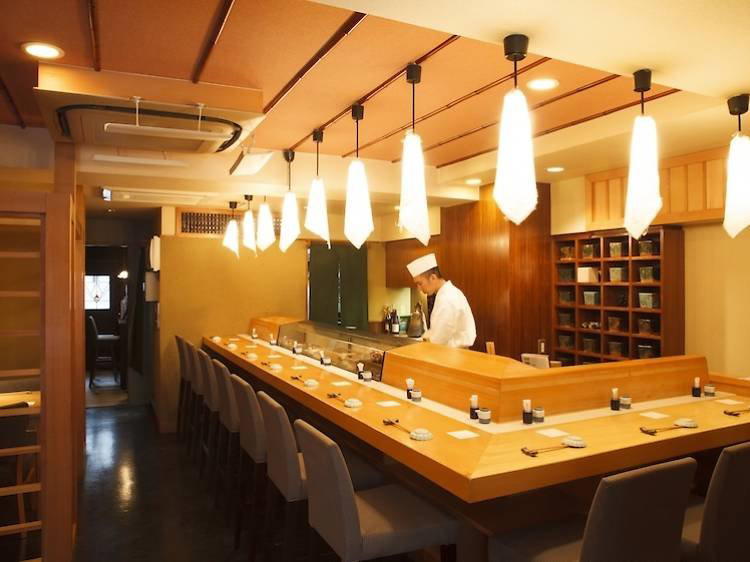
A direct offshoot of Sushi Hashimoto, Sushi Miyuki occupies a deliberate position in Chuo's sushi tier: generously cut nigiri served at a pace that prioritises craft over ceremony. Holding a Michelin Plate in both 2024 and 2025, it is where Hiroyuki Hashimoto sends his most promising young chefs to develop independent authority. Lunch runs nigiri-only; evenings add side dishes to the format.

Pearl is the En Primeur Club membership app, where members save venues, book tables and use the concierge.
A Training Ground with Its Own Identity
Tokyo's sushi scene has long operated on a lineage model. Master chefs produce protégés, protégés open counters, and the craft compounds across generations. What distinguishes Sushi Miyuki within that tradition is the deliberateness of its structure: it was opened by Hiroyuki Hashimoto of Sushi Kanesaka-lineage fame not as a second outpost, but as a formal development platform for the next generation of chefs under his watch. The name itself encodes that intent, formed from a single Chinese character each from Hashimoto's parents' names, a private signal that this is a family project in the most considered sense.
That framing matters when situating Miyuki in Chuo City's broader sushi tier. The restaurant sits at ¥¥¥ pricing, below the ¥¥¥¥ counters where Tokyo's most established names operate, places like Harutaka or Sukiyabashi Jiro Roppongiten. That gap is not a compromise; it is the point. Sushi Miyuki's pricing reflects a conscious decision to make serious edomae craft accessible to a younger dining demographic without abandoning the standards that define the Hashimoto school.
How the Format Reflects a Philosophy of Restraint
In an era when Tokyo's premium sushi counters have trended toward elaborate side dishes, extended kaiseki-style interludes, and theatrical presentation, Sushi Miyuki's format reads as a deliberate correction. Lunch is nigiri-only. The focus is entirely on the rice, the fish, and the cut. Evenings expand to include side dishes alongside the nigiri, allowing the young chefs to demonstrate range without fragmenting the meal's essential character.
The portioning philosophy also runs against prevailing trends at higher price points. Where many counters have moved toward thinner, more restrained slices that foreground the rice, Miyuki's nigiri are cut thick and served generously. This approach aligns with a broader conversation in Tokyo sushi about what restraint actually means, whether it resides in the minimal or in the confident. At counters like Edomae Sushi Hanabusa, the edomae tradition is interpreted through strict minimalism. Miyuki's reading is more generous, which is itself a statement about hospitality and accessibility.
Sustainability Through Craft Transmission
The most durable form of sustainability in any culinary tradition is not sourcing policy or waste reduction, it is the transmission of skill. Tokyo's sushi culture faces a longer-term structural question: as the economics of premium counters push entry-level sushi further from the craft's fundamentals, how does the tradition reproduce itself? The answer, historically, has been apprenticeship. But formal apprenticeship at the highest level is slow, expensive, and increasingly rare.
Sushi Miyuki represents a specific institutional response to that pressure. By creating a counter where emerging chefs work under active mentorship from an established master, Hiroyuki Hashimoto makes regular visits to assess the progress of his young charges, the restaurant builds sustainability into its operating model. The chefs here are not simply executing recipes; they are developing independent judgment. The goal, stated plainly, is for them to grow into chefs in their own right. That kind of intentional knowledge transfer is rare in any cuisine, and in Tokyo's sushi world, it sits at the intersection of tradition and long-term viability.
This model also connects to broader questions about access. At restaurants like Hiroo Ishizaka, the emphasis on deep craft at accessible price points reflects a similar recognition that Tokyo's dining culture benefits when serious technique is not confined to the most expensive tier. Sushi Miyuki's ¥¥¥ positioning is, in this sense, a structural choice about who gets to experience edomae sushi at its most attentive.
The Address and the Neighbourhood
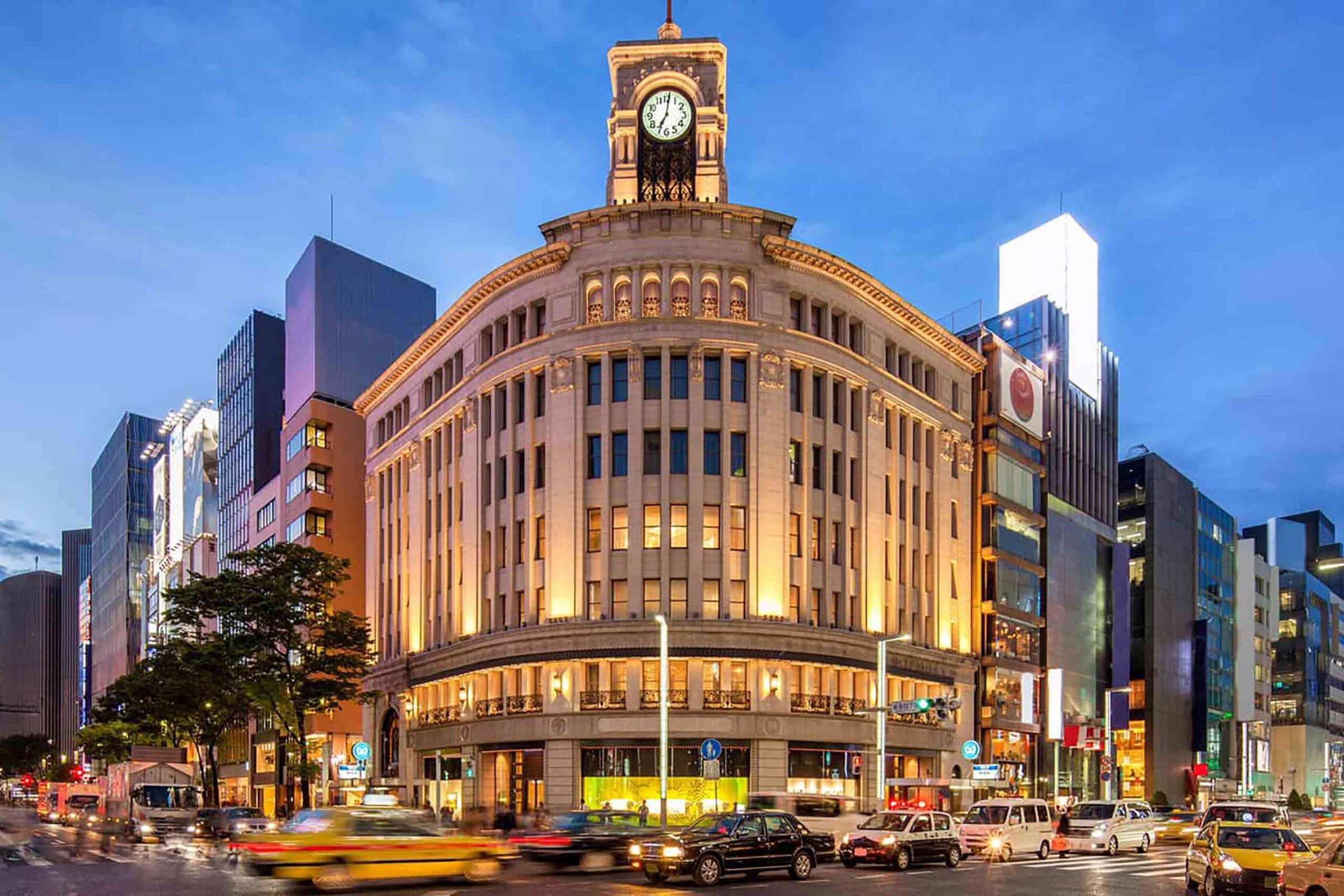
Shintomi, in Chuo City, occupies a quieter register than Ginza's high-traffic sushi corridor to the southwest. The area lacks the international visitor density of Ginza proper, which means the restaurant's clientele skews toward those who have sought it out rather than those who stumbled across it. That self-selection shapes the room.
The Michelin Plate recognition in both 2024 and 2025 provides a formal trust signal that sits below star level but confirms the guide's acknowledgment of kitchen standards worth noting. For context, a Michelin Plate indicates food quality worthy of the guide's attention; it places Miyuki in a peer group of technically sound counters that have not yet received or sought star recognition. That positioning is coherent with the restaurant's purpose: the chefs here are building toward something, and the Plate reflects promise rather than arrival.
Sushi Miyuki in the Regional Frame
Sushi as a format travels well: you will find serious edomae-influenced counters operating in Hong Kong at Sushi Shikon and in Singapore at Shoukouwa, both of which have achieved Michelin recognition in their respective cities. What those counters represent, in part, is the export of Tokyo's lineage model, master-trained chefs replicating the craft in new markets. Sushi Miyuki is the inverse: it is where the lineage is actively being built, within Tokyo, before those chefs disperse.
For visitors building a broader itinerary around Japan's serious dining culture, the country's other cities offer their own reference points. HAJIME in Osaka and Gion Sasaki in Kyoto demonstrate how formal training produces distinct outcomes across different culinary registers, while akordu in Nara, Goh in Fukuoka, 1000 in Yokohama, and 6 in Okinawa each reflect regional approaches to the same questions about craft, access, and continuity. See our full Tokyo restaurants guide for wider context, alongside guides to hotels, bars, wineries, and experiences across the city.
Planning Your Visit
Sushi Miyuki sits at 1 Chome-15-11 Shintomi, Chuo City, Tokyo. The ¥¥¥ price tier places it below the top-tier omakase counters of Ginza but above casual sushi. Lunch service runs nigiri-only; evening service adds side dishes. Booking specifics, including reservation channels and current hours, are not published centrally, so contacting the restaurant directly or using a hotel concierge with Tokyo dining connections is the practical approach. Given its focused capacity and the attention it receives from within the industry, advance planning is advisable.
Quick reference: Sushi Miyuki, Shintomi, Chuo City, Tokyo, ¥¥¥ pricing, Michelin Plate 2024 and 2025, lunch nigiri-only, evenings nigiri and side dishes.
Frequently asked questions
Where is Sushi Miyuki located?
Sushi Miyuki is located at 1 Chome-15-11 Shintomi, Chuo City, Tokyo 104-0041, Japan, Tokyo.
What's Sushi Miyuki known for in terms of accolades?
Sushi Miyuki has received recognition including: The owner-chef of Sushi Hashimoto opened this restaurant for young people to showcase the spirit and skills they learned from him. Sushi is cut thick and portioned generously. At lunchtime, only nigiri is served, but both nigiri and side di….
What dish is Sushi Miyuki famous for?
Sushi Miyuki is defined by its nigiri: cut thick and portioned generously, a deliberate departure from the restrained sizing common at Ginza's top-tier counters. This approach reflects the direct teaching of Hiroyuki Hashimoto of Sushi Hashimoto, under whom the young chefs here trained. At lunch, nigiri is the sole focus; the evening menu adds side dishes alongside it.
Is Sushi Miyuki more mid-range or high-end?
Pricing at Sushi Miyuki is listed as ¥¥¥.
What's the best way to book Sushi Miyuki?
The ¥¥¥ price tier and Michelin Plate recognition (2024 and 2025) mean demand is steady, so planning ahead is advisable, particularly for evening sittings that include side dishes.
Fast Comparison
A quick peer list to put this venue’s basics in context.
| Venue | Cuisine | Price | Awards | Notes |
|---|---|---|---|---|
| Sushi MiyukiThis venue (the venue you are viewing) | Edomae Sushi Omakase | $200–300 | Michelin Plate · Tabelog 100 #77 | Not listed |
| Harutaka | Edo-Style Omakase Sushi | $200–300 | 3 Michelin Stars · World's 50 Best #76 | Sushi |
| RyuGin | Modern Kaiseki | $500+ | 3 Michelin Stars · World's 50 Best #41 | Kaiseki, Japanese |
| L'Effervescence | Modern French with Japanese Influences | $200–300 | 3 Michelin Stars · World's 50 Best #69 | French |
| HOMMAGE | Modern French with Japanese Influences | $150–200 | 2 Michelin Stars · World's 50 Best #78 | Innovtive French, French |
| MAZ | Innovative Peruvian-Japanese Fusion | $150–200 | 2 Michelin Stars · World's 50 Best #28 | Innovative |
Recognition history
Dated appearances from independent guides and award organizations, with the underlying list record or original source where available.
Michelin Plate
Michelin
Tabelog 100 #77 · No. 77
Tabelog · Tabelog 100 - Sushi - TOKYO - 2025
Full recognition history (4 entries)
Michelin Plate
Michelin
Michelin Plate
Michelin
Continue exploring
More in Tokyo
Restaurants in Tokyo
All restaurants in Tokyo →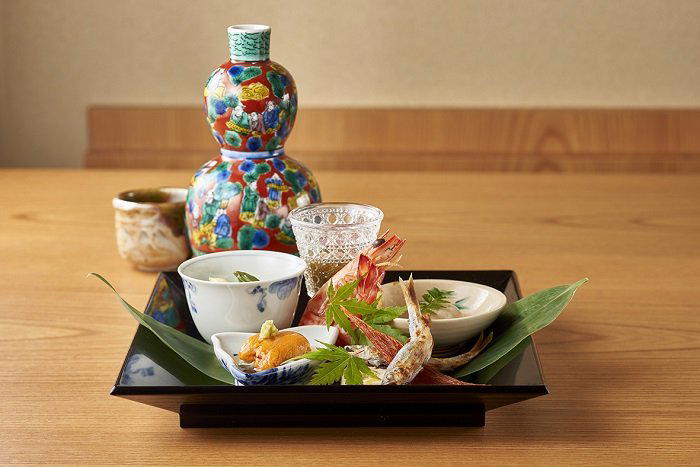


Details
- Elegant
- Sophisticated
- Intimate
- Minimalist
- Date Night
- Special Occasion
- Business Dinner
- Chefs Counter
- Sake Program
- Sustainable Seafood
- Omakase
- Counter Dining
- Sake
Current opening hours
- Monday
- 12–2 PM, 6–11 PM
- Tuesday
- Closed
- Wednesday
- Closed
- Thursday
- 12–2 PM, 6–11 PM
- Friday
- 12–2 PM, 6–11 PM
- Saturday
- 12–2 PM, 6–11 PM
- Sunday
- 12–2 PM, 6–11 PM
Hours can change for holidays and private events. Hours as of .
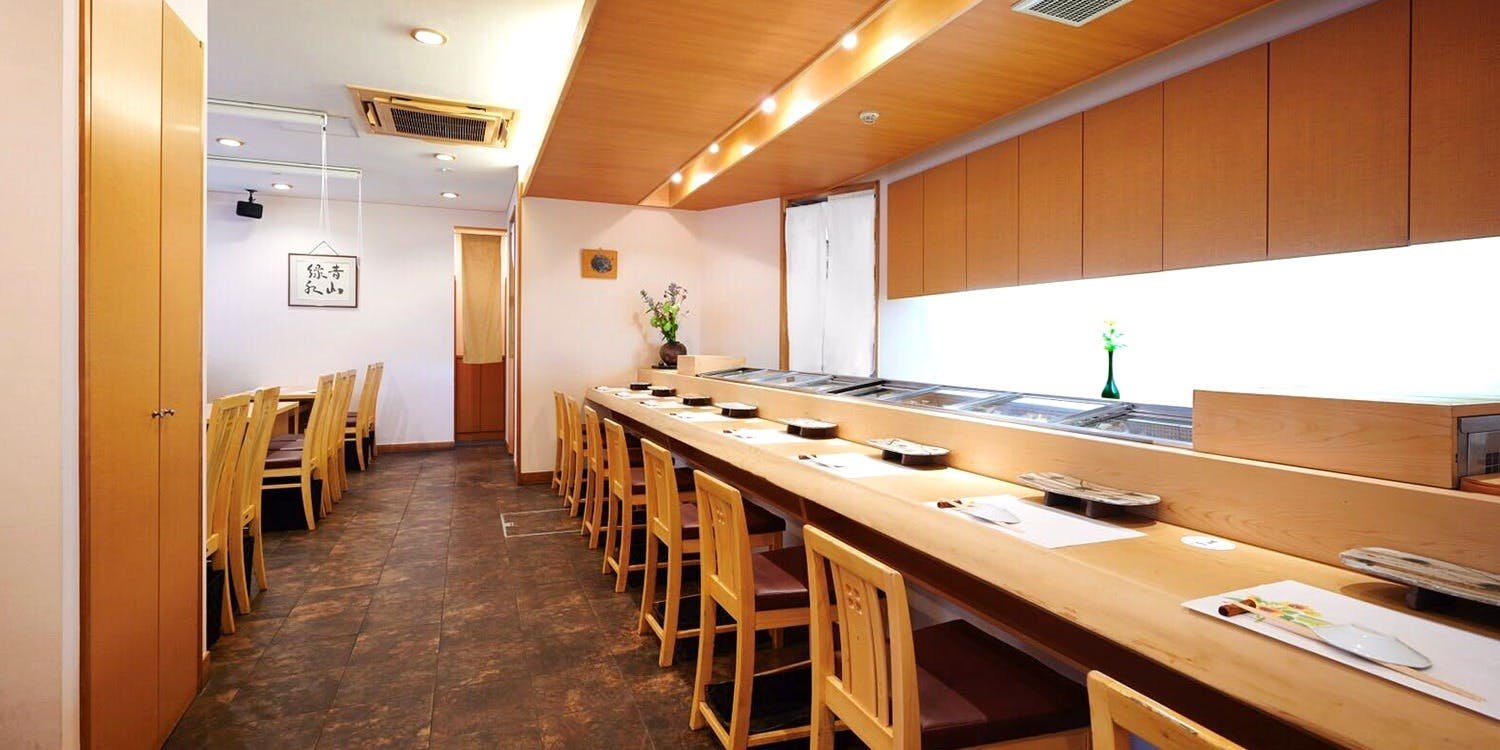
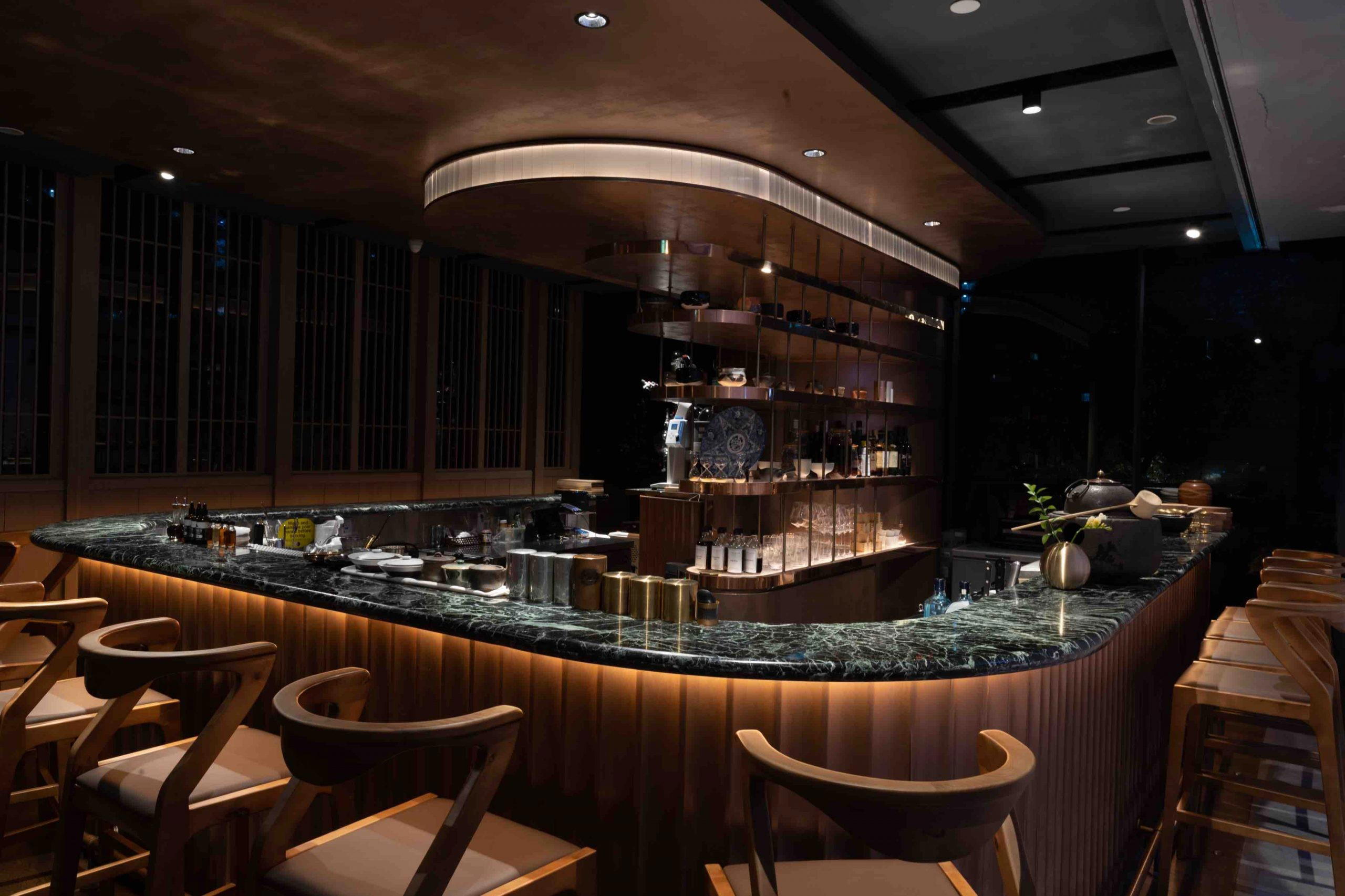
Intimate counter seating with graceful, attentive service in a relaxing, non-smoking space focused on the sushi craft.