
リストランテ ホンダ occupies a ground-floor space in Kita-Aoyama, positioning itself within Tokyo's competitive Italian fine-dining tier. The address places it close to the concentration of high-end European restaurants that have made Minato City a reference point for Western cuisine in Japan. Specific menu details and current chef credentials are best confirmed directly with the venue before booking.
Pearl is the En Primeur Club membership app — saves, bookings, and concierge access live there. Same editors, same standards.
- Address
- Japan, 〒107-0061 Tokyo, Minato City, Kita-Aoyama, 2 Chome−12−35 小島ビル 1F
- Phone
- +81354143723
- Website
- ristorantehonda.jp
 Saves & bookings on Pearl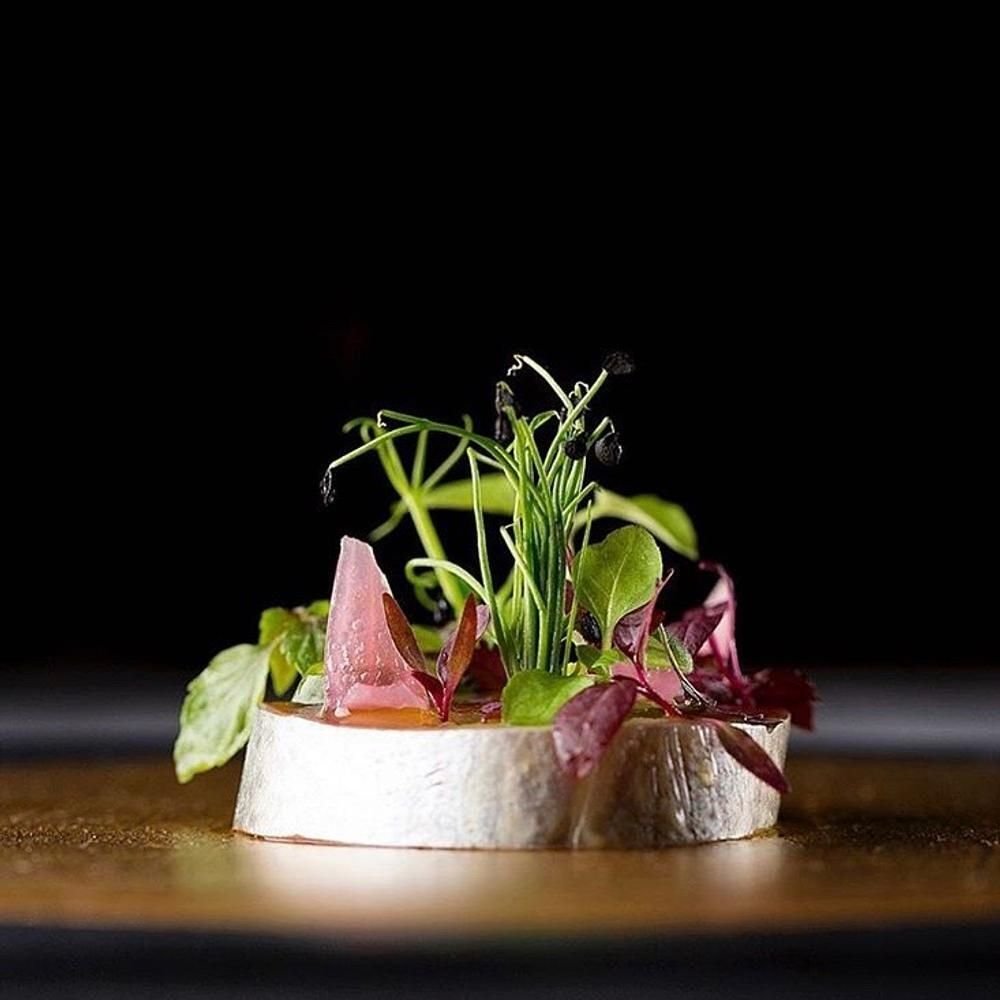
Italian Fine Dining in Minato City: Where リストランテ ホンダ Fits
リストランテ ホンダ is a restaurant in Minato City, Tokyo, serving Modern Italian with Japanese Seasonal Influences and priced at about $130 per person. Italian restaurants now occupy a meaningful share of the top tier, and the Aoyama-Minami Aoyama corridor has become one of the more credible addresses for that category. リストランテ ホンダ, operating from a ground-floor space at 2 Chome-12-35 Kita-Aoyama in Minato City, sits within that geography and therefore within that competitive conversation.
The broader comparable set in this part of Tokyo includes French-leaning operations with Michelin recognition, such as L'Effervescence and Sézanne, alongside innovative cross-category formats like Crony. Kaiseki counters such as RyuGin define a separate but parallel tier of ambition. Italian restaurants in this zone compete not by volume but by specificity: the tightness of the sourcing story, the credibility of the wine program, and the degree to which the kitchen holds to a regional Italian logic rather than defaulting to a pan-Italian menu designed to please broadly.
How the Kita-Aoyama Address Has Shaped the Restaurant's Identity
Kita-Aoyama functions differently from the louder dining clusters around Roppongi or Shibuya. The neighbourhood carries a lower-decibel luxury, defined by design studios, art galleries, and a retail character that skews toward considered spending rather than spectacle. Restaurants that settle here tend to calibrate accordingly: smaller rooms, less theatrical service, more emphasis on the plate. The small-building format, 小島ビル, first floor, is itself a signal. Tokyo's most commercially aggressive restaurant operators gravitate toward high-rise podiums or dedicated stand-alone buildings. A room inside a low-rise residential-commercial block in Aoyama suggests a different set of priorities.
That physical context matters when reading what the restaurant represents within the city's Italian dining arc. Tokyo has moved from treating Italian cuisine as an aspirational import, expensive ingredients, elaborate presentation, deference to Italian canonical dishes, toward a more settled relationship with the cuisine. The restaurants that have lasted through that transition tend to be those that developed a clear point of view rather than chasing the credentialing game of yearly menu reinventions. Comparative reference points at the national level include HAJIME in Osaka, which operates at the intersection of French and naturalist cooking, and Gion Sasaki in Kyoto, where the relationship between Japanese tradition and European technique is negotiated through a kaiseki lens. These are different cuisines, but they illustrate the broader evolution: Japan's fine-dining restaurants are increasingly defined by their position within a specific intellectual and sourcing framework, not simply by their price point.
The Evolution Frame: Italian Dining in Tokyo Over Time
The trajectory of Italian fine dining in Tokyo provides essential context for understanding what the restaurant represents today. In the early 2000s, the dominant format was the grand ristorante: large rooms, imported wine lists priced for corporate expense accounts, and menus that covered every region of Italy without committing to any. That format has contracted sharply. The restaurants that have built lasting reputations in the decade since tend to operate on a more focused register: fewer tables, tighter menus, and a relationship with Japanese producers that treats local sourcing not as a concession but as a creative asset.
This mirrors a pattern visible in other Japanese cities and in other cuisine categories. Akordu in Nara has built a reputation by treating Spanish technique as a framework for expressing Japanese ingredients. Goh in Fukuoka operates at the frontier of Japanese-French crossover. The common thread is a confidence in place: restaurants no longer feel obligated to perform European authenticity for its own sake. The restaurant's continued presence in Kita-Aoyama, an area where real estate pressure and shifting dining fashions have displaced many operators, suggests it has found a sustainable position within that evolved landscape.
For international reference, the trajectory of Italian fine dining in Tokyo has some parallels with how American restaurants such as Le Bernardin in New York City have maintained formal European frameworks while adapting to local sourcing realities, or how Atomix in New York City has redefined what Korean fine dining can mean when freed from obligation to the canonical version of the cuisine. The specific mechanism differs, but the pattern of finding identity through refinement rather than expansion is consistent.
Placing the Venue Within Tokyo's Broader Restaurant Ecosystem
Minato City's fine-dining concentration is one reason Tokyo regularly appears at the summit of any objective ranking of restaurant cities. The density of serious operations within a relatively small geographic area creates competitive pressure that tends to raise the floor. A restaurant operating in Kita-Aoyama is implicitly measured against Harutaka, the sushi counter that has maintained consistent recognition, and against the broader standard set by the neighbourhood's premium European houses. That pressure, for operators who survive it, functions as a quality signal in itself.
Beyond Minato City, Japan's fine-dining geography is wider than Tokyo alone. Venues like 一本木 角川製 in Nanao, 夕仙山乃 in Sapporo, 湖辺庄屋 in Takashima, 庄羽屋 in Nishikawa Machi, Birdland in Sakai, and Bistro Ange in Toyohashi represent the geographic spread of serious dining across Japan. Tokyo remains the highest-volume concentration, but the diffusion of fine-dining ambition to secondary cities has changed how the capital's restaurants position themselves. Being a Tokyo address is no longer a sufficient credential on its own; the question is which tier of Tokyo, and which culinary argument, a given restaurant is making. See our full Tokyo restaurants guide for a broader map of the city's dining options by neighbourhood and category.
Planning Your Visit
The Kita-Aoyama address (小島ビル 1F, 2 Chome-12-35) is in Minato City. Reservations are essential. Budget: expect about $130 per person. Dress: smart casual. Timing: Mon closed; Tue to Sun 12:00 to 3:30 PM and 6:00 to 11:00 PM.
Just the Basics
Comparable venues nearby, for context on price, style, and recognition.
| Venue | Cuisine | Price | Notes |
|---|---|---|---|
| リストランテ ホンダThis venue — the venue you are viewing | Not listed | $$$$ | Not listed |
| Fileja | Chiyoda, Pasta Omakase | $$$$ | Not listed |
| Piatto Suzuki | Minato, Contemporary Italian | $$$$ | Not listed |
| 神楽坂 ヴェーリ | Shinjuku, Modern Italian Fine Dining | $$$$ | Not listed |
| Aman | Not listed | $$$$ | Chiyoda, Modern Italian with Japanese Influences |
| aniko | Not listed | $$$ | Minato, Marche-style Italian (Michelin Bib Gourmand) |
Recognition history
Dated appearances from independent guides and award organizations, with the underlying list record or original source where available.
Tabelog 100 #90 · No. 90
Tabelog · Tabelog 100 - Italian - TOKYO - 2025














At a Glance
- Elegant
- Sophisticated
- Intimate
- Classic
- Date Night
- Special Occasion
- Business Dinner
- Sommelier Led
Current opening hours
- Monday
- Closed
- Tuesday
- 12–3:30 PM, 6–11 PM
- Wednesday
- 12–3:30 PM, 6–11 PM
- Thursday
- 12–3:30 PM, 6–11 PM
- Friday
- 12–3:30 PM, 6–11 PM
- Saturday
- 12–3:30 PM, 6–11 PM
- Sunday
- 12–3:30 PM, 6–11 PM
Hours can change for holidays and private events. Last verified .
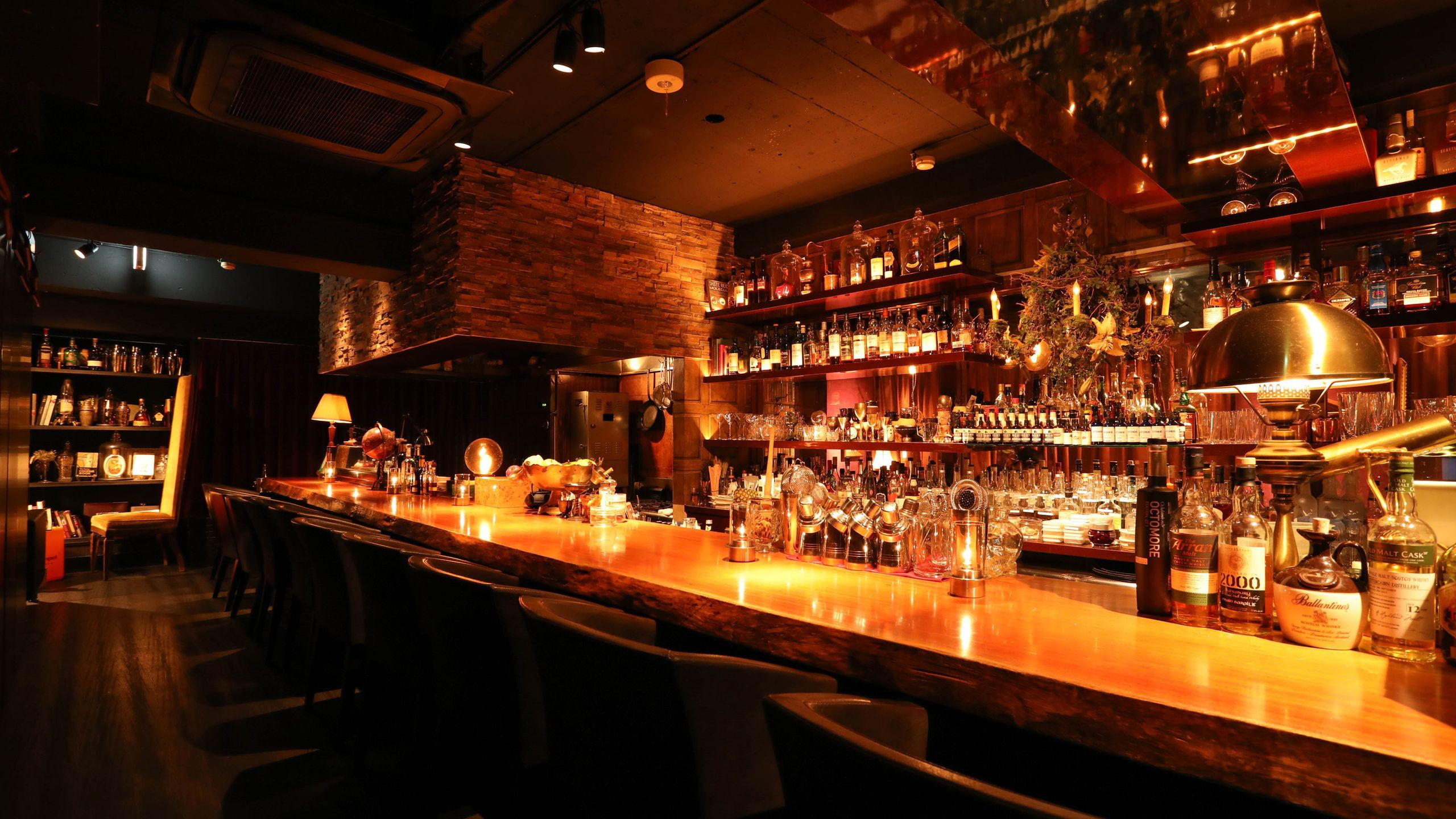
Modern and elegant atmosphere with beautiful plating of seasonal ingredients, providing a relaxed yet sophisticated dining experience.