
Akasaka’s basement dining culture rewards small rooms with a point of view, and aniko fits that pattern through regional Italian cooking, a wine-bar format, and a pronounced Marche focus. Recognition from Tabelog Italian Tokyo 100 in 2023 and 2025, plus Michelin Guide inclusion across four consecutive years, places it in the serious Tokyo-Italian conversation without turning the meal into ceremony.
Pearl is the En Primeur Club membership app — saves, bookings, and concierge access live there. Same editors, same standards.
- Address
- 東京都港区赤坂6-3-8 高松ビル B1F
- Phone
- +81362309172
- Website
- aniko-akasaka.com
 Saves & bookings on Pearl
Below street level in Akasaka, aniko shifts the mood from office-district pace to the compressed focus of a small Tokyo dining room. It belongs to the city’s quieter Italian tier: not hotel dining or theatrical tasting-menu theatre, but a basement room where regional identity, wine service, and booking discipline do the work. In a neighbourhood better known to visitors for political hotels, late dinners, and expense-account Japanese counters, this compact Italian address gives Akasaka another rhythm.
Tokyo has spent decades absorbing Italian food into its own habits. Pasta counters, wine bars, regional trattorie, and tasting-led ristoranti compete across the city, but serious addresses often define themselves through a narrow lens. Here, that lens is Marche, the Adriatic region between Emilia-Romagna and Abruzzo, where seafood, olive oil, hill-country meats, and white wines matter more than the red-sauce shorthand often attached to Italian cooking abroad. The point is not Italian food broadly; it is a regional argument made in a Tokyo room.
Akasaka's Italian niche is smaller, more disciplined, and wine-led
Akasaka dining often splits between Japanese tradition and corporate polish. Nearby comparison addresses such as Sumibikappo SHIROSAKA, Akasaka Ogino, Akasaka Sunaba, Ara Ki, and Aronia de Takazawa show the district’s serious range: kaiseki, soba, counter cooking, and ambitious small-room formats within a few blocks. Against that mix, aniko’s category matters. It is listed as Italian, wine bar, and baru-style dining, signalling a meal that can flex between food and wine rather than follow one formal script.
The strongest editorial signal is its wine identity. The list is described as heavily weighted toward Marche, with roughly 80 percent of selections from the region. That is sharper than a general Italian cellar and a useful filter for deciding whether the address fits the evening. Diners seeking a broad survey of Barolo, Brunello, and Sicilian reds may find the frame narrow. Diners interested in how regional wine reshapes a Tokyo Italian meal will understand the appeal quickly.
Recognition has followed. aniko was selected for Tabelog Italian Tokyo 100 in 2023 and again in 2025, and its public description notes four consecutive years in the Michelin Guide. These are different trust signals: Tabelog’s Hyakumeiten lists are local-platform selections with strong relevance inside Japan, while Michelin Guide inclusion adds broader international visibility. Neither promises luxury theatre. They mark consistency in a crowded Tokyo category where hundreds of Italian restaurants compete for attention.
The meal is built around regional coherence, not grand gestures
The food positioning is specific without needing a parade of named dishes. The restaurant identifies fish as an emphasis, logical for a Marche-led kitchen: the region’s coastline and hill towns give it a split personality, with seafood sitting beside cured meats, legumes, pasta, and mountain herbs. In Tokyo, where ingredient quality is rarely the weak point, structure matters more. A regional Italian room succeeds when wine, pacing, and menu logic feel connected rather than assembled from familiar Italian signals.
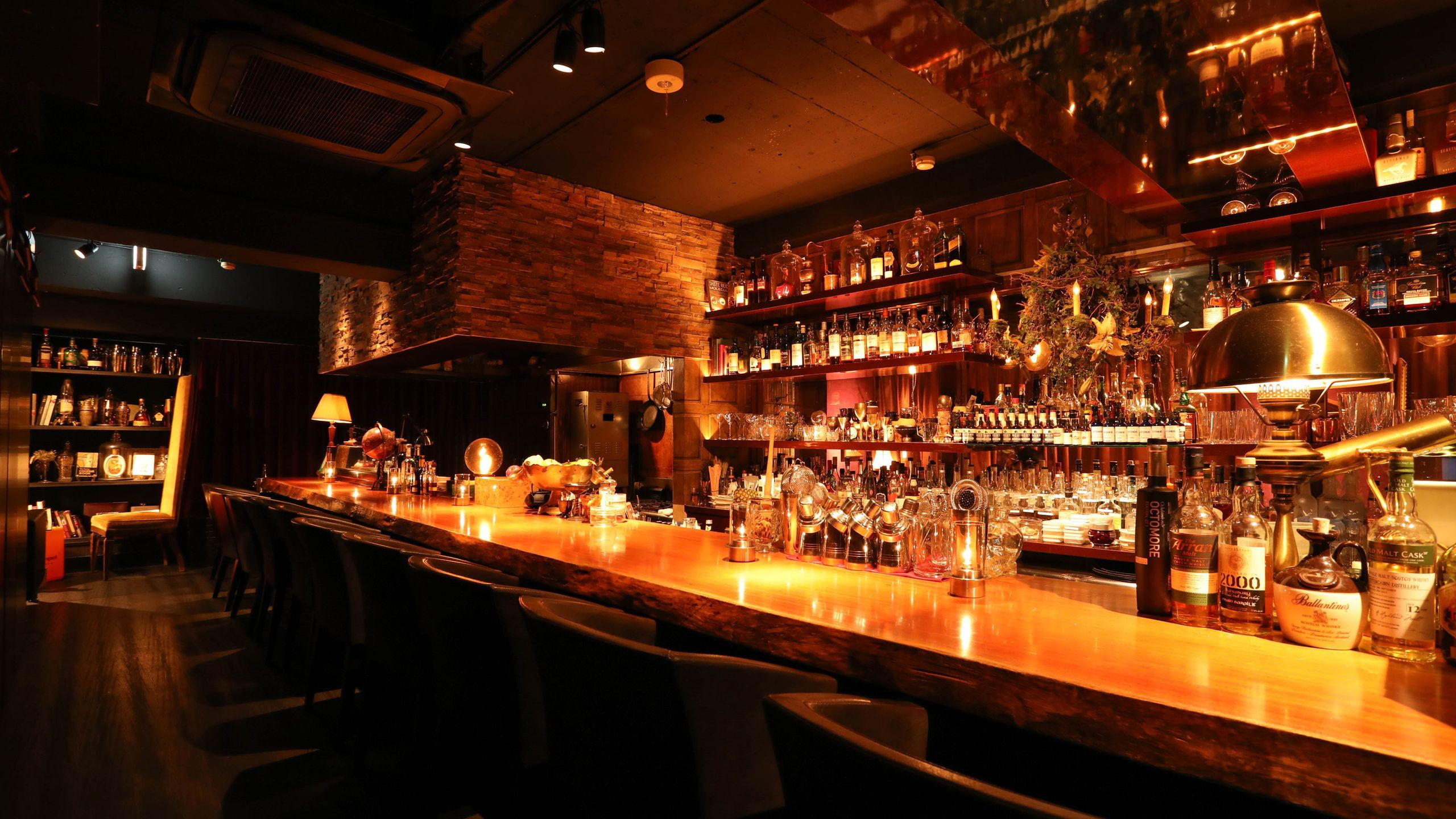
The booking experience is part of the assessment. A 20-seat room changes the stakes. With tables and counter seats sharing limited space, the evening is less anonymous than in a larger ristorante and less rigid than a tasting-only counter. Table seating is directed toward groups of four or more, shaping the room quietly: couples and solo diners should expect the counter to be practical, while larger parties have a clearer path to tables. In Tokyo, small-capacity dining often rewards guests who match the room rather than fight it.
Drinks policy also matters. Each guest is asked to order at least one drink, and groups in which more than half the party does not drink alcohol may be asked to order a course meal. That reads less like a surcharge trap than a statement of format. A wine-led regional restaurant needs the beverage programme to function as part of the experience. Guests who do not drink should approach the meal as a structured dinner rather than a casual wine-bar stop.
For Tokyo planning beyond this room, Our full Tokyo restaurants guide gives the wider dining map, while Our full Tokyo bars guide, Our full Tokyo hotels guide, Our full Tokyo wineries guide, and Our full Tokyo experiences guide help place Akasaka inside the broader city plan.
Who should plan around it
aniko makes the clearest case for diners who value regional specificity over trophy dining. The room’s scale, wine focus, and awards record point to a serious but compact meal, better suited to guests who want a defined point of view than a grand-room evening. Akasaka’s convenience helps, especially for travellers moving between central hotels, government-district meetings, and later drinks, but the restaurant should be a planned booking, not a fallback.
The practical read is simple: choose it for a small-party dinner where wine is part of the reason for going, not an afterthought. Families should note that children are welcomed at lunch but not at dinner. Non-smoking status, card and digital payment acceptance, and a sommelier-listed service style make logistics relatively clear for international diners. The room needs no mythmaking. Its value lies in a focused regional Italian proposition inside one of Tokyo’s more strategically useful dining neighbourhoods.
For readers comparing formats across Japan and beyond, EP Club’s restaurant archive also covers Tokyo addresses such as. 鮪と炭火焼き うお炭 秋葉原店, 12/10 Shinjuku ten, 124. KAGURAZAKA (Yakitori), 2D Cafe, and 3 Chome no Curry Ya San. Wider comparisons include -Grilled beef Sukiyaki- KAMAKURA TANUKIAN 鎌倉 たぬき庵 in Kamakura.cafe in Osaka.know in Kumamoto, (Shoku) Vietnam in Kawasaki, [Curry Senmon Ten] Maruyama Kyoju. in Sapporo, [ki:] in Kyoto, Jōdo Saké Bar in Los Angeles, and Onigiri Time in Pasadena.
Awards and Standing
Comparable venues at similar price and category levels.
| Venue | Cuisine | Price | Notes |
|---|---|---|---|
| anikoThis venue — the venue you are viewing | Marche-style Italian (Michelin Bib Gourmand) | $$$ | Not listed |
| ダオルモ | Northern Italian Regional (Trentino-Alto Adige) | $$$ | Minato |
| EMILIA | Emilia-Romagna regional Italian with handmade pasta | $$$ | Shibuya |
| Orlando | Italian enoteca & restaurant | $$$ | Meguro |
| Cuore Azzurro | Authentic Regional Italian | $$$ | Meguro |
| TARANTELLA da luigi | Traditional Southern Italian & Neapolitan Pizzeria | $$$ | Minato |
Recognition history
Dated appearances from independent guides and award organizations, with the underlying list record or original source where available.
Tabelog 100 #82 · No. 82
Tabelog · Tabelog 100 - Italian - TOKYO - 2025







At a Glance
- Cozy
- Intimate
- Modern
- Elegant
- Date Night
- Business Dinner
- Special Occasion
- Celebration
- After Work
- Solo
- Standalone
- Design Destination
- Chefs Counter
- Open Kitchen
- Extensive Wine List
- Local Sourcing
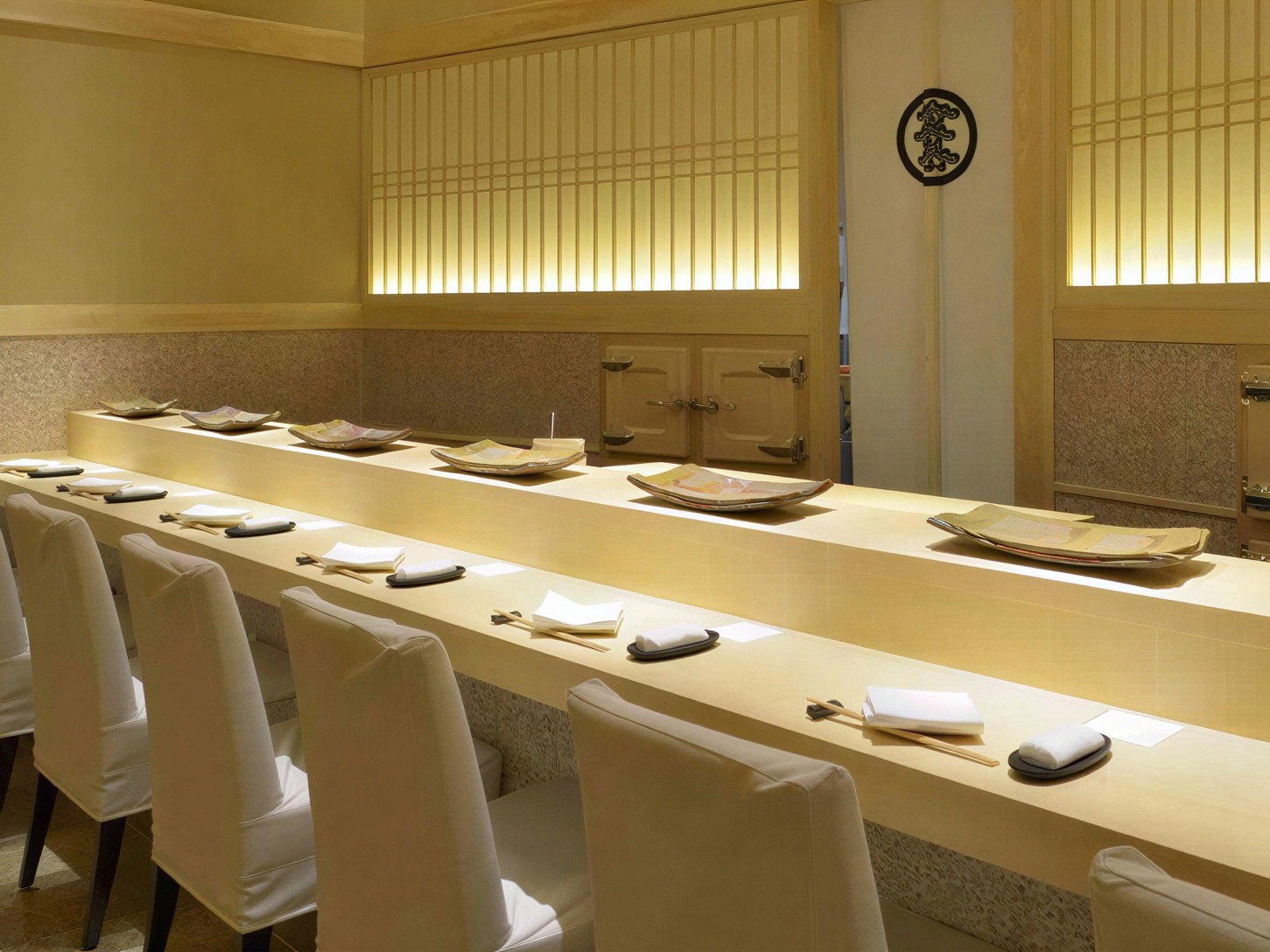
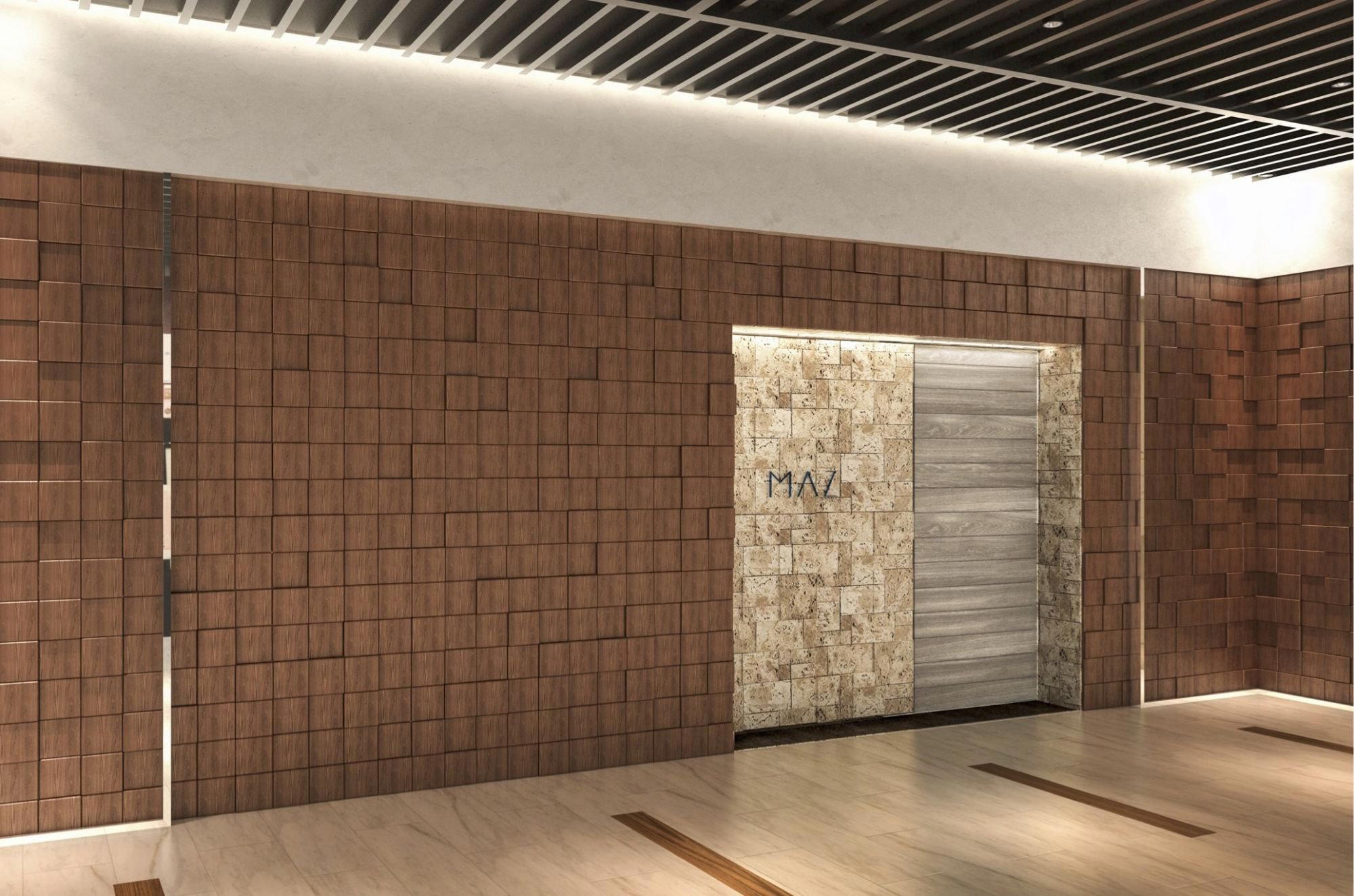
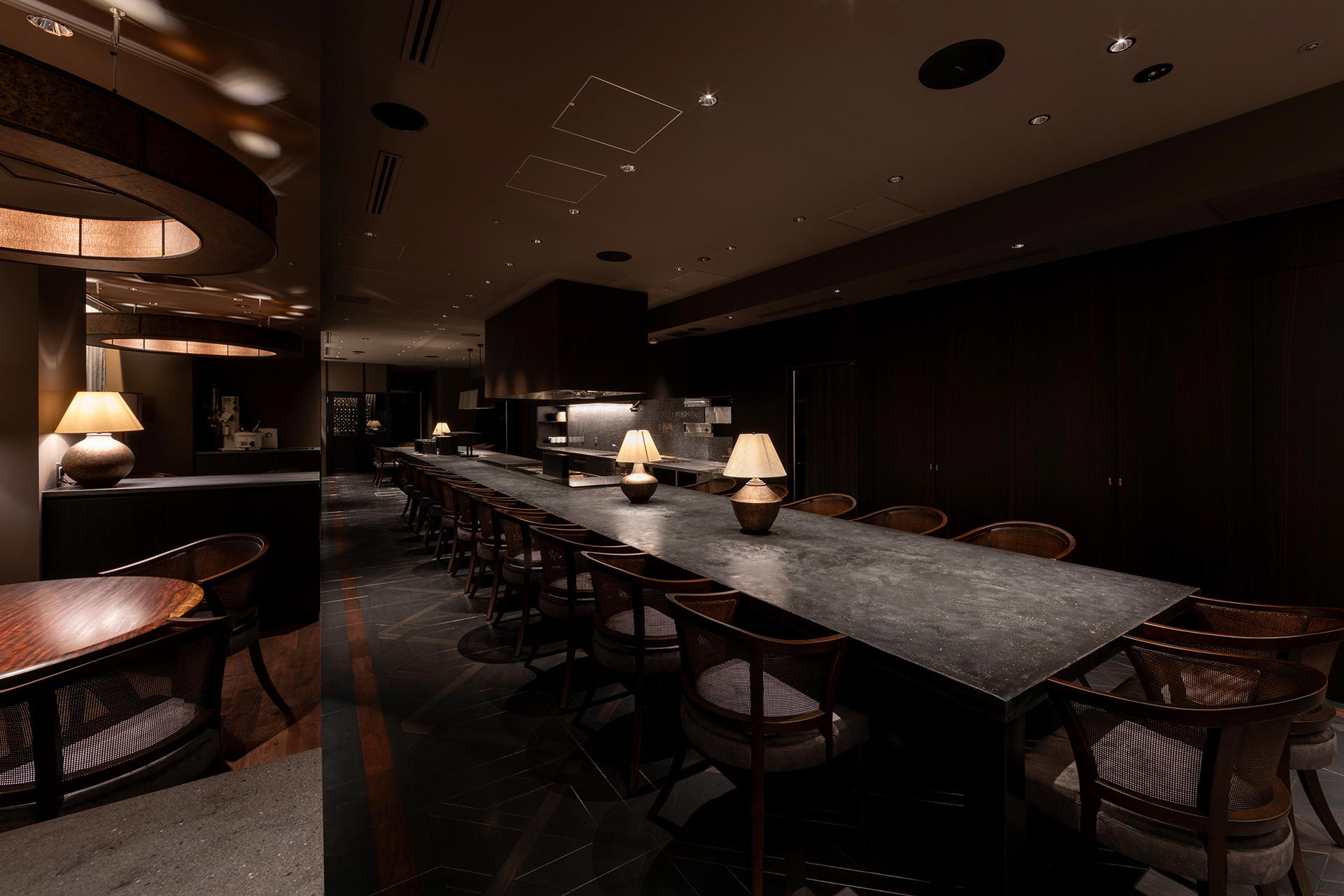
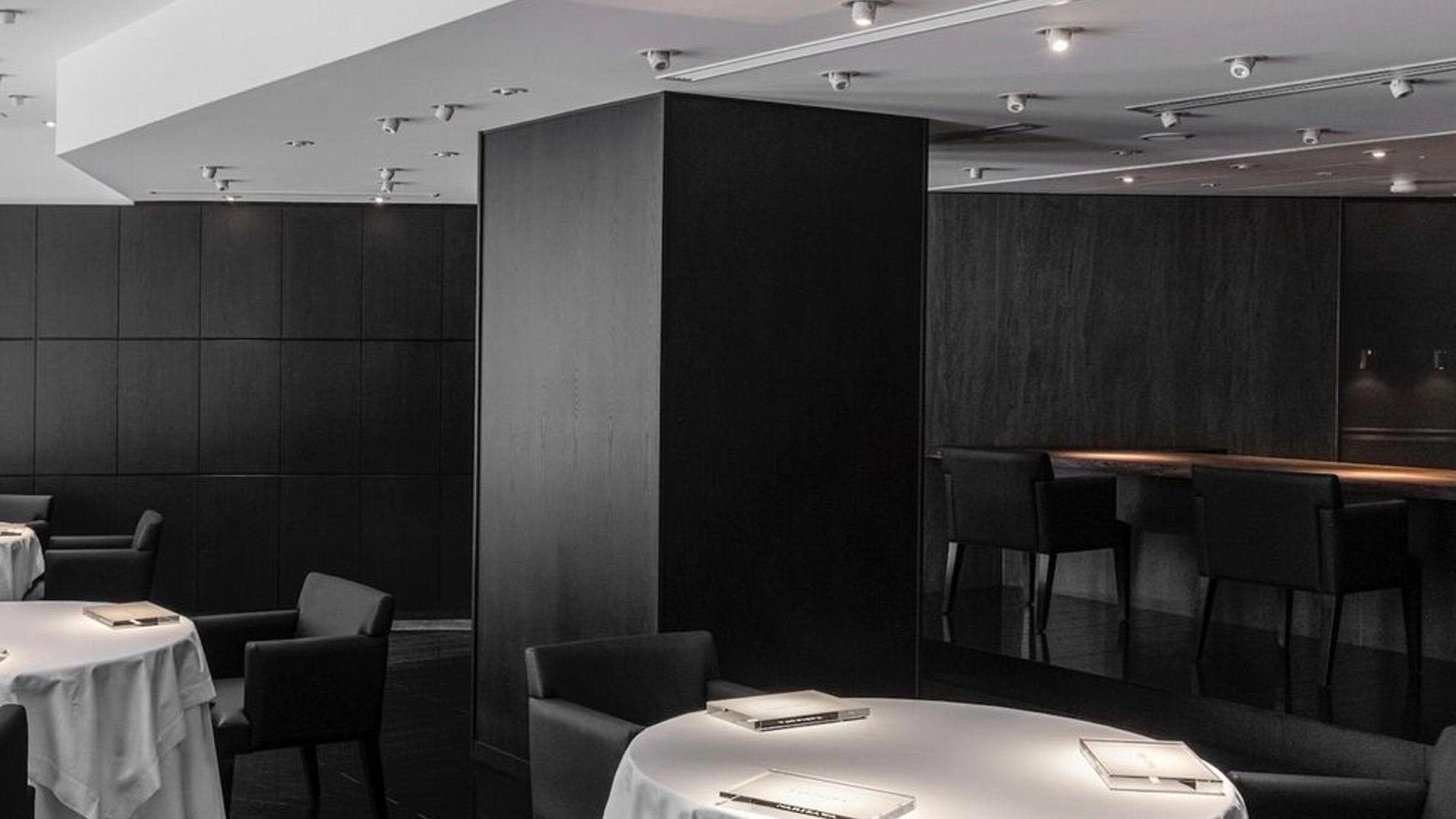
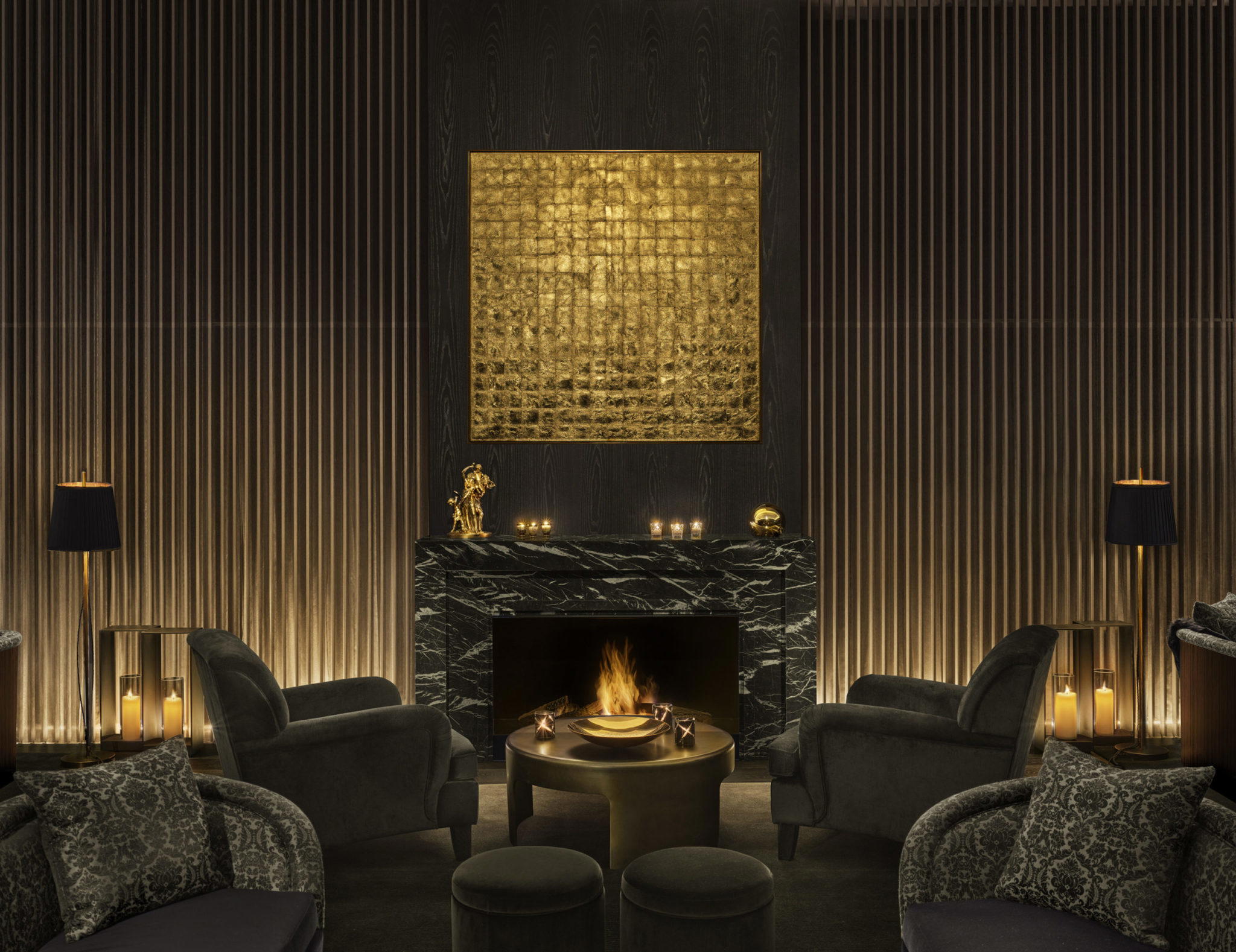
Warm wooden interiors and soft lighting evoke the hill towns of Italy’s Marche region, creating a relaxed, intimate atmosphere that feels more like a neighborhood dining room than a formal fine-dining restaurant.