Our verdict
Located in Hiroo, one of Tokyo's quieter residential dining corridors, A New Trulve V occupies a ground-floor space in the Shibuya ward where the city's premium dining scene extends beyond its more publicized centres. The venue sits in a neighbourhood that has attracted a cluster of serious wine-forward restaurants over the past decade, positioning it within a tier of addresses where cellar curation often carries as much weight as the kitchen.

Pearl is the En Primeur Club membership app, where members save venues, book tables and use the concierge.
Hiroo's Quiet Case for Wine-Serious Dining
Tokyo's premium restaurant geography is rarely discussed in full. Most coverage collapses it into Ginza, Roppongi, and Minami-Aoyama, leaving the residential corridors of Hiroo and its surrounds to function as something closer to an open secret among those who eat and drink here seriously. The 5-chome stretch of Hiroo, where A New Trulve V occupies a ground-floor space on a low-traffic block, belongs to this category: a neighbourhood where foot traffic is thin but return clientele is deep, and where the restaurants that survive do so on the strength of what they pour as much as what they plate.
That dynamic matters because it shapes the kind of dining experience the area rewards. In Ginza's upper-tier omakase culture, the kitchen is non-negotiable and the wine or sake list is secondary. In Hiroo, the balance tilts. Restaurants here have historically drawn an international resident crowd, diplomatic community, finance, long-term expatriates, whose expectations of a wine program are closer to what you would find in a European capital than in a standard Tokyo izakaya. The result, over time, is a neighbourhood that has incubated wine lists with genuine cellar depth, even in rooms that seat fewer than thirty.
The Editorial Case for a Wine-Led Frame
Across Tokyo's top-tier addresses, the wine list has become a differentiating variable in a way it was not fifteen years ago. Restaurants like L'Effervescence in Minami-Aoyama and Sézanne in the Four Seasons at Marunouchi have built international reputations partly on cellar programs that could hold their own against comparably priced rooms in Paris or New York. Crony, operating in a more casual-innovative register, has similarly made its beverage pairing central to the proposition. This is not incidental. Japan's import regulations and the yen's fluctuations across recent years have made deep wine cellars expensive to maintain, which means that where they exist, they represent a deliberate investment signal, an operator choosing to compete on that axis.
A New Trulve V sits within this broader pattern. The Hiroo address, with its ground-floor accessibility and residential-block quietness, is the physical expression of a model that prizes the conversation between a knowledgeable room and a serious list over spectacle or prestige address. In a city where some of the most considered drinking happens in rooms that would photograph poorly, this is not a concession, it is a positioning choice.
What the Neighbourhood Tells You
The Shibuya ward covers significant geographic and socioeconomic range, but the Hiroo sub-district has maintained a character distinct from the ward's younger, louder commercial zones. The presence of several foreign embassies and the international school concentration nearby has historically made the area one of Tokyo's more cosmopolitan residential pockets at street level, and that shapes what the restaurants here need to offer. A room that draws diplomats and long-term residents on a Tuesday night needs a list that reflects serious buying, not just imported labels, but vintages chosen with some awareness of where a wine is in its arc.
Compare this to what Harutaka does in Ginza at the ¥¥¥¥ level, where the omakase format demands full attention and the drink selection is typically sake-forward, or to RyuGin's kaiseki frame, where the beverage program exists in service of a rigidly sequential kitchen. In Hiroo, the kitchen and the cellar are in a different kind of dialogue: less hierarchical, more mutual.
Japan's Wine-Forward Dining in Wider Context
The wine-serious dining category is not unique to Tokyo. HAJIME in Osaka and Gion Sasaki in Kyoto both represent regional versions of the question of how Japanese fine dining accommodates European cellar culture. In smaller cities, venues like akordu in Nara and Goh in Fukuoka have developed wine programs that defy their geography. Even in less-discussed prefectures, restaurants such as 一本杉 川嶋制 in Nanao, 夕佳亭山乃 in Sapporo, 湖畔荘 in Takashima, and 高羽荘 in Nishikawa Machi are each, in their own ways, renegotiating what a serious beverage program looks like outside the major city circuits. Birdland in Sakai and Bistro Ange in Toyohashi take different approaches again, both in format and in how they source.
Internationally, the reference points are instructive. Le Bernardin in New York City has long demonstrated how a kitchen-first reputation can coexist with a cellar program of real seriousness. Atomix, also in New York, has built a pairing format that treats the beverage selection as co-authorship rather than accompaniment. These are the international coordinates against which Tokyo's wine-forward rooms are now implicitly measured.
Planning Your Visit
Hiroo is accessible via the Tokyo Metro Hibiya Line (Hiroo Station), a short walk from the venue's address at 5-chome-19-4 in the SRビル 1F. The neighbourhood is quieter than central Shibuya and significantly more so than Ginza, which is part of the appeal for those who find the ambient pressure of prestige-district dining distracting. For broader Tokyo planning, our full Tokyo restaurants guide maps the city's dining tiers by neighbourhood and cuisine type.
| Venue | Area | Cuisine | Price Tier | Wine Program Weight |
|---|---|---|---|---|
| A New Trulve V | Hiroo, Shibuya | Data not available | Not listed | Cellar-forward positioning implied by neighbourhood profile |
| L'Effervescence | Minami-Aoyama | French | ¥¥¥¥ | Sommelier-led, internationally recognised |
| Sézanne | Marunouchi | French | ¥¥¥¥ | Deep French cellar, formal pairing available |
| Crony | Tokyo | Innovative, French | ¥¥¥¥ | Pairing-integrated format |
| Harutaka | Ginza | Sushi | ¥¥¥¥ | Sake-primary, wine secondary |
Frequently asked questions
What dish should I prioritise at A New Trulve V?
In Hiroo's wine-oriented dining culture, kitchen output and cellar selection tend to be tightly coordinated, so the strongest dishes are typically those designed to work with the list's anchor bottles.
How far ahead should I plan for A New Trulve V?
As a general pattern in Tokyo's serious dining tier, particularly at wine-forward addresses in residential neighbourhoods with limited covers, two to four weeks ahead is a reasonable minimum for weekend reservations, with weeknight availability sometimes shorter. If the venue operates a tasting format or fixed-menu structure, which is common at this level in Tokyo, earlier contact is advisable. Checking availability directly through the venue or a Tokyo concierge service is the safest approach.
What do critics highlight about A New Trulve V?
What is documentable is the venue's placement within a neighbourhood that has attracted consistent attention from Tokyo's wine-serious dining community, and its address within the Shibuya ward's most internationally oriented sub-district. For verified critical coverage, Tokyo food publications and the EP Club editorial team are the most reliable sources.
Is A New Trulve V suited to guests prioritising the wine experience over the kitchen?
The Hiroo location and the ground-floor residential-block setting are both consistent with Tokyo's wine-forward dining model, where the cellar program carries equal or greater weight than cuisine category in defining the evening. In this part of the city, that balance is a feature rather than a compromise. Guests whose primary interest is in drinking well alongside food, rather than experiencing a signature kitchen in its most kitchen-centric form, tend to find Hiroo's dining register more comfortable than the formal omakase corridors of Ginza or the prestige-address theatrics of some Roppongi rooms.
Accolades, Compared
A short peer table to compare basics side-by-side.
| Venue | Cuisine | Price | Awards | Notes |
|---|---|---|---|---|
| A New Trulve VThis venue (the venue you are viewing) | French Fine Dining | Not listed | Not listed | Not listed |
| Harutaka | Edo-Style Omakase Sushi | $200–300 | 3 Michelin Stars · World's 50 Best #76 | Sushi |
| L'Effervescence | Modern French with Japanese Influences | $200–300 | 3 Michelin Stars · World's 50 Best #69 | French |
| RyuGin | Modern Kaiseki | $500+ | 3 Michelin Stars · World's 50 Best #41 | Kaiseki, Japanese |
| Crony | Modern French with Japanese Influences | $150–200 | 2 Michelin Stars · World's 50 Best #34 | Innovative, French |
| Florilège | Modern French-Japanese Plant-Based Fine Dining | $50–100 | 2 Michelin Stars · World's 50 Best #61 | French |
Continue exploring
More in Tokyo
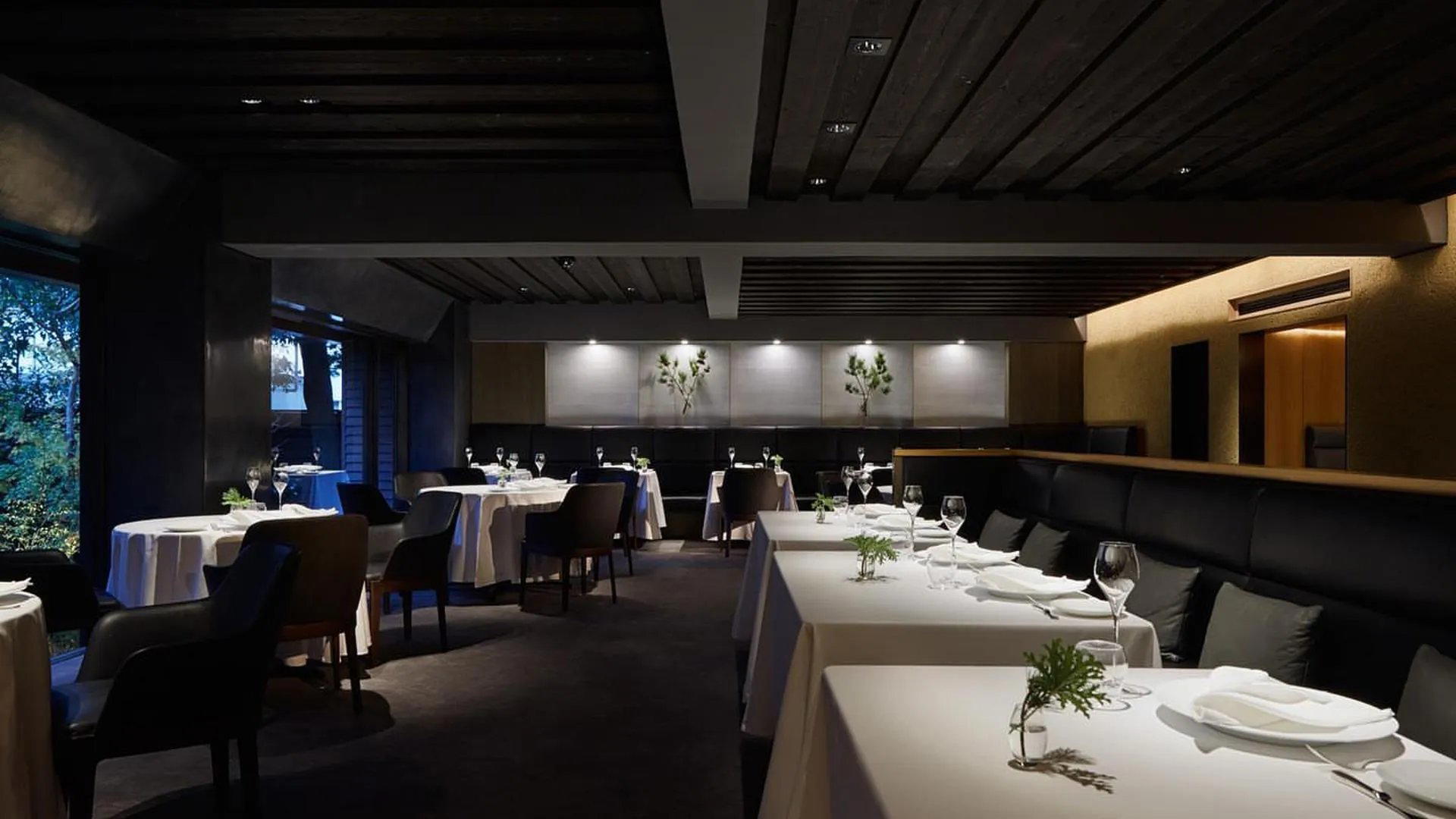
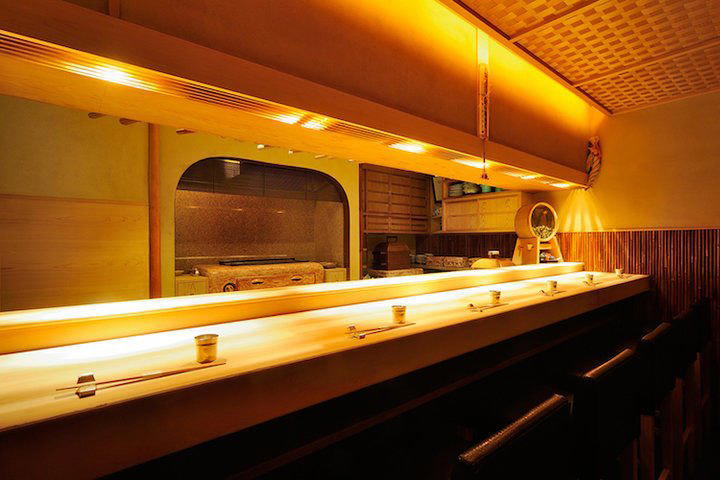
Restaurants in Tokyo
All restaurants in Tokyo →
Bars in Tokyo
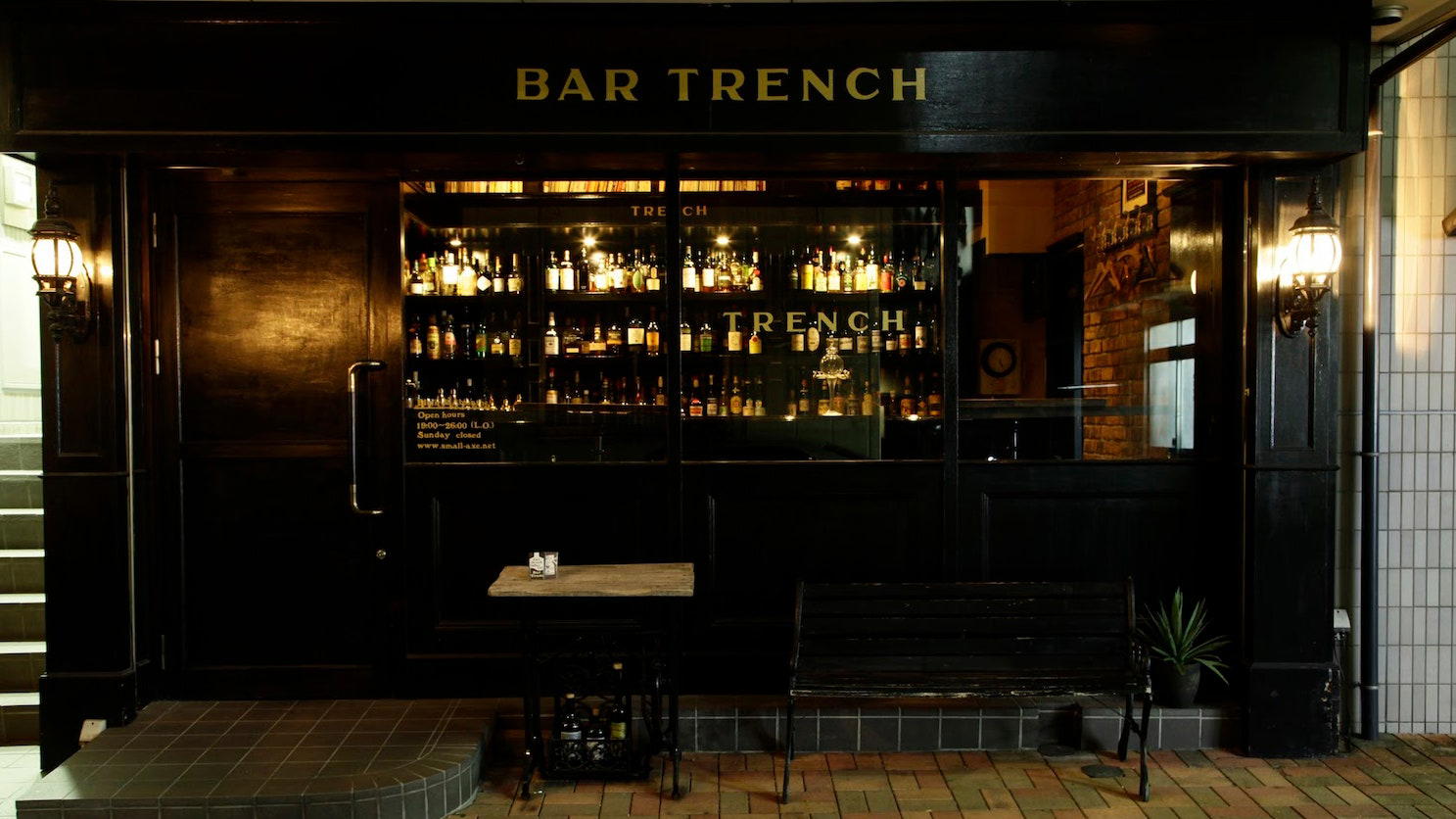
All bars in Tokyo →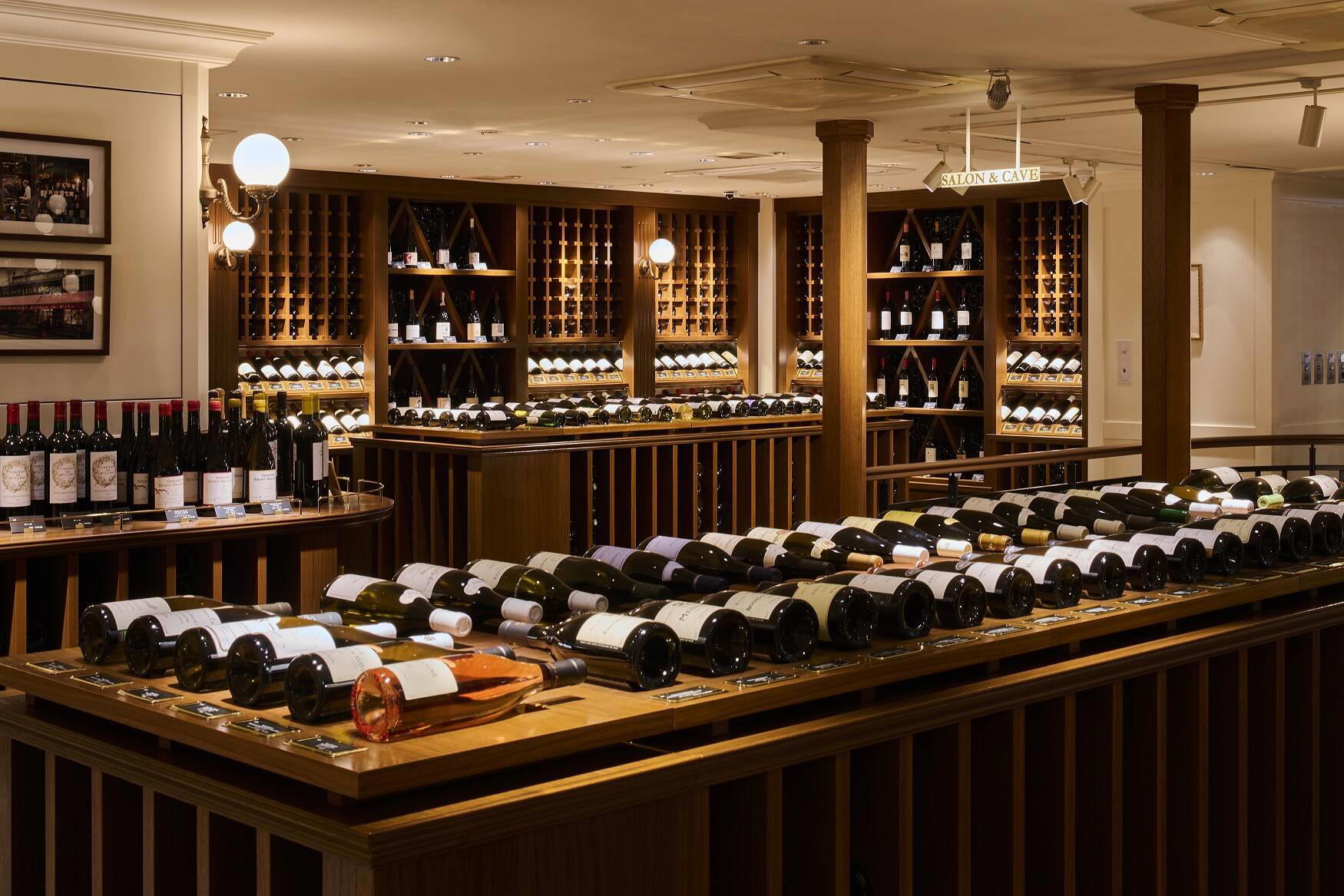
Details
- Quiet
- Elegant
- Intimate
- Sophisticated
- Special Occasion
- Date Night
- Business Dinner
- Wine Cellar
- Standalone
- Extensive Wine List
- Tasting Menu
- Wine
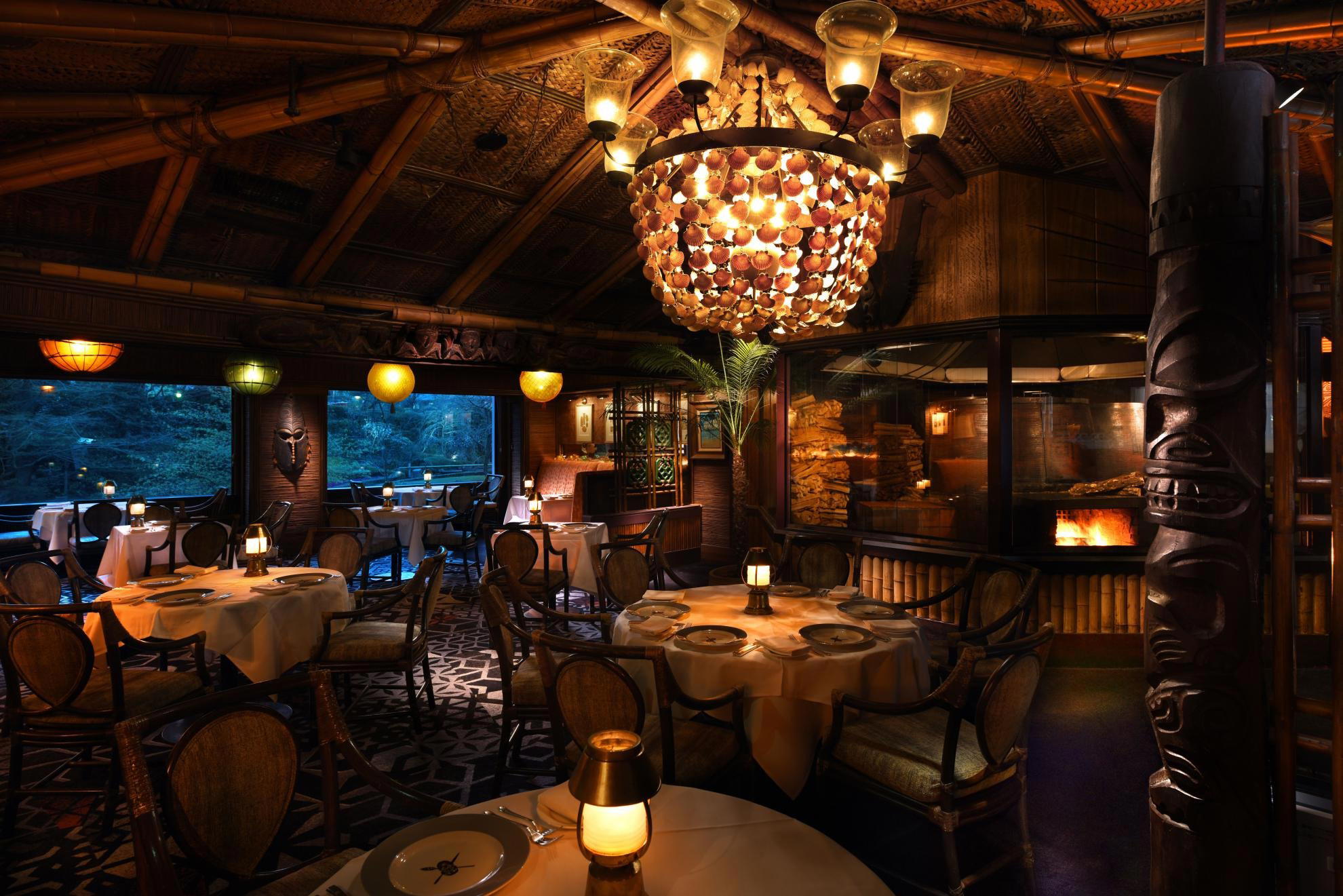
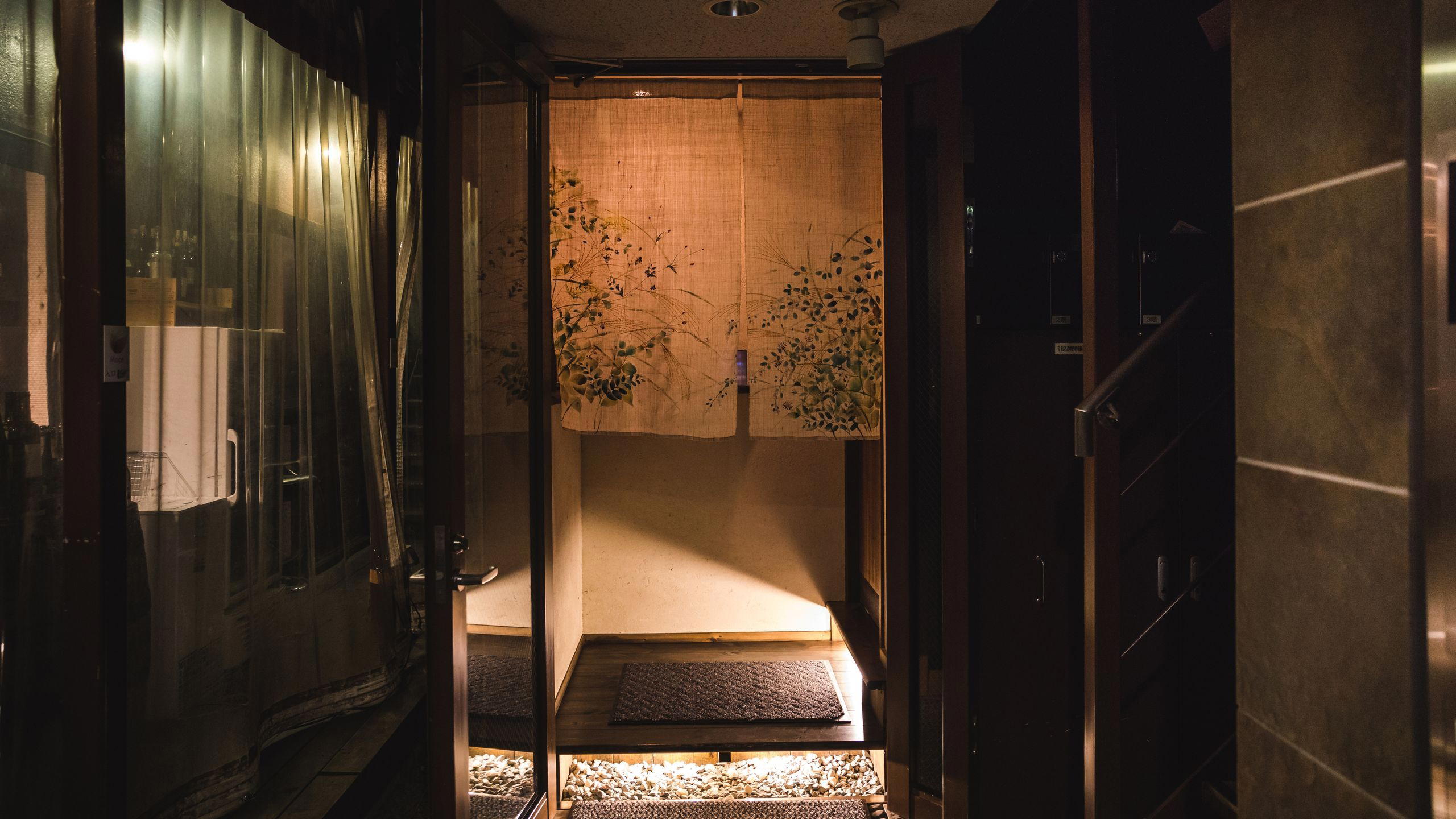
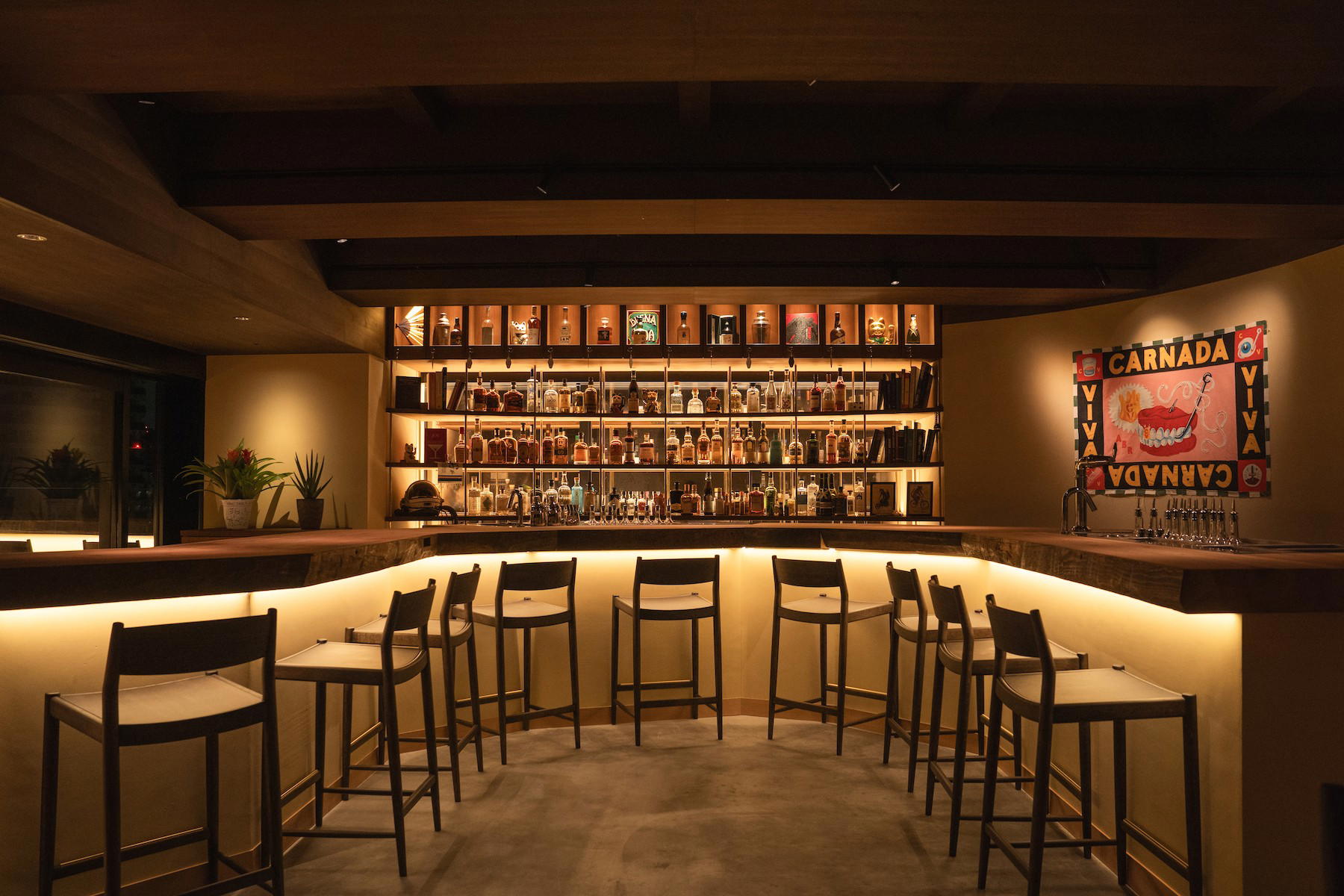
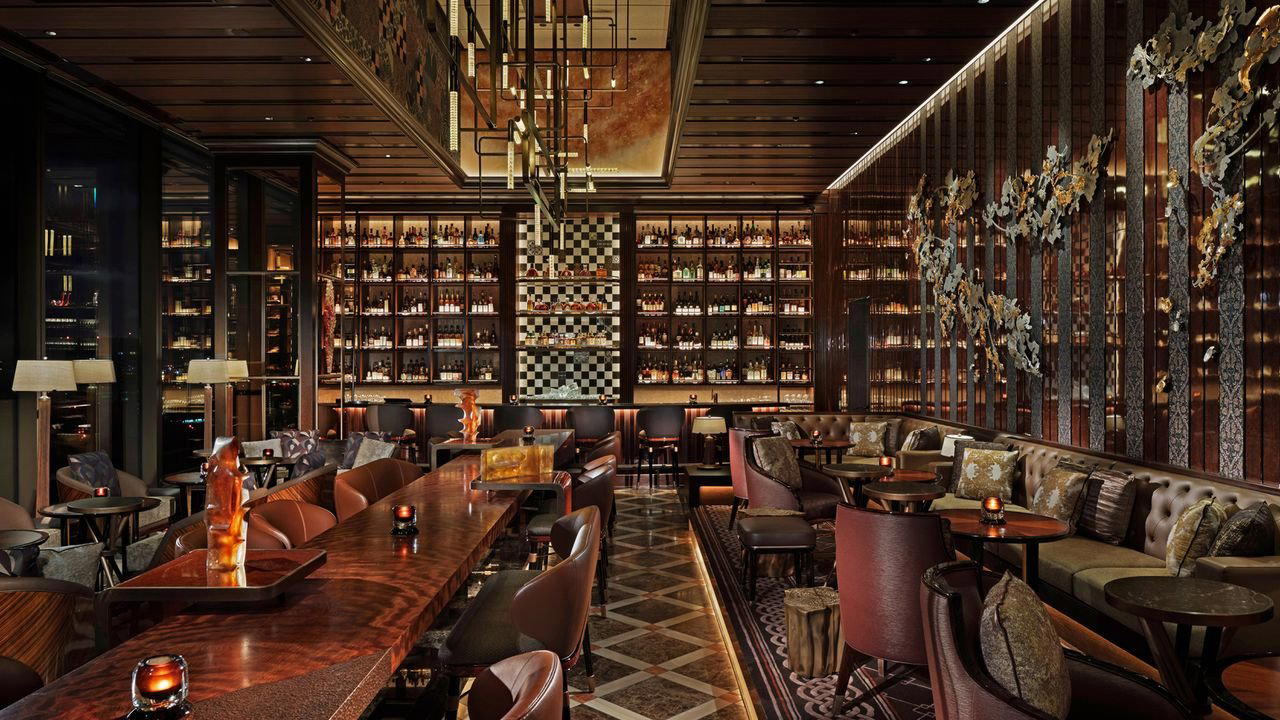
Small, quiet, and discreet, with high ceilings and an elegant wine-cellar presence.