Our verdict
デュ バリーは、Reims regional specialties を出す casual French bistro。natural wine と sake program、open kitchen、conversational な空気で、lunch と dinner をゆっくり組み立てやすい。

Pearl is the En Primeur Club membership app — saves, bookings, and concierge access live there. Same editors, same standards.
- Address
- Japan, 〒154-0001 Tokyo, Setagaya City, Ikejiri, 2 Chome−37−7 側 スカイビュー246 1F(旧道
- Phone
- +81364508177
- Hours
- Mon–Tue ClosedWed–Sun 11:30 AM–2 PM, 6–10 PM
- Website
- smile-dubarry.com
- Directions
- Get directions
- Booking
- Book on the venue's website
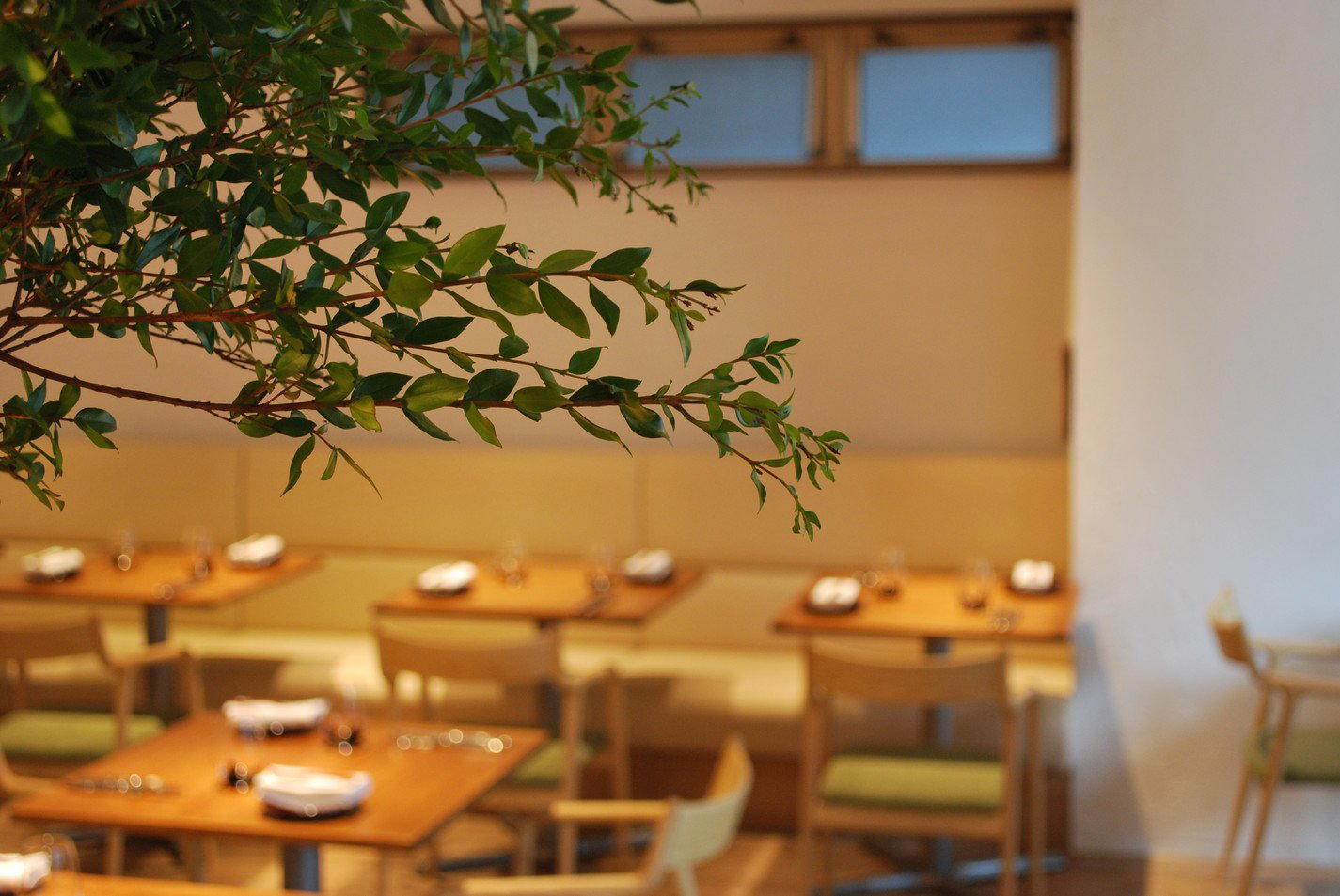
Setagaya's French Table: Where Tokyo's Quieter Wine Culture Takes Root
The story of French dining in Tokyo is usually told through the lens of Minami-Aoyama counters and Shinjuku hotel dining rooms. But a different chapter has been written in Setagaya, the sprawling residential ward southwest of the Yamanote loop, where neighbourhood restaurants operate without the pressure of tourist foot traffic and earn their regulars through consistency rather than spectacle. デュ バリー, located in Ikejiri on the old road beside Sky View 246, belongs to this quieter tradition — a French address in a part of the city where the dining culture is shaped by locals who return weekly rather than visitors ticking off a list.
The name itself carries history. Du Barry, in French culinary tradition, is a classical garnish and preparation associated with cauliflower, named after the Countess du Barry, the eighteenth-century favourite of Louis XV. French restaurants bearing the name signal a conscious connection to classical cuisine, not the modernist renovation that has dominated Tokyo's Michelin conversation over the past two decades. That framing matters when you are trying to understand what kind of wine list a restaurant like this is likely to maintain.
The Wine Angle: Classical French Dining and Cellar Logic
In Tokyo, the relationship between French cuisine and wine curation has become increasingly stratified. At the top tier, restaurants like L'Effervescence and Sézanne maintain deep cellars with Burgundy and Champagne as anchors, priced against an international clientele with access to allocation wines. Crony, at the innovative end of the French spectrum, threads natural wine through its list in a way that mirrors its cooking philosophy. Neighbourhood French in Setagaya occupies a different position: the cellar tends to be curated around the food rather than built as a destination in its own right, and the selection reflects what a knowledgeable regular would actually want to drink across a full meal rather than what a first-time visitor might photograph.
Classical French preparation names like du Barry have historically guided wine pairing logic: cauliflower cream and cream-enriched béchamel dishes call for white Burgundy or structured Alsatian whites rather than the lighter, lower-intervention wines that newer Tokyo French houses have embraced. A restaurant that anchors its identity in that tradition is, implicitly, signalling a wine list built around French regional wines with enough structure to handle classic saucing. Whether the cellar at デュ バリー runs to grand cru depth or a well-chosen neighbourhood selection is information the venue's own team can confirm — but the classical framing sets reasonable expectations for the direction.
For comparison, the ¥¥¥¥ French tier in Tokyo, represented by L'Effervescence and Sézanne, involves sommelier programs with dedicated staff and cellar investment that runs into the millions of yen in inventory. Neighbourhood French at a lower price point typically means a tighter, more personally curated list, often reflecting the owner or head cook's own preferences, which can produce more interesting drinking at less risk of over-engineered prestige pricing.
Setagaya and the Neighbourhood Restaurant Tradition
Setagaya ward is one of Tokyo's most populated, and its dining culture is shaped accordingly. Unlike Ginza, where restaurants price against the neighbourhood's international luxury positioning, or Shibuya, where foot traffic supports high-volume formats, Setagaya runs on repeat business. Ikejiri-Ohashi, the nearest station to the Ikejiri address, sits on the Den-en-toshi and Shin-Tamagawa lines and draws a residential crowd from the surrounding streets. A French restaurant on the old road in this area is not reaching for visitors; it is building a local table.
That dynamic produces a different kind of dining experience from what you find at heavily awarded Tokyo restaurants. Harutaka in Ginza or RyuGin in Roppongi operate inside a global recognition apparatus that shapes every element of service and booking. A Setagaya French restaurant operates outside that apparatus, which is both its limitation (no Michelin star driving out-of-town demand) and its advantage (no performance for anonymous guests, no prix-fixe theatre designed for a critic's checklist).
Across Japan, this neighbourhood French model has produced some quietly serious addresses. Bistro Ange in Toyohashi and Birdland in Sakai represent the regional version of the same idea: French-adjacent or Western-influenced cooking in cities where the audience is local and the format is built around returning guests. At the higher end of Japan's French conversation, HAJIME in Osaka and Gion Sasaki in Kyoto show what classical technique looks like when aligned with multi-star ambition and deep cellar programs. デュ バリー's Setagaya address places it firmly in the neighbourhood tier rather than the destination tier, which should calibrate both expectations and the kind of evening you are planning.
Booking and Access
For the most current information on reservations and service hours, visiting the venue directly or checking a third-party platform such as Tabelog (where Setagaya restaurants frequently maintain listings) is the most reliable approach. The Ikejiri address on the old road beside Sky View 246 in Setagaya's 2-chome is accessible from Ikejiri-Ohashi Station on the Tokyu Den-en-toshi Line.
For broader context on where デュ バリー fits within Tokyo's French and fine-dining map, see our full Tokyo restaurants guide, which covers the city across price tiers and neighbourhoods. Readers planning a wider Japan itinerary may also find value in akordu in Nara and Goh in Fukuoka for French-influenced and contemporary dining outside Tokyo.
How デュ バリー Compares: A Practical Reference
| Venue | Neighbourhood | Cuisine | Price Tier | Booking Difficulty |
|---|---|---|---|---|
| デュ バリー | Setagaya (Ikejiri) | French (classical reference) | Not confirmed | Not confirmed |
| L'Effervescence | Nishi-Azabu | French | ¥¥¥¥ | High (Michelin-starred) |
| Sézanne | Marunouchi | French | ¥¥¥¥ | High (Michelin-starred) |
| Crony | Minami-Aoyama | Innovative French | ¥¥¥¥ | Moderate-high |
| Harutaka | Ginza | Sushi | ¥¥¥¥ | Very high (omakase counter) |
Frequently asked questions
What's デュ バリー's location?
デュ バリー is located at Japan, 〒154-0001 Tokyo, Setagaya City, Ikejiri, 2 Chome−37−7 側 スカイビュー246 1F(旧道, Tokyo.
Does デュ バリー serve lunch, and is it a good option for a weekday meal in Setagaya?
Many Tokyo neighbourhood French restaurants of this format do offer weekday lunch at lower price points than dinner, making them accessible to local residents and office workers in the ward.
What do people recommend at デュ バリー?
The restaurant's name references Madame du Barry and the classical French culinary tradition associated with her court, where cauliflower preparations became a signature marker. Regular guests at a Setagaya venue with this positioning are typically drawn to cream-based dishes and French technique executed without modernist detours. Specific menu details are best confirmed directly with the restaurant.
How hard is it to get a table at デュ バリー?
デュ バリー is located on a side street off the Ikejiri area of Setagaya, a residential ward that sits well outside the international booking circuits affecting Ginza or Minami-Aoyama venues. Neighbourhood French restaurants at this address level generally take reservations by phone or in person without months-long waits. That said, smaller French rooms in Tokyo can fill quickly on weekends, so booking a few days ahead is reasonable.
What's the defining dish or idea at デュ バリー?
The name du Barry is a deliberate culinary signal: in classical French coding, à la Du Barry denotes dishes centred on cauliflower, cream sauces, and the kind of restraint that predates nouvelle cuisine. That reference places the kitchen's stated identity firmly in pre-modern French tradition rather than contemporary Tokyo-French fusion. Whether the menu follows that logic in practice requires a visit or direct inquiry with the venue.
Is デュ バリー worth the price?
Setagaya neighbourhood French restaurants generally price below their counterparts in Ginza or Aoyama, which historically makes them attractive for classical French cooking without the location premium. The du Barry classical positioning suggests a kitchen oriented around technique rather than spectacle, which tends to attract guests who value that trade-off.
Compact Comparison
Comparable venues nearby, for context on price, style, and recognition.
| Venue | Cuisine | Price | Awards | Notes |
|---|---|---|---|---|
| デュ バリーThis venue — the venue you are viewing | Casual French Bistro with Reims Regional Specialties | $50–100 | Not listed | Not listed |
| レクレルール | Wood-fired Modern French | $200–300 | Michelin Plate · Tabelog 100 #32 | Shibuya, Modern French with Wood-Fire Cooking |
| ロクターヴ ハヤト コバヤシ | Modern French Gastronomy | $150–200 | Tabelog 100 #19 | Shibuya, Modern French Gastronomy |
| グルマンディーズ | French-Japanese Fusion Bistro | $150–200 | Tabelog Silver #27 | Minato, French Bistro with Wagyu |
| クラージュ | Modern French with Japanese Ingredients | $100–150 | Michelin Plate | Minato, Modern French with Japanese Ingredients |
| Anis | Modern French Bistro | Not listed | Not listed | Hatsudai, Modern French Bistro |















Details
- Cozy
- Elegant
- Intimate
- Sophisticated
- Date Night
- Casual Hangout
- Open Kitchen
- Natural Wine
- Sake Program
- Local Sourcing
- Organic
- A La Carte
- Prix Fixe
- Wine
Current opening hours
- Monday
- Closed
- Tuesday
- Closed
- Wednesday
- 11:30 AM–2 PM, 6–10 PM
- Thursday
- 11:30 AM–2 PM, 6–10 PM
- Friday
- 11:30 AM–2 PM, 6–10 PM
- Saturday
- 11:30 AM–2 PM, 6–10 PM
- Sunday
- 11:30 AM–2 PM, 6–10 PM
Hours can change for holidays and private events. Last verified .