Our verdict
A kappō counter in Kanazawa's residential Hosai district, 割烹 いけ森 operates within the city's ingredient-led dining tradition, drawing on Sea of Japan seafood and Kaga regional produce. Away from the tourist circuit, it represents the more habitual, counter-based tier of Kanazawa's serious restaurant culture — a format where seasonal intelligence and sake curation matter as much as technique.

Pearl is the En Primeur Club membership app — saves, bookings, and concierge access live there. Same editors, same standards.
- Address
- 1 Chome-6-11-6 Hosai, Kanazawa, Ishikawa 920-0862, Japan
- Phone
- +81762310498
- Hours
- Mon–Sat 6–11 PMSun Closed
- Website
- sp.raqmo.com
- Directions
- Get directions
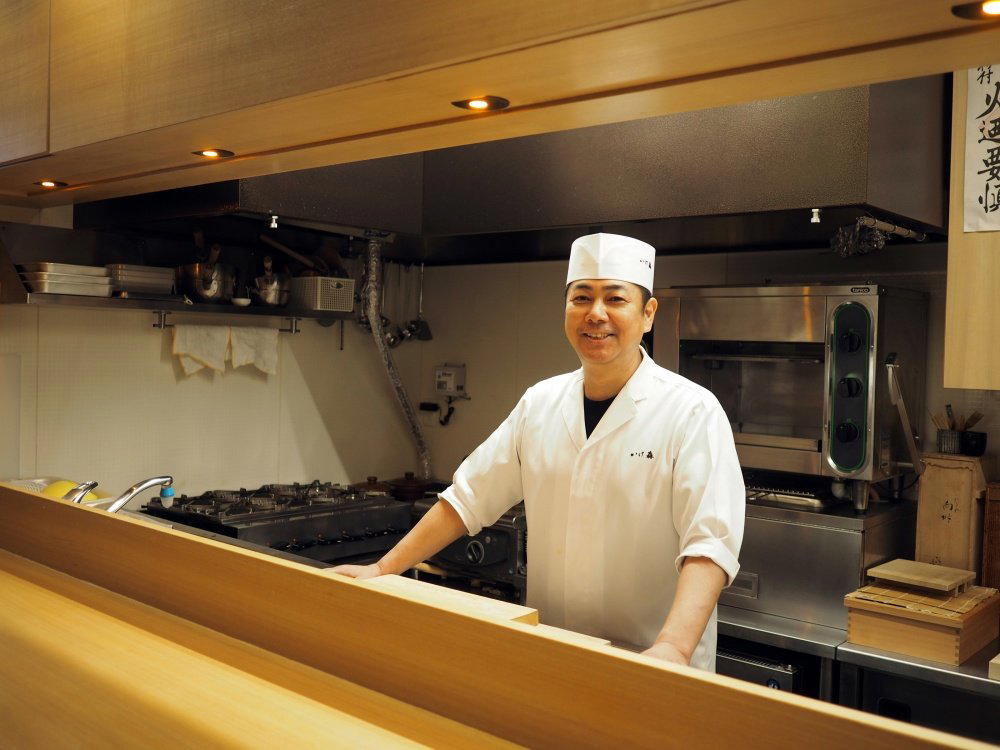
Where Kanazawa's Kappō Tradition Meets Understated Precision
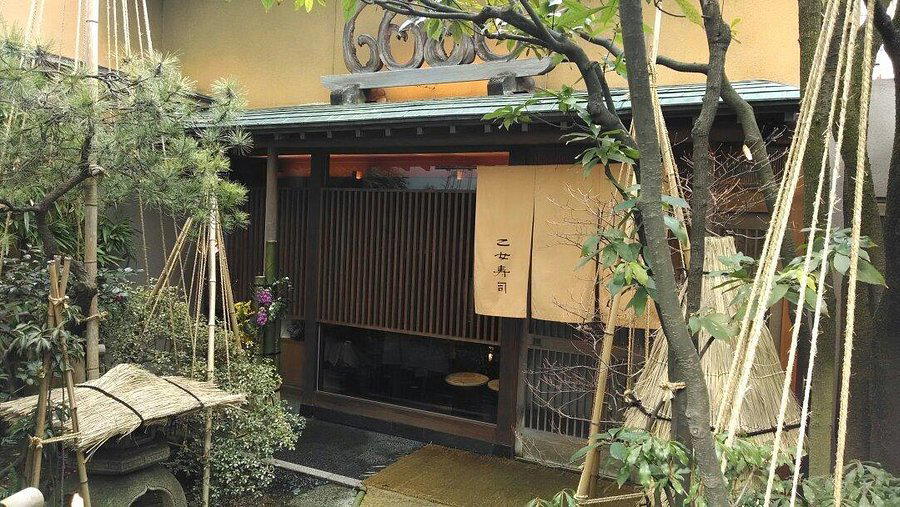
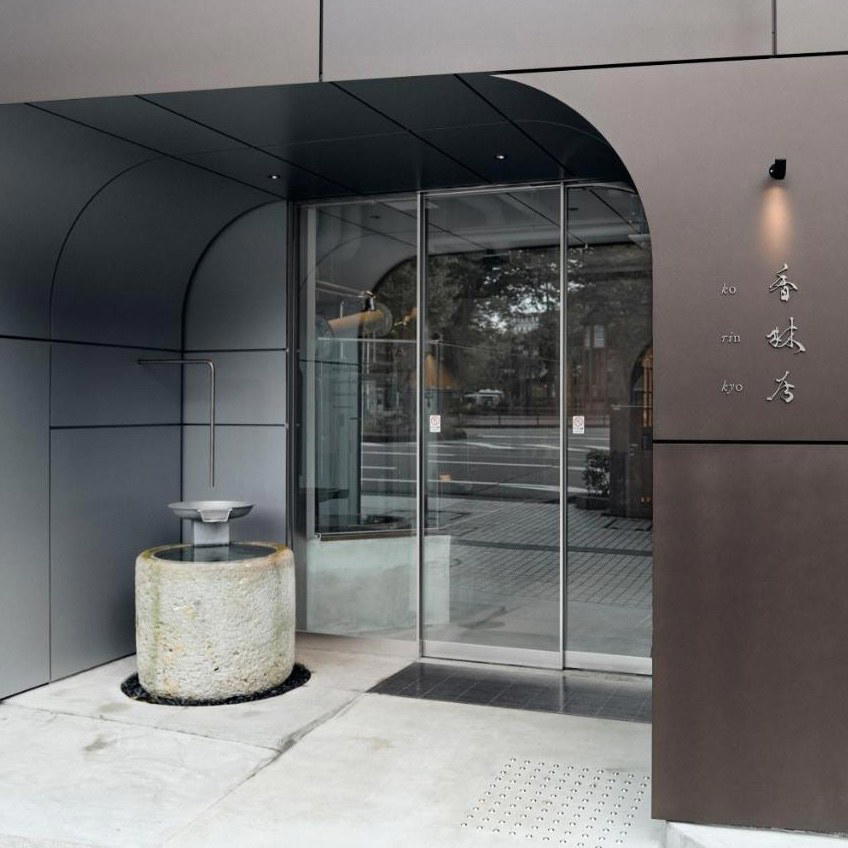
The address in Hosai places 割烹 いけ森 away from the well-trafficked lanes around Kenroku-en and Omicho Market, in a quieter residential pocket of Kanazawa where the city's culinary identity is less performed and more inhabited. Approaching a kappō in this kind of neighbourhood — away from the tourist circuit — tends to signal something deliberate: a kitchen confident enough in its regulars and its reputation to forgo foot traffic entirely. The exterior is spare by design, as most serious kappō are, and the transition from street to counter is precisely the kind of threshold that sets the register for what follows.
Kanazawa has built a culinary reputation that punches well above its population, in part because the city's access to premium ingredients, Sea of Japan seafood, Kaga vegetables, Noto Peninsula producers, gives even modestly scaled kitchens exceptional raw material to work with. In this context, the kappō format is particularly well-suited to the city's dining culture. Unlike kaiseki, which imposes a stricter ceremonial sequence, kappō allows the chef to work openly at the counter, responding to seasonal availability and the rhythm of a specific evening. Comparison venues in the city, including Dokkan and the kaiseki houses that have shaped Kanazawa's reputation, each interpret that seasonal discipline in their own register. The kappō form is simply more conversational, more contingent on the moment.
The Kappō Counter as Editorial Lens
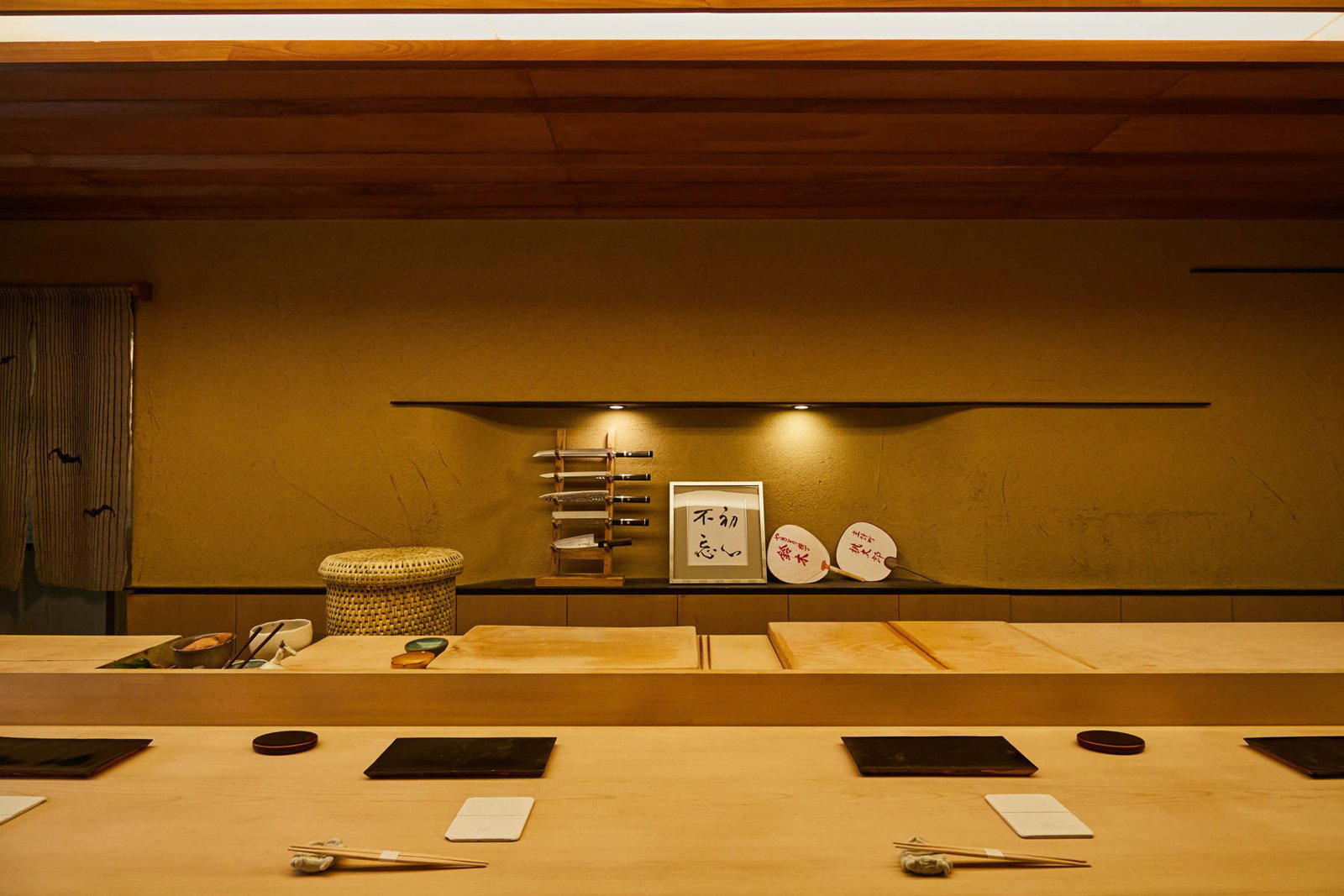
Japan's kappō dining tradition occupies a specific position in the country's restaurant hierarchy, more intimate than a formal kaiseki ryōtei, more technically ambitious than an izakaya, and almost always counter-led. The cook works in full view, the pacing is shaped by dialogue rather than prescribed sequence, and the evening tends to feel collaborative in a way that multi-course set menus at larger restaurants cannot quite replicate. Cities like Kanazawa, where the ingredient supply is exceptional and the dining culture is conservative in the leading sense, tend to sustain kappō houses with unusual consistency.
For context on how kappō fits into Japan's broader counter-dining culture, it helps to compare it to the omakase model operating in cities like Tokyo, where Harutaka in Tokyo represents the sushi-counter equivalent of that intimate, chef-led precision. In Kyoto, Gion Sasaki in Kyoto offers a point of reference for how Japanese counter dining can carry Michelin recognition while maintaining extreme restraint in format. 割烹 いけ森 operates within that broader tradition, the kappō counter as a space where technique and seasonal intelligence matter more than ceremony.
Drinking in Kanazawa's Kappō Houses
The wine list question at a kappō in provincial Japan is never quite the same as it is at a kaiseki ryōtei in Kyoto or a destination restaurant in Osaka. Kappō houses have traditionally built their beverage programs around nihonshu, sake selected to work across a wide range of seasonal dishes rather than paired to a fixed menu, and the leading among them treat the sake list with the same rigor that a serious European restaurant applies to its cellar. Kanazawa's position within Ishikawa Prefecture, one of Japan's most respected sake-producing regions, means that a well-run kappō counter in this city has access to a regional selection that most urban sake bars would struggle to replicate.
For comparison, premium Japanese restaurants operating internationally, including Atomix in New York City, have demonstrated that sophisticated beverage curation built around Korean or Japanese producers can carry its own authority entirely independent of European wine traditions. The same logic applies here: the depth of a kappō's sake program, how the selection is organised by brewery, by rice variety, by polishing ratio, and how it is communicated at the counter, is as much an indicator of a kitchen's seriousness as the food itself. Nihonshu producers from Ishikawa, including breweries operating in the prefecture's northern reaches, give Kanazawa's kappō houses a natural home-field advantage that is worth paying attention to when ordering.
What the kappō format reliably signals is that the beverage offering will be curated to complement the kitchen's output on any given evening rather than assembled for breadth of coverage. For diners whose default is European wine at dinner, a kappō counter in Kanazawa is a genuine opportunity to recalibrate expectations and let the sake program work as it was designed to.
Placing 割烹 いけ森 in its local context means acknowledging that Kanazawa sustains a dining culture with genuine depth across multiple formats. The city's kaiseki tradition has long been anchored by houses like Zeniya, and the broader Ishikawa dining corridor extends north to Noto and the Nanao coastline, where 一本木 名川割烹 in Nanao represents the regional kappō tradition in its coastal variation. To the west, Goh in Fukuoka and HAJIME in Osaka illustrate how Japanese fine dining has evolved in other regional centres, useful comparisons for understanding how Kanazawa's kappō houses have chosen to stay closer to tradition rather than chase contemporary innovation.
Within Kanazawa itself, the dining map rewards neighbourhood-level attention. Amanatto Kawamura and Hakuichi each occupy different tiers of the city's food culture, while Budoonomori Les Tonnelles (French) speaks to how European cooking traditions have taken root in a city whose ingredient supply suits them well. For yakitori, Hamagurizaka Maekawa represents the counter-dining tradition in a different register. The full scope of what Kanazawa offers is mapped in our full Kanazawa restaurants guide.
Planning a Visit
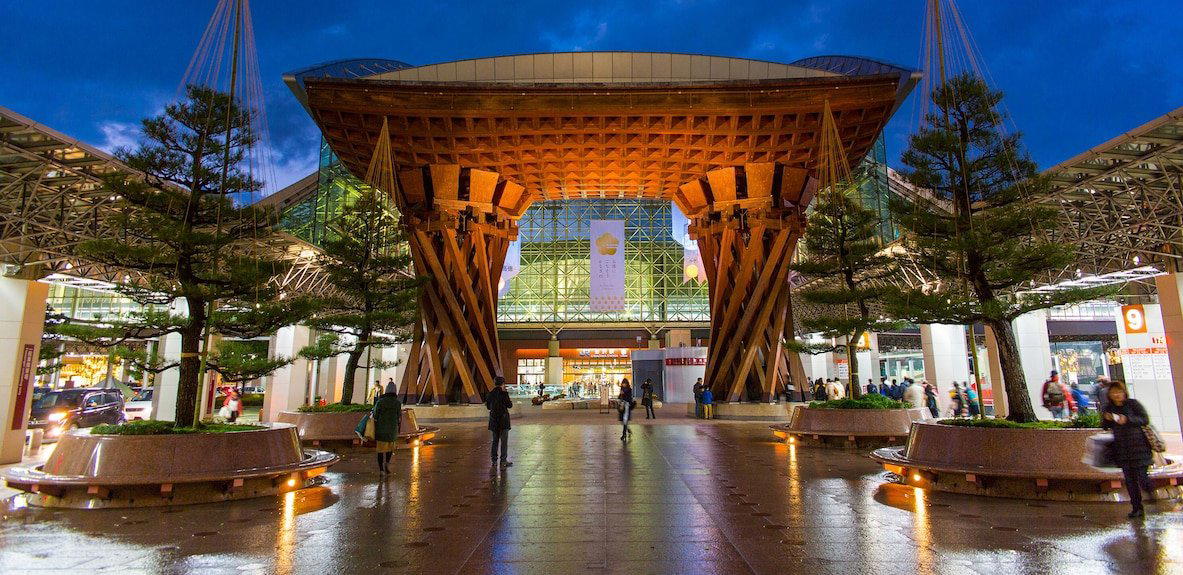
The Hosai address puts 割烹 いけ森 in a residential section of central Kanazawa, reachable on foot from the city centre or by local bus, though most visitors arriving from Kanazawa Station will find a taxi the most direct option. Kappō houses of this kind rarely advertise walk-in availability, and given Kanazawa's growing profile as a destination following the 2015 Hokuriku Shinkansen extension, securing a reservation in advance is the sensible approach, the city draws increasing numbers of weekend visitors from Tokyo and Osaka who prioritise exactly this category of restaurant.
The format and location place it within a category where an evening per person, including drinks, will typically run to a meaningful commitment. Those with a broader appetite for Japan's regional counter dining tradition might also consider akordu in Nara or Go! Go! Curry (ゴーゴーカレー) for a different end of Kanazawa's dining register, a reminder that the city's food culture operates credibly across multiple price points.
Frequently asked questions
What should I eat at 割烹 いけ森?
Should I book 割烹 いけ森 in advance?
How does 割烹 いけ森 fit into Kanazawa's kappō and kaiseki dining scene?
Accolades, Compared
Comparable venues nearby, for context on price, style, and recognition.
| Venue | Cuisine | Price | Notes |
|---|---|---|---|
| 割烹 いけ森This venue — the venue you are viewing | Kanazawa Kappo Kaiseki | $100–150 | Not listed |
| Tachigui Sushi Yusho | Standing Sushi | $20–30 | Kanazawa Port |
| Sakai | Japanese Kaiseki | $50–100 | Kanazawa |
| Sushi Hachiya | Kanazawa Seasonal Sushi | $100–150 | Shimeno Nakamachi |
| 割烹 ゆづる | Kappo (Japanese seasonal cuisine) | $100–150 | Kanazawa |
| うなぎ四代目菊川 | Kansai-style Whole Eel (Unagi) | Not listed | Kanazawa Station |
Continue exploring
More in Kanazawa
Restaurants in Kanazawa
Browse all →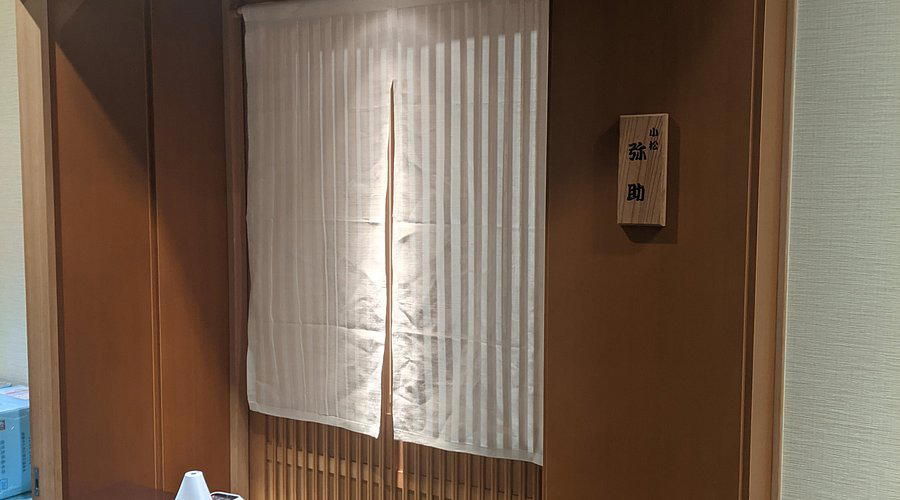
Bars in Kanazawa
Browse all →
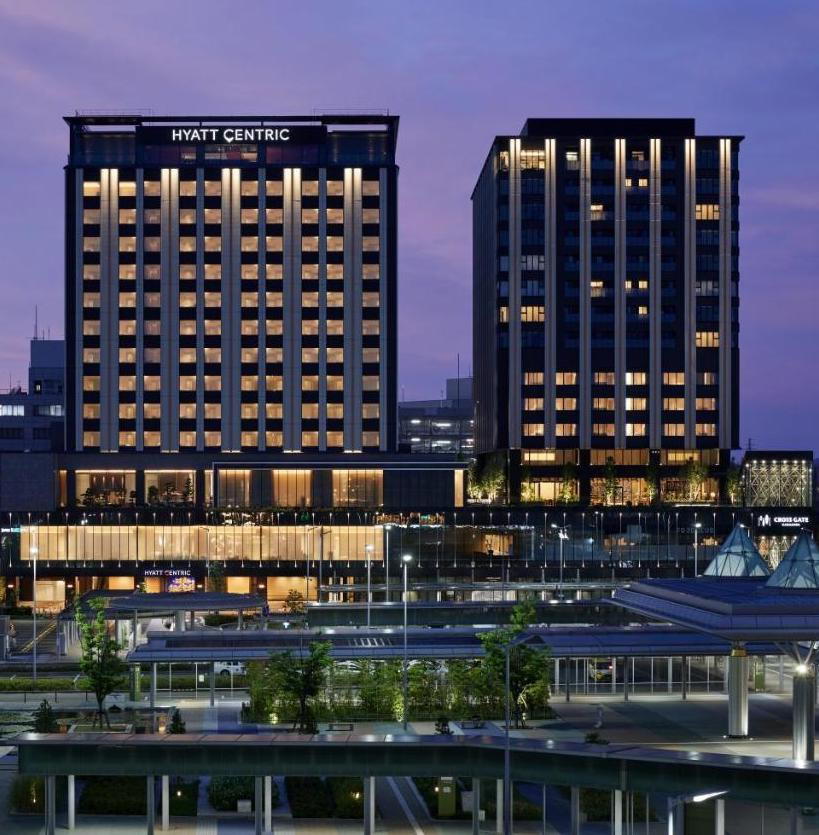
Hotels in Kanazawa
Browse all →
Wineries in Kanazawa
Browse all →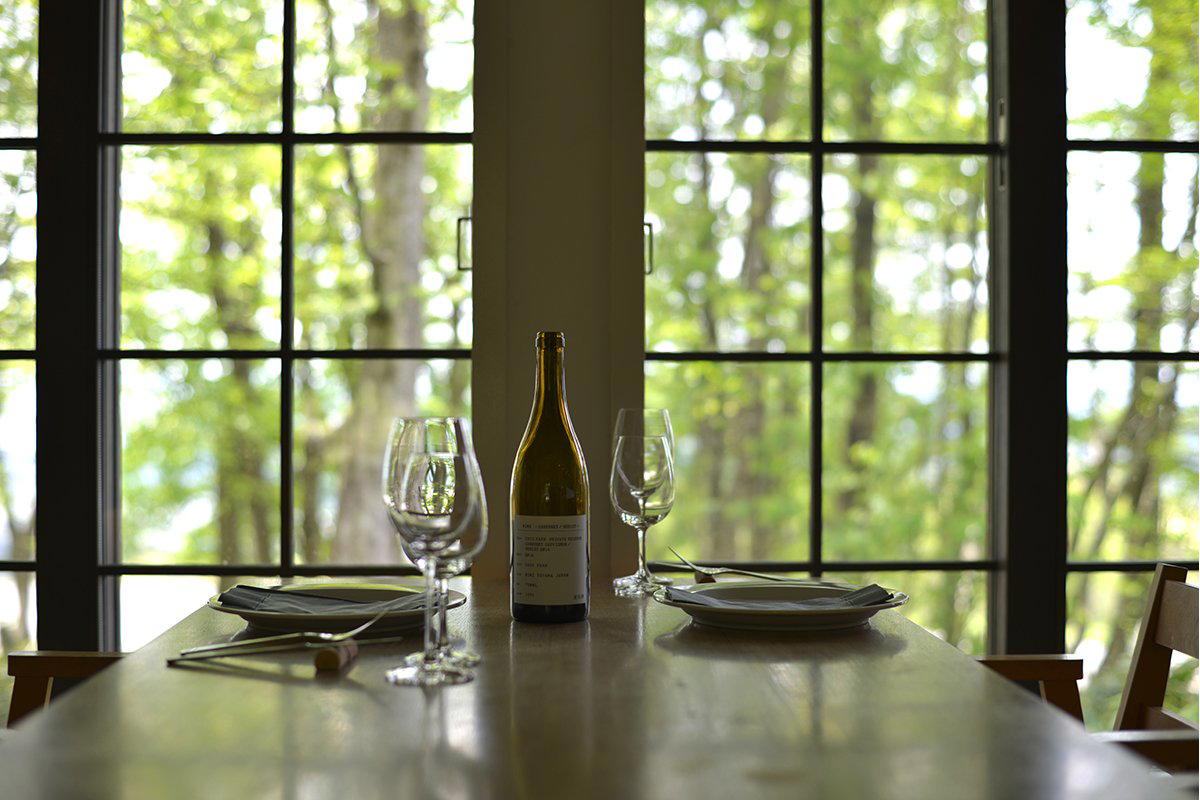
Details
- Elegant
- Intimate
- Sophisticated
- Cozy
- Special Occasion
- Date Night
- Private Dining
- Sake Program
- Local Sourcing
- Tasting Menu
Current opening hours
- Monday
- 6–11 PM
- Tuesday
- 6–11 PM
- Wednesday
- 6–11 PM
- Thursday
- 6–11 PM
- Friday
- 6–11 PM
- Saturday
- 6–11 PM
- Sunday
- Closed
Hours can change for holidays and private events. Last verified .
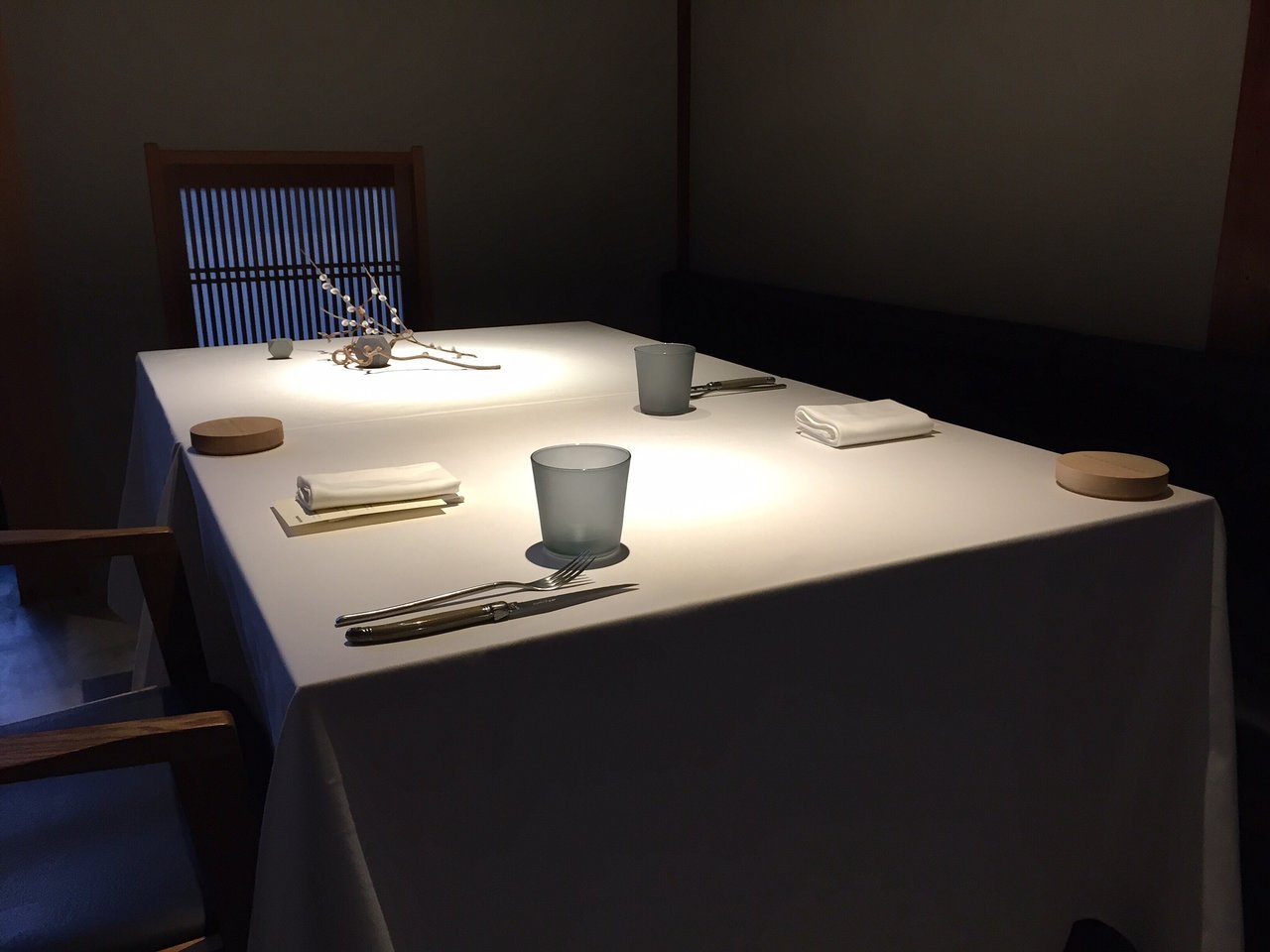
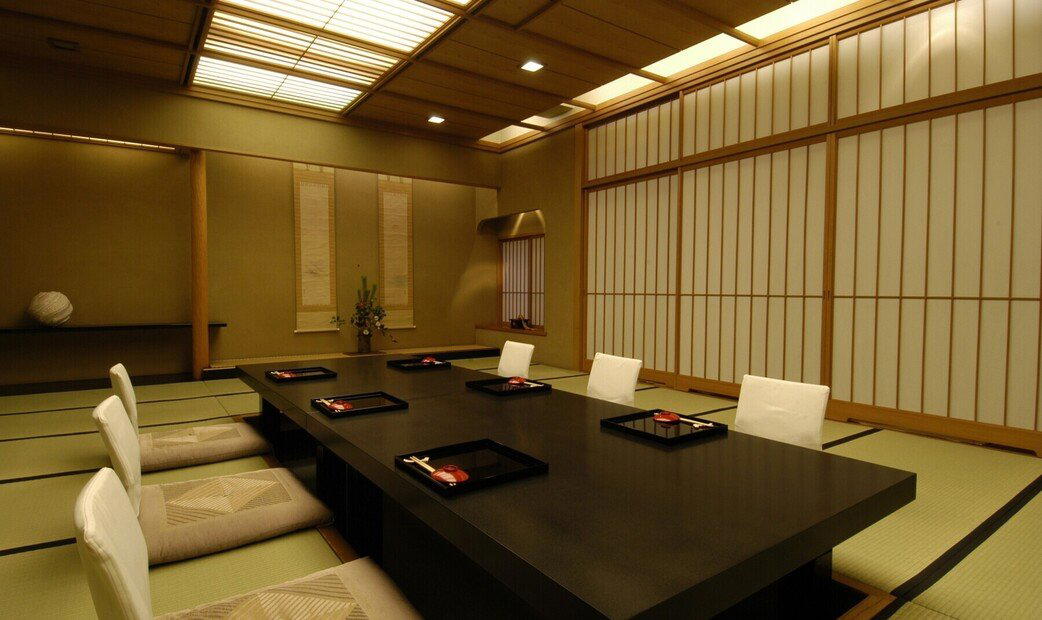
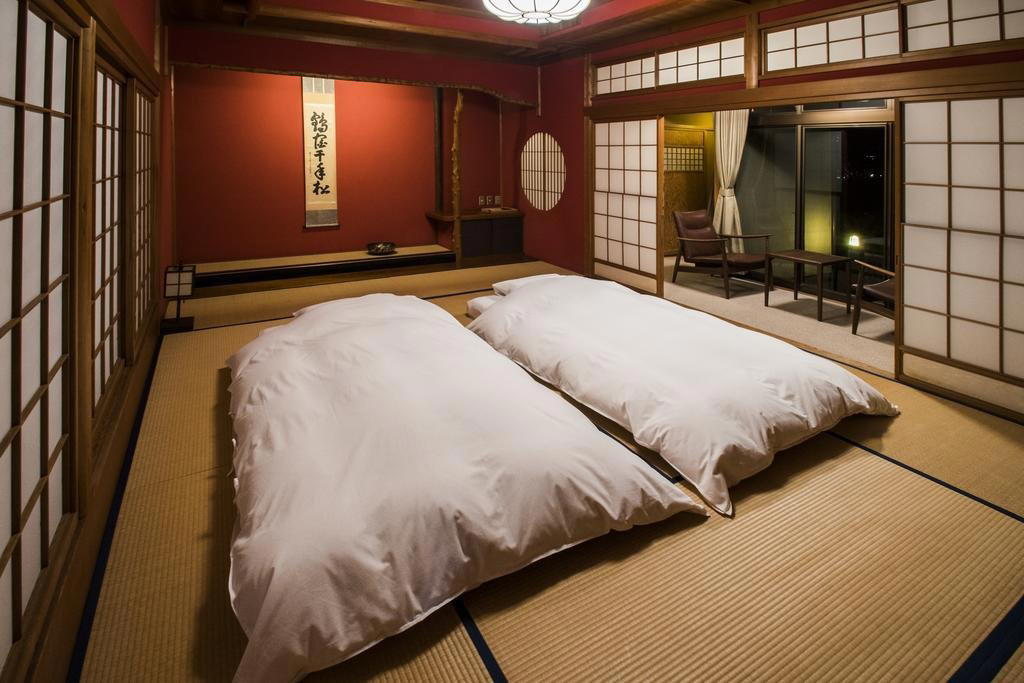
Cozy, small counter and private rooms in a quiet residential area near Tamagawa Children's Library, offering an intimate setting for seasonal kaiseki.