Ten Ichi is one of Ginza's foundational tempura addresses, operating from its Chuo City location in a neighbourhood where the price of precision has always run high. The format sits within Tokyo's counter-service tempura tradition, where batter-to-oil timing and ingredient sourcing carry the same weight that knife work does at a sushi counter. For visitors comparing the district's top tempura and sushi options, Ten Ichi belongs in the first conversation.
Pearl is the En Primeur Club membership app — saves, bookings, and concierge access live there. Same editors, same standards.
- Address
- 3 Chome-6-1 Ginza, Chuo City, Tokyo 104-0061, Japan
- Phone
- +81 3-3561-0508
- Website
- tenichi.co.jp
- Directions
- Get directions
 Saves & bookings on Pearl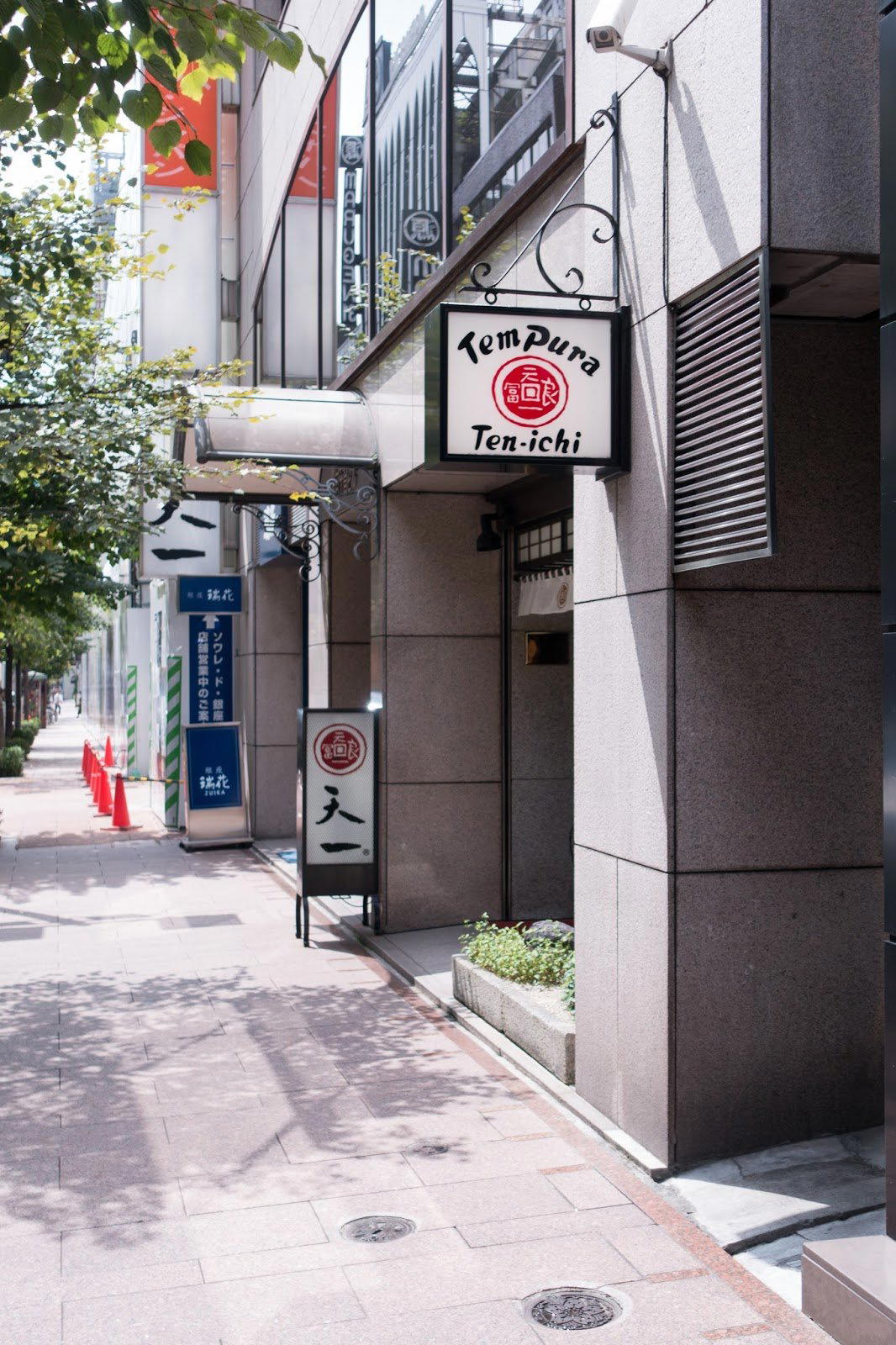
If You Eat One Thing in Ginza, Make It Tempura Done at Counter Level
Tokyo's Ginza district has long operated as a pressure test for Japanese culinary tradition: rents are among the highest in the city, competition is dense, and diners arrive with calibrated expectations. Within that environment, tempura at the counter level represents among the more technical, least forgiving formats in Japanese cooking. The batter must be cold, the oil at precise temperature, and the sequence timed to the second. Ten Ichi Ginza, located at 3 Chome-6-1 Ginza in Chuo City, is a traditional Edomae tempura restaurant with a price point of about $175 per person.
Tempura in this district operates differently from what most visitors encounter elsewhere. At Ginza's counter-focused establishments, the cook works directly in front of the guest, frying each piece to order and placing it immediately. There is no holding tray, no shared platter brought from a kitchen. The model demands the same focused attention from the diner that an omakase sushi counter does, and the leading addresses price accordingly. For context on the broader Ginza counter dining scene, Harutaka represents how the sushi side of that equation is priced and structured at the summit tier.
Lunch vs. Dinner: Two Different Propositions Under One Roof
In Tokyo's formal dining sector, the gap between lunch and dinner service is rarely cosmetic. At kaiseki and counter-format restaurants across the city, the midday sitting typically offers a shorter sequence at a meaningfully lower price point, using the same sourcing and technique as the evening menu but compressing the arc. The practical result is that lunch often represents one efficient way to access a serious kitchen without committing to the full evening format and its associated cost.
At counter tempura establishments in Ginza, this divide is particularly pronounced. Dinner typically runs through a longer sequence of seafood and vegetable courses, with more expensive ingredients and a more deliberate pace. Lunch, by contrast, tends toward set menus with a fixed number of pieces, often anchored by shrimp, white fish, and seasonal vegetables, with rice, miso soup, and pickles included. The technique is identical; the ambition of the meal is calibrated to the midday diner. For visitors who want to benchmark the format honestly before committing to an evening booking, lunch at a house like Ten Ichi is the rational entry point. This dynamic mirrors what you find at kaiseki houses such as RyuGin, where the lunch offering is structurally distinct from the evening experience rather than simply a shorter version of it.
Evening service at Ginza's tempura counters shifts the mood considerably. The room quiets, the pacing extends, and the ingredient list expands to include items that are either unavailable at lunch or reserved for the later sitting by convention. For a comparable shift in register between daytime and evening formats in Tokyo's French-influenced tier, L'Effervescence and Sézanne both operate with the same structural logic: lunch is accessible, dinner is the fuller statement.
Where Ten Ichi Sits in Ginza's Competitive Set
Ginza's restaurant tier is not monolithic. The district contains everything from standing sushi bars to multi-Michelin counter formats, and the tempura segment occupies its own niche within that range. The highest-ranked tempura houses in Tokyo, several of which hold Michelin recognition, operate on strict reservation systems with small seat counts and tasting-only formats. Ten Ichi sits in the broader Ginza tempura tradition as a house with historical depth in the district.
This matters for how you book and what you expect. At the more decorated tempura counters, seats are allocated weeks or months in advance and the format is non-negotiable. At establishments with a longer operational footprint and a multi-room configuration, walk-in windows or shorter booking horizons can exist, particularly at lunch. Neither approach is superior; they serve different visit types. Visitors who want a focused counter experience with advance planning may find the Michelin-tracked houses more appropriate. Those who want reliable, technically grounded tempura within a more accessible booking window often find that older Ginza establishments accommodate better.
For reference on how Tokyo's leading innovative and French-influenced kitchens approach their own competitive positioning, Crony demonstrates what happens when a kitchen operates at the intersection of French technique and Japanese sourcing discipline. Outside Tokyo, comparable questions of tradition versus contemporary positioning arise at HAJIME in Osaka and Gion Sasaki in Kyoto, both of which represent their city's version of refined Japanese dining at the formal end.
Planning Your Visit: Logistics in Context
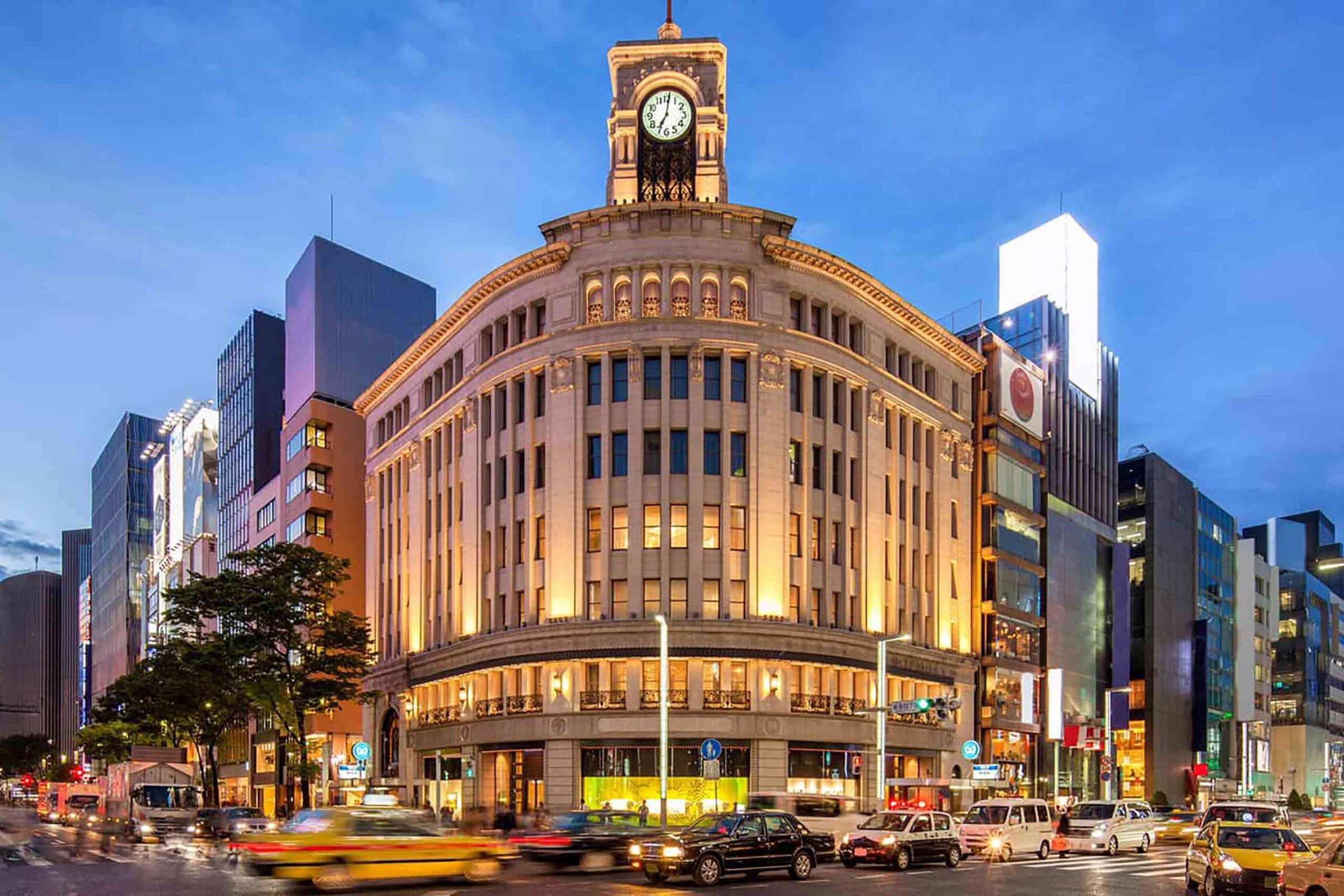
Ginza is accessible from multiple Tokyo transit hubs. The Ginza Metro station (Ginza, Hibiya, and Marunouchi lines converge here) places most addresses in the district within a short walk. The 3 Chome block, where Ten Ichi is located, sits in the heart of the shopping and dining corridor, which means foot traffic is high at lunch and the area transitions to a quieter register after 8pm on most evenings.
For those building a broader Tokyo itinerary, the full Tokyo restaurants guide covers the range of counter formats, kaiseki houses, and innovative kitchens across the city.
Quick Comparison: Ginza Counter-Format Venues
The Minimal Set
Comparable venues nearby, for context on price, style, and recognition.
| Venue | Cuisine | Price | Notes |
|---|---|---|---|
| Ten Ichi GinzaThis venue — the venue you are viewing | Chūō, Traditional Edomae Tempura | $$$$ | Not listed |
| Ginza Furuta | Not listed | $$$$ | Chūō, Noto-Kanazawa Regional Japanese Kaiseki |
| Ginza Chikamitsu Rokuchome | Chūō, Modern Wagyu Yakiniku | $$$$ | Not listed |
| てんぷら 深町 | Chūō, Edo-style Tempura | $$$$ | Not listed |
| Rian | Minato, Modern Japanese Fine Dining | $$$$ | Not listed |
| Keyakizaka | Not listed | $$$$ | Minato, Modern Teppanyaki with Premium Wagyu |





At a Glance
- Elegant
- Sophisticated
- Classic
- Intimate
- Special Occasion
- Business Dinner
- Chefs Counter
- Historic Building
- Sake Program
Current opening hours
- Monday
- 9 a.m.–8 p.m.
- Tuesday
- 11 a.m.–8 p.m.
- Wednesday
- 11 a.m.–8 p.m.
- Thursday
- 11 a.m.–8 p.m.
- Friday
- 11 a.m.–8 p.m.
- Saturday
- 11 a.m.–8 p.m.
- Sunday
- 11 a.m.–7:30 p.m.
Hours can change for holidays and private events. Last verified .
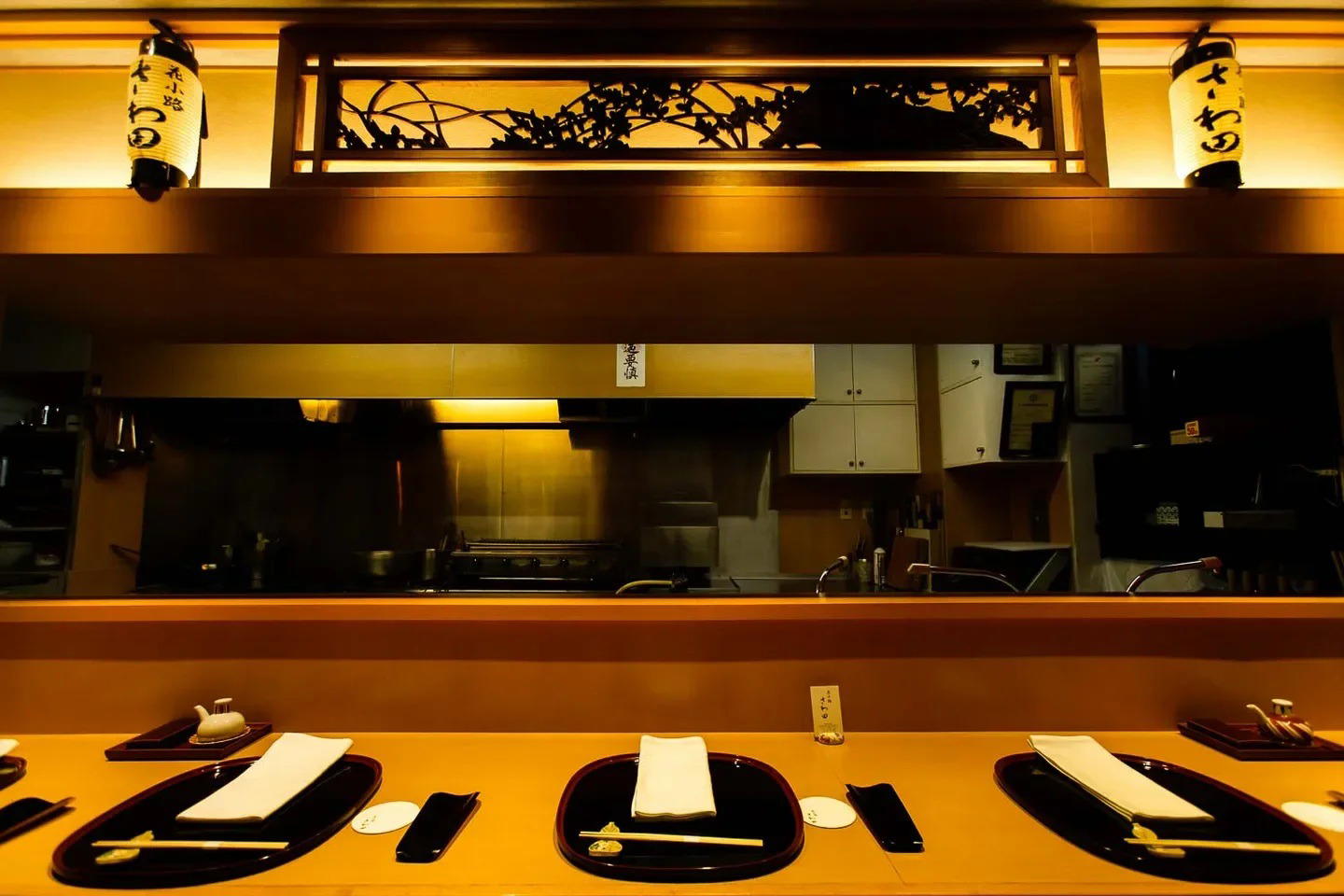
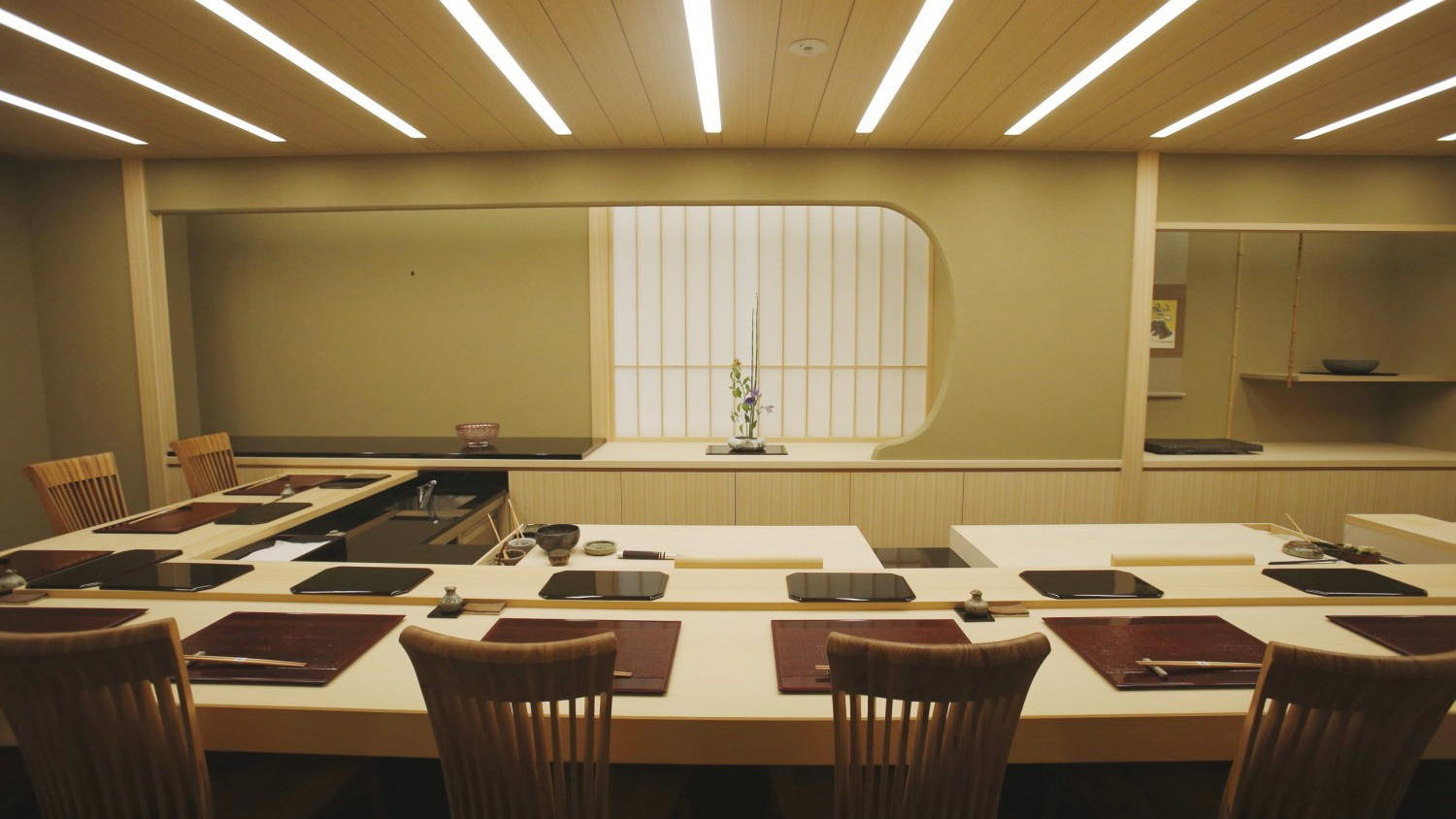
Serene and elegant with spartan decor featuring blond wood trim, sliding doors, flower arrangements, and a refined, intimate counter seating atmosphere.