At the intersection of Japanese cuisine and digital art, 月花 MoonFlower Sagaya Ginza sits on the sixth floor of a Ginza building where teamLab's immersive projections transform the dining room into a living environment that responds to the meal in progress. The format belongs to a small category of Tokyo restaurants where the visual and culinary programs are designed in tandem, placing it well outside conventional fine dining. Book well ahead; demand consistently outpaces availability.
Pearl is the En Primeur Club membership app — saves, bookings, and concierge access live there. Same editors, same standards.
- Address
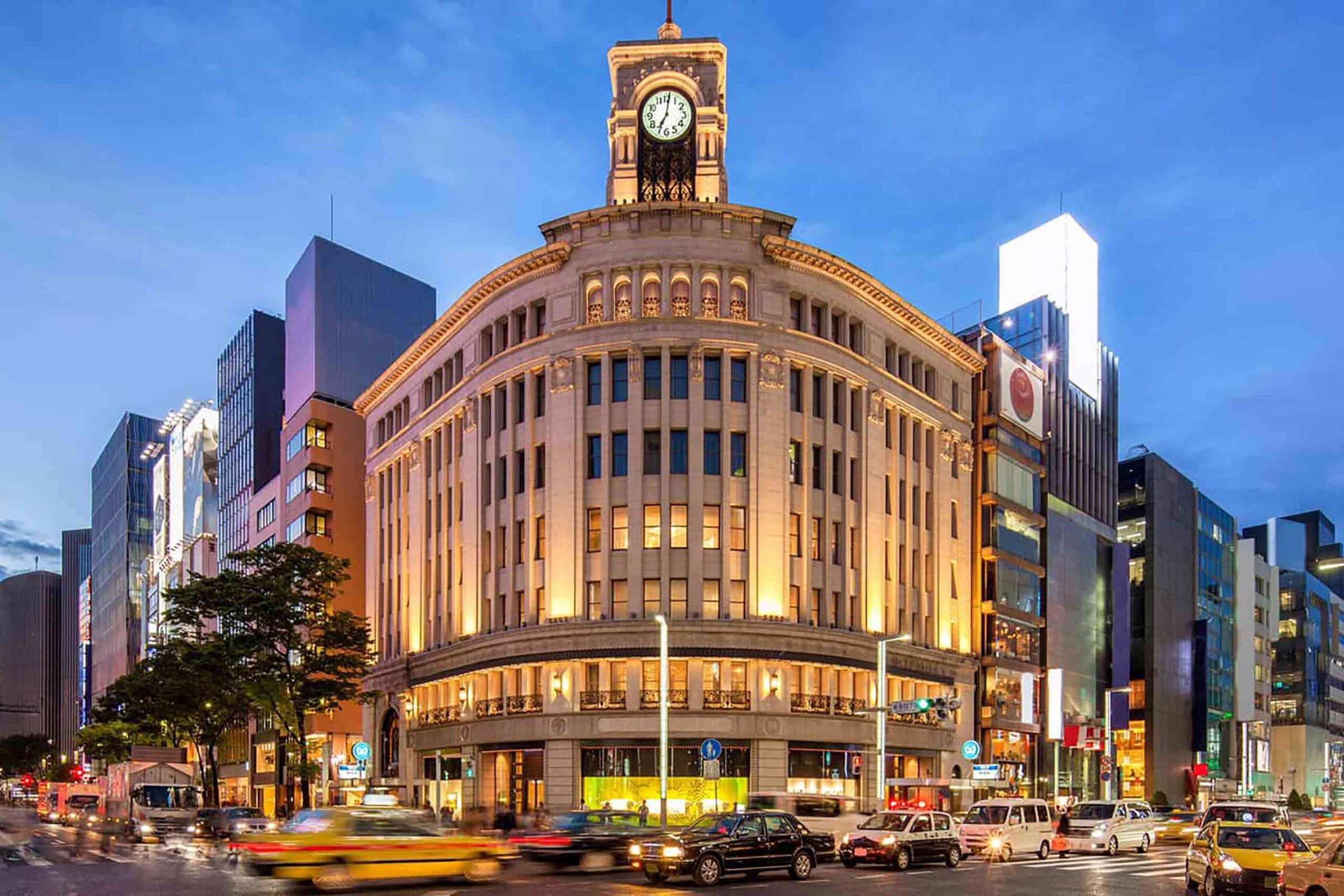
- Japan, 〒104-0061 Tokyo, Chuo City, Ginza, 2 Chome−5−19 PUZZLE銀座 6F
- Phone
- +81 3 6263 2525
- Website
- moonflower-sagaya.com
- Directions
- Get directions
 Saves & bookings on Pearl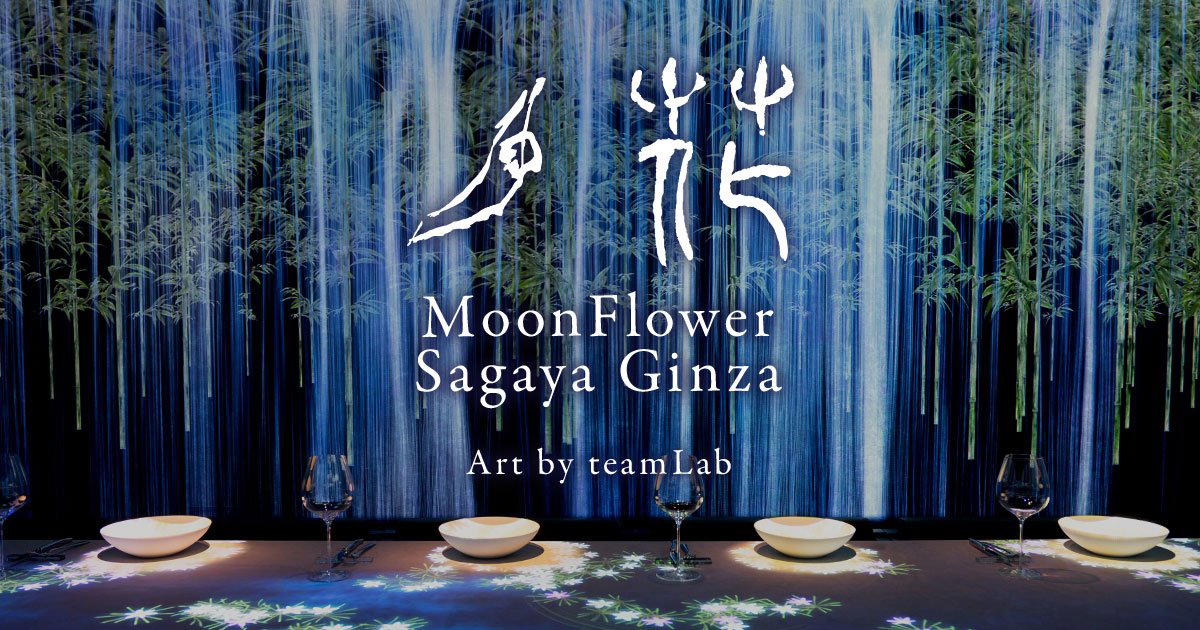
Where the Dining Room Moves With the Meal
Tokyo's premium dining tier has long divided along a familiar axis: the austere counter experience, where ritual and restraint govern every gesture, and the large-format theatrical restaurant, where spectacle crowds out the food. The restaurant is a seasonal Japanese omakase in Ginza, Tokyo, priced at about $295 per person. 月花 MoonFlower Sagaya Ginza, Art by teamLab occupies a third position that few Tokyo addresses have managed to hold with any seriousness. Located on the sixth floor of the PUZZLE銀座 building in Chome 2-5-19, Ginza, the restaurant places the work of digital art collective teamLab in direct dialogue with the cuisine on the table, creating an environment where the visual programme changes in real time as courses progress. The result is a dining ritual that asks guests to pay attention to the room as much as the plate, which is either the point or a provocation, depending on your tolerance for that kind of ambition.
Ginza remains among the more competitive dining precincts in Japan. The neighbourhood houses multiple Michelin-starred counters, including the rarefied omakase tier represented by addresses like Harutaka, alongside French-influenced rooms such as Sézanne and the kaiseki traditions exemplified further afield by RyuGin. Against that comparable set, MoonFlower Sagaya Ginza does not compete on the same terms. It is testing whether the dining ritual itself can be redesigned so that the environment is not incidental to the meal but constitutive of it.
The Ritual of Eating Inside a Living Image
The structure of the experience follows an important logic that separates it from restaurant-as-installation novelty. In many cities, immersive dining has become shorthand for theatrical distraction: LED walls, theatrical smoke, menus that exist mainly to justify a ticket price. The format at teamLab's dining collaborations operates differently. The digital projections by teamLab are not background décor. They respond to the specific moment of the meal, shifting as dishes arrive, creating a continuity between what the guest receives on the table and what is happening across the walls and ceiling of the room.
This approach places MoonFlower Sagaya Ginza inside a broader global shift in premium experience design, one visible at venues like Lazy Bear in San Francisco, where the format of the meal is as deliberately constructed as the food itself, and at Le Bernardin in New York, where the choreography of service has been refined over decades into something close to performance. The difference here is that the choreography extends beyond the kitchen and the floor team to encompass the built environment itself. Guests are not simply eating in a beautifully designed room. They are eating inside an image that evolves.
For Tokyo specifically, this kind of format demands comparison with what teamLab has built across its standalone museum experiences in the city, where the collective has demonstrated an ability to sustain serious artistic engagement at scale. The restaurant format compresses that ambition into a smaller, more intimate frame, and adds the time structure of a meal, with its pacing, pauses, and punctuation, as a compositional element the art must work around or with.
Pacing, Attention, and What the Room Requires of You
The dining ritual at venues with immersive environmental design tends to create a specific kind of attention economy at the table. Unlike the focused introspection of a silent counter seat at a sushi bar, or the conversational ease of a French brasserie, the MoonFlower format asks guests to hold two registers simultaneously: the sensory detail of the food and the visual shift of the surrounding environment. This is not a passive experience in the way that ambient restaurant design typically is. The room rewards the guest who looks up from the plate.
This dual attention structure has precedents in Japanese aesthetic traditions where the setting of a meal, the garden view, the seasonal arrangement in the tokonoma alcove, the choice of ceramics, carries meaning equivalent to the food itself. The kaiseki tradition, as practiced at venues like Gion Sasaki in Kyoto or HAJIME in Osaka, builds exactly this kind of holistic sensory programme. MoonFlower Sagaya Ginza translates that principle into a contemporary register, replacing the seasonal garden with a real-time digital field that responds to the meal's progression.
The pacing implications are significant. The format works best when guests arrive with time, engage with the visual transitions between courses, and treat the meal's duration as part of its content rather than a constraint to be minimized. Restaurants with similar format disciplines, such as L'Effervescence or the more experimental end of Tokyo's innovative dining scene represented by Crony, tend to attract guests who understand that the time structure of a long tasting format is not inefficiency but design.
Ginza as the Right Setting for This Ambition
The neighbourhood context is not incidental. Ginza is one of the few precincts in Japan where the density of high-spending, culturally engaged visitors, both domestic and international, is sufficient to sustain a format this specific. The district's foot traffic skews toward guests who have already moved past novelty-seeking and are looking for experiences with a clear intellectual or aesthetic argument behind them. That audience is more willing to engage with the dual-register attention the room requires.
Beyond Tokyo, the broader Japan dining map offers its own spectrum of immersive and context-driven experiences: the spare precision of akordu in Nara, the regional depth of Goh in Fukuoka, and the more remote registers of affetto akita in Akita or Ajidocoro in Yubari District. None of these sit in the same format category as MoonFlower Sagaya Ginza, which is precisely the point. The teamLab collaboration has created something with no direct domestic precedent, which in a dining culture as categorically precise as Japan's is itself a meaningful signal.
Planning Your Visit
The sixth-floor location in PUZZLE銀座, Ginza 2-chome, is accessible from multiple central Tokyo transit points, with Ginza Station a short walk away. Reservations are essential. The restaurant is appointment only, with limited seating, and weekend tables can book out well in advance. Guests should allow extra time when arranging a reservation.
Comparable Spots, Quickly
Comparable venues nearby, for context on price, style, and recognition.
| Venue | Cuisine | Price | Notes |
|---|---|---|---|
| 月花 MoonFlower Sagaya Ginza, Art by teamLabThis venue — the venue you are viewing | Seasonal Japanese Omakase with Saga Beef | $$$$ | Not listed |
| Sushi Sho | Traditional Edomae Sushi Omakase | $$$$ | Nishiazabu |
| Yachiyo | Traditional Japanese Kaiseki | $$$$ | Marunouchi |
| Oryori Shibuu | Japanese Kaiseki | $$$$ | Chūō |
| 赤坂 菊乃井 | Edomae Sushi Omakase | $$$$ | Minato |
| Hanabusa | Edomae Sushi Omakase | $$$$ | Minato |






At a Glance
- Intimate
- Elegant
- Modern
- Whimsical
- Sophisticated
- Special Occasion
- Date Night
- Celebration
- Private Dining
- Design Destination
- Open Kitchen
Current opening hours
- Monday
- 7–11 PM
- Tuesday
- 7–11 PM
- Wednesday
- 7–11 PM
- Thursday
- 7–11 PM
- Friday
- 7–11 PM
- Saturday
- 7–11 PM
- Sunday
- Closed
Hours can change for holidays and private events. Last verified .
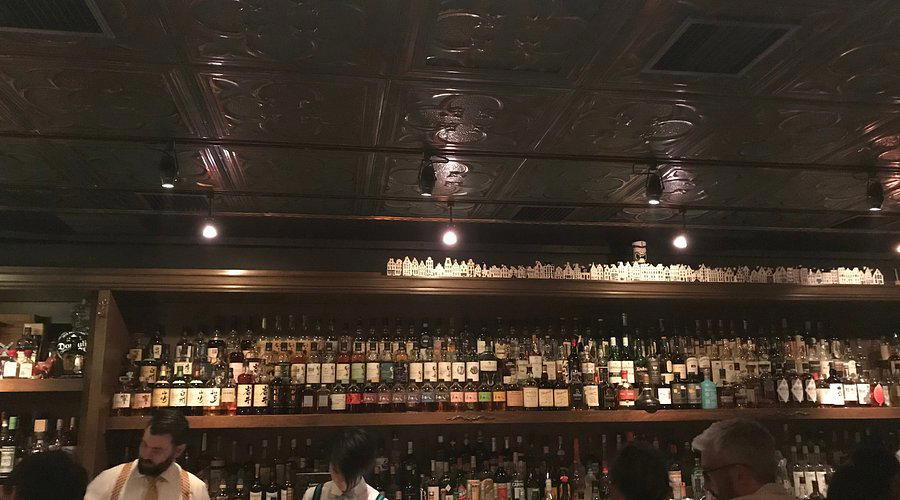
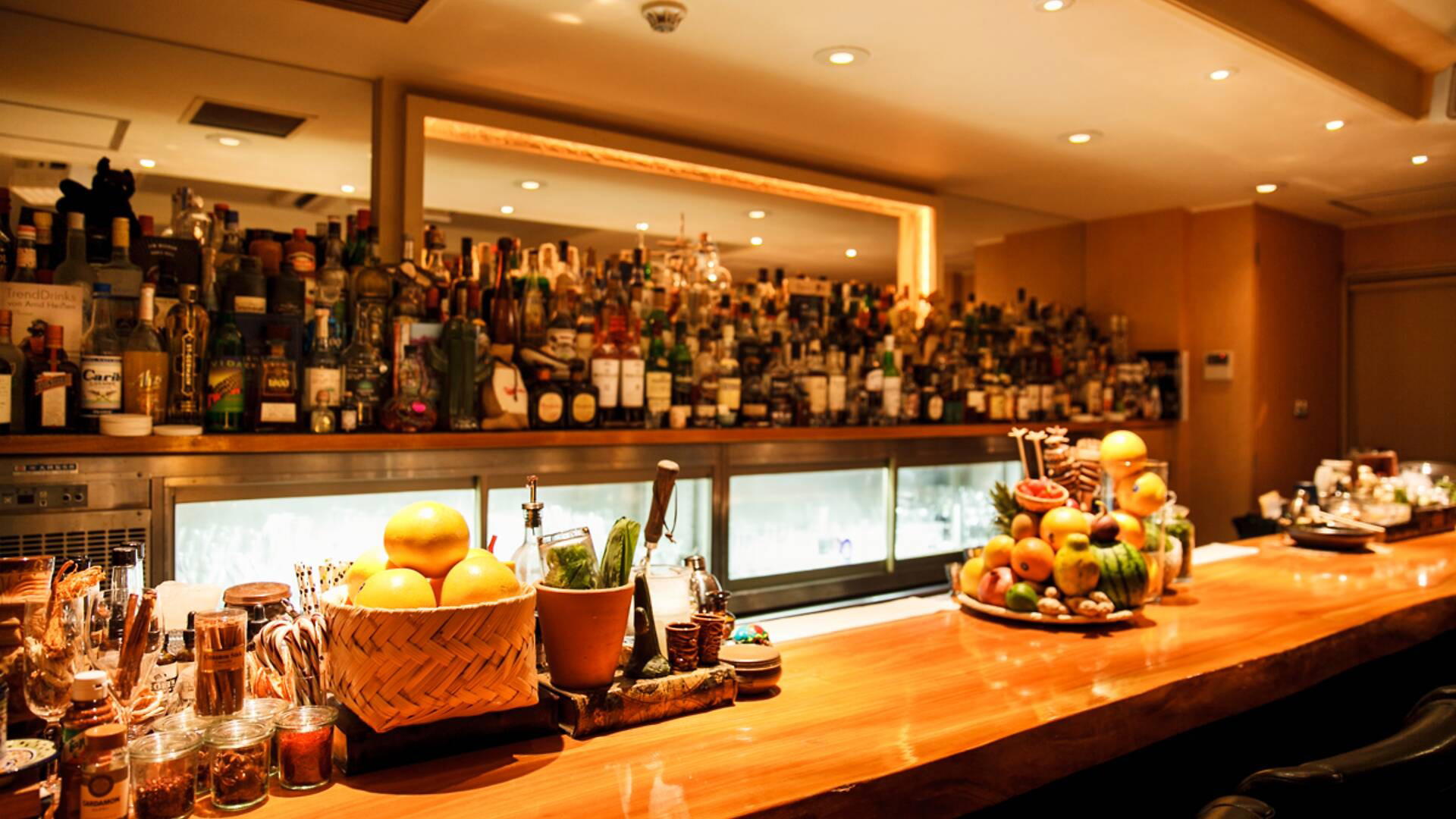
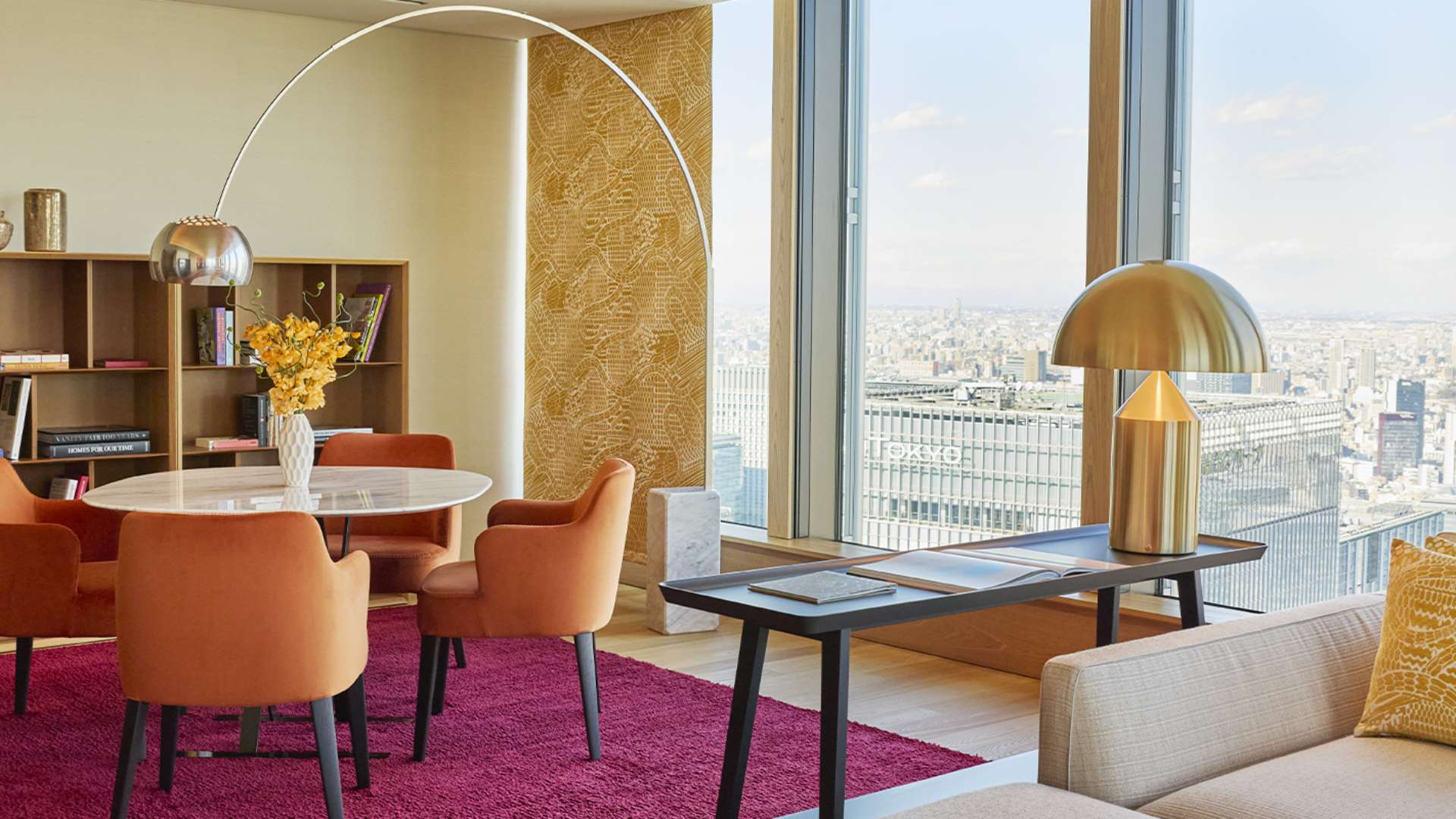
Intimate private dining room with soft lighting enhanced by dynamic digital projections of seasonal Japanese landscapes—cherry blossoms in spring, maple leaves in autumn, waterfalls, and floating flowers—creating a serene, multi-sensory atmosphere.