森ふじ occupies the ground floor of The Figaro Ichigaya in Shinjuku's quieter western fringe, placing it at a remove from Tokyo's more trafficked dining corridors. With sparse public data and no declared cuisine type, the restaurant operates with a low profile that is itself a signal in a city where particularly serious rooms rarely advertise. An address in the Nandomachi district rewards those who track Tokyo's less-announced openings.
Pearl is the En Primeur Club membership app — saves, bookings, and concierge access live there. Same editors, same standards.
- Address
- ザ・フィガロ市ヶ谷, 1F, 32-3 Nandomachi, Shinjuku City, Tokyo 162-0837, Japan
- Website
- omakase.in
 Saves & bookings on Pearl
Ichigaya and the Discipline of Restraint
森ふじ is a Japanese kaiseki restaurant in Shinjuku City, Tokyo, with. The Ichigaya district, on the western edge of Shinjuku City, operates on different logic. The neighbourhood is administrative and residential in character, home to government offices and modest apartment blocks, and restaurants that settle here do so without the structural advantage of tourist flow. That context matters when reading an address like 32-3 Nandomachi: the decision to open in Ichigaya signals something about the intended audience and, by extension, about operating philosophy.
森ふじ (Mori Fuji) sits on the ground floor of The Figaro Ichigaya building, a low-key residential-commercial structure that adds nothing promotional to the address. In a city where restaurant identity is frequently carried by the building itself, the choice of an anonymous host building places the burden of reputation entirely on what happens inside. This is not unusual in Tokyo's more serious dining tiers. Harutaka, one of Ginza's most closely watched sushi counters, operates with similarly minimal street presence. The logic is consistent: the room earns its audience rather than attracting it through spectacle.
Japanese Dining Traditions and the Cultural Weight of Restraint
Japan's culinary culture has long treated restraint as a form of rigour rather than a deficit. The omakase format, the kaiseki sequence, and the intimate counter setting all reflect a shared premise: that the cook's judgment should govern the meal entirely, and that the guest's role is to receive, not direct. This premise runs through RyuGin's kaiseki framework in Roppongi and Harutaka's sushi counter in Ginza equally, despite the difference in cuisine type. What they share is the structural commitment to a specific kind of hospitality, one in which the guest accepts the cook's authority over timing, temperature, and sequence.
The city's most attentive diners have learned to treat limited digital presence as a proxy for a particular kind of seriousness. That reading is not always correct, but the pattern is real enough that it shapes how addresses in quieter districts like Ichigaya are received by those who track the city's dining movements.
森ふじ's profile is limited, but its address and reservation policy place it among Tokyo rooms that require advance planning rather than casual drop-in visits.
The Nandomachi Address in Context
Nandomachi is not a dining district. It has no cluster of comparable rooms, no neighborhood reputation built on restaurant density, and no tourist infrastructure. A restaurant choosing this location is, in effect, opting out of the ambient discovery that comes with proximity to better-known corridors.
This pattern recurs across Japanese cities. Gion Sasaki in Kyoto operates in a district where local knowledge matters more than guidebook placement. Akordu in Nara draws a deliberate audience to a city most tourists treat as a day trip. Goh in Fukuoka built its following in a city that sits largely outside the international press circuit. The geography of serious Japanese dining is, in this sense, wider and more decentralised than coverage patterns suggest. 森ふじ's Ichigaya address fits that broader pattern, even if the specific details of what the room offers remain difficult to verify through public record.
Tokyo's Broader Dining Range
Understanding where 森ふじ sits requires some sense of what surrounds it at the upper end of Tokyo dining. Crony, in the innovative French tier, operates at ¥¥¥¥ and has accumulated recognition for its technical approach. L'Effervescence at the same price level has Michelin stars and a well-documented seasonal focus. These rooms are thoroughly mapped.
Internationally, the contrast is instructive. Le Bernardin in New York and Atomix in the same city both operate with complete transparency around booking, pricing, and format. Tokyo's more opaque rooms represent a genuinely different operating model, not a failure of communication. Readers accustomed to the New York or European premium dining model should account for that difference when approaching addresses like 森ふじ.
Elsewhere in Japan, the same dynamic plays out at different scales. HAJIME in Osaka holds three Michelin stars and operates with corresponding formality. 一本杉 川島酒造 in Nanao and 古仁屋山乃 in Sapporo represent regional rooms that sit well outside international coverage. 湖畔荘 in Takashima and 羽根屋 in Nishikawa Machi extend the pattern further into Japan's less-visited prefectures. Birdland in Sakai and Bistro Ange in Toyohashi similarly serve local audiences with little expectation of international discovery.
Planning a Visit
森ふじ serves Modern Japanese Kaiseki and takes reservations as essential; contact the venue before visiting. The nearest metro access is Ichigaya Station, served by the JR Chuo-Sobu Line, the Tokyo Metro Yurakucho Line, and the Toei Shinjuku Line, placing the address within direct reach of central Tokyo.
Quick reference: 32-3 Nandomachi, Shinjuku City, Tokyo 162-0837, ground floor of The Figaro Ichigaya building. Nearest station: Ichigaya.
Cuisine and Awards Snapshot
Comparable venues nearby, for context on price, style, and recognition.
| Venue | Cuisine | Price | Notes |
|---|---|---|---|
| 森ふじThis venue — the venue you are viewing | Modern Japanese Kaiseki | $$$$ | Not listed |
| おにく 花柳 | Michelin-starred Wagyu kaiseki / meat kappo | $$$$ | Ginza |
| Fukuji (ふぐ福治) | Natural Tiger Fugu Fine Dining | $$$$ | Ginza |
| Ningyocho Imahan Toukyou gaaden terasu kioichou ten | Traditional Wagyu Sukiyaki & Shabu-shabu | $$$$ | Chiyoda |
| Kobe beef 512 | Premium Kobe Beef Yakiniku | $$$$ | Minato |
| Trois Fleches | Japanese Steakhouse | $$$$ | Chiyoda |










At a Glance
- Elegant
- Intimate
- Sophisticated
- Special Occasion
- Date Night
- Private Dining
- Sake Program
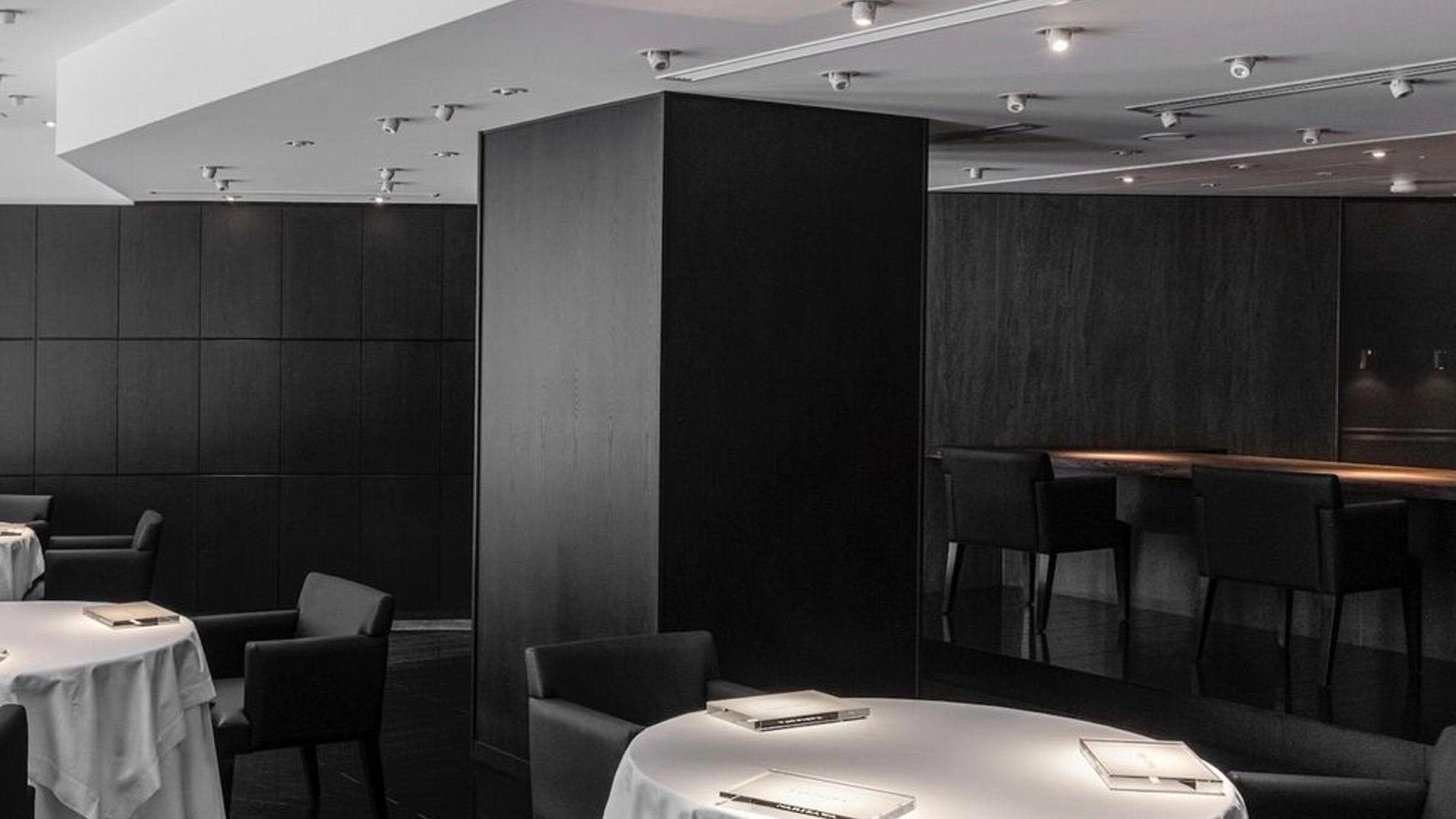
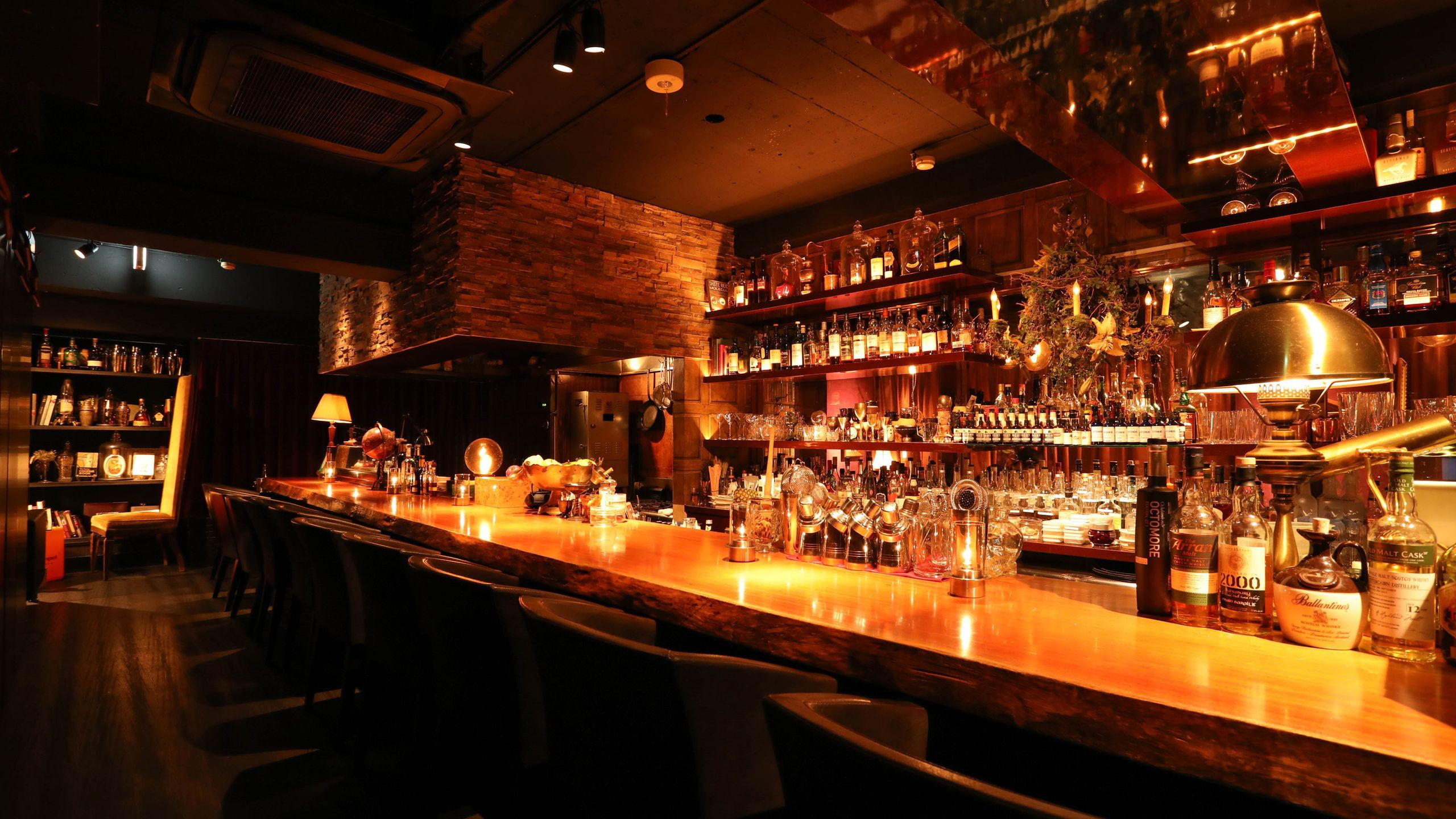
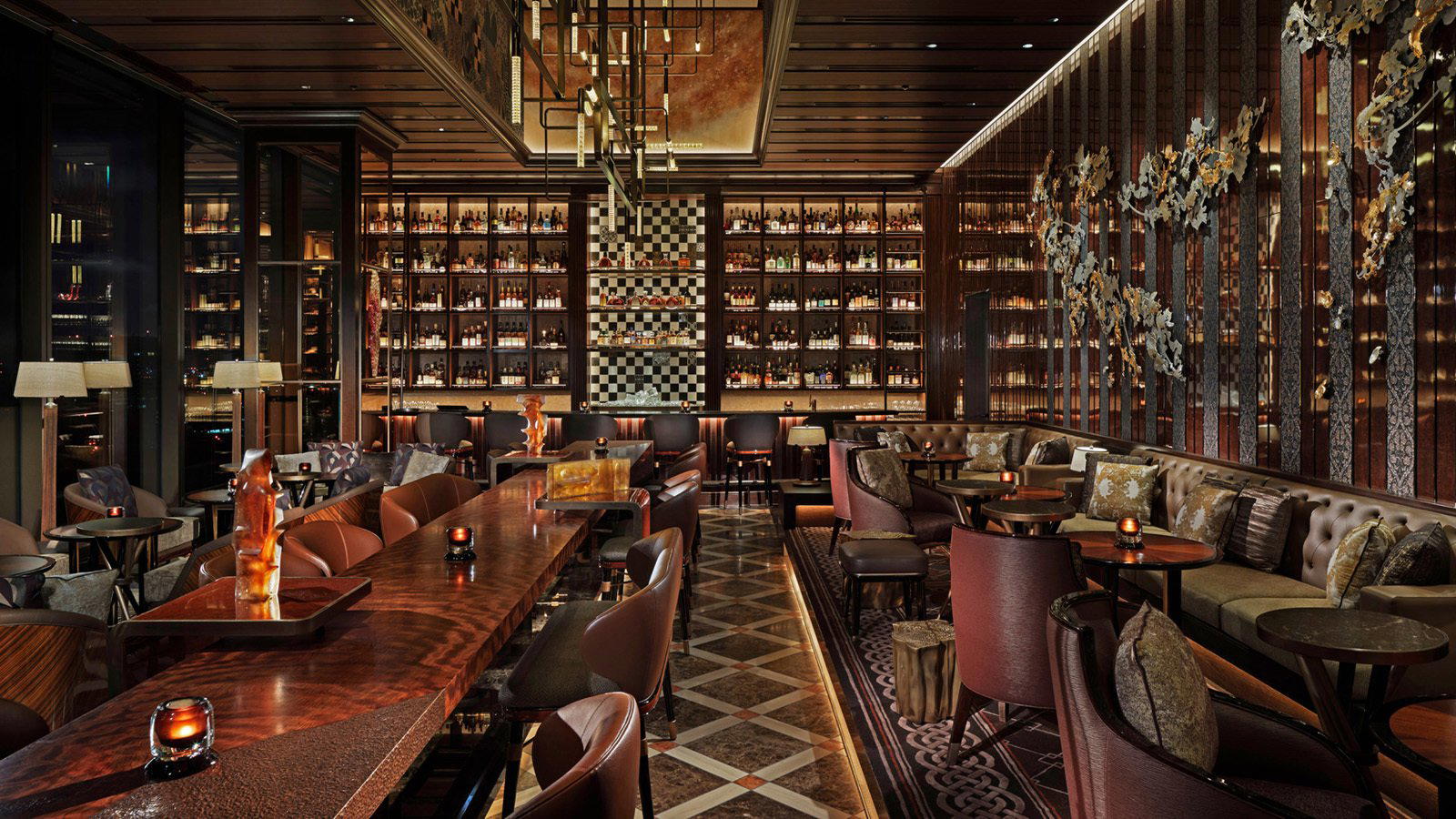
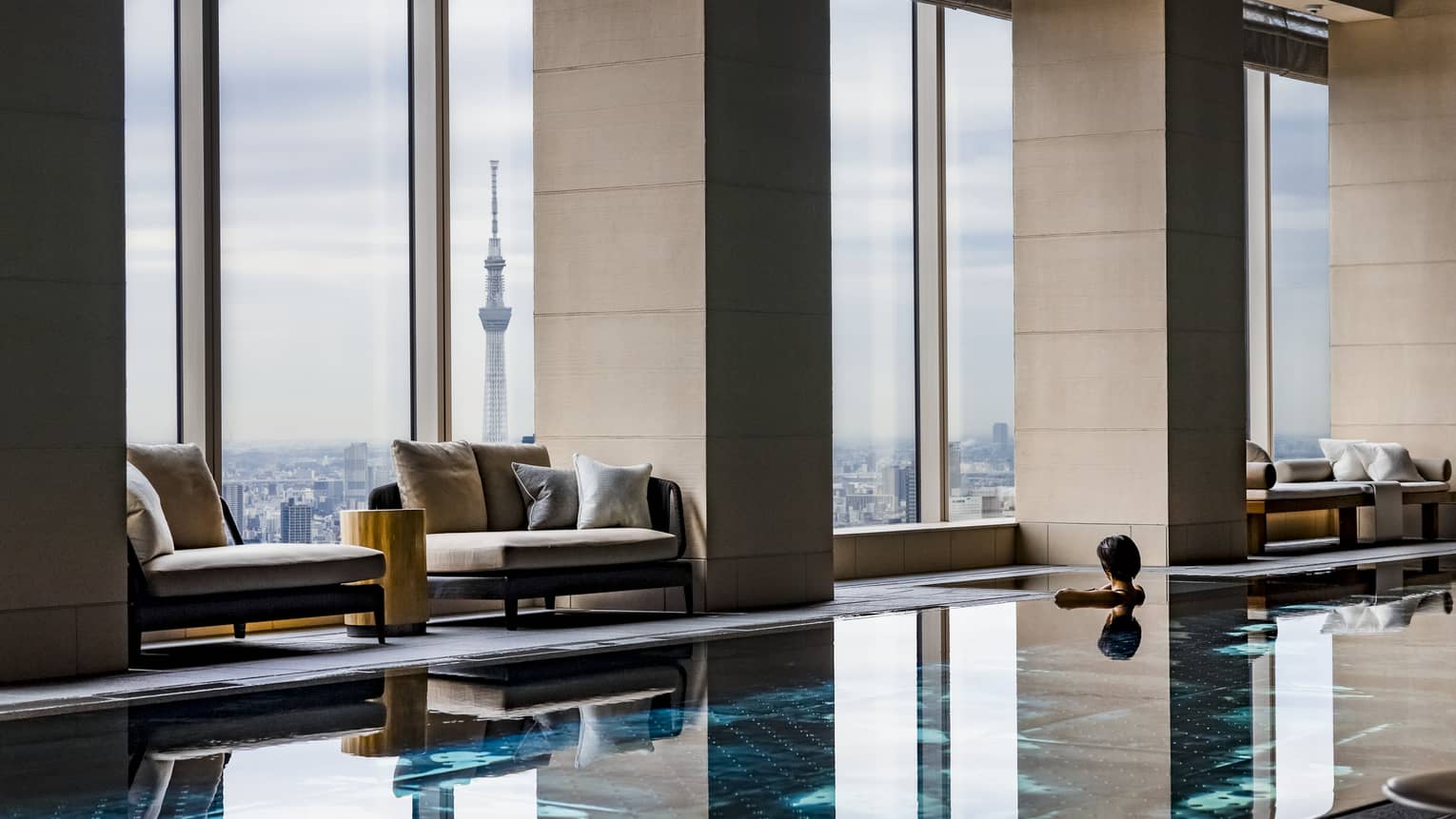
Intimate setting with 5 counter seats and a private room for 6, providing an elegant and exclusive Japanese cuisine experience.