Kobe beef 512 occupies the fourth floor of a building in Akasaka, one of Tokyo's more serious dining districts, positioning itself within the specialist tier of Wagyu-focused restaurants that have made the neighbourhood a reference point for premium beef in Japan. The address places it among a concentration of high-end Japanese dining rooms where sourcing credentials and format discipline carry more weight than scale.
Pearl is the En Primeur Club membership app — saves, bookings, and concierge access live there. Same editors, same standards.
- Address
- Japan, 〒107-0052 Tokyo, Minato City, Akasaka, 3 Chome−21−8 久保ビル 4階
- Phone
- +81362308982
- Website
- tablecheck.com
- Directions
- Get directions
 Saves & bookings on Pearl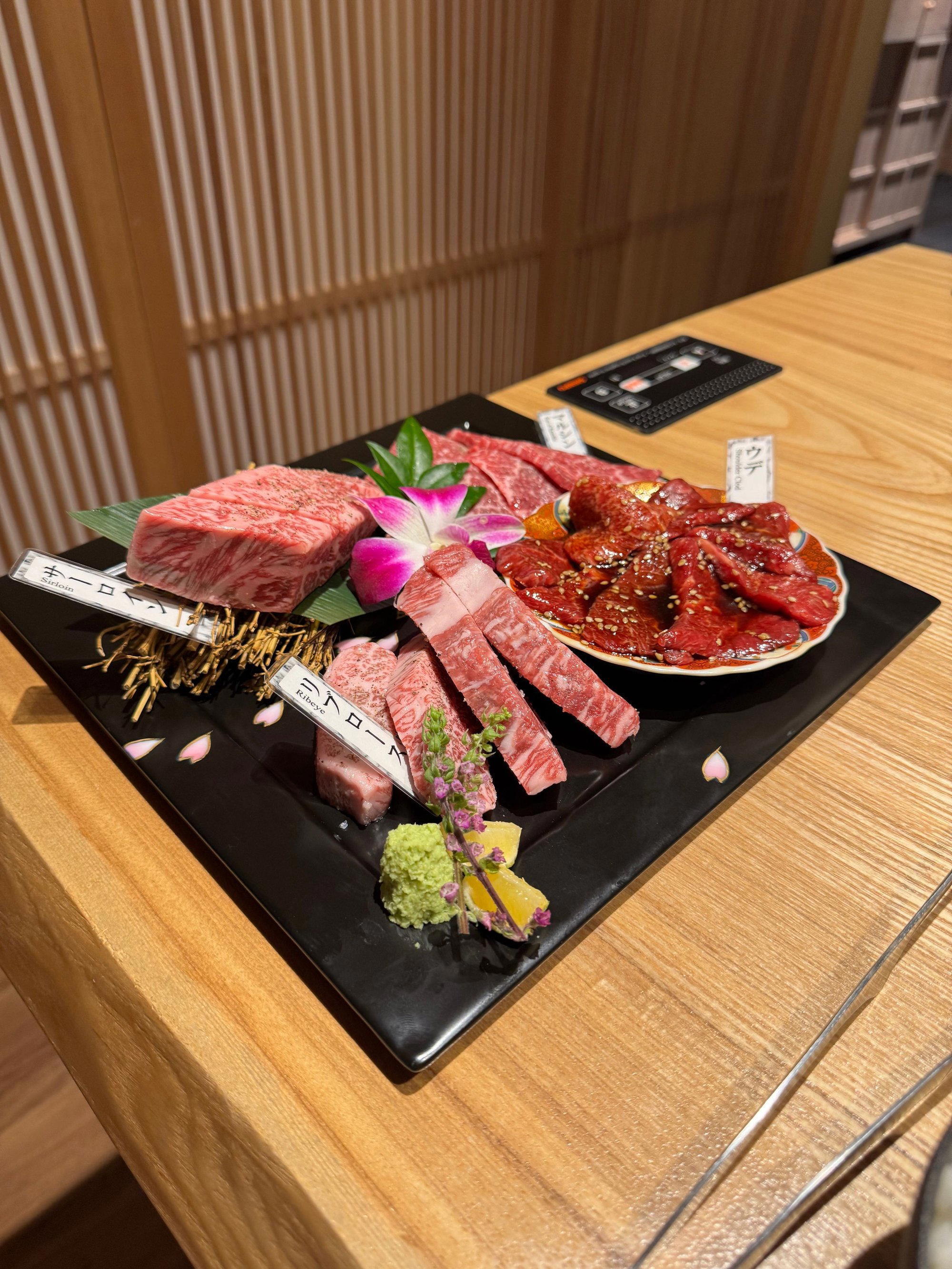
Akasaka and the Grammar of Premium Wagyu Dining
Tokyo's Akasaka district has long functioned as a proving ground for serious Japanese dining. The neighbourhood draws a clientele that rewards restraint and sourcing depth over spectacle, which is why it has accumulated a density of specialist rooms — yakitori counters, kaiseki houses, and Wagyu-focused restaurants — that operate at a different register from the tourist-facing venues of Shinjuku or Shibuya. Kobe beef 512, on the fourth floor of a building at 3-21-8 Akasaka in Minato City, sits inside this tradition. The address is not incidental. In a district where proximity to other serious kitchens functions as a form of credentialing, the location signals what kind of room this is before a guest arrives.
Premium Wagyu dining in Tokyo has split into two recognisable patterns. The first is the large-format steakhouse that trades on name recognition and volume. The second is the smaller, format-disciplined specialist that builds its identity around traceable sourcing, a specific grading standard, and a cooking approach calibrated to the fat structure of the beef itself. Kobe beef 512 belongs to the second category, where the designation in the name, Kobe beef, the most tightly regulated Wagyu certification in Japan, is itself the editorial argument. Only cattle born, raised, and processed in Hyogo Prefecture, meeting specific marbling, weight, and quality grade thresholds set by the Kobe Beef Marketing and Distribution Promotion Association, can carry that name legally. The certification is not a marketing claim; it is a supply-chain restriction that keeps annual production volumes low relative to demand.
The Ethics of a Constrained Supply Chain
The sustainability conversation around premium beef is complicated, and the Wagyu category does not sidestep that complexity by accident. Kobe beef's strict regional provenance requirement, Tajima-strain cattle, Hyogo Prefecture, regulated feed and raising conditions, creates a naturally constrained production system that functions differently from commodity beef at scale. The argument is not that Wagyu production is environmentally neutral; it is that controlled-designation, low-volume beef operates within a framework where traceability is enforceable and output is structurally capped. Restaurants that commit to serving only certified Kobe beef are, in effect, committed to a supply chain that cannot be quietly stretched or substituted without violating the certification itself.
This matters in Tokyo's restaurant context because the city has seen a proliferation of menus featuring terms like "Wagyu" or "A5" without the provenance documentation those grades imply. Certified Kobe beef, by contrast, comes with individual cattle identification numbers that connect each cut to a specific animal and farm. For a dining category where the ethical sourcing conversation often stalls at vague language about relationships with suppliers, that traceability infrastructure is concrete. It is also the kind of supply-chain discipline that aligns Kobe beef 512 with the broader shift among serious Tokyo dining rooms toward verifiable origin claims rather than aspirational ones, a pattern visible at venues like L'Effervescence, where French technique has long been applied to rigorously sourced Japanese produce, and at RyuGin, where kaiseki discipline extends to ingredient selection with similar seriousness.
What the Format Communicates
Specialist Wagyu rooms in Tokyo tend to organise their menus around a cooking method, teppanyaki, shabu-shabu, sukiyaki, or a combination, because the fat composition of high-grade Kobe beef responds differently to each approach. The melting point of Wagyu fat is lower than that of standard cattle breeds, which means cooking temperatures, resting times, and portion sizing are not simply preferences but technical decisions that affect how the beef's oleic acid profile translates at the table. Restaurants that understand this build their format around it rather than offering the beef as an interchangeable protein within a larger menu.
In that context, what distinguishes one venue from another is rarely the certification itself, several serious rooms in Tokyo serve certified Kobe beef, but rather the cooking format, the cut selection, and the degree to which the kitchen's decisions reflect an actual understanding of the material. For guests comparing options across the city, the Akasaka address and the specificity of the certification are the two most legible signals before a booking is made.
Tokyo's broader dining scene offers extensive reference points for how this kind of specialist credentialing works across categories. The rigour applied to Wagyu provenance at rooms like Kobe beef 512 parallels what Harutaka applies to its fish sourcing, or what Sézanne applies to its produce relationships within a French framework. Across Japan more broadly, the same sourcing seriousness appears at venues including HAJIME in Osaka, Gion Sasaki in Kyoto, and akordu in Nara, suggesting that traceability as a core restaurant value is not confined to Tokyo or to any single cuisine format. See Goh in Fukuoka, 一本杉 川島酒造 in Nanao, 夕月亭 九 in Sapporo, 湖畔荘 in Takashima, 庄羽屋 in Nishikawa Machi, Birdland in Sakai, and Bistro Ange in Toyohashi for further reference across the country. Internationally, the traceability standard that defines certified Kobe beef finds a rough parallel in the sourcing discipline at Le Bernardin in New York City and the provenance-led approach of Atomix, also in New York. For innovative French-Japanese crossovers in Tokyo itself, Crony offers a useful point of comparison.
Planning Your Visit
Kobe beef 512 is located at 3-21-8 Akasaka, Minato City, Tokyo, fourth floor, placing it within easy reach of Akasaka-Mitsuke Station on the Marunouchi and Ginza lines. The Akasaka neighbourhood is walkable and well-connected, and the cluster of dining rooms in the immediate area makes it a practical base for an evening that might extend beyond a single booking. Given that certified Kobe beef restaurants in Tokyo operate within a constrained supply model, advance reservations are the appropriate approach regardless of the day of the week. For a broader view of where Kobe beef 512 sits within Tokyo's full dining spectrum, the EP Club Tokyo restaurants guide provides context across cuisine categories and price tiers.
How Kobe beef 512 Tokyo compares with similar nearby venues.
| Venue | Cuisine | Price |
|---|---|---|
| Jigen Do | Japanese Cuisine | JPY 50,000 - JPY 59,999 |
| Atami | Hamburgers | approximately JPY 8,000 - JPY 9,999 per person |
| Makitori Shinkobe | Yakitori | Not listed |
| Raimon | Yakiniku | Not listed |










At a Glance
- Elegant
- Modern
- Intimate
- Sophisticated
- Special Occasion
- Business Dinner
- Celebration
- Date Night
- Private Dining
- Sake Program
Current opening hours
- Monday
- 5–11 PM
- Tuesday
- 5–11 PM
- Wednesday
- 5–11 PM
- Thursday
- 5–11 PM
- Friday
- 5–11 PM
- Saturday
- Closed
- Sunday
- 5–11 PM
Hours can change for holidays and private events. Last verified .
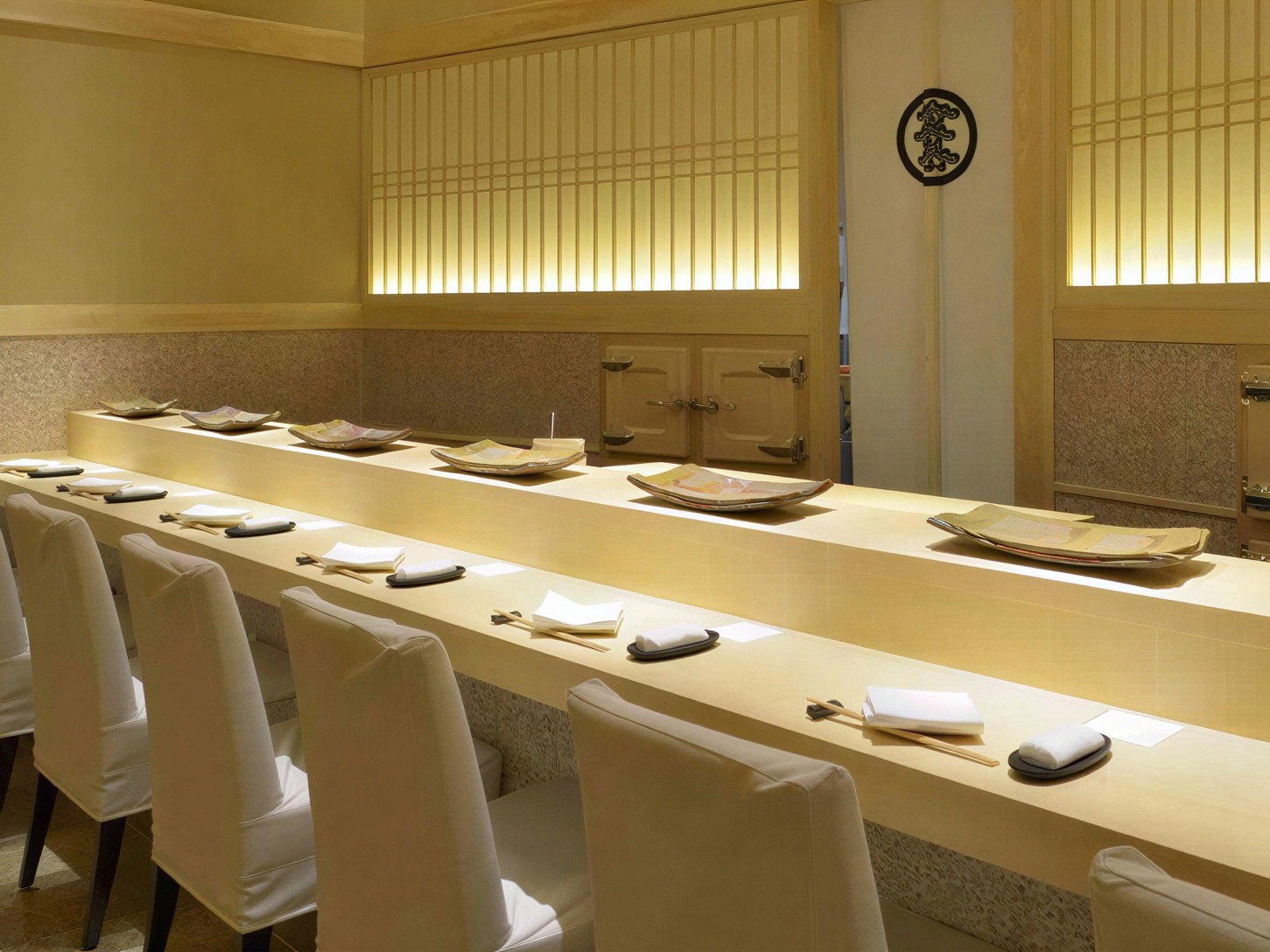
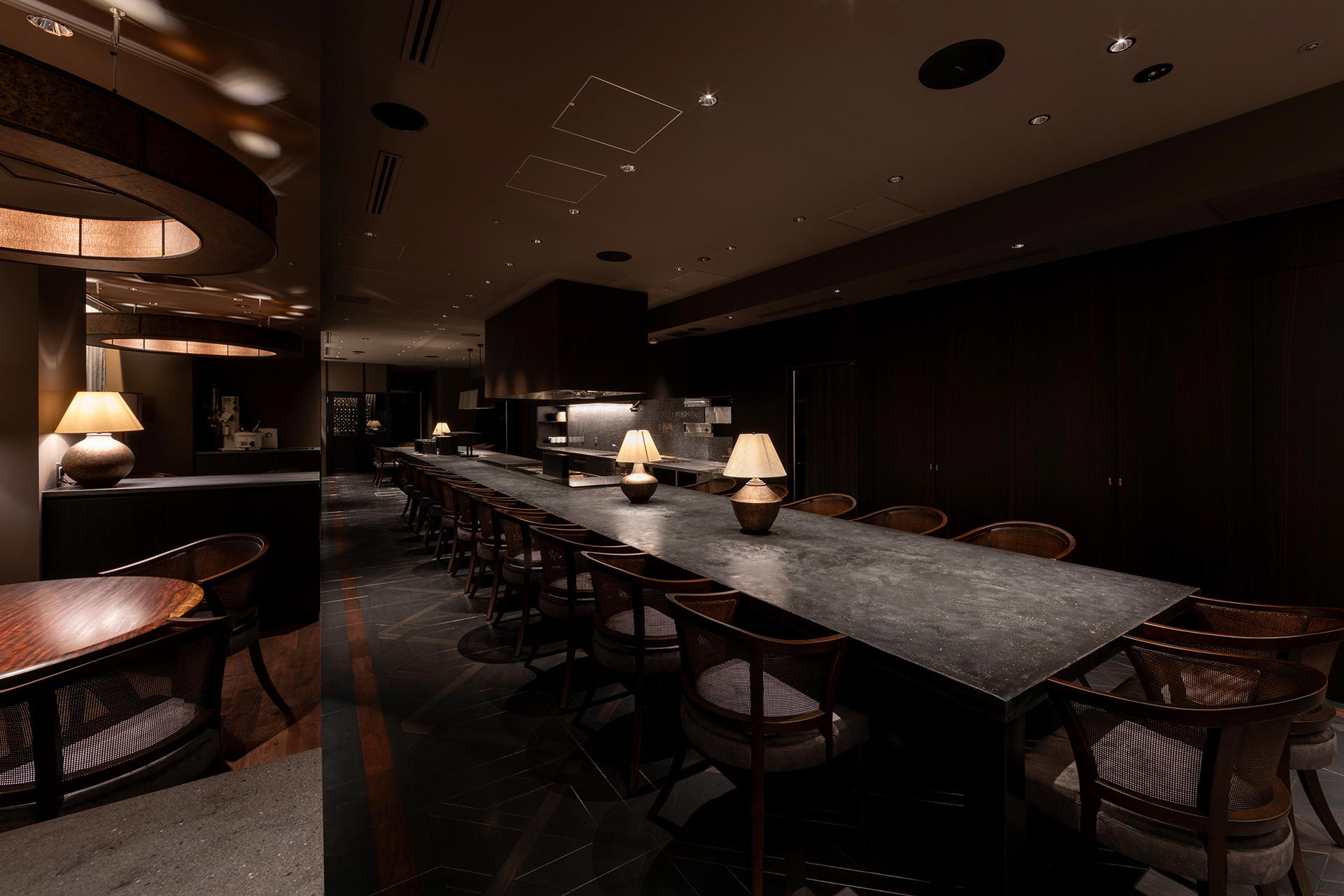
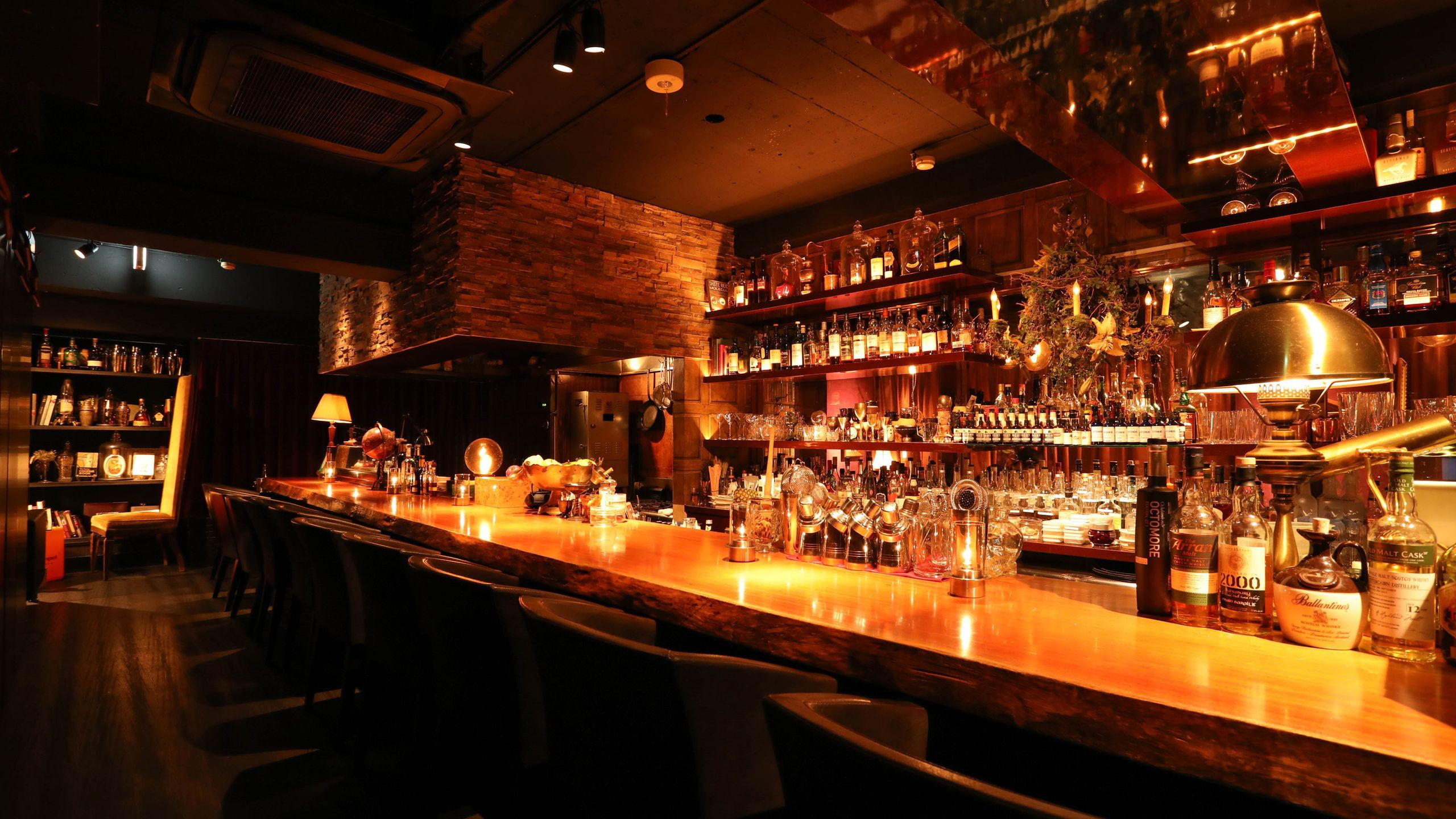
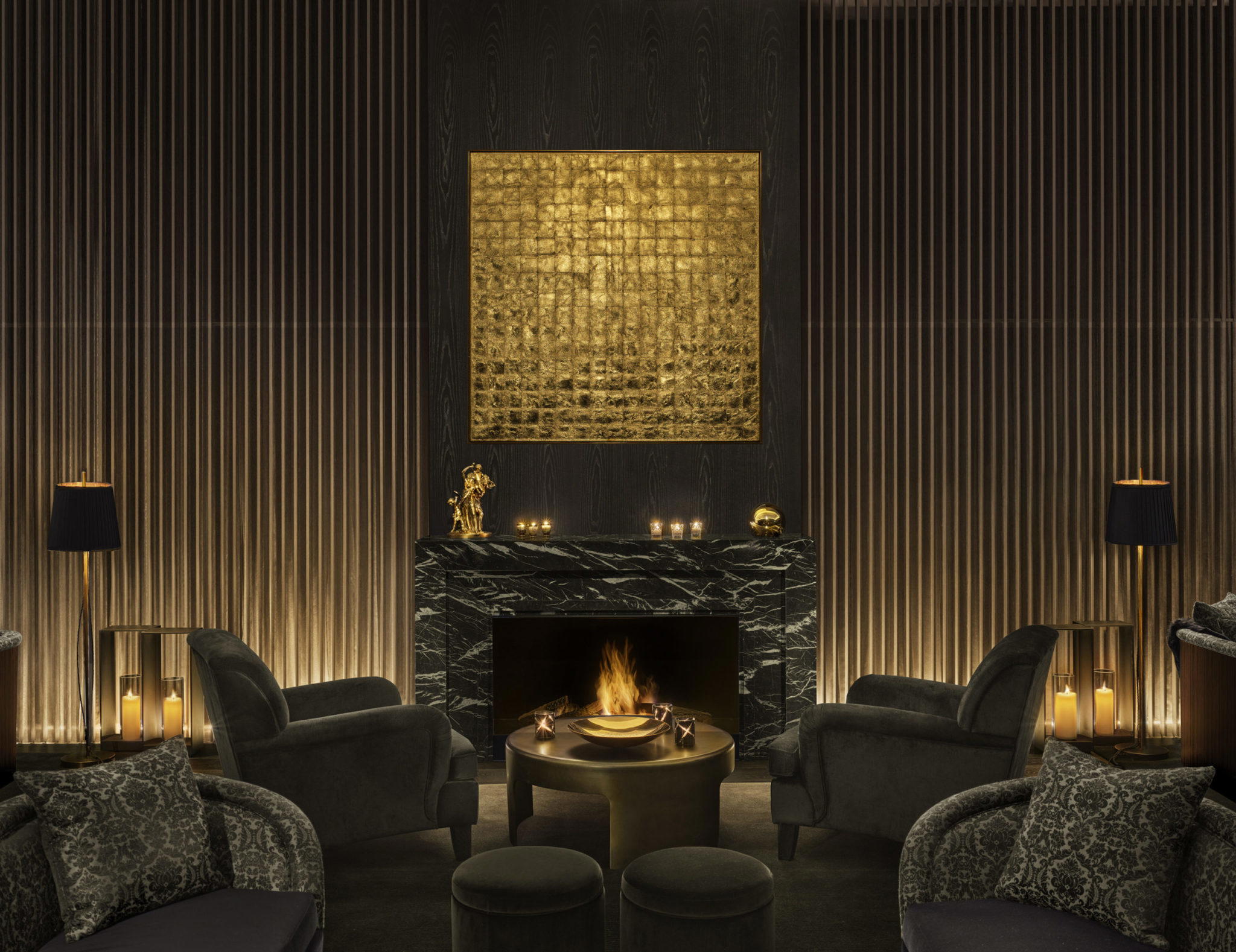
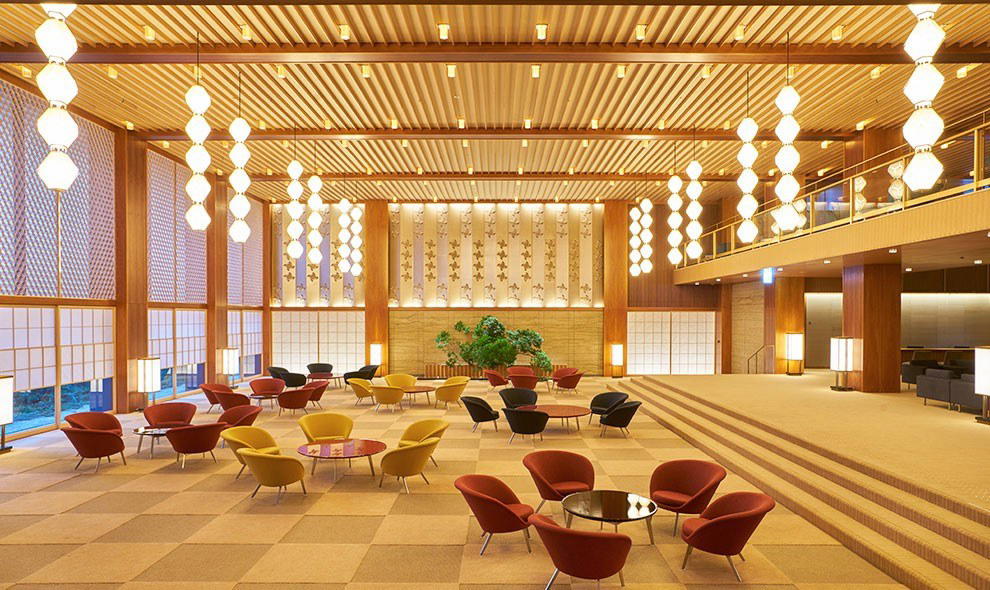
Minimalist modern Japanese interior with wood, stone, and light interplay, creating cozy, elegant private spaces.
Know Before You Go
- Getting there
- Japan, 〒107-0052 Tokyo, Minato City, Akasaka, 3 Chome−21−8 久保ビル 4階