
TEPPANYAKI SOUTHERN brings Tokyo’s teppanyaki grammar into a compact Gotanda setting, with steak, seafood emphasis, wine-bar cues, and selection for Tabelog Steak / Teppanyaki EAST “Tabelog 100” 2025. The sharper way to read it is through the lunch-dinner split: daytime value and evening theatre serve different kinds of Tokyo dining decisions.
Pearl is the En Primeur Club membership app — saves, bookings, and concierge access live there. Same editors, same standards.
- Address
- 東京都品川区西五反田2-10-8 ドルミ五反田ドゥメゾン 112
- Phone
- +81364217706
- Website
- teppan-southern.com
 Saves & bookings on Pearl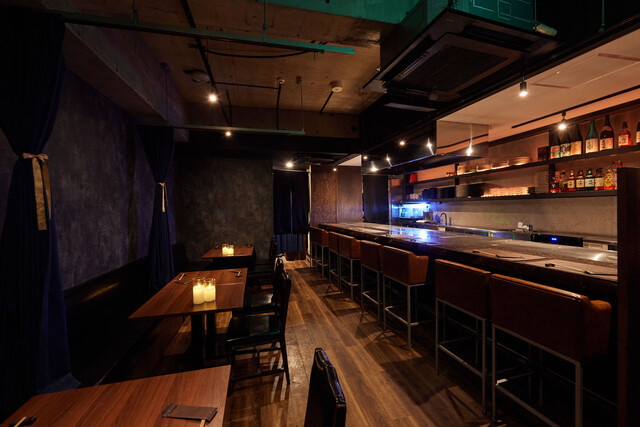
Gotanda changes register quickly: office blocks, station traffic, backstreet restaurants, then the quieter Nishi-Gotanda dining rooms where counter cooking feels less ceremonial than Ginza but no less exacting. Teppanyaki sits between steakhouse, performance, and controlled heat management. At TEPPANYAKI SOUTHERN, the useful question is not whether the format is formal or casual, but whether lunch or dinner gives the sharper read on the room.
Tokyo teppanyaki has long sat between hotel polish and neighbourhood intimacy. Hotels sell occasion and gloss; smaller counters depend on proximity, timing, and confidence in the grill. Gotanda suits the latter. Nearby meat addresses such as Meat Yazawa Gotanda honten sit at a lower spend bracket, while chicken-led rooms such as Niwa Tori and Tori Ryori Fuji set a different evening rhythm. TEPPANYAKI SOUTHERN occupies the steak-and-teppanyaki lane, but its wine-bar category and fish emphasis move it beyond a plain beef-only reading.
Lunch gives value; dinner gives the room its charge
The lunch-dinner divide matters in Tokyo because daytime service often reduces restaurants to value, speed, and clarity. In station-adjacent neighbourhoods, lunch competes with office schedules and repeat local custom. Teppanyaki at lunch can feel especially transparent: fewer distractions, tighter pacing, and a clearer sense of whether the kitchen relies on product or theatre.
Dinner changes the equation. The grill becomes a social centre rather than a production surface, and the category’s strengths come forward: heat, sequence, drink matching, and the quiet satisfaction of watching a course built in front of the table. The stated evening budget places the restaurant above an everyday Gotanda meal and below the rarefied Ginza counter tier. That middle-premium position is where Tokyo often does useful dining: enough spend for ceremony, not enough for trophy exercise.
The Tabelog Steak / Teppanyaki EAST “Tabelog 100” 2025 selection is the relevant trust signal. It does not make the restaurant a luxury shorthand; it places it inside a competitive regional category where steakhouses, counters, and teppanyaki rooms are judged against a dense field. For travellers, that matters more than vague reputation. Tokyo has endless competent grills; category-specific recognition suggests this address has cleared a higher bar within its lane.
Gotanda's appeal is precision without Ginza's theatre tax
Gotanda is not where visitors usually start when mapping Tokyo dining, which is part of the point. The area rewards restaurants that serve local demand while giving destination diners reason to cross town. Compared with Shinjuku’s volume, Ginza’s formality, or Ebisu’s lifestyle sheen, Gotanda is direct: meals must justify themselves on price, format, and repeatability.
That makes teppanyaki more interesting here. The room can use counter seats and sofa seats without pretending to be a grand hotel salon, while a small 20-seat footprint keeps the experience close to the cooking. Private rooms are not part of the equation; curtains separate some seats, which tells seasoned diners what to expect. This is not built for sealed-off corporate privacy. It is built for watching the grill, drinking properly, and keeping the meal contained.
The drinks structure reflects a broader Tokyo trend. Steak and teppanyaki rooms increasingly operate with wine-bar instincts rather than old-school steakhouse rigidity, and this address lists sake, shochu, wine, and cocktails. That breadth matters because teppanyaki can move across fat, char, seafood, and rice-based endings in one meal. A narrow red-wine-only mentality would shrink the format.
For readers comparing across the city, Our full Tokyo restaurants guide gives the broader map, while adjacent Tokyo styles can be read through . 鮪と炭火焼き うお炭 秋葉原店, 12/10 Shinjuku ten, 124. KAGURAZAKA (Yakitori), 2D Cafe, and 3 Chome no Curry Ya San. The contrast helps: Tokyo dining is not a single hierarchy but specialised formats, each with its own rules of value.
Who should choose the counter, and who should choose the table
Counter seats suit adults who want teppanyaki grammar in full view: ingredients meeting iron, timing controlled in public, the meal paced by sequence rather than private conversation. Table seating suits families and mixed groups, especially given the policy that children under 10 should sit at tables rather than the counter. That is not minor logistics; it reflects the format. A counter can be absorbing, but it is less forgiving.
The English menu helps visitors who want Japanese teppanyaki without relying entirely on translation apps. The reservation caution on perfume and strong scents also fits the category. Teppanyaki is aroma-driven, and heavily scented guests can affect surrounding diners. In a compact room, that etiquette is not preciousness; it is part of how the meal works.
For travel planning beyond the table, Tokyo’s dining ecosystem sits alongside hotels, bars, and cultural formats that shape the same itinerary. Use Our full Tokyo hotels guide, Our full Tokyo bars guide, Our full Tokyo wineries guide, and Our full Tokyo experiences guide for the wider city frame. For Japan and overseas contrast, compare the beef focus of -Grilled beef Sukiyaki- KAMAKURA TANUKIAN 鎌倉 たぬき庵 in Kamakura, the café formats at.cafe in Osaka and.know in Kumamoto, the regional range of (Shoku) Vietnam in Kawasaki, [Curry Senmon Ten] Maruyama Kyoju. in Sapporo, and [ki:] in Kyoto, plus the Japanese drinking and casual food references at Jōdo Saké Bar in Los Angeles and Onigiri Time in Pasadena.
The editorial call is simple: choose lunch when value and clarity matter; choose dinner when the counter, drinks, and sequence are the point. In a city where premium dining can drift into ceremony for ceremony’s sake, this Gotanda teppanyaki address is strongest as a controlled, compact alternative to the bigger-name districts.
Same-City Peers
Comparable venues to calibrate price, style, and recognition.
| Venue | Cuisine | Price | Notes |
|---|---|---|---|
| TEPPANYAKI SOUTHERNThis venue — the venue you are viewing | Teppanyaki Steakhouse | $$$$ | Not listed |
| Ginza 1954 | Japanese Bar | $$$$ | Ginza |
| Kyoaji (京味) | Traditional Kyoto-Style Kaiseki Omakase | $$$$ | Shinbashi |
| Ningyocho Imahan Toukyou gaaden terasu kioichou ten | Traditional Wagyu Sukiyaki & Shabu-shabu | $$$$ | Chiyoda |
| Ginza Komon | Seasonal Japanese Kaiseki with Sake Focus | $$$$ | Chūō |
| Yama no Ue | Edo-Style Tempura | $$$$ | Chūō |
Recognition history
Dated appearances from independent guides and award organizations, with the underlying list record or original source where available.
Tabelog 100 #8 · No. 8
Tabelog · Tabelog 100 - Steak / Teppanyaki - EAST - 2025












At a Glance
- Sophisticated
- Elegant
- Intimate
- Modern
- Cozy
- Date Night
- Business Dinner
- Group Dining
- Celebration
- Special Occasion
- Chefs Counter
- Open Kitchen
- Design Destination
- Standalone
- Extensive Wine List
- Beer Program
- Local Sourcing
- Sustainable Seafood
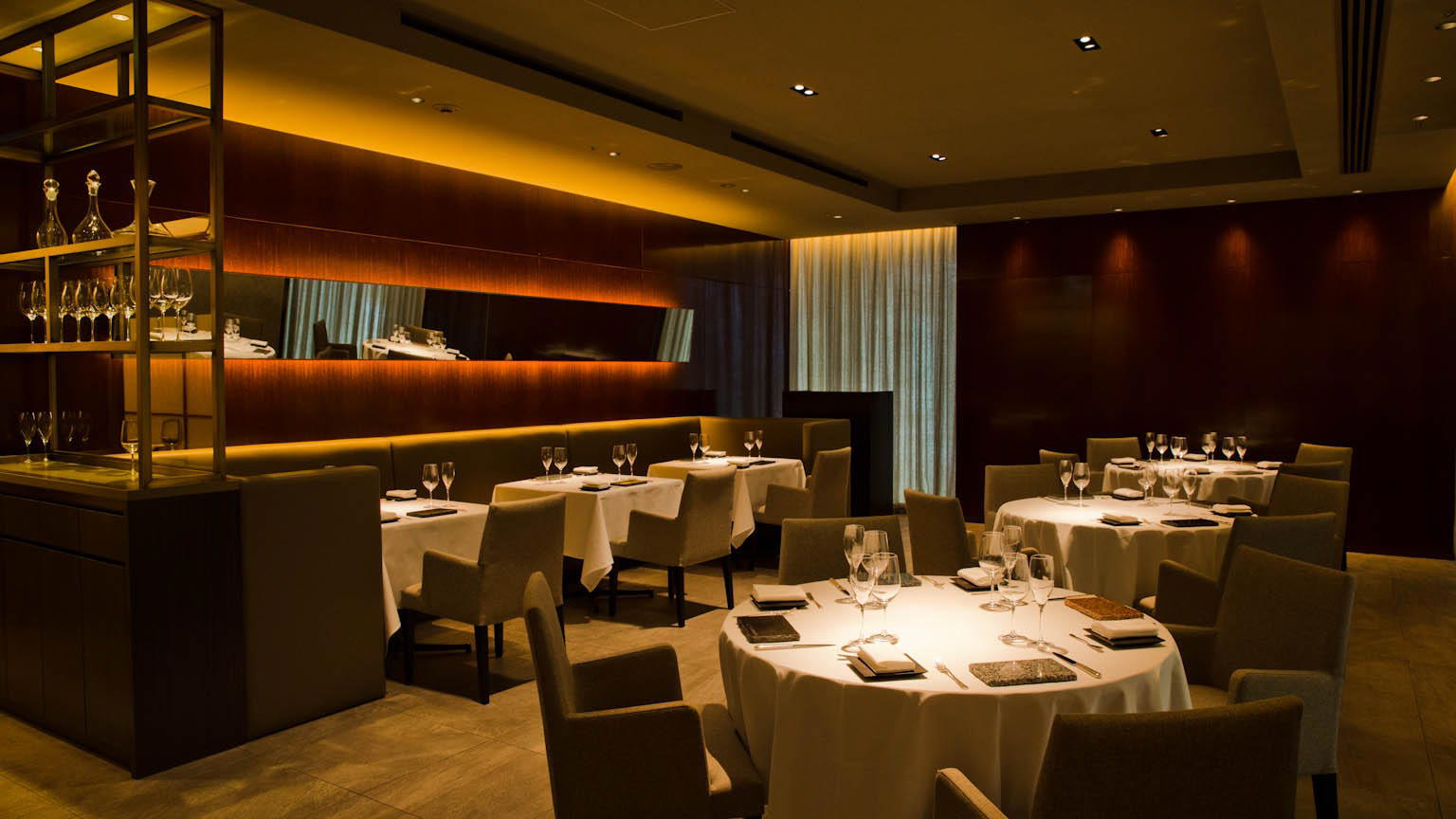
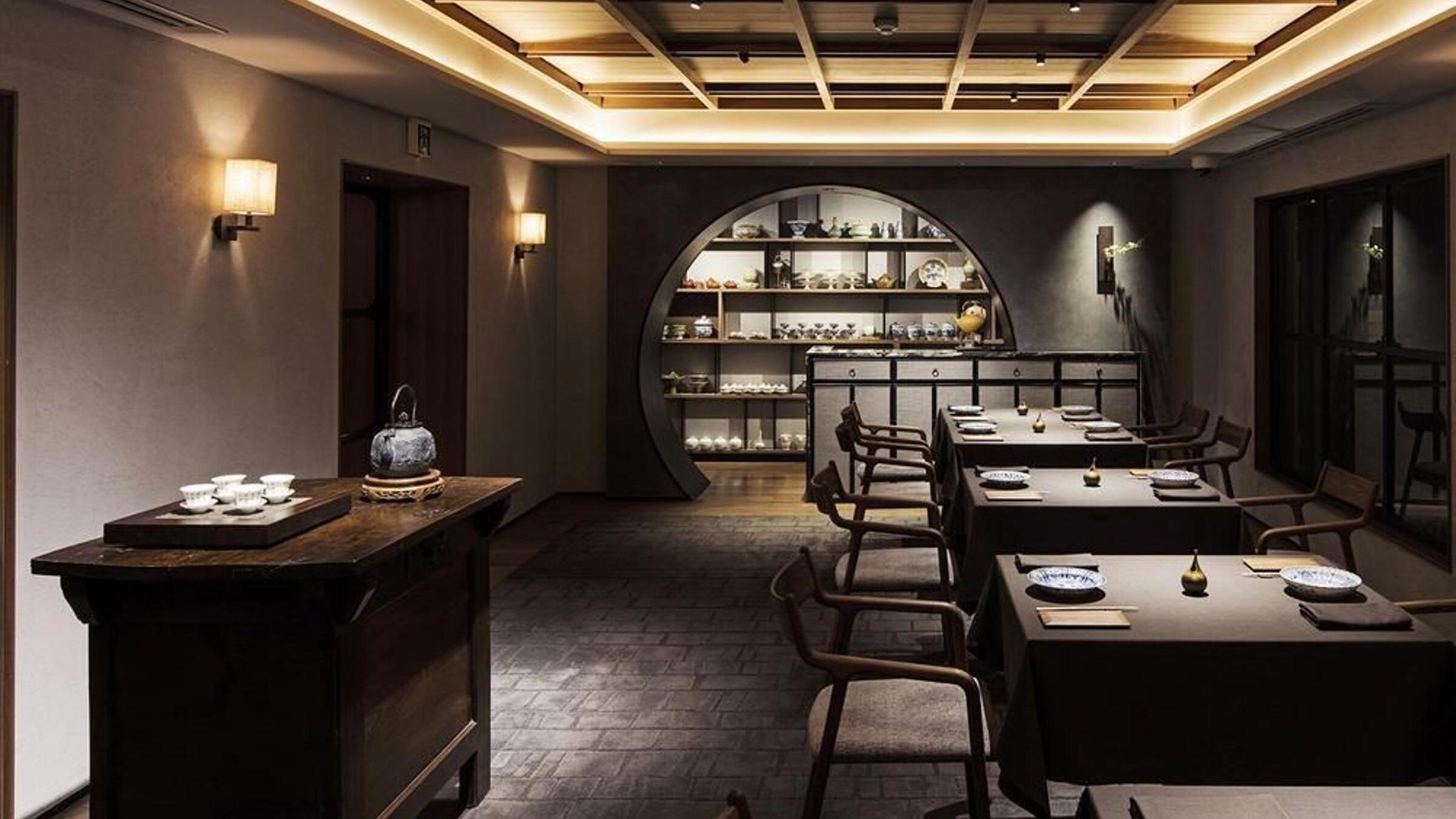
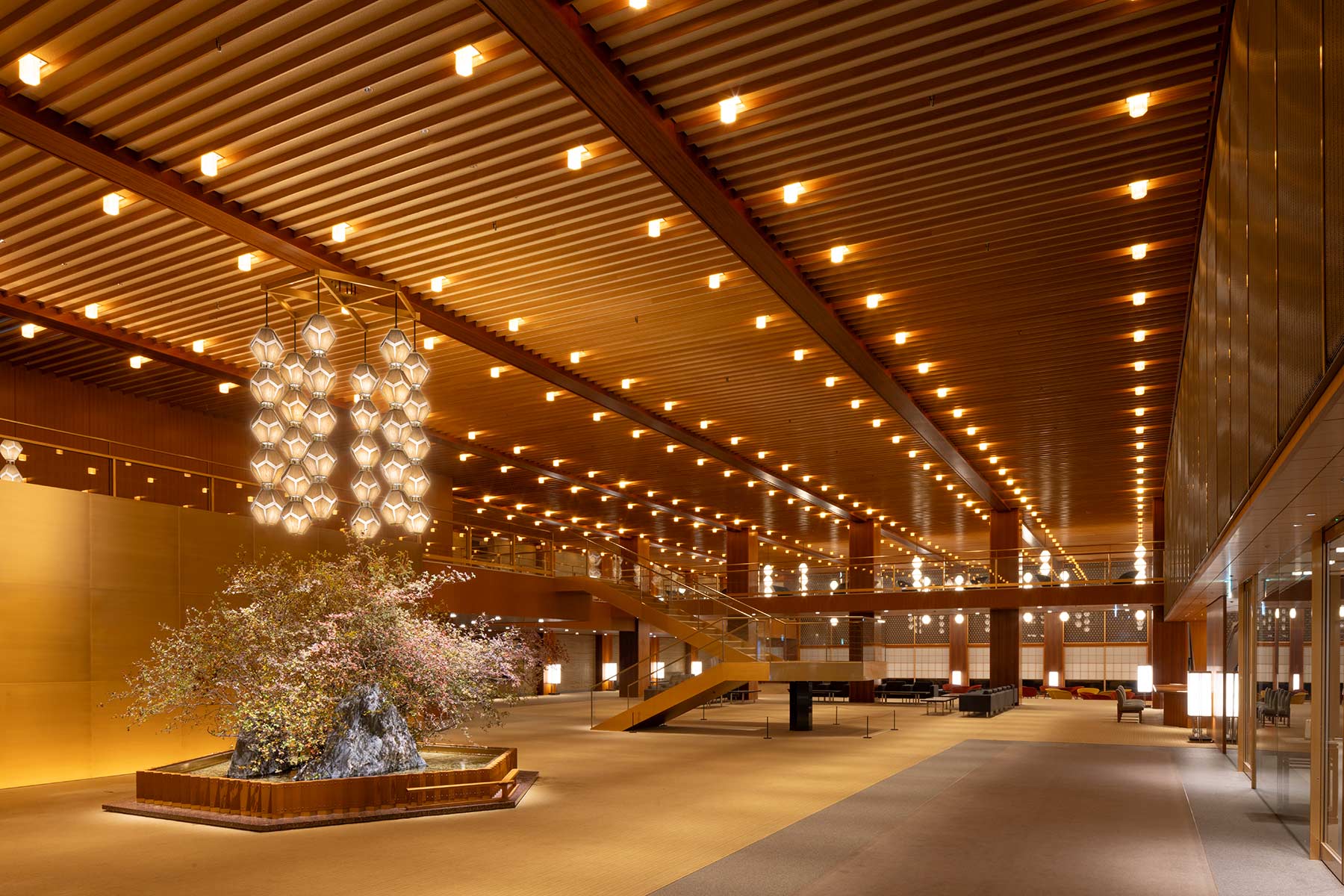
A sleek, gray-and-black interior that feels calm and intimate, with an at-home atmosphere created by close interaction between staff and guests.