リスペット occupies the ground floor of a low-rise building in Yokohama's Nishi Ward, sitting at a point in the city where European technique and Japanese produce have long found common ground. The restaurant operates within a dining tradition that Yokohama, as Japan's oldest open treaty port, practically invented. For the context that defines contemporary Kanagawa dining, see our full Yokohama restaurants guide.
 Discover on Pearl
Pearl is the En Primeur Club membership app — saves, bookings, and concierge access live there. Same editors, same standards.
- Address
- Japan, 〒220-0041 Kanagawa, Yokohama, Nishi Ward, Tobehoncho, 39−8 ストークビル高島 1F
- Phone
- +81455349685
- Website
- rispetto.jp
Where Port-City History Shapes the Plate
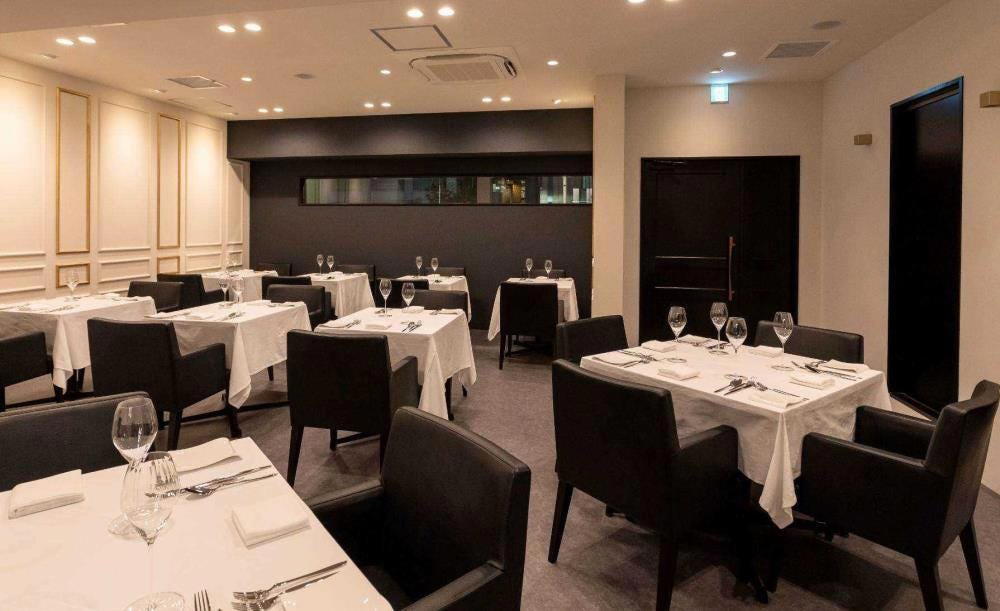
Yokohama has been Japan's most porous city for over 160 years. When the port opened in 1859, the exchange was not only commercial; it was culinary. European technique entered through Nishi Ward and Kannai before spreading inland, and the city's restaurants have been negotiating that inheritance ever since. リスペット is a restaurant in Yokohama's Nishi Ward, serving Modern Italian with Japanese Ingredients, at about USD 100 per person. It sits on Tobehoncho, a quiet address in Nishi Ward that places it inside a neighbourhood where that history is not decorative, it is structural. The building is low-rise, the ground-floor entrance modest, and the interior communicates the restraint that serious Japanese dining rooms have long preferred over spectacle.
That modesty of approach is worth reading carefully. In Yokohama's mid-to-upper dining tier, where venues like Nakajo anchor a tradition of disciplined sushi craft and 1000 (Yakitori) demonstrates what serious grilled-chicken counter culture looks like at the JPY 15,000 to 19,999 price point, the positioning of a restaurant communicates its competitive logic before the food arrives. リスペット's Nishi Ward address, away from the tourist density of Chinatown and the Minatomirai waterfront, signals a room built for regulars rather than first-time visitors.
The Intersection of Imported Method and Local Produce
The editorial angle that matters most for understanding contemporary Yokohama dining is the one Yokohama itself invented: what happens when European culinary method meets Japanese ingredient discipline. This is not a recent fusion trend. It is a structural feature of the city's hospitality history, and it continues to organise how serious restaurants here position themselves relative to peers in Tokyo, Kyoto, and Osaka.
Across Japan's premium dining tier, the most intellectually coherent restaurants are those that have resolved the tension between imported technique and indigenous product into a consistent, legible point of view. HAJIME in Osaka operates at the extreme precision end of that spectrum. Gion Sasaki in Kyoto achieves it through kaiseki's seasonal discipline. akordu in Nara applies Basque training to Yamato ingredients. In each case, the kitchen's authority derives not from the technique or the ingredient alone, but from the clarity of the argument that connects them.
Yokohama's position in that conversation is historically grounded. The city's Chinatown, the largest in Japan, introduced cooking methods and flavour frameworks that became embedded in the local palate. Simultaneously, the Western-style yoshoku tradition developed along the waterfront and spread into everyday Kanagawa cooking. A restaurant operating in Nishi Ward today inherits both of those currents, whether it explicitly acknowledges them or not.
The Yokohama Dining Context
Yokohama's restaurant scene has a different structure than Tokyo's. The density of Michelin-recognised venues is lower, and the city's dining culture rewards neighbourhood-specific regulars rather than destination-driven visitors. Manchinro Tenshinpo in Chinatown demonstrates one version of that embedded authority, a dim sum house whose reputation is built on decades of consistent craft and local loyalty, not award cycles. Nodaiwa occupies a similar position in unagi, where Tokyo lineage meets Yokohama placement.
The restaurants that sit outside Chinatown and the established waterfront corridor tend to operate on tighter booking windows and smaller rooms, building their reputation through word-of-mouth within a specific neighbourhood catchment. That structure places higher demands on consistency than on spectacle, which is why Nishi Ward addresses like Tobehoncho function as credibility markers rather than limitations. Across Japan, the most considered dining rooms in secondary cities and quieter urban districts share this logic, from Goh in Fukuoka to restaurants operating in Sapporo's quieter dining corridors.
For comparison points outside Japan, the dynamic echoes what Atomix in New York City achieves by grounding Korean technique in a fine-dining format that reads clearly to an international audience, or what Le Bernardin has demonstrated for decades about the value of a singular, legible culinary argument sustained over time. The geography differs; the underlying logic of disciplined technique applied to specific product does not.
Planning a Visit
Yokohama's Nishi Ward is directly accessible from Yokohama Station, one of Japan's busiest rail interchanges, which connects JR lines, the Tokyu Toyoko Line, and the municipal subway. Tobehoncho is a short walk from the station's west exit, making リスペット more accessible than its quiet address might suggest. For visitors travelling from Tokyo, Yokohama is 25 minutes on the Tokyu Toyoko Line from Shibuya or roughly 30 minutes on the JR Tokaido Line from Shinjuku.
Reservation is recommended, and the restaurant is generally open Mon to Fri from 11:30 AM to 3 PM and 6 to 8 PM, with Sat and Sun service from 12 to 8 PM. Enishi and comparable neighbourhood-anchored venues in the city operate on similar booking logics.
Seasonal timing matters in Yokohama as it does throughout Kanagawa. The late-autumn and winter months shift local produce toward root vegetables, aged fish preparations, and the warming formats that Japanese kitchens handle with particular authority. Spring brings the bamboo shoots, young greens, and lighter preparations that mark the culinary year's reset. Visiting with a seasonal intention, rather than treating the meal as a fixed experience, is how regulars at this type of venue extract the most from each visit.
Related Venues Worth Knowing
- Nakajo, Yokohama's disciplined sushi counter tradition
- 1000 (Yakitori), Serious grilled-chicken format at JPY 15,000 to 19,999
- Manchinro Tenshinpo, Chinatown's embedded dim sum authority
- Nodaiwa, Unagi with Tokyo lineage in Yokohama
- Enishi, Neighbourhood-anchored dining in the city
- Harutaka in Tokyo, For a Tokyo peer-set reference point
- 一本木 名川製 in Nanao, Regional Japanese dining outside the major cities
- 湖畔荘 in Takashima, Lakeside Kansai-adjacent format
- 庭羽屋 in Nishikawa Machi, Mountain-district Japanese dining
- Birdland in Sakai, Yakitori craft at a regional level
Peers in This Market
Comparable venues nearby, for context on price, style, and recognition.
| Venue | Cuisine | Price | Notes |
|---|---|---|---|
| リスペットThis venue — the venue you are viewing | Modern Italian with Japanese Ingredients | $$$ | |
| Napule Yokohama takashimaya ten | Traditional Neapolitan Pizza & Southern Italian Trattoria | $$ | Nishi |
| Sisiliya | Neapolitan Pizza & Italian Bar | $$ | Naka |
| Tempura Fukunishi Zen to Takumi | Seasonal Tempura | $$$ | Nishi |
| Teuchi Soba Fuurai Kyo | Seasonal Handmade Soba & Soba Kaiseki | $$$ | Aoba |
| Yokohama Motomachi Mutekiro | French Fine Dining | $$$ | Naka |










At a Glance
- Elegant
- Sophisticated
- Intimate
- Date Night
- Special Occasion
- Celebration
- Chefs Counter
- Extensive Wine List
- Sake Program
- Local Sourcing
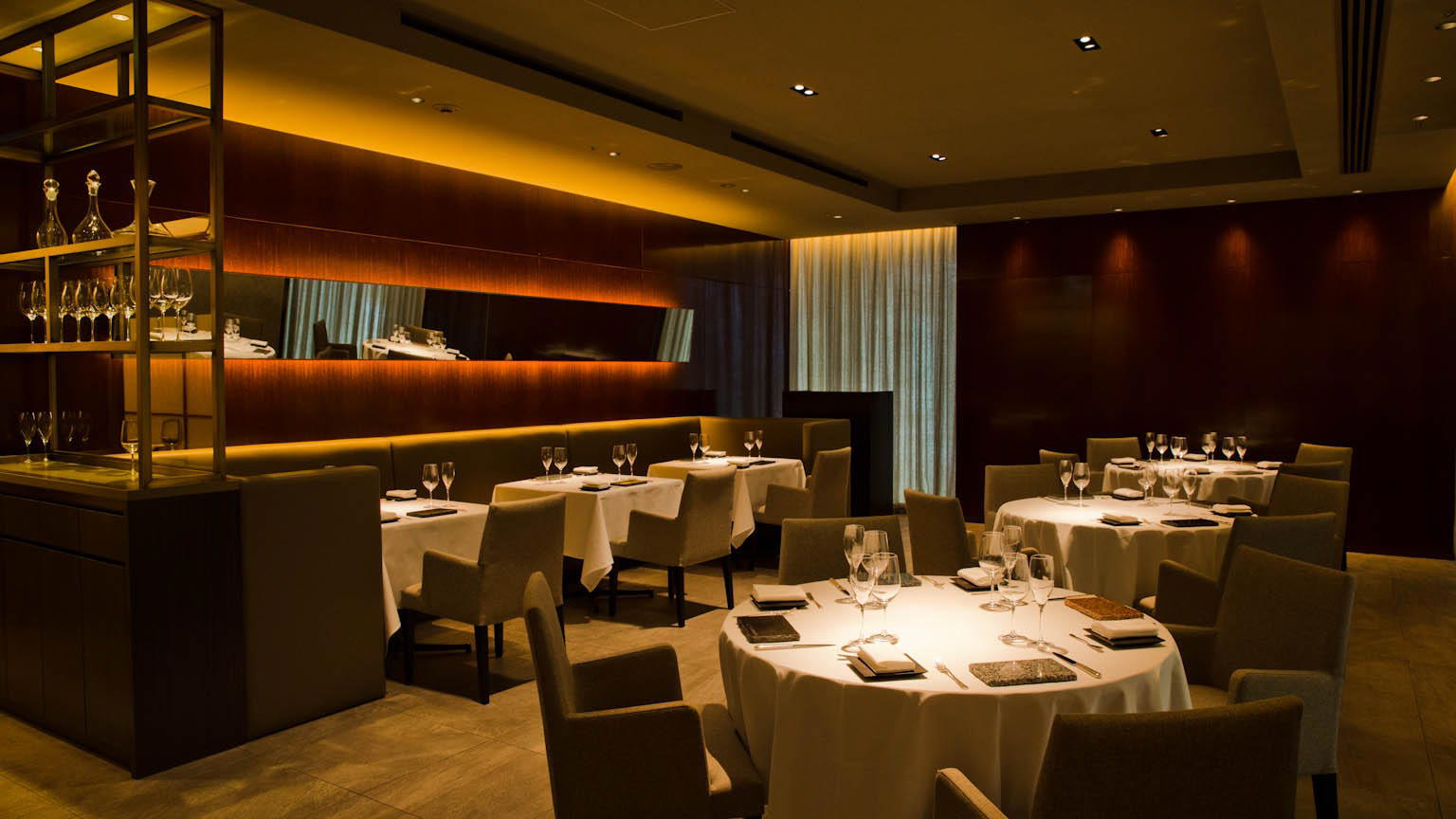
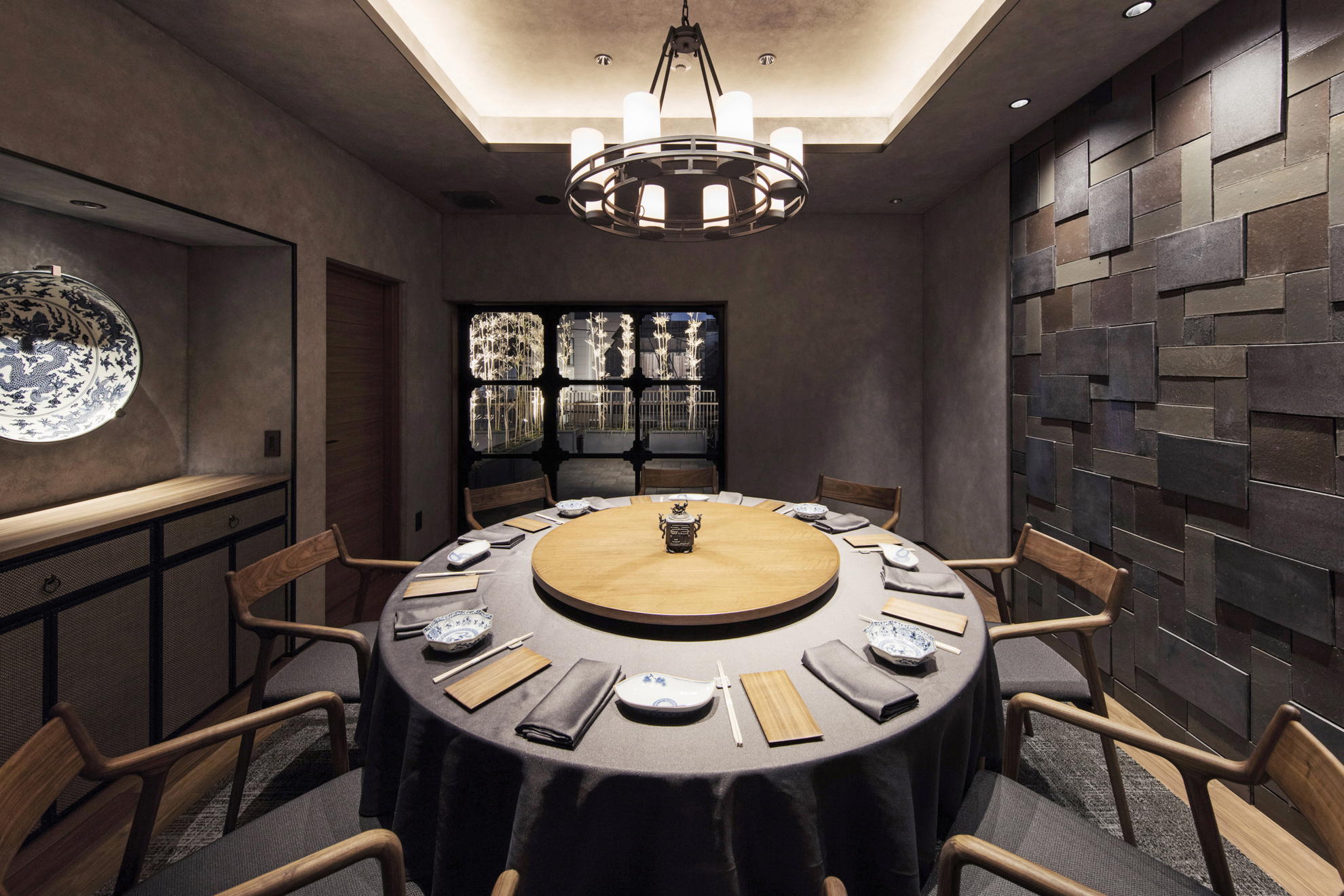
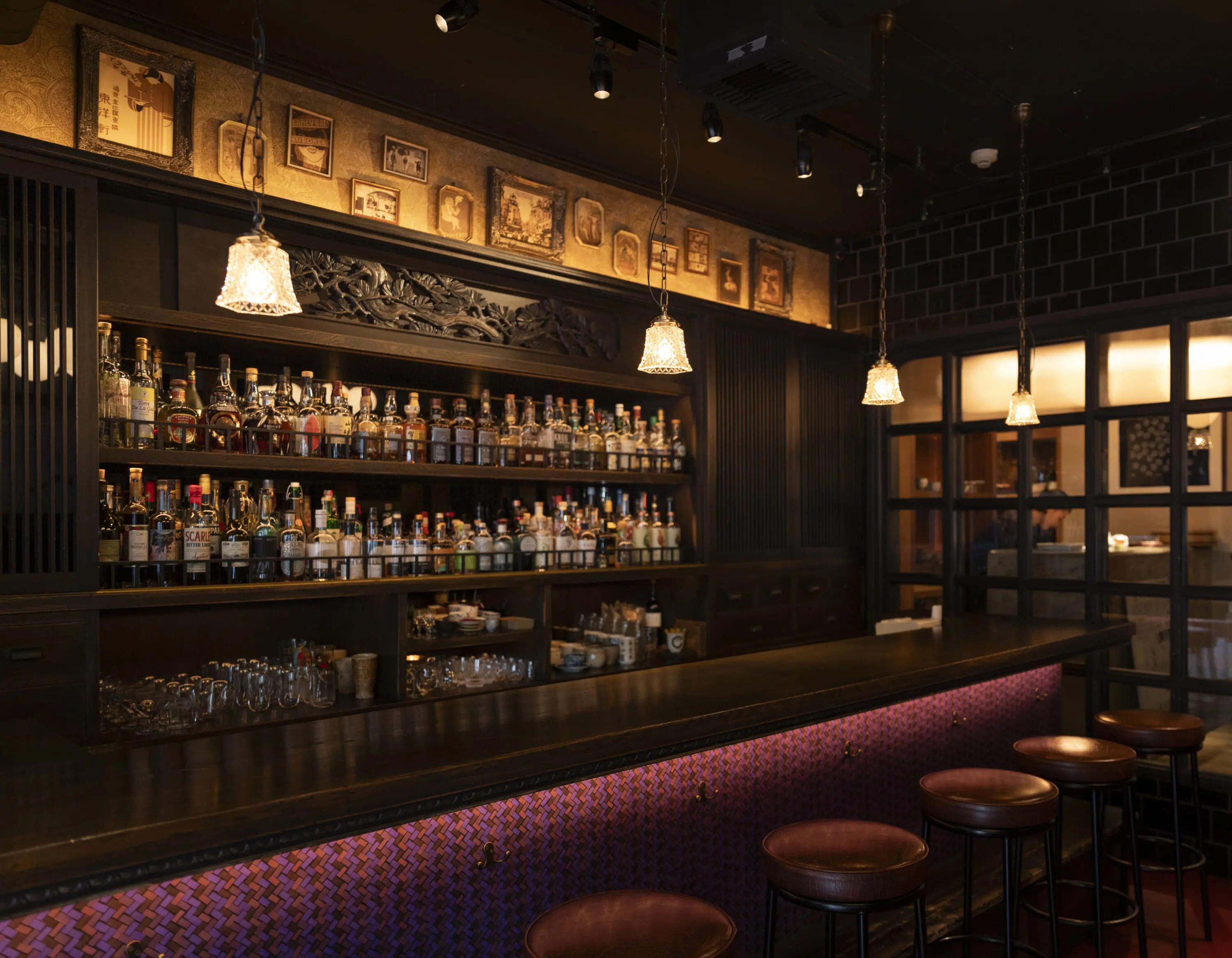
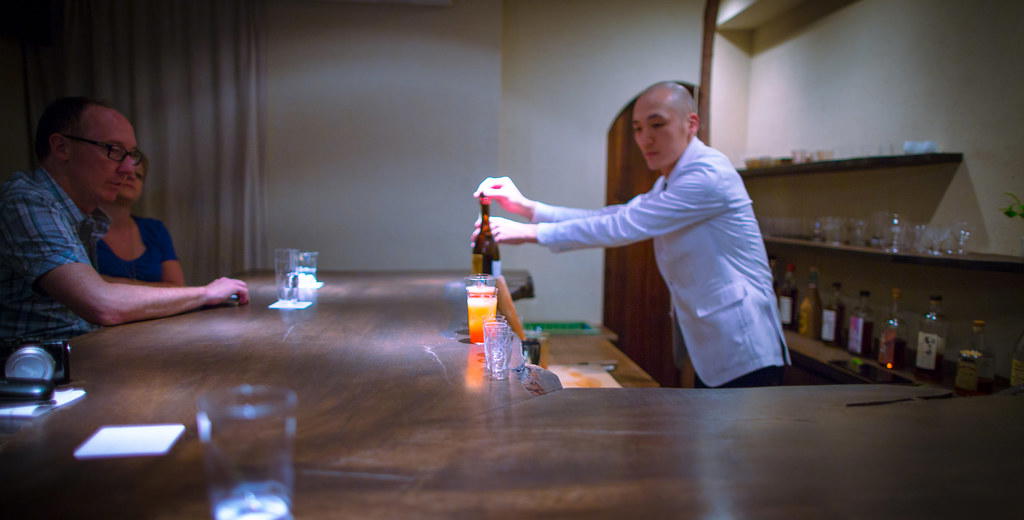
Refined and intimate with delicate, artistic presentations evoking respect and elegance.