
Yokohama Motomachi Mutekiro is a Yokohama French restaurant in Motomachi, selected for Tabelog 100 French EAST 2025, with a Tabelog score of 3.69. The format suits diners looking for French technique filtered through a Yokohama lens: local ingredients, fish and vegetable emphasis, wine service, private rooms, and a house-restaurant setting rather than a counter-only fine-dining room.
Pearl is the En Primeur Club membership app — saves, bookings, and concierge access live there. Same editors, same standards.
- Address
- 2 Chome-96 Motomachi, Naka Ward, Yokohama, Kanagawa 231-0861, Japan
- Phone
- +81 45-681-2926
- Website
- mutekiro.com
 Saves & bookings on Pearl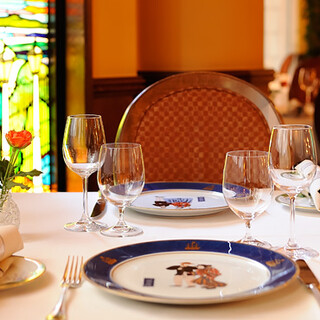
Motomachi is not Yokohama’s station-tower or waterfront-hotel dining scene. Its restaurant culture grew from a port-city grammar: Western storefronts, old shopping streets, bakeries, cafés, nearby Chinese dining, and a long habit of absorbing foreign forms without copying them whole. Yokohama Motomachi Mutekiro belongs to that local tradition: French cooking as part of Yokohama’s civic identity, not an imported ceremony sealed off from the neighbourhood.
The room matters because Yokohama French has a different social register from Tokyo’s tighter, chef-counter-driven culture. The appeal is less scarcity theatre than occasion dining: business meals, family gatherings, wine-led dinners, and lunch before or after a slow Motomachi walk. Its 2025 selection for Tabelog 100 French EAST gives it a measurable place in the regional French conversation, while its 3.69 Tabelog score puts it in the serious local bracket without pushing into performative luxury.
Yokohama French, filtered through a port city
French cuisine in Yokohama carries a different charge than in Ginza or Roppongi. The city’s modern dining history is tied to foreign settlement, shipping, hotels, bakeries, and Western food translated into Japanese urban life. That helps explain why French restaurants here can feel less doctrinaire than Tokyo counterparts. Fish, vegetables, wine, and local produce sit comfortably beside a broader creative category, and Yokohama Motomachi Mutekiro’s classification across French, curry, and creative cooking shows it is not a narrow Parisian replica.
That flexibility is the point. In Japan, French technique often becomes a language for seasonality, portion control, plating discipline, and sauce work rather than fixed national identity. Yokohama adds port-city confidence with hybrid food culture. Nearby Motomachi-Chukagai already trains diners to read cuisine comparatively: Chinese dining, Western-style bakeries, kissaten culture, and celebratory restaurants sit within a walkable circuit. In that setting, a French table emphasizing vegetables and fish feels culturally coherent, not isolated fine-dining theatre.
Motomachi’s competitive set is broad rather than uniform. Kikuya Yogashi Ho Motomachi honten, Uchiki Pan, BLUFF BAKERY Motomachi honten, ecomo Bakery YOKOHAMA MOTOMACHI, and INDU express the neighbourhood’s everyday range, from pastry and bread to casual meals. A higher-spend French restaurant therefore anchors the celebratory end of an unusually accessible food area. Motomachi rewards grazing, but it also has a register for a composed meal.
The format favours occasions over spectacle
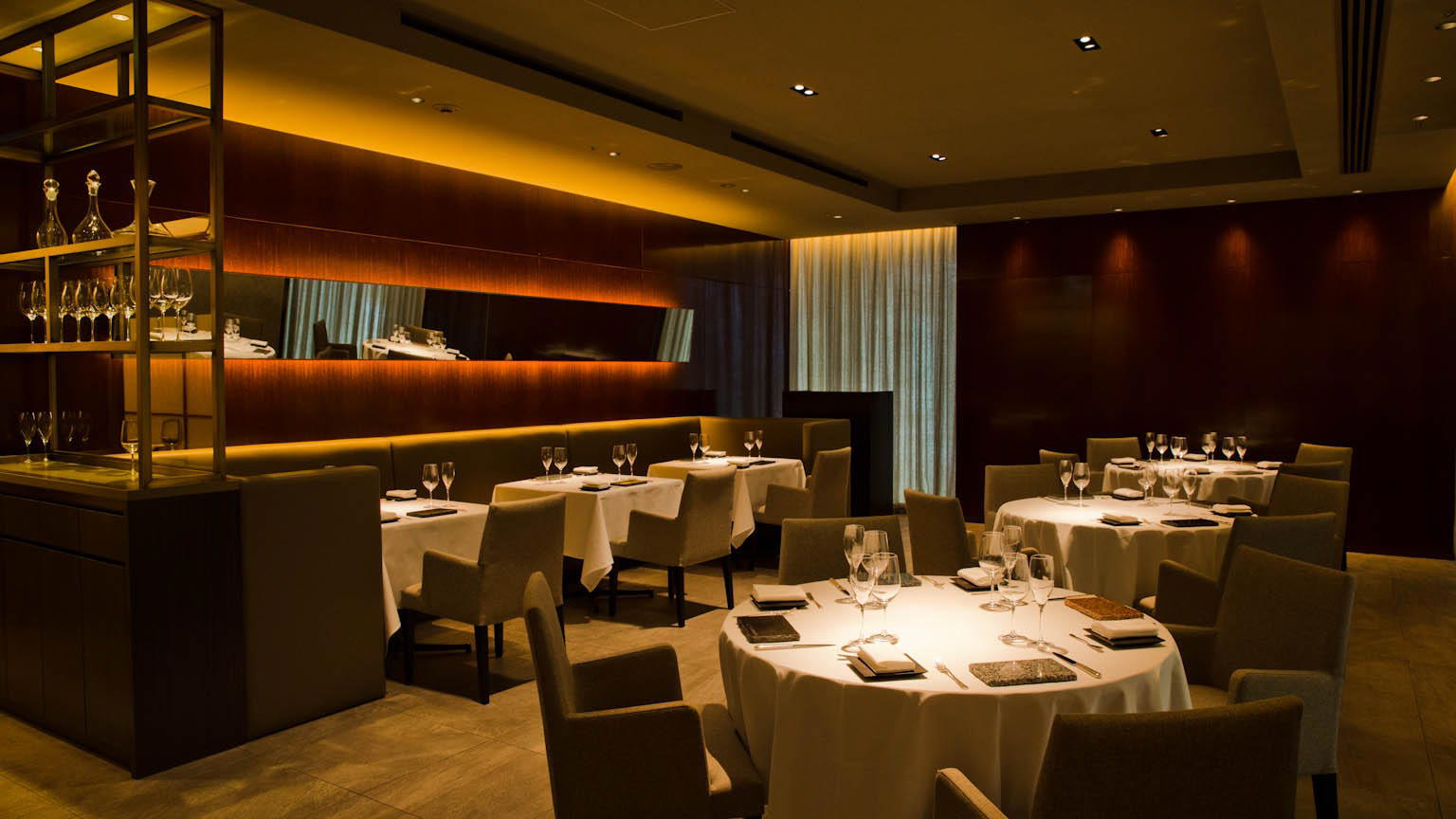
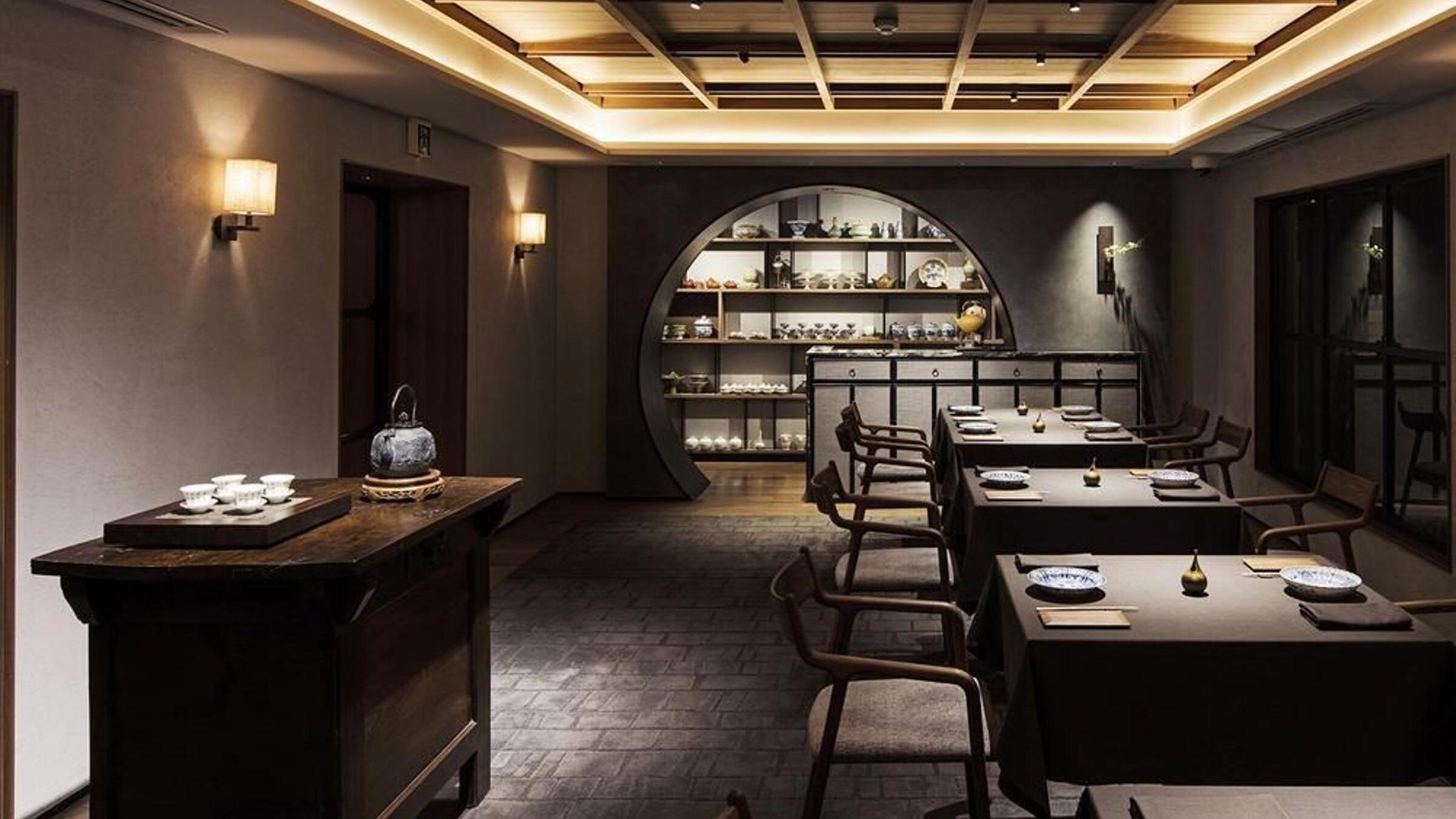
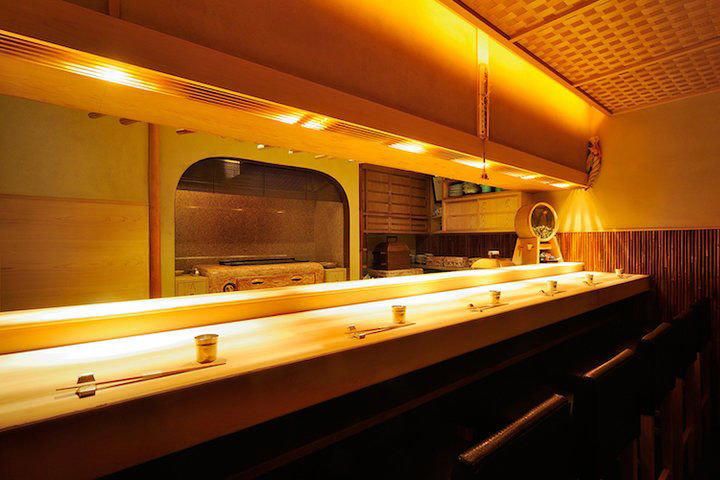
The restaurant’s scale changes the experience. With 100 seats across counter, table, tatami, and party-room formats, it is not the micro-counter model associated with many Japanese prestige restaurants. A larger house-restaurant structure allows private dining, family use, and group meals, fitting Yokohama’s civic hospitality. Counter seats keep solo dining possible, but the wider format is built for social use.
Wine also clarifies the positioning. The drinks program includes wine, sake, and cocktails, with a sommelier and bring-your-own-wine listed at ¥6,600 per bottle before service charge. Older vintage wines are recommended for advance handling, pointing to service for diners who care about bottle condition and pairing rhythm. In Japan, where BYO is not standard at serious restaurants, that detail separates it from simpler prix-fixe dining and helps collectors plan a specific bottle around dinner.
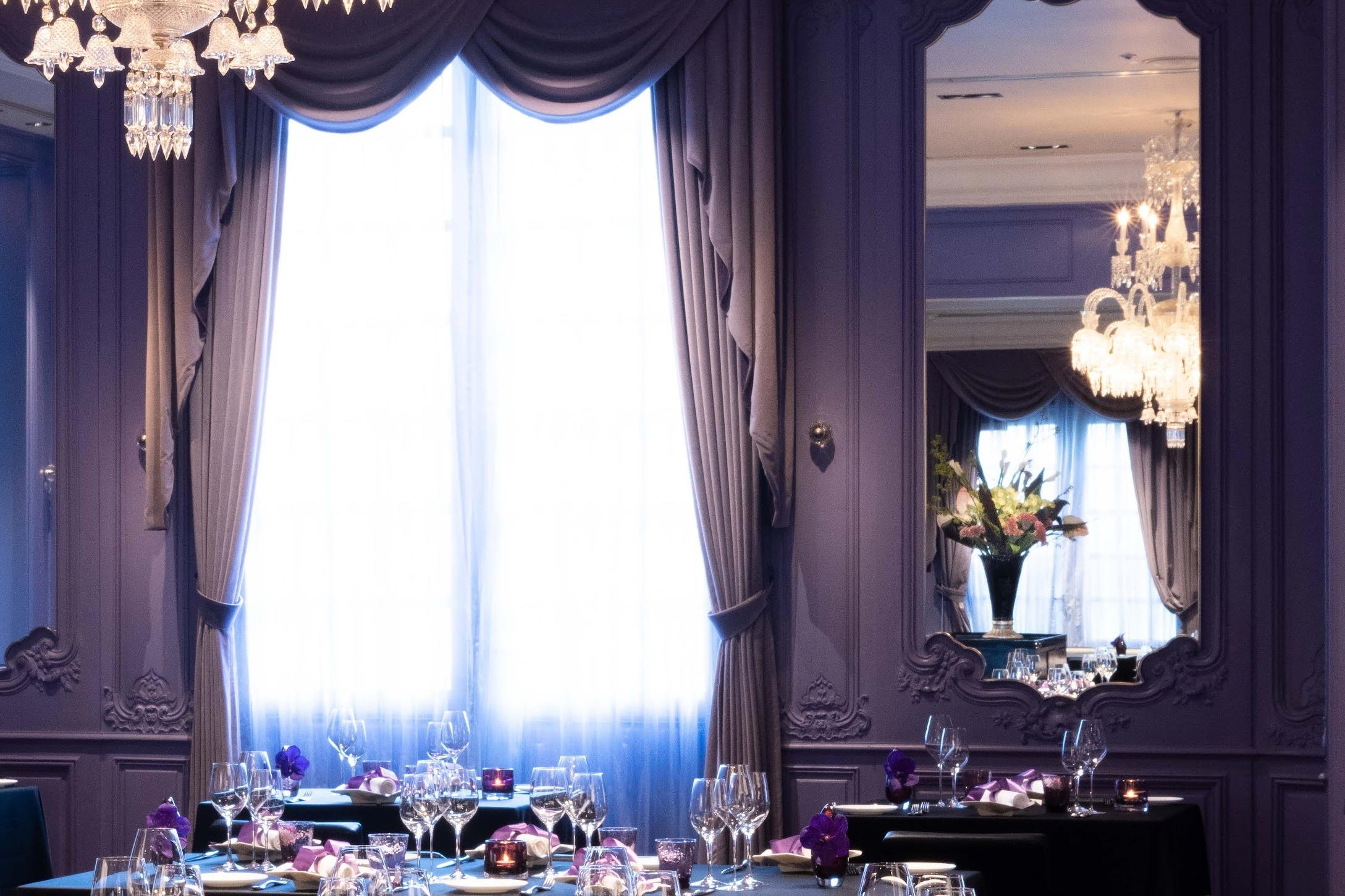
The food signals are practical. Public notes emphasize vegetables, fish, and vegetarian options, useful in a category that can lean heavily on meat-based sauces and fixed courses. The restaurant also lists children’s meals and family use, with a key spatial distinction: elementary-school-age children and younger are directed to private rooms on the second floor, while the main first-floor dining room is for junior high school age and older. That shows a Japanese approach to occasion dining where family access and room etiquette are balanced rather than opposed.
Service charges differ by floor: 10 percent for the first floor and 15 percent for the second, consistent with upstairs private-room use. For travellers comparing Yokohama French with Tokyo fine dining, the practical difference is that value lies not only on the plate, but in how the room can be used. A private-room lunch with children, business dinner with wine, and celebratory meal occupy different parts of one operation.
How to place it within Yokohama dining
Yokohama dining is often misread as a secondary Tokyo. That misses the city’s pattern. Tokyo rewards specialization and compression: sushi counters, kappo rooms, cocktail bars, and tasting menus built around controlled intimacy. Yokohama rewards context. Its better meals often make more sense when tied to neighbourhood movement, waterfront history, Chinese food culture, Western confectionery, and Motomachi’s shopping-street rhythm.
For a wider Yokohama itinerary, the restaurant belongs alongside, not above, other city registers. A grilled-chicken-skewer address such as 1000 (Yakitori (Grilled chicken skewers)) shows Yokohama’s casual precision. Aichun, Ajowan, and Alpenjiro Honten show breadth across Chinese, curry, and other local appetites, while Anzen Shokudo shows regional Japanese comfort food within the same travel plan. For broader planning, use Our full Yokohama restaurants guide with Our full Yokohama hotels guide, Our full Yokohama bars guide, Our full Yokohama wineries guide, and Our full Yokohama experiences guide.
The sharper comparison is not Tokyo’s trophy French rooms, but how Yokohama uses Western dining as local culture. This table is more persuasive as a Motomachi meal than as a detour for a narrow awards checklist. The Tabelog 100 French EAST 2025 selection supplies recognition; the neighbourhood supplies the reason to care. Diners on a broader Japan route can contrast it with regional formats such as -Grilled beef Sukiyaki- KAMAKURA TANUKIAN 鎌倉 たぬき庵 in Kamakura. 鮪と炭火焼き うお炭 秋葉原店 in Tokyo.cafe in Osaka.know in Kumamoto, (Shoku) Vietnam in Kawasaki, [Curry Senmon Ten] Maruyama Kyoju. in Sapporo, Jōdo Saké Bar in Los Angeles, and Onigiri Time in Pasadena. The takeaway: Yokohama Motomachi Mutekiro is strongest as part of Motomachi’s port-city food culture, not a stand-alone monument to French formality.
Price and Positioning
Comparable venues by cuisine and price in the same metro.
| Venue | Cuisine | Price | Notes |
|---|---|---|---|
| Yokohama Motomachi Mutekiro | Naka, French Fine Dining | $$$ | Not listed |
| Un Petit Paquet | Aoba, French patisserie & cakes | $$ | Not listed |
| Nodaiwa (野田岩) | Nishi-ku, Traditional Japanese Unagi | $$$ | Not listed |
| Tempura Fukunishi Zen to Takumi | Nishi, Seasonal Tempura | $$$ | Not listed |
| Berg no Shigatsu Honten | Aoba, Japanese patisserie & dessert shop | $$ | Not listed |
| Kasei Rou Honten | Not listed | $$$ | Naka, Traditional Beijing-style Chinese banquet restaurant |
Recognition history
Dated appearances from independent guides and award organizations, with the underlying list record or original source where available.
Tabelog 100 #84 · No. 84
Tabelog · Tabelog 100 - French - EAST - 2025









At a Glance
- Classic
- Elegant
- Sophisticated
- Romantic
- Quiet
- Date Night
- Business Dinner
- Group Dining
- Special Occasion
- Historic Building
- Standalone
- Beer Program
- Craft Cocktails
- Local Sourcing
- Street Scene
Current opening hours
- Monday
- Closed
- Tuesday
- 12–3 PM, 5:30–9:30 PM
- Wednesday
- 12–3 PM, 5:30–9:30 PM
- Thursday
- Closed
- Friday
- 12–3 PM, 5:30–9:30 PM
- Saturday
- 12–3 PM, 5:30–9:30 PM
- Sunday
- 12–3 PM, 5:30–9:30 PM
Hours can change for holidays and private events. Last verified .
Classic, refined, and old-world, with a charming Western-style interior that feels nostalgic and elegant.