Our verdict
ビストロ リョーモン sits in Kanazawa's Higashiyama district, where the preserved machiya streetscape of the old geisha quarter sets an immediate frame for the kind of meal that follows. The address places it inside one of Japan's most historically intact urban neighbourhoods, where French bistro cooking and local Ishikawa produce have found an unlikely but coherent footing.

Pearl is the En Primeur Club membership app — saves, bookings, and concierge access live there. Same editors, same standards.
- Address
- 1 Chome-23-6 Higashiyama, Kanazawa, Ishikawa 920-0831, Japan
- Phone
- +81762522892
- Hours
- Mon–Tue 6–10 PMWed ClosedThu–Sun 6–10 PM
- Website
- ryomon.wbz.jp
- Directions
- Get directions
The menu
What to order
- Pâté de Campagne
- Veal Milanese
- Red Snapper
- Jamón Serrano Salad
- Veal Sauce Pasta
The Higashiyama Setting and What It Signals
Higashiyama is one of three surviving geisha districts in Kanazawa, and walking its stone-flagged lanes toward an address like 1 Chome-23-6 already tells you something about the kind of dining experience that tends to take root here. The neighbourhood resists the franchise density of central Kanazawa and the tourist-loop compression of the Kenroku-en perimeter. What survives in its machiya townhouses and low wooden shopfronts instead is a more local, lower-decibel kind of establishment, the sort that earns its following over years rather than seasons. ビストロ リョーモン sits inside that pattern, a French-leaning bistro format in a district more associated with traditional arts and preserved Edo-period architecture than with European cooking.
That location is itself an editorial signal. Kanazawa's dining scene has long operated on the tension between its deep kaiseki tradition, represented by counters like Dokkan and the long-established kaiseki house Amanatto Kawamura, and a growing bracket of Western-influenced restaurants drawing on the same exceptional local larder. The city's access to Noto Peninsula seafood, Kaga vegetables, and mountain-sourced ingredients from Ishikawa Prefecture gives any kitchen working here a material advantage that French bistro technique is well-positioned to amplify. Butter, reduction, and careful heat application suit the fatty richness of Japan Sea fish in ways that kaiseki's more restrained approach sometimes deliberately avoids.
The Rhythm of a Bistro Meal in This Context
The bistro format, when practised seriously, carries its own ritual logic. It is not the prescribed progression of kaiseki, where each course arrives as part of a seasonal argument, nor the theatrical tension of a contemporary tasting menu. The French bistro meal is looser in structure but no less disciplined in execution: a sequence of small decisions, dishes ordered against appetite rather than protocol, a pace set by the table rather than the kitchen. In a Japanese city where the dominant fine-dining codes lean heavily toward deference to the chef's sequence, a bistro that holds to that European model of tableside negotiation represents a genuinely different kind of evening.
Kanazawa's position as a secondary culinary city, smaller in profile than Kyoto or Tokyo but with a claim on ingredient quality that both cities acknowledge, means its leading mid-tier restaurants often operate with more informality than their counterparts in the capital. A French bistro in Higashiyama sits naturally within that informality: the meal moves at a conversational pace, courses accumulate without ceremony, and the wine, if the list follows typical bistro logic, is chosen to accompany rather than to impress. For diners arriving from the high-structure environments of a place like Gion Sasaki in Kyoto or the precision counters of Harutaka in Tokyo, ビストロ リョーモン offers a deliberate change of register.
Where It Sits in Kanazawa's Competitive Picture
Kanazawa has a small but coherent cohort of Western-format restaurants drawing on French or Spanish traditions. Budoonomori Les Tonnelles operates in French territory with a wine-focused identity, and the city's broader dining range extends to the casual end through counters like Go! Go! Curry and heritage craft retail through Hakuichi. ビストロ リョーモン occupies a mid-tier position in that range, closer in spirit and price assumption to a neighbourhood bistro than to the destination French restaurants that hold Michelin recognition in larger Japanese cities.
That mid-tier positioning is worth understanding clearly. In Japan's regional cities, the most interesting eating often happens one tier below the headline counters. Kanazawa's kaiseki reputation draws international attention, and the city's inclusion in broader Japan food itineraries alongside stops at HAJIME in Osaka, Goh in Fukuoka, or akordu in Nara tends to focus on the high-end tier. But the city also sustains a working restaurant culture beneath that, and a bistro format in a residential district like Higashiyama is part of that secondary layer, one that locals navigate with confidence and visitors often miss.
For travellers building broader Japan itineraries that include stops in more rural or less-documented food towns, the same pattern holds across the country. Regional gems outside the major cities, from Nanao to Sapporo or Takashima and Nishikawa Machi, often reward the traveller who moves off the standard kaiseki circuit. Even internationally, the comparison is instructive: the relationship between technical ambition and local-ingredient specificity that defines Kanazawa's leading cooking shares something with the ethos at Le Bernardin in New York City or the Korean-inflected precision of Atomix, even if the scale and recognition are entirely different.
Planning Your Visit
The Higashiyama address puts ビストロ リョーモン within walking distance of the Higashi Chaya district's main lane, reachable on foot from central Kanazawa in roughly fifteen to twenty minutes or by a short taxi ride from Kanazawa Station. The neighbourhood is at its quietest in early evening, before the day-trip crowds disperse and before the city's later dining wave begins, which makes that window the natural time to arrive. Booking ahead is advisable for any Higashiyama restaurant during peak travel periods, particularly in autumn when the area's foliage draws significant visitor numbers. See our full Kanazawa restaurants guide for broader context on the city's dining geography and how to organise a multi-meal itinerary across its districts. For reference, Birdland in Sakai offers a useful comparison point for the kind of focused, ingredient-driven mid-tier restaurant that regional Japan consistently produces outside the major cities.
Frequently asked questions
What should I order at ビストロ リョーモン?
As a French bistro in Kanazawa, the kitchen almost certainly draws on Ishikawa Prefecture's larder, including Noto Peninsula seafood and Kaga regional vegetables, applying bistro technique to those local materials. The strongest approach is to ask about the day's market-driven specials, which in any serious bistro format will reflect what the kitchen is most confident in that week.
Do they take walk-ins at ビストロ リョーモン?
Higashiyama is a compact neighbourhood with limited restaurant capacity across the board, and the area's popularity during autumn foliage season means that even smaller establishments fill quickly on weekends. For any Kanazawa bistro of this type, particularly one in a residential district rather than a tourist corridor, a reservation made through local hotel concierge or a current booking platform is the lower-risk approach.
What is ビストロ リョーモン known for?
ビストロ リョーモン is positioned as a French bistro format within Kanazawa's Higashiyama district, one of Japan's best-preserved historic neighbourhoods. Its reputation, such as it can be characterised from its address and category, rests on the combination of bistro cooking traditions with the strong regional produce of Ishikawa Prefecture, the same ingredient base that underpins Kanazawa's broader claim to culinary seriousness. The city's reputation for high-quality local seafood, vegetables, and craft food traditions provides any kitchen here with better raw material than most European bistros have access to.
Is ビストロ リョーモン suitable for a special-occasion dinner in Kanazawa?
As a bistro format in a historically atmospheric neighbourhood, ビストロ リョーモン occupies the kind of setting that suits a low-key but considered evening rather than a formal celebration. The Higashiyama district's preserved streetscape and quieter pace make it more appropriate for an intimate dinner than for the kind of structured kaiseki occasion that Kanazawa's higher-end counters provide. For travellers who find the full kaiseki format overly ceremonial but still want serious cooking in a distinctive environment, a French bistro in this part of the city represents a coherent alternative, one that fits comfortably into the kind of itinerary that balances high-structure and more relaxed dining across several nights.
A Quick Peer Check
Comparable venues nearby, for context on price, style, and recognition.
| Venue | Cuisine | Price | Awards | Notes |
|---|---|---|---|---|
| ビストロ リョーモンThis venue — the venue you are viewing | French Bistro | $50–100 | Not listed | Not listed |
| Restaurant Ennu | Modern French Bistronomy | Not listed | Tabelog 100 #94 | Kanazawa |
| レ・サヴール | Contemporary French | $50–100 | Not listed | Kanazawa |
| ベルナール | French Fine Dining with Kanazawa Ingredients | $100–150 | Not listed | Kanazawa |
| レストラン エクティル | Contemporary French with Local Kanazawa Ingredients | $200–300 | Not listed | Kanazawa |
| うなぎ四代目菊川 | Kansai-style Whole Eel (Unagi) | Not listed | Not listed | Kanazawa Station |
Continue exploring
More in Kanazawa
Restaurants in Kanazawa
Browse all →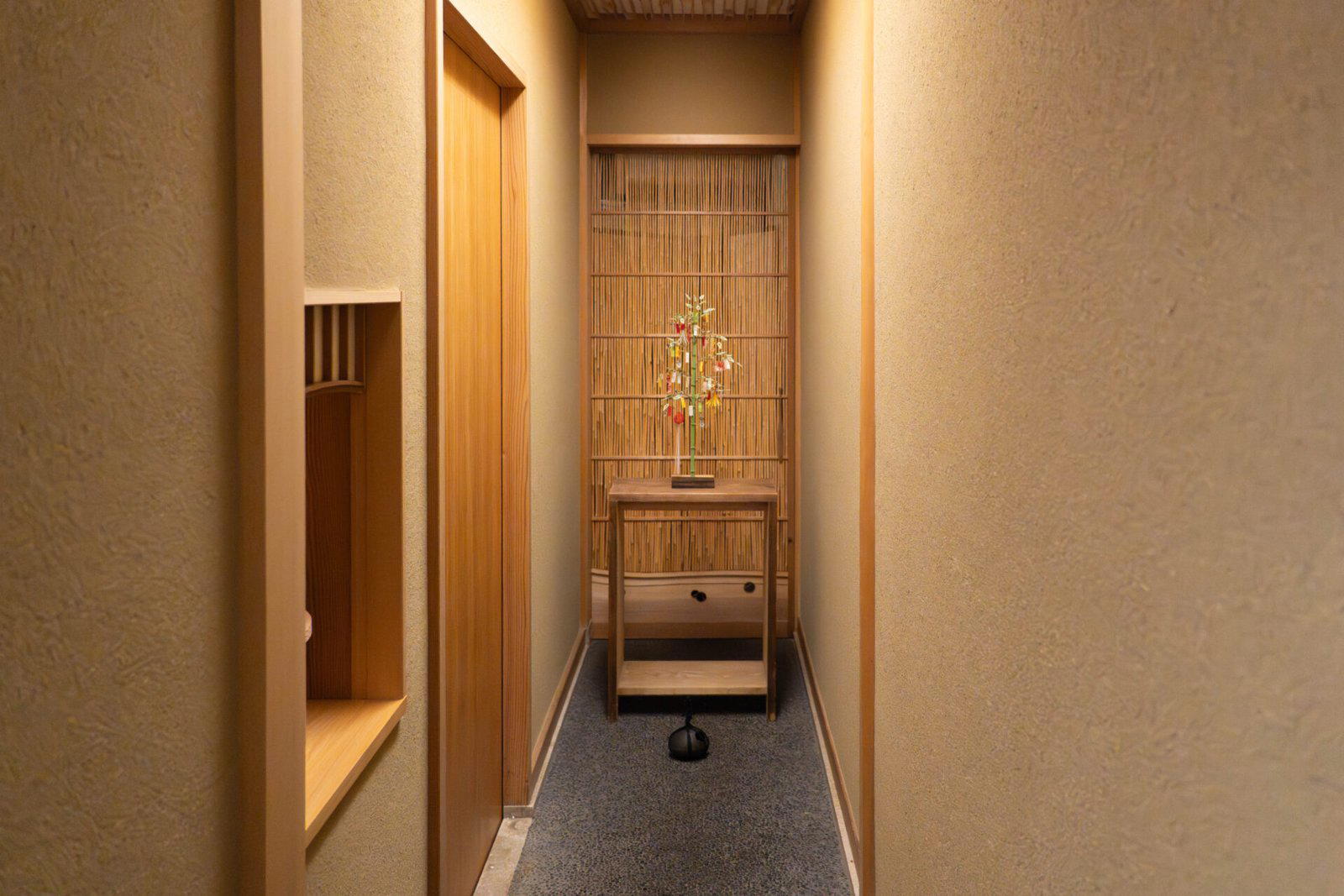
Bars in Kanazawa
Browse all →
Hotels in Kanazawa
Browse all →
Wineries in Kanazawa
Browse all →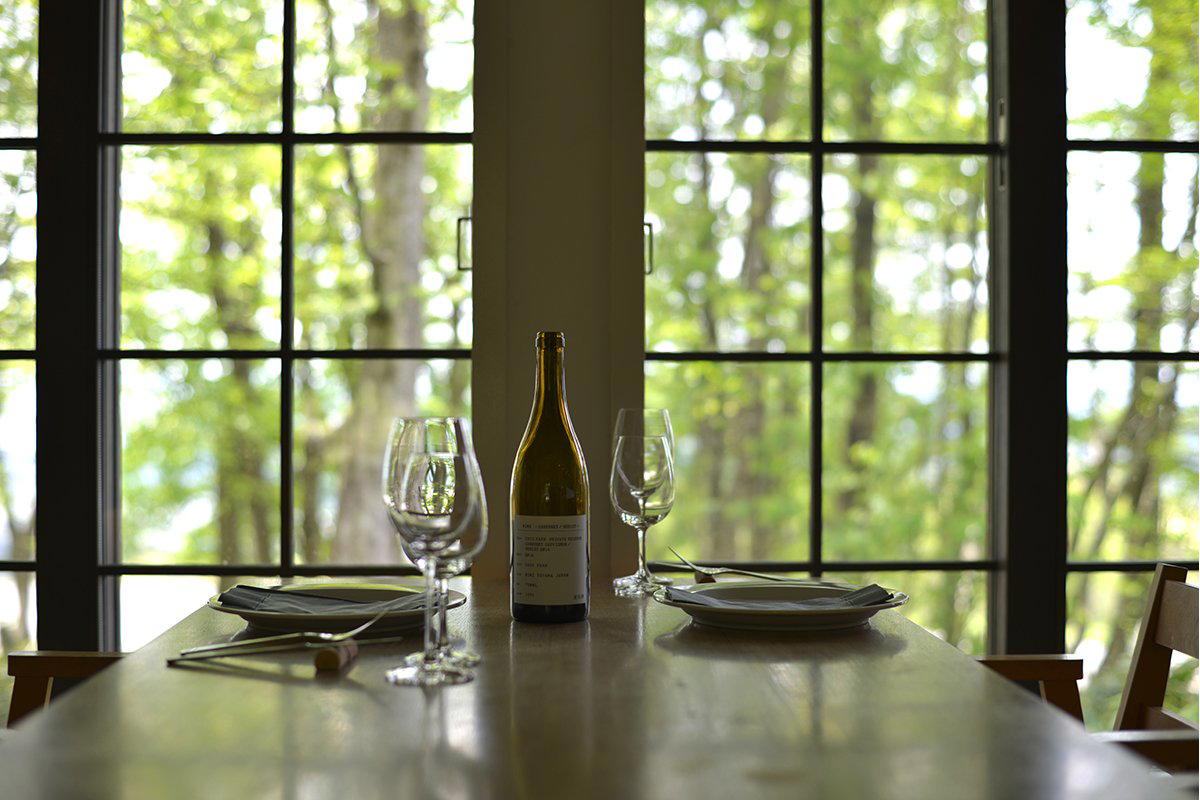
Details
- Romantic
- Intimate
- Classic
- Elegant
- Date Night
- Special Occasion
- After Work
- Open Kitchen
- Historic Building
- Standalone
- Natural Wine
- Local Sourcing
- A La Carte
- Counter Dining
- Wine
- Half Size Wine Options
Current opening hours
- Monday
- 6–10 PM
- Tuesday
- 6–10 PM
- Wednesday
- Closed
- Thursday
- 6–10 PM
- Friday
- 6–10 PM
- Saturday
- 6–10 PM
- Sunday
- 6–10 PM
Hours can change for holidays and private events. Last verified .
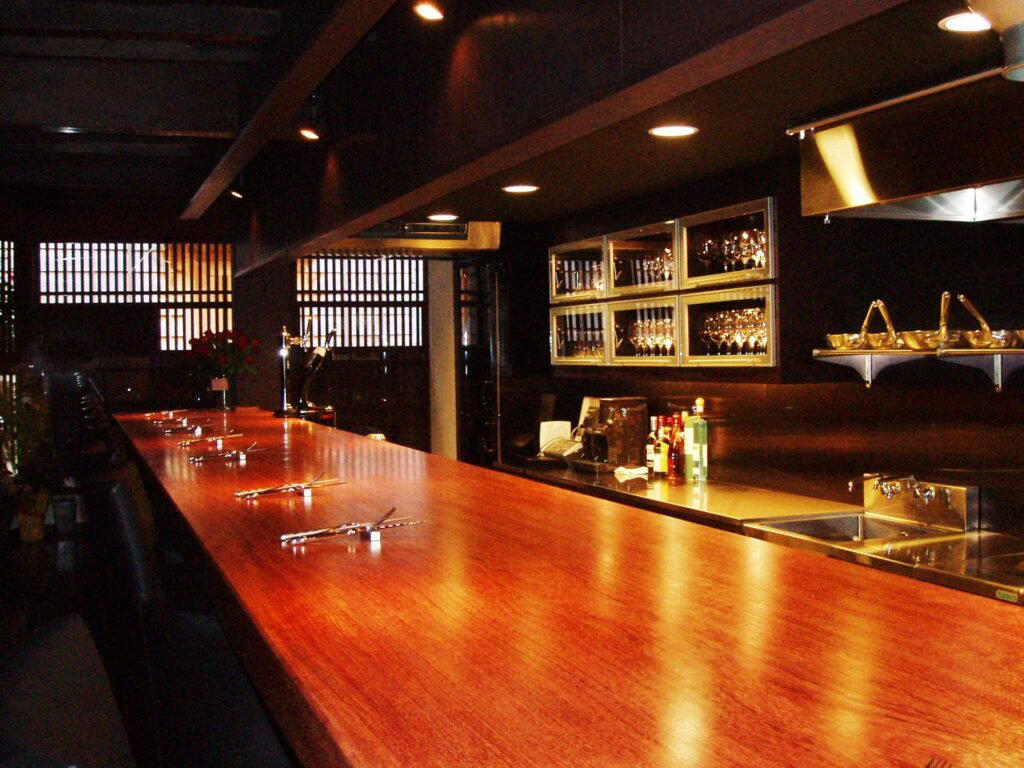
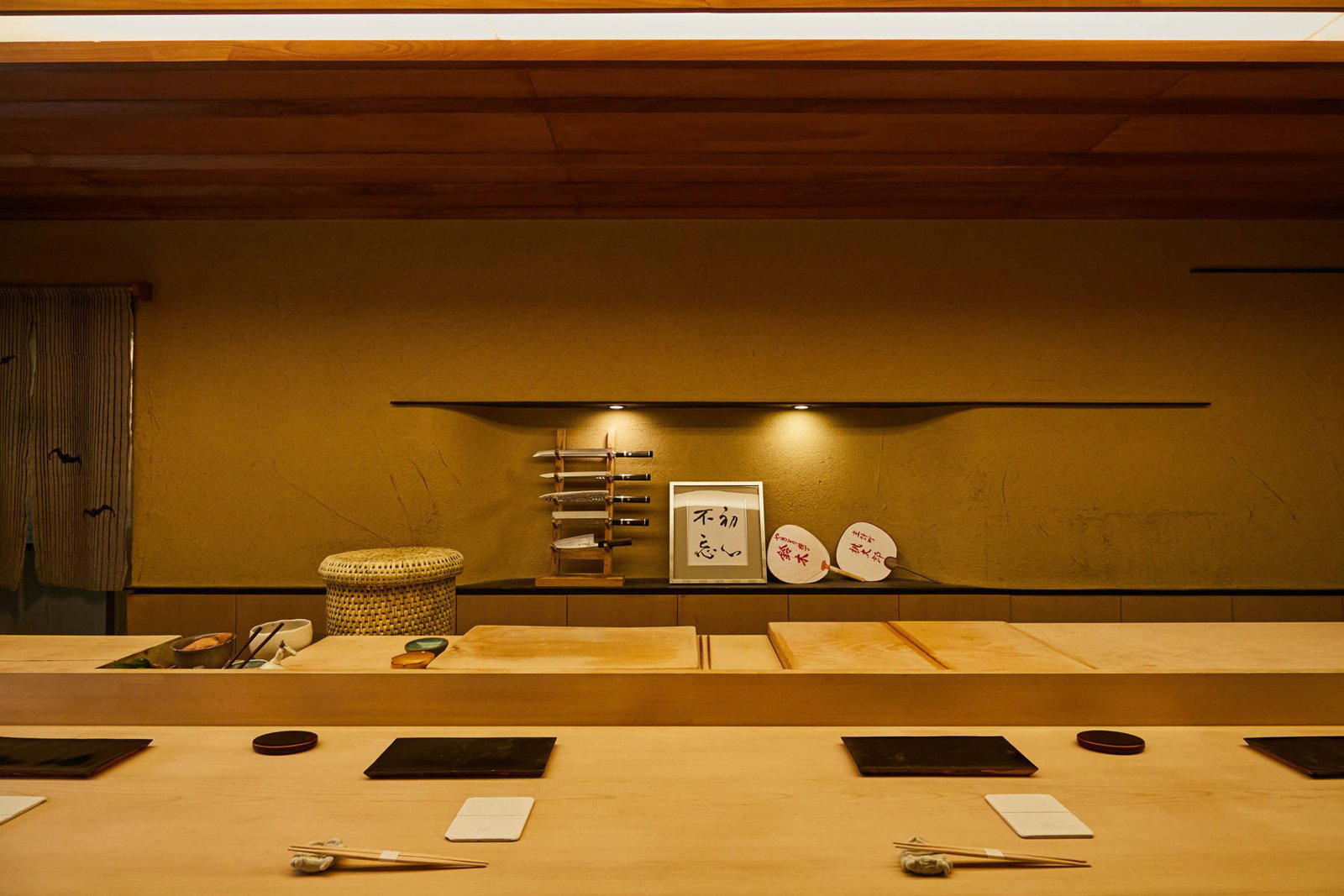
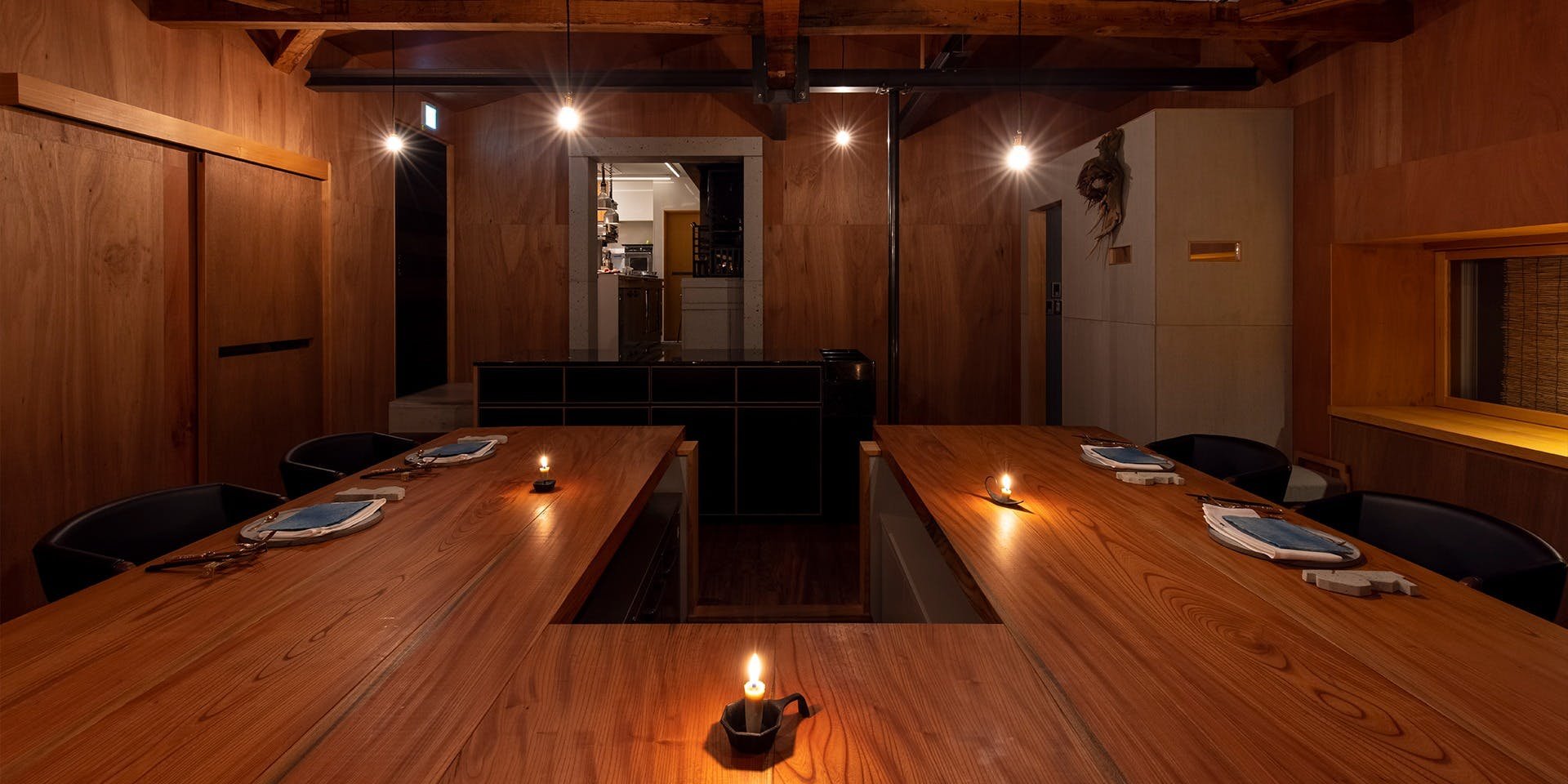
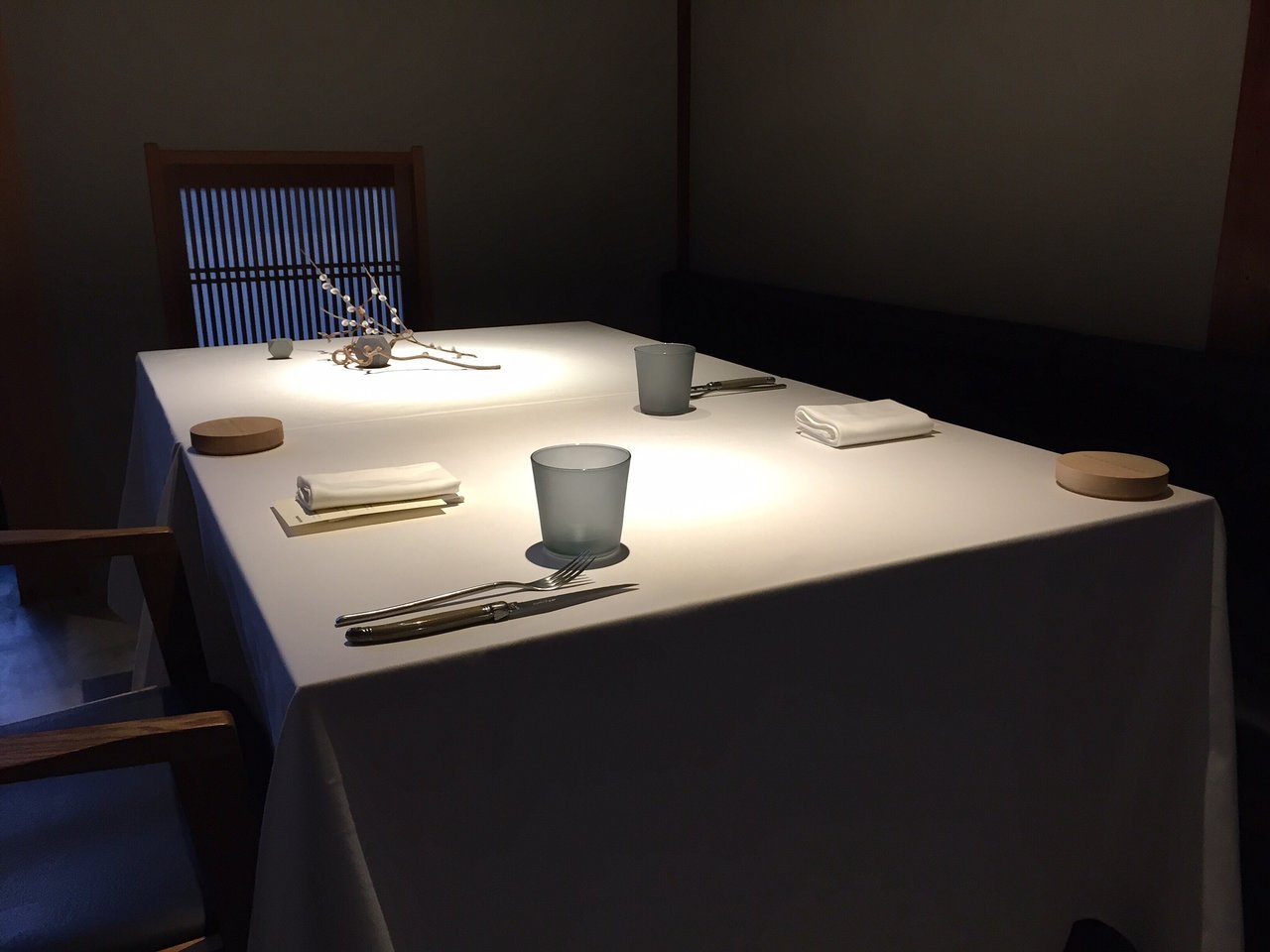
Atmospheric traditional Japanese townhouse setting with natural wood counter seating, intimate proximity to the open kitchen and neighboring diners, warm and inviting aesthetic that honors the historic district's character.