Our verdict
Located in Toranomon's Zerukoba 5 Building, ダオルモ occupies a ground-floor address in one of Tokyo's more purposefully low-key dining corridors. Venue data remains limited in public record, which places it in a category of Tokyo restaurants that operate at a deliberate remove from the awards and press circuits — a position that, in this city, can signal either early-stage ambition or studied restraint.

Pearl is the En Primeur Club membership app — saves, bookings, and concierge access live there. Same editors, same standards.
- Address
- Japan, 〒105-0001 Tokyo, Minato City, Toranomon, 5 Chome−3−9 ゼルコーバ5ビル 1F
- Phone
- +81364324073
- Hours
- Mon ClosedTue–Sat 6–9 PMSun Closed
- Website
- da-olmo.com
- Directions
- Get directions
- Booking
- Book on OpenTable
The menu
What to order
- Pasta al Pomodoro
- Risotto ai Funghi
- Margherita Pizza
- Tiramisu
- Aged Meat Dishes
Toranomon and the Geometry of Tokyo's Quieter Dining Corridors
Tokyo's premium dining map has always had two registers: the visible tier, populated by Michelin placards and reservation queues measured in months, and a secondary register of addresses that accumulate reputation by word of mouth, neighbourhood loyalty, and the particular attention of those who track what hasn't yet been codified. Toranomon sits at the intersection of both. The district has shifted considerably since the Toranomon Hills complex opened and brought a new wave of corporate tenants and hotel-adjacent foot traffic. What it has retained is a working-professional density that sustains a different kind of restaurant — less theatrical than Ginza, less scenester-driven than Nakameguro, and more reliant on the returning customer than the first-time tourist.
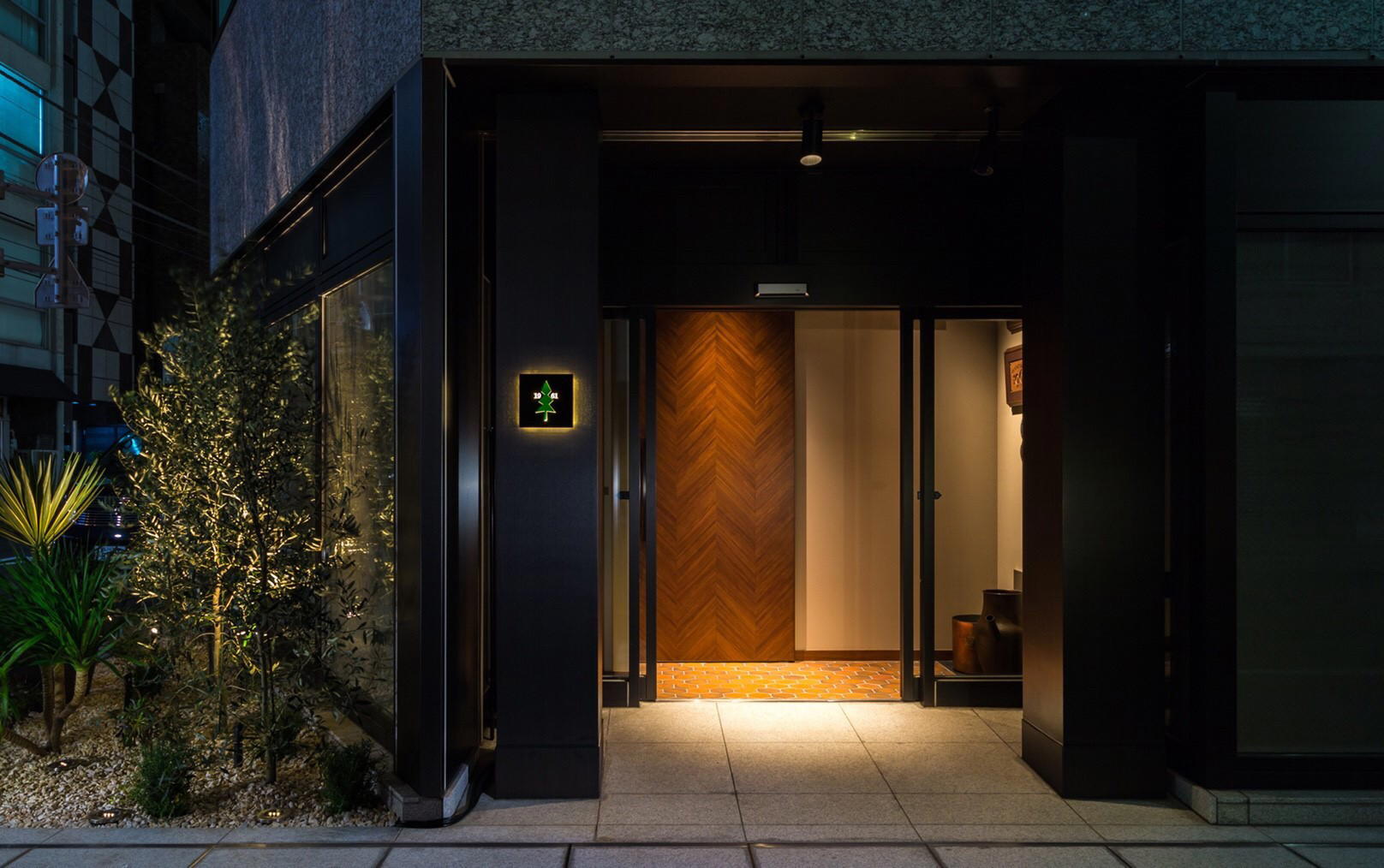
ダオルモ occupies the ground floor of the Zerukoba 5 Building on 5-chome Toranomon, Minato City. The address is functional rather than flashy: a mid-block position in a commercial building that doesn't announce itself. In a city where restaurant architecture has become its own competitive category — where the approach to a door, the sound of a sliding panel, and the temperature shift between street and interior are all considered design variables, a restrained exterior either signals indifference or intentionality. In Toranomon, with its density of expense-account lunches and after-work industry dinners, the latter is the more plausible reading.
What the Absence of a Public Record Signals
At the time of writing, ダオルモ carries no publicly indexed awards, no verified press profile, and limited logistical information in available databases. In most cities, this would simply mean a new or emerging venue. In Tokyo, it can also mean something more deliberate. Japan's dining culture has a long-established tradition of restaurants that decline press coverage, refuse photography, and maintain no digital footprint by design. The reservation-only omakase counter that doesn't accept walk-ins, doesn't list hours, and doesn't publish a menu is not an anomaly here, it is a recognisable format with its own internal logic.
This opacity functions as a trust signal in reverse: the assumption is that the restaurant's clientele already knows how to find it, which reduces the perceived need for a public-facing presence. Whether ダオルモ operates in this tradition or is simply pre-profile is not something available data can confirm. What can be said is that a Toranomon ground-floor address in a commercial building, absent from the standard awards circuits, places it in a peer category that includes both neighbourhood specialists and the kind of low-profile rooms that a narrow slice of Tokyo's dining public tracks with considerable seriousness.
The Sensory Register of a Toranomon Dining Room
Tokyo's premium restaurant design tends toward two poles. The first is the warm-wood minimalism of the traditional Japanese counter: pale hinoki, a single light source, the smell of dashi moving through a room kept deliberately quiet so that the sound of a knife on a cutting board carries. The second is the European-inflected dining room that has become common in Minato City's hospitality cluster: darker finishes, longer tables, a wine program that signals the chef's training direction before the first course arrives. Toranomon's commercial building stock, functional postwar construction updated in irregular cycles, produces interiors that tend toward the latter, since the architecture rarely supports the tatami-and-cypress aesthetic without significant retrofit investment.
For a ground-floor restaurant in a building like the Zerukoba 5, the likely sensory register is one shaped by insulation from street noise rather than visual drama: low ceilings, controlled lighting, and an acoustic intimacy that mid-rise commercial construction produces almost by accident. This is not a critique. Some of Tokyo's most focused dining rooms operate in exactly this kind of container, where the absence of architectural spectacle puts the meal itself under sharper attention. The contrast with the grander rooms at venues like RyuGin or Sézanne is instructive: those rooms use scale and design investment to frame the experience before a dish arrives. A smaller, less-announced room makes different demands on the kitchen.
What can be mapped is the structural context. Toranomon's dining scene in the mid-2020s runs from the high-end omakase tier, with counters priced comparably to the ¥¥¥¥ bracket occupied by Harutaka, L'Effervescence, and Crony, down through mid-range neighbourhood specialists that serve the district's office population at lunch and pivot to a more considered dinner format in the evening. A ground-floor commercial building address on 5-chome is consistent with either tier.
| Venue | Cuisine | Price Tier | Awards Presence |
|---|---|---|---|
| ダオルモ | Not confirmed | Not confirmed | None on record |
| Harutaka | Sushi | ¥¥¥¥ | Michelin-recognised |
| L'Effervescence | French | ¥¥¥¥ | Michelin-recognised |
| Crony | Innovative French | ¥¥¥¥ | Michelin-recognised |
| RyuGin | Kaiseki | ¥¥¥¥ | Michelin-recognised |
The comparison is not a ranking. It maps the bracket within which Toranomon's dining operates, so that if and when ダオルモ's details come into clearer public focus, readers have a reference frame for where it might land. For broader Tokyo context, the EP Club Tokyo restaurants guide tracks the full range. Across Japan, comparable situations where a low-profile address gradually accumulates a defined reputation can be found at HAJIME in Osaka, Gion Sasaki in Kyoto, akordu in Nara, and Goh in Fukuoka, each of which built a defined identity before broad press visibility. Regional specialists operating outside Tokyo's core awards circuit include 一本木 南川製 in Nanao, 夕仙山乃 in Sapporo, 湖畔庵 in Takashima, and 庭羽屋 in Nishikawa Machi. Across different formats and geographies, Birdland in Sakai, Bistro Ange in Toyohashi, Le Bernardin in New York City, and Atomix in New York City each demonstrate how restaurants at different visibility levels build a peer identity through consistent format and cuisine focus.
Planning a Visit
Because ダオルモ's hours, booking method, and contact details are not in verified public record, the standard advice for low-profile Tokyo restaurants applies: arrive at the physical address to confirm operational status and reservation requirements, or seek the venue through Japan-focused dining networks that maintain direct venue relationships. Walk-in availability at ground-floor commercial building restaurants in Toranomon varies by day of week, with weekday lunch slots typically more accessible than dinner across the district's mid-range tier.
Frequently asked questions
How do I find ダオルモ?
ダオルモ is located at Japan, 〒105-0001 Tokyo, Minato City, Toranomon, 5 Chome−3−9 ゼルコーバ5ビル 1F, Tokyo.
What kind of dining format does ダオルモ use, and how does that compare to other Toranomon restaurants?
In the Toranomon corridor of Minato City, Tokyo, ground-floor venues within compact residential-commercial buildings like the Zelkova 5 Building (5 Chome-3-9) frequently operate intimate counter or room-service formats rather than large dining halls. Until cuisine type and seat count are on record, the safest assumption is a small, specialist operation where the kitchen's direction shapes the experience more than a printed menu does.
What should I order at ダオルモ?
Confirmed menu details for ダオルモ are not in public record at this time. Given the restaurant's address in Toranomon — a corridor where ground-floor, single-room venues frequently operate set formats rather than à la carte — the practical approach is to arrive without a fixed agenda and follow the house's lead. Contacting the venue directly before your visit remains the most reliable way to understand what the kitchen is currently serving.
Should I book ダオルモ in advance?
Booking data for ダオルモ is not confirmed, but the structural logic of Toranomon dining applies: small-room restaurants at this address in Minato City, Tokyo tend to fill quickly and do not always surface on third-party reservation platforms. Attempting direct contact through the venue's own channels before visiting is advisable, particularly on weekends or during Tokyo's peak dining periods.
What do critics highlight about ダオルモ?
That absence is not unusual for Toranomon — the neighbourhood has a number of dining rooms that operate below the press radar without relying on Michelin recognition or 50 Best placement to maintain a loyal clientele. Word-of-mouth and repeat custom tend to drive reservation demand in venues of this profile.
What if I have allergies at ダオルモ?
Contact details for ダオルモ are not in current public record, which makes advance allergy communication more complex than usual. For any Tokyo restaurant operating a set or counter format in Minato City, the standard practice is to raise dietary requirements at the point of booking rather than on arrival — kitchens running structured menus typically need preparation time to adjust. If direct contact proves difficult, visiting in person ahead of your intended dining date is a workable alternative.
Is ダオルモ worth it?
Without confirmed pricing or a verified cuisine profile, a direct value assessment is not possible here. What can be said is that Toranomon — specifically the 5-chome stretch where ダオルモ is located — is not an area where restaurants persist on foot traffic alone. A venue operating at this address in Minato City is more likely sustained by returning customers than by tourist discovery, which is its own signal of consistency.
Cuisine and Credentials
Comparable venues nearby, for context on price, style, and recognition.
| Venue | Cuisine | Price | Awards | Notes |
|---|---|---|---|---|
| ダオルモThis venue — the venue you are viewing | Northern Italian Regional (Trentino-Alto Adige) | $50–100 | Not listed | Not listed |
| PST Higashi Azabu | Neapolitan-Style Pizza | $20–30 | Tabelog 100 #78 | Minato |
| PEGASO | Modern Italian with Japanese influences | $100–150 | Tabelog 100 #66 | Minato |
| Mercer Brunch Ginza Terrace | NY-style Italian brunch & bistro | $30–50 | Tabelog 100 #18 | Chūō |
| オステリア スプレンディド | Authentic Northern Italian Trattoria | $50–100 | Not listed | Minato |
| ARMONICO | Modern Italian with Japanese Ingredients | $100–150 | Tabelog 100 #22 | Shibuya |







Details
- Elegant
- Sophisticated
- Intimate
- Classic
- Date Night
- Business Dinner
- Special Occasion
- Group Dining
- Open Kitchen
- Standalone
- Extensive Wine List
- Sommelier Led
- Local Sourcing
- A La Carte
- Prix Fixe
- Set Menu
- Italian Wine
- Craft Cocktails
- House Made Italian Sodas
- Vegetarian Friendly
- Allergy Accommodating
Current opening hours
- Monday
- Closed
- Tuesday
- 6–9 PM
- Wednesday
- 6–9 PM
- Thursday
- 6–9 PM
- Friday
- 6–9 PM
- Saturday
- 6–9 PM
- Sunday
- Closed
Hours can change for holidays and private events. Last verified .
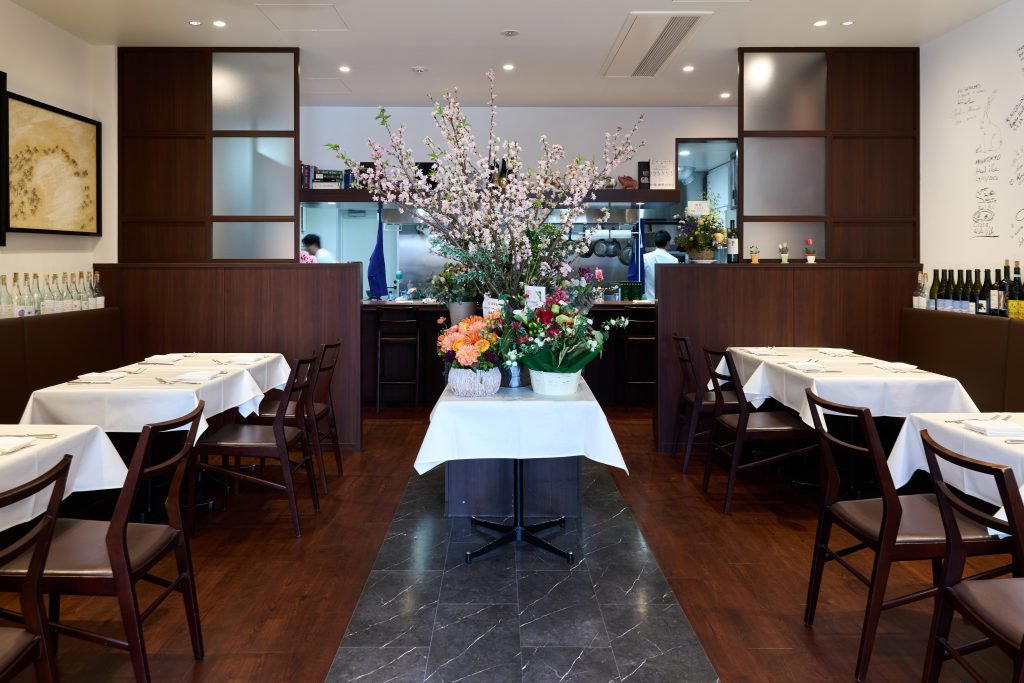
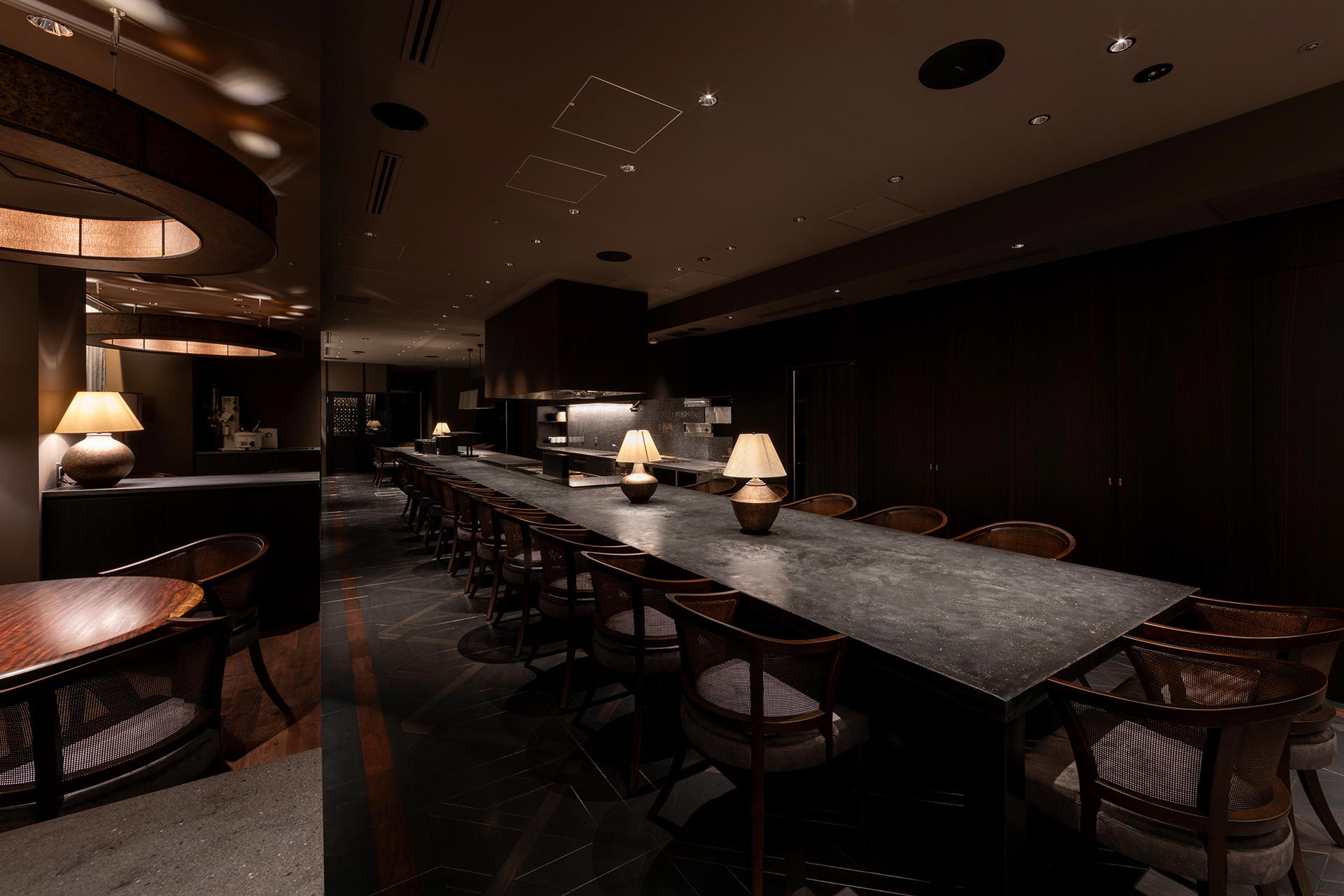
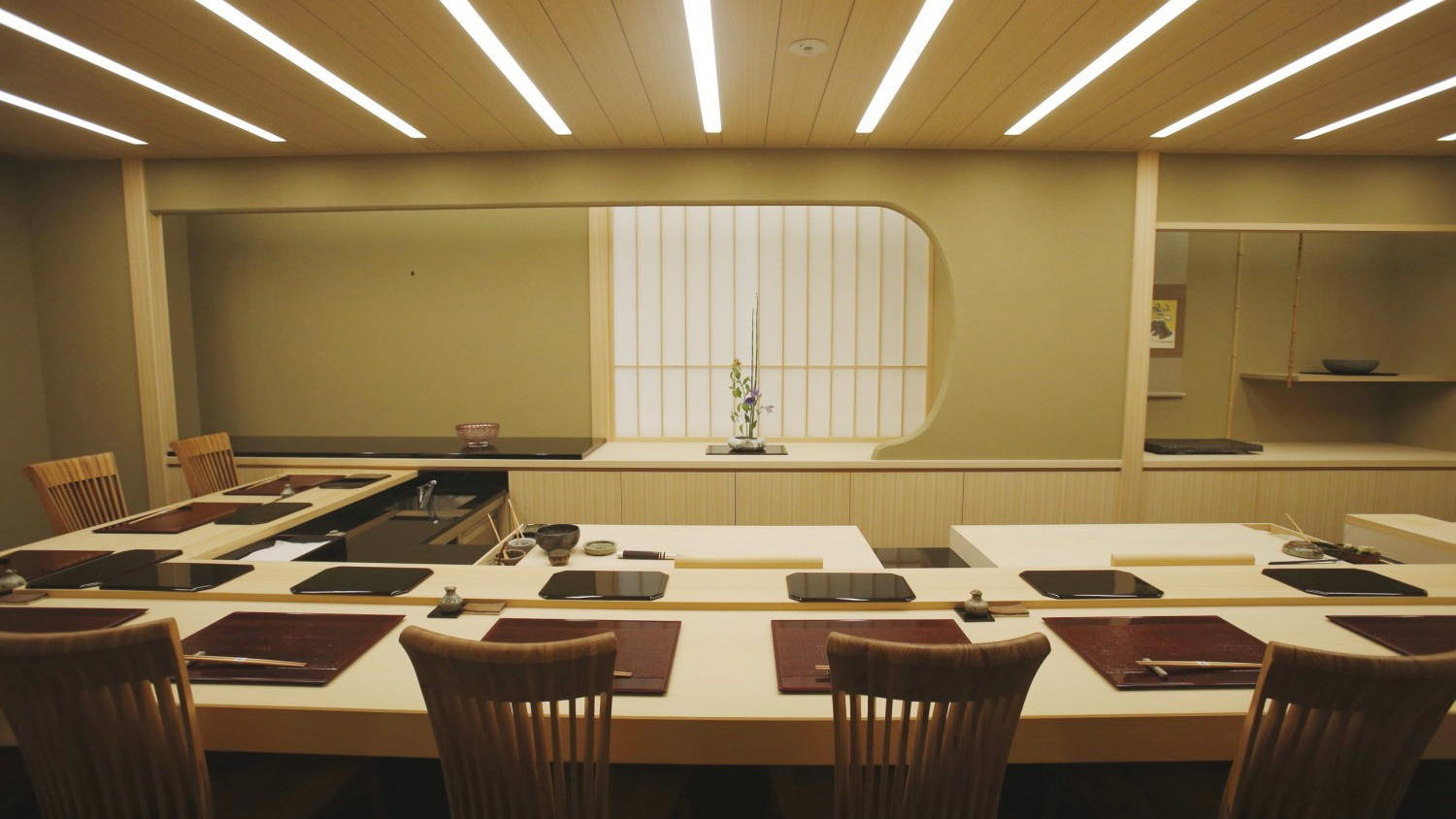
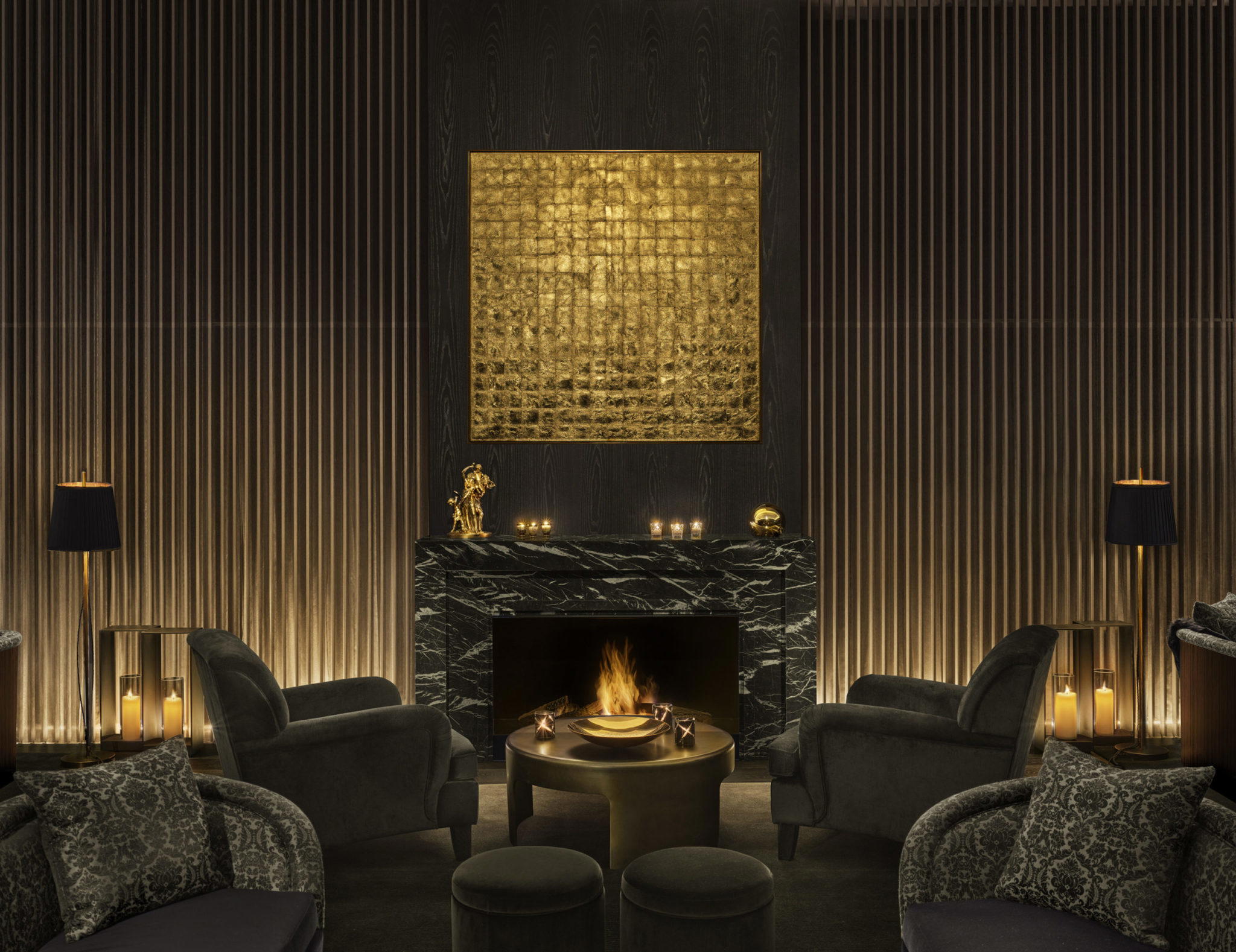
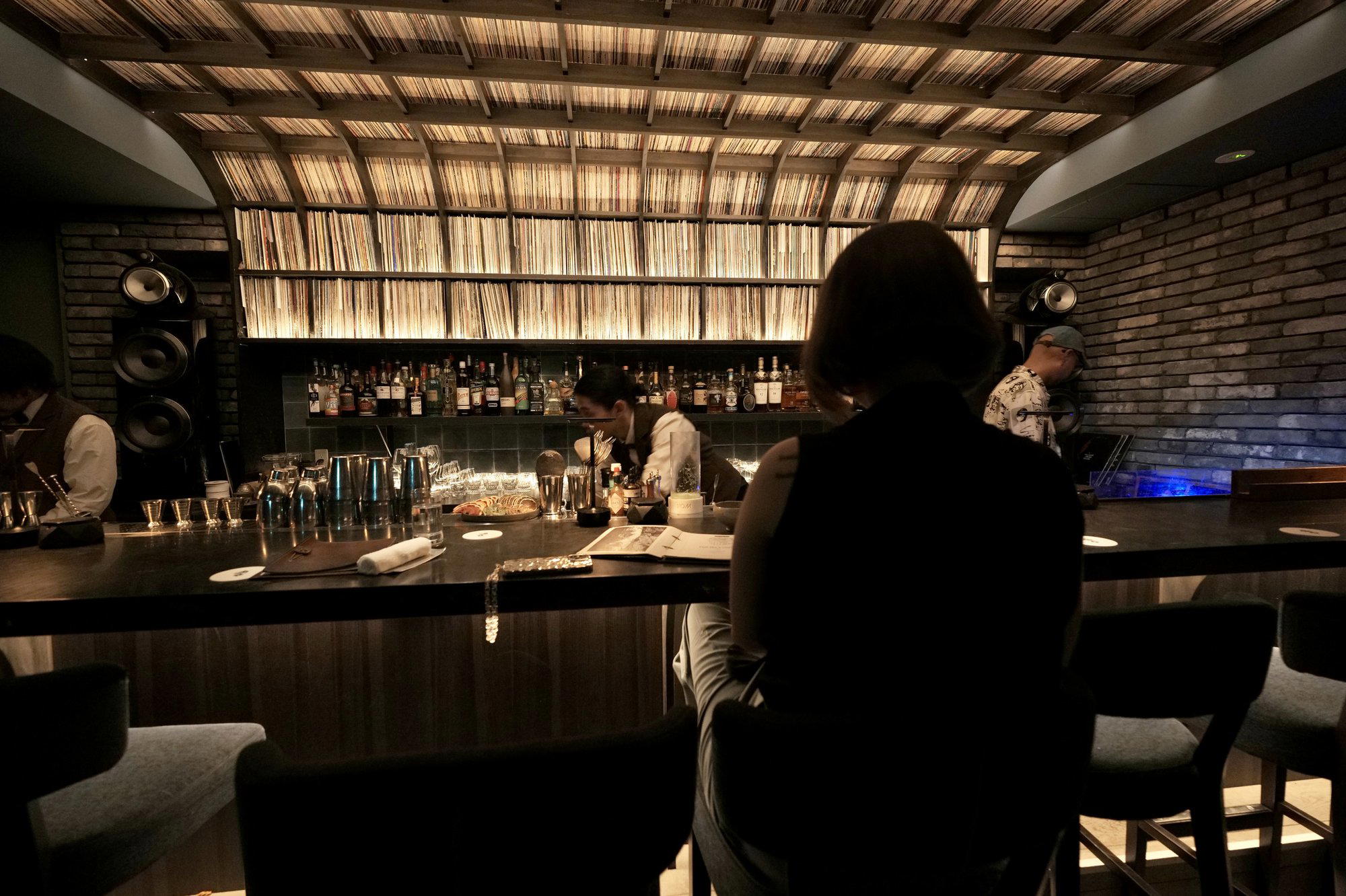
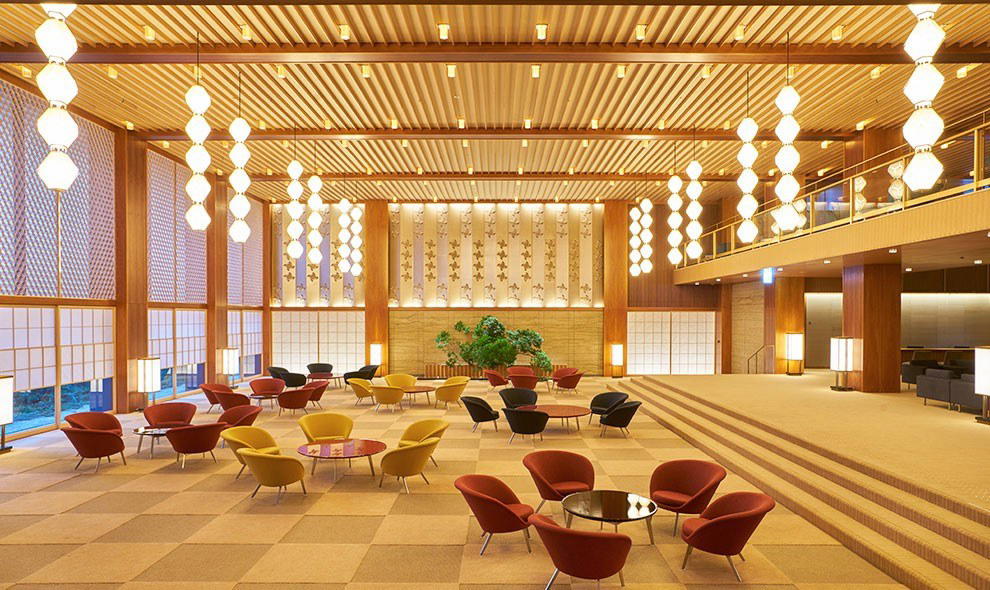
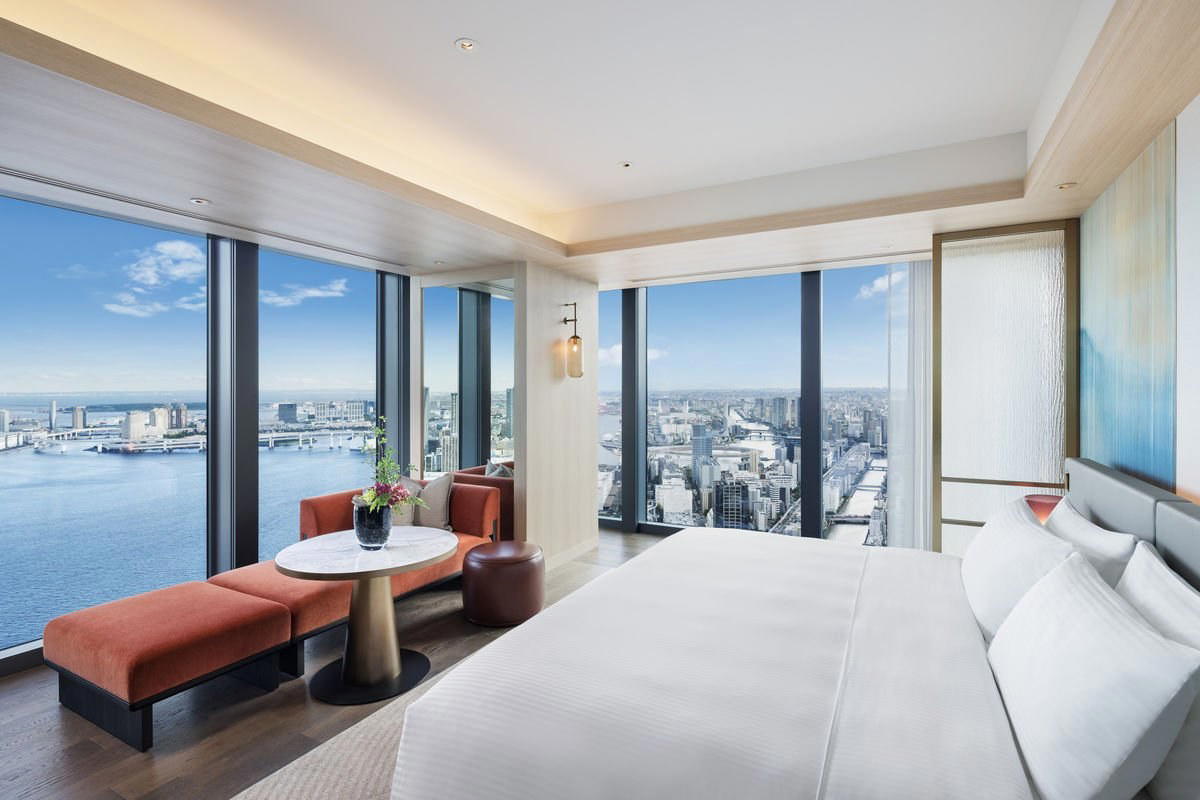
Warm, wooden interior with contemporary comfort; calm and spacious atmosphere ideal for intimate conversations and business meetings.