Asahina Gastronome occupies a ground-floor address in Nihonbashi Kabutocho, Tokyo's former financial district, where French gastronomy is interpreted through the precision and service discipline that define the city's top tier. The room's collaborative format, drawing equally on kitchen craft, sommelier expertise, and front-of-house choreography, places it in a comparable set that includes Tokyo's most considered French dining experiences.
Pearl is the En Primeur Club membership app — saves, bookings, and concierge access live there. Same editors, same standards.
- Address
- Japan, 〒103-0026 Tokyo, Chuo City, Nihonbashikabutocho, 1−4 日本橋兜町M-SQUARE 1F
- Phone
- +81358479600
- Website
- asahinagastronome.com
- Directions
- Get directions
 Saves & bookings on Pearl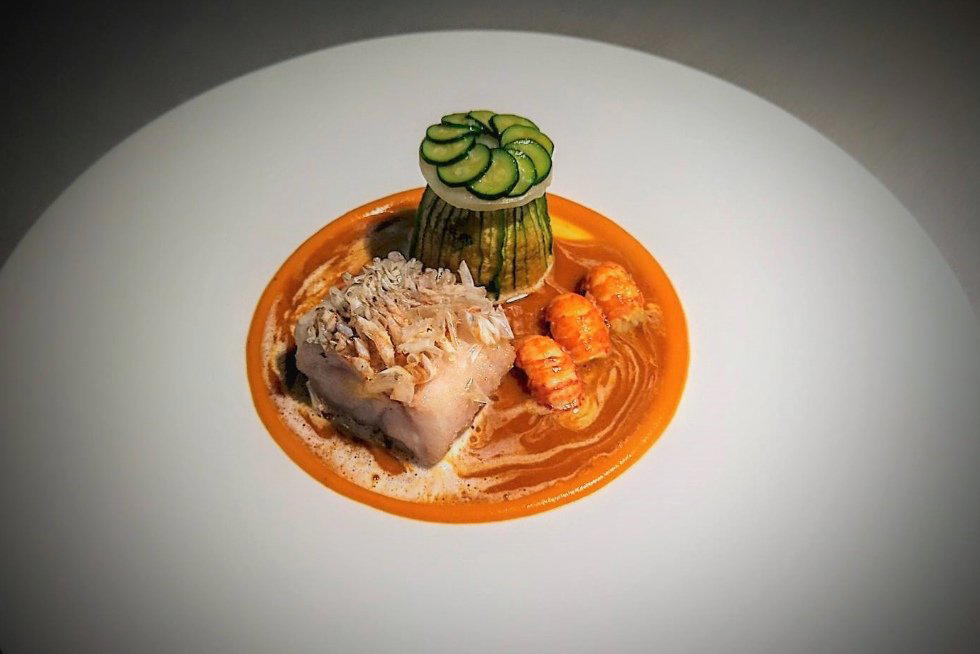
Nihonbashi's French Counter and the Case for Collaborative Dining
Tokyo's fine dining scene has long rewarded specialisation, but its most compelling rooms tend to operate as integrated systems rather than chef showcases. The kitchens that hold attention over decades are those where sommelier, chef, and front-of-house function as a single deliberate unit, each discipline amplifying the others. アサヒナ ガストロノーム (Asahina Gastronome), located on the ground floor of M-SQUARE in Nihonbashi Kabutocho, sits inside that tradition. Its Chuo City address, in a neighbourhood historically associated with Tokyo's financial markets rather than its restaurant clusters, signals something about the kind of audience it was built for: people who seek a room on its own terms rather than because it appears on a well-worn dining itinerary.
The Nihonbashi Kabutocho Context
Nihonbashi Kabutocho spent most of the postwar era as a working financial district, home to brokerage houses and clearing operations rather than destination restaurants. Its redevelopment over the past decade has drawn independent restaurants and bars that benefit from lower profile without sacrificing central access. For high-end French dining, that context matters: the room does not need to compete for tourist foot traffic, and the clientele it attracts tends toward the deliberate rather than the opportunistic. This is the same structural dynamic that has shaped small French rooms in comparable post-industrial pockets across Paris's 11th arrondissement or London's Clerkenwell, where serious restaurants moved before those neighbourhoods became shorthand for dining destinations.
Within Tokyo, the French fine dining category is densely contested. L'Effervescence in Nishi-Azabu has sustained Michelin recognition through a nature-driven tasting format that foregrounds Japanese produce within French technique. Sézanne at Four Seasons Marunouchi operates at the hotel-anchored end of the spectrum, drawing international press through its chef's Alain Ducasse lineage and a room that functions effectively for both business entertaining and serious gastronomy. Crony represents the more informal, produce-forward direction that French-inflected restaurants have moved toward globally. Asahina Gastronome's Kabutocho address positions it differently from all three: not hotel-backed, not in an established dining district, and not oriented toward casual accessibility.
Team Discipline as the Organising Principle
French gastronomy at the highest level has always been a team sport, even when critics frame it through individual chef narratives. The service traditions codified in Paris through the mid-twentieth century depended on the maître d'hôtel, the sommelier, and the brigade operating in genuine coordination. That model eroded in many Western markets as tasting-menu restaurants shifted toward chef-forward theatre, but it has been preserved and in some cases intensified within Japanese fine dining culture. The precision that defines Japanese hospitality, what the industry refers to as omotenashi, maps onto French service classicism with unusual compatibility.
At rooms in this tier, the sommelier's contribution is not decorative. Wine pairing at a serious Tokyo French counter involves navigating a cellar that typically covers Burgundy, Bordeaux, and Champagne with depth, while also addressing Japanese sake and domestic wine with increasing seriousness. The front-of-house, meanwhile, manages a pacing and sequencing function that is as technically demanding as anything happening in the kitchen. When all three departments operate at the same level, the result is a room that reads as effortless even when the underlying complexity is considerable. This is the standard that comparable multi-course French rooms elsewhere in Japan, including HAJIME in Osaka and Gion Sasaki in Kyoto, have each achieved through different approaches to the same integrated-service premise.
What the Address Implies About Format
Ground-floor placement in a mixed-use commercial building like M-SQUARE in Kabutocho typically signals a room designed for lunch and dinner business rather than purely evening tasting menus. Tokyo's serious French counters split roughly into dinner-only omakase-style formats and rooms that function across both services with distinct offerings. The former tend toward longer, more theatrical progressions; the latter require a kitchen and front-of-house team capable of shifting register without losing precision. Neither format is inherently superior, but the operational demands of a two-service room place additional load on team coordination, which reinforces why the collaborative dynamic is central to how a restaurant at this address should be read.
For comparison, particularly technically demanding multi-service French rooms in Asia, including those in Singapore and Hong Kong, have largely resolved the tension by dedicating staff almost entirely to one service or the other. Tokyo's density of dining talent allows for a different resolution: experienced front-of-house professionals who can shift between lunch and dinner registers without the quality drop that dilutes the experience in thinner markets.
Situating Asahina in the Broader Japanese Fine Dining Map
Tokyo tends to absorb most of the international attention directed at Japanese fine dining, but the country's restaurant geography is more dispersed than that framing suggests. akordu in Nara has built a case for Nara as a serious destination for European-influenced tasting menus. Goh in Fukuoka operates within kaiseki tradition but with a modernist sensibility that draws visitors from across the country. Regional rooms including 一本杉川嶋 in Nanao and 湖稲庵 in Takashima demonstrate that precision dining has distributed beyond the major cities. Within Tokyo itself, the sushi counter tradition at places like Harutaka and the kaiseki format at RyuGin represent the indigenous high end against which French rooms measure themselves.
The French tradition's foothold in Tokyo is not recent. French technique arrived in Japan through formal culinary exchange in the postwar decades, and by the 1980s Tokyo had French rooms operating at a standard that surprised European critics visiting for the first time. The current generation of Tokyo French restaurants, including Asahina Gastronome, inherits a half-century of accumulated technical tradition while operating in a city where the overall baseline for kitchen and service precision is already exceptionally high.
Planning Your Visit
Asahina Gastronome is located at 1-4 Nihonbashi Kabutocho, Chuo City, Tokyo, on the ground floor of M-SQUARE. Reservations are essential, and the dress code is formal.
Category Peers
Comparable venues nearby, for context on price, style, and recognition.
| Venue | Cuisine | Price | Notes |
|---|---|---|---|
| アサヒナ ガストロノームThis venue — the venue you are viewing | Modern French Gastronomy with Japanese Touch | $$$$ | Not listed |
| トレフ ミヤモト | Aromatic French Fine Dining | $$$$ | Minato |
| ブノワ | French Bistro with Japanese Influences | $$$$ | Minato |
| オルガン | Modern French Bistro | $$$$ | Suginami |
| プレニチュード | Modern French Organic Fine Dining | $$$$ | Chūō |
| レストラン トヨ トーキョー | Japanese-French Fusion Counter Dining | $$$$ | Chiyoda |






At a Glance
- Elegant
- Sophisticated
- Modern
- Quiet
- Special Occasion
- Celebration
- Date Night
- Business Dinner
- Private Dining
- Open Kitchen
- Design Destination
- Extensive Wine List
- Sommelier Led
- Local Sourcing
Current opening hours
- Monday
- 6–10:30 PM
- Tuesday
- Closed
- Wednesday
- Closed
- Thursday
- 6–10:30 PM
- Friday
- 6–10:30 PM
- Saturday
- 12–3:30 PM, 6–10:30 PM
- Sunday
- 12–3:30 PM, 6–10:30 PM
Hours can change for holidays and private events. Last verified .
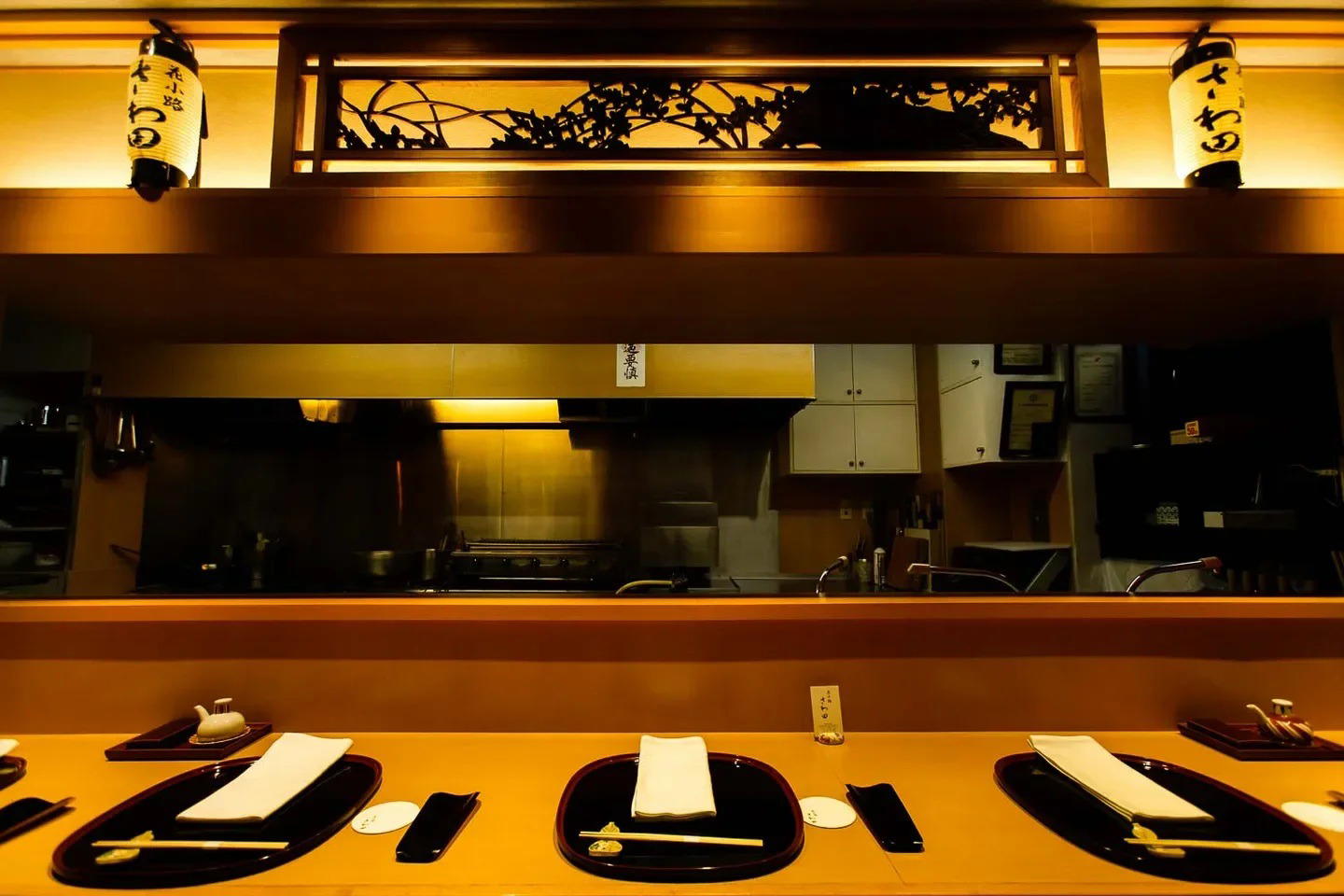
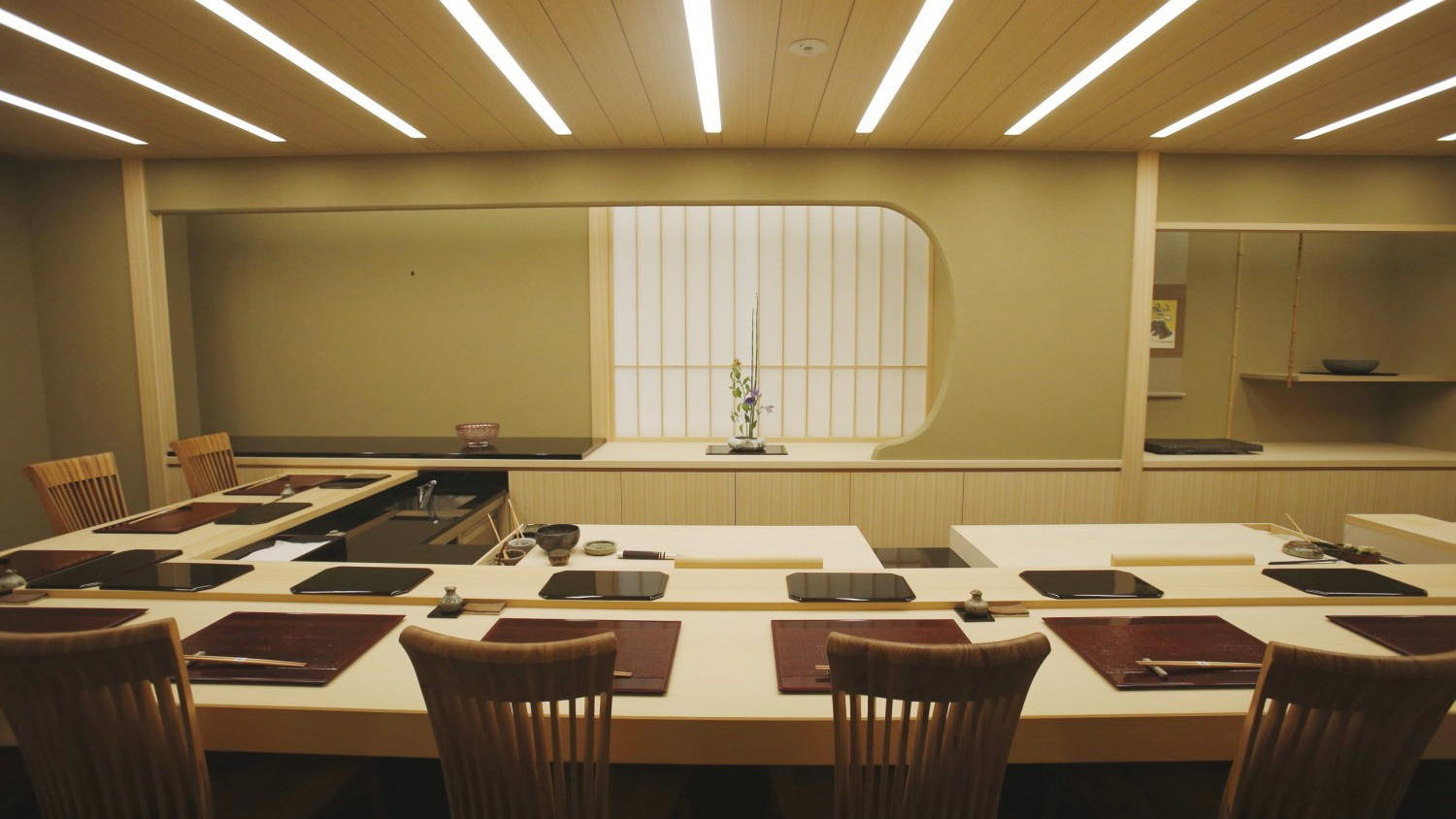
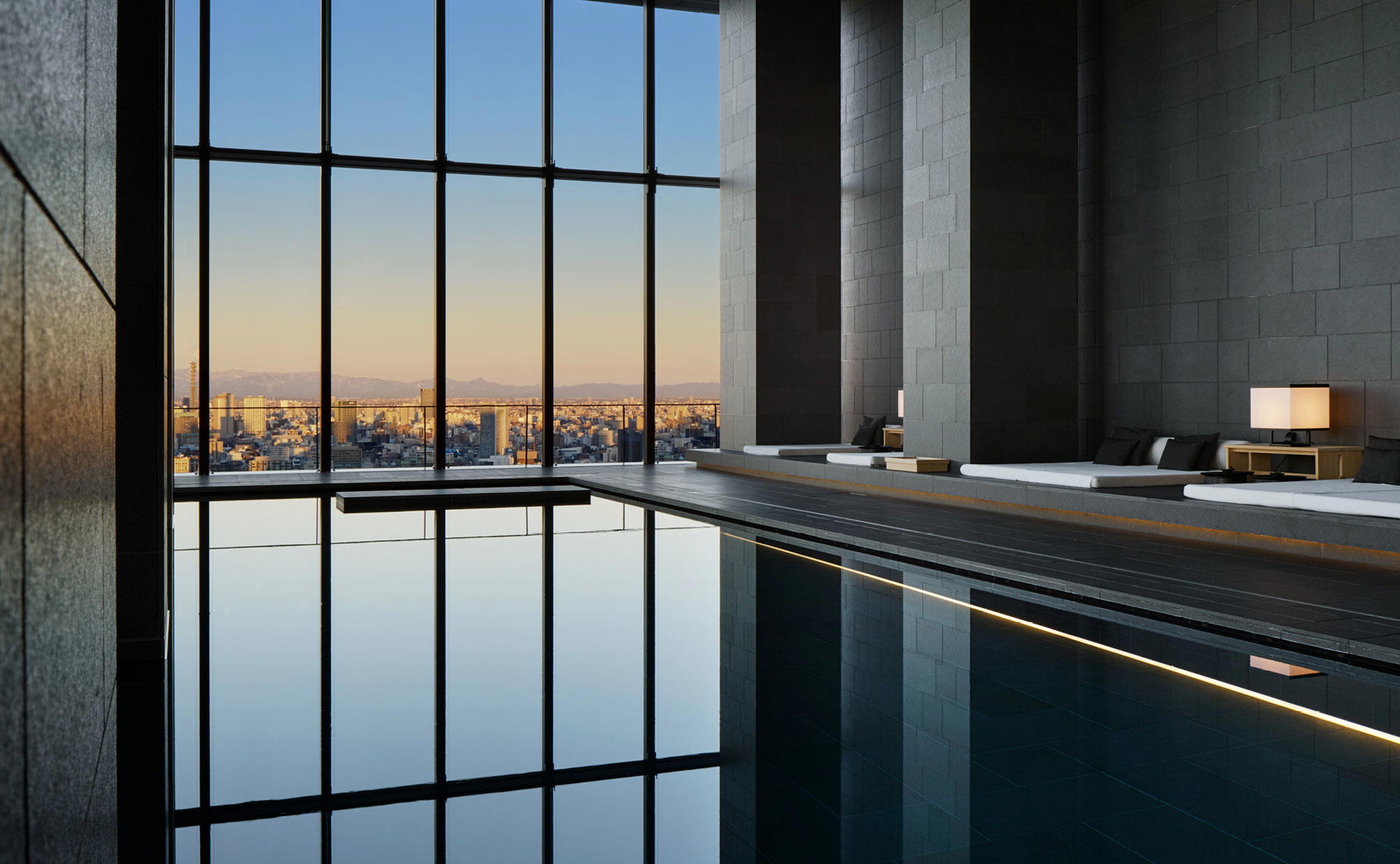
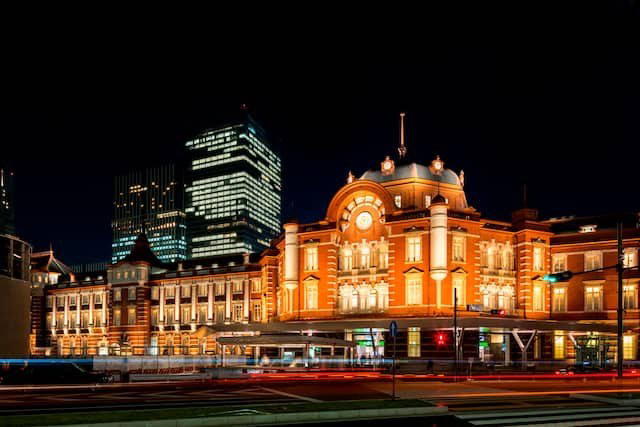
Minimalist and refined interior composed of silver, transparent, and white elements resembling crystal or diamond, creating an elegant and sophisticated atmosphere.