Joel Robuchon's casual counter format arrived in Tokyo as part of a global expansion that placed L'Atelier in the same tier as the city's most serious French dining rooms. Positioned at Roppongi Hills, it sits within a competitive set that includes L'Effervescence and Sézanne, distinguished by an open-kitchen bar format that was unusual in Tokyo when the concept launched and remains a structural counterpoint to the city's prevailing omakase model.
Pearl is the En Primeur Club membership app — saves, bookings, and concierge access live there. Same editors, same standards.
- Address
- Japan, 〒106-0032 Tokyo, Minato City, Roppongi, 6 Chome−10−1 六本木ヒルズ ヒルサイド 2F
- Phone
- +81357727500
- Website
- robuchon.jp
- Directions
- Get directions
 Saves & bookings on Pearl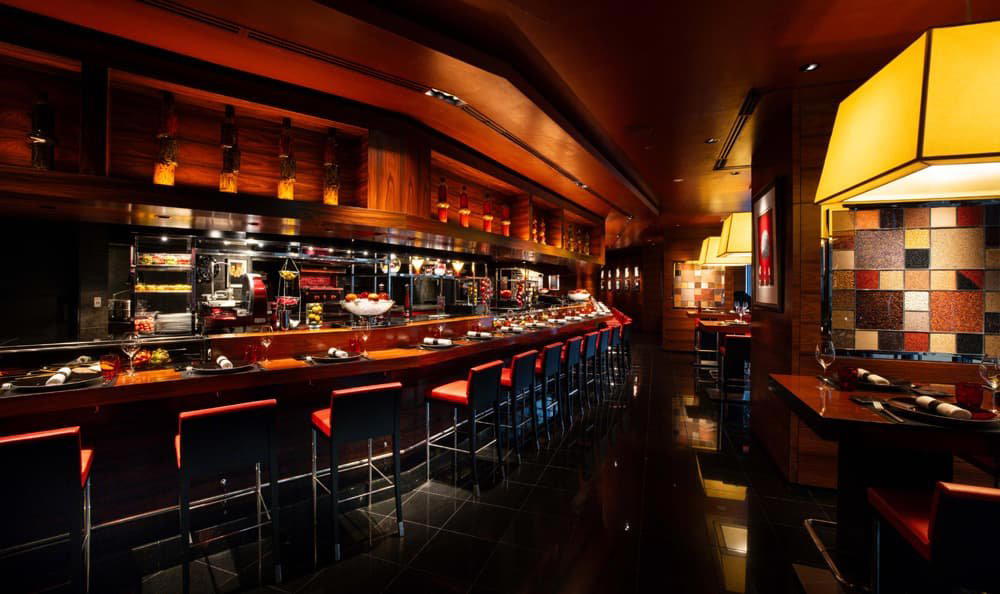
A French Counter Format in a City That Already Understood Counter Dining
When the L'Atelier de Joël Robuchon concept arrived in Tokyo, it landed in a city already deeply fluent in counter dining. The omakase format, where a chef works directly in front of a small audience and sequences the meal with precision, had been refined over generations in Japanese sushi and kaiseki traditions. What L'Atelier introduced was a European parallel: an open kitchen bar with high stools, small plates, and a menu built around watching the kitchen work rather than sitting at a conventional table. That structural overlap between French counter service and Japanese omakase culture made Tokyo a more intuitive fit for the format than almost any other city in the world.
The Roppongi Hills address situates the restaurant within one of the city's most concentrated clusters of serious dining. The Hillside building alone houses several high-end operations, and the surrounding Roppongi neighbourhood has historically attracted major international dining concepts alongside established Japanese fine dining.
The Tasting Arc: How the Meal Is Designed to Move
The L'Atelier format, consistent across the global network, is structured around a progression of small, technically precise plates rather than the larger composed courses of traditional French fine dining. The meal typically opens with amuse-bouche and smaller bites before moving through fish, meat, and dessert sequences. The pacing is calibrated to the counter setting: dishes arrive more frequently than in a conventional multi-course structure, and the kitchen's proximity means the transitions between courses are visible rather than hidden behind a closed kitchen door.
This format positions L'Atelier differently from Tokyo's other leading French rooms. L'Effervescence operates with a more classical tasting menu architecture and a strong seasonal produce emphasis. Sézanne, under Daniel Calvert, has attracted significant critical attention for its French technique applied to Japanese ingredients. Crony operates in the innovative-French space at a lower price tier. L'Atelier's point of difference is the format itself: the counter, the open kitchen, and the smaller-plate sequencing create a meal that reads as more interactive and less ceremonial than its immediate peers.
The progression at a Robuchon counter also tends to anchor itself around a few canonical preparations that have appeared consistently across the global network since the concept's founding in Paris in 2003. The pomme purée, the langoustine preparations, and the structured dessert sequences are reference points that dining regulars use to calibrate across different Atelier locations. In Tokyo, where comparison dining is a serious pursuit, this consistency functions as a trust signal rather than a limitation.
Roppongi Hills and the Competitive Geography of Tokyo Fine Dining
Tokyo's high-end dining geography is not uniform. The city's most recognised addresses cluster in specific pockets: Ginza for sushi and traditional Japanese formats, Minami-Aoyama for chef-driven contemporary rooms, and Roppongi for a mix of international concepts and long-established high-end operations. L'Atelier sits in the Roppongi cluster alongside RyuGin, one of the city's most rigorous kaiseki operations and a consistent presence on global restaurant ranking lists. That proximity places L'Atelier within a comparable set where the reference standard for kitchen precision is set by Japanese fine dining traditions, not just French ones.
The Hillside location within the Roppongi Hills complex means the restaurant operates within a larger mixed-use environment that includes hotels, galleries, and retail. This is a different context from the standalone street-level addresses that Tokyo's more intimate French rooms tend to occupy. Whether that context matters depends on what the diner is looking for: the complex provides convenience and accessibility, but the atmosphere is less embedded in a specific neighbourhood character than, say, the quieter streets around L'Effervescence in Nishi-Azabu.
Where L'Atelier Sits in the Broader Robuchon Tokyo Presence
The Robuchon presence in Tokyo is layered. The flagship Restaurant Joël Robuchon in the same Roppongi Hills complex operates at a different register entirely: a formal château-style room with a classical multi-course structure and a higher price point. L'Atelier is the more accessible and less ceremonial option within that same building, which means the two properties effectively cover different segments of the same diner base.
For travellers moving through Japan's broader fine dining circuit, the regional comparisons are instructive. HAJIME in Osaka operates at a similarly high technical register within a French-influenced framework. Gion Sasaki in Kyoto represents the kaiseki tradition at its most refined. Further afield, akordu in Nara and Goh in Fukuoka each occupy specific niches within Japan's regional fine dining spread. For those building a Japan itinerary around serious dining, the Tokyo anchor restaurants, including L'Atelier, function as calibration points for what the country's high-end dining registers feel like at their most internationally recognised.
Beyond Japan, the structural comparisons extend to major French-tradition rooms internationally. Le Bernardin in New York City shares the Robuchon network's commitment to classical French technique at the highest level, while Atomix in New York City represents the counter-format fine dining model applied through a Korean lens, a useful reference for understanding how the counter format translates across cultural contexts.
Harutaka for sushi and the regional options below gives a fuller picture of how the city's fine dining ecosystem distributes across cuisine types and price tiers. Additional Japanese regional reference points include 一本杉川島 in Nanao, 大地のうた乃 in Sapporo, 湖里庵 in Takashima, 庄羽屋 in Nishikawa Machi, Birdland in Sakai, and Bistro Ange in Toyohashi.
The Quick Read
Comparable venues nearby, for context on price, style, and recognition.
| Venue | Cuisine | Price | Notes |
|---|---|---|---|
| ラトリエ ドゥ ジョエル・ロブションThis venue — the venue you are viewing | Minato, Modern French Counter Dining | $$$$ | Not listed |
| Gastronomy Joel Robuchon | Meguro, Modern French Fine Dining | $$$$ | Not listed |
| URANO | Not listed | $$$$ | Chiyoda, Seasonal French omakase-style courses |
| エスキス | Not listed | $$$$ | Chūō, Modern French with Japanese Ingredients |
| アルゴリズム | Minato, Modern French Fine Dining | $$$$ | Not listed |
| Joël Robuchon | Shibuya, Modern French Fine Dining | $$$$ | Not listed |









At a Glance
- Elegant
- Sophisticated
- Modern
- Date Night
- Special Occasion
- Business Dinner
- Open Kitchen
- Chefs Counter
- Design Destination
- Extensive Wine List
- Sake Program
- Street Scene
Current opening hours
- Monday
- 12–1:30 PM, 6–7:30 PM
- Tuesday
- 12–1:30 PM, 6–7:30 PM
- Wednesday
- 12–1:30 PM, 6–7:30 PM
- Thursday
- 12–1:30 PM, 6–7:30 PM
- Friday
- 12–1:30 PM, 6–7:30 PM
- Saturday
- 12–1:30 PM, 6–7:30 PM
- Sunday
- 12–1:30 PM, 6–7:30 PM
Hours can change for holidays and private events. Last verified .
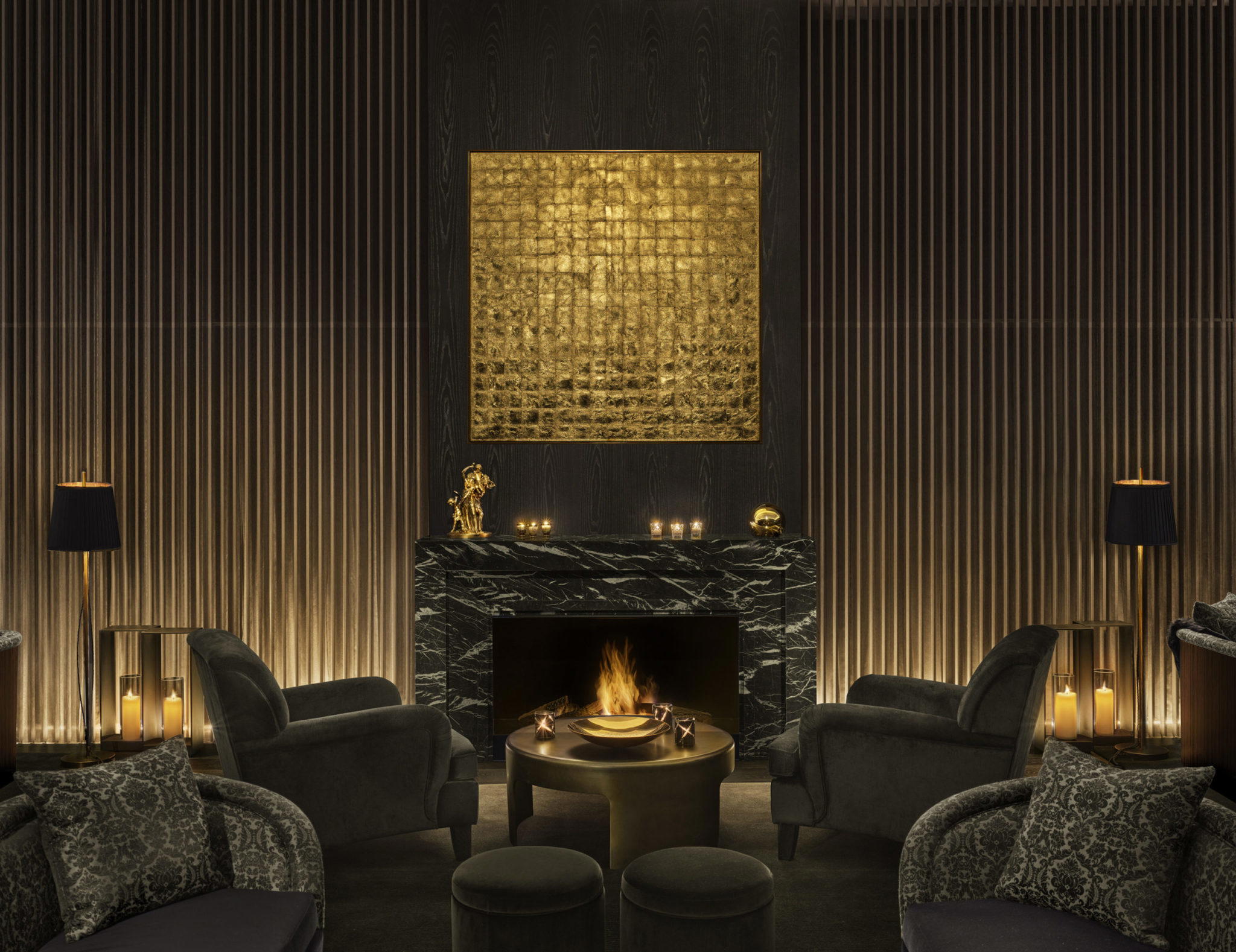
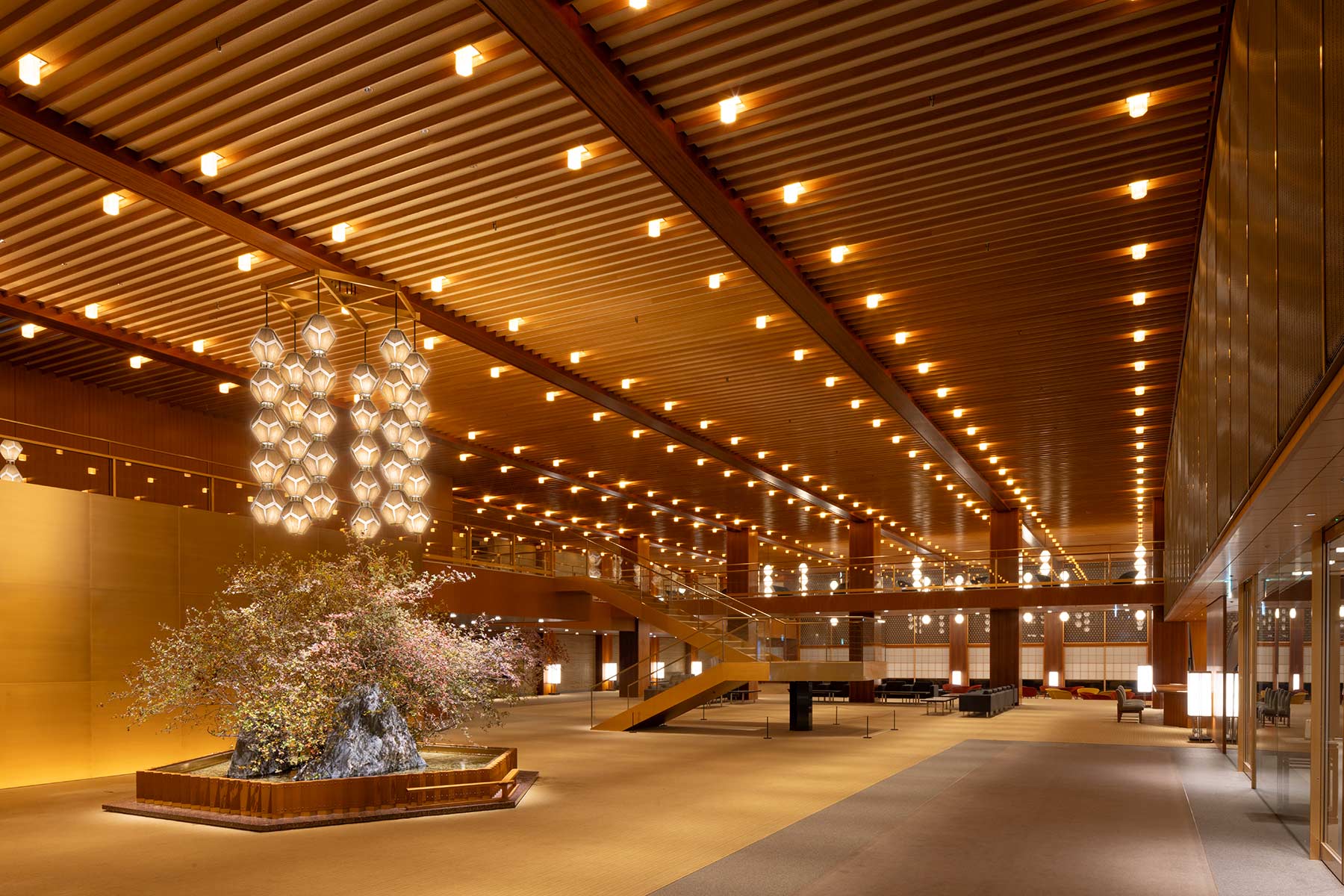
Theater-like red and black interior with a central open kitchen and long curving counter, creating a stylish and immersive atmosphere.