In Kanda, one of Tokyo's quieter commercial districts, Honda Tokyo Noodle Works (麺処 ほん田) occupies a place in the city's serious ramen conversation that few bowls in the neighbourhood can match. The address at 神田花岡町1-19 draws regulars who treat the menu as a study in broth construction and noodle proportion rather than a casual lunch stop. It is the kind of counter where what arrives in the bowl reflects considered decisions about format and balance.
Pearl is the En Primeur Club membership app — saves, bookings, and concierge access live there. Same editors, same standards.
- Address
- 神田花岡町1-19, 千代田区, 東京都, 101-0025
- Directions
- Get directions
 Saves & bookings on Pearl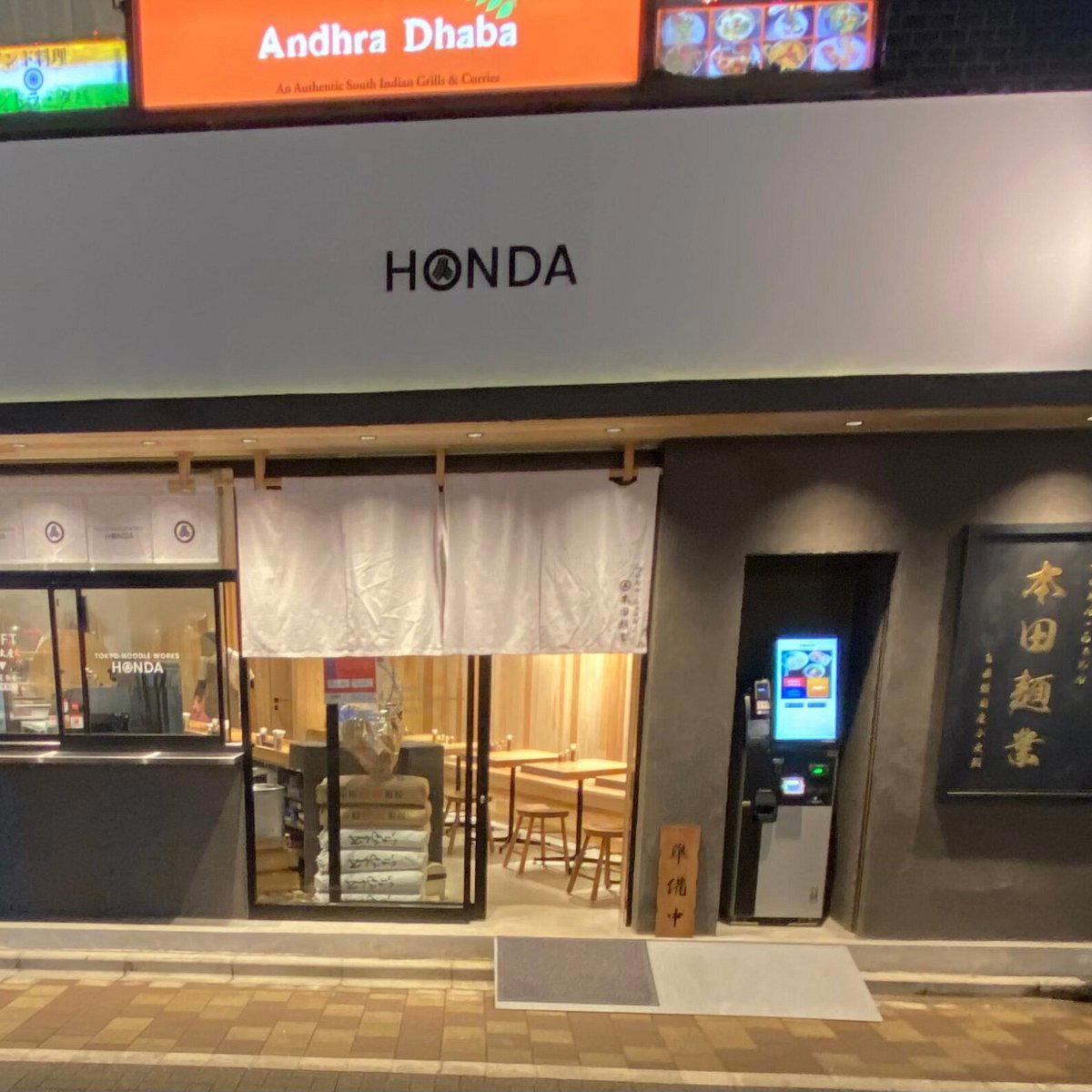
Kanda and the Architecture of a Serious Ramen Counter
Tokyo's ramen scene is not a single category. It fractures across dozens of regional styles, broth philosophies, and service formats, from high-volume chains optimised for turnover to small counters where the menu is deliberately short and the bowl is the entire editorial statement. Kanda sits in the latter tradition. The district, sandwiched between Akihabara's electronics density and the business corridors around Tokyo Station, has historically supported a working lunch culture, but its ramen counters have increasingly drawn visitors willing to make a specific trip. Honda Tokyo Noodle Works (麺処 ほん田), located at 神田花岡町1-19 in Chiyoda-ku, is a casual ramen restaurant serving shoyu ramen and tsukemen for about $15 per person.
What distinguishes counters at this tier in Tokyo is not price or setting alone, it is menu architecture. A bowl of ramen carries more decisions than it appears to: the ratio of fat to umami in the broth, the thickness and hydration of the noodle, the cut and cure of the chashu, the temperature at which toppings arrive. Serious counters in Tokyo treat each of these as individual variables, and the menu structure often reveals how much editorial control the kitchen is exercising. A short menu, with few variations and limited customisation, typically signals that the kitchen has committed to a singular vision and is not prepared to dilute it. This is the operating model that defines the upper tier of Tokyo's independent ramen houses.
What the Menu Format Reveals
In Tokyo's concentrated ramen market, the structure of what a kitchen chooses to offer tells you more than the number of seats or the queue outside. Particularly deliberate counters tend to anchor around one or two broth styles executed at a high level, with variations that serve to highlight technique rather than expand reach. This approach reflects a broader pattern visible across Japanese food culture, from the focused omakase of counters like Harutaka in sushi to the kaiseki discipline at RyuGin, the idea that restraint in scope is evidence of confidence in execution.
Honda Tokyo Noodle Works operates within this tradition. The kitchen's choices about what to offer, and what not to offer, function as a curatorial act. Where high-volume ramen operations rely on broad menus and fast prep to drive throughput, counters at this level in Tokyo reduce the menu to the point where every item can be defended on its own terms. The noodle-to-broth ratio, the seasoning concentration, the specific character of the tare, these are the details that signal where a counter sits in Tokyo's increasingly stratified ramen hierarchy.
Placing Honda Within Tokyo's Ramen Hierarchy
Tokyo supports several distinct tiers of ramen. At the entry level, chain operations and station-adjacent counters serve functional bowls at speed. A mid-tier of independent shops works within established regional styles, shoyu, shio, tonkotsu, miso, with varying degrees of technical rigour. Above that sits a smaller group of counters where the ramen is treated with the same attention given to tasting menus at L'Effervescence or Sézanne: ingredients sourced with intent, broth built over extended periods, and the overall bowl conceived as a composed dish rather than an assembly.
Honda Tokyo Noodle Works sits in this upper register. Its Kanda address places it outside particularly tourist-trafficked ramen corridors, which functions as a self-selecting filter. The visitors who seek it out in Chiyoda-ku are, by definition, making a considered choice rather than a casual one. This dynamic mirrors what you find at serious independents across Japan's food cities: HAJIME in Osaka, Gion Sasaki in Kyoto, and Goh in Fukuoka all draw on a similar logic, the address requires effort, and that effort is part of the compact between kitchen and guest.
The Kanda Address: Location as Editorial Signal
Chiyoda-ku, where Honda sits, is not a district built around dining destination traffic. It is an administrative and commercial zone, home to government buildings and mid-scale office blocks, with a food culture shaped historically by the surrounding working population. That context matters. Ramen counters that survive and build reputations in this kind of neighbourhood do so on the quality of the bowl and the loyalty of repeat visitors, not on foot traffic from tourists or food-tourist circuits. The discipline that produces is visible in how the kitchen operates.
This pattern is consistent across Japan's smaller cities and non-tourist districts. Counters in places like Nara or regional addresses such as Nanao and Nishikawa Machi often produce tighter, more focused food precisely because the audience is local and returning rather than transient. Honda in Kanda operates in a version of this logic, despite sitting within Tokyo's city boundary.
Planning Your Visit
Honda Tokyo Noodle Works is located at 神田花岡町1-19, 千代田区, 東京都, 101-0025. The nearest access points are Kanda Station (JR lines) and Awajicho Station (Tokyo Metro Marunouchi Line), both within short walking distance. Reservations: Walk-in friendly. Dress: Casual. Budget: About $15 per person. Timing: Lunch service is the primary window; evening hours vary by day and should be confirmed locally before visiting. For a wider view of Tokyo's dining options across all categories and price points, see our full Tokyo restaurants guide.
How It Stacks Up
Comparable venues nearby, for context on price, style, and recognition.
| Venue | Cuisine | Price | Notes |
|---|---|---|---|
| Honda Tokyo Noodle Works (麺処 ほん田)This venue — the venue you are viewing | Shoyu Ramen & Tsukemen | $$ | Not listed |
| Tokyo Dosanjin | Traditional Soba Noodle Restaurant | $$ | Meguro |
| Shimura | Traditional Japanese Sweets & Casual Fare | $$ | Suginami |
| Sakazuki | Standing Japanese sake bar with omakase pairing course | $$ | Chūō |
| Kurumi Do Kissa Ten | Japanese kissaten & café with bookstore | $$ | Kokubunji |
| 銀座 上瀧 | japanese | Not listed | Chūō |







At a Glance
- Cozy
- Casual Hangout
- Solo
- Sake Program
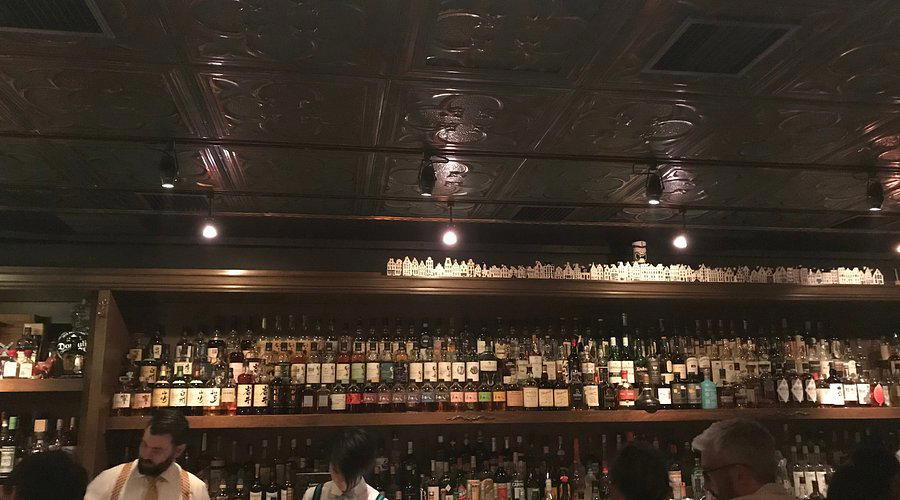
Casual ramen shop atmosphere with focus on quick, high-quality noodle service amid typical urban eatery energy.